This site is supported by our readers. We may earn a commission, at no cost to you, if you purchase through links.
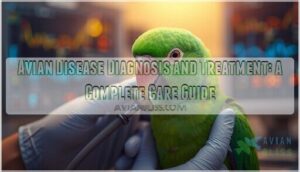
You notice your parrot’s breathing has changed—subtle at first, then unmistakable. By the time most bird owners recognize something’s wrong, the disease has already gained a dangerous foothold. Birds instinctively hide illness until they can’t anymore, a survival mechanism that makes early avian disease diagnosis and treatment the difference between a full recovery and losing your companion.
Modern diagnostic tools can now detect infections with 97.2% accuracy within 24 hours, but only if you know when to act. Understanding the warning signs, diagnostic procedures, and treatment options transforms you from a passive observer into your bird’s first line of defense.
The gap between “something seems off” and “we need help now” contains critical decisions that determine outcomes.
Table Of Contents
- Key Takeaways
- What Are Avian Diseases and Why Early Detection Matters
- Recognizing Key Signs and Symptoms of Avian Illness
- Essential Diagnostic Tests and Procedures for Birds
- Common Avian Diseases and Their Clinical Presentation
- Treatment Approaches for Avian Disease Management
- Biosecurity and Prevention Strategies for Healthy Flocks
- When to Seek Veterinary Care for Your Bird
- Frequently Asked Questions (FAQs)
- Conclusion
Key Takeaways
- Birds instinctively hide illness until severe, making early detection within 24-48 hours critical—modern diagnostic tools like RT-PCR achieve 97.2% accuracy when symptoms are caught early, dramatically improving survival rates.
- Effective diagnosis requires combining behavioral observation (lethargy, appetite changes, respiratory distress) with laboratory testing (blood panels, molecular assays, fecal exams) because physical symptoms often appear only after disease has progressed significantly.
- Treatment success depends on species-specific protocols that address the root cause—bacterial infections need precise antibiotic dosing for 45 days, viral diseases require supportive care with antiviral agents, and parasitic infestations respond to targeted antiparasitic medications.
- Prevention through biosecurity measures (visitor restrictions, 30-day quarantine for new birds, proper vaccination schedules) reduces disease risk by over 50% and costs significantly less than treating established infections.
What Are Avian Diseases and Why Early Detection Matters
Avian diseases can strike quickly and spread through your flock before you realize what’s happening. Understanding what these diseases are and why catching them early makes all the difference between a treatable condition and a devastating loss.
Let’s break down the basics of avian diseases, the power of early detection, and the risk factors you need to watch for.
Defining Avian Diseases and Their Impact
Avian diseases encompass infectious and non-infectious conditions affecting domesticated, wild, and captive birds. You’ll encounter viral threats like avian influenza, bacterial infections such as psittacosis, parasitic infestations, and nutritional disorders. Disease classification helps you understand transmission patterns and severity.
The economic impact is staggering—Japan’s 2022-2023 outbreak alone cost over $126 million. Mortality rates during highly pathogenic avian influenza outbreaks can exceed 50%, threatening both your flock and global biodiversity. The poultry industry suffers significant economic losses due to avian influenza outbreaks.
The Critical Role of Early Detection
Detecting disease early can save your entire flock. Rapid testing through early warning systems confines infections to smaller groups, dramatically cutting mortality rates. When you catch avian illness within the first 24 hours, sophisticated diagnostic tools like thermography achieve 97.2% accuracy for Avian Influenza detection.
Early detection within 24 hours can achieve 97% accuracy in diagnosing avian influenza and save your entire flock
These diagnostic tests enable immediate treatment decisions, protecting both avian health and your investment through effective flock health monitoring and disease surveillance. Biosensors, including glycan-based detection, are also being developed for early and specific diagnosis.
Common Risk Factors for Disease Development
Understanding what puts your birds at risk helps you prevent outbreaks before they start. Infected Bird Contact and Environmental Contamination through feces remain primary threats, especially in live markets.
Population Density increases transmission, while Nutritional Deficiencies—particularly vitamin A shortages from seed-heavy diets—weaken immune defenses.
Stress Impact from heat or overcrowding further compromises resistance. Environmental factors like stagnant water and habitat destruction create breeding grounds for pathogens.
Recognizing Key Signs and Symptoms of Avian Illness
Birds hide illness as a survival instinct, so you need to know what subtle changes mean trouble. Catching these signs early can be the difference between a simple treatment and a life-threatening emergency.
Let’s look at the key behavioral shifts, physical symptoms, and warning signs that tell you your bird needs help.
Behavioral Changes That Signal Illness
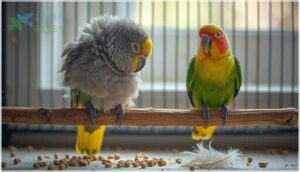
When your bird starts acting differently, it’s signaling something’s wrong. Watch for lethargy signs like reduced activity or sleeping more than usual.
Social isolation and sudden changes in appetite often precede visible disease symptoms. Motor abnormalities—trembling, loss of balance, or hunched postures—indicate advancing illness.
Stress behaviors like feather picking frequently accompany these early disease detection markers in avian diseases, demanding your immediate attention.
Physical Symptoms Requiring Immediate Attention
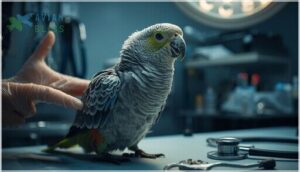
When you notice physical symptoms like bleeding from the nares or vent, don’t wait—these occur in 10–20% of birds with severe coagulation disorders. Feather abnormalities, beak deformities, and neurologic signs such as head tilting demand immediate veterinary care.
Severe trauma, respiratory distress with gasping, and extensive feather loss signal critical illness requiring emergency intervention.
Species-Specific Warning Signs to Monitor
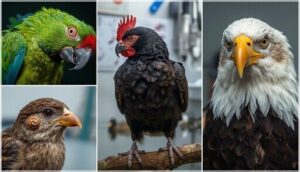
Why does each species show different disease cues? Parrots with psittacosis display lethargy in 85% of cases, while conjunctivitis affects 72% of those with feather disease.
Poultry disease cues include sudden death in 22% of highly pathogenic avian influenza outbreaks and purple discoloration in 59% of infected chickens.
Finch pox symptoms feature wart-like growths in 67% of cases.
Raptor HPAI alerts include neurological tremors in 44% of bald eagles.
Waterfowl AI shedding occurs in 7.7% during migration.
Respiratory Distress and Breathing Abnormalities
How do you spot respiratory illness when your bird can’t tell you it’s struggling? Watch for open-mouth breathing, tail bobbing, and nasal discharge—clinical signs that demand immediate attention.
Respiratory distress affects a significant proportion of companion bird cases, with symptoms ranging from tachypnea to cyanosis. Diagnostic methods include imaging and molecular testing, while treatment options target the underlying cause through antibiotics or supportive care.
Essential Diagnostic Tests and Procedures for Birds
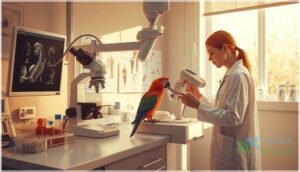
When your bird shows signs of illness, accurate diagnostics become the cornerstone of effective treatment. Modern avian medicine offers a range of testing options that can pinpoint infections, assess organ function, and detect diseases before they become life-threatening.
Let’s explore the essential diagnostic tools your veterinarian may use to uncover what’s affecting your bird’s health.
Blood Tests and Laboratory Diagnostics
When your bird acts off, blood tests cut through the guesswork. Laboratory diagnostics reveal hidden infections and organ damage before symptoms become severe. Modern avian disease diagnosis relies on several approaches:
- Reference ranges specific to each species guide accurate interpretation
- Diagnostic accuracy reaches 92% with specialized antibody and fungal panels
- Serological surveillance detects exposure to viruses like avian influenza
- Sample handling on filter strips achieves 97% detection for parasites
- Biochemical panels combine multiple markers to confirm aspergillosis
These diagnostic tests provide the roadmap for treatment.
Real-Time RT-PCR and Advanced Molecular Assays
Real-time RT-PCR delivers the sensitivity you need when minutes count. This molecular diagnostic detects as few as 5 RNA copies per reaction—up to 100 times more sensitive than older methods. Multiplex assays identify several pathogens simultaneously, slashing turnaround time.
With market growth pushing diagnostic tests forward, emerging technologies like LAMP and microfluidic biochips now complement RRT-PCR, strengthening your pathogen detection arsenal through rigorous assay validation.
Necropsy and Post-Mortem Examination Procedures
When medical imaging can’t provide answers, necropsy procedures uncover the truth. Following a systematic protocol, you’ll examine organs, collect tissue sampling from liver, spleen, lungs, and brain, then submit samples for histopathology and microbiology.
This postmortem analysis achieves 82% diagnostic accuracy for lesion detection while revealing epidemiological data necessary for flock management. Skill variation among practitioners affects results, so choose experienced avian pathology services.
Emerging Technologies: Microfluidic Biochips and AI Diagnostics
Beyond traditional laboratory testing, microfluidic biochips and AI diagnostics are transforming avian disease diagnosis through multiplex pathogen detection in under 10 minutes. These emerging technologies achieve 100% AI diagnostic accuracy for avian influenza subtypes, with automated image analysis supporting veterinary practice adoption.
Biochip field deployment permits on-farm testing without centralized labs, cutting diagnostic turnaround from days to hours while maintaining 90% specificity across real-world applications.
Next-Generation Sequencing for Pathogen Detection
Next-generation sequencing detects multiple avian pathogens simultaneously without knowing what you’re looking for in advance. This molecular diagnostic approach reveals viral diversity classical tests miss, identifies vaccine escape mutants, and tracks AIV surveillance with >99% genome coverage.
NGS advantages include:
- Culture-independent identification of novel viruses affecting your flock
- Semi-quantitative pathogen load estimates from respiratory samples
- Genetic characterization showing mutations impacting disease spread
- Greater sensitivity for rapidly evolving viruses compared to RT-PCR
Data interpretation requires bioinformatics expertise, though cost-effectiveness improves as sequencing prices drop. Future applications combining NGS with AI promise real-time outbreak monitoring.
Common Avian Diseases and Their Clinical Presentation
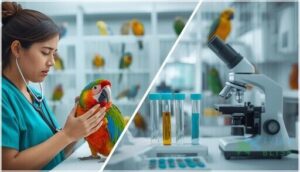
You’ll encounter a range of diseases in birds, from highly contagious viral infections to parasitic infestations and nutritional deficiencies.
Each disease presents with distinct clinical signs that help you identify what’s affecting your bird. Understanding these common conditions will guide you toward appropriate diagnostic tests and treatment options.
Viral Infections: Avian Influenza and Avian Pox
Two viral diseases currently pose the greatest threat to your flock’s health: avian influenza and avian pox. Avian influenza, particularly the H5N1 strain, spreads rapidly and causes respiratory distress and sudden death. Avian pox manifests as wart-like growths and breathing difficulties. RT-PCR assays can confirm viral infections within hours, and early antiviral treatment is crucial, though avian pox primarily requires supportive care. Effective disease control relies on rapid diagnosis and immediate action.
| Disease Feature | Avian Influenza | Avian Pox |
|---|---|---|
| Primary Symptoms | Respiratory distress, sudden death, reduced egg production | Wart-like growths, diphtheritic membranes, conjunctivitis |
| Transmission | Respiratory droplets, contaminated surfaces | Mosquitoes, direct contact with lesions |
| Diagnostic Method | RT-PCR assays most reliable | Lesion observation, electron microscopy |
| Treatment Approach | Neuraminidase inhibitors, supportive care | Topical antiseptics, vitamin supplementation |
Bacterial Diseases: Psittacosis and Chlamydophila Infections
While viral infections spread quickly, bacterial bird diseases like psittacosis caused by C. psittaci (Chlamydophila psittaci) require equal vigilance. Infected birds exhibit respiratory distress, watery eyes, and loose droppings. Aerosol transmission from dried droppings poses serious risks during handling. PCR testing confirms diagnosis rapidly, detecting bacterial DNA with over 90% accuracy. Doxycycline treatment for 45 days ensures complete disease eradication.
Five Critical Facts About Psittacosis:
- Incubation periods range from 2-14 days in birds
- Parrots show 37% infection rates in some populations
- Humans contract disease through inhaled contaminated dust
- PCR testing surpasses traditional serologic methods
- Treatment requires strict 45-day antibiotic protocols
Parasitic Infestations: Intestinal Worms, Mites, and Lice
Unlike viral and bacterial threats, parasitic bird diseases emerge silently through intestinal worms, mites, and lice. Infection rates reach 87% in domestic birds, with 20% of wild populations harboring intestinal parasites. Mite prevalence exceeds 90% in some nests, while lice control challenges persist at 47.7% infestation rates. Diagnostic methods rely on fecal flotation tests and microscopic examination. Treatment strategies center on moxidectin for worms, fluralaner for mites, and permethrin sprays for lice control.
| Parasite Type | Prevalence Rate | Primary Diagnostic Method |
|---|---|---|
| Intestinal Worms | Up to 87.1% | Fecal flotation, PCR |
| Mites | Over 90% nests | Direct visual, microscopy |
| Lice | 47.7% birds | Feather examination |
| Air Sac Mites | Varies by species | Respiratory endoscopy |
| Nematodes | 8% pet birds | Egg count, worm identification |
Psittacine Beak and Feather Disease (PBFD)
Psittacine Beak and Feather Disease (PBFD) is a fatal viral condition that threatens parrots and cockatoos worldwide, with a global prevalence of 18.7%. Affected birds exhibit chronic feather loss, beak deformities, and progressive immunosuppression.
- Feather dystrophy appears after the first molt, often with scattered yellow feathers in green-plumaged species
- Diagnostic tests include PCR assays and whole-genome sequencing for accurate disease diagnosis
- No cure exists—supportive care focuses on nutritional support, fluid therapy, and managing secondary infections
- Biosecurity protocols with quarantine measures prevent spread in your flock
Nutritional Diseases: Vitamin Deficiencies and Fatty Liver Syndrome
Nutritional bird diseases like malnutrition and vitamin deficiencies quietly weaken your bird’s defenses. Vitamin A deficiency causes respiratory disease and poor feather quality within weeks, while fatty liver syndrome—linked to high-fat diets and sedentary lifestyles—can trigger sudden death in caged birds.
| Condition | Clinical Signs | Treatment Outcomes |
|---|---|---|
| Vitamin A Deficiency | Respiratory distress, blindness, secondary infections | Dietary management reverses symptoms within weeks |
| Fatty Liver Risk | Obesity, overgrown beak, pallor, hemorrhagic spots | Statins plus diet modification show improvement in 2 weeks |
| Vitamin D3 Deficiency | Rickets, tetany, skeletal deformities | Supplementation restores calcium metabolism |
| B Vitamin Deficiency | Neurological signs, stunted growth | Early intervention prevents permanent damage |
Dietary management with reduced fats and targeted supplementation produces significant treatment outcomes—birds return to normal activity when these conditions are caught early.
Treatment Approaches for Avian Disease Management

Once you’ve identified what’s affecting your bird, the next step is treatment. The approach you choose depends on the specific disease, but most cases involve a combination of medications, supportive care, and environmental adjustments.
Here’s what you need to know about managing avian diseases effectively.
Antibacterial and Antiparasitic Medication Protocols
When bacterial bird diseases or parasitic bird diseases strike, choosing the right treatment options makes all the difference. You need precise dosage guidelines and an understanding of medication safety to guarantee treatment efficacy while avoiding drug resistance.
- Antibiotics like amoxicillin/clavulanate (125 mg/kg orally 2-3 times daily) and enrofloxacin (15-20 mg/kg twice daily) target bacterial infections effectively
- Antiparasitic medications such as ivermectin treat air sac mites and external parasites with minimal adverse effects
- Doxycycline (25 mg/kg orally twice daily for 45 days) manages Chlamydia infections in companion birds
- Novel therapies including chitosan silver nanoparticles show promise against resistant parasites
Monitor your bird closely during treatment, as short elimination half-lives require multiple daily doses for best results.
Antiviral Treatments and Neuraminidase Inhibitors
When avian influenza or other viral avian diseases strike, antiviral medications like neuraminidase inhibitors become your frontline defense. NAI mechanisms work by blocking viral spread, with oseltamivir (started within 48 hours) being most common for disease treatment.
Research trends show Baloxavir efficacy surpasses oseltamivir in some cases. Treatment protocols must account for side effects like nausea and vomiting, which generally resolve quickly.
Supportive Care: Fluid Therapy and Nutritional Support
When treating avian diseases, supportive care can make the difference between recovery and decline. Fluid bolus therapy—usually 10 ml/kg every 3-4 hours—restores hydration and clinical stability. Catheter placement in ulnar veins allows continuous administration while avoiding overhydration risks.
Don’t overlook nutritional deficits either. Vitamin deficiencies, especially vitamin A, worsen disease treatment outcomes. Assisted feeding combined with proper fluids dramatically improves survival in debilitated birds.
Environmental Modifications to Aid Recovery
Beyond fluids and nutrition, your bird’s surroundings directly impact recovery speed. Humidity control prevents heat stress—high moisture cuts evaporative cooling by 30%, raising body temperatures dangerously. Light management and reduced noise lower stress by 10-17%, while proper air quality prevents respiratory setbacks.
Space optimization decreases crowding-related infections, and strict waste management eliminates pathogen exposure. These environmental factors affecting bird health aren’t optional—they’re recovery accelerators.
Emergency Medicine and Critical Care Interventions
When respiratory distress or cardiopulmonary arrest strikes, your bird’s survival depends on immediate action. Avian CPR achieves only 7% return of spontaneous circulation, but fluid resuscitation with warm crystalloids, emergency drugs like epinephrine, and oxygen therapy improve outcomes.
Birds hide illness until critical stages, making clinical examination and diagnosis challenging. Ethical considerations guide aggressive intervention decisions in emergency medicine for avian diseases.
Biosecurity and Prevention Strategies for Healthy Flocks

Prevention is always better than treatment for managing avian health. Strong biosecurity measures can reduce disease risk by more than half, protecting your flock from devastating outbreaks before they start.
Let’s look at the essential strategies you need to keep your birds healthy and disease-free.
Implementing Biosecurity Best Practices
By controlling who enters your facilities and how they move through them, you protect your birds from devastating outbreaks. Strong biosecurity practices reduce disease risk by over 50%. Focus on these core elements:
- Visitor restrictions – Limit farm access to essential personnel only
- Sanitation protocols – Disinfect equipment and footwear between uses
- Vector control – Exclude wild birds, rodents, and insects from housing areas
- Worker training – Make sure staff understand disease prevention principles
- Access zones – Create controlled and restricted areas with dedicated entry points
Restricting visitors can drop avian influenza risk from 42% to just 6%.
Quarantine Protocols for New Birds
Every new bird should spend at least 30 days in quarantine isolation before joining your flock. This protocol gives hidden infections time to surface. House arrivals in separate buildings with dedicated equipment and staff. During this window, monitor daily for behavioral shifts and run fecal and choanal swabs. Proper quarantine cuts disease transmission dramatically.
| Quarantine Element | Why It Protects Your Flock |
|---|---|
| 30-day minimum duration | Infectious periods exceed 13 days for many pathogens |
| Separate housing | Prevents airborne and direct contact transmission |
| Daily health assessment | Catches subclinical infections before they spread |
| Dedicated staff and tools | Blocks cross-contamination between groups |
Gradual introduction after quarantine reduces stress and keeps your biosecurity practices strong.
Vaccination Schedules and Preventive Immunization
When you understand vaccine types and their administration methods, you protect your flock against devastating losses. Live attenuated vaccines for Newcastle disease and infectious bronchitis work through drinking water, while inactivated fowl cholera vaccines require injection.
Program structures usually begin with Marek’s vaccination on day 1, followed by infectious bursal disease boosters between 14 and 28 days. Vaccine efficacy reaches 97% with proper cold chain management, yet challenges like chlorinated water degrade effectiveness.
Match your immunization schedule to species-specific disease prevention needs for best avian health management.
Continuous Monitoring and Surveillance Systems
Through continuous monitoring and surveillance, you gain the edge against avian disease outbreaks before they devastate your flock. Real-time detection systems and AI diagnostics transform disease surveillance from reactive to proactive:
- Automated pathogen sensors alert you within hours of infection
- Surveillance coverage extends across farms, markets, and wild birds
- Predictive analytics forecast outbreaks using climate and migration data
- Data interoperability connects international tracking systems
- Early detection increases outbreak containment success by 98%
Flock monitoring saves lives.
Environmental Management and Climate Considerations
Climate change amplifies avian diseases through thermal stress and habitat loss, so you must adapt biosecurity measures accordingly. High humidity intensifies heat stress risks, compromising your birds’ immune defenses.
Implement proper waste management and improve ventilation to reduce pathogen survival. Integrate habitat conservation with environmental bird diseases prevention—shaded areas lower humidity-related problems while protecting against emerging threats in a warming world.
When to Seek Veterinary Care for Your Bird
Knowing when your bird needs professional care can mean the difference between a quick recovery and a life-threatening situation. Some symptoms require immediate veterinary attention, while others benefit from routine monitoring and preventive check-ups.
Let’s look at the key situations that warrant a visit to your avian veterinarian.
Importance of Regular Veterinary Check-Ups
Regular veterinary checkups serve as your bird’s first line of defense against serious illness. Early detection through annual exams catches up to 90% of conditions before symptoms appear, since birds naturally hide signs of disease.
Your avian veterinarian performs diagnostic procedures including physical assessments, bloodwork, and fecal screening.
Preventative care reduces infectious diseases by 60% and slashes treatment costs in half, enhancing your bird’s overall well-being.
Emergency Situations Requiring Immediate Attention
Respiratory distress, neurological signs, or severe lethargy demand immediate veterinary care—delays increase mortality rates dramatically. Watch for these critical clinical signs:
- Open-mouth breathing, tail bobbing, or wheezing indicates respiratory distress requiring urgent evaluation.
- Paralysis, tremors, or seizures signal neurological emergencies.
- Inability to perch or fly suggests systemic failure.
- Food refusal beyond 24 hours or acute swelling around the head.
Emergency medicine in avian species relies on rapid intervention to prevent disease spread.
Safe Bird Handling and Examination Techniques
Proper restraint techniques protect both you and your avian patients during physical examination. Control the head, wings, and legs without forcing unnatural postures—injury prevention starts with gentle, confident handling. Covering the bird’s head with a cloth reduces visual stimuli and stress.
Always wash your hands immediately after contact to maintain hygiene protocols. Minimize restraint time to lower corticosterone levels and prevent clinical complications.
Record-Keeping for Effective Disease Management
After learning safe handling methods, you’ll want to document every observation. Data accuracy in your flock history protects birds when emergencies strike. Digital integration streamlines individual health profiles, allowing legal compliance during audits. Owner interviews capture detailed flock history that lab tests can’t reveal. Historical analysis helps veterinarians spot patterns before outbreaks spread.
Strong records improve outcomes through:
- Tracking medication responses – Know what worked last time to guide future treatment decisions
- Documenting dietary changes – Connect feed adjustments to health improvements or setbacks
- Recording environmental shifts – Temperature logs explain sudden respiratory symptoms
- Monitoring growth patterns – Weight trends reveal nutritional deficiencies before they become critical
- Preserving vaccination dates – Assure timely boosters and prevent gaps in immunity
Frequently Asked Questions (FAQs)
Can avian diseases transmit to humans or pets?
Yes, some avian diseases pose zoonotic disease risks to humans and pets. Direct contact with infected birds or contaminated surfaces transmits pathogens like avian influenza and psittacosis, though person-to-person spread remains rare.
How long does avian disease recovery typically take?
Recovery time varies dramatically by disease severity and type. HPAI recovery is rare, with most birds dying within days.
LPAI recovery and bacterial infections may take weeks with supportive care and proper treatment.
What are the costs of avian diagnostic testing?
Diagnostic testing for birds is like opening a medical toolbox—each tool has its price. PCR pricing runs $40–$70, bloodwork costs average $13–$48 per test, necropsy fees range $85–$220, culture expenses reach $35–$50, and parasite tests cost $19–$
Do wild birds spread diseases to domestic flocks?
Wild birds are natural reservoirs for avian influenza and spread contagious diseases to domestic flocks through contaminated water, feed, and fomites.
Biosecurity best practices—limiting wild bird access—are essential for outbreak prevention and protecting flock history.
Are there natural or alternative avian disease treatments?
Natural treatments like herbal extracts, probiotics, and environmental enrichment support avian health but rarely cure viral infections.
They work best alongside conventional treatment options to prevent bird diseases and boost immune response during recovery.
Conclusion
A cockatiel named Charlie survived a respiratory infection because his owner caught the subtle signs—ruffled feathers and quieter chirps—within 48 hours. That early response enabled prompt avian disease diagnosis and treatment, turning a potential crisis into a manageable recovery.
Your vigilance creates the same opportunity. Watch for changes, trust your instincts, and act quickly. The tools exist to save your bird’s life, but they only work when you recognize that something’s wrong and seek help immediately.