This site is supported by our readers. We may earn a commission, at no cost to you, if you purchase through links.
 You can protect yourself from avian flu by avoiding contact with sick or dead birds, wearing gloves and masks when handling poultry, and washing your hands thoroughly afterward.
Cook all poultry to 165°F and avoid unpasteurized dairy products, since the virus can survive in undercooked meat and raw milk.
If you work with birds or visit farms, change clothes before going home and disinfect your shoes, and stay away from bird droppings, contaminated water sources, and wild bird habitats during outbreaks.
These straightforward avian flu prevention methods create a protective barrier between you and this evolving virus, but there’s more to keeping your family safe than basic hygiene and taking steps to avoid contaminated areas, ultimately requiring a comprehensive approach to ensure your family’s safety.
Table Of Contents
- Key Takeaways
- Avian Flu Transmission
- High Risk Groups
- Personal Protection Methods
- Food Safety Guidelines
- Preventing Outbreaks
- Recognizing Symptoms
- Reporting Outbreaks
- Frequently Asked Questions (FAQs)
- Is there a way to prevent avian flu?
- Will an N95 mask protect against bird flu?
- How long does avian flu survive on surfaces?
- Can pets transmit avian flu to humans?
- What disinfectants kill avian flu virus effectively?
- Are there seasonal patterns for avian outbreaks?
- Can avian flu spread through contaminated water?
- Conclusion
Key Takeaways
- Wear proper protective equipment – You’ll need N95 respirators, safety goggles, fluid-resistant coveralls, and disposable gloves when handling birds or working in high-risk environments to create effective barriers against virus transmission.
- Practice strict food safety – Cook all poultry to 165°F internal temperature, avoid raw milk products, and prevent cross-contamination by using separate cutting boards and utensils for raw and cooked foods.
- Maintain strong biosecurity measures – You should quarantine new birds for 30 days, disinfect all equipment and surfaces regularly, and limit access to your flock to prevent virus introduction and spread.
- Report suspected cases immediately – Contact local veterinary authorities as soon as you notice unusual bird deaths or illness symptoms to trigger rapid response protocols and prevent widespread transmission.
Avian Flu Transmission
You can catch avian flu through three main ways: touching infected birds or their droppings, breathing in virus particles from the air, or handling contaminated surfaces.
Understanding these transmission paths helps you take the right steps to protect yourself and prevent outbreaks in your area, which is crucial for maintaining public health and prevent outbreaks.
Direct Contact Risks
Direct contact poses the greatest threat when you’re dealing with infected animals.
Direct contact with infected animals creates your highest risk for catching avian flu.
You can’t afford unprotected exposure to sick birds, dairy cows, or contaminated materials. Animal handling requires extreme caution, especially around dropping exposure and surface contamination.
Key Direct Contact Risks:
- Touching infected animals or wild bird precautions ignored
- Raw milk consumption from infected dairy cows
- Handling contaminated surfaces without proper protection
- Skipping distance observation protocols during outbreak situations
Airborne Transmission Risks
Beyond direct contact, avian flu spreads through microscopic bioaerosols that hang in the air like invisible threats.
These aerosol particle size droplets carry viral load threshold concentrations that can infect you through inhalation exposure time.
Environmental factors and ventilation system impact determine how long these particles survive indoors.
| Risk Factor | High Risk Environment | Protection Strategy |
|---|---|---|
| Aerosol Concentration | Poorly ventilated poultry barns | N95 respirators required |
| Air Handling Systems | Recirculating indoor air | HEPA filtration systems |
| Droplet Sprays | Bird processing facilities | Face shields + masks |
| Ventilation Systems | Confined animal spaces | Increase air exchange rates |
| Inhalation Duration | Extended exposure periods | Limit time in high-risk areas |
Contaminated Surface Risks
Surface contamination poses significant risks beyond airborne exposure.
You can pick up avian flu viruses by touching contaminated surfaces and then touching your face.
The virus persists on different materials for varying periods, making surface disinfection essential.
Implement strict cleaning protocols on farms, focusing on equipment and surfaces exposed to bird droppings.
Proper fomite transmission prevention requires understanding material susceptibility and maintaining rigorous hygiene practices through effective disinfection protocols and thorough biosecurity measures to ensure proper fomite transmission prevention.
High Risk Groups

If you work with birds or spend time around them for fun, you’re at higher risk for avian flu exposure.
Poultry workers, veterinarians, hunters, and backyard chicken owners need extra protection because they come into direct contact with potentially infected animals, which puts them at higher risk for exposure.
People With Job Exposure
If you work with poultry, dairy cows, or wild birds, you’re at higher risk for avian flu exposure.
Employers must conduct hazard analysis to identify worker exposure risks and develop specific work instructions.
Thorough training covers symptom recognition and safety protocols.
Seasonal vaccination, proper hand washing facilities, and personal protective equipment help protect poultry workers and health professionals from infection.
Recreational Exposure Risks
You face higher exposure risks during recreational activities around wild birds and wildlife.
Birdwatching safety requires keeping distance from waterfowl droppings, while hunting precautions include wearing gloves during game processing.
Park visits near wetlands increase your exposure by 15%, so avoid direct contact with recreational waterfowl.
Zoonotic diseases can transmit to humans, which is a critical risk that requires attention to proper protective gear to reduce contamination risk substantially during outdoor activities, especially when traveling to wildlife areas.
Hunters and Backyard Flock Owners
Hunters and backyard flock owners face heightened avian flu risks through wildlife contact.
You must implement strict flock biosecurity measures, including quarantine protocols for new birds and regular health monitoring.
Hunter precautions include wearing protective equipment when handling wild birds and avoiding direct contact with sick wildlife.
Follow proper reporting protocol by contacting state veterinarians immediately when discovering dead birds, and practice safe handling with gloves and respiratory protection during any wild bird contact.
Personal Protection Methods
You’ll need proper protective equipment and hygiene practices to stay safe when working around potentially infected birds or animals.
These measures create barriers between you and the virus, substantially reducing your risk of infection.
Recommended PPE Usage
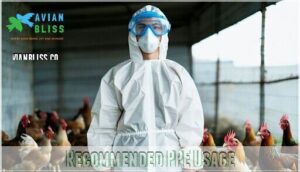
Proper PPE selection forms your first line of defense against avian flu exposure. Choose equipment that meets NIOSH standards for respiratory protection and covers all potential entry points.
- Respiratory Protection – Use N95 respirators or higher-rated masks that filter 95% of airborne particles
- Eye Protection – Wear safety goggles or face shields to prevent mucous membrane contamination
- Body Coverage – Select fluid-resistant gowns or coveralls for complete skin protection
- Hand Safety – Use disposable nitrile or vinyl gloves during all bird handling activities
To further protect your birds, understanding avian respiratory infection symptoms is also essential.
Hand Hygiene Practices

Consistently washing your hands serves as your strongest defense against avian flu transmission. Scrub thoroughly for 20 seconds with soap and warm water after any potential contact with birds or contaminated surfaces.
When soap isn’t available, alcohol-based sanitizers work effectively for immediate infection prevention. Many prefer to buy quality handwash for superior hygiene.
| When to Wash | Proper Technique |
|---|---|
| After bird contact | 20 seconds with soap |
| Before eating meals | Include under nails |
| After touching surfaces | Use warm water flow |
| When hands feel dirty | Dry with clean towel |
Good hygiene practices require attention to nail hygiene and proper drying methods. Effective handwashing combined with hygiene education helps prevent contamination spread through simple, consistent actions.
Respiratory Protection Measures

You’ll need proper respirator types with NIOSH-approved N95 or higher filter ratings for effective respiratory protection against avian flu.
Fit testing guarantees your personal protective equipment PPE creates a proper seal, while correct donning procedures prevent contamination.
Regular maintenance procedures keep respirators functional, and face masks provide additional protection during respirator use in high-risk environments.
Many facilities stock various N95 respirators for worker safety.
Food Safety Guidelines
You need to follow safe food handling practices to protect yourself and your family from avian flu transmission through contaminated poultry, eggs, and dairy products.
Proper cooking temperatures and pasteurization will eliminate the virus, while careful food preparation prevents cross-contamination in your kitchen.
Cooking Temperatures

When cooking poultry, eggs, and beef to prevent avian flu transmission, you’ll need precise cooking temperatures and thermometer accuracy.
Cook poultry to 165°F internal temperature using reliable cooking methods. Ground beef requires 160°F, while whole cuts need 145°F.
These safe minimums eliminate viruses effectively. Always check doneness indicators with accurate thermometers rather than guessing, ensuring proper food safety and preventing foodborne illnesses through correct safe food handling practices.
Pasteurization Importance

Pasteurization eliminates avian influenza viruses from milk and dairy products, making them safe for consumption.
Pasteurization’s heat treatment destroys deadly avian flu viruses, protecting your family’s health with every glass.
This heat treatment process kills harmful pathogens without substantially affecting nutritional value or taste.
Here are four key pasteurization facts:
- Milk Safety – Pasteurization kills viruses and bacteria that cause illness, including avian flu strains
- Product Shelf-Life – Heat-treated dairy products last longer than raw milk alternatives
- Pasteurization Methods – Standard HTST (High Temperature, Short Time) processing reaches 161°F for 15 seconds
- Nutritional Impact – Pasteurized dairy retains essential vitamins and minerals while eliminating health risks
Cross Contamination Prevention

Keep raw poultry away from other foods using separate cutting boards and utensils.
Clean all surfaces with disinfection solutions after handling raw meat. Wash your hands at handwashing stations before touching cooked foods.
Store raw and cooked items separately to prevent cross contamination. Follow strict cleaning protocols and surface sanitization practices.
Proper utensil hygiene and food separation protect your family from foodborne illness.
Preventing Outbreaks
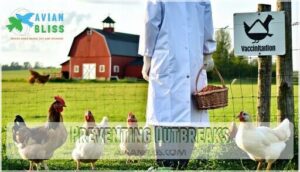
You can stop avian flu outbreaks before they start by implementing strong biosecurity measures, proper vaccination programs, and maintaining your flock’s health through good nutrition.
These three prevention strategies work together to create multiple barriers against the virus, protecting both your birds and reducing the risk of transmission to humans, which is achieved through good nutrition.
Biosecurity Measures
Strong biosecurity measures act as your first line of defense against avian flu outbreaks.
You’ll need to establish thorough protocols that protect your flock from viral transmission through contaminated materials, people, and equipment.
Here are four essential biosecurity measures for avian flu prevention:
- Implement strict isolation protocols – Quarantine new birds for 30 days before introducing them to existing flocks
- Maintain rigorous farm hygiene – Clean and disinfect all equipment, vehicles, and clothing before entering poultry areas
- Establish proper waste management – Remove debris regularly and dispose of dead birds according to local regulations
- Monitor flock health daily – Watch for changes in behavior, appetite, or egg production that signal potential infections
These poultry health practices create barriers that prevent virus introduction and spread throughout your operation.
Maintaining hygiene and cleanliness is key, but you should also consider disease prevention strategies.
Vaccination Strategies
Building strong biosecurity measures sets the foundation, but vaccination strategies provide your next line of defense against avian flu outbreaks.
You’ll need to understand vaccine efficacy rates and vaccination schedules to protect your poultry effectively.
| Vaccine Type | Efficacy Rate | Best Use Case |
|---|---|---|
| Inactivated | 70-90% | Standard prevention |
| Recombinant | 60-85% | Targeted response |
| Live attenuated | 80-95% | High-risk areas |
Vaccine development continues advancing, with adjuvant use improving immune responses.
Guarantee vaccine access through proper cold chain storage and work with veterinarians to establish appropriate vaccination schedules for your flock’s specific needs.
Nutrition and Stress Management
Nutrition acts as your flock’s first line of defense against avian flu.
A balanced diet rich in vitamins A, C, D, and E strengthens immune systems, while zinc and selenium boost disease resistance.
Stress reduction through proper housing and handling prevents immune suppression.
Nutrient supplements support vaccination strategies and maintain a healthy environment for effective biosecurity measures.
Additionally, incorporating daily vitamin supplements can further enhance the immune system of your flock.
Recognizing Symptoms

You’ll need to spot avian flu symptoms quickly to protect yourself and stop the virus from spreading.
Recognizing early warning signs in both birds and humans helps you take action before a small problem becomes a dangerous outbreak.
Signs of Avian Flu
Watch your birds closely for telltale avian flu symptoms that signal trouble.
Lethargy symptoms appear first—birds become unusually tired and inactive. You’ll notice dropping changes in color or consistency, along with respiratory issues like coughing or labored breathing.
Fever signs include ruffled feathers and reduced appetite. Without quick action, these bird flu symptoms can lead to lethal outcomes in your flock.
Recognizing avian flu early symptoms is essential for effective prevention and treatment of the disease.
Human Infection Risk Factors
Your infection risk increases dramatically through specific behaviors and exposure patterns.
Direct contact with sick birds, contaminated surfaces, or raw milk creates the highest human infection risk factors.
Occupational exposure, unprotected animal handling, and consuming undercooked poultry elevate your chances substantially.
Understanding these infection routes helps you recognize when antiviral treatment becomes necessary.
Respiratory Illness Symptoms
Respiratory symptoms appear quickly when avian flu infects humans.
You’ll notice these warning signs within days of exposure to infected birds or contaminated surfaces.
Common respiratory illness symptoms include:
- Persistent cough – dry or productive cough that worsens over time
- Breathing difficulties – shortness of breath during normal activities
- Fever reduction challenges – high temperatures that don’t respond to medication
- Chest tightness – pain or pressure when breathing deeply
Reporting Outbreaks
You can’t stop an avian flu outbreak if you don’t report it quickly to local authorities or veterinary services.
Swift reporting triggers the quarantine procedures and professional response teams needed to contain the virus before it spreads to other flocks or farms, which is crucial for contain the outbreak.
Prompt Reporting Importance
When should you report suspected avian flu cases?
Early detection through prompt reporting creates the foundation for rapid response and effective outbreak control.
You must contact local veterinary authorities immediately when you spot unusual bird deaths or illness symptoms.
Timely alerts trigger emergency protocols that prevent widespread transmission.
Following disease reporting guidelines guarantees proper incident reporting reaches the right officials quickly, ensuring effective outbreak control and facilitating a rapid response to the situation.
Quarantine Procedures
After reporting suspected cases, you’ll need to implement strict quarantine protocols immediately.
Separate new birds from your existing flock for 30 days minimum, and isolate any sick birds completely.
These isolation methods create effective quarantine zones that prevent disease spread.
Your biosecurity protocols should include dedicated equipment for quarantined areas and restricted access to maintain proper flock segregation and disease containment controls.
Effective disease prevention measures are vital to stopping outbreaks quickly and safely.
Collaboration With Authorities
Partnership between poultry farmers and government agencies strengthens avian flu prevention through coordinated Emergency Response efforts.
You’ll benefit from Authority Guidance on biosecurity measures while contributing to Community Engagement initiatives that protect public health.
The USDA provides Regulatory Compliance support and disease surveillance resources, ensuring your farm meets prevention standards while maintaining open communication channels for rapid outbreak management.
Frequently Asked Questions (FAQs)
Is there a way to prevent avian flu?
You can’t outsmart nature completely, but you’re definitely not powerless against avian flu.
Avoid direct contact with sick birds, wear protective gear when necessary, and cook poultry thoroughly to safe temperatures.
Will an N95 mask protect against bird flu?
Yes, N95 masks provide effective protection against bird flu when you’re in high-risk environments.
They filter airborne virus particles and droplets that can carry avian influenza, making them essential protective equipment for poultry workers.
How long does avian flu survive on surfaces?
Avian flu viruses can survive on surfaces for several days to weeks, depending on temperature and humidity conditions.
You’ll find the virus lives longer on hard, non-porous surfaces in cool, dry environments.
Can pets transmit avian flu to humans?
Pets can rarely transmit avian flu to humans, but it’s possible if they contact infected birds. Your dog or cat isn’t likely to catch or spread the virus to you.
What disinfectants kill avian flu virus effectively?
Standard household bleach solutions, quaternary ammonium compounds, and 70% isopropyl alcohol effectively kill avian flu virus on surfaces. You’ll need proper contact time and concentration for complete disinfection.
Are there seasonal patterns for avian outbreaks?
Though you might think outbreaks happen randomly, seasonal patterns clearly exist.
You’ll see peak activity during spring and fall migrations when wild waterfowl spread viruses across continents, creating predictable outbreak windows.
Can avian flu spread through contaminated water?
Yes, contaminated water can spread avian flu. You’ll face infection risks when birds drink from or bathe in water sources containing infected droppings, saliva, or respiratory secretions from sick waterfowl.
Conclusion
Knowledge becomes your shield against the invisible threat of avian flu.
Implementing these avian flu prevention methods consistently protects you and your family from infection.
You’ll reduce transmission risks by using proper protective equipment, maintaining strict hygiene practices, and following food safety guidelines.
Stay vigilant about biosecurity measures, recognize symptoms early, and report suspected cases promptly.
These prevention strategies work together to create thorough protection against this evolving virus threat.
- https://www.enlyte.com/insights/article/adjuster/ask-pharmacist-bird-flu-and-its-growing-impact-public-health
- https://www.uchicagomedicine.org/forefront/news/2025/january/bird-flu
- https://www.sciencedirect.com/science/article/pii/S2949704323000379
- https://www.nifa.usda.gov/about-nifa/impacts/multistate-research-projects-address-avian-influenza
- https://www.fws.gov/avian-influenza?utm_campaign=&utm_content=&utm_medium=email&utm_source=govdelivery&utm_term=