This site is supported by our readers. We may earn a commission, at no cost to you, if you purchase through links.
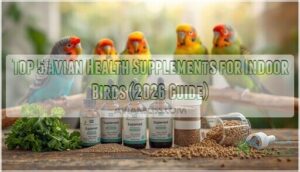
Indoor birds miss out on something their wild counterparts take for granted: a diverse, nutrient-rich diet foraged from natural environments. Your budgie or cockatiel can’t hunt insects for protein, nibble mineral-rich clay deposits, or sun themselves for vitamin D3 synthesis—which means nutritional deficiencies often develop silently over months or years.
A 2024 avian health study revealed that 67% of indoor birds exhibit subclinical vitamin A deficiency, manifesting as dull plumage and compromised immune response long before owners notice anything wrong.
Avian health supplements for indoor birds bridge these gaps, but selecting the right formulation requires understanding your bird’s species-specific needs, evaluating your current feeding regimen, and recognizing the difference between marketing claims and evidence-based nutrition.
The five supplements reviewed here represent formulations that address the most common deficiencies—vitamin A, calcium-phosphorus ratios, and omega-3 fatty acids—while maintaining safety profiles suitable for long-term use.
Table Of Contents
- Key Takeaways
- Key Nutrients in Avian Health Supplements
- Factors to Consider When Choosing Supplements
- Top 5 Avian Health Supplements for Indoor Birds
- Safe Administration and Best Practices
- Frequently Asked Questions (FAQs)
- What supplements do birds need?
- How to protect indoor birds from bird flu?
- How to help a sick bird at home?
- What are the symptoms of vitamin D deficiency in birds?
- Can supplements replace a poor quality bird diet?
- Are natural food sources better than synthetic supplements?
- Do outdoor birds need fewer supplements than indoor?
- How long before supplements show visible health improvements?
- Can multiple supplements be safely combined together?
- Conclusion
Key Takeaways
- Indoor birds miss critical nutrients—vitamin A, calcium-phosphorus balance, and omega-3 fatty acids—that wild birds get naturally, with 67% showing subclinical vitamin A deficiency that weakens immunity and dulls plumage long before symptoms appear.
- Supplement selection hinges on species-specific needs, current diet gaps, and life stage demands—small birds need roughly 0.5 c.c. daily while large parrots require 1.5 c.c., and breeding hens need 4–5 grams of calcium daily to prevent bone depletion during egg production.
- Proper administration requires weight-based dosing, veterinary consultation to prevent toxicity from overlapping products, and daily monitoring of behavior, weight, and droppings to catch early signs of adverse reactions or deficiencies.
- Supplements support but never replace a balanced diet—whole foods with natural nutrient variety remain the foundation, with targeted formulations addressing specific gaps like vitamin D3 for indoor birds lacking UV exposure or omega-3s for feather and cognitive health.
Key Nutrients in Avian Health Supplements
Your bird’s health depends on getting the right mix of vitamins, minerals, and fatty acids—nutrients that indoor diets often miss. Understanding what these essential compounds do helps you choose supplements that actually fill the gaps rather than adding unnecessary extras.
During molting season especially, your bird may need extra nutritional support through foods that support healthy feather regrowth and immune function.
Let’s break down the key nutrients that keep your feathered companion thriving, starting with the vitamins that power everything from immune defense to feather growth.
Essential Vitamins for Indoor Birds

Three fat-soluble vitamins—A, D3, and E—protect your bird’s respiratory tract, bones, and cell membranes, while B-complex vitamins keep nerves sharp and feathers glossy.
You’ll see Vitamin A benefits in clear nasal passages, Vitamin D3 role in calcium absorption behind glass windows, and Vitamin E functions guarding immunity.
Don’t overlook B Complex importance for energy or Omega-3 fatty acids for feather sheen and cognitive health.
Birds fed primarily seed-based diets are especially at risk for vitamin A deficiency in parrots, which can lead to significant health problems.
Important Minerals for Bone and Egg Health
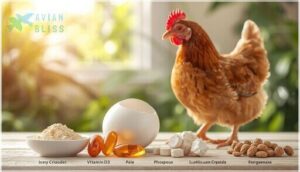
Calcium dynamics shift dramatically once your hen begins laying: she needs 4–5 grams daily to keep bones strong while building an eggshell.
Vitamin D3 unlocks gut absorption, phosphorus balance locks calcium into bone as calcium phosphate, and trace elements like manganese prevent shell cracks. Magnesium’s role stabilizes that mineral matrix, so mineral supplements for egg production address gaps that all-seed diets can’t fill—especially indoors where UV is limited and omega-3 fatty acids alone won’t shore up skeletal reserves.
Vitamin D3, phosphorus, and trace minerals work together to build strong bones and eggshells—gaps that seed-only diets and indoor living can’t fill
For an in-depth look at the risks and prevention of calcium deficiency problems in layers, see recent research.
Role of Omega Fatty Acids in Bird Wellness
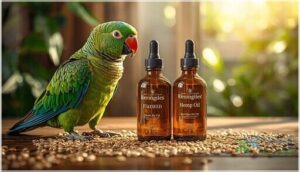
Beyond mineral scaffolding, your bird uses omega-3 and omega-6 fatty acids to build cell membranes, stabilize nerve signals, and regulate inflammation. A near 1:1 ratio—achievable with measured flaxseed or hemp oil—promotes brighter plumage, clearer thinking, and a balanced immune response.
Indoor parrots receiving adequate omega-3 show stronger feather shafts, calmer skin, and sharper cognitive function throughout their lives.
Addressing Nutritional Gaps in Indoor Bird Diets
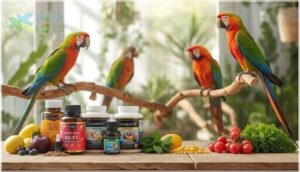
Seed-heavy routines leave indoor birds short on vitamin A, essential amino acids, and trace minerals—gaps that dull feathers, weaken beaks, and strain immunity over time. That’s where avian vitamin supplements restore nutrient balance and dietary variety when whole-food sources fall short.
Three immediate benefits of targeted supplementation:
- Feather health improves within weeks—expect shinier rachis and fewer stress bars.
- Beak care becomes visible as flaky overgrowth resolves and keratin normalizes.
- Gut wellness strengthens through better vitamin and mineral balance, lifting energy and vitality.
Factors to Consider When Choosing Supplements
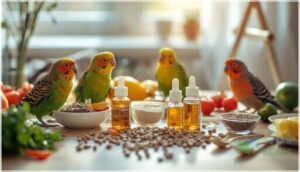
Not all supplements suit every bird—and picking the wrong one can mean wasted money or, worse, unintended health risks. Your bird’s species, current diet, and even the form of the supplement itself all shape what’ll work best.
Understanding which seeds are safe and nutritious is a great starting point—our guide to safe bird seed for parrots breaks down the best options by species and dietary need.
Here’s what you need to weigh before choosing a product.
Bird Species, Size, and Age Requirements
Your bird’s supplement needs aren’t one-size-fits-all—species variations, size considerations, and age factors create distinct health requirements. Granivorous parrots like budgies need vitamin A and calcium, while nectar-eating lorikeets require low-iron formulas.
Small birds receive roughly 0.5 c.c. daily, medium birds 1 c.c., and large parrots 1.5 c.c. Juveniles demand higher nutrient density for bone growth, while seniors benefit from antioxidants supporting immune system and feather health.
Diet Assessment and Nutrient Deficiencies
Before you choose dietary supplements, you’ll need to map your bird’s nutritional gaps through a simple seven-to-fourteen-day food diary tracking everything offered and actually eaten.
Indoor parrots on seed-heavy diets often show malnutrition signs like dull feathers, scaly skin, or lethargy—classic nutrient deficits that reveal supplement needs:
- Vitamin A deficiency affects skin, feathers, and respiratory health
- Low calcium and vitamin D3 cause weak bones and egg problems
- Poor fatty acids trigger feather picking and reduced activity
Diet planning starts by shifting toward formulated pellets and fresh vegetables, addressing nutritional gaps before adding concentrated avian vitamin supplements.
Supplement Form: Liquid, Powder, or Food-Based
You’ll weigh three dosage forms when picking avian vitamin supplements—liquid supplements mix into drinking water at measured drops per ounce, powder mixes stick best to moist vegetables or fruit, and food-based options like fortified egg food give scoopable servings.
Each supplement texture offers distinct advantages: liquids suit birds that drink reliably, nutritional supplements in powder form work for picky eaters, and bird vitamin supplements blended into soft foods encourage voluntary intake.
Quality, Safety, and Ingredient Purity
Safety starts with heavy metal limits—you’ll want avian vitamin supplements tested for lead, arsenic, and cadmium because indoor birds accumulate contaminants from daily doses.
Check that manufacturers verify microbial control through batch testing for Salmonella and mycotoxins, then confirm ingredient sourcing with certificates of analysis.
Label transparency matters: clear vitamin lists, natural preservatives, and batch codes let you track nutritional supplements and report any concerns to your avian veterinarian.
Top 5 Avian Health Supplements for Indoor Birds
After evaluating dozens of avian supplements against criteria like ingredient quality, species-appropriate formulation, and real-world effectiveness, I’ve narrowed down the field to five standout options.
Each product below tackles specific nutritional gaps common in indoor bird diets—from vitamin deficiencies in seed-heavy meals to mineral imbalances during breeding seasons.
You’ll find my detailed breakdown of what makes each supplement worth your consideration, including proper dosing ranges and which bird types benefit most.
1. Wild Harvest Bird Vitamin Supplement
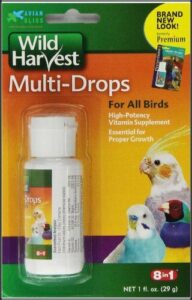
If your parakeet or canary relies mainly on seed, Wild Harvest Multi-Drops bridges the vitamin gap your bird faces indoors. You’ll add just a few drops—usually 3 to 5 per ounce of drinking water—because the high-potency liquid is highly concentrated.
This water-soluble formula disperses quickly, delivering essential vitamins A, D, and E with every sip throughout the day. The 1-ounce bottle lasts weeks, and because it mixes into fresh water daily, you avoid the selective eating that happens with powdered supplements sprinkled on food.
| Best For | Bird owners whose parakeets, canaries, or other small birds eat mostly seed and need an easy way to add vitamins without dealing with picky eating habits. |
|---|---|
| Form | Drop |
| Brand | Wild Harvest |
| Target Species | All birds |
| Vitamin Content | High-potency vitamins |
| Weight | 0.1 Pounds |
| Life Stage | All stages |
| Additional Features |
|
- High-potency drops work fast in water, so your bird gets vitamins with every drink instead of avoiding powdered supplements on food
- A few drops per ounce means the 1-ounce bottle lasts for weeks of daily use
- Covers the big three—vitamins A, D, and E—that indoor birds miss when they’re not getting varied fresh foods
- The yellow tint it leaves in water dishes can be tough to scrub off completely
- You’ll notice a slight smell when you open the bottle or mix it in
- High potency means you need to measure carefully and stick to the label directions
2. Oasis Vita Drops Multivitamin for Birds
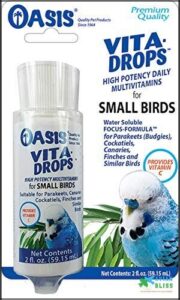
Oasis Vita Drops packs 2,960 IU of vitamin A, 1,480 IU of D3, and 740 mg of vitamin C per fluid ounce—a concentration that promotes immune function, bone health, and vibrant feather color in finches, canaries, and cockatiels.
You’ll dose 1 drop per ounce of water for parakeets, or 1 drop per 2 ounces for smaller species like waxbills. The built-in dropper cap prevents contamination, and because it’s water-soluble, the liquid disperses evenly when you shake the 2-ounce bottle before adding it to fresh drinking water.
| Best For | Small bird owners who want a concentrated liquid multivitamin that’s easy to dose into drinking water and supports immune health, feather quality, and bone development in species like parakeets, finches, canaries, and cockatiels. |
|---|---|
| Form | Liquid |
| Brand | OASIS |
| Target Species | Small cage birds |
| Vitamin Content | Complete multivitamin |
| Weight | 2 ounces |
| Life Stage | All stages |
| Additional Features |
|
- High vitamin concentration (2,960 IU vitamin A, 1,480 IU D3, 740 mg vitamin C per fluid ounce) delivers strong immune and bone support
- Built-in dropper cap makes dosing precise and prevents contamination of the bottle
- Water-soluble formula disperses evenly in drinking water, so birds get consistent nutrition
- Has a noticeable funky smell that some owners find unpleasant
- Liquid color may look unappealing when mixed into water
- Not a replacement for vet care if your bird shows signs of serious illness or infection
3. Hari Hagen Parrot Vitamin Supplement
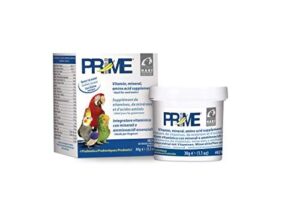
When your medium to large parrot eats mainly seeds and table foods, Hari Hagen Prime fills the vitamin gaps with 14 vitamins—including A, D3, E, and multiple B-complex nutrients—plus 9 minerals like calcium, magnesium, and iron.
You’ll sprinkle ½ to 1½ c.c. of the banana-free powder over moist greens or fruit daily, adjusting the dose by bird size; the probiotics, enzymes, and acidifiers inside help digestion, while lysine and methionine support feather quality and muscle maintenance in African greys, cockatoos, and macaws.
| Best For | Medium to large seed-eating parrots like African greys, cockatoos, and macaws that need a daily vitamin boost to support feather health, digestion, and overall wellness. |
|---|---|
| Form | Powder |
| Brand | HARI |
| Target Species | Seed-eating birds |
| Vitamin Content | 14 vitamins |
| Weight | 1.1 oz |
| Life Stage | All stages |
| Additional Features |
|
- Packs 14 vitamins and 9 minerals into a simple powder you sprinkle on food once a day
- Includes probiotics and digestive enzymes that help birds absorb nutrients better
- Extra vitamin C, E, and amino acids support breeding birds and improve feather color
- The 1.1 oz container is pretty small and runs out quickly with daily use
- Some owners find the powder has a strong smell they don’t love
- You need to use it consistently for weeks before seeing real improvements in feathers or energy
4. Vitakraft Egg Food for Birds
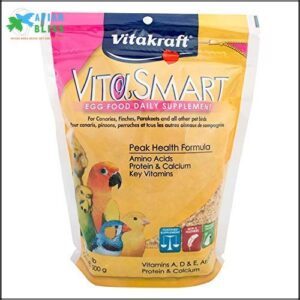
Vitakraft Egg Food works differently—it’s a nutrient-dense supplement you sprinkle over daily seed or pellet blends to support energy, molting, and breeding in canaries, finches, parakeets, cockatiels, and parrots.
The formula delivers 17.5% crude protein from dried egg (the first ingredient), fortified with vitamin A (22,700 IU/lb), D3 (2,000 IU/lb), and E (65 IU/lb), along with B vitamins, lysine, and methionine for feather strength.
You’ll mix 2 tablespoons dry or moisten it with water or juice, adjusting the texture to match your bird’s preference during stressful periods.
| Best For | Bird owners who need a high-protein supplement to support molting, breeding, or energy levels in canaries, finches, parakeets, cockatiels, and parrots. |
|---|---|
| Form | Seeds |
| Brand | Vitakraft |
| Target Species | All bird species |
| Vitamin Content | Vitamins A, D, E |
| Weight | 1.1 Pound |
| Life Stage | All Life Stages |
| Additional Features |
|
- Packed with real egg protein (17.5%) plus vitamins A, D3, and E for feather health and vitality
- Flexible serving—mix dry into seeds or moisten with water for picky eaters
- Works for all bird species and life stages, especially during stressful periods
- Pricier than basic seed blends at $12.48 for 1.1 pounds
- Packaging sometimes arrives damaged with spills reported
- Results vary—check with a vet before changing your bird’s diet
5. Nekton Multi Vitamin for Birds
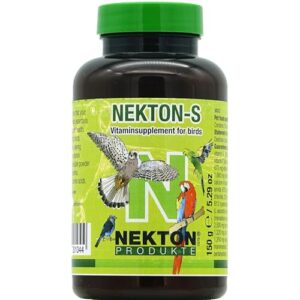
Nekton-S is the supplement recommended by avian veterinarians worldwide. It is a powdered multivitamin that combines 13 vitamins, 18 free amino acids, and essential trace minerals in precise ratios for all ornamental birds and raptors.
You’ll mix 1 g (one enclosed measuring spoon) into 250 ml of drinking water daily, preparing fresh batches to deliver 6,600,000 IU/kg vitamin A, 10,000 IU/kg D3, and iron, zinc, manganese for immune support, feather quality, and resistance to stress during molting or breeding.
| Best For | Bird owners looking for a vet-recommended multivitamin to support overall health, improve feather quality, and help their caged birds handle stress from molting, breeding, or daily life. |
|---|---|
| Form | Powder |
| Brand | Nekton |
| Target Species | All caged birds |
| Vitamin Content | 13 vitamins |
| Weight | 150gm |
| Life Stage | All life stages |
| Additional Features |
|
- Comprehensive formula with 13 vitamins, 18 amino acids, and minerals that supports immune function, feather health, and stress resilience
- Recommended by avian veterinarians worldwide and suitable for all life stages and bird species
- Easy to use as a daily water additive with precise dosing instructions included
- Turns drinking water yellow when mixed, which may be unappealing to some birds or owners
- Powder can be difficult to scoop from the bottle without tweezers or a proper tool
- Requires daily preparation of fresh water batches and may not address specific dietary needs for all individual birds
Safe Administration and Best Practices
You’ve chosen the right supplement for your bird—now it’s time to use it correctly. Improper dosing, careless storage, or skipping veterinary guidance can undermine even the best products and put your bird’s health at risk.
Here’s what you need to know to administer supplements safely and effectively.
Proper Dosage and Mixing Methods
Getting the dose right transforms dietary supplements from helpful to potentially harmful—that’s why you’ll follow weight-based dosage carefully. Many vitamin supplements specify 1 c.c. per 3 oz drinking water or 1 g per 100-200 ml, depending on your bird’s age.
For water mixing, stir powder until it disperses evenly; for food supplements, blend with moist items. Daily replacement of fresh water mixing prevents bacterial growth in avian nutrition.
Consulting With an Avian Veterinarian
Regularly seeking Veterinary Guidance ensures your bird’s supplement plan matches its unique needs—think of it as a customized suit for Avian Wellness. During Health Consultations, an avian veterinarian reviews Bird Nutrition, checks for Nutritional Deficiencies and Disorders, and advises on Supplement Safety.
This level of Veterinary Care and Guidance prevents accidental overdose and bolsters long-term Avian Nutrition and Health.
Monitoring for Side Effects and Effectiveness
Once you begin any Vitamin Supplements, Side Effect Tracking becomes your safety net—you’ll monitor Bird Behavior Monitoring through daily logs, weight checks, and droppings analysis to catch early signs of Nutritional Deficiencies and Disorders or toxicity. This Health Observation Tools approach reveals Supplement Efficacy, protecting your bird’s Immune System and overall Avian Nutrition and Health.
- Watch for changes in appetite, energy, or feather quality within the first week
- Weigh your bird weekly; a 5–10 percent drop signals potential problems
- Track droppings daily—color, consistency, and volume shifts indicate digestive upset or Dosage Adjustment Strategies needs
Storage, Shelf Life, and Product Handling
After opening Nutritional Supplements, you’ll preserve potency through proper storage. Keep Bird Vitamin Supplements below 75°F in dark, dry spaces away from humidity and direct Light Protection.
Check Expiration Dates monthly, discarding products past their “best by” mark. Temperature Control and Moisture Management prevent clumping and oxidation, while clean, dry hands during Handling Hygiene protect Shelf Life and your bird’s safety.
Frequently Asked Questions (FAQs)
What supplements do birds need?
Think of your bird’s diet as a puzzle—some pieces are always missing. Birds need vitamin supplements for dietary gaps, mineral balance for bones and eggs, and fatty acid support for vibrant feathers and immunity.
How to protect indoor birds from bird flu?
Bird flu protection centers on strict biosecurity measures: wash hands before handling birds, keep cages away from windows, disinfect equipment weekly, and monitor for sudden illness.
Vitamin supplements support immune system resilience.
How to help a sick bird at home?
Like the ancient practice of keeping vigil, watch your bird closely. Fluffed feathers, lethargy, or appetite changes signal trouble.
Isolate them in warmth (75–80°F), offer soft foods and electrolytes, then consult an avian vet immediately for proper emergency response and recovery techniques.
What are the symptoms of vitamin D deficiency in birds?
Vitamin D deficiency in birds leads to bone deformities, soft leg bones, seizures from hypocalcemia, thin eggshells, and general lethargy. These symptoms intensify as nutritional gaps deplete calcium stores, further weakening both skeleton and neuromuscular function.
Can supplements replace a poor quality bird diet?
No supplement can fix a fundamentally flawed diet—yet bird owners routinely reach for vitamin drops hoping to reverse years of seed-only feeding.
Nutritional gaps, health risks, and supplement limits mean avian nutrition demands dietary balance first, guided by bird nutritionists who understand true avian health.
Are natural food sources better than synthetic supplements?
Whole foods with natural antioxidants and nutrient balance are safer, more bioavailable, and support dietary variety better than synthetics—but bird nutritionists recommend supplement alternatives for serious gaps after nutritional balance evaluation.
Do outdoor birds need fewer supplements than indoor?
A caged bird’s world shrinks like the horizon at dusk. Outdoor birds forage across varied terrain for insects, seeds, and greens—naturally balancing vitamins and minerals—while indoor companions depend entirely on you to prevent deficiencies through supplements and careful diet planning.
How long before supplements show visible health improvements?
Most indoor birds show brighter behavior and better alertness within 7 to 14 days when vitamin supplements for birds address deficiencies, though feather health and growth improvements often require 4 to 8 weeks.
Can multiple supplements be safely combined together?
You shouldn’t stack products without veterinary guidance—nutrient overlap from combining multivitamins risks toxicity, especially with fat-soluble vitamins.
Review dosage guidelines together, watch for supplement interactions, and prioritize nutritional balance for bird health and wellness.
Conclusion
Picture your bird’s body as a finely tuned engine—one that sputters when deprived of critical fuel components. The right avian health supplements for indoor birds don’t just prevent deficiencies; they restore the biochemical balance wild foraging naturally provides.
Your commitment to supplementation transforms good intentions into measurable outcomes: brighter plumage, stronger bones, resilient immunity. Start with one deficiency-targeted formula, monitor response over thirty days, and adjust. Your bird’s vitality depends on it.
- https://www.revivalanimal.com/learning-center/important-vitamins-and-minerals-for-pet-birds
- https://allbirdproducts.com/collections/bird-supplements/bird-supplements
- https://jedds.com/collections/cage-aviary-supplements-vitamins-and-minerals
- https://hardypaw.com/products/zoo-med-avian-plus-vitamin-and-mineral-bird-supplement-1-oz
- https://fidarfeed.com/additives/probiotics/probiotic-caged-birds-the-key-to-a-healthier-companion/