This site is supported by our readers. We may earn a commission, at no cost to you, if you purchase through links.
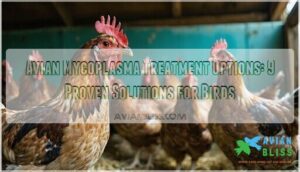 When treating avian mycoplasma infections, you’ll need antibiotics that don’t target cell walls since mycoplasma bacteria lack them.
Tylosin, tilmicosin, and tiamulin effectively reduce mycoplasma loads in infected flocks.
Supportive care with probiotics helps restore gut health during treatment.
Denagard (tiamulin) remains a gold standard treatment, while herbal supplements like baicalin from Chinese skullcap show promising antimicrobial properties.
Don’t expect overnight miracles – treatment typically requires 5-10 days for noticeable improvement.
Prevention through biosecurity, vaccination programs, and sourcing from mycoplasma-free breeding stock beats treatment every time.
Smart flock management combines targeted antibiotics with immune support for thorough mycoplasma control strategies that actually work.
Table Of Contents
- Key Takeaways
- Avian Mycoplasma Overview
- Avian Mycoplasma Symptoms
- Top 9 Avian Mycoplasma Treatments
- 1. Denagard Liquid Concentrate Swine Medication
- 2. Vital Planet Bird Probiotic Supplement
- 3. HealthyGut Probiotics for Chickens Poultry
- 4. Sav A Chick Probiotic Supplements 9 Count
- 5. UltraCruz Poultry Probiotic Gut Health
- 6. Bene-Bac Plus Probiotic Powder for Birds
- 7. Probios Digestive Support for All Species
- 8. LiftMode Baicalin Powder Chinese Skullcap
- 9. Organic Scullcap Herb Natural Supplement
- Avian Mycoplasma Prevention
- Effective Avian Mycoplasma Control
- Frequently Asked Questions (FAQs)
- How is Avian Mycoplasmosis treated?
- What is Avian Mycoplasmosis?
- How to control avian Mycoplasma in commercial poultry?
- How can avian Mycoplasma be prevented?
- Can avian Mycoplasma infected flocks be eradicated?
- How do you treat Mycoplasmosis in turkeys?
- How do you treat Mycoplasma in birds?
- What is the best antibiotic for Mycoplasma in poultry?
- What is the most effective treatment for Mycoplasma?
- Which antibiotic is effective against Mycoplasma?
- Conclusion
Key Takeaways
- Target antibiotics without cell walls – You’ll need tylosin, tilmicosin, or tiamulin since mycoplasma bacteria lack cell walls that most antibiotics target
- Combine antibiotics with probiotics – You should use supportive care like probiotics to restore gut health during treatment, as antibiotics can disrupt beneficial bacteria
- Expect 5-10 days for improvement – Do not expect overnight results; treatment typically requires nearly a week to show noticeable improvement in your flock
- Focus on prevention over treatment – You will get better results by sourcing from mycoplasma-free breeding stock and maintaining strict biosecurity rather than treating infections after they occur
Avian Mycoplasma Overview
You’ll face mycoplasma infections in your poultry when pathogenic bacteria like Mycoplasma gallisepticum, M. synoviae, and M. meleagridis invade your birds’ respiratory systems.
These infections spread quickly through your flock via respiratory secretions and direct contact, causing symptoms ranging from conjunctivitis and nasal discharge to swollen joints and reduced feed conversion, which can be associated with respiratory systems.
Mycoplasma infections ravage flocks through rapid respiratory spread, demanding swift intervention to prevent devastating losses.
Causes and Causative Agents
Avian mycoplasma affects your flock through several Mycoplasma species that target birds’ respiratory systems.
These Mycoplasma bacteria establish infections through Bacterial Transmission, causing widespread Respiratory Infections. Understanding Host Susceptibility helps you recognize which birds face higher risks from these persistent pathogens.
- Mycoplasma gallisepticum – Primary cause of chronic respiratory disease in chickens and turkeys
- M synoviae – Triggers infectious synovitis and respiratory symptoms in poultry flocks
- M meleagridis – Affects turkeys specifically, causing airsacculitis and reduced hatchability
- Vertical Transmission – Parent birds pass infections to offspring through contaminated eggs
- Mycoplasma Species – Lack cell walls, making them resistant to many standard antibiotics
Clinical Signs and Diagnosis
Recognizing mycoplasma symptoms early can save your flock from devastating losses.
You’ll notice respiratory signs like coughing, nasal discharge, and conjunctivitis affecting your birds’ daily activities and productivity.
| Primary Signs | Secondary Effects |
|---|---|
| Respiratory distress, coughing | Reduced feed intake |
| Swollen joints, warm hocks | Poor growth rates |
| Conjunctivitis, facial swelling | Decreased egg production |
| Tracheal rales, nasal discharge | Systemic infections spread |
These clinical signs help veterinarians confirm mycoplasma diagnosis poultry cases through laboratory testing and physical examination of affected birds.
Transmission and Epidemiology
Understanding how mycoplasma spreads helps you protect your flock effectively.
These bacteria transmit through multiple pathways that create serious epidemiology challenges:
- Vertical Transmission – Infected parent birds pass mycoplasma directly to offspring through eggs
- Horizontal Spread – Birds share the infection via respiratory droplets, contaminated feed, and water sources
- Environmental Survival – While mycoplasma can’t survive long outside hosts, fresh discharge enables rapid contagion
- Mycoplasma Vectors – Equipment, clothing, and shared spaces become disease transmission routes between flocks
To further protect your flock, consider implementing regular surveillance and monitoring for parasites.
Avian Mycoplasma Symptoms
You’ll recognize avian mycoplasma symptoms by watching for respiratory signs like coughing, sneezing, and nasal discharge in your birds.
The infection also causes distinctive swelling around the eyes and face, along with unusual breathing sounds that indicate tracheal irritation.
The symptoms can be summarized as respiratory signs, which include coughing, sneezing, and nasal discharge.
Respiratory Infections
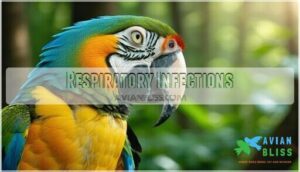
When mycoplasma bacteria invade your bird’s respiratory system, you’ll notice distinctive breathing patterns that signal infection.
These pathogens target airways, creating inflammation that restricts normal airflow and produces characteristic sounds during respiration.
| Symptom | Mild Stage | Severe Stage |
|---|---|---|
| Rales Severity | Light crackling sounds | Harsh, wet breathing noises |
| Cough Frequency | Occasional throat clearing | Persistent, forceful coughing |
| Breathing Difficulty | Slightly labored breathing | Open-mouth breathing, gasping |
Discharge Analysis reveals clear to yellow secretions initially, progressing to thick, cloudy mucus.
Edema Impact becomes apparent as airways swell, making each breath more challenging.
Avian mycoplasma treatment requires prompt antibiotic intervention—doxycycline mycoplasma poultry protocols or enrofloxacin mycoplasma birds therapy can halt progression.
Mycoplasma antibiotics birds regimens target this avian respiratory disease effectively when administered early.
Conjunctivitis and Facial Edema
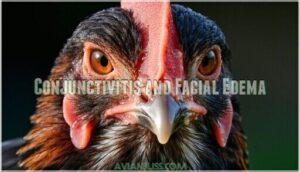
Your bird’s eyes tell the story when mycoplasma strikes. Conjunctivitis and facial edema create telltale signs you can’t miss – swollen sinuses, ocular discharge, and puffy faces that signal infection.
Warm hock and footpad swelling often accompany these symptoms, while reduced intake becomes noticeable as birds struggle with discomfort.
Effective avian mycoplasma treatment requires prompt antibiotic intervention to prevent progression, which is crucial for the bird’s health and well-being, and prevent progression is key to successful treatment.
Tracheal Rales and Coughing

Listening for tracheal rales and coughing helps you assess mycoplasma gallisepticum treatment effectiveness in your flock.
Diagnostic auscultation reveals wet, crackling sounds that indicate respiratory distress, while coughing severity often worsens with environmental factors like dust or humidity.
These rales mechanisms signal secondary infections requiring immediate antibiotics to prevent poultry mycoplasma infection spread throughout your birds.
Top 9 Avian Mycoplasma Treatments
When treating avian mycoplasma infections, you’ll need targeted solutions that address both the bacterial infection and support your bird’s immune system.
These nine treatment options combine proven antibiotics, probiotics, and natural supplements to help restore your flock’s health effectively.
1. Denagard Liquid Concentrate Swine Medication
 View On Amazon
Despite being labeled for swine, Denagard Liquid Concentrate proves highly effective against avian mycoplasma infections.
You’ll need to mix one tablespoon per gallon of drinking water, adding frozen apple juice concentrate to mask its bitter taste.
The tiamulin hydrogen fumarate targets Mycoplasma gallisepticum and synoviae effectively, reducing airsac lesions within days.
Treatment typically lasts three to four days, though you must prepare fresh solution daily to prevent fermentation and guarantee maximum potency.
Best For: Poultry keepers who need a fast, effective solution for respiratory infections caused by Mycoplasma in chickens.
- Highly effective against Mycoplasma gallisepticum and synoviae.
- Noticeable improvement within days of treatment.
- Can be mixed with apple juice concentrate to improve taste and encourage drinking.
- Not officially approved for use in chickens; use is off-label.
- Bitter taste means some birds may not drink unless flavor is masked.
- No official egg withdrawal guidelines; caution needed if selling eggs.
2. Vital Planet Bird Probiotic Supplement
 View On Amazon
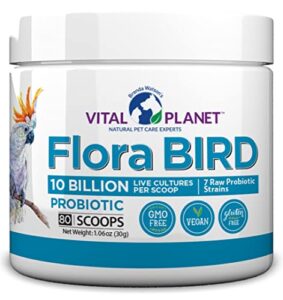
This premium probiotic supplement delivers 10 billion live cultures from seven avian-specific strains, targeting your bird’s gut health during mycoplasma infections.
You’ll find it supports digestive balance, maintains proper crop pH, and enhances immune function when your feathered friend needs it most.
The tasteless powder mixes easily into water or food, making administration stress-free.
Research shows specific strains like Bacillus subtilis can reduce lung inflammation and support recovery from respiratory infections, making this supplement a valuable addition to your treatment plan.
Best For: Bird owners looking to support digestive health, immune function, and recovery from infections, especially during illness or antibiotic use.
- Delivers 10 billion live cultures from 7 avian-specific probiotic strains for strong gut and immune support.
- Tasteless powder easily mixes into food or water for stress-free daily use.
- Supports recovery during respiratory infections and enhances overall vitality, feather growth, and energy.
- Small scoop size and lack of markings can make accurate measuring difficult.
- Large tub may be more than needed for owners with only one bird.
- Results may vary, and should be used as part of a broader disease management plan under veterinary guidance.
3. HealthyGut Probiotics for Chickens Poultry
 View On Amazon
Many poultry owners can’t figure out why their birds keep getting sick despite their best efforts.
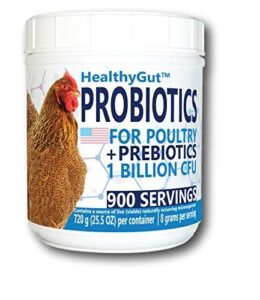
HealthyGut Probiotics for Chickens offers a thorough solution with nine freeze-dried probiotic strains plus prebiotic inulin that restores gut balance after antibiotic treatments.
You’ll notice improvements in digestive health, feather quality, and overall energy within weeks.
The human-grade, non-GMO formula works effectively for chickens, ducks, and other poultry when sprinkled on food daily.
Best For: Poultry owners looking to improve gut health, digestive balance, and vitality in chickens, ducks, and other birds, especially after antibiotic use.
- Fast results in digestive health, feather quality, and energy within 1-4 weeks
- Easy daily dosing for various poultry species with a safe, non-GMO, human-grade formula
- Effective in restoring gut bacteria after medication or stress, supporting year-round egg laying
- Price has increased significantly in the past year
- Requires consistent, daily use for optimal effects
- Large container might be excessive for owners with only a few birds
4. Sav A Chick Probiotic Supplements 9 Count
 View On Amazon
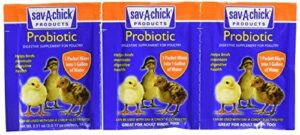
Through the convenience of pre-measured packets, Sav A Chick Probiotic Supplements deliver beneficial bacteria that support your birds’ digestive health during mycoplasma treatment.
You’ll mix one packet with a gallon of drinking water daily, making dosing simple and accurate.
This 9-count supplement helps maintain gut health while your birds recover from respiratory infections.
Users report improved energy levels and better overall condition in their flocks.
The probiotics work alongside antibiotic treatments to restore healthy microbiome balance, though some find the packaging less professional than expected.
Best For: Poultry owners looking for an easy-to-use probiotic to support gut health during recovery from respiratory infections like mycoplasma.
- Convenient pre-measured packets for accurate daily dosing
- Supports digestive and immune health during antibiotic treatment
- Users report more energetic, healthier birds
- Packaging quality and professionalism can be inconsistent
- Price may be higher than alternatives with larger quantities
- Some packets have close expiration dates upon arrival
5. UltraCruz Poultry Probiotic Gut Health
 View On Amazon
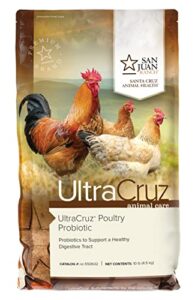
UltraCruz Poultry Probiotic Gut Health offers thorough digestive support for your flock through beneficial microorganisms.
This 10-pound powder contains prebiotics and probiotics that establish healthy gut microbiota, which can enhance your birds’ resilience against mycoplasma infections.
While it doesn’t cure active infections, research shows certain probiotic strains reduce inflammation caused by Mycoplasma gallisepticum.
You’ll mix it into drinking water, making administration simple during stressful periods like antibiotic therapy.
It works best as supportive care alongside primary antibiotic treatments for ideal recovery.
Maintaining proper hygiene, including disinfecting cages regularly, is also vital for preventing other health issues.
Best For: Backyard chicken keepers or poultry owners looking to support digestive health, especially during stress or antibiotic use.
- Supports healthy gut microbiota and immune function with prebiotics and probiotics
- Easy to administer by mixing into drinking water
- Helps reduce side effects during antibiotic treatments
- Does not cure active mycoplasma infections
- Needs to be used alongside antibiotics for best results
- Supplied only as a 10 lb powder, which may be more than needed for small flocks
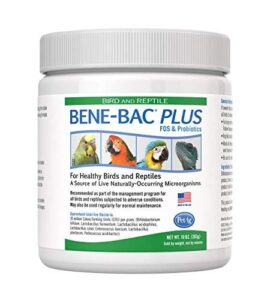
6. Bene-Bac Plus Probiotic Powder for Birds
 View On Amazon
While Bene-Bac Plus supports digestive health during stressful conditions, it doesn’t directly treat avian mycoplasma infections.
This probiotic powder contains seven microorganisms, prebiotics, and FOS that help maintain gut flora balance after antibiotic therapy.
You’ll find it particularly useful for supporting birds recovering from mycoplasma treatment with antibiotics like tylosin or doxycycline.
The powder works best when sprinkled on pellets or mixed with favorite foods, helping counteract antibiotic-related digestive disruption while your bird heals, promoting overall digestive health.
Best For: Owners looking to support their birds’ gut health during or after antibiotic treatment, stressful conditions, or digestive disruptions.
- Supports healthy gut flora, especially after illness or antibiotics
- Easy to use: sprinkle on food or mix with treats
- Long-lasting; effective in small doses for various bird and reptile species
- Does not directly treat mycoplasma; antibiotics are still needed
- Sticky texture may cause clumping if not mixed well
- Packaging may be too large for owners of few or small pets
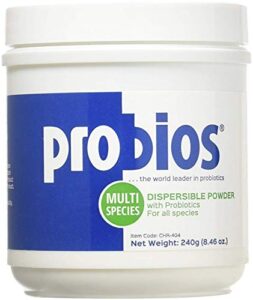
7. Probios Digestive Support for All Species
 View On Amazon
Probios digestive-support powder delivers multi-species probiotic coverage that’s particularly valuable during mycoplasma treatment protocols.
You’ll find this dispersible formula works effectively alongside antibiotic therapy, helping restore beneficial gut bacteria that antibiotics often disrupt.
The 0.65-pound container includes a convenient 5-gram scoop for accurate dosing across various bird species.
Since mycoplasma infections stress digestive systems, this flavorless supplement supports normal digestion and maintains balanced gut health during recovery periods, making it an essential component of thorough treatment plans.
Best For: Those caring for multi-species animals needing probiotic digestive support during stress, antibiotic therapy, or recovery—especially when treating livestock or pets prone to mycoplasma infection.
- Flavorless, easy-to-administer powder suitable for a wide range of species including birds, rabbits, cats, dogs, and exotics.
- Supports digestive health, regular bowel movements, and improved fur or feather condition during stress, illness, or dietary changes.
- Can be used alongside antibiotics to help restore healthy gut bacteria and promote a balanced microbiome.
- Directions for use can be confusing, especially when dosing different species.
- Effectiveness may vary; some species respond better than others.
- Should not be administered simultaneously with medications to avoid decreased effectiveness.
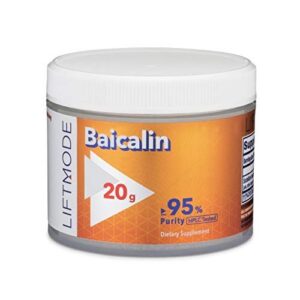
8. LiftMode Baicalin Powder Chinese Skullcap
 View On Amazon
Several natural compounds in Chinese skullcap show promise against avian mycoplasma infections.
You’ll find that baicalin, the active compound in LiftMode’s powder, demonstrates significant antiviral and anti-inflammatory properties in poultry studies.
Research indicates effective dosages around 100-200 mg/kg of feed can inhibit virus replication and reduce cellular damage.
This herbal supplement works by supporting gut health and reducing oxidative stress in infected birds.
While it won’t replace conventional antibiotics, baicalin serves as a valuable natural adjunct to your treatment protocol, especially as antibiotic resistance becomes increasingly problematic in avian medicine.
Best For: Poultry caretakers seeking a natural, research-backed supplement to support avian health and manage mycoplasma infections alongside conventional treatments.
- Demonstrates strong antiviral and anti-inflammatory effects in poultry studies.
- Supports gut health and reduces oxidative stress in infected birds.
- Can be used as a natural adjunct, especially useful amid rising antibiotic resistance.
- Not a replacement for standard antibiotic therapies.
- Dosage and long-term outcomes require further study and adjustment.
- May cause mild side effects or adverse reactions in sensitive individuals.
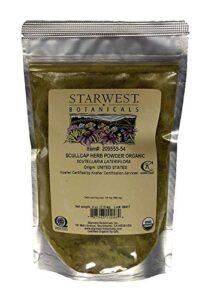
9. Organic Scullcap Herb Natural Supplement
 View On Amazon
Starwest Botanicals’ organic scullcap powder offers bird owners a natural approach to supporting mycoplasma management.
This mint family herb contains beneficial flavonoids that may help reduce inflammation and boost immune function in affected birds.
You’ll typically add a few drops of prepared tincture to your bird’s water five times daily.
While customer reviews are mixed regarding smell and appearance, the product maintains good quality standards.
Remember that scullcap serves as supportive care alongside conventional antibiotics, not as a standalone cure.
Proper dosing prevents potential liver toxicity, making veterinary guidance essential for safe administration.
Best For: Bird owners seeking a natural, supportive supplement to help manage mycoplasma and promote overall avian health alongside traditional treatments.
- May help reduce inflammation and boost immune function in birds
- Manufactured by a reputable brand with a history of quality products
- Can be used as part of a holistic approach to bird care alongside antibiotics
- Not a substitute for antibiotics during active infections
- Overdosing can cause liver toxicity, requiring careful dosing and vet guidance
- Mixed customer reviews about smell and appearance
Avian Mycoplasma Prevention
Preventing avian mycoplasma is far more effective than treating active infections in your flock.
You’ll need to focus on four key strategies: vaccination programs, strict biosecurity measures, regular cleaning protocols, and sourcing birds from certified mycoplasma-free breeding facilities.
Vaccines and Vaccination Programs

Vaccination programs offer reliable protection against avian mycoplasma infections when biosecurity measures aren’t sufficient.
Live vaccines like Poulvac Myco F effectively reduce M. gallisepticum infections in chickens over nine weeks old, though they require careful management to prevent adverse effects.
Here are five key vaccination considerations:
- Vaccine efficacy varies by strain – TS11 and F strain vaccines show different effectiveness rates
- Vaccination schedule timing matters – breeder vaccination programs protect offspring through maternal antibodies
- Vaccine types include live attenuated options that may cause mild pathogenicity
- Breeder vaccination prevents vertical transmission from parent birds to chicks
- Future vaccines under development promise improved safety profiles and broader protection
The mycoplasma vaccine poultry industry continues advancing with new formulations targeting multiple Mycoplasma species simultaneously.
These bacteria, which lack a cell wall, present challenges in targeting with antibiotics.
Biosecurity Practices and Quarantine
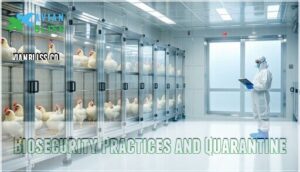
Quarantine protocols act as your first line of defense against mycoplasma control poultry threats.
You’ll need strict entry restrictions for new birds, maintaining 30-day isolation strategies before introducing them to your flock.
Effective biosecurity prevents disease transmission through proper fomite control and personnel management, making mycoplasma prevention birds more achievable through thorough poultry biosecurity measures.
Regular Cleaning and Disinfection
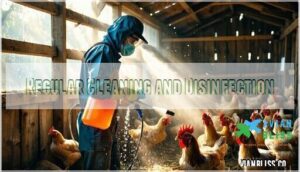
Beyond cleaning bird droppings and feathers, you’ll need disinfection to eliminate mycoplasma bacteria.
These pathogens survive on coop materials like wood and metal, making cleaning frequency essential for effective mycoplasma control poultry management.
Use proven disinfectants weekly, focusing on high-touch surfaces. You can find a suitable poultry coop disinfectant online.
Proper waste disposal and strict biosecurity protocols complete your disinfection strategy for thorough avian health management.
Sourcing From M Gallisepticum-free Breeder Flocks
Smart breeders know that prevention beats treatment every time. Sourcing chicks from mycoplasma gallisepticum-free breeder flocks through certified programs like USDA NPIP provides your strongest defense.
These testing protocols guarantee chick quality while supporting eradication programs. Breeder certification requires rigorous monitoring, creating mycoplasmafree operations that prevent poultry mycoplasma infection from day one.
This mycoplasma prevention birds strategy offers genetic resistance advantages for effective mycoplasma control poultry management. Maintaining proper hygiene, including disinfecting cages regularly, also aids in overall avian health.
Effective Avian Mycoplasma Control
You’ll need effective control measures once mycoplasma infection strikes your flock, combining immediate treatment with long-term management strategies.
The key lies in selecting the right antibiotics, implementing proper supportive care, and establishing thorough disease control protocols that prevent reinfection.
Antibiotics and Treatment Options
When antibiotics become your first line of defense against mycoplasma gallisepticum treatment, you’ll find tylosin and tilmicosin leading the charge.
These powerful medications target bacterial infections effectively, though antibiotic resistance requires careful dosage strategies and proper treatment duration.
The disease is a significant threat to poultry, impacting overall poultry health on a global scale.
- Tylosin delivers rapid relief – reducing mycoplasma load within days of antibiotic treatment
- Tilmicosin provides sustained protection – maintaining therapeutic levels for extended periods
- Alternative therapies emerge – offering hope when traditional antibiotics face withdrawal periods
Supportive Care and Management
Proper supportive care strengthens your birds’ natural defenses against mycoplasma infections.
Isolation strategies prevent disease spread, while environmental control maintains ideal temperature and ventilation.
Nutritional support and hydration methods boost immune function.
Stress reduction techniques like minimizing handling create ideal recovery conditions.
Effective poultry disease management combines these flock management approaches for thorough poultry health protection.
Maintaining Flocks Free of Infection
You’ll keep mycoplasma infections at bay by implementing strict biosecurity protocols that act as your first line of defense. Prevention beats treatment every time.
Key prevention strategies include:
- Quarantine procedures – Isolate new birds for 2-3 weeks before flock introduction
- Breeder sourcing – Purchase only from certified mycoplasma-free facilities
- Testing regimes – Conduct regular blood tests for early detection
- Control measures – Restrict visitor access and disinfect equipment between uses
Effective poultry disease management requires consistent vaccination schedules and environmental monitoring. Regular observation can aid in early parasite detection. These biosecurity measures create barriers that prevent mycoplasma from entering your operation, making mycoplasma prevention far more cost-effective than treating infected flocks.
Integrated Disease Control Strategies
Beyond single-treatment approaches, you’ll achieve better results by combining multiple control measures.
Holistic flock management integrates antibiotics with vaccination programs, biosecurity protocols, and environmental improvements. Resistance monitoring helps you track which treatment options remain effective against mycoplasmosis.
This thorough strategy reduces economic impact while maintaining healthier birds through coordinated disease prevention efforts.
| Control Component | Implementation Strategy |
|---|---|
| Antibiotic Management | Rotate drugs based on resistance monitoring, combine with diagnostic advancements |
| Biosecurity Protocols | Quarantine new birds, sanitize equipment, limit visitor access |
| Alternative Therapies | Use probiotics, herbal supplements, immune boosters alongside conventional treatment |
Frequently Asked Questions (FAQs)
How is Avian Mycoplasmosis treated?
When your flock faces respiratory distress, you’ll find relief through targeted antibiotic therapy. Tylosin, tilmicosin, erythromycin, and tetracyclines effectively reduce Mycoplasma bacterial loads when administered orally or by injection.
What is Avian Mycoplasmosis?
Avian mycoplasmosis is a bacterial respiratory infection affecting chickens, turkeys, and other birds. You’ll see symptoms like coughing, nasal discharge, swollen sinuses, and conjunctivitis in infected flocks.
How to control avian Mycoplasma in commercial poultry?
Implement strict biosecurity protocols, quarantine new birds, source from Mycoplasma-free breeders, and maintain proper ventilation.
Use targeted antibiotic treatments like tylosin or tetracyclines when infections occur, alongside regular cleaning and disinfection practices, which are crucial for preventing the spread of infections.
How can avian Mycoplasma be prevented?
Prevention is your best defense against avian Mycoplasma.
Source birds from certified Mycoplasma-free breeder flocks, maintain strict biosecurity protocols.
Quarantine new arrivals, and implement regular vaccination programs where available to protect your flock.
Can avian Mycoplasma infected flocks be eradicated?
Yes, you can eradicate Mycoplasma from infected flocks through strategic depopulation, thorough cleaning, disinfection, and restocking with certified Mycoplasma-free birds while maintaining strict biosecurity protocols.
How do you treat Mycoplasmosis in turkeys?
Like fighting fire with fire, you’ll treat turkey mycoplasmosis with targeted antibiotics including tylosin, tilmicosin, erythromycin, or tetracyclines through water, feed, or injection while providing supportive care.
How do you treat Mycoplasma in birds?
You’ll treat mycoplasma infections in birds using antibiotics like tylosin, tilmicosin, erythromycin, or tetracyclines. These can be given orally or by injection to reduce bacterial load and control symptoms effectively.
What is the best antibiotic for Mycoplasma in poultry?
When dealing with stubborn respiratory ailments, tylosin stands out as your go-to antibiotic for mycoplasma infections in poultry.
You’ll find tilmicosin and tiamulin equally effective alternatives for reducing bacterial loads in your flock.
What is the most effective treatment for Mycoplasma?
Macrolides like tylosin and tilmicosin are your most effective options for treating mycoplasma infections. You’ll want to combine these antibiotics with supportive care and strict biosecurity measures for best results.
Which antibiotic is effective against Mycoplasma?
Several antibiotics effectively target Mycoplasma bacteria in avian species.
You’ll find tylosin, tilmicosin, and tiamulin work well for reducing bacterial loads.
Tetracyclines like oxytetracycline and doxycycline, plus macrolides including erythromycin, also provide reliable treatment options for infected birds.
Conclusion
While mycoplasma infections can’t be cured overnight, you’ve got effective avian mycoplasma treatment options that work when applied correctly.
Combine targeted antibiotics like tiamulin with supportive probiotics for the best results.
Remember that prevention through proper biosecurity and sourcing from clean breeding stock remains your best defense.
Treatment typically takes 5-10 days, so patience pays off.
These proven strategies help maintain healthy flocks when mycoplasma challenges arise.
- https://www.maine.gov/dacf/ahw/animal_health/documents/backyardpoultry/Mycoplasma%20Factsheet.pdf
- https://www.msdvetmanual.com/poultry/mycoplasmosis/mycoplasma-gallisepticum-infection-in-poultry
- https://www.merckvetmanual.com/poultry/mycoplasmosis/mycoplasma-gallisepticum-infection-in-poultry
- https://www.freedomrangerhatchery.com/blog/protecting-your-flock-what-you-need-to-know-about-mg-ms
- https://emedicine.medscape.com/article/1941994-medication