This site is supported by our readers. We may earn a commission, at no cost to you, if you purchase through links.
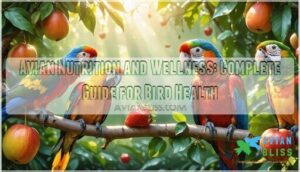 A wild parrot in its natural habitat might sample dozens of different food sources in a single day—flowers, seeds, fruits, bark, even clay from riverbanks. Your companion bird, by contrast, often relies entirely on what you place in its bowl.
That gap between instinct and captivity is where avian nutrition and wellness become critical. Poor dietary choices don’t just affect energy levels; they cascade into weakened immune function, bone disease, and shortened lifespans.
Understanding what your bird truly needs—from essential vitamins to behavioral enrichment—transforms care from guesswork into a science-backed approach that fosters vibrant health at every life stage.
Table Of Contents
Key Takeaways
- Wild parrots sample dozens of food sources daily, but captive birds depend entirely on what you provide, making the gap between natural diet diversity and bowl-based feeding a critical health factor that directly impacts immune function, bone integrity, and lifespan.
- Seed-only diets lack essential vitamins (particularly A and D) and calcium, leading to preventable deficiencies that cause respiratory issues, skeletal problems, and reproductive complications—pelleted diets offer scientifically balanced nutrition but require patient transition strategies.
- Nutritional deficiencies mask themselves through survival instinct, with clinical signs like feather abnormalities, beak deformities, and lethargy appearing only after prolonged imbalance, making preventative veterinary care and early detection essential for avoiding irreversible organ damage.
- Complete wellness extends beyond nutrition to include environmental enrichment through foraging opportunities, behavioral training using positive reinforcement, and pain recognition skills, since birds instinctively hide discomfort until suffering becomes severe.
What is Avian Nutrition and Wellness?
Avian nutrition isn’t just about filling your bird’s food dish—it’s the foundation of lifelong health, disease prevention, and overall well-being. Understanding what your bird needs nutritionally and how those needs shift throughout their life can make the difference between a thriving companion and one struggling with preventable health issues.
Let’s break down the key components that define avian nutrition and wellness, starting with what these terms actually mean for your feathered friend.
Defining Avian Nutrition
Avian nutrition isn’t just about filling your bird’s bowl—it’s the foundation that determines whether your feathered companion will thrive or merely survive. Fundamentally, avian nutrition involves understanding nutrient requirements and how they support cellular processes and metabolic functions in bird health.
Every essential nutrient—from protein needs to water importance—works together to fuel your bird’s body, enabling everything from feather growth to immune defense. A balanced diet is critical for long-term wellness.
Importance of Wellness in Birds
When you understand how nutrition powers every aspect of your bird’s life—from immune strength to reproductive success—wellness stops feeling like an abstract concept and starts looking like a daily commitment you can actually measure. Integrated avian care means looking beyond the food bowl to create conditions where your bird can flourish physically and mentally.
Wellness means addressing:
- Preventative health care through regular veterinary visits that catch problems before they escalate
- Stress-free environments that support natural behaviors and reduce anxiety
- Early disease detection by monitoring subtle changes in appetite, droppings, or activity
- Social interaction needs that prevent loneliness and encourage species-appropriate bonding
- Avian enrichment through foraging opportunities and behavior training that stimulate your bird’s mind
Proactive health measures transform avian health and nutrition from reactive medicine into daily wellness.
Avian Anatomy and Nutritional Needs
Your bird’s digestive tract sits at about 85% the length of a similar-sized mammal’s system, but packs in considerable specialization. The gizzard grinds food using ingested grit, while the crop stores meals for later digestion. Nutrient absorption happens mainly in the small intestine, where villi increase surface area.
Species needs vary wildly—frugivores have shorter intestines for quick digestion, while folivores need longer tracts with expanded caeca to break down fiber. These anatomical adaptations directly shape your bird’s dietary needs and mineral requirements. Birds have a system designed for high energy demands.
Life Stages and Dietary Changes
Just like your own nutritional needs shifted from childhood through adolescence to adulthood, your bird’s requirements change dramatically as it grows, reproduces, and ages. Understanding these lifestages helps you provide ideal avian nutrition:
- Chick development demands high protein (20-30%) for rapid growth and feather formation.
- Breeding season diets require calcium boosts and increased energy for egg production.
- Molting nutrient boost needs extra amino acids to replace feathers efficiently.
- Senior bird care focuses on easily digestible foods with joint-supporting nutrients.
Adjusting dietary needs throughout these stages prevents deficiencies and bolsters long-term avian health.
Essential Nutrients for Healthy Birds
Your bird’s body runs on a careful balance of nutrients that work together to keep feathers glossy, bones strong, and energy levels steady. Think of nutrition as the foundation—everything from immune function to reproduction depends on getting the right mix of proteins, fats, vitamins, minerals, and water.
Let’s break down what your bird actually needs and why each nutrient matters.
Protein, Fats, and Carbohydrates
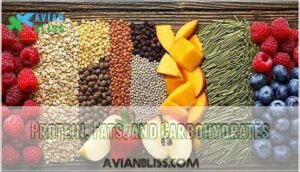
Your bird’s body runs on three fundamental fuels—protein, fats, and carbohydrates—and getting the balance right can mean the difference between a thriving companion and one struggling with preventable health issues.
Protein sources build and repair tissues, with granivorous birds requiring at least 12% for maintenance. Fat content provides concentrated energy and aids fat metabolism, while carb digestion fuels daily activities.
Understanding dietary ratios and energy balance helps you meet your bird’s essential nutrient needs effectively.
Vitamins and Minerals (A, D, Calcium)
Three micronutrients form the cornerstone of skeletal health and immune function in companion birds—vitamins A, D, and calcium.
- Vitamin A deficiency causes abnormal tissue development, weakening respiratory and digestive tract linings
- Vitamin D regulates calcium absorption; deficiencies compromise bone integrity and eggshell formation.
Vitamin D is also significant because it helps regulate phosphorus levels in the bird’s body.
- Calcium sources must be bioavailable, as seed diets lack adequate levels for proper development
- Supplementation risks include toxicity when fat-soluble vitamins accumulate, requiring careful dosing
Water as a Critical Nutrient
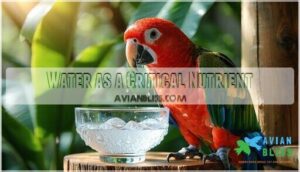
Without water, every metabolic process in your bird’s body grinds to a halt—making it the single most important nutrient you’ll ever provide. Fresh, clean water promotes hydration, which is crucial for digestion, temperature regulation, and waste elimination.
Monitor these dehydration signs daily:
| Dehydration Signs | Normal Hydration |
|---|---|
| Sunken eyes, tacky mucous membranes | Bright eyes, moist tissues |
| Reduced droppings, thick urates | Regular output, white urates |
| Lethargy, skin tenting | Active behavior, elastic skin |
Water quality is essential, as chlorine, contaminants, and bacterial growth can compromise your bird’s health. Change the water twice daily and provide separate dishes for drinking and bathing to ensure proper electrolyte balance and support essential nutrient intake.
Factors Affecting Nutrient Absorption

Even the most perfectly balanced diet can fall short if something interferes with how your bird’s body breaks down, absorbs, or uses those nutrients. Several factors influence avian nutrition and nutrient absorption:
- Gut microbiome and digestive enzymes determine how efficiently essential nutrients reach the bloodstream, supporting intestinal health.
- Stress impact from environmental changes, illness, or touching disrupts metabolism and increases vitamin deficiencies and mineral deficiencies.
- Age factors alter digestive capacity—young birds and seniors often need specific support for peak absorption.
Types of Bird Diets and Their Impact
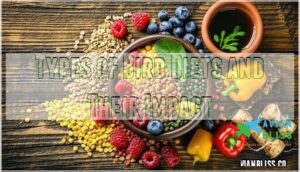
What you feed your bird matters more than you might think. The type of diet you choose affects everything from feather quality to long-term health and lifespan.
Let’s look at the main diet options available and how each one impacts your bird’s wellness.
Seed-Based Vs. Pelleted Diets
When choosing between seed and pelleted diets for companion birds, you’re essentially comparing convenience with completeness. Seed diets, while palatable, lack essential vitamins and minerals—particularly vitamin D and calcium—which can lead to serious nutritional deficiencies over time. Pelleted diets, on the other hand, offer enhanced nutritional balance, meeting avian nutrition requirements more consistently. However, transitioning to a pelleted diet can be challenging due to palatability concerns, as many birds initially resist pellets. Successful transitions require patience and the gradual introduction of new foods alongside familiar seed varieties.
| Aspect | Seed Diets | Pelleted Diets |
|---|---|---|
| Nutritional Balance | Deficient in key nutrients | Complete and balanced |
| Palatability | Highly preferred by birds | Often initially rejected |
| Health Outcomes | Risk of deficiencies | Promotes good wellness |
| Pellet Quality | N/A | Varies by manufacturer |
Commercially Formulated Foods
Commercially formulated foods represent a significant advancement in avian care, offering scientifically developed nutrition that counters the shortcomings of traditional seed-based diets. These pelleted diets and extruded diets vary considerably across brands, so comparing pellet composition helps you select quality options.
Proper storage guidelines prevent nutrient degradation, while cost analysis reveals that commercially formulated bird food often provides better value than seeds.
Feeding methods should encourage natural foraging behaviors, making formulated diets both nutritionally complete and behaviorally enriching.
Fruits, Vegetables, and Supplementation
While pelleted foods form a strong nutritional foundation, fresh fruits and vegetables add variety, moisture, and phytonutrients that support your bird’s long-term health. Offer these safe options daily:
- Dark leafy greens for calcium supplementation
- Orange vegetables for vitamin A
- Berries for antioxidants
- Avoid toxic foods like avocado and chocolate
Control portions to 20-30% of total diet, adjusting based on species-specific needs.
Transitioning to Balanced Diets
Switching your bird from an all-seed diet to a balanced one won’t happen overnight, but with patience and the right approach, you can make the change stick. Introducing birds to pelleted diets requires persistence, as nutritional requirements depend on gradual changes rather than abrupt switches.
Start by mixing small amounts of pellets with familiar seeds, gradually increasing the ratio over several weeks. Monitor your bird’s weight and droppings to track progress during these dietary shifts.
Some companion birds resist new foods due to palatability concerns, so try offering pellets at peak hunger times.
Preventing Nutritional Deficiencies and Disease
Even the best diet can fall short if you don’t know what warning signs to watch for. Nutritional deficiencies can sneak up quietly, leading to serious health problems that affect your bird’s quality of life.
Let’s look at the most common deficiencies, how to spot them early, and what you can do to keep your bird healthy.
Common Deficiencies (Vitamin A, D, Calcium)
Your bird’s diet can fall short in three critical areas. Vitamin A deficiency is widespread in pet birds fed seed mixtures, which contain less than 30 µg/kg—far below what’s needed. Vitamin D shortfalls compromise calcium absorption, especially without natural sunlight exposure. Hypocalcemia symptoms like seizures and soft eggs signal calcium deficiency, a leading dietary risk in companion birds.
Fortunately, correction strategies work: switching to pelleted diets and targeted supplementation effectively prevent these nutritional deficiencies in avian nutrition programs.
Clinical Signs of Poor Nutrition
When those deficiencies take hold, your bird’s body starts sending distress signals you can actually see and measure. Feather abnormalities like stress bars or dull plumage often appear first. Beak deformities, weight changes, and lethargy follow as vitamin deficiencies worsen.
You might notice egg problems in breeding hens—soft shells or binding. These clinical signs of nutritional deficiencies and malnutrition demand immediate attention, as mineral deficiencies can quickly escalate from subtle to severe.
Consequences of Imbalanced Diets
If your bird’s diet stays out of balance long enough, you’re not just dealing with temporary symptoms—you’re watching a cascade of irreversible damage unfold. Organ damage from hepatic lipidosis and chronic vitamin deficiencies alters tissue function permanently.
Immune suppression leaves your bird vulnerable to infections, while reproductive issues and growth retardation compromise breeding success and development.
Nutritional imbalance also triggers obesity, feather abnormalities, and mineral deficiencies that undermine skeletal integrity.
Role of Preventative Health Care
Catching problems before they become crises is what separates routine care from emergency intervention, and your bird’s wellness depends on that difference. Regular screenings enable early detection of nutritional deficiencies before clinical signs emerge.
Preventative health care includes veterinary care visits, parasite control, vaccination importance for susceptible species, and stress reduction strategies. These measures form the foundation of avian health and wellness, protecting your bird from preventable diseases and maintaining peak nutritional status throughout its life.
Supporting Bird Wellness Beyond Diet
Good nutrition is just the starting point. Your bird’s overall wellness depends on several other factors working together—regular veterinary care, mental stimulation, and a lifestyle that mirrors what they’d experience in the wild.
Let’s look at the key areas that round out a complete wellness plan.
Veterinary Check-Ups and Preventative Care
Your bird’s health isn’t something you can eyeball from across the room—regular veterinary visits catch problems before they show symptoms you’d notice at home.
Preventative health care for avian health includes:
- Annual exams to assess body condition, beak trimming needs, and organ function
- Vaccine schedules and parasite control adapted to your bird’s species and environment
- Wing clipping consultations to discuss safety versus mobility based on your household
Establishing consistent veterinary care creates a baseline for your bird’s normal health markers.
Environmental Enrichment and Foraging
A stimulating environment isn’t just nice to have—it’s essential for preventing behavioral problems and maintaining your bird’s physical health.
Avian enrichment includes rotating enrichment devices weekly, offering foraging toys like puzzle feeders, and scatter feeding to encourage natural foraging behavior. These strategies boost activity and welfare by increasing mental stimulation and reducing obesity risk.
Implementing enrichment with nutritional variety—fresh vegetables twice weekly, water baths, and perches of different textures—fosters healthy bird behavior and overall wellness.
Behavioral Health and Training
Training your bird isn’t about dominance or control—it’s about building trust and creating a shared language that reduces stress for both of you. Positive reinforcement transforms daily interactions into opportunities for cognitive stimulation and socialization skills, strengthening your bond while addressing behavioral challenges.
Effective bird behavior and training includes:
- Behavioral enrichment through target training and step-up exercises that provide mental engagement
- Addressing aggression by identifying triggers and rewarding calm responses instead of punishing fear-based reactions
- Enriching the bird environment with training sessions that encourage problem-solving and natural behaviors
Recognizing and Managing Pain in Birds
Birds mask pain as a survival instinct—weakness in the wild means becoming prey—so by the time you notice something’s wrong, they’ve likely been suffering longer than you’d think. Pain recognition requires watching for subtle shifts: fluffed feathers, reduced activity, or changes in vocalization.
Birds hide pain instinctively, so by the time you notice symptoms, they’ve likely suffered far longer than you realize
Your veterinary care provider can discuss analgesic options and comprehensive approaches that prioritize quality of life while addressing ethical considerations in avian wellness and pain prevention for best bird health.
Frequently Asked Questions (FAQs)
How often should I change my birds water?
Don’t let stale water ruffle your feathers—change it daily to keep your companion birds healthy. Water contamination risks multiply quickly as food particles, droppings, and bacteria accumulate in water bowls.
Daily cleaning frequency protects avian health, while hydration monitoring ensures your pet birds always have fresh water available.
Can birds eat table scraps or human food?
Some table foods can be safe for pet birds in small amounts, but many pose serious hygiene risks or are toxic foods that threaten bird health.
Always prioritize proper avian nutrition over table scraps to prevent malnutrition and guarantee adequate nutritional value through portion control.
What foods are toxic to pet birds?
One person’s food is another’s poison"—and for pet birds, that’s literally true. Avocado toxicity, chocolate dangers, onion effects, xylitol risks, and caffeine harm top the list of toxic foods. These cause serious health problems with clinical signs ranging from respiratory distress to sudden death, making proper avian nutrition essential for keeping pet birds safe.
How do I know if my bird is overweight?
Palpating your bird’s keel bone helps assess body condition—if it’s sharp and protruding, your bird may be underweight, but if it’s difficult to feel beneath tissue, obesity is likely.
Weight charts, reduced activity levels, and feather health changes signal potential weight management needs and related health issues requiring avian wellness evaluation and weight loss strategies.
Should I give my bird vitamins or supplements?
You don’t need to supplement a complete, balanced diet—think of it like adding salt to an already perfect recipe.
However, seed-only diets lack essential vitamins and minerals, making supplementation necessary. Vet consultation ensures proper dosage and avoids toxicity risks from over-supplementation.
Conclusion
Your bird’s health doesn’t rest on a single nutrient or supplement—it relies on the complete picture. Balanced avian nutrition and wellness requires consistent attention to diet, preventative veterinary care, and enrichment that mirrors natural behaviors.
Small adjustments compound over time: calcium levels stabilize, feather quality improves, and immune resilience strengthens. You’re not just filling a bowl; you’re shaping longevity.
The birds that thrive aren’t lucky—they’re deliberately, thoughtfully cared for.
- http://lafeber.com/
- http://lafebervet.com/avian-medicine-2/avian-nutrition
- https://royalsocietypublishing.org/doi/10.1098/rspb.2022.0675
- https://www.birdfy.com/blogs/blogs/the-bird-digestive-system-an-in-depth-exploration-the-digestive-system-in-birds-also-known-as-the-avian-digestive-system-is-small-yet-practical-and-fast-as-it-is-intended-to-be-in-organisms-that-experience-frequent-high-energy-demands-in-this-instanc
- https://todaysveterinarynurse.com/wp-content/uploads/sites/3/2021/09/Burns_AvianNutrition_Fall2021.pdf