This site is supported by our readers. We may earn a commission, at no cost to you, if you purchase through links.
 When your bird shows labored breathing, wheezing, or lethargy, you’re dealing with a respiratory infection that needs immediate action. Bacterial, viral, fungal, or parasitic pathogens can trigger these life-threatening conditions, and symptoms escalate fast.
The vet will run physical exams, take X-rays, and order lab work to figure out what’s going on—Chlamydia, Aspergillus, air sac mites, or something else. Once they know the culprit, treatment might include antibiotics, antifungals, oxygen therapy, or nebulization depending on what your bird needs.
While you’re getting to the vet, keep your bird warm and minimize stress. Recognizing the warning signs early and moving quickly can make all the difference between recovery and tragedy.
Table Of Contents
- Key Takeaways
- What is an Avian Respiratory Infection?
- Causes of Respiratory Disease in Birds
- How Birds Show Signs of Breathing Problems
- Diagnosing Bird Respiratory Illness
- At-Home Steps for Bird Breathing Issues
- Treatment Options for Avian Respiratory Infections
- Preventing Respiratory Disease in Pet Birds
- When to Seek Emergency Avian Vet Care
- Long-Term Bird Health and Recovery
- Frequently Asked Questions (FAQs)
- Conclusion
Key Takeaways
- Respiratory infections in birds stem from bacterial, viral, fungal, or parasitic causes—and they escalate fast, so watch for labored breathing, wheezing, tail bobbing, or lethargy as early warning signs that need immediate veterinary attention. – Diagnosis requires an avian vet who’ll use physical exams, X-rays, and lab tests to identify the specific pathogen (like Chlamydia, Aspergillus, or air sac mites), then prescribe targeted antibiotics, antifungals, or anti-parasitic medications based on what’s actually causing the infection. – While you arrange emergency care, stabilize your bird by keeping them warm (around 85°F), increasing humidity to 50-60%, removing aerosols and fumes from the area, and minimizing stress—but never skip the vet visit, since breathing problems can turn fatal within hours. – Prevention beats treatment every time: feed a balanced diet with vitamin A-rich foods (not just seeds), maintain clean air with HEPA filters, quarantine new birds for 30 days, and schedule regular wellness checkups to catch problems before symptoms appear.
What is an Avian Respiratory Infection?
An avian respiratory infection is a breathing problem caused by bacteria, viruses, fungi, or parasites that affect a bird’s lungs and air passages.
These infections are common in pet birds and can quickly become serious if you don’t catch them early.
Definition and Overview
When birds get respiratory infections, it’s usually bacteria, viruses, fungi, or parasites attacking their airways. What makes this tricky is that birds have air sacs connected to their lungs—a setup mammals don’t have. This means infections can spread through their bodies faster than you’d expect.
These avian diseases range from mild to life-threatening and require prompt attention to protect your bird’s health.
Common Bird Species Affected
Respiratory infections don’t play favorites, but some bird species face higher risks than others. Your feathered friend’s species can tell you a lot about what respiratory challenges they might encounter.
High-risk pet birds include:
- Parrots and parakeets – African grey parrots, Eclectus parrots, budgies, and cockatoos are especially prone to chlamydiosis, with infection rates reaching 16% to 81% depending on where they live
- Pigeons – These birds commonly carry respiratory pathogens and can experience up to 90% mortality in severe outbreaks
- Poultry – Chickens and turkeys face serious threats from avian influenza and Newcastle disease, with mortality sometimes exceeding 80%
- Finches and canaries – While less susceptible than parrots, they’re still vulnerable to paramyxovirus and bacterial infections
Waterfowl often serve as silent reservoirs for respiratory viruses, while raptors frequently battle aspergillosis, a stubborn fungal infection. Certain domesticated birds, like chickens and ducks, are susceptible to bird flu.
Differences Between Avian and Non-Avian Illnesses
Your bird’s respiratory system works completely differently from yours—they have air sacs that make infections spread in unexpected ways. A respiratory issue in a parrot looks nothing like the same problem in a canary.
Most bird illnesses won’t jump to humans, but some respiratory infections can. That’s why getting the right diagnosis matters.
Causes of Respiratory Disease in Birds
Birds can develop respiratory infections from multiple sources, and understanding these causes helps you protect your feathered companion. Bacterial pathogens like Chlamydia and Mycoplasma, viral infections such as avian influenza, fungal organisms like Aspergillus, and parasites including air sac mites can all trigger breathing problems.
Your bird’s respiratory system can run into trouble from several different directions. Bacterial culprits like Chlamydia and Mycoplasma are common offenders, but viruses (think avian influenza), fungal invaders like Aspergillus, and even parasites such as air sac mites can all mess with your bird’s breathing.
Knowing what threats are out there gives you a better shot at keeping your feathered friend healthy.
Bacterial, Viral, and Fungal Pathogens
Your bird’s lungs can face threats from multiple directions. Bacterial infections like Mycoplasma gallisepticum strike up to 80% of chicken flocks, while Chlamydia psittaci affects over 90% of some bird populations. Viral diseases such as avian influenza can devastate entire flocks, and fungal infections like aspergillosis account for 40% of respiratory fungal cases. Each pathogen triggers different respiratory symptoms and presents unique zoonotic risks. Understanding avian influenza risks is vital for protecting your birds from potential outbreaks.
Key threats to watch:
- Bacterial infections spread rapidly through crowded conditions, causing chronic breathing problems
- Viral diseases like Newcastle disease can kill 80% of unvaccinated birds within days
- Fungal infections thrive in damp environments, slowly damaging your bird’s air sacs and avian immunity
Parasitic Infections
Tiny invaders like air sac mites and gapeworms can set up camp in your bird’s respiratory system, turning every breath into a struggle. These respiratory parasites in birds—including avian protozoa like Sarcocystosis—steal oxygen and damage delicate airways.
You’ll notice wheezing or labored breathing when bird endoparasites take hold. Effective parasite control requires your vet to identify the specific parasitic infection and prescribe targeted anti-parasitic drugs to clear the airways.
Nutritional and Environmental Triggers
Beyond infections and parasites, your bird’s diet and living space can quietly set the stage for breathing trouble. An all-seed diet lacks vitamin A, weakening respiratory linings and inviting infection.
Air pollution, environmental toxins, and poor air quality irritate delicate airways. Even habitat destruction and toxic substances like nonstick cookware fumes can compromise avian health, making bird health and wellness depend heavily on environmental factors.
How Birds Show Signs of Breathing Problems
Birds don’t always make it obvious when they’re struggling to breathe, but there are telltale signs you can watch for. Labored breathing, unusual sounds like wheezing or clicking, and changes in behavior such as lethargy or fluffed feathers all point to potential respiratory trouble that needs prompt attention.
Labored or Open-Mouth Breathing
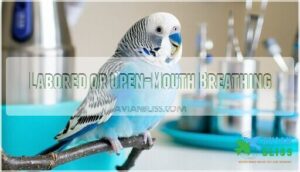
When your bird starts breathing with its beak wide open or seems to be working hard just to pull air into its lungs, something’s gone wrong with its respiratory system. You might notice:
- Tail bobbing with each breath
- Extended neck posture
- Flared nostrils
- Rapid chest movement
- Visible fatigue from dyspnoea
Labored breathing signals respiratory disease, possibly avian pneumonia, tracheal issues, beak obstruction, or airway disease threatening your bird’s avian health.
Wheezing, Clicking, or Coughing Sounds
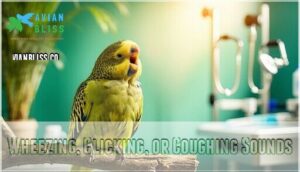
If your bird sounds like a tiny accordion that’s seen better days—wheezing, clicking, or coughing—you’re hearing distress signals that demand your attention. These respiratory noises often point to infections, inflammation, or blockages in your bird’s airways. Tracheal rales, bird wheezing, and coughing sounds are classic respiratory signs that warrant immediate clinical examination for proper diagnosis and treatment.
| Sound Type | What It Might Mean | Action Needed |
|---|---|---|
| Wheezing | Airway narrowing, possible avian asthma or fungal infection | Schedule vet visit within 24 hours |
| Clicking | Mucus buildup, bacterial infection, or respiratory disease | Don’t wait—call your avian vet today |
| Coughing | Irritation, infection, or foreign material in airways | Immediate evaluation required |
| Wet rattling | Severe fluid accumulation, late-stage respiratory illness | Emergency care—go now |
Lethargy, Fluffed Feathers, and Appetite Loss

As your bird starts feeling worse, you’ll notice it sitting quietly with feathers puffed up like a ball, often losing interest in food that normally excites it. These signs of avian depression and bird lethargy can signal respiratory disease progression toward respiratory failure without quick diagnosis and treatment:
If your bird’s health takes a turn for the worse, you might see it huddled up quietly with its feathers puffed out, barely interested in the foods it usually loves.
These signs—downcast mood and low energy—could mean a respiratory illness is getting more serious, especially if not treated quickly.
- It stays on the cage floor instead of perching
- Feathers stay fluffed constantly to conserve warmth
- Eyes appear half-closed with minimal response to your presence
This clinical examination finding requires immediate avian medicine treatment options.
Diagnosing Bird Respiratory Illness
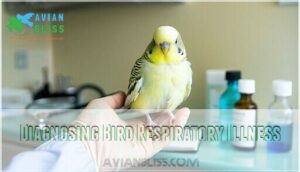
When your bird struggles to breathe, a proper diagnosis from an avian vet becomes your first line of defense. The vet will conduct a thorough physical exam, review your bird’s complete history, and may recommend blood tests, X-rays, or cultures to pinpoint whether bacteria, fungi, viruses, or parasites are causing the problem.
If your bird’s having trouble breathing, getting to an avian vet quickly is critical.
They’ll examine your bird, ask about symptoms and history, and likely run tests—blood work, X-rays, or cultures—to figure out what’s behind it. Could be bacteria, a fungal infection, a virus, or even parasites.
Clinical Examination by an Avian Vet
Your avian vet will start by watching your bird’s breathing pattern, posture, and overall behavior before even touching them. This hands-off approach helps assess respiratory distress without added stress.
Next comes a gentle physical exam—listening to the lungs and air sacs, checking the nares for discharge, and examining the beak and eyes. Your vet’s clinical examination combines careful observation with diagnostic tools to pinpoint the cause.
Diagnostic Imaging and Laboratory Tests
Radiography techniques remain the most essential diagnostic approach for spotting respiratory issues in your bird. Over 80% of respiratory disease cases benefit from X-rays when combined with other findings.
CT scans take about 15 minutes and cost between $250 and $350, catching subtle problems that regular radiography might miss. Your vet may also use avian ultrasound for fluid buildup or recommend respiratory cytology through bronchoscopy, which successfully diagnoses up to 93% of lesions.
Laboratory diagnostics like CBC, biochemistry, and faecal examination help identify specific infections, with PCR tests delivering results in under 24 hours.
Importance of Detailed History
While tests give you hard data, the story you share about your bird’s daily life, diet, and recent changes often points the vet straight to the answer. Detailed avian health history helps with diagnosis and treatment planning. Track these diagnostic clues:
While tests give you hard data, the story you share about your bird’s daily life, diet, and recent changes often points the vet straight to the answer.
Detailed avian health history helps with diagnosis and treatment planning. Here’s what to keep tabs on:
At-Home Steps for Bird Breathing Issues
If your bird is struggling to breathe, you can take steps at home to help while you arrange urgent veterinary care.
Improving air quality, providing warmth, and minimizing stress can aid your bird until a vet examines them, but breathing problems always require professional attention.
Immediate Environmental Modifications

The moment you notice your bird struggling to breathe, changing its environment can be as critical as any medication you’ll later provide. Move your bird to a warm, quiet room away from drafts and kitchen fumes, which can worsen respiratory disease.
Improve air quality by removing aerosols, candles, and non-stick cookware from the area. Increase humidity to 50-60% using a clean humidifier to ease breathing.
Proper temperature management and environmental hygiene help reduce stress on compromised air sacs while you arrange veterinary care.
Supportive Care While Awaiting Vet Visit

Once you’ve adjusted your bird’s environment, gentle sustaining care can help keep them stable until you can get to the vet. Focus on these essentials:
Once you’ve adjusted your bird’s environment, gentle care at home can help keep them stable until you can get to the vet. Focus on these essentials:
- Keep your bird warm using a heating pad on low
- Offer fresh water for avian hydration
- Minimize stress and handling
- Monitor breathing patterns closely
- Document symptoms for clinical examination
These steps support your bird’s breathing, but they’re not a substitute for getting a proper diagnosis and treatment from your vet.
Warning Signs of Emergency
Some breathing problems worsen quickly, and knowing when your bird needs emergency care can be the difference between life and death.
Rush to an avian vet if you see open-mouth breathing that won’t stop, blue-tinged skin around the beak or feet, collapse, or seizures. These emergency symptoms signal respiratory failure and demand critical care immediately.
Don’t wait—breathing emergencies in birds can turn fatal within hours.
Treatment Options for Avian Respiratory Infections
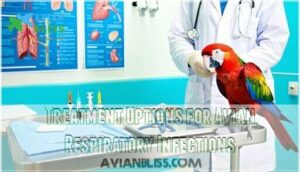
Once your avian vet pinpoints the cause of your bird’s respiratory infection, treatment can begin right away. The specific approach depends on whether bacteria, fungi, or parasites are to blame, and some birds need hospital-level care to get through the worst of it.
Antibiotics for Bacterial Infections
When your bird has a bacterial infection, your vet will choose antibiotics carefully. Enrofloxacin and doxycycline are commonly prescribed for avian respiratory disease, targeting bacteria like Chlamydia and E. coli.
However, resistance patterns complicate treatment—some strains show resistance to multiple drugs. Dosing challenges arise because many antibiotics lack approval for birds, requiring off-label use.
Treatment efficacy depends on early diagnosis and targeted therapy adapted to your bird’s specific infection.
Antifungal and Anti-Parasitic Medications
When bacteria aren’t the culprit, your bird’s lungs or air sacs might be battling fungi like Aspergillus or tiny parasites such as air sac mites—and that’s when treatment takes a different path.
You’ll likely see antifungal drugs for aspergillosis or antiparasitic drugs for mites, given through:
- Oral medications mixed into food or water
- Nebulization that lets your bird breathe the medicine directly
- Injectable treatments for severe fungal infection
Administration methods matter because they affect how quickly your bird improves and reduce medication side-effects.
The delivery method determines how fast your bird responds to treatment and whether side effects become a problem.
Hospitalization and Supportive Therapies
If your bird’s breathing doesn’t improve with medication alone, your vet may recommend hospitalization to provide round-the-clock care and monitoring. This gives your bird access to oxygen therapy, nebulizer treatments with antibiotics or antifungal drugs, and fluid therapy to prevent dehydration. Some birds need an incubator for warmth or even an airsac tube for severe cases.
| Aiding Therapy | Purpose | |
|---|---|---|
| Oxygen Therapy | Improves breathing | Severe respiratory distress |
| Fluid Therapy | Prevents dehydration | Birds not eating or drinking |
| Nutritional Assistance | Maintains strength | Appetite loss or weakness |
| Pain Management | Reduces discomfort | Inflammation or infection |
Preventing Respiratory Disease in Pet Birds
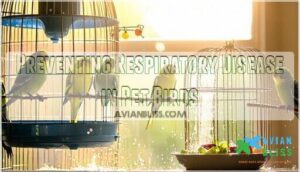
Prevention works better than treatment for keeping your bird’s airways healthy. A few simple changes to diet, housing, and daily care can stop most respiratory infections before they start.
Proper Nutrition and Diet
Your bird’s diet plays a bigger role in respiratory health than most owners realize. Seed-based diets often lack vitamin A, weakening your bird’s immune defenses and leaving airways vulnerable to infection.
Here’s what proper nutrition looks like:
- Balanced nutrition: Offer pellets, fresh vegetables, and limited seeds to prevent vitamin deficiencies
- Dietary supplements: Add vitamin A-rich foods like carrots and sweet potatoes under your avian vet’s guidance
- Obesity prevention: Avoid high-fat seeds that compromise respiratory function and overall health
Cleanliness and Air Quality
Clean air is critical for preventing respiratory disease in birds. Daily removal of droppings and weekly deep cleaning with bird-safe soap reduce bacterial loads that fuel airsacculitis and fungal infection.
Keeping the air clean is essential to protect birds from respiratory problems.
Get rid of droppings every day, and give cages a thorough scrub once a week with bird-safe soap to keep harmful bacteria—and the infections they cause—at bay.
Keep humidity between 40–60% to prevent environmental factors from triggering illness, and position cages away from drafts, aerosols, and nonstick cookware fumes that damage respiratory tissues.
Quarantine and Biosecurity Practices
Bringing a new bird into your home is exciting, but without proper quarantine measures, you’re rolling the dice with your entire flock’s health. Keep newcomers separated for at least 30 days in a separate room with dedicated cleaning supplies.
This isolation protocol helps catch hidden illnesses like avian influenza before they spread. Your biosecurity checklist should include hand washing between birds, using a HEPA filter, and monitoring for any signs of bird illness during the quarantine duration.
When to Seek Emergency Avian Vet Care
Some respiratory emergencies can’t wait until morning. If your bird shows open-mouth breathing, blue-tinged skin, sudden collapse, or rapidly worsening symptoms, you need an avian vet immediately—these signs mean your bird’s life is at risk.
Severe Breathing Distress
Despite your best prevention efforts, some respiratory infections escalate quickly enough that your bird needs immediate action. Critical symptoms demanding emergency oxygen and specialized interventions include:
- Open-mouth breathing with tail bobbing
- Gasping or extreme labored effort to breathe
- Blue-tinged mucous membranes indicating oxygen deprivation
Contact your veterinarian immediately if you notice these signs of respiratory disease—prognosis factors improve dramatically with swift treatment of bird illness.
Cyanosis and Collapse
A bird showing bluish or pale discoloration around the beak, feet, or skin—known as cyanosis—isn’t getting enough oxygen, and this is an emergency that can lead to collapse within minutes. Tissue hypoxia means your bird’s organs aren’t functioning properly. Sudden fainting or collapse signals organ failure is underway. You need an immediate response—get to an avian vet now.
| Emergency Sign | What It Means | Your Action |
|---|---|---|
| Blue-gray beak or feet | Oxygen deprivation | Transport immediately in quiet, dark container |
| Bird lying on cage floor | Respiratory disease progression | Don’t delay—every minute counts |
| Weak, unresponsive | Multiple organ systems failing | Call ahead so vet can prepare |
| Gasping with cyanosis | Severe signs of respiratory disease | This requires diagnosis and treatment without delay |
Rapid Deterioration in Condition
Even more alarming than visible cyanosis is how quickly a sick bird can go from seeming stable to critically ill in what feels like minutes.
Sudden weakness or fast progression of signs of respiratory disease demands an urgent response. These critical symptoms reflect immediate danger—mortality rates climb steeply once airway disorders advance this rapidly.
If your bird’s condition worsens noticeably within an hour or two, don’t wait. Treatment can’t help if respiratory disease has already caused irreversible harm.
Long-Term Bird Health and Recovery

Once your bird recovers from a respiratory infection, your work isn’t quite finished. Regular follow-up visits with your avian vet help catch any signs of relapse early.
Simple changes to diet, housing, and air quality can keep your feathered friend breathing easy for years to come.
Monitoring for Recurrence
Once your bird recovers from a respiratory infection, staying alert to subtle changes in breathing or behavior can help you catch any flare-up before it becomes serious again. Watch for relapse symptoms like open-mouth breathing or lethargy.
Consistent environmental control, diet maintenance, and prompt response to respiratory diseases in birds make monitoring and early treatment by a veterinarian essential preventative measures.
Keeping your bird’s environment stable and offering a balanced diet are key. Acting quickly if you notice any breathing trouble is also crucial.
Staying on top of these things—and involving your vet at the first sign of a problem—can go a long way toward keeping respiratory issues in check.
Ongoing Avian Wellness Checkups
Regular vet visits aren’t just for sick birds—they’re your best tool for catching problems before they become serious. Wellness checkups allow your veterinarian to perform early detection through respiratory disease monitoring and routine diagnosis before symptoms appear.
Here’s what these visits usually include:
- Physical examination checking airways, breathing sounds, and overall body condition
- Health monitoring through bloodwork reflecting organ function and infection markers
- Preventative care discussions about diet, lifestyle factors, and environmental improvements
Your vet stays current with avian research and avian biology advances, guaranteeing your bird benefits from the latest treatment approaches.
Environmental and Lifestyle Adjustments
Long after recovery, the way you care for your bird each day can mean the difference between staying healthy and sliding back into illness.
Air Quality Control and Ventilation Systems keep airborne irritants low, while Humidity Management and Temperature Regulation prevent respiratory disease flare-ups.
Avian research shows environmental factors in birds—like Noise Reduction and clean air—directly affect avian biology and long-term lung health.
Studies show things like keeping the air clean and lowering noise levels can really shape your bird’s health and lungs over time.
Frequently Asked Questions (FAQs)
Can respiratory infections spread between different bird species?
Yes, respiratory pathogens can jump between avian species, especially when different birds share close quarters. Interspecies infection risk increases through respiratory pathogen exchange during bird migration, mixed-flock housing, or contact at feeders.
Respiratory bugs can easily hop between different kinds of birds, especially when they’re close together. The risk goes up when birds migrate, mix in shared spaces, or gather at feeders.
How long does typical avian respiratory treatment last?
Most bacterial and viral cases require 7 to 14 days of avian therapy, while fungal respiratory care or parasitic infections may extend treatment duration to several weeks or months.
Your avian vet determines the medical prognosis based on diagnostic findings.
What humidity levels help birds with breathing problems?
Many people worry humidity might worsen infections, but controlled moisture actually helps sick birds breathe easier.
You’ll want to maintain humidity between 40-60% to soothe irritated upper airways and lower respiratory tract tissues, improving air quality without encouraging bacterial or fungal growth.
Are certain bird breeds more prone to infections?
{{
Can stress alone trigger respiratory symptoms in birds?
While stress alone doesn’t directly cause infection, it acts like a crack in armor—weakening your bird’s immune defenses and making respiratory disease more likely.
Stress doesn’t cause infections on its own, but it weakens your bird’s immune system—opening the door for respiratory disease to move in.
Conclusion
Your bird’s life hangs in the balance when breathing turns labored—but swift action tips the scales. By recognizing warning signs early and securing avian vet respiratory infection help immediately, you give your feathered companion the fighting chance they deserve.
Keep their environment spotless, their diet balanced, and their stress minimal. Schedule regular wellness checks even after recovery, because vigilance today prevents tomorrow’s crisis. Your attentiveness isn’t just good care—it’s lifesaving.
- https://pmc.ncbi.nlm.nih.gov/articles/PMC10064437/
- https://pubmed.ncbi.nlm.nih.gov/36965253/
- https://www.frontiersin.org/journals/veterinary-science/articles/10.3389/fvets.2024.1446577/full
- https://lafeber.com/vet/respiratory-emergencies/
- https://vcahospitals.com/know-your-pet/respiratory-disease-in-birds