This site is supported by our readers. We may earn a commission, at no cost to you, if you purchase through links.

Last spring, I watched a Baltimore oriole hover six feet from a red hummingbird feeder, then fly away in search of something better. That’s when it hit me—orioles don’t just want nectar, they crave variety, and most backyard setups completely miss the mark.
These vibrant songbirds need feeders designed specifically for their feeding habits, with space for grape jelly, orange halves, and nectar all in one spot. The right feeder can transform your yard into an oriole haven during migration season, but you’ll want one built to last through spring rains and brave enough to keep bees and ants at bay.
We’ve tested dozens of designs to find the best oriole feeders that actually deliver on durability, ease of cleaning, and—most importantly—the kind of multi-station setup that keeps these striking orange birds coming back day after day.
Table Of Contents
- Key Takeaways
- Top 9 Best Oriole Feeders
- Key Features of The Best Oriole Feeders
- Types of Oriole Feeders Explained
- Factors to Consider When Buying
- Tips for Attracting and Caring for Orioles
- Frequently Asked Questions (FAQs)
- What is the best feeder to attract orioles?
- How often should you change jelly in an oriole feeder?
- Is grape jam or jelly better for orioles?
- Can you put hummingbird and oriole feeders next to each other?
- When should I put out oriole feeders?
- Whats the best nectar recipe for orioles?
- How often should I refill oriole feeders?
- Where should I place my oriole feeder?
- How do I keep bees away from feeders?
- When do orioles migrate south each year?
- Conclusion
Key Takeaways
- Orioles need feeders designed with multiple feeding stations for nectar, grape jelly, and fresh orange halves—single-purpose feeders miss the mark because these birds shift between different foods throughout the season and crave variety.
- The best oriole feeders combine bright orange coloring that acts like a visual beacon with durable materials like powder-coated steel or UV-resistant recycled plastic that withstand spring storms and summer heat without cracking or fading.
- Cleaning frequency makes or breaks your success—you’ll need to replace nectar every 2-3 days in warm weather and swap jelly even more often to prevent mold, fermentation, and the kind of sticky buildup that wildlife rehabilitators have documented leaving birds too contaminated to fly.
- Strategic placement matters as much as the feeder itself—hang your setup 6-10 feet high, position it about 10-15 feet from dense cover for predator safety, and set it out around late April (about a week before orioles arrive) to catch early migrants hunting for quick energy.
Top 9 Best Oriole Feeders
Finding the right oriole feeder can feel like striking gold when you watch those vibrant orange birds finally show up at your station. You’ll want something that holds nectar, jelly, and fruit without turning into a maintenance nightmare, and that’s where design really matters.
Choosing from the various types of bird feeders for gardens helps you match your setup to the specific needs of orioles versus other backyard visitors.
Here are nine oriole feeders that deliver on durability, ease of use, and the feeding versatility these vibrant visitors need.
Each option combines weather-resistant construction with features like window-mounted bird feeders for close-up viewing or hanging designs that accommodate jelly, fruit, and nectar.
1. First Nature Oriole Feeder
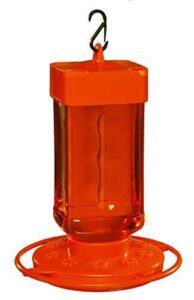
If you’re ready to roll out the welcome mat for Baltimore orioles, the First Nature Oriole Feeder delivers serious bang for your buck. This oriole bird feeder rocks a bold orange design that catches those fiery flash-feeders from a mile away, plus it holds 32 ounces of nectar, jelly, or fruit across 10 feeding ports.
Pair it with a side dish of nyjer seed for finches and other songbirds to create a backyard buffet that keeps multiple species coming back.
The wide-mouth reservoir makes refilling a breeze, and the two-part base twists apart for easy cleaning—no scrubbing nightmares here. Just watch that perch design for bird safety concerns some users have flagged.
| Best For | Backyard birders who want an affordable, high-capacity feeder that attracts orioles with minimal fuss and easy maintenance. |
|---|---|
| Material | Plastic |
| Mounting Type | Hanging |
| Target Species | Oriole |
| Food Types | Nectar |
| Capacity | 32 oz |
| Easy Cleaning | Yes |
| Additional Features |
|
- Holds 32 ounces with 10 feeding ports, so multiple orioles can feast at once without constant refills
- Wide-mouth reservoir and twist-apart base make filling and cleaning actually enjoyable instead of a sticky mess
- Bright orange color acts like a billboard for orioles, plus it handles nectar, jelly, and fruit for variety
- Plastic construction can get brittle after a few seasons in harsh weather
- Perch design has raised some safety red flags—reports of potential bird entanglement mean you’ll want to keep an eye on it
- Hanging hook could be sturdier, and you might need to grab an ant moat separately to keep crawlers out
2. Birds Choice Oriole Feeder
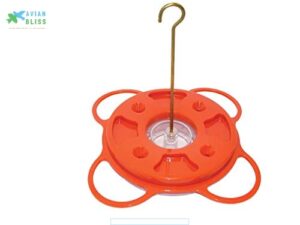
The Birds Choice Oriole Feeder steps things up with a smart all-in-one design—four feeding ports for nectar plus four jelly trays, so your backyard flock can feast on multiple options at once.
The built-in ant moat and bee guards help keep pests at bay, while the brass hanging rod doubles as an orange skewer for fresh fruit.
At 12 ounces of nectar capacity and 10.5 inches across, it’s compact enough for smaller yards yet still draws catbirds, woodpeckers, and flickers alongside your target orioles.
| Best For | Birders who want to offer orioles a variety of food options—nectar, jelly, and fresh oranges—all from one convenient feeder. |
|---|---|
| Material | Resin |
| Mounting Type | Hanging |
| Target Species | Oriole |
| Food Types | Nectar, Jelly, Oranges |
| Capacity | 12 oz |
| Easy Cleaning | Yes |
| Additional Features |
|
- Four nectar ports and four jelly trays mean multiple birds can feed at once without competing for space
- Built-in ant moat and bee guards help reduce (though not eliminate) pest problems at the feeding stations
- Brass hanging rod pulls double duty as a sturdy orange skewer, giving you three feeding methods in one compact setup
- The orange plastic perch and cover are fragile and tend to break with regular use or weather exposure
- Bees and flies can still get into the nectar despite the guards, so you’ll need to stay on top of cleaning
- Requires frequent refills and thorough cleaning to prevent mold, especially in warm weather when jelly and nectar spoil quickly
3. Perky Pet Oriole Jelly Feeder
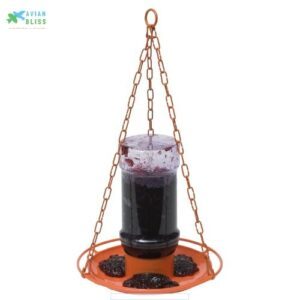
If jelly’s your main game, the Perky Pet Oriole Jelly Wild Bird Feeder (model 253) zeroes in on that one job and nails it. You get a 32-oz inverted bottle that fits most store-bought jars, a bright orange tray with a wraparound perch for multiple orioles, and a built-in stirrer knob underneath to portion out fresh jelly without clumping.
The design keeps the bulk of your grape jelly covered and dry until you twist that stirrer, cutting down on spoilage and mold between cleanings.
If you live somewhere with freezing winters, pairing this setup with a heated bird bath or de-icer keeps the water accessible year-round.
| Best For | Birders who want a dedicated jelly station that keeps grape jelly fresh longer and serves multiple orioles at once without constant refills. |
|---|---|
| Material | Plastic |
| Mounting Type | Hanging |
| Target Species | Oriole |
| Food Types | Jelly |
| Capacity | 32 oz |
| Easy Cleaning | Yes |
| Additional Features |
|
- Inverted 32-oz bottle design keeps jelly covered and protected from rain and sun, reducing spoilage between cleanings
- Built-in stirrer lets you control portions and prevent clumping, so you’re not wasting jelly or dealing with a sticky mess
- Bright orange tray with wraparound perch gives several orioles room to feed at the same time without crowding
- Jelly juice can leak through small tray holes, and some users resort to taping them shut to stop drips
- No replacement parts available—if the bottle cracks or the stirrer breaks, you’re buying a whole new feeder
- Larger birds like crows can bully their way in, and the feeder may tip if squirrels jump on it
4. Kettle Moraine Oriole Bird Feeder
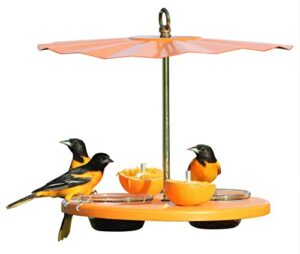
For something built to last and break free from throwaway plastic, check out Kettle Moraine’s recycled design—it’s made in the USA from repurposed milk jugs with a galvanized steel roof spanning 14 inches.
You get two removable glass jars for jelly or mealworms, plus aluminum stakes that hold orange halves securely so orioles can perch and feast without knocking fruit around.
Feeder installation is straightforward with the open-ended hanging hook, and the eco-friendly construction resists cracking and fading season after season, keeping nectar and fruit variety options fresh while attracting multiple bird species to your yard.
| Best For | Eco-conscious birders who want a durable, multi-purpose feeder that handles jelly, mealworms, and fresh fruit without the guilt of virgin plastic. |
|---|---|
| Material | Recycled Plastic & Steel |
| Mounting Type | Hanging |
| Target Species | Oriole |
| Food Types | Jelly, Fruit, Mealworms |
| Capacity | 2 jars + fruit |
| Easy Cleaning | Yes |
| Additional Features |
|
- Made from recycled milk jugs with a lifetime guarantee against cracking and fading, so it holds up through years of sun and storms
- Two glass jars and aluminum stakes let you offer jelly, mealworms, and orange halves all at once, attracting orioles plus cardinals, woodpeckers, and tanagers
- Easy to clean and refill thanks to removable jars and smooth surfaces that don’t trap gunk
- Priced at $65, which is steep compared to basic plastic feeders on the market
- Orange-holding pegs can be tricky—some folks need to carve starter slots in the fruit to get it mounted properly
- Galvanized roof may fade or dent over time unless you add a protective clear coat
5. Woodlink Metal Oriole Feeder
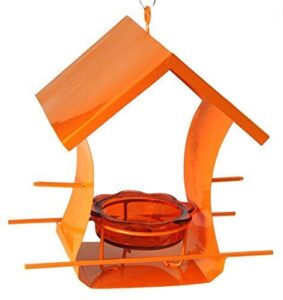
Woodlink’s powder-coated steel design breaks the mold with serious durability—you get four feeding ports, two removable glass cups for jelly or mealworms, and metal stakes that lock orange halves in place while orioles perch comfortably.
The bright orange metal body and roof grab attention from migrating birds, and the open frame makes feeder maintenance a breeze when you’re swapping out nectar or refilling jelly.
Pair this setup with high-quality seeds that finches love to keep your feeder bustling year-round.
Outdoor placement is simple with the integrated hanging loop, though check for any coating flakes before serving to keep your feathered visitors safe.
| Best For | Backyard birders who want a tough, multi-function feeder that handles jelly, fruit, and mealworms without fussing over refills every few days. |
|---|---|
| Material | Alloy Steel |
| Mounting Type | Hanging |
| Target Species | Oriole |
| Food Types | Jelly, Fruit, Nectar |
| Capacity | 1 dish + fruit |
| Easy Cleaning | Yes |
| Additional Features |
|
- Powder-coated steel holds up to rain and sun season after season without rusting or warping
- Four feeding ports and removable glass cups let multiple orioles feed at once while you switch between jelly and mealworms
- Bright orange color pulls in migrating orioles from a distance, and the open design makes cleaning quick
- Some units ship with orange coating that flakes into food—you’ll need to scrape it off before hanging to avoid harming birds
- Quality control varies, so inspect your feeder carefully when it arrives
- Metal construction makes it heavier than plastic alternatives, which can matter if you’re hanging from a thin branch
6. More Birds Oriole Feeder
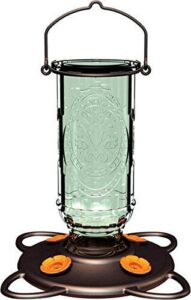
Orange is the color of rebellion in the oriole world, and the More Birds Oriole Feeder doesn’t shy away from it. You get a bold feeder design with a 34-ounce nectar reservoir, integrated perches, and patented bee guards that keep insects at bay without blocking nectar flow.
Hanging this in your yard is like rolling out the welcome mat for orioles—especially those bold enough to dine in groups. Feeder maintenance is straightforward, thanks to the wide mouth and easy removal for cleaning.
| Best For | Backyard birders who want to attract multiple orioles at once with a high-capacity feeder that minimizes refills and keeps bees away from the nectar. |
|---|---|
| Material | Glass |
| Mounting Type | Hanging |
| Target Species | Oriole |
| Food Types | Nectar |
| Capacity | 20 oz |
| Easy Cleaning | Yes |
| Additional Features |
|
- Large 34-ounce capacity means fewer refills during peak feeding season
- Bee guards on feeding ports help reduce competition from insects while orioles can still access nectar easily
- Multiple ports and integrated perches let several orioles feed at the same time
- Made of plastic rather than glass or metal, which may not hold up as well over time
- Requires frequent cleaning every few days in warm weather to prevent nectar spoilage and mold
- Hand-washing only since dishwashers can warp the plastic and damage seals
7. Perky Pet Oriole Feeder
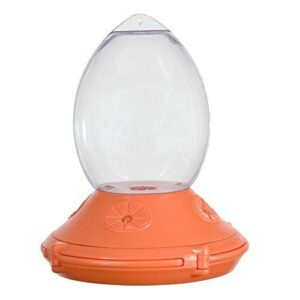
If you’re chasing a feeder that lets you adjust on the fly, the Perky-Pet Oriole Feeder brings a 32-ounce nectar reservoir with a two-position perch that flips to accommodate any oriole species brave enough to show up.
Four feeding ports with bee guards keep nectar flow steady while protecting your birds, and those orange slice-shaped ports? They’re built for serious oriole attraction.
The clear, shatter-proof reservoir makes monitoring nectar levels easy, and when it’s time to clean, the whole thing disassembles without a fight.
| Best For | Birdwatchers who want a high-capacity feeder with flexible perch settings to attract multiple oriole species and hummingbirds throughout the season. |
|---|---|
| Material | Plastic |
| Mounting Type | Floor Standing |
| Target Species | Oriole |
| Food Types | Nectar |
| Capacity | 32 oz |
| Easy Cleaning | Yes |
| Additional Features |
|
- Two-position adjustable perch lets you accommodate different oriole varieties without swapping feeders
- 32-ounce capacity means fewer refills, especially during peak migration seasons
- Orange slice-shaped ports and bee guards work together to attract orioles while keeping bees out
- Some users report leaks around the base, which can waste nectar and attract ants
- Cleaning the inside of the bulb can be tricky despite the feeder disassembling easily
- Bee guards don’t always stop determined bees, and the feeder may also attract wasps or raccoons
8. Heath Oriole Feeder
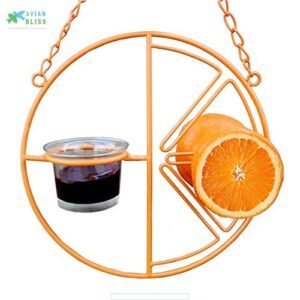
The Heath Clementine Oriole Feeder strips away the noise with UV-resistant powder-coated steel that won’t fade when the sun hammers down, plus two removable glass jars for jelly, nectar, or mealworms—your call.
At 7.5 inches wide, it holds two orange halves on opposing prongs while those glass dishes serve up about 2 ounces of jelly total, enough to keep birds coming back without wasting food.
The open design lets orioles approach from any angle, and hand-washing those jars keeps maintenance simple and effective.
| Best For | Backyard birders who want a simple, durable feeder that offers orioles multiple food options—oranges, jelly, nectar, or mealworms—without complicated setup or maintenance. |
|---|---|
| Material | Alloy Steel & Glass |
| Mounting Type | Hanging |
| Target Species | Oriole |
| Food Types | Jelly, Oranges, Nectar, Mealworms |
| Capacity | 1 cup + fruit |
| Easy Cleaning | Yes |
| Additional Features |
|
- UV-resistant powder-coated steel holds up across seasons without fading or rusting
- Removable glass jars make cleaning and refilling fast and straightforward
- Open design lets orioles spot food easily and approach from any direction
- No built-in bee or ant guards, so insects can swarm the jelly and chase birds away
- Orange halves sometimes slide off the spikes, especially in wind
- Product carries a cancer-causing paint warning that may concern some users
9. Songbird Essentials Oriole Feeder
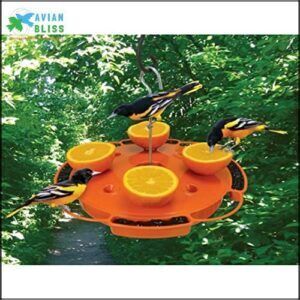
You’ll get 32 ounces of nectar capacity, four orange halves, and 8 ounces of jelly in the Songbird Essentials 12-inch combo feeder—a triple-threat setup that keeps orioles locked in all season. The bright orange color pulls birds straight to your yard, while the built-in ant moat blocks crawlers before they reach the goods.
Nectar flow works best when you keep the reservoir near full, and that snap-apart base makes cleaning a breeze. At $23.85, it’s lightweight plastic that manages daily refills without drama.
| Best For | Backyard birders who want to attract orioles with multiple food options in one lightweight, easy-to-clean feeder that won’t break the bank. |
|---|---|
| Material | Plastic |
| Mounting Type | Hanging |
| Target Species | Oriole |
| Food Types | Nectar, Jelly, Oranges |
| Capacity | 12 inch combo |
| Easy Cleaning | Yes |
| Additional Features |
|
- Triple feeding setup handles nectar, jelly, and orange halves all at once, giving orioles exactly what they crave
- Built-in ant moat keeps pests away from the food without extra hassle
- Snap-apart base makes weekly cleaning quick and simple, which keeps birds healthy
- Nectar reservoir needs to stay pretty full for birds to actually reach it, so you’ll be refilling more often
- The cover can pop loose from the base, especially during refills or windy days
- Plastic construction won’t hold up against determined squirrels looking for a snack
Key Features of The Best Oriole Feeders
Not all oriole feeders are created equal, and the best ones share a few standout features that make them worth your investment. You’ll want to look for feeders that combine smart design with practical functionality, so your orioles keep coming back season after season.
Let’s break down the key features that separate the outstanding feeders from the rest.
Bright Orange Color and Design
You know how orioles can zip right past a dull brown feeder without a second glance, but they’ll brake mid-flight for something bright and bold? Orioles are often attracted to feeders with oriole feeding options that include nectar, jelly, and fruit.
That’s because orioles instinctively home in on vibrant orange tones—it signals ripe fruit and sweet rewards. The aesthetic impact isn’t just pretty; it’s strategic, turning your feeder into a visual beacon that catches their eye from treetop distance.
Feeding Stations for Fruit, Jelly, and Nectar
Once that flash of orange gets their attention, you’ll want to keep them around with a feeder that dishes up all three of their favorite foods—fresh fruit slices, sticky-sweet jelly, and sugar-water nectar. Providing a reliable nectar feeder system is essential for attracting orioles to your yard.
The best bird feeders blend multiple feeding stations into one smart setup:
- Fruit tray designs with skewers or cups for orange halves
- Nectar flow systems with feeding ports that prevent drips
- Jelly dispensers offering controlled portions without waste
- Feeder mounting options that accommodate all three food types
- Bird attraction methods combining variety to boost visits
This trio approach keeps orioles coming back, because they can grab nectar for quick energy, enjoy jelly for fat and protein, then nibble fruit for vitamins—all without flying elsewhere.
Feeder Durability and Weather Resistance
Spring storms and summer heat can turn a flimsy feeder into a cracked, faded mess before migration season even ends, so you’ll want construction that holds up through months of sun, rain, and hungry visitors.
Look for oriole feeders built like they mean business—solid hardware and smart material selection beat flimsy knock-offs every time.
| Feature | Best Materials | Why It Matters |
|---|---|---|
| Weather Proofing | Recycled plastic oriole bird feeder, powder-coated metal | Seals stay tight, nectar feeders won’t leak |
| UV Protection | Glass, UV-stable plastics | Colors don’t fade, parts don’t crack |
| Rust Resistance | Stainless steel, aluminum | Feeder stability lasts season after season |
| Material Selection | Thick construction, reinforced joints | Bird feeder reviews show durability wins |
Easy Cleaning and Maintenance
Durable design means nothing if mold or sticky residue drives orioles away before you’ve had your coffee. Smart feeder maintenance tips start with choosing feeders built for quick cleanup—nonporous materials like glass nectar feeders or recycled plastic wipe clean in minutes, and top-fill designs cut leak prevention headaches while keeping pest control simple.
Three Features That Make Feeder Sanitation Simple:
- Wide-mouth openings let cleaning tools reach every corner without wrestling tiny brushes through narrow ports
- Dishwasher-safe saucer designs turn routine scrubbing into a one-step rinse cycle
- Built-in ant moats stop insects before they contaminate fruit feeders, reducing deep-clean frequency
Types of Oriole Feeders Explained
Not all oriole feeders work the same way, and understanding the differences helps you choose one that fits your setup and makes life easier. Some designs focus on nectar, others on jelly or fruit, and the materials range from budget-friendly plastic to sleek glass and metal.
Let’s break down the main types so you can figure out what works best for your backyard.
Top Fill Vs Bottom Fill Feeders
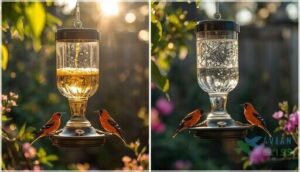
When you’re shopping for an oriole feeder, one of the first choices you’ll face is whether to go with a top-fill or bottom-fill design, and honestly, each style has its own loyal following among backyard birders. Top-fill models offer better leak prevention and refill ease—just pop the lid and pour in your nectar without spilling. Bottom-fill feeders feature a small opening at the base, which means a steadier nectar flow but requires flipping the whole thing upside down during maintenance.
| Feature | Top Fill Feeders | Bottom Fill Feeders |
|---|---|---|
| Refill Process | Remove lid, pour directly | Flip upside down, unscrew base |
| Leak Prevention | Excellent feeder stability | Prone to drips during refills |
| Nectar Flow | Gravity-fed, consistent | More controlled release |
| Best For | Beginners seeking convenience | Experienced birders wanting precision |
Both designs work brilliantly for jelly and fruit stations, so your choice really comes down to personal preference and how much fuss you want during weekly cleaning sessions.
Dish-Style Oriole Feeders
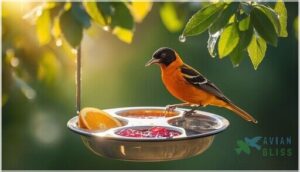
Dish-style oriole bird feeders bring exceptional versatility to your backyard setup, offering shallow wells that let you serve nectar, jelly, and fruit all on one platform without creating a sticky mess. These open designs excel at oriole attraction because birds can perch comfortably while feeding, and you’ll appreciate how easy maintenance tips become with removable cups:
- Shallow dishes (1–2 inches deep) prevent feather contamination during feeding
- Multiple compartments keep jelly, nectar, and fruit separated for cleaner dining
- Removable wells simplify refilling without full disassembly
- Feeder placement at 5–7 feet maximizes visibility and predator safety
- Dish design accommodates citrus halves, grape jelly, and occasional mealworms
Their feeding capacity suits territorial orioles perfectly, especially if you position units out of each other’s sight lines.
Jelly Feeders
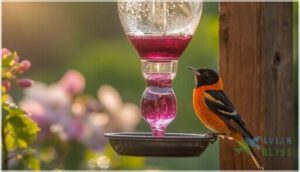
Jelly feeders specialize in controlled grape jelly dispensing through inverted-jar designs—models like the Perky Pet 253 hold 32 ounces and gravity-feed jelly into covered trays, keeping contents fresh while limiting bird hygiene risks.
You’ll want to prioritize oriole safety by offering small jelly quantities at a time, since rehabilitation centers have treated birds debilitated by feather contamination from excessive jelly exposure, making frequent feeder sanitation and modest portions essential.
Limit jelly portions and clean feeders often—rehabilitation centers have treated orioles debilitated by feather contamination from excessive jelly exposure
Material Options: Plastic, Glass, Metal, and Eco-Friendly
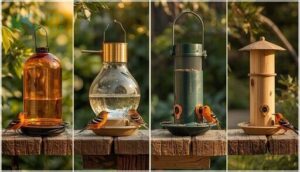
You’ll find plastic feeders—especially UV-stabilized polycarbonate models—lightweight and budget-friendly, though glass reservoirs simplify sanitization and resist scratching where bacteria hide.
Powder-coated metal constructions repel squirrel damage better than most plastics, while eco-friendly recycled plastics and biodegradable bamboo alternatives reduce environmental impact without sacrificing the durability oriole feeders need for long-term nectar and jelly service.
Factors to Consider When Buying
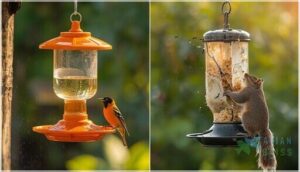
Not every oriole feeder is created equal, and the wrong choice can leave you wrestling with stuck lids, uninvited pests, or a cracked mess after the first storm. You’ll want to think about more than just looks—capacity, cleaning hassles, durability, and whether it’ll protect your feathered friends from sneaky squirrels all matter.
Let’s break down the key factors that’ll help you pick a feeder that actually works for your backyard.
Size and Capacity
You’ll want to match feeder volume to your yard’s oriole traffic. Nectar capacity in the best oriole feeders usually ranges from 10 to 32 ounces, while jelly quantity should stay modest—about one to two tablespoons daily prevents spoilage. Fruit holding space for a few orange halves works well.
Smaller backyard bird feeders mean more frequent refills but fresher offerings, which keeps your orioles healthier and happier.
Ease of Cleaning and Refilling
Look for feeders that disassemble without tools—you’ll clean them twice weekly in warm weather. Maintenance schedules matter because nectar and jelly spoil fast.
- Wide openings let brushes reach every sticky corner
- Dishwasher-safe parts cut your cleaning time in half
- Top-fill designs mean no spills during refill strategies
- Smooth interiors prevent mold buildup in crevices
- Clear reservoirs show when sanitizing methods worked
Quick hygiene practices keep your orioles healthy and your mornings trouble-free.
Durability and Predator Protection
Your feeder needs to survive windstorms and outsmart squirrels that treat bird feeders like all-you-can-eat buffs.
Metal oriole feeders handle weather resistance better than flimsy plastic, while bee guards keep nectar-loving insects from crashing your birds’ party.
Look for pest control features like caged designs—the Duncraft EcoOriole Fruit Jelly Feeder combines squirrel proofing with wildlife friendly products that don’t sacrifice durability.
Price and Value
Budget options start around $15 to $20 for basic plastic models, while premium feeders with recycled materials can hit $70.
Cost efficiency comes from capacity—a 32-oz jelly feeder near $30 offers solid value analysis if it lasts multiple seasons.
Price comparison across retailers reveals that multipurpose designs feeding nectar, jelly, and fruit together deliver better savings tips than buying separate units for each food type.
Tips for Attracting and Caring for Orioles
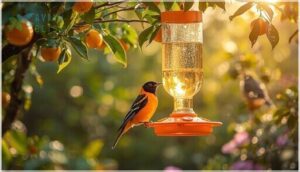
Getting orioles to visit your yard isn’t just about hanging a feeder and hoping for the best. You need to think strategically about where you place it, what you’re offering, and how you’re keeping everything fresh and pest-free.
Here’s what actually works to bring these vibrant birds to your backyard and keep them coming back season after season.
Ideal Feeder Placement and Timing
Generally, hang your oriole feeders between six and ten feet high, about ten to fifteen feet from dense cover so birds feel secure but predators can’t ambush them. Place them near trees or a birdbath for extra appeal, choosing spots with partial shade and weather protection to slow nectar spoilage.
Set feeders out around late April, about a week before orioles arrive in your area, and keep them up through mid-September for extended seasonal enjoyment.
Recommended Foods and Offerings
Once your feeder’s positioned right, stock it with orioles’ favorites: fresh orange halves, grape jelly (plain works best), and homemade nectar using a six-to-one water-to-sugar ratio.
Toss in mealworms during nesting season for protein-packed fuel, and you’ll see orioles choose these high-energy offerings over almost anything else, especially during spring migration when they need quick carbohydrates to power their journey.
Maintaining Clean, Safe Feeders
Now the hard work begins, because keeping nectar fresh and feeders spotless directly impacts bird health and disease prevention. Sugar water spoils fast in warm weather, so here’s your oriole feeders maintenance plan for smart backyard birding:
- Change nectar every 2-5 days (daily when it’s hot) to maintain nectar quality
- Scrub with diluted bleach (1:10 ratio) biweekly for proper feeder sanitation
- Toss cloudy or moldy food immediately to stop disease transmission
Clean feeders mean healthy orioles visiting your yard.
Preventing Pests and Unwanted Visitors
Beyond keeping feeders clean, you’ll need solid pest control methods to protect your backyard birds. Ant moats filled with water stop crawling insects dead in their tracks, while bee guards over nectar ports let orioles feed without wasp interference.
Install squirrel baffles at least 4.5 feet high and position feeders 8-10 feet from trees for raccoon exclusion and genuine bird conservation.
Frequently Asked Questions (FAQs)
What is the best feeder to attract orioles?
A combination feeder offering nectar, grape jelly, and orange halves in one bright-orange design proves most effective, since orioles shift between foods throughout the season and orange hues quickly catch their attention.
How often should you change jelly in an oriole feeder?
Replace jelly every 2–3 days to prevent sugar fermentation and maintain feeder hygiene, but swap it daily in hot weather or whenever you spot mold, clumping, or dilution—keeping your orioles healthy means staying vigilant.
Is grape jam or jelly better for orioles?
Wildlife rehabilitators have documented orioles too sticky to fly after bathing in jelly feeders, highlighting feeder safety concerns.
Grape jelly’s smoother texture beats jam for orioles, but natural fruit options and nectar remain healthier, offering better bird nutrition with lower sugar content.
Can you put hummingbird and oriole feeders next to each other?
You can place hummingbird and oriole feeders near each other—many backyard birders hang them on the same pole successfully.
Spacing feeders about one to several feet apart reduces territorial hummingbird aggression while allowing both species comfortable nectar access.
When should I put out oriole feeders?
You’ll want to set up your oriole feeders about a week before spring migration kicks off, usually around late April.
In warmer regions, aim for mid-April to catch early arrivals hunting for nectar.
Whats the best nectar recipe for orioles?
Mixing nectar for orioles is simpler than pie—just blend one part white granulated sugar with four to six parts water.
Boil, cool, and skip any dyes or honey to keep your feathered friends healthy and thriving.
How often should I refill oriole feeders?
You’ll want to swap out nectar every two to three days when temperatures hit the 80s, helping prevent spoilage and keeping your orioles healthy—jelly and fruit follow similar refill schedules for freshness.
Where should I place my oriole feeder?
Set your oriole feeders 5–10 feet from trees at eye level, balancing morning sun exposure with afternoon shade.
This feeder height and tree proximity gives these backyard birds wind protection while supporting natural wildlife gardening rhythms.
How do I keep bees away from feeders?
Keep bees away by choosing feeders with nectar guards or bee guards, positioning them in shaded spots away from flowering plants, and using an ant moat to block access while maintaining clean feeding stations.
When do orioles migrate south each year?
Most oriole species begin their southbound journey in August or September, with Orchard Orioles departing earliest in late July and Baltimore Orioles completing migration to tropical wintering grounds by early October.
Conclusion
Feeding finicky orioles finally gets easier when you choose gear that speaks their language—multiple food stations, vibrant orange appeal, and weather-tough construction. The best oriole feeders don’t just dispense nectar; they create a backyard buffet worthy of these striking migrants.
Whether you’re drawn to classic simplicity or multi-tiered setups, you now have the blueprint to transform fleeting spring visits into reliable, season-long spectacles. Your feeder’s waiting, and so are the orioles.
- https://birdschoice.com/blogs/news/keep-your-birds-choice-feeders-clean
- https://www.audubon.org/news/make-orange-feeder-orioles
- https://www.fleetfarm.com/detail/first-nature-32-oz-oriole-feeder/0000000369641
- https://www.perkypet.com/perky-pet-oriole-jelly-feeder-253
- https://tools.woot.com/review/B085GZLYF7?itemid=WT600027A&offerid=432a0bf1-d948-45db-bbc9-1dec16ed9e01&filter=5