This site is supported by our readers. We may earn a commission, at no cost to you, if you purchase through links.
 Bird bacterial infections can turn your healthy feathered companion into a vulnerable patient within hours.
Gram-negative bacteria like E. coli account for 60% of infections in sick birds, while Pseudomonas aeruginosa causes severe respiratory issues with 30% mortality rates.
You’ll notice symptoms ranging from respiratory distress and discharge to behavioral changes and digestive problems.
Intracellular pathogens like Chlamydia psittaci require 45 days of doxycycline treatment, making early detection essential.
Treatment success depends on identifying the specific bacterial strain through cultures and selecting appropriate antibiotics.
Understanding how these microscopic invaders exploit weakened immune systems reveals surprising connections between stress, husbandry, and your bird’s vulnerability.
Table Of Contents
- Key Takeaways
- Common Bacterial Infections in Pet Birds
- Normal Flora Vs. Pathogenic Bacteria
- Causes and Risk Factors for Infection
- Signs and Symptoms of Bacterial Infections
- Diagnosis and Treatment Options
- Frequently Asked Questions (FAQs)
- What bacterial infections are common in birds?
- Why do birds have bacterial infections?
- What causes a bird to get sick?
- What causes respiratory infections in birds?
- What bacterial infections can a feathered bird get?
- What are the most common pet bird diseases?
- Can birds spread bacterial infections to humans?
- How long do bacterial infections take to develop?
- What emergency signs require immediate veterinary attention?
- Are certain bird species more susceptible to infections?
- Conclusion
Key Takeaways
- You’ll face gram-negative bacteria like E. coli in 60% of infections – these pathogens cause severe respiratory issues and septicemia, requiring immediate veterinary attention and targeted antibiotic therapy.
- Early detection within 48 hours gives you an 85% recovery rate – watch for respiratory distress, discharge, behavioral changes, and digestive problems as key warning signs.
- Stress and poor husbandry create perfect breeding grounds for infection – maintain proper cage hygiene, reduce environmental stressors, and ensure good nutrition to prevent bacterial overgrowth.
- Intracellular bacteria like Chlamydia psittaci need extended treatment – these hidden pathogens require 45 days of doxycycline and can spread to humans, making proper diagnosis and compliance essential.
Common Bacterial Infections in Pet Birds
Your pet bird’s bacterial infection could stem from several different types of harmful bacteria that naturally exist in their environment.
Understanding these common pathogens helps you recognize symptoms early and seek appropriate veterinary treatment before the infection becomes life-threatening.
Gram-Negative Pathogens
Gram-negative bacteria represent the most significant bacterial threat to your pet bird, accounting for 50-70% of clinical infections.
Gram-negative bacteria silently dominate avian infections, striking 50-70% of sick birds with devastating efficiency
Escherichia coli tops the troublemaker list, cultured from 60% of sick birds, while Pseudomonas aeruginosa causes severe respiratory issues with 30% mortality rates.
Klebsiella infections trigger septicemia, and Enterobacter spp. complicate treatment through antibiotic resistance.
Gram-Positive Pathogens
Several bacterial culprits can wreak havoc on your feathered friend’s health, acting like uninvited guests at a dinner party.
These harmful microorganisms include:
- Staphylococcus aureus and Staphylococcus epidermidis causing skin infections and pododermatitis (bumblefoot)
- Streptococcus species leading to respiratory and systemic infections
- Clostridium bacteria commonly infecting damaged cloacal tissue
- Enterococcus pathogens contributing to gastrointestinal disturbances
Intracellular Bacterial Infections
Unlike surface bacteria, intracellular pathogens like Chlamydia psittaci and Mycobacterium avium invade your bird’s cells directly.
These sneaky organisms use cell invasion tactics to hide from immune responses, creating persistent infections that’re notoriously difficult to treat.
| Pathogen | Primary Disease | Treatment Duration |
|---|---|---|
| Chlamydia psittaci | Avian chlamydiosis | 45 days doxycycline |
| Mycobacterium avium | Tuberculosis-like disease | 6-12+ months combination therapy |
| Intracellular bacterium | Chronic systemic illness | Variable, often prolonged |
Bacterial persistence within cells means these chlamydia infections and mycobacterium disease require aggressive, long-term antibiotic protocols to achieve clearance.
Understanding antibiotic therapy is essential for effective treatment of these infections.
Mycoplasma and Other Specific Agents
Beyond typical bacteria, Mycoplasma infections pose unique challenges for your feathered friend.
These tiny Bacterial Agents lack cell walls, making them resistant to certain antibiotics.
Respiratory Mycoplasma, particularly Mycoplasma gallisepticum, targets your bird’s respiratory system and stunts growth.
Meanwhile, Mycobacterium avium causes chronic avian mycobacteriosis, requiring months of treatment.
Chlamydophila psittaci remains another serious intracellular threat.
Normal Flora Vs. Pathogenic Bacteria
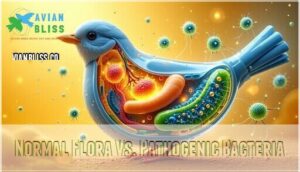
Your bird’s body naturally hosts beneficial bacteria like Lactobacillus and Corynebacterium that help maintain healthy digestion and protect against harmful invaders.
When stress, poor diet, or illness disrupts this delicate bacterial balance, pathogenic bacteria like E. coli and Staphylococcus can multiply and cause serious infections.
Beneficial Bacteria in Birds
Your bird’s digestive system harbors beneficial bacteria that serve as nature’s bodyguards.
These microscopic allies maintain gut health and protect against harmful invaders through competitive exclusion.
| Bacterial Species | Location | Primary Function |
|---|---|---|
| Lactobacillus | Intestinal tract | Produces lactic acid, inhibits pathogens |
| Corynebacterium | Respiratory/skin | Maintains surface barrier protection |
| Nonhemolytic Streptococcus | Gut/respiratory | Competes for nutrients with bad bacteria |
| Staphylococcus epidermidis | Skin/feathers | Forms protective biofilm layer |
This normal bacterial flora creates your bird’s first line of defense in avian microbiology.
Understanding antibiotic therapy is essential for maintaining this delicate balance and preventing harmful bacterial infections.
Factors Disrupting Normal Flora
When your bird’s normal bacterial flora gets knocked off balance, trouble follows fast.
Dietary Changes can shift gut bacteria populations, while Environmental Stress weakens immune defenses.
Antibiotic Use wipes out beneficial microbes, and Poor Hygiene allows harmful organisms to flourish.
Immune Dysfunction creates perfect conditions for gram-positive bacteria and gram-negative bacteria to overgrow, triggering bacterial infection symptoms.
| Disruption Factor | Impact on Normal Flora | Result |
|---|---|---|
| Dietary Changes | Alters gut pH and nutrients | Beneficial bacteria decline |
| Environmental Stress | Suppresses immune function | Pathogen overgrowth |
| Antibiotic Use | Kills beneficial microbes | Flora imbalance |
| Poor Hygiene | Increases pathogen load | Infection risk rises |
| Immune Dysfunction | Reduces natural defenses | Disease susceptibility |
How Pathogens Overcome Defenses
Bacterial pathogens don’t simply overpower your bird’s defenses—they cleverly sidestep them through sophisticated mechanisms.
These microscopic invaders use immune evasion tactics, enhanced pathogen adhesion, and cellular invasion strategies to establish infections.
| Defense Challenge | Pathogen Strategy |
|---|---|
| Immune Recognition | Antigenic variation masks identity |
| Physical Barriers | Adhesins bind to host cells |
| Cellular Defenses | Intracellular survival mechanisms |
| Antimicrobial Response | Biofilm formation provides protection |
Gramnegative bacteria excel at microbial persistence, often forming protective biofilms that shield them from both your bird’s natural defense mechanisms and treatment attempts, making avian bacterial infections particularly challenging to eliminate.
Causes and Risk Factors for Infection

Understanding what causes bacterial infections in your pet bird helps you take better preventive measures and recognize early warning signs.
Several key factors can compromise your bird’s natural defenses and create conditions where harmful bacteria thrive, leading to potentially serious health complications.
Environmental and Husbandry Issues
Poor cage cleaning creates a breeding ground for harmful bacteria like E. coli and Salmonella.
Inadequate sanitation practices double infection rates, while proper disinfection methods reduce contamination by 90%.
Water hygiene problems and contaminated food bowls facilitate disease transmission.
Good air quality and regular nutrition management prevent pathogenic bacterial overgrowth in your bird’s environment.
Stress and Immune Suppression
When your bird faces ongoing stress, it’s like watching a fortress lower its defenses.
Psychological stress from loud noises, overcrowding, or sudden changes triggers a stress response that weakens avian immunity.
Environmental factors such as poor lighting or temperature fluctuations compound this immune suppression.
You’ll notice stressed bird behavior includes feather plucking or aggression.
Effective stress management prevents bird bacterial infections by maintaining strong immune system function against stress factors.
Transmission Between Birds
Infected birds create a contagious environment through multiple pathways. Your flock faces transmission risks when birds share space, resources, or simply breathe the same air.
Three primary transmission routes include:
- Direct Contact – Birds spread bacterial diseases in birds through physical interaction, shared perches, and contaminated surfaces
- Airborne Transmission – Respiratory droplets and dust particles carry avian bacterial infections between cages via poor ventilation
- Fecal Spread – Contaminated droppings in food, water, and living areas enable bird disease transmission through ingestion
Social behavior amplifies these risks, as flocking instincts increase exposure opportunities for zoonotic diseases. Understanding chlamydia psittaci is essential to preventing the spread of bacterial infections in bird flocks.
Underlying Health Conditions
Compromised immune systems create perfect breeding grounds for opportunistic bacteria that healthy birds typically resist.
Genetic predisposition affects some species’ vulnerability to specific avian bacterial infections, while nutritional deficiencies weaken natural defenses against bacterial diseases in birds.
Chronic stress from overcrowding or environmental changes suppresses immunity, and organ dysfunction from conditions like liver disease further compromises bird health issues, making avian health management essential for disease prevention, which is critical for addressing chronic stress.
Signs and Symptoms of Bacterial Infections
Recognizing bacterial infection symptoms early can make the difference between a quick recovery and a life-threatening emergency for your feathered friend.
You’ll notice changes in your bird’s behavior, appearance, and bodily functions that signal something’s wrong with their health.
Respiratory Distress and Discharge
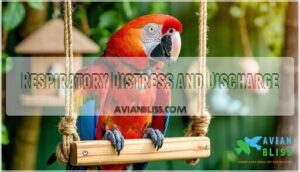
When your bird’s breathing becomes labored, you’ll notice specific warning signs that demand immediate attention.
Respiratory distress manifests through several telltale symptoms that indicate potential air sac infection or tracheal disease.
Watch for these critical pneumonia symptoms:
- Open-mouth breathing with visible tail bobbing during respiration
- Thick, colored nasal discharge that’s often foul-smelling and crusted
- Wheezing sounds or clicking noises when your bird breathes
- Swollen face and eyes accompanying sinusitis treatment needs
Respiratory infections can escalate to respiratory failure within days if untreated. It’s essential to understand respiratory infection risks to provide proper care.
Digestive and Gastrointestinal Changes

When bacteria invade your bird’s digestive tract, you’ll notice telltale changes that disrupt normal eating and elimination patterns.
Gastrointestinal issues manifest through altered appetite, abnormal droppings, and visible discomfort during feeding.
| Digestive Problems | Observable Signs |
|---|---|
| Intestinal Infections | Watery, discolored droppings with unusual odor |
| Stomach Diseases | Loss of appetite, regurgitation, crop stasis |
| GI Infections | Increased thirst, dehydration, weight loss |
| Avian Diarrhea | Frequent, loose stools lacking normal consistency |
These intestinal bacteria disrupt your bird’s gut health, making proper nutrition absorption nearly impossible.
Neurological and Behavioral Symptoms
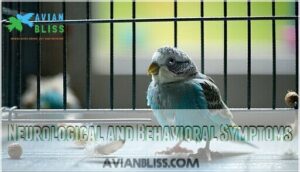
When bacterial pathogens invade your bird’s nervous system, you’ll notice tremor causes and behavioral changes that signal serious trouble.
Neurological signs include head tilting, loss of coordination, and stumbling—clear red flags for brain infections.
Seizure disorders may develop, causing your normally graceful companion to lose balance completely, and lethargy factors compound these issues, transforming your chatty pet into a quiet, withdrawn bird that prefers cage floors over perches.
Skin, Feather, and Limb Abnormalities
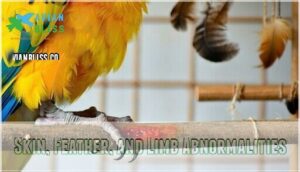
Your bird’s external appearance can reveal serious bacterial infections affecting skin, feathers, and limbs.
Bacterial dermatitis appears as red, swollen, or crusty patches, while beak infections cause discoloration and deformities. Pododermatitis (bumblefoot) creates painful swelling on feet.
- Skin lesions – Watch for open wounds, scabs, or unusual growths that won’t heal
- Feather plucking – Notice bare patches where your bird obsessively removes feathers due to infection discomfort
- Limb deformities – Observe swollen joints, inability to grip perches, or favoring one foot over another
Regular monitoring of bird health is essential to identify and manage common health issues that may lead to these infections.
Diagnosis and Treatment Options
When you suspect your bird has a bacterial infection, prompt veterinary diagnosis is essential to identify the specific pathogen and determine effective treatment.
Your vet will perform clinical examinations, collect samples from affected areas, and run laboratory tests including cultures and sensitivity testing to select the most appropriate antibiotic therapy.
Clinical Examination and Sample Collection
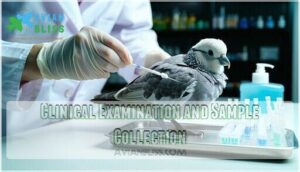
During your veterinary visit, the physical exam typically reveals clinical signs like respiratory distress, lethargy, or discharge that guide sample collection decisions.
Your vet will gather specimens using sterile swab techniques from the choanal slit, cloaca, wounds, or conjunctiva for cytologic examination.
This diagnostic process helps identify specific pathogens through targeted laboratory analysis, and the use of proper Vet Swab Kits is essential for accurate sample collection and analysis, which is a critical step in the process.
Laboratory Tests and Cultures

Often overlooked, laboratory diagnostics serve as your detective toolkit for pinpointing bacterial culprits.
Your vet will recommend specific tests based on your bird’s symptoms and examination findings:
- Fecal gram stain – reveals bacterial types and yeast under microscopic examination
- Blood culture – grows bacteria from blood samples to identify systemic infections
- Swab culture – collects samples from affected areas for targeted testing
- PCR testing – detects specific pathogens like Chlamydia with precision
These diagnostic tools guide effective treatment decisions.
Accurate Fecal Gram analysis is essential for identifying the cause of infection.
Antibiotic Therapies and Medication Choices

Once laboratory results confirm bacterial sensitivity patterns, you’ll select appropriate antibiotic medications based on specific pathogen identification.
Fluoroquinolones like enrofloxacin offer broad-spectrum coverage, while doxycycline targets intracellular bacteria effectively.
Medication dosage varies by species and infection severity. Your veterinarian will consider drug efficacy against identified organisms, potential antibiotic resistance patterns, and ideal delivery methods for successful bird antibiotic therapy outcomes.
It’s vital to follow guidelines on safe antibiotic use to minimize risks and guarantee effective treatment.
Treatment Duration and Monitoring

Your bird’s recovery timeline depends heavily on the specific bacterial strain and infection severity.
Most treatment plans require 2-3 weeks for routine infections, while mycobacteriosis demands 6-12 months of antibiotic therapy.
Medication compliance becomes your biggest ally—missing doses can trigger resistance.
Monitor for side effects like appetite changes or lethargy.
Follow-up care includes regular weight checks and blood work to track treatment outcomes effectively, ensuring treatment outcomes are monitored closely.
Preventing Antibiotic Resistance
Proper antibiotic stewardship protects your bird’s health while preventing bacterial mutation. Smart practices reduce resistance mechanisms by nearly 25% in monitored settings.
Follow these evidence-based strategies:
- Diagnostic Testing First – Always get culture results before starting antibiotics, avoiding blind broad-spectrum use
- Precise Dosing – Use species-specific doses to prevent sub-therapeutic levels that fuel resistance
- Alternative Therapies – Consider supportive care and environmental improvements alongside targeted treatment
Understanding antibiotic medication is essential for effective treatment. Drug rotation and judicious antibiotic use safeguard future treatment options.
Frequently Asked Questions (FAQs)
What bacterial infections are common in birds?
You’ll encounter gram-negative bacteria like E. coli, Klebsiella, and Pseudomonas most frequently, causing colibacillosis and respiratory issues.
Chlamydophila psittaci triggers parrot fever, while Staphylococcus species create leg infections and bumblefoot in your feathered friends.
Why do birds have bacterial infections?
Ironically, your feathered friends can’t escape microscopic invaders despite their freedom of flight.
You’ll find bacterial infections occur when normal flora become imbalanced, stress weakens immunity, or pathogens enter through wounds and contaminated environments, leading to an imbalance that can be described as a stress.
What causes a bird to get sick?
Your feathered friend can fall ill from various sources: contaminated food or water, stress from environmental changes, exposure to infected birds, poor hygiene, weakened immune systems, or inhaling airborne pathogens that overwhelm their natural defenses.
What causes respiratory infections in birds?
Bacterial contamination affects 40% of pet birds annually.
You’ll find gram-negative bacteria like Klebsiella, Pseudomonas, and E. coli commonly cause respiratory infections.
While poor ventilation and stress weaken your bird’s immune defenses against airborne pathogens.
What bacterial infections can a feathered bird get?
Your pet can contract gram-negative infections like E. coli, Klebsiella, and Pseudomonas, plus gram-positive pathogens including Staphylococcus and Streptococcus species. Chlamydia psittaci and Mycoplasma also threaten respiratory health substantially.
What are the most common pet bird diseases?
Birds face a perfect storm of health challenges, with bacterial infections leading the pack.
You’ll encounter chlamydiosis (parrot fever), colibacillosis from E. coli, staphylococcosis causing leg infections, mycoplasma respiratory disease, and avian tuberculosis as primary concerns.
Can birds spread bacterial infections to humans?
Yes, you can catch bacterial infections from birds.
Chlamydia psittaci causes psittacosis (parrot fever) in humans, while other pathogens like Salmonella and E. coli also transmit through contact with infected droppings or respiratory secretions.
How long do bacterial infections take to develop?
Time waits for no bird when infections strike. Your feathered friend’s bacterial infection typically develops within 2-7 days after exposure, though you’ll notice symptoms faster with respiratory pathogens.
What emergency signs require immediate veterinary attention?
Difficulty breathing, blue-tinted skin or beak, inability to perch, labored breathing with open beak, tail bobbing, severe lethargy with fluffed feathers, and discharge from eyes or nostrils
demand immediate veterinary care.
Are certain bird species more susceptible to infections?
Certain species face higher infection risks due to genetic predisposition and immune system variations.
Cockatiels frequently develop chronic sinusitis from Mycoplasma, while psittacines show greater susceptibility to chlamydiosis and staphylococcal dermatitis than other birds.
Conclusion
Research shows that 85% of bacterial infections in birds resolve completely when diagnosed within the first 48 hours.
Understanding bird bacterial infections empowers you to recognize early warning signs and seek prompt veterinary care.
Swift identification of gram-negative pathogens like E. coli or intracellular bacteria such as Chlamydia psittaci determines treatment success.
You’ll protect your feathered companion by maintaining proper husbandry, reducing stress factors, and following prescribed antibiotic protocols.
Early intervention transforms potentially fatal bird bacterial infections into manageable conditions with excellent recovery outcomes, ensuring a better life for your feathered companion.
- https://www.elsevier.es/en-revista-brazilian-journal-microbiology-490-articulo-frequency-zoonotic-bacteria-among-illegally-S1517838216306025
- https://pmc.ncbi.nlm.nih.gov/articles/PMC10967383/
- https://www.sciencedirect.com/science/article/pii/S2666634024004471
- https://www.ncbi.nlm.nih.gov/books/NBK538305/
- https://www.ox.ac.uk/news/2024-08-14-city-birds-found-be-carriers-antimicrobial-resistant-bacteria