This site is supported by our readers. We may earn a commission, at no cost to you, if you purchase through links.
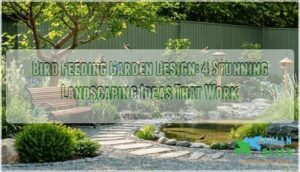 Creating an effective bird feeding garden design transforms your outdoor space into a wildlife sanctuary while maintaining visual appeal.
You’ll want to combine functional elements like feeders and water sources with strategic landscaping that provides natural food and shelter.
Start with ground coverings like white Dutch clover, which attracts insects birds love, then add decorative elements such as river rocks or flagstone for easy maintenance.
Native plants create year-round habitat while reducing upkeep.
Proper feeder placement near shrubs offers birds escape routes from predators, while curved borders and natural materials blend seamlessly with your existing landscape.
The key lies in balancing beauty with bird biology—and there’s an art to getting both just right, making it essential to find the right balance between visual appeal and the needs of the birds.
Table Of Contents
- Key Takeaways
- Bird Feeder Garden Basics
- Designing Bird Friendly Gardens
- Top 4 Bird Feeder Garden Designs
- Landscaping Around Bird Feeders
- Maintaining Bird Feeder Gardens
- Frequently Asked Questions (FAQs)
- What is the 5 7 9 rule for bird feeders?
- Can I just throw bird seed on the ground?
- How to design a bird friendly garden?
- How to set up a bird feeding area?
- How far should feeders be from windows?
- What attracts specific bird species to feeders?
- When should you clean bird feeder areas?
- How do weather conditions affect feeder placement?
- What predator-proofing methods work best for feeders?
- Conclusion
Key Takeaways
- You’ll create a thriving bird sanctuary by combining functional feeders with strategic native plants – this provides natural food sources while reducing maintenance compared to non-native alternatives.
- You need to choose ground coverings that handle seed debris effectively – materials like white Dutch clover, pea gravel, or river rocks make cleanup easier while supporting the birds’ natural behaviors.
- You should place feeders near protective shrubs but maintain clear flight paths – this gives birds quick escape routes from predators while ensuring they can safely access your feeding stations.
- You must maintain proper drainage and regular cleaning schedules – soggy seed hulls create mold that drives birds away, so weekly debris removal and good water management keep your garden healthy year-round.
Bird Feeder Garden Basics
You’ll need to establish the foundation for your bird feeding garden before placing any feeders or decorative elements.
Start by selecting ground coverings that handle seed debris well, adding complementary features that attract birds naturally.
Planning for easy maintenance that keeps your garden looking great year-round is also crucial, as it ensures the overall aesthetic and easy maintenance of your bird feeding garden.
Choosing The Right Ground Coverings
When choosing ground covering for your bird feeder area, you’ll want materials that handle dropped seeds and bird droppings without constant upkeep.
Choose ground coverings that work smarter, not harder—materials that handle mess while maintaining beauty.
Pea gravel offers excellent drainage and easy cleanup, while mulch options provide budget-friendly coverage that’s simple to refresh. Ground clover creates a living carpet that tolerates bird activity better than grass.
River rocks deliver durability with minimal maintenance, and flagstone adds natural beauty. These low-maintenance, drought-resistant materials keep your bird friendly plants thriving.
Considering the importance of native plants for pollinator friendly gardens can also guide your selection of ground covers.
Selecting Complementary Landscaping Features
Beyond ground coverings, you’ll want features that create a complete bird sanctuary.
Garden ponds attract diverse species but need regular cleaning. Flower gardens work well, though bird droppings can damage blooms. Zen gardens offer clean aesthetics while hiding mess.
Effective bird feeder systems require careful consideration of bird feeding options.
Consider these wildlife garden design elements:
- Natural growth areas with native plants provide shelter
- Curved borders create professional-looking bird garden layouts
- Backyard bird feeders positioned near bird friendly plants
- Strategic placement ensuring clear flight paths for safety
Considering Practical Maintenance Requirements
Smart maintenance planning keeps your bird feeder garden thriving year-round.
You’ll want low-maintenance, drought-tolerant ground coverings that handle birdseed debris management easily.
Here’s your maintenance breakdown:
| Task | Frequency | Best Materials |
|---|---|---|
| Seed Cleanup | Weekly | Pea gravel, mulch |
| Weed Control | Monthly | River rocks, clover |
| Debris Management | Bi-weekly | Concrete, flagstone |
Garden drainage prevents soggy seed hulls while proper maintenance scheduling keeps everything looking sharp without breaking your back.
Designing Bird Friendly Gardens
You’ll create a garden that attracts birds while looking great year-round by choosing the right mix of native plants and smart design features.
The key is balancing what birds need with what looks good in your yard.
Creating a Welcoming Atmosphere With Theming

You’ll create a bird sanctuary that feels like home by choosing garden themes that speak to your heart.
Bright, vibrant color schemes with marigolds and zinnias transform ordinary bird feeder placement into stunning focal points.
Garden aesthetics shine when you separate each feeding station with unique garden decor, while landscape lighting extends birdfriendly plants’ appeal into evening hours, creating a zen bird feeding space.
Incorporating Native Plants for Year-round Food and Shelter

Native plants transform your bird feeding garden design into a year-round wildlife sanctuary.
Native plants create a thriving bird sanctuary that feeds and shelters wildlife through every season.
These indigenous species support local bird populations through natural cycles, offering seeds, berries, and nesting materials when birds need them most.
- Oak trees host over 550 caterpillar species, providing essential protein for 96% of terrestrial bird species during nesting season
- Serviceberry shrubs deliver early fruit that supports 42 bird species while offering secure nesting sites
- Coneflowers produce seed heads that sustain goldfinches three months longer than deadheaded varieties
- Winterberry holly retains bright red berries through February, supplying critical calories when other food sources disappear
Balancing Aesthetics and Functionality for Bird Attraction
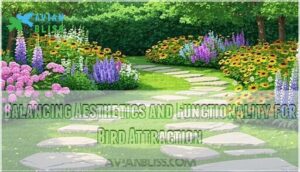
When designing your bird feeding garden design, you’ll want to create spaces that look beautiful while serving your feathered visitors effectively.
Strategic feeder placement near native plants creates natural bird habitat that supports wildlife conservation while maintaining garden themes that complement your landscape.
| Aesthetic Elements | Functional Benefits |
|---|---|
| Colorful flowering perennials | Attract diverse garden bird species |
| Curved stone pathways | Provide clear access routes to feeders |
| Tiered planting heights | Create natural perching and nesting sites |
Your bird attracting gardens should feature open sight lines for safety while incorporating bird friendly garden elements that offer both food sources and shelter throughout seasons.
Effective bird feeding strategies involve understanding bird food preferences to attract a diverse range of species.
Top 4 Bird Feeder Garden Designs
You’ll discover four proven landscaping designs that transform ordinary yards into bird magnets while solving common feeding challenges.
These practical solutions combine attractive ground coverings, strategic plant placement, and smart maintenance features to create spaces that both you and your feathered visitors will love, making them complete concepts.
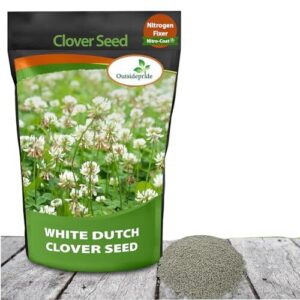
1. White Dutch Clover Lawn Seeds
 View On Amazon
White Dutch clover transforms your bird feeder area into a living carpet that works harder than traditional grass.
This nitrogen-fixing ground cover reduces your fertilizer needs by half while creating a dense, weed-suppressing surface that stays green during droughts.
The white flowers attract pollinators, which in turn draw insectivorous birds to your garden.
Seeds from the clover provide additional food for ground-feeding species like sparrows and finches, creating a natural buffet beneath your feeders.
By incorporating native plants with native food sources, you can further enhance the biodiversity of your bird feeding garden, creating a more sustainable environment.
Best For: Eco-conscious gardeners seeking a low-maintenance, pollinator-friendly lawn and bird habitat alternative to traditional grass.
- Needs consistent watering during initial growth for best results.
- May attract rabbits that feed on clover.
- Partial shade or tough soils can slow germination and establishment.
- Nitrogen-fixing ground cover reduces fertilizer needs and supports soil health.
- Attracts pollinators and birds, increasing local biodiversity and natural beauty.
- Suppresses weeds, remains green during drought, and requires minimal mowing.
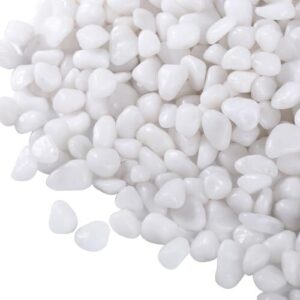
2. Small White Decorative Garden Pebbles
 View On Amazon
Beyond traditional mulch or bare soil, small white decorative pebbles transform your bird feeder area into a striking focal point.
You’ll love how these 3/8" to 1/2" polished stones create brilliant contrast against dark earth and green plants, making feeders pop visually.
They’re practically maintenance-free—no decomposing, compacting, or fading after years of weather exposure.
The light surface reflects heat, keeping ground temperatures cooler for birds while making seed cleanup effortless since debris stays visible on the bright white background.
Best For: Gardeners, bird enthusiasts, and plant lovers who want a low-maintenance, visually striking way to enhance bird feeders, gardens, or planters with functional and decorative white pebbles.
- Durable, maintenance-free, and eco-friendly stones that retain color and shape for years.
- Enhances garden aesthetics by creating striking contrast and a clean, modern appearance.
- Improves drainage, prevents soil spills, and keeps areas around bird feeders cooler and tidier.
- Some stones may be irregular in shape, size, or may break.
- Needs rinsing before use and occasional cleaning to maintain brightness.
- Size and brightness may not suit all garden styles or subtle landscape designs.
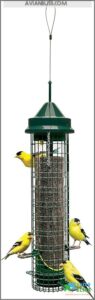
3. Squirrel Proof Finch Bird Feeder
 View On Amazon
Freedom from squirrel raids starts with choosing the right feeder design.
This tube-style finch feeder features weight-sensitive perches that snap shut when squirrels land, blocking access to your precious nyjer seeds.
The spring mechanism activates at just 4 ounces, deterring persistent raiders while welcoming American goldfinches, purple finches, and chickadees.
You’ll love watching up to 8 birds feed simultaneously through the 8-port system.
The chew-proof construction and UV-resistant materials guarantee years of reliable performance in your garden sanctuary.
Best For: Backyard bird enthusiasts looking to attract finches while keeping squirrels and larger birds out.
- Some birds may need time to adapt to small feeding ports.
- Metal parts may develop rust over time.
- Requires regular cleaning and seed level checks for best performance.
- Weight-sensitive design reliably blocks squirrels without harming birds.
- 8 feeding ports allow multiple finches to feed at once.
- Chew-proof, UV-resistant construction ensures long-lasting durability.
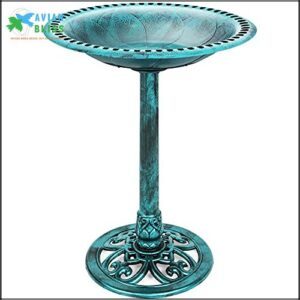
4. Vintage Outdoor Bird Bath Decoration
 View On Amazon
Transform your bird feeding area into a charming oasis with vintage-inspired bird baths that’ll make your feathered friends feel like royalty.
You’ll love how these weather-resistant resin designs combine Fleur-de-Lis accents with antique finishes, creating that perfect aged-metal look without the rust worries.
Fill the hollow pedestal with sand for rock-solid stability, and watch as birds flock to your decorative water station that doubles as garden art.
Best For: Gardeners seeking an elegant, vintage-style bird bath that’s easy to maintain and adds decorative flair while attracting wildlife.
- Weather-resistant resin construction prevents rust and withstands harsh conditions
- Antique finish and Fleur-de-Lis accents provide vintage charm and elevate garden aesthetics
- Fillable pedestal adds stability, reducing risk of tipping in windy areas
- Paint may flake over time, requiring occasional touch-ups
- Stability can be an issue unless the pedestal is properly weighed down
- Sunlight and heat can turn water green, needing frequent cleaning
Landscaping Around Bird Feeders
Creating the perfect landscape around your bird feeders requires choosing materials that balance beauty with practicality.
You’ll need surfaces that handle seed debris while creating an attractive space that birds actually want to visit, which is crucial for making your bird feeders a success.
Using River Rocks and Bricks for a Budget-friendly Option
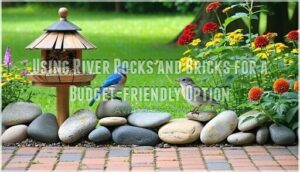
River rocks and bricks create stunning bird feeding garden design without breaking your budget.
These materials offer excellent drainage while maintaining clean lines around your feeders.
- River Rock borders contain seed debris and prevent messy spillover into surrounding areas
- Brick Patterns in herringbone or running bond add visual interest to feeder zones
- Budget Landscaping becomes achievable with these affordable, reusable materials
- Rock Gardens complement natural bird habitats while requiring minimal maintenance
- Outdoor Decor stays functional year-round, unlike organic mulches that decompose.
The use of river rock designs can enhance the overall aesthetic of the bird feeding garden.
Incorporating Flagstone and Stacked Stone for a Natural Aesthetic
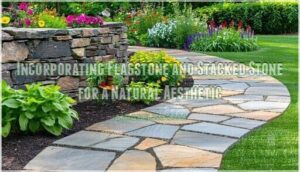
Flagstone patterns and stacked stone transform your bird garden into a natural sanctuary.
These materials create authentic textures that blend seamlessly with surrounding vegetation while providing stable surfaces for feeding stations.
| Material Type | Visual Impact | Bird Benefits |
|---|---|---|
| Random Flagstone | Organic pathways | Heat retention for insects |
| Mortared Stack | Structured walls | Perching opportunities |
| Dry-Stack Stone | Natural outcrops | Nesting crevices |
| Mixed Textures | Garden accents | Microhabitat creation |
Natural stone offers unmatched durability for your rock landscaping project.
The use of flagstone in stone pattern designs can greatly enhance the aesthetic appeal of your bird garden.
Creating Curved Borders for Visual Appeal
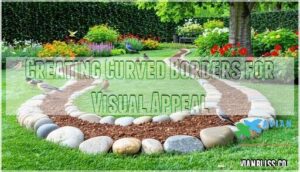
Curved borders enhance your bird feeding garden’s visual appeal while providing structural definition around feeder areas.
You’ll create professional-looking stone edging that guides the eye naturally through your landscaping design.
- Curve patterns using river rocks or bricks establish flowing garden borders that complement natural bird behavior
- Aesthetic landscaping with curved stone edging softens harsh angles while creating designated feeding zones
- Border designs help contain mulch and debris, making maintenance easier for your bird feeding garden
These curved elements attract garden bird species by creating sheltered pathways and visual interest in your outdoor space.
Maintaining Bird Feeder Gardens
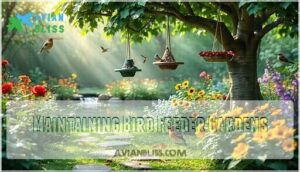
You’ll face unique challenges maintaining your bird feeder garden since sunflower seeds contain natural toxins that prevent many plants from growing nearby.
Regular cleanup becomes essential because fallen seeds create messy debris, sprout into weeds, and can pose health risks to visiting birds if left to rot, which is why regular cleanup is crucial.
Preventing Weed Growth and Protecting Plants From Toxins
Maintaining toxin free soil around your bird feeders requires strategic weed prevention methods.
You’ll want to create effective plant shields against allelopathic effects from sunflower seeds, which naturally inhibit nearby vegetation growth.
Regular maintenance also involves understanding native plant benefits, such as those found in bird friendly habitats, to guarantee a healthy environment.
| Method | Effectiveness |
|---|---|
| Weed barrier fabric | Blocks 90% of weeds |
| Organic mulch layer | Reduces growth by 70% |
| Corn gluten meal | Prevents seed germination |
| Hand weeding schedule | Cuts seed banks 50% |
| Vinegar-based spray | Controls annual weeds |
Regular seed hull removal prevents toxic buildup while maintaining your birdsafe garden environment through consistent weed control practices.
Cleaning Seed Debris and Maintaining a Tidy Yard
Regular seed removal keeps your bird feeding station healthy and attractive.
Old birdseed debris creates unsanitary conditions that can harm visiting birds and make your yard look messy.
Here’s your yard sanitation routine:
- Weekly debris cleanup – Rake fallen seeds from under feeders to prevent mold growth and pest attraction
- Garden hygiene checks – Remove spoiled birdseed from feeders and replace with fresh supplies every few days
- Waste management system – Use a small handheld vacuum or leaf blower for quick bird feeder maintenance around hard surfaces
Ensuring Proper Drainage to Avoid Soggy Seed Hulls
Poor drainage turns your bird feeding station into a soggy mess that drives away feathered visitors.
Water pooling around feeders creates perfect conditions for mold growth, which reduces bird visitation by 40%.
You’ll want to install drainage systems like gravel trenches or slope your yard away from feeding areas.
Proper soil permeability prevents birdseed hulls from becoming waterlogged, keeping your garden cleaner.
Frequently Asked Questions (FAQs)
What is the 5 7 9 rule for bird feeders?
Think of the 5-7-9 rule as a bird’s flight path to safety.
Place feeders 5 feet off the ground, 7 feet from shrubs, and 9 feet from windows to minimize predator risk and window strikes.
Can I just throw bird seed on the ground?
You can scatter seed on the ground, but it’s not ideal.
Ground feeding attracts pests, creates mess, and wastes seed through spoilage.
Use designated feeders or ground-feeding trays instead for better results.
How to design a bird friendly garden?
Birds flock to gardens offering food, water, and shelter—but creating their paradise requires strategic planning.
You’ll need native plants like oaks and coneflowers for year-round sustenance, plus water sources and varied feeder heights to attract diverse species safely.
How to set up a bird feeding area?
Set up your bird feeding area by choosing a clear spot, laying pea gravel or mulch for easy cleanup, adding feeders at various heights, and placing water nearby.
Keep seed types varied—think of it as a buffet for birds.
How far should feeders be from windows?
Glass barriers become shields protecting both feathered visitors and your home’s tranquility.
Position feeders either within three feet of windows or beyond thirty feet to prevent deadly collisions that claim millions of birds annually.
What attracts specific bird species to feeders?
Different bird species prefer specific seeds and feeder types.
You’ll attract cardinals with sunflower seeds, finches with thistle, and woodpeckers with suet.
Match your offerings to local species’ dietary preferences for best results.
When should you clean bird feeder areas?
While you might think cleaning can wait until spring, you should clean bird feeder areas weekly during active feeding seasons.
Remove seed hulls, droppings, and moldy debris that pose health risks to visiting birds.
How do weather conditions affect feeder placement?
Weather dictates your feeder’s success or failure.
Place feeders where they’re sheltered from strong winds and driving rain, yet still accessible to birds.
Avoid spots that’ll turn into ice rinks or wind tunnels.
What predator-proofing methods work best for feeders?
Place feeders near shrubs for quick escape routes, use baffles on poles to stop climbing predators, and choose thorny plants like roses underneath to deter cats naturally.
Conclusion
Transforming your backyard into an avian paradise might seem like rocket science, but effective bird feeding garden design combines simple elements that deliver extraordinary results.
You’ll create a thriving ecosystem by strategically placing feeders near protective shrubs, incorporating native plants for natural food sources, and using ground coverings like white Dutch clover.
Remember to maintain proper drainage and clean feeding areas regularly to keep your feathered visitors healthy and happy, which is crucial for a successful bird feeding garden with natural food sources.
- https://fryd.app/en/magazine/bird-friendly-garden
- https://www.audubonpark.com/blog/birdscape-your-yard
- https://homesteadandchill.com/attract-birds-garden/
- https://www.moananursery.com/2022/06/28/the-basics-of-backyard-birding/
- https://www.frontiersin.org/journals/ecology-and-evolution/articles/10.3389/fevo.2017.00024/full