This site is supported by our readers. We may earn a commission, at no cost to you, if you purchase through links.
Your garden already provides shelter and nesting sites for birds, but during late winter and early migration periods, natural food sources often fall short of what these visitors need to survive. A well-stocked feeding station can mean the difference between a thriving cardinal pair raising their young in your oak tree and an empty nest come spring.
When you offer the right combination of feeders and high-energy foods, you’re not just attracting more species—you’re supporting their complete life cycles, from courtship displays to successful fledging. The strategy goes beyond simply hanging a feeder and hoping for the best. Understanding which seeds attract specific species, how feeder design affects feeding behavior, and what maintenance practices prevent disease transmission transforms casual bird watching into effective wildlife stewardship that benefits both your garden ecosystem and the broader bird populations moving through your region.
Table Of Contents
- Key Takeaways
- Benefits of Feeding Birds in Gardens
- Choosing The Right Bird Feeders
- Best Foods for Garden Birds
- Top 8 Bird Feeding Essentials for Gardens
- Maintaining a Healthy Feeding Environment
- Frequently Asked Questions (FAQs)
- When to start feeding birds in the fall?
- What is the best bird feed for the garden?
- What is the etiquette for bird feeders?
- How can I deter unwanted birds from my feeders?
- What should I do if birds stop visiting?
- How can I prevent ants from invading bird feeders?
- Are there bird foods safe for pets and children?
- How do I attract rare or migratory bird species?
- What native plants attract the most bird species?
- How do I attract specific rare birds?
- Conclusion
Key Takeaways
- Installing the right combination of feeders—a hopper feeder for versatility, a tube feeder for finches, and a platform feeder for ground foragers—and positioning them 10–15 feet from cover with squirrel baffles creates a safe, accessible feeding station that attracts diverse species year-round.
- Black oil sunflower seeds draw the widest variety of songbirds due to their high oil content and thin shells, while suet cakes provide concentrated winter energy for woodpeckers and chickadees, and nyjer seeds specifically target finches and siskins.
- Cleaning feeders every two weeks with a 10% bleach solution and rotating feeder locations every three to four months prevents disease transmission like Salmonella while allowing soil recovery beneath feeding stations.
- Supplemental feeding strengthens bird populations during critical periods like late winter and migration without creating dependency, since research shows birds treat feeders as backup resources rather than primary food sources.
Benefits of Feeding Birds in Gardens
When you set up a bird feeder in your garden, you’re doing much more than just scattering some seeds and watching the show. You’re creating a ripple effect that touches everything from struggling wildlife populations to your own sense of connection with nature.
Choosing the right feeder can help you attract common birds in Illinois and other local species that need your support most.
Setting up a bird feeder creates a ripple effect that supports struggling wildlife and deepens your connection with nature
Let’s look at three meaningful ways that feeding birds enriches both your garden and your life.
Before you set up feeders, though, it helps to understand where to place bird cameras in your yard so you can capture these moments and learn which species visit most often.
Supports Local Wildlife During Challenging Seasons
Survival becomes a daily challenge when cold snaps or drought limit the natural food supply. Your backyard bird feeding station can anchor a garden habitat that strengthens wildlife conservation during these tough stretches. Winter bird care through reliable seed and suet boosts climate resilience, helping residents and seasonal migration stopovers alike.
Ground feeders like the mountain chickadee thrive when you scatter seeds on low platforms or directly on cleared patches of snow-free ground.
Bird-friendly plants complement feeders by offering:
Native nectar-rich blooms like trumpet vine and bee balm create natural feeding stations for hummingbirds during nesting season, extending your garden’s appeal beyond feeders alone.
- Year-round berries for energy
- Insect-rich bark for protein
- Dense cover from harsh winds
- Native seed heads through frost
Providing is also vital, especially during periods of drought or extreme heat.
Increases Garden Biodiversity
Attracting garden birds through feeders and bird-friendly plants builds a thriving wildlife garden that maintains ecosystem balance in ways you mightn’t expect. Your feeding station draws insectivores that control aphids and caterpillars, while native plants fuel pollinators and provide seeds for finches and sparrows.
This layered approach strengthens garden ecosystems, creating safe stopovers during bird migration and boosting biodiversity across your entire wildlife conservation space.
If you’re in the Rockies, focus on species like downy and hairy woodpeckers native to Colorado when planning your high-fat feeding stations.
Just as garden bird feeding enhances local diversity, the value of is becoming increasingly important in maintaining pollinators and native wildlife.
Provides Educational and Relaxation Opportunities
Beyond boosting biodiversity, bird feeding transforms your garden into a living classroom and nature therapy retreat. Mindful birding lets you track chickadee visits at dawn while coffee steams, turning backyard bird feeding tips into relaxation techniques.
Educational activities bloom when kids sketch beak shapes or count feeder visits:
- Observe species behavior in real time
- Identify birds by song and plumage
- Journal seasonal migration patterns
- Learn feeding preferences and adaptations
- Practice mindfulness through quiet observation
Bird watching becomes a gentle daily ritual that calms the mind.
Choosing The Right Bird Feeders
Selecting the right feeder makes all the difference in attracting the birds you want and keeping them safe from predators and disease. Different feeder styles accommodate different species, seed types, and garden setups, so you’ll want to match your choice to your yard’s unique conditions.
Here’s a breakdown of the most effective feeder types and where to position them for the best results.
Hopper Feeders for Versatility
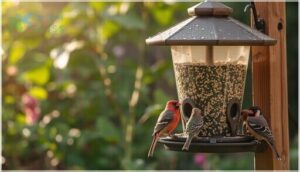
You’ll find hopper feeders work beautifully as an all-around solution for your backyard birds. These sturdy designs hold one to three quarts of seed, reducing how often you’ll need to refill them. The multiple perches and ports let chickadees, cardinals, and finches feed side by side. They accommodate black oil sunflower seeds and mixed blends equally well, and their weather-resistant construction stands up to the elements season after season.
| Feature | Benefit |
|---|---|
| Feeder Capacity | 1–3 quarts lasts several days of bird feeding |
| Seed Flow | Vented bases and anti-bridging design prevent clumping |
| Bird Attraction | Wide perches welcome songbirds of many sizes |
| Feeder Materials | UV-resistant plastic or powder-coated metal ensures durability |
Maintenance Tips: Clean your hopper feeder every two weeks with mild soap and water to prevent mold. The tool-free disassembly makes routine upkeep straightforward, and you can swap seed types quickly using interchangeable trays if your model includes them.
Tube Feeders for Small Seed Lovers
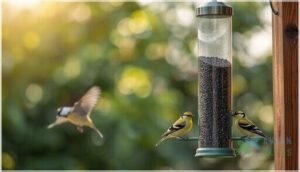
You’ll discover tube feeders excel at attracting goldfinches, siskins, and chickadees with their narrow seed port options designed for Nyjer and black oil sunflower seeds. Mounting yours four to five feet high keeps squirrels at bay while inviting small seed lovers to perch.
Tube Feeder Designs and Maintenance:
- Clear tubes let you check seed levels at a glance without disturbing visitors
- Metal feeding ports resist rust and squirrel damage for years of reliable use
- Removable caps simplify weekly cleaning with warm, soapy water
- Multiple perches accommodate several finches feeding peacefully together
Platform and Window Feeders for Variety
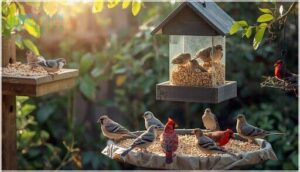
Platform and window feeders offer remarkable flexibility for drawing in ground foragers like doves, sparrows, and juncos, alongside chickadees and nuthatches. You’ll appreciate how tray feeders accommodate various seed blends, while window designs bring close-up views right to your glass. Both options require weekly cleaning to prevent disease transmission, but their versatility makes feeder maintenance worthwhile for year-round bird attraction.
| Feeder Type | Best Seed Variety | Ideal Bird Species |
|---|---|---|
| Platform Feeder | Mixed blends, suet blocks | Doves, sparrows, jays |
| Window Feeder | Sunflower chips, peanut bits | Chickadees, finches, warblers |
| Covered Platform | Black oil sunflower, millet | Cardinals, juncos, towhees |
| Open Tray Feeder | Fruit pieces, mixed seed | Orioles, tanagers, grosbeaks |
Placement Tips for Safety and Accessibility
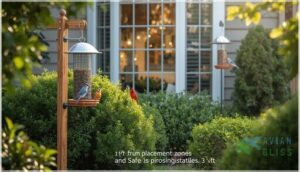
Positioning your bird feeder well can mean the difference between a thriving feeding station and a dangerous trap. Keep feeders within 3 feet of windows or beyond 33 feet to prevent deadly collisions, while 10 to 15 feet from shrubs balances cover with predator control.
Consider these essentials for safe bird feeding:
- Mount feeders 5 to 6 feet high for easy accessibility features and maintenance
- Space multiple stations apart to reduce disease and territorial conflicts
- Add squirrel baffles on poles for squirrelproofing your feeders effectively
Best Foods for Garden Birds
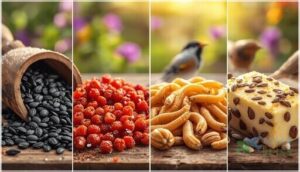
Not all bird food is created equal, and choosing the right options can make the difference between an empty feeder and a thriving backyard habitat.
Different species have distinct preferences, from high-energy options for cold-weather survival to specialized seeds that attract specific finches and songbirds.
Here are four essential food types that’ll help you support a diverse community of garden birds throughout the year.
Black Oil Sunflower Seeds for Multiple Species
Black oil sunflower seeds deliver dense energy through high oil content, attracting cardinals, chickadees, finches, and nuthatches to your bird feeder year-round. Their thin shells make consumption easier for small songbirds, while the kernels provide protein, calcium, and vitamin E for feather health.
You’ll find these seeds work in tube, hopper, and platform feeders, offering adaptable bird feeding options that support multiple species throughout winter.
Suet Cakes for Winter Energy
Suet cakes provide concentrated fat and protein that help woodpeckers, nuthatches, and chickadees maintain body heat when temperatures drop.
You can hang a suet block in wire suet feeders or cage-style baskets, positioning them away from dense cover to reduce predator risk. Look for melt-resistant formulations with peanuts, cracked corn, and insects to attract diverse species during cold weather feedings.
Nyjer Seeds for Finches and Siskins
Nyjer Seed, sometimes called thistle seed, draws American goldfinches and siskins to your garden with impressive consistency. These tiny black seeds deliver around 32 percent crude fat and 16 percent crude protein, promoting finch nutrition and feather health through winter’s toughest stretches.
- Use specialized finch feeders with small ports or mesh socks to prevent seed waste and keep larger species away.
- Store Nyjer Seed in airtight containers away from heat and light to preserve oil content and prevent rancid smells.
- Replace seed every few weeks so goldfinches always find fresh, palatable food that enhances bird health.
- Sterilized Nyjer won’t sprout under your feeders, making it cleaner than BlackOil Sunflower for patios and flower beds.
Fresh Fruits for Orioles and Tanagers
While finches stay busy with seeds, orioles and tanagers prefer juicy offerings when they arrive in spring. Baltimore orioles favor orange halves, mulberries, and grapes, whereas scarlet tanagers readily take small berries near wooded yards. Fresh fruit safety demands daily checks for mold or fermentation. Simple fruit preparation, like skewering orange halves on pegs, enhances oriole nutrition and tanager migration while attracting colorful garden birds to your wildlife gardening setup.
| Fruit Type | Best For |
|---|---|
| Orange halves, grapes | Baltimore and orchard orioles |
| Small berries, cherries | Scarlet tanagers, migrating songbirds |
| Elderberries, mulberries | Both orioles and tanagers during migration |
| Soft peach or banana chunks | Variety seekers at platform bird feeders |
Top 8 Bird Feeding Essentials for Gardens
Setting up a successful bird feeding station doesn’t require guesswork when you have the right tools at your fingertips. From seed selections that attract diverse species to feeders designed for durability and accessibility, each essential plays a specific role in supporting your backyard birds.
Here are eight proven products that combine functionality with the nutritional and safety needs of garden visitors throughout the year.
1. CountryMax Black Sunflower Seeds
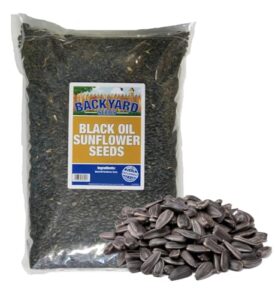
If you’re looking to anchor your feeding station with a single seed type that draws the widest variety of songbirds, CountryMax Black Sunflower Seeds are a reliable choice. These black oil sunflower seeds come packed with protein and fat, delivering the dense calories chickadees, cardinals, and nuthatches need year-round.
The thin shells let even small-billed finches crack them easily at your bird feeder, while the high oil content promotes feather health and sustained energy—especially valuable during cold snaps when natural food runs short.
| Best For | Backyard birdwatchers who want to attract a wide variety of songbirds without breaking the bank on feed. |
|---|---|
| Primary Use | Bird seed |
| Weight | 25 lbs |
| Material | Natural seed |
| Bird Attraction | Multiple species |
| Outdoor Use | Yes |
| Maintenance Required | Refilling |
| Additional Features |
|
- High oil content provides essential energy and supports healthy feathers, especially during winter months
- Thin shells make it easy for small birds like finches and chickadees to access the nutritious seeds
- Naturally deters starlings since the seeds stay in their shells, helping your preferred birds get more food
- The 25-pound bag can be heavy and awkward to lift for some people
- May include occasional sticks or plant debris mixed in with the seeds
- While competitively priced, the cost can still add up if you have multiple feeders to fill regularly
2. Squirrel Proof Metal Bird Feeder
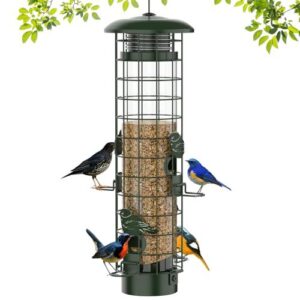
Once you’ve stocked premium seed, a squirrel-proof metal feeder protects your investment from persistent raiders. The Niser FSS01 uses a powder-coated cage—3.9 inches wide and 15.7 inches tall—that blocks squirrels while granting chickadees, sparrows, and cardinals easy access to the ports.
Metal feeders resist chewing far better than plastic tube models, and the locking cap keeps moisture out during heavy rain. Position your feeder five to six feet above ground, away from overhanging branches, to enhance squirrel deterrent effectiveness and simplify feeder maintenance for long-term bird attraction and wildlife conservation.
| Best For | Bird enthusiasts who want to protect their seed investment from squirrels while attracting a variety of small songbirds like chickadees, cardinals, and sparrows. |
|---|---|
| Primary Use | Feeder |
| Weight | 1.96 lbs |
| Material | Metal |
| Bird Attraction | Cardinals, chickadees, sparrows |
| Outdoor Use | Yes |
| Maintenance Required | Cleaning and refilling |
| Additional Features |
|
- Metal construction resists chewing and weather damage better than plastic feeders
- Cage design effectively blocks squirrels while allowing smaller birds easy access to feeding ports
- Locking cap keeps seed dry during rain and makes refilling straightforward
- Determined squirrels can still shake the feeder or reach it from nearby branches if not positioned carefully
- Seeds may spill onto the ground when birds feed or squirrels attempt access
- Not raccoon-proof, as larger animals can knock the entire feeder down
3. Wi Fi Solar Bird Feeder Camera
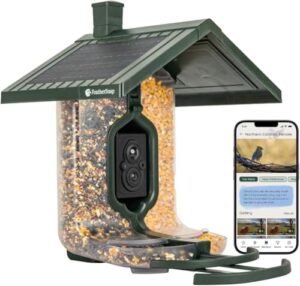
After securing your feeder against squirrels, a FeatherSnap Wi-Fi solar bird feeder camera adds a new dimension to wildlife gardening. This smart feeder pairs a roof-mounted solar panel with a 1080p camera and 120° wide-angle lens, capturing close-up footage of chickadees, nuthatches, and warblers as they visit.
The AI-powered bird detection identifies species in real time, sending alerts to your phone over 2.4 GHz Wi-Fi connectivity. The dual seed bins and adjustable perch accommodate finches through jays, turning routine bird feeding into an interactive learning experience for your whole household.
| Best For | Bird enthusiasts who want to learn about their backyard visitors and enjoy watching high-quality footage without constantly checking the feeder in person. |
|---|---|
| Primary Use | Smart feeder camera |
| Weight | 5.1 lbs |
| Material | Plastic |
| Bird Attraction | Various species |
| Outdoor Use | Yes |
| Maintenance Required | Cleaning and monitoring |
| Additional Features |
|
- Solar-powered design means you won’t need to worry about battery changes or running power cables to your yard
- AI identification teaches you about different species automatically, making it easy to track which birds visit throughout the seasons
- Motion-activated recording and phone alerts let you catch interesting moments even when you’re not home
- Requires an annual subscription to actually view your photos and videos, which adds ongoing costs beyond the initial purchase
- Only works with 2.4 GHz Wi-Fi, so you’ll need to make sure your router supports that frequency or set up a separate network
- Regular cleaning is necessary to keep both the camera lens clear and the feeder hygienic for birds
4. Woodpecker Wild Bird Suet Cake Food
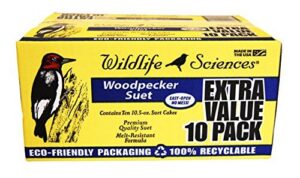
Suet cakes loaded with rendered beef fat, cracked corn, and pecan pieces give woodpeckers, chickadees, and nuthatches a concentrated energy source when insects are scarce.
Wildlife Sciences’ 10.5-ounce blocks deliver at least 35 percent crude fat, enough to sustain downy and hairy woodpeckers through freezing nights.
Slide the cake into a standard metal suet feeder hung about five feet off the ground, where tree-clinging birds can grip the cage comfortably. Refrigerate extra blocks before use so they slip out of the wrapper easily and hold their shape in your suet feeder all season.
| Best For | Backyard birders who want to attract woodpeckers, chickadees, and other clinging birds during cold months when insects are hard to find. |
|---|---|
| Primary Use | Suet cakes |
| Weight | 10.5 oz per cake |
| Material | Beef suet blend |
| Bird Attraction | Woodpeckers, chickadees, cardinals |
| Outdoor Use | Yes |
| Maintenance Required | Replacement needed |
| Additional Features |
|
- High fat content (35%) from rendered beef suet gives birds energy through winter nights
- Comes in a 10-pack with recyclable, easy-open packaging that keeps things tidy
- Attracts a nice variety of species including woodpeckers, nuthatches, and cardinals
- Some birds ignore it completely, and it’s a magnet for European Starlings
- Can get messy despite the no-mess packaging claims
- Birds might take a few days to warm up to it at first
5. Amish Poly Hanging Bird Feeder
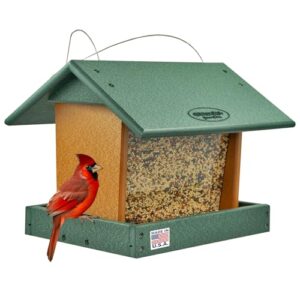
A hopper-style bird feeder handcrafted from recycled HDPE poly lumber gives you durability that outlasts wood while keeping plastic jugs out of landfills. This 10-cup Amish poly hanging design uses a clear-sided compartment and aluminum mesh tray so you can monitor seed levels, refill easily, and watch drainage work.
Hang it on a sturdy hook about four to five feet up to welcome cardinals, finches, and chickadees. Wipe the smooth poly surfaces with mild soap after rain or heavy bird traffic to remove droppings, prevent mold, and keep your feeding station healthy for returning flocks.
| Best For | Eco-conscious bird watchers who want a long-lasting feeder that handles all weather and attracts a variety of backyard birds. |
|---|---|
| Primary Use | Hopper feeder |
| Weight | 4.54 lbs |
| Material | HDPE recycled plastic |
| Bird Attraction | Cardinals, finches, chickadees |
| Outdoor Use | Yes |
| Maintenance Required | Cleaning and refilling |
| Additional Features |
|
- Made from recycled plastic that won’t rot, crack, or splinter like wood feeders
- Clear sides let you see when seed runs low without climbing a ladder
- Holds 10 cups of seed so you refill less often during busy feeding seasons
- Costs more upfront than basic wooden or plastic feeders
- Weighs over 4.5 pounds, so you need a strong pole or hanging bracket
- Some buyers found it bulkier than expected or noticed certain birds ignored it
6. Sizzlenheat Wild Bird Food
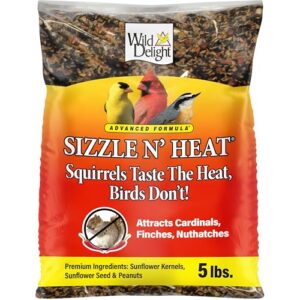
You’ll find Sizzlenheat Wild Bird Food works as an effective Squirrel Deterrent while giving your cardinals, finches, and nuthatches the high-energy nutrition they need. This premium blend skips cheap fillers, relying instead on black oil sunflower seeds, peanuts, and sunflower kernels to improve Seed Quality and Bird Attraction in your garden.
Birds lack heat receptors, so they eat comfortably, but squirrels learn to avoid the spicy kick after a few tries. Fill your bird feeder with this blend year-round, following Bird Feeding tips that include routine Feeder Maintenance and fresh water nearby.
| Best For | Backyard birders who want to attract songbirds like cardinals and finches while keeping squirrels away from their feeders. |
|---|---|
| Primary Use | Bird seed blend |
| Weight | 5 lbs |
| Material | Natural seeds |
| Bird Attraction | Songbirds, cardinals, finches |
| Outdoor Use | Yes |
| Maintenance Required | Storage and handling |
| Additional Features |
|
- Premium ingredients like black oil sunflower seeds and peanuts attract a wide variety of desirable birds without cheap fillers
- Chili pepper formula effectively deters squirrels since they dislike the heat while birds can’t taste it
- Works in any standard bird feeder and provides high-energy nutrition year-round
- More expensive than basic birdseed blends due to the quality ingredients and chili treatment
- Some persistent squirrels may eventually adapt to the spicy heat over time
- Requires careful handling to avoid skin or eye irritation from the chili peppers
7. Hanging Bird Bath Feeder
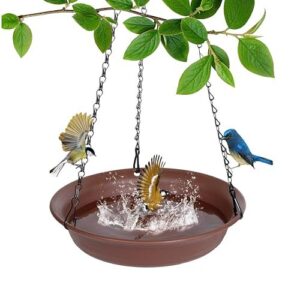
A hanging bird bath feeder transforms your garden into a revitalizing oasis, attracting bluebirds, hummingbirds, and dozens of backyard birds with dual-purpose convenience. These Hanging Designs suspend 10 to 12 inches wide bowls at safe heights, keeping Water Quality fresh while discouraging ground predators from reaching bathing visitors.
Choose Feeder Materials like poly resin or cedar that resist weather damage, and focus on Bath Placement near dense cover so your garden birds can retreat quickly after drinking. Refresh water daily following essential bird feeding tips to prevent algae and maintain a welcoming Bird Attraction zone year-round.
| Best For | Bird lovers who want a versatile, weatherproof station that serves as both a water source and feeding spot to attract bluebirds, hummingbirds, and other backyard birds to balconies, gardens, or windows. |
|---|---|
| Primary Use | Bird bath |
| Weight | Not specified |
| Material | Plastic |
| Bird Attraction | Bluebirds, hummingbirds |
| Outdoor Use | Yes |
| Maintenance Required | Regular cleaning |
| Additional Features |
|
- Dual-purpose design works as a bird bath, water dispenser, or feeder, giving you flexibility in how you attract and care for birds
- Leakproof and weatherproof construction with rust-resistant materials means it holds up through rain and sun
- Easy to hang with the included 16-inch chain and simple to clean, making maintenance hassle-free
- Some buyers received units with missing parts or packaging issues that caused frustration during setup
- May not withstand extreme weather conditions as well as metal or higher-end models
- A few users found it took time to attract birds initially, requiring patience before seeing regular visitors
8. Mademax Solar Bird Bath Fountain
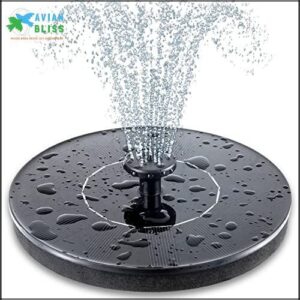
A solar fountain turns a simple bird bath into one of the most effective water features for luring cardinals, warblers, and other garden birds that crave moving water. The Mademax Solar Bird Bath Fountain floats freely on the surface, propelling a 50 to 70 cm spray when direct sun reaches the 1.4W panel.
You can swap among six nozzles to adjust height and prevent splashing, then combine this garden decor with nearby bird friendly plants and your regular bird feeder to create an irresistible bird feeding setup.
| Best For | Birders who want to attract cardinals, warblers, and hummingbirds to their garden with a no-fuss, solar-powered fountain that creates movement in bird baths or small ponds. |
|---|---|
| Primary Use | Solar fountain |
| Weight | 9.6 oz |
| Material | Plastic |
| Bird Attraction | Hummingbirds |
| Outdoor Use | Yes |
| Maintenance Required | Frequent cleaning |
| Additional Features |
|
- Zero electricity costs—just place it in direct sunlight and it starts spraying automatically
- Six interchangeable nozzles let you customize the spray pattern and height to fit your bird bath size
- Lightweight and easy to set up in bird baths, fish tanks, or small ponds without tools or batteries
- Only works in direct sunlight, so cloudy days and evenings leave your fountain idle
- Needs regular cleaning since algae and debris cling to the pump and nozzles
- Can float around in larger baths and spray water outside the basin, wasting water and creating a mess
Maintaining a Healthy Feeding Environment
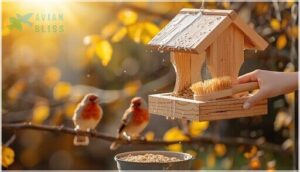
Keeping your bird feeding station clean isn’t just about tidiness—it’s about protecting the health of your feathered visitors. Disease can spread quickly when multiple birds gather at shared feeders, especially during wet weather or when droppings accumulate on feeding surfaces.
Here are four essential practices that’ll help you maintain a safe environment for the birds you’re working to support.
Cleaning Feeders to Prevent Disease
You can’t afford to skip feeder sanitation if you care about bird health. Scrub your feeders with soap and water every two weeks, then soak them in a 10 percent bleach solution for three to ten minutes to kill Salmonella and other pathogens.
Rinse thoroughly, air-dry completely, and discard any clumped or moldy seed. These disinfection techniques are essential disease prevention steps that support bird conservation efforts.
Rotating Feeder Locations to Avoid Contamination
Beyond regular cleaning, feeder rotation protects birds from pathogens that accumulate beneath feeding stations. Move your feeders at least twenty feet every three to four months, allowing soil recovery time while sunlight and microbes break down lingering bacteria. This waste management practice reduces contamination risk for ground-feeding species like doves and sparrows.
Feeder mobility aids bird conservation efforts by preventing hotspots where droppings, seed hulls, and moisture concentrate:
- Plan three or more rotation spots around your garden
- Choose well-drained locations near cover but with good airflow
- Use lightweight hanging bird feeders or portable pole-mounted systems
- Let each site rest at least two weeks between uses
- Shorten rotation intervals during wet weather or disease outbreaks
Squirrel-proofing and Predator Prevention
Squirrel-proofing your feeders starts with smart pole installation—set poles at least 5½ feet tall and position them 8 to 10 feet from launch points like trees or decks.
Add a baffle 4 to 5 feet above ground to block climbers, and consider predator guards that sway when scaled. Hot pepper-treated seeds deter about 90 percent of squirrels while birds eat normally, since they lack capsaicin receptors.
Providing Fresh Water Year-round
Water quality matters as much as food quality when supporting garden birds year-round. Change your bird bath daily in warm months to prevent bacterial growth, and scrub with mild soap every two weeks.
In winter, use heated containers or bubblers to maintain winter access above 40°F, ensuring backyard birds have fresh sources for hydration. Shallow, wide dishes improve container safety and accommodate multiple species at your bird feeder station.
Frequently Asked Questions (FAQs)
When to start feeding birds in the fall?
You’ll want to begin feeding garden birds in late fall, usually mid to late November, when daytime temperatures drop below 50°F and natural food sources like berries and insects start to dwindle.
What is the best bird feed for the garden?
Think of bird nutrition like building blocks—black oil sunflower seeds attract the widest variety, while nyjer seeds target finches.
For winter energy, suet feeders provide essential protein when natural food sources disappear.
What is the etiquette for bird feeders?
Position bird feeders at least 10 feet from windows to prevent collisions, clean them monthly with hot soapy water, and use squirrel-proof designs elevated 3-5 feet high for proper bird safety.
How can I deter unwanted birds from my feeders?
You can install pole-mounted squirrel baffles, use weight-sensitive feeders that close ports when heavier birds land, hang reflective deterrents near feeding areas, and maintain strict cleaning schedules to discourage persistent pests.
What should I do if birds stop visiting?
Have your backyard regulars suddenly vanished? First, clean your feeder thoroughly to remove spoiled seed and mold.
Check for nearby predators like hawks or cats, refresh your seed quality, and confirm feeders remain accessible after snowfall or storms.
How can I prevent ants from invading bird feeders?
You can hang feeders from smooth fishing line or add ant moats—small water-filled barriers that block crawling insects.
Clean spills promptly, place feeders away from trees, and wipe poles to disrupt pheromone trails.
Are there bird foods safe for pets and children?
Yes, you can choose pet-safe seeds and child-friendly feeders by offering black oil sunflower seeds while avoiding bird food toxins like avocado and chocolate, ensuring safe feeding practices that protect everyone in your garden.
How do I attract rare or migratory bird species?
Drawing migratory birds is like rolling out a welcome mat during their cross-continental journeys.
Provide layered native vegetation, fresh water features, and energy-rich foods like nyjer seeds, suet, and berries to support seasonal migration and bird conservation.
What native plants attract the most bird species?
Native plants like oaks and serviceberries create wildlife habitat through seasonal bloom cycles and natural food sources for birds, supporting garden birds species from finches to warblers in your bird friendly garden.
Native plants like coneflowers also support birds by providing natural food sources.
How do I attract specific rare birds?
Spotting a scarlet tanager or varied thrush in your garden takes careful planning.
Study seasonal migration patterns, offer diverse foods like safflower and suet, and use species tracking apps to time feeder placement perfectly.
Conclusion
You might worry that consistent feeding creates dependency, but research shows birds treat feeders as supplemental resources, not primary ones. Your bird feeding guide for gardens implementation strengthens their resilience during critical periods without disrupting natural foraging behaviors.
When you combine proper feeder selection, species-appropriate foods, and regular maintenance practices, you’re creating a reliable safety net that bolsters entire populations through your region. The cardinals nesting in your oak tree will thank you.
- https://www.awin1.com/awclick.php?awinmid=67240&awinaffid=103504&clickref=homesandgardens-us-6818669658265131519&p=https%3A%2F%2Fnaturehills.com%2F
- https://dansbirdbites.com/
- https://goto.walmart.com/c/1943169/568844/9383?subId1=homesandgardens-us-2116313234159422059&sharedId=homesandgardens-us&u=https%3A%2F%2Fwww.walmart.com%2Fip%2FSweet-Potatoes-Whole-Fresh-Each-Batata-Mameya%2F44390964%3FclassType%3DREGULAR%26athbdg%3DL1200%26from%3D%2Fsearch
- https://www.nwf.org/garden-for-wildlife
- https://www.jackwallington.com/can-the-uk-re-introduce-pet-licences/