This site is supported by our readers. We may earn a commission, at no cost to you, if you purchase through links.
A cardinal perches at your feeder one morning, then vanishes the next—not because winter arrived, but because the food you’re offering doesn’t meet its nutritional needs. Over 72% of backyard bird species rely on specific seed types and nutrient profiles that many generic blends simply don’t provide.
Small birds like finches, chickadees, and sparrows burn through calories at astonishing rates, requiring precise ratios of protein, fat, and essential minerals to survive temperature swings and maintain their rapid metabolisms. Selecting the right bird food for small birds isn’t just about filling a feeder—it’s about understanding species-specific dietary requirements, seasonal energy demands, and how different seed types support everything from flight stamina to successful breeding.
The difference between a thriving backyard habitat and an abandoned feeding station often comes down to matching quality nutrition with the right delivery method.
Table Of Contents
- Key Takeaways
- Top 8 Bird Foods for Small Birds
- Best Seed Types for Small Birds
- Nutritional Requirements for Small Bird Species
- Choosing The Right Feeder for Small Birds
- Seasonal Feeding Strategies for Small Birds
- Frequently Asked Questions (FAQs)
- What should I feed a small bird?
- Is there a bird feeder for small birds only?
- What does the smallest bird eat?
- How often should I clean small bird feeders?
- Can small birds eat cracked corn safely?
- What attracts hummingbirds to my backyard feeder?
- Do bluebirds prefer mealworms over seed blends?
- Should I offer suet year-round to small birds?
- Conclusion
Key Takeaways
- Over 72% of backyard bird species rely on specific seed types and nutrient profiles, making the choice between black oil sunflower seeds (165 calories/ounce, 14g fat), nyjer seed (40-50% fat content), and species-appropriate blends critical for attracting and sustaining cardinals, finches, chickadees, and other small birds.
- Small birds require 14-20% protein and 8-20% fat in their daily diet, with energy demands doubling during breeding season—a 10-gram chickadee burns 60-80 kilojoules daily, necessitating high-quality seed blends fortified with vitamins A, D3, E, calcium, and essential minerals for feather growth, flight stamina, and successful reproduction.
- Feeder selection directly impacts waste reduction and species accessibility: tube feeders with deflector plates cut spillage by 40-60%, wire mesh feeders with 1.6-2.5mm openings control seed flow for finches, and tray feeders with mesh bases accommodate ground foragers while preventing seed retention and mold growth.
- Seasonal feeding strategies must shift from high-fat suet and black oil sunflower seeds in winter (9 calories/gram for cold-weather survival) to protein-rich mealworms during spring breeding, lighter seed blends with frequent water refreshment in summer heat, and oil-rich components in fall to fuel migration weight gain.
Top 8 Bird Foods for Small Birds
Finding the right bird foods for your small backyard visitors doesn’t have to be complicated. You want options that deliver solid nutrition, attract the species you’re hoping to see, and fit your feeding setup.
Start by reviewing which bird foods attract wild birds to match your local species with their preferred seeds and blends.
Below are eight bird foods that consistently perform well for finches, sparrows, chickadees, and other small birds.
1. Wild Harvest Bird Food Blend
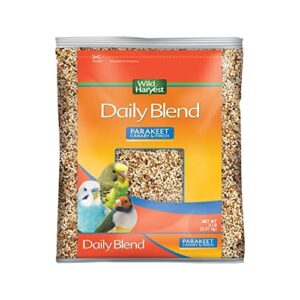
Wild Harvest Bird Food Blend brings together field-inspired ingredients like red and white millet, canary grass seed, and select grains to support the health of parakeets, canaries, and finches. This 5-pound blend delivers approximately 13–14% crude protein and 2–4% crude fat, fortified with essential vitamins and minerals including calcium carbonate and lysine.
The orange essence adds appealing flavor while the resealable bag locks in freshness. You’ll find it promotes vibrant plumage and optimum health when you offer it daily in traditional seed feeders.
| Best For | Bird owners with parakeets, canaries, or finches who want a nutritionally complete daily seed blend with added vitamins and minerals. |
|---|---|
| Brand | Wild Harvest |
| Weight | 5 pounds |
| Item Form | Seed |
| Flavor | Orange |
| Target Birds | Parakeets, canaries, finches |
| Vitamins/Minerals | Yes |
| Additional Features |
|
- Quality ingredient mix includes red and white millet, canary grass seed, and select grains fortified with essential vitamins and minerals
- Orange essence adds flavor appeal while the resealable bag keeps seeds fresh between feedings
- Supports vibrant plumage and overall health as a 100% nutritionally complete blend
- Still requires supplementing with fresh foods despite being labeled nutritionally complete
- Seed shells build up in feeders and need regular cleaning and refilling
- Not suitable for all bird species or sizes beyond parakeets, canaries, and finches
2. Wild Harvest Small Bird Food
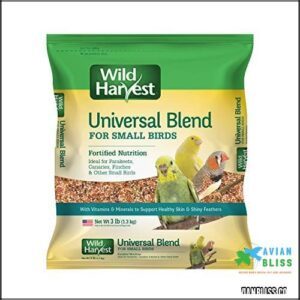
This cherry-flavored formula packs premium seeds, wholesome grains, and fortified vitamins into a 3-pound bag designed for canaries, parakeets, and finches. You’ll provide approximately 14.5% crude protein and 5% crude fat—enough to fuel active metabolism and support healthy plumage.
The blend commonly includes millet, nyjer seed, and canary grass seed alongside ground corn and wheat middlings for energy. At $3.94, it’s budget-friendly and available through major retailers with online ordering. Just remember that larger birds tend to skip the smaller grains entirely.
| Best For | Budget-conscious owners of canaries, parakeets, finches, and other small birds who want a nutrient-rich daily food with essential vitamins and minerals. |
|---|---|
| Brand | Wild Harvest |
| Weight | 3 Pounds |
| Item Form | Seed |
| Flavor | Cherry |
| Target Birds | Canaries, parakeets, finches |
| Vitamins/Minerals | Yes |
| Additional Features |
|
- Great value at $3.94 for a 3-pound bag with fortified vitamins and minerals
- Contains a well-rounded mix of premium seeds, grains, and nutrients that small birds typically enjoy
- Supports overall health including skin, feather condition, and active metabolism
- Not suitable for larger bird species, who tend to ignore the smaller grains
- Some birds may need an adjustment period when switching to this formula
- Individual birds may refuse it based on personal taste preferences or environmental factors
3. Wild Harvest Small Bird Food Blend
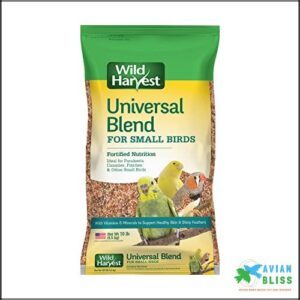
If you’re looking for a larger supply at a better value, the 10-pound Wild Harvest Small Bird Food Blend delivers the same fortified nutrition in granule form. You’ll get vitamins A and D3 for shiny feathers, plus calcium carbonate and dicalcium phosphate to support bone health in breeding birds.
The resealable bag keeps millet, canola seed, and canary grass seed fresh for weeks. At 6.25 x 8.5 x 15 inches, it won’t dominate your storage space but will last considerably longer than smaller packages.
| Best For | Bird owners with multiple small birds or those who want to stock up and save money on a nutritious daily feed. |
|---|---|
| Brand | Wild Harvest |
| Weight | 10 Pounds |
| Item Form | Granule |
| Flavor | Canary |
| Target Birds | Canaries, parakeets, finches |
| Vitamins/Minerals | Yes |
| Additional Features |
|
- 10-pound bag offers great value and lasts longer than smaller packages
- Fortified with vitamins A and D3 for healthy feathers and calcium for strong bones
- Resealable packaging keeps seeds fresh for weeks
- Not suitable for larger bird species
- Requires daily cleaning of food dishes to maintain freshness
- Some birds may be picky and refuse to eat it regardless of quality
4. Kaytee Wild Bird Food Seed Blend
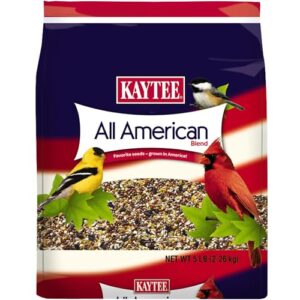
For a budget-friendly option that still brings cardinals, chickadees, and finches to your yard, Kaytee’s 5-pound seed blend combines black oil sunflower with millet and assorted grains. You’ll find it works well in hopper, large tube, and covered fly-through feeders, though you may notice some mess as birds toss aside less-preferred seeds.
The mix includes calcium carbonate for bone health and maintains around 4% crude fat—enough energy for year-round feeding without breaking your budget.
| Best For | Budget-conscious bird lovers who want to attract common backyard species like cardinals, chickadees, and finches without spending a lot. |
|---|---|
| Brand | Not specified |
| Weight | 5 Pounds |
| Item Form | Chunk |
| Flavor | Not specified |
| Target Birds | Wild birds |
| Vitamins/Minerals | Yes |
| Additional Features |
|
- Black oil sunflower seeds draw in a wide variety of popular birds
- Added calcium and vitamins support bird health year-round
- Works in multiple feeder types including hopper, tube, and fly-through designs
- Birds often scatter filler seeds they don’t want, creating ground mess
- May attract squirrels looking for an easy meal
- Needs airtight storage to avoid moth problems
5. Wagner’s Wild Bird Food
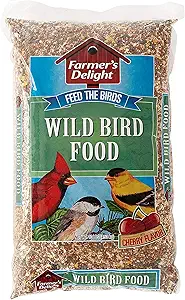
Backed by over a century of bird-feeding know-how, Wagner’s 10-pound Classic blend pairs black oil and striped sunflower seeds with millet, cracked corn, and Milo to draw cardinals, chickadees, and juncos.
For more help choosing the right seed and feeder combination for your yard, check out this seed feeding guide for birds.
You’ll appreciate the cherry-scented formula—though that strong aroma won’t suit everyone—and its versatility in tube, hopper, or platform feeders. The mix delivers solid fat and protein levels for active backyard visitors, but expect squirrels and raccoons to crash the party alongside your feathered friends.
| Best For | Budget-conscious birders who want to attract a variety of species and don’t mind dealing with occasional squirrel visitors. |
|---|---|
| Brand | Wagner’s |
| Weight | 10 pounds |
| Item Form | Seeds |
| Flavor | Cherry |
| Target Birds | Backyard birds |
| Vitamins/Minerals | Not specified |
| Additional Features |
|
- Attracts diverse bird species including cardinals, chickadees, and juncos with its multi-seed blend
- Works in multiple feeder types (tube, hopper, or platform) for setup flexibility
- Century-old brand reputation with quality grains and good nutritional value
- Strong cherry scent may be off-putting to some users
- Attracts unwanted visitors like squirrels, raccoons, and chipmunks
- May require frequent refills due to high bird activity and the 10-pound bag size
6. Wild Harvest Bird Seed Blend
This ten-pound Wild Harvest blend merges white millet, red millet, and canary grass seed with a hint of orange essence to attract cardinals, doves, and house sparrows to your yard.
You’ll find the resealable bag keeps seeds fresh between feedings, while the vitamins and minerals enrich every handful. The granular texture suits tube feeders or cage dishes, though you’ll need to supplement pet birds with fresh greens and protein.
Watch for scattered hulls—small seeds can create tidy messes below feeding stations.
| Best For | Backyard birders wanting to attract a variety of wild birds like cardinals and doves, or owners of parakeets, canaries, and finches looking for an affordable everyday seed blend. |
|---|---|
| Brand | Wild Harvest |
| Weight | 10 Pounds |
| Item Form | Granule |
| Flavor | Orange |
| Target Birds | Parakeets, canaries, finches |
| Vitamins/Minerals | Yes |
| Additional Features |
|
- Ten-pound bag with resealable closure keeps seeds fresh and offers good value for regular feeding
- Orange essence and quality grain mix appeals to multiple bird species both wild and domestic
- Enriched with vitamins and minerals to support bird health as part of a balanced diet
- Seeds create messy hulls and shells that need regular cleanup around feeders or cages
- Not nutritionally complete for pet birds on its own—requires fresh foods and other supplements
- May not work for all bird types or specific dietary needs depending on species and age
7. Living World Millet Spray for Birds
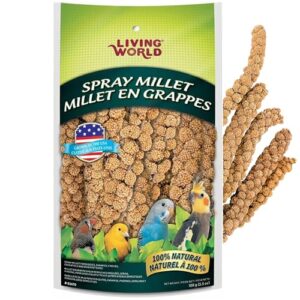
This 3.5-ounce Living World spray hangs inside cages to encourage parakeets, finches, and canaries to peck seeds one by one—just like they’d forage in grasslands. The sun-ripened millet delivers quick carbohydrate energy while staying low in fat, and you won’t find additives or artificial colors hiding in the packaging.
Offer it intermittently as a snack rather than a staple, since balanced diets need protein and greens too. Expect seed husks below the perch, and always check for mites before hanging fresh sprays.
| Best For | Bird owners who want to give parakeets, finches, or canaries a natural foraging treat that keeps them mentally engaged while delivering quick energy. |
|---|---|
| Brand | Wild Harvest |
| Weight | 2 Pounds |
| Item Form | Seed |
| Flavor | Orange |
| Target Birds | Parakeets, canaries, finches |
| Vitamins/Minerals | Yes |
| Additional Features |
|
- Wild-harvested millet offers authentic flavor and essential carbs without artificial additives
- Encourages natural pecking behavior that keeps small birds physically and mentally active
- Works as a versatile reward for training, enrichment, or just plain fun
- Some buyers report poor packaging that risks exposure to insecticides during shipping
- You’ll need to check each spray for mites or other contaminants before hanging
- Should only be an occasional snack since it lacks the protein and greens birds need for balanced nutrition
8. ZuPreem Fruit Blend Bird Pellets
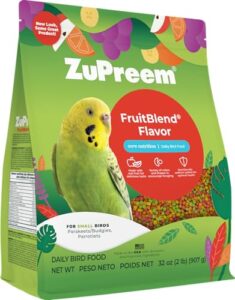
You’ll see parakeets, budgies, and lovebirds tackle these extra-small pellets more willingly when real banana, apple, orange, and grape flavors sweeten each bite.
This 900-gram bag delivers 14 percent crude protein and 4 percent crude fat alongside vitamins A, D3, E, and K—enough to cover daily micronutrient gaps when pellets replace 70 percent of the menu. Expect colorful droppings from natural dyes, and mix in fresh greens to round out fiber intake beyond the 3.5 percent maximum listed.
| Best For | Small-bird owners who want a vet-backed pellet that actually tastes good to picky eaters like parakeets, budgies, and parrotlets. |
|---|---|
| Brand | Living World |
| Weight | 3.5 Ounces |
| Item Form | Spray |
| Flavor | Millet |
| Target Birds | Parakeets, finches, canaries |
| Vitamins/Minerals | Not specified |
| Additional Features |
|
- Real fruit flavors (banana, apple, orange, grape) make fussy birds more likely to eat their pellets instead of tossing them
- Covers essential vitamins A, D3, E, and K plus 14% protein to fill nutritional gaps when pellets make up most of the diet
- Extra-small size works perfectly for tiny beaks and encourages natural foraging behavior
- The 900-gram bag runs out faster than you’d expect for households with multiple birds
- Fruit dyes create bright, strong-smelling droppings that some owners find off-putting
- Some birds refuse to switch from seeds at first, and quality control complaints pop up occasionally
Best Seed Types for Small Birds
Not all seeds are created equal for feeding small birds. The type of seed you choose directly affects which species visit your feeders and how well their nutritional needs are met.
Here’s what you need to know about the five seed types that consistently attract and nourish the widest variety of small bird species.
Hulled Sunflower Seeds for Maximum Nutrition
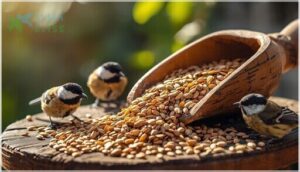
If you want to offer top-tier nutrition in a no-mess package, hulled sunflower seeds deliver about 165 calories per ounce—packed with 14 grams of fat and 5.5 grams of protein. They’re eaten by nearly 90% of species, making them a clear bird preference.
Store your seed in a cool, dry spot for nutrient retention, and watch feeders empty fast thanks to that irresistible energy boost.
Their benefits extend far beyond birds, as vitamin E and selenium antioxidants make sunflower seeds a healthy snack for humans as well.
Black Oil Sunflower Seeds Benefits
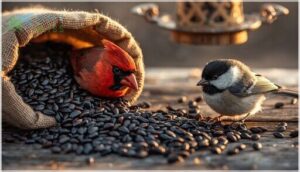
With thin hulls that cardinals and chickadees crack in seconds, black oil sunflower seeds attract over 72% of backyard species. Their energy-dense profile—14 grams of fat and 165 calories per ounce—makes them ideal for year-round feeding strategies.
- Seed storage in airtight containers preserves freshness and prevents rancidity.
- Bird attraction increases when you mix them into birdseed mixes.
- Sunflower nutrition promotes feather growth during breeding season.
- Energy sources sustain thermoregulation in winter months. For additional details on their, consult product sources.
Nyjer Seed for Finches and Sparrows
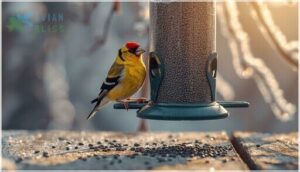
American goldfinches zero in on Nyjer seed—or thistle—thanks to its 40 to 50 percent fat content, which sustains flight and cold-weather activity.
Use specialized finch feeders with small ports to reduce waste, and store your birdseed mixes in cool, dry spaces to prevent mold. Unlike sunflower seeds, Nyjer attracts fewer squirrels, letting you focus on finch nutrition and finch behavior at your bird feeders.
Millet for Ground-Feeding Small Birds
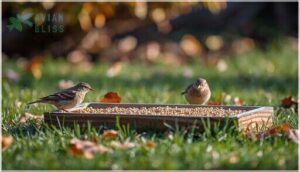
White proso millet draws sparrows and dunnocks, as well as similar ground foragers, with a soft shell that’s easy to crack and high carbohydrate content for cold-weather energy. You can scatter it directly on the ground or use shallow tray feeders to reduce waste. Since millet attracts fewer larger species than sunflower seeds, you’ll notice steady foraging activity throughout the day.
- Scatter millet in a clean, protected area to minimize drift and waste
- Use shallow tray feeders to keep seeds contained and accessible
- Place millet in shaded spots to prevent sun-driven spoilage
- Combine with varied birdseed mixes to avoid seed-specific pickiness
- Refill regularly during peak foraging times to encourage repeat visits
Peanut Hearts as High-Energy Options
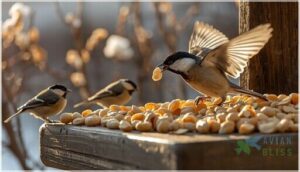
Peanut hearts pack 45 to 50 percent fat and 26 to 30 percent protein, making them energy boosters that support sustained flight and feather growth in chickadees, titmice, and finches.
Each piece weighs just 0.25 to 0.35 grams, so birds can grab multiple servings quickly. You’ll find these high-fat seeds pair well with black oil sunflower hearts in platform or small hopper feeders.
Nutritional Requirements for Small Bird Species
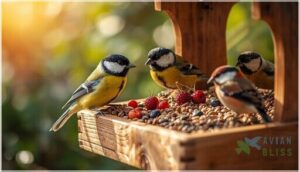
Small birds burn energy fast, so getting their nutrition right isn’t optional—it’s essential for their survival.
The right balance of protein, fat, fiber, and moisture keeps them healthy through molting, migration, and harsh weather. Here’s what your backyard visitors actually need to thrive.
Protein and Fat Content Guidelines
Your small bird’s daily protein needs sit at 14 to 20 percent of calories, with breeding seasons demanding more. Crude protein from hulled sunflower seeds and insects provides amino acid balance essential for feather growth.
Fat energy sources should contribute 8 to 20 percent, supporting compact nutrition. Understanding bird nutrition means monitoring weight and plumage—adjusting seed composition when you notice changes keeps your feathered friends thriving.
Essential Vitamins and Minerals
Vitamin balance powers everything from immune defense to feather health in your backyard visitors. Calcium carbonate strengthens eggshells, while vitamin E and omega-3 fatty acids protect cells from damage.
Key nutrients your small birds need include:
- Vitamin A for vision and mucous membrane health
- Iron supporting oxygen transport and preventing anemia
- Electrolyte management through sodium and potassium for flight stamina
- Lactobacillus acidophilus promoting digestive wellness alongside crude protein
Avian health thrives when mineral supplements complement quality seed blends—consult your veterinarian for species-specific recommendations.
Fiber and Moisture Balance
Proper water balance in birdseed mixes keeps your feathered friends healthy from beak to tail. Fiber digestion relies on adequate seed hydration—hulled sunflower seeds with 10-12% moisture control prevent mold while supporting gut health in finches and chickadees.
Nyjer or thistle blends maintain ideal nutritional value when stored dry, helping small birds extract maximum energy without digestive stress that compromises avian nutrition.
Energy Needs of Active Small Birds
Active songbirds burn fuel fast—a 10-gram chickadee needs 60-80 kilojoules daily just to keep flying and foraging. Flight costs and metabolic rates skyrocket during breeding season, sometimes doubling daily intake.
A 10-gram chickadee burns 60-80 kilojoules daily, with energy demands doubling during breeding season to fuel constant flight and foraging
- Sunflower seeds deliver concentrated fat for energy balance
- Suet provides winter calories when flight costs peak
- Nyjer or thistle fuels finches through demanding migrations
- High-protein blends support caloric demands year-round
Meeting these needs ensures ideal bird nutrition and health.
Choosing The Right Feeder for Small Birds
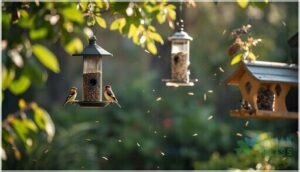
Selecting the right feeder makes all the difference in attracting small birds while keeping seed waste to a minimum. Different species have distinct feeding preferences—some prefer elevated perches, while others forage along the ground.
Here are the most effective feeder types to meet the needs of your backyard’s smallest visitors.
Tube Feeders to Minimize Waste
Tube feeders use carefully spaced ports and internal deflector plates to guide sunflower seeds and birdseed mixes straight to bird beaks, cutting spillage by 40–60%.
Clear polycarbonate tubes let you monitor seed levels, while covered feeding ports keep nyjer or thistle dry during rain.
These feeders enhance bird accessibility through staggered holes that discourage clumping, ensuring your backyard visitors get every nutritious bite without waste.
Tray Feeders for Ground Foragers
Ground foragers like sparrows and juncos prefer eating where their feet feel steady—that’s why tray feeders with fine mesh bases work beautifully. These platforms keep sunflower seeds and birdseed mixes dry while drainage holes shed rainwater, and their 9–12 inch surfaces welcome multiple backyard birds at once.
Key benefits include:
- Minimal seed retention issues with raised lips
- Easy feeder maintenance through removable trays
- Enhanced bird accessibility for natural pecking behavior
- Flexible placement for nyjer or thistle blends
- Reduced ground clutter from scattered hulls
Wire Mesh Feeders for Small Seeds
Wire mesh feeders let finches extract nyjer or thistle without spilling every seed on the ground—mesh openings between 1.6 and 2.5 millimeters keep high-quality birdseed contained while deterring larger competitors. Stainless steel or galvanized wire resists rust, and weekly cleaning prevents mold from compromising small to medium bird food.
| Feature | Specification | Purpose |
|---|---|---|
| Mesh Size Options | 1.6–2.5 mm openings | Controls seed flow, blocks large birds |
| Mesh Material Types | Stainless or galvanized steel | Ensures feeder durability outdoors |
| Port Diameter | 3–5 mm | Allows natural foraging behavior |
| Cleaning Methods | Weekly wipe, quarterly deep clean | Prevents mold in birdseed mixes |
| Seed Compatibility | Nyjer, millet, sunflower seeds | Matches beak size to mesh gauge |
Feeder Placement and Accessibility
Once you’ve chosen your wire mesh feeder, think about where you’ll hang it. Position feeders 5 to 6 inches off the ground so backyard birds like finches can reach birdseed mixes without strain.
Install a predator deterrence baffle 2 to 3 feet below to protect your feeding station. Regular feeder cleaning and smart feeder height improve bird visibility, seed accessibility, and overall feeder management for consistent bird attracting success.
Seasonal Feeding Strategies for Small Birds
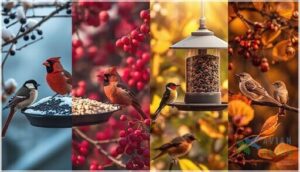
Small birds face different nutritional challenges throughout the year, and your feeding strategy should shift with the seasons. What works in the frozen depths of January won’t serve your feathered visitors well during the sweltering days of July.
Here’s how to adjust your offerings to match nature’s calendar and keep your backyard birds thriving year-round.
Winter High-Energy Foods and Suet
When temperatures drop, small birds burn calories fast just to stay warm. Suet benefits include concentrated fat—delivering 9 calories per gram—that fuels survival through freezing nights.
Pair suet cakes with black oil sunflower seeds and hulled varieties for maximum nutritional value. These high-fat foods and energy sources provide the cold weather nutrition your backyard visitors need when natural resources vanish under snow.
Spring Protein for Breeding Season
As courtship begins, your feathered friends need more than basic seed—they crave Protein Sources that fuel Egg Production and Chick Growth. Switch to Breeding Nutrition blends that combine sunflower seeds with mealworms and protein-enriched suet for enhanced nutritional value.
- Black oil sunflower seeds deliver 20 percent protein during peak nesting
- Freeze-dried mealworms provide digestible animal protein for Nestling Care
- Nyjer seed aids rapid development with fat-rich kernels
This bird nutrition and health strategy ensures parents stay strong while feeding hungry broods.
Summer Feeding and Water Availability
As heat arrives, your backyard visitors need Summer Hydration more than ever—small species can face dehydration in under three hours during heat waves. Shift to lighter sunflower seeds and nyjer for bird food safety, and refresh shallow baths every one to two days for Bird Bath Maintenance. Proper Feeder Placement in partial shade and moving Water Temperature prevent Heat Stress Prevention while preserving nutritional value.
| Water Feature | Heat Stress Prevention | Bird Bath Maintenance |
|---|---|---|
| Shallow basin (0.5–2 in) | Add stones for secure footing | Scrub and refill every 1–2 days |
| Moving dripper or mister | Speeds cooling through bathing | Prevents mosquito breeding |
| Partial shade placement | Slows evaporation and algae | Keeps water cooler longer |
Fall Transition and Seed Blend Changes
By mid-September, Fall Migration drives small birds to seek High Energy fuels—your Seed Blend should shift toward black oil sunflower seeds and peanut hearts so finches and chickadees can double their weight before flight.
Swap filler grains for oil-rich components that match seed preferences and boost nutritional value. Clean feeders every one to two weeks for bird food safety, ensuring Feeder Management aids both migrants and year-round residents through this critical period.
Frequently Asked Questions (FAQs)
What should I feed a small bird?
Think of bird nutrition as a fuel gauge—your small bird needs a balanced diet of seeds, pellets, and fresh foods to meet its dietary needs and stay healthy year-round.
Is there a bird feeder for small birds only?
Yes. Caged feeders with 5-inch mesh openings let chickadees and finches through while blocking larger backyard birds.
Weight sensors and small ports also create effective bird exclusion, giving your small songbirds protected feeding space.
What does the smallest bird eat?
The smallest bird—the bee hummingbird—relies on nectar sources and insect meals for survival.
Nectar delivers quick energy, while tiny aphids and spiders provide essential proteins to fuel their rapid metabolisms.
How often should I clean small bird feeders?
Like clockwork, you should clean seed feeders every two weeks under normal conditions.
During heavy use or wet weather, increase feeder maintenance to weekly—this sanitation tip prevents disease prevention issues and keeps bird health at its best.
Can small birds eat cracked corn safely?
Small birds can eat cracked corn safely in moderation. Choose finely cracked pieces to prevent choking, and combine corn with higher-protein bird seed for complete bird nutrition.
Monitor for mold and refresh feeding guidelines regularly.
What attracts hummingbirds to my backyard feeder?
Hummingbirds spot bright red feeders from impressive distances—over 100 feet—because red signals nectar sources.
Fresh four-to-one sugar water, clean perches, nearby water misters, and native flowering plants create an irresistible habitat combination.
Do bluebirds prefer mealworms over seed blends?
Yes, bluebirds strongly prefer mealworms over seed blends. Their insectivore nature drives them toward protein-rich mealworms—offering around 20% protein—especially during breeding season when nestlings need high-energy insect feeding for rapid growth.
Should I offer suet year-round to small birds?
A stitch in time saves nine applies to suet feeding: offer it year-round using no-melt formulas in shade, but swap to seed alternatives during heat waves to protect feather safety and small bird nutrition.
Conclusion
The tiniest shift in your feeder setup can mean the difference between a silent yard and a vibrant, thriving sanctuary.
By selecting quality bird food for small birds—matched to species needs, seasonal demands, and the right feeder design—you’re not just scattering seeds; you’re sustaining flight, fueling migration, and ensuring the next breed takes wing.
Your backyard becomes more than a feeding station—it becomes a lifeline.