This site is supported by our readers. We may earn a commission, at no cost to you, if you purchase through links.
 Inside a properly set up cage, your bird’s feet shouldn’t face daily hazards—yet cage-related incidents cause nearly half of all tibiotarsal fractures in captive birds. The difference between safe and dangerous often comes down to perch diameter, cage bar spacing, or whether synthetic fibers lurk in nesting material.
You can eliminate most foot injuries before they happen by understanding what puts your bird at risk, recognizing early warning signs like subtle limping or heat on the foot pad, and making simple environmental changes.
This guide covers the specific causes behind common injuries, from bumblefoot to entanglement trauma, and shows you practical prevention strategies alongside first aid techniques you’ll need if problems do arise.
Table Of Contents
- Key Takeaways
- Common Causes of Bird Foot Injuries
- Early Signs of Foot Problems in Birds
- Essential Tips for Preventing Foot Injuries
- Preventing and Managing Bumblefoot
- At-Home First Aid for Bird Foot Injuries
- When to Seek Professional Veterinary Care
- Frequently Asked Questions (FAQs)
- How do you prevent bird foot disease?
- How do you care for a bird with a foot injury?
- How to care for birds’ feet?
- How do you treat a bird leg injury?
- Can a bird recover from a foot injury?
- What should I do if my bird has a foot infection?
- What perch materials are safest for bird feet?
- How often should bird nails be trimmed?
- What cage flooring prevents foot problems best?
- Are certain bird species more prone to injuries?
- Conclusion
Key Takeaways
- Cage entrapment causes 43.82% of tibiotarsal fractures in captive birds, making proper bar spacing and perch placement your most critical prevention strategy against foot trauma.
- Natural wood perches with varying diameters prevent bumblefoot by distributing pressure across different foot surfaces, while uniform dowel perches create focal pressure points that lead to pododermatitis in over 30% of caged parrots.
- Synthetic fibers like fishing line, thread, and human hair cause limb loss or necrosis in up to 12% of nestlings through entanglement that cuts off circulation—removing these materials from cages prevents "string foot" injuries.
- Early detection of foot problems through weekly inspections for limping, heat, redness, or behavioral changes like refusing to perch enables intervention before minor issues escalate into infections requiring antibiotics or surgical treatment.
Common Causes of Bird Foot Injuries
Your bird’s feet face more risks than you might think. From cage setups to household hazards, several factors can lead to injury if you’re not careful. Here’s what puts those delicate toes and tarsometatarsal bones in danger.
Trauma and Accidents
Your bird faces trauma and avian injury risks daily. Cage entrapment causes 43.82% of tibiotarsal fractures, while ceiling collisions and fan injuries account for 14.61% of wing fractures. Understanding these dangers helps you protect your feathered companion from preventable bird foot injuries.
Common trauma sources include:
- Cage entrapment – legs caught between bars or toys
- Ceiling fan incidents – strikes causing femur and wing fractures
- Road accidents – accounting for 3.37% of limb fractures
- Falls and crushes – especially in poorly designed enclosures
Quick first aid and trauma response can save an injured bird’s life. Many birds also suffer from window collision deaths, which can be devastating.
Entanglement Hazards (Strings, Hair, Fishing Line)
Synthetic Fiber Hazards like fishing line, thread, and human hair silently threaten your bird’s mobility and survival. Entanglement in these materials causes limb loss or necrosis in up to 12% of nestlings, while "string foot" remains the leading cause of bird leg injuries in urban settings. Baler twine in agricultural areas acts as a death trap, and rescue centers report rising cases of circulation loss from Pet Bird Entrapment.
Fishing line, thread, and hair strangle birds’ feet—causing limb loss in 12% of nestlings and making string foot the top urban injury
Remove all loose threads, hair, and synthetic fibers from cages and nesting areas to prevent these devastating Entanglement Risks. It’s essential to provide proper emergency wound care to birds that have suffered injuries from these hazards.
Environmental Risks (Windows, Household Pets)
Your home harbors hidden dangers that can injure your bird’s feet in seconds. Window collisions contribute to 17% of non-lethal bird injuries, while household pets cause up to 20% of avian emergency visits—often resulting in severe bite wounds. Birds exposed to cats without proper pet safety measures face a 1.6 times higher limb fracture risk.
Hazardous floors, unsecured furniture, and outdoor dangers create additional urban threats. Implement birdproofing solutions like window decals and supervised interaction to protect your companion.
Poor Cage Setup and Perches
While outdoor threats pose immediate dangers, your cage environment creates chronic foot problems through seemingly innocent design choices. Uniformly sized dowel perches generate excessive pressure points—leading to pododermatitis in over 30% of caged parrots. Here’s what undermines proper perching and bird foot health:
- Perch Material: Wooden dowels of one diameter concentrate pressure; natural branches with varied thickness provide essential foot support
- Substrate Quality: Dirty perches caked with feces increase infection risk by 67%
- Cage Size: Cramped spaces limit movement, forcing prolonged static pressure on foot pads
- Perch Placement: Positioning perches over food or water bowls contaminates surfaces
- Perch Design: Hard artificial substrates cause 100% prevalence of papillomatous growths and 70% fissure rates within six months
Your cage environment directly shapes foot care outcomes through these controllable factors.
Early Signs of Foot Problems in Birds
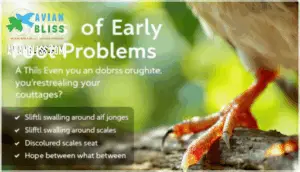
Catching foot problems early can make all the difference in your bird’s recovery and comfort. Your bird’s feet tell a story—you just need to know how to read the signs.
Here are the key symptoms that signal something’s wrong.
Limping or Favoring One Leg
When your bird starts shifting its weight like a tightrope walker, constantly adjusting for balance, you’re witnessing one of the earliest red flags that something’s wrong with its foot or leg. Limping signals underlying issues ranging from muscle strains and leg fractures to joint infections or nerve damage.
You’ll notice your bird refusing to grip certain perches or holding one foot tucked against its body. Don’t dismiss these bird leg problems as minor—bone deformities and foot problems often start with subtle favoritism before escalating into serious injuries.
Swelling, Redness, or Sores
Visible tissue damage demands immediate attention. Early-stage foot infections in birds often start with subtle pink discoloration around the toes before progressing to painful ulcers requiring intensive wound care.
Watch for these warning signs:
- Firm swelling on the footpad with dark scabs or purulent discharge
- Red or inflamed skin on weight-bearing surfaces, signaling pododermatitis
- Open sores or skin lesions that expose underlying structures
Left unchecked, these symptoms escalate from surface irritation to deep infections threatening bone and tendons.
Abnormal Behavior (Foot Chewing, Self-Mutilation)
Self-directed aggression toward the feet reveals an underlying problem that won’t resolve without intervention. Bird foot chewing signals nerve damage, pain, infection, or stress factors that demand immediate attention from an avian vet. African Greys, Cockatoos, and Amazons most frequently display these self-mutilation behaviors, which can escalate to severe wounds within hours.
| Trigger Category | Common Examples |
|---|---|
| Medical Causes | Nerve damage, mites, fungal infections |
| Pain Sources | Bumblefoot, fractures, entanglement injuries |
| Stress Factors | Cage changes, isolation, inadequate enrichment |
| Nutritional Issues | Vitamin A deficiency, mineral imbalances |
| Environmental | Poor perch variety, chronic boredom |
Behavioral therapy combined with medical treatment tackles both symptom and cause—don’t wait for self-mutilation to become life-threatening.
Changes in Perching or Activity Level
A bird that suddenly spends more time on the cage floor or refuses to grip its favorite perch is waving a red flag that something’s wrong with its feet. Healthy birds constantly shift weight between feet and maintain an upright posture on varied perches.
Watch for these activity changes:
- Decreased climbing or playtime despite normal appetite
- Reluctance to move between perches of different diameters
- Sitting flat-footed instead of gripping with curved toes
These perch preferences and posture shifts often precede visible swelling, making activity monitoring essential for early detection of foot injuries requiring avian veterinary care.
Essential Tips for Preventing Foot Injuries
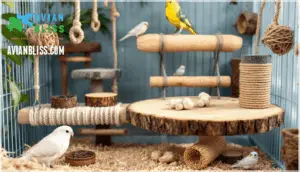
Most foot injuries are preventable with the right setup and daily habits. A few simple changes to your bird’s environment can keep their feet healthy and reduce the risk of trauma, infection, or chronic conditions like bumblefoot. Here’s what you need to focus on.
Choosing Proper Perches
Your bird’s perches are like the foundation of a house—if they’re wrong, everything else starts to crumble. Mix different perch materials and diameters to promote natural foot movement and prevent pressure sores that compromise avian health.
Position proper perches at different heights in your cage layout so your bird can choose based on activity level and comfort needs.
| Perch Material | Foot Support Benefits |
|---|---|
| Natural wood branches | Varying diameter exercises foot muscles, promotes bird comfort |
| Rope perches | Soft texture reduces pressure points, aids foot health |
| Concrete/sandy perches | Natural nail trimming (use sparingly to avoid abrasion) |
| Dowel perches | Avoid as primary option—uniform size causes repetitive stress |
| Therapeutic perches | Designed for bird foot health recovery and bumblefoot prevention |
Maintaining Cage Hygiene
Think of cage hygiene as infection control—dirty perches and droppings create the perfect breeding ground for bacteria that turn minor abrasions into serious foot infections.
Clean perches and food dishes daily with birdsafe materials, replace soft bedding weekly, and guarantee fresh clean water twice daily.
Disinfecting toys monthly and proper waste management directly support preventing bird foot injuries while promoting overall feather care and hygiene.
Preventing Entanglement and Household Dangers
Beyond keeping the cage floor spotless, loose threads and everyday household items pose a hidden threat—birds can get tangled in string, hair, fishing line, or even fabric loops, cutting off circulation and causing severe foot trauma.
Birdproofing your home requires thorough hazard removal:
- Inspect toys and perches weekly for frayed rope or loose threads that risk preventing entanglement hazards
- Secure electrical cords through proper cord management to prevent chewing and entanglement
- Apply window safety decals spaced 2 inches apart to minimize traumatic injury from collisions
Pet proofing protects your bird from toxic substances and household pet safety concerns.
Regular Nail and Beak Care
Overgrown nails don’t just scratch you—they alter your bird’s grip, shift pressure onto vulnerable joints, and can even curl into the footpad, creating painful wounds and infection risks. Regular nail trimming and beak shaping prevent these complications while supporting natural perching behavior.
Proper claw maintenance protects bird foot health and prevents self-inflicted trauma from overgrown nails.
| Care Task | Frequency |
|---|---|
| Nail trimming | Every 4-8 weeks |
| Beak inspection | Weekly |
| Footpad check | Weekly |
| Perch rotation | Monthly |
| Vet grooming review | Annually |
Ensuring Safe Exercise and Play
While trimmed nails keep your bird’s feet healthy on the perch, what happens during free-flight time and out-of-cage play can determine whether those feet stay injury-free or end up needing first aid.
Rotate toys weekly to encourage varied foot movement and grip patterns—environmental enrichment promotes bird foot health while preventing repetitive stress.
Design your play area with safe perching options at multiple heights, avoiding hard landings that compress delicate joints.
Supervised exercise routines with social interaction keep your bird engaged, reducing boredom-driven behaviors that threaten foot integrity.
Preventing and Managing Bumblefoot
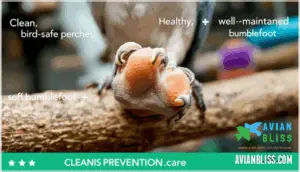
Bumblefoot isn’t just a cute name—it’s a serious condition that can cause real pain and lasting damage to your bird’s feet. The good news is that you have more control over prevention than you might think.
Let’s walk through what puts your bird at risk, how to catch problems early, and what changes you can make to keep those little feet healthy.
Causes and Risk Factors
Pressure sores in birds don’t happen overnight—they build up when avoidable stressors stack against your bird’s foot health. Bumblefoot develops most commonly from three interconnected causes:
- Poor Perching: Using identical-diameter dowels creates focal pressure points; 83% of bumblefoot cases involve birds housed exclusively on uniform plastic or wooden perches.
- Nutritional Deficiencies: Vitamin A deficiency appears in 37% of chronic pododermatitis cases, while obesity increases pressure sore prevalence to 72%.
- Environmental Hazards: Dirty or wet perches contribute to 64% of diagnosed foot infections in birds, turning minor irritation into full-blown infection.
Recognizing Early Symptoms
Catching bumblefoot early means watching for subtle changes that most bird owners overlook in their daily routines. Check for subtle redness or heat during foot inspection, especially on the plantar surface where pressure concentrates.
Behavioral changes like reluctance to perch or shifted weight distribution signal pain assessment needs. Early detection catches swelling signs before abscesses form—look for thickened skin, scaly patches, or small dark spots indicating early injury detection of bird foot problems.
Perch and Diet Recommendations
Your bird’s foundation for healthy feet starts with the right perches—natural wood branches with varying diameters between 1/2 inch and 1 inch give toes proper exercise and prevent the constant pressure that triggers bumblefoot. A balanced diet rich in vitamin A addresses nutritional deficiencies that weaken skin integrity.
- Rope perches offer variety but require weekly inspection for fraying that causes entanglement
- Fresh vegetables like carrots and sweet potatoes deliver essential nutrients for foot health
- Strategically arranged cage layout encourages foot exercises through climbing and movement
Proper perches combined with diet supplements create preventative measures against bird foot problems.
Hygiene and Environmental Modifications
Clean cage floors daily to eliminate bacteria-laden droppings that create breeding grounds for foot infections, and watch for subtle environmental stressors like temperature extremes or wire flooring that compromise your bird’s delicate foot health.
Floor sanitizing with bird-safe cleaners protects against pathogens, while humidity control between 40-60% prevents dry, cracked skin.
Switch perch materials regularly during cage cleaning routines—stainless steel and natural wood respond differently to sanitizing methods that support bird health and environmental sustainability within your bird habitat.
At-Home First Aid for Bird Foot Injuries
When your bird suffers a foot injury, quick and calm action can prevent complications and ease their discomfort. Knowing how to safely manage your bird, clean wounds, and provide temporary support makes you their first line of defense before veterinary care.
Here’s what you need in your at-home bird first aid toolkit and how to use it.
Safe Handling and Restraint Techniques
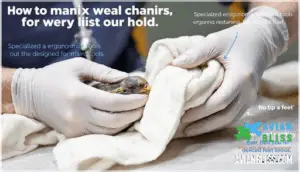
Before you can help an injured bird, you’ll need to safely secure it without causing additional stress or harm—and the right restraint technique makes all the difference between calm cooperation and panic-driven struggle.
Use gentle wrapping with a soft towel to create a calming cocoon around the injured bird while supporting its body.
Protective gloves shield you while specialized restraint tools provide safe control, guaranteeing stress management throughout your gentle interaction with birds focused on bird foot health and bird safety measures.
Cleaning and Bandaging Wounds
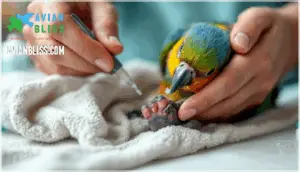
Once you’ve safely restrained your injured bird, the next critical step is cleaning any wounds properly. Even a small cut can spiral into a dangerous infection if bacteria take root.
Use sterile saline or diluted chlorhexidine as cleaning solutions to gently flush debris from the wound. Pat dry with clean gauze, apply a thin layer of antibiotic ointment, then secure with appropriate bandages—avoiding tight wraps that restrict circulation while maintaining adequate infection control.
Temporary Splinting and Support
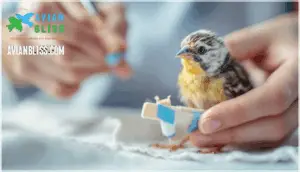
If you suspect a fracture or dislocation, improvised splinting can stabilize the injury until you reach veterinary care—but poor technique does more harm than good.
Use rigid splinting materials like popsicle sticks or clean straws, secured with medical tape or elastic bandages. Position the splint to support the natural foot alignment without cutting off circulation.
Check for swelling or discoloration every hour and loosen bandages if needed.
Managing Bleeding and Infection Risk
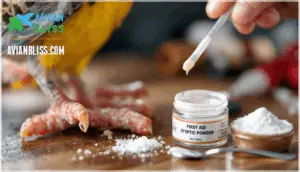
Even a minor cut can become a serious problem fast if bacteria invade the wound—so stopping blood flow and keeping the area clean are your two non-negotiables. Apply cornstarch or styptic powder to active bleeding sites, then gently clean with diluted antiseptic or saline solution.
Watch for infection signs like increased swelling, pus, or foul odor. Preventative bandaging protects the wound from further contamination during first aid and early recovery.
Creating a Calm Recovery Environment
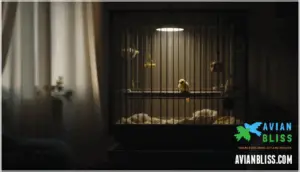
After you’ve tackled the immediate wound care, your bird needs a stress-free space where healing can actually happen—and that means rethinking their usual setup for a few days. Lower the cage into a quiet space with dim lighting, and limit interaction to absolute necessities. Here’s what creates a supportive recovery environment:
- Quiet space away from household traffic and noise
- Dim lighting to promote rest and reduce stress
- Minimal interaction—only for medication or essential care
- Familiar items like favorite toys or perches at lower heights
- Reduce stress by maintaining consistent routines and temperature
Confinement helps prevent re-injury while your bird regains strength.
When to Seek Professional Veterinary Care
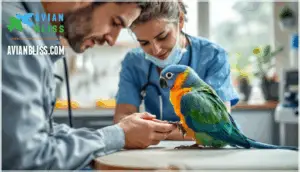
You can address minor foot issues at home, but some injuries need immediate professional attention. Knowing when to call an avian vet can mean the difference between a quick recovery and serious complications.
Let’s look at the warning signs that tell you it’s time to seek expert care.
Signs of Severe Injury or Infection
How do you know when home care isn’t enough? Open wounds exposing bone or tendon demand urgent veterinary attention—these are clinical red flags that cannot wait. Systemic signs like lethargy, labored breathing, or reduced appetite suggest the infection has spread beyond the foot. Behavioral changes, including severe limping, hunched posture, or refusal to perch, signal deep tissue damage requiring professional diagnosis.
Early detection saves lives—multiple concurrent symptoms like limping plus appetite loss generally indicate systemic distress.
| Visible Indicators | What to Watch For |
|---|---|
| Wound severity | Exposed bone, tendon, or purulent discharge |
| Tissue changes | Necrotic tissue, hardened scabs, marked heat and swelling |
| Infection spread | Fluffed feathers, weakness, or sitting on cage floor |
| Pain signals | Complete reluctance to stand, continuous foot preening |
Escalating or Persistent Symptoms
When symptoms don’t improve within 24 to 48 hours of home treatment, or if you notice gradual worsening despite your care efforts, it’s time to escalate to professional intervention. Increased chewing, spreading infection, mobility decline, or wound non-healing signal complications that require veterinary care.
Behavioral changes like prolonged inactivity or refusal to eat indicate pain management needs—early detection promotes longterm complications and proper diagnosis.
Emergency Response Steps
Act fast when your bird shows signs of acute distress—severe bleeding, shock symptoms like panting or lethargy, or complete loss of leg function demand immediate transport to an emergency avian clinic.
While en route, apply safe topical wound control with cornstarch for bleeding, wrap your bird gently in a warm towel for stabilizing foot and leg injuries, and avoid splint application unless trained—improper emergency treatment can worsen fractures and compromise circulation.
Working With Avian Vets and Rehabilitators
Finding the right avian specialist isn’t just about credentials on the wall—it’s about building a partnership with someone who understands your bird’s unique anatomy, species-specific needs, and the subtle signs that separate a minor sprain from a career-ending fracture. When searching for avian veterinary care, prioritize clinics with board-certified specialists in veterinary medicine and emergency protocols.
Consider these essentials when selecting care:
- Ask your avian vet about referrals to trusted wildlife rehabilitators for complex injuries
- Research transport methods before emergency strikes—proper carriers prevent further trauma
- Discuss cost considerations and follow-up care upfront to avoid surprises during treatment
Establish this relationship before a crisis hits, so you’re not scrambling to find an emergency vet when seconds count.
Frequently Asked Questions (FAQs)
How do you prevent bird foot disease?
You want your bird’s feet healthy and strong—not cracked, swollen, or infected.
Regular checkups, proper perch hygiene, a balanced diet, early detection of problems, and safe exercise benefits go a long way in preventing bird foot injuries and keeping your feathered friend comfortable.
How do you care for a bird with a foot injury?
Your injured bird needs immediate wound care and infection control. Gently clean the wound with a saline solution. Apply cornstarch to stop bleeding.
Provide cage modifications to support healing, such as lowering perches and adding soft padding.
How to care for birds’ feet?
Bird foot health starts with proper perches—varied textures and diameters prevent pressure sores and maintain good hygiene.
Regular nail trimming, recognizing problems early, and providing a balanced diet with adequate vitamin A keep feet strong and functional.
How do you treat a bird leg injury?
Leg injuries in birds—from fractures to sprains—require immediate assessment by an avian vet for accurate diagnosis.
Treatment may include splinting techniques, bandages, pain management medications, infection control antibiotics, and supportive care during recovery.
Can a bird recover from a foot injury?
Yes, birds can recover from foot injuries with proper care. Recovery factors include injury severity and treatment impact—minor lacerations heal well, while fractures require longer rehabilitation.
Supportive recovery through avian veterinary care and first aid techniques for birds greatly improves long-term prognosis, often enabling full recovery when addressed promptly.
What should I do if my bird has a foot infection?
If your bird shows signs of foot infection—redness, swelling, warmth, discharge, or foul odor—schedule veterinary care immediately. Infections often signal bumblefoot or deeper tissue damage requiring antibiotics.
Meanwhile, maintain cage hygiene and minimize perch pressure to prevent recurrence.
What perch materials are safest for bird feet?
Natural wood perches with varying diameters offer the best option for healthy feet—think manzanita or dragon wood that mimics wild branches. Rope perches work well if frayed ends are trimmed regularly to prevent entanglement.
Avoid sandpaper perches, wire floors, and concrete perches, which cause abrasions and pododermatitis (Bumblefoot). Skip toxic materials and heated perches that risk burns.
How often should bird nails be trimmed?
Most birds need nail trimming every 6 to 12 weeks, though frequency varies by species, activity level, and perch types.
Overgrown nail risks include snagging, bleeding, and difficulty perching—recognizing trim needs early prevents bumblefoot and maintains good hygiene.
What cage flooring prevents foot problems best?
Paper towels or clean newspaper work like a soft cushion, distributing pressure evenly and preventing bumblefoot.
Change bedding daily—maintaining good hygiene keeps bacteria at bay and protects your bird’s delicate feet from sores.
Are certain bird species more prone to injuries?
Some species face higher injury risks due to genetic predispositions and lifestyle influences. Parrots—especially African Greys, Cockatoos, and Amazons—develop leg deformities and self-mutilation behaviors more frequently.
Captivity risks and environmental adaptation challenges further complicate bird health and wellness across different species.
Conclusion
Your bird relies on you to build a world where its feet never meet a loose thread, an infection-prone perch, or a cage bar spaced just wide enough to trap a toe.
Watch for limping, inspect perches weekly, and keep synthetic fibers out of reach—these habits form your first line of defense.
When injury strikes despite your vigilance, swift first aid and veterinary guidance can mean the difference between full recovery and permanent disability.
Master bird foot injury prevention now, and you’ll spare your companion years of unnecessary pain.
- https://aav.org/
- https://www.drexotic.com/pain-and-the-avian-patient/
- http://www.omagdigital.com/article/Toss+in+Some+Turmeric/2457141/0/article.html
- https://www.veterinarypaper.com/pdf/2023/vol8issue6/PartD/8-6-20-883.pdf
- https://now.fordham.edu/science/bird-deaths-from-window-collisions-are-undercounted-researcher-says/