This site is supported by our readers. We may earn a commission, at no cost to you, if you purchase through links.
 If you’re searching for a bird fungal infection diagnosis guide, you’ll want to watch for signs like labored breathing, weight loss, or odd changes in droppings.
Vets usually use radiographs, CT scans, endoscopy, and sometimes a biopsy to spot the culprit.
Blood tests and cultures help confirm which fungus is at play.
Treatment often means antifungal meds, better airflow, and, in tough cases, surgery to clear blocked airways.
Think of it as detective work—every clue helps your bird breathe easier.
Stick around to learn which birds are most at risk and how a few simple changes can keep your flock healthy.
Table Of Contents
- Key Takeaways
- Bird Fungal Infections
- Fungal Disease Transmission
- Respiratory System Impact
- Treatment and Management
- Prevention and Control
- Frequently Asked Questions (FAQs)
- What are the most common fungal diseases in birds?
- How does fungus affect a bird’s respiratory system?
- Do companion birds have fungal diseases?
- How do you know if a bird has a brain fungus?
- How do you get rid of fungus in birds?
- How do I know if my bird has a fungal infection?
- How do you diagnose a fungal infection?
- How do you diagnose avian candidiasis?
- What is the most common diagnostic method for identifying fungal infections?
- Can blood tests detect all types of fungal infections?
- Conclusion
Key Takeaways
- Watch for signs like labored breathing, weight loss, and changes in droppings to spot a possible fungal infection early.
- Work with your vet for diagnosis using exams, blood tests, imaging, and cultures to pinpoint the exact fungus.
- Treat infections with antifungal meds, better airflow, and sometimes surgery, while supporting your bird with clean living and reduced stress.
- Prevent future problems by keeping cages clean, improving ventilation, and feeding a balanced, nutritious diet.
Bird Fungal Infections
You’ll find that fungal infections in birds, like aspergillosis and candidiasis, often start when your bird inhales spores from contaminated environments or faces stress and poor hygiene.
Fungal infections sneak in when birds breathe contaminated air or face stress and dirty living spaces.
These diseases cause a range of respiratory and digestive problems, making early recognition and proper care critical for your bird’s health.
Aspergillosis Causes and Symptoms
Aspergillosis in birds stems from inhaling fungal species like Aspergillus spp, especially in dusty nest boxes or moldy foods.
These spores sneak past defenses, causing respiratory infection birds can’t shake easily.
Acute aspergillosis comes on fast, while chronic progression brings vague fungal infection symptoms, such as immune suppression, tail bobbing, lethargy, and fluffed-up feathers, often fooling even seasoned bird owners.
This condition is particularly common in captive bird populations.
Candidiasis and Macrorrhabdus Ornithogaster
While respiratory infections grab attention, don’t overlook digestive threats like candidiasis and Macrorrhabdus ornithogaster.
Candida Symptoms—regurgitation, crop stasis, and white plaques—signal trouble, especially in young birds.
Megabacteria Impact from Macrorrhabdus causes chronic weight loss and undigested food.
Diagnosis Challenges abound, but early detection and Treatment Options like nystatin or amphotericin B can improve outcomes.
- Candida Symptoms: regurgitation, crop stasis, white plaques
- Juvenile Susceptibility: young birds at higher risk
- Megabacteria Impact: chronic weight loss, vomiting
- Diagnosis Challenges: requires crop swabs or fecal tests
Risk Factors and Predisposed Species
Even the healthiest birds can face trouble when risk factors like Environmental Exposure, Immune Suppression, and Dietary Deficiencies align.
Species Susceptibility is key—parrot species such as African Greys, macaws, and amazons are more prone due to Genetic Predisposition.
Young birds, poor diets, moldy bedding, and crowded cages all boost fungal infection risks, so vigilance is essential.
Some birds may develop aspergillosis fungal infections if their immune system is compromised.
Fungal Disease Transmission
You’ll find that most bird fungal diseases spread when your bird inhales airborne spores from contaminated soil, bedding, or food, especially in environments with poor ventilation or high humidity.
It’s important to understand that these infections aren’t contagious between birds but thrive when hygiene lapses or stress weakens your bird’s immune system.
Aspergillus Spores and Contagion
When you’re dealing with bird fungal infections, understanding how Aspergillus spp spreads is key.
Fungal spores show impressive Spore Resistance and Environmental Persistence, making Inhalation Risk high, especially around decomposing organic matter.
Watch for these main points:
- Spores are everywhere—air, soil, food.
- Transmission rates rise with poor hygiene.
- Species Susceptibility varies, depending on Immune Response.
Environmental Factors and Stress
Environmental conditions can tip the scales toward illness in birds.
High stress, poor husbandry methods, and nutritional deficiencies weaken immune defenses, making fungal infections more likely.
Stress reduction, balanced diet impact, and attention to environmental contaminants are key.
Immunosuppression from chronic stress or improper care increases vulnerability.
Prioritize Hygiene Practices and Ventilation Quality to keep your bird’s defenses strong against fungal threats.
Poor Hygiene and Ventilation
Neglecting Cage Cleaning and Waste Removal lets dust, droppings, and old food pile up, turning your bird environment into a fungal spore playground.
Poor bird ventilation and Air Quality allow spores to thrive, while Dust Control and Mold Prevention get overlooked.
Proper ventilation can help with reducing humidity issues.
Staying on top of bird hygiene and airflow helps stop bird fungal infection before it takes root.
Respiratory System Impact
When your bird inhales fungal spores, these organisms can settle in both the upper and lower parts of the respiratory tract, causing inflammation and infection.
You’ll notice signs like labored breathing, nasal discharge, and even pneumonia as the infection progresses through the lungs and air sacs.
Upper Respiratory Tract Infections
You’ll often notice bird infection signs like nasal discharge, facial swelling, or sneezing when a bird fungal infection targets the upper respiratory tract.
Sinus infections, tracheal issues, and ocular infections are common, especially with avian aspergillosis.
Watch for changes in breathing, watery eyes, or crusty nostrils—these early clues help you catch bird respiratory disease before it worsens.
Maintaining a clean environment can help prevent parrot respiratory problems, which is a key factor in managing parrot health.
Lower Respiratory Tract Infections
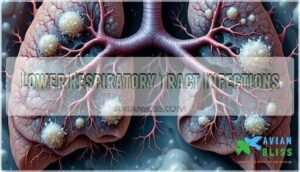
Your bird’s lower respiratory tract faces serious threats when Aspergillus fumigatus invades the lungs and air sacs.
This fungal invasion causes pneumonia and air sacculitis, particularly affecting susceptible species like African Greys and Amazons.
Chronic effects develop slowly, making avian aspergillosis challenging to diagnose early in bird respiratory disease cases requiring specialized avian fungal diagnosis.
Air Sacculitis and Pneumonia
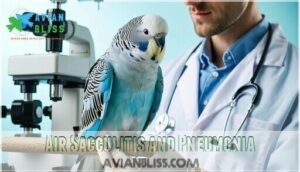
When your bird develops air sacculitis, you’ll notice severe respiratory distress as fungal lung damage spreads throughout delicate air sacs.
Pneumonia diagnosis requires immediate veterinary attention since avian aspergillosis causes rapid air sac inflammation.
This bird respiratory disease creates life-threatening infection severity that demands swift avian fungal diagnosis and treatment intervention.
Treatment and Management
When your bird faces a fungal infection, you’ll need a combination of antifungal medications, possible surgery, and supportive care to address the illness effectively.
Fighting bird fungal infections means combining antifungal meds, expert care, and a clean, stress-free environment for recovery.
Managing these infections also requires ongoing lifestyle changes, including improved hygiene and environmental adjustments, to prevent recurrence and support your bird’s recovery.
Antifungal Medications and Surgery

Once respiratory issues point toward fungal disease, antifungal medication becomes your mainstay.
Options like itraconazole, voriconazole, or amphotericin B target tough infections, but watch for Medication Side Effects and Antifungal Resistance.
Treatment Duration can stretch to months.
To find the correct treatment, research bird medications online.
When Plaque Removal is needed, surgical laparoscopy or direct surgical removal carries Surgical Risks, so an experienced avian vet is a must.
Supportive Care and Hospitalization
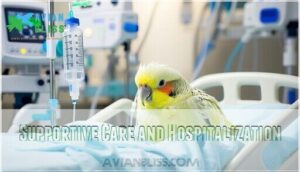
If your bird battles a fungal infection, supportive care and hospitalization can make all the difference.
Here’s what to expect:
- Oxygen Therapy and Fluid Therapy for breathing and hydration
- Nutritional Support, including forcefeeding if needed
- Anti-inflammatories to ease swelling
- Quarantine Protocols to limit spread
These steps, guided by your vet, boost recovery and comfort.
Lifestyle Changes and Prevention

To keep fungal infections at bay, focus on bird fungal prevention by combining good hygiene practices, regular cage cleaning, and a clean environment.
Reduce stress with low-stress environments and steady routines. Improve ventilation to cut down spore buildup.
Feed a healthy diet rich in nutrition, and check that bedding stays dry.
Using personal protective equipment is also essential when handling potentially infected birds. These practical steps strengthen your bird’s defenses.
Prevention and Control
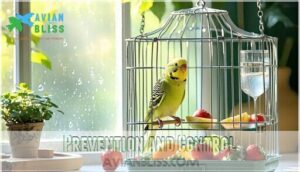
You can prevent most fungal infections in your bird by maintaining excellent cage hygiene and ensuring proper ventilation in their living space.
Creating a stress-free environment with fresh food, clean water, and regular health checkups forms the foundation of effective fungal disease prevention.
Proper Avian Husbandry and Hygiene
After addressing treatment options, it’s time to focus on avian husbandry and bird hygiene practices.
Daily cage cleaning, proper bedding management, and spotless food storage are your first lines of defense. Always use fresh water, clean dishes, and monitor water quality.
Maintaining a clean environment also necessitates using a suitable cage cleaner regularly.
Prioritize nutrition by offering varied, unspoiled foods. These steps, paired with vigilant hygiene, keep fungal infections at bay, ensuring a clean environment is a key part of bird hygiene practices.
Reducing Stress and Improving Ventilation
Focus on Stress Reduction by minimizing sudden changes and loud noises, as birds thrive on routine.
Invest in effective Ventilation Systems to improve Air Quality—stale, humid air encourages fungal growth.
Good Hygiene Practices and Environmental Control, like regular cleaning and monitoring, help prevent bird fungal infection.
Prioritizing avian health through prevention and proper ventilation keeps stress low and infections at bay.
Healthy Diet and Environment
Why does bird nutrition matter so much? A balanced diet boosts Nutritional Immunity, helping your bird fight off fungal infections.
Always provide Fresh Food and clean water. Prioritize bird husbandry by maintaining a Clean Environment and proper hygiene.
Stress Reduction and Ventilation Importance go hand in hand—less bird stress and better airflow make fungal diseases less likely to take root. A varied diet requires high quality birdseed to guarantee proper nutrition.
Frequently Asked Questions (FAQs)
What are the most common fungal diseases in birds?
An ounce of prevention is worth a pound of cure.
You’ll most often see aspergillosis, candidiasis, and Macrorrhabdus ornithogaster infections in pet birds.
These fungal diseases mainly attack the respiratory or digestive systems, causing chronic or acute illness.
How does fungus affect a bird’s respiratory system?
When a fungus like Aspergillus invades, it clogs your bird’s lungs and air sacs with spores, making breathing tough.
You’ll notice labored breathing, tail bobbing, and fatigue as oxygen struggles to reach their bloodstream.
Do companion birds have fungal diseases?
Yes, companion birds can get fungal diseases like aspergillosis and candidiasis.
You’ll notice vague signs—trouble breathing, weight loss, or fluffed feathers.
These infections aren’t contagious but thrive in poor hygiene, stress, or immune suppression.
How do you know if a bird has a brain fungus?
Like a storm cloud shadowing the mind, a brain fungus in birds may cause seizures, head tilting, circling, or sudden behavior changes.
If you spot these signs, seek a vet’s help immediately for diagnosis and treatment.
How do you get rid of fungus in birds?
You’ll need a vet to prescribe antifungal medications like itraconazole or voriconazole, sometimes paired with surgery to remove fungal plaques.
Clean the cage, improve ventilation, and reduce stress to help your bird recover and stay healthy.
How do I know if my bird has a fungal infection?
Watch for signs like weight loss, fluffed feathers, tail bobbing, trouble breathing, or nasal discharge.
If your bird seems unusually tired or stops eating, it’s time to call your avian vet for a checkup.
How do you diagnose a fungal infection?
Catching a fungal infection is like finding a needle in a haystack—you’ll work with your vet for exams, bloodwork, X-rays, endoscopy, and cultures.
These tests help pinpoint the fungus and guide targeted treatment for your bird.
How do you diagnose avian candidiasis?
To diagnose avian candidiasis, your vet examines clinical signs like white plaques in the mouth or crop.
Then confirms with a microscopic exam, culture, or PCR test of swabs or tissue samples.
Early, accurate diagnosis is essential.
What is the most common diagnostic method for identifying fungal infections?
The most common way to spot fungal infections in birds is by combining lab tests like cultures or PCR with imaging, such as X-rays or endoscopy.
These methods help your vet see and sample suspicious lesions directly, which can be a complete approach to diagnosing fungal infections.
Can blood tests detect all types of fungal infections?
Roughly 60% of fungal infections can show up in blood tests, but not all types are detectable this way.
You’ll often need additional tests—like cultures or imaging—to catch those sneaky fungi hiding elsewhere in the body.
Conclusion
Watch for symptoms, seek early diagnosis, and follow treatment steps—these actions are key in any bird fungal infection diagnosis guide.
By understanding risks, recognizing warning signs, and working with your vet, you’ll help your birds recover faster and stay healthier.
Use regular hygiene, guarantee good ventilation, and provide proper nutrition to reduce future risks.
With careful observation and quick action, you can spot problems early and give your flock the best chance at a full recovery by taking these steps to ensure their health and well-being.
- https://www.birdexoticsvet.com/how-to-care-for-a-parrot
- https://www.facebook.com/share/p/17tSzhCRbW/
- https://www.msdvetmanual.com/poultry/aspergillosis/aspergillosis-in-poultry
- https://todaysveterinarypractice.com/exotic-medicine/avian-aspergillosis/
- https://www.merckvetmanual.com/exotic-and-laboratory-animals/pet-birds/mycotic-diseases-of-pet-birds