This site is supported by our readers. We may earn a commission, at no cost to you, if you purchase through links.
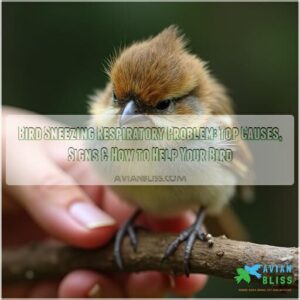 When your bird’s sneezing signals a respiratory problem, you’re dealing with something that needs immediate attention.
Bird sneezing respiratory problems often stem from infections like aspergillosis or bacterial pneumonia, environmental irritants, or poor air quality.
You’ll notice tail bobbing, open-mouth breathing, discharge from eyes or nostrils, and changes in vocalization.
Stress, dusty conditions, and exposure to cooking fumes can trigger these issues.
Quick action matters because birds hide illness well, and respiratory distress escalates rapidly.
Understanding the specific causes and recognizing early warning signs can make the difference between a minor issue and a life-threatening emergency.
Table Of Contents
- Key Takeaways
- Bird Respiratory Problems
- Respiratory Disease Diagnosis
- Treating Bird Respiratory Issues
- Preventing Respiratory Problems
- Bird Sneezing Causes
- Environmental Factors
- Respiratory Infection Signs
- Species Specific Risks
- Managing Respiratory Health
- Frequently Asked Questions (FAQs)
- Why do birds sneeze a lot?
- Why is my bird breathing so much?
- What are the symptoms of respiratory infections in birds?
- What causes sneezing in budgies and finches?
- Do birds have respiratory infections?
- How do you know if a bird has a breathing problem?
- How do you know if your bird has a respiratory infection?
- How do you treat a bird with respiratory problems?
- Can birds recover from aspergillosis?
- What deficiency causes respiratory issues in birds?
- Conclusion
Key Takeaways
- Don’t ignore sneezing or breathing changes in your bird—these often signal a serious respiratory problem that needs a vet fast.
- Keep your bird’s environment clean, ventilated, and free of dust and fumes to help prevent infections and breathing trouble.
- Common culprits behind bird respiratory issues include fungal infections like aspergillosis, bacterial pneumonia, stress, and air sac mites.
- Early detection and treatment, plus a vitamin-rich diet and routine vet check-ups, give your bird the best shot at a full recovery.
Bird Respiratory Problems
When your bird starts sneezing or showing signs of respiratory distress, you need to know that several diseases can affect its airways, including aspergillosis, bacterial pneumonia, chlamydiosis, avian influenza, and air sac mites.
Recognizing these problems early helps you seek the right care and keep your bird breathing comfortably.
Aspergillosis
Regarding bird respiratory problems, aspergillosis is a sneaky culprit. This fungal infection targets the lungs, often causing bird sneezing and avian respiratory distress.
Watch for:
- Difficulty breathing
- Nasal discharge
- Weight loss
- Seizures in chronic cases
- Persistent lethargy
Aspergillosis symptoms worsen without prompt care. Environmental control and long treatment duration are key. A common cause is irritation from dust.
Prognosis factors include early detection and overall bird health.
Bacterial Pneumonia
After fungal threats, bacterial pneumonia is another heavyweight among bird respiratory diseases.
Its etiology often includes E. coli, Klebsiella, and Mycoplasma.
Diagnosis relies on radiographs and bloodwork to pinpoint infection.
Bird respiratory symptoms like open-mouth breathing and discharge signal trouble.
Treatment uses antibiotics, while prevention hinges on good hygiene.
Prognosis improves with early bird respiratory treatment and attentive care.
Chlamydiosis
If your bird’s sneezing seems persistent, chlamydiosis could be the culprit.
This avian respiratory disease, also called Parrot Fever, is a zoonotic risk—meaning humans can catch it too.
Watch for these:
- Chlamydia Transmission through inhaled dust
- Bird respiratory symptoms like discharge
- Diagnosis accuracy via lab tests
- Treatment duration—usually several weeks
Avian Influenza
Avian influenza, or bird flu, is a viral heavyweight with multiple subtypes, notorious for its pandemic potential and zoonotic risk.
Transmission routes include direct contact or contaminated surfaces, making biosecurity essential.
Watch for bird sneezing, coughing, and other avian respiratory issues.
Vaccination efficacy varies by region, but early detection and prevention help reduce bird respiratory infections and protect both flocks and humans.
The disease is classified by its level of pathogenicity, impacting its severity in poultry.
Air Sac Mites
These microscopic parasites create a nightmare for your bird’s respiratory system.
Air sac mites burrow into air sacs and lungs, causing severe breathing problems and potentially fatal blockages.
Diagnosis challenges arise because symptoms mimic other bird respiratory infections.
Transmission routes include direct contact between birds and contaminated environments.
Treatment options involve anti-parasitic medications prescribed by an avian vet to break the mite life cycle, and prevention strategies focus on quarantine protocols and regular health monitoring.
Respiratory Disease Diagnosis

When your feathered friend shows respiratory distress signs, proper diagnosis becomes essential for effective treatment. Veterinarians use several diagnostic methods to identify the root cause of bird sneezing and breathing difficulties.
Diagnostic Imaging provides the foundation for respiratory assessment. X-rays reveal air sac inflammation, masses, or fluid accumulation that might compromise your bird’s breathing. These images help veterinarians visualize internal structures that physical exams can’t detect.
Blood Analysis evaluates white blood cell levels and overall health status. Elevated counts often indicate infections, while other markers reveal immune system function and nutritional deficiencies affecting respiratory health. One important test is serology tests importance in detecting bacterial and viral markers.
Here are five key diagnostic procedures for bird respiratory infections:
- Tracheal Washes – Collect fluid samples from airways for bacterial culture
- Endoscopic Exams – Direct visualization of trachea and air sacs
- Bronchoscopy – Inspection of lower respiratory passages
- Complete blood count – Assessment of infection markers
- Radiographic imaging – Detection of structural abnormalities.
Species Vulnerabilities influence diagnostic approaches. Budgerigars and cockatiels commonly carry Mycoplasma, while Amazon parrots frequently develop vitamin A deficiency complications. Understanding these patterns helps veterinarians target specific tests for accurate diagnosis.
Treating Bird Respiratory Issues
When your bird shows signs of respiratory distress, prompt treatment can make the difference between recovery and serious complications.
Your veterinarian will select specific therapies based on whether your bird has a bacterial infection, fungal disease, or other respiratory condition.
Antibiotics
Once diagnostic tests confirm bacterial infection, your avian veterinarian will prescribe specific antibiotics like doxycycline or enrofloxacin for bird sneezing and respiratory symptoms.
Proper dosage calculation prevents antibiotic resistance while ensuring effective treatment duration of 14-21 days.
Always complete the full course, watch for drug interactions, and consider probiotics support to maintain healthy gut bacteria during avian respiratory infections treatment, ensuring the bird recovers fully from the respiratory symptoms.
Antifungals
If antibiotics aren’t enough, fungal infections like aspergillosis call for a different approach.
Azole antifungals and Polyene antifungals are common bird respiratory medications, but antifungal resistance is on the rise.
Watch for side effects, especially liver issues, and consider the early use of antifungal drugs to help manage bird sneezing and tough respiratory problems, as new therapies are being explored.
Nebulization
After antifungals, many avian veterinarians recommend bird respiratory nebulization for stubborn bird breathing problems.
Nebulizer types vary, but all deliver medication directly to the airways, improving bird respiratory care.
Treatment duration depends on the diagnosis and species variations, and it is also important to watch for nebulization side-effects, like mild irritation.
This bird respiratory treatment is effective for medication delivery and helps loosen mucus, making breathing easier.
Oxygen Therapy
After nebulization helps loosen mucus, Oxygen Delivery provides another lifeline for birds struggling with respiratory distress.
In a veterinary setting, oxygen cages or careful cannula placement boost breathing comfort.
Therapy Duration varies, often hours to days.
Humidity Control keeps airways moist, while Monitoring Response guarantees any bird breathing problems improve—think of this as critical care during bird respiratory hospitalization or urgent veterinary care.
Preventing Respiratory Problems
You can prevent most respiratory problems in birds by focusing on good ventilation, quarantine, vaccination, and regular cage cleaning, all of which create a healthier environment and substantially lower infection risks.
Paying attention to these basics will keep your bird breathing comfortably and help you respond quickly if issues arise, which is crucial for maintaining a healthier environment.
Good Ventilation
Good ventilation isn’t just a breeze—it’s essential for avian respiratory health.
By thinking about airflow optimization and proper cage placement, you’ll help reduce bird sneezing and cut down on respiratory infections.
To improve air quality for your bird, consider specialized purification devices.
Don’t forget these essentials for bird respiratory prevention and better air quality:
- Use air filtration systems
- Remove toxins nearby
- Maintain balanced humidity control
- Position cages away from drafts
Quarantine
Quarantine plays a pivotal role in disease prevention for your flock.
When you bring in new arrivals, set up clear bird respiratory quarantine protocols—keep them isolated for at least 30 days.
Follow strict isolation protocols, as even a sneeze can spread contagious respiratory disease.
A key part of this process is having a dedicated isolation space for new birds.
Quarantine duration and effectiveness hinge on your diligence, making respiratory isolation your first line of defense against bird respiratory disease transmission.
Vaccination
After keeping new birds apart, vaccinations offer another layer of protection.
Poultry vaccination schedules target respiratory viruses, helping prevent bird sneezing and respiratory crises.
With vaccine efficacy up to 97%, you’ll see fewer coughs and sniffles.
Vaccination programs are updated for emerging diseases, and though reactions are rare, they’re worth the boost in bird respiratory disease prevention.
You can find an avian influenza vaccine online, which is a key part of avian influenza prevention and overall bird health.
Clean Cage Maintenance
You maintain a clean cage to prevent bird sneezing and respiratory issues.
Remove food spillage, clean water, and sanitize perches regularly, using safe disinfectants to prevent reinfection.
Ensuring a healthy environment for bird respiratory care and sanitation is crucial.
Bird Sneezing Causes
You’re likely wondering what’s causing your bird’s sneezing, and identifying the underlying reasons is vital.
As you explore the possible causes, you’ll find that allergies, irritants, infections, and stress are common factors that can trigger sneezing in birds, including infections.
Allergies

You identify allergens causing bird sneezing, such as pollen or certain foods, and manage them through environmental control and dietary changes.
Using antihistamines to alleviate allergy symptoms and respiratory irritation, helping your bird breathe easier and reducing respiratory symptoms.
Irritants

You’ll want to minimize your bird’s exposure to environmental irritants like dust, smoke, and chemical fumes, which can trigger bird sneezing.
Feather dander, mold spores, and air pollution are also common irritants that can exacerbate allergies and respiratory issues in birds.
Infections

Sneezing can signal infections. Bird respiratory infections, including avian respiratory infections, may be at play.
If your bird is sneezing, consider these possibilities:
- Bacterial Infections
- Fungal Infections
- Viral Infections
Parasitic infections can also trigger bird sneezing. Respiratory infections might lead to secondary infections. If bird sneezing continues, consult your vet. They can diagnose and treat the cause.
Stress

You notice stress indicators in your bird, such as changes in behavior or appetite, which can lead to bird sneezing and respiratory distress.
Recognizing signs of stressed birds can help mitigate these issues, such as visiting signs of stressed birds for more information.
| Stress | Solution |
|---|---|
| Anxiety | Environmental enrichment |
| Fear | Handling techniques |
| Boredom | Reducing anxiety |
Environmental Factors
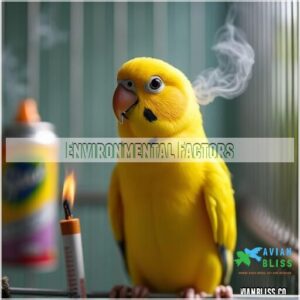
Your bird’s environment plays a vital role in respiratory health, and many common household items can trigger sneezing fits.
Air pollution from cigarette smoke, aerosol sprays, and cleaning products irritates your bird’s sensitive respiratory system.
While extreme temperature changes can weaken their immune defenses and increase infection risk, making the bird more susceptible to illness.
Air Pollution
Air pollution wreaks havoc on your bird’s delicate respiratory system through various indoor pollutants that accumulate in poorly ventilated spaces.
Indoor air pollutants silently assault your bird’s sensitive airways, turning your home into a respiratory danger zone.
Smoke exposure from cigarettes, candles, or cooking creates immediate breathing difficulties, while chemical irritants from cleaning products trigger persistent bird sneezing and respiratory symptoms.
Here are five major air pollution sources affecting birds:
- Cigarette smoke – Contains over 4,000 toxic chemicals that damage air sacs
- Cooking fumes – Especially from overheated non-stick cookware releasing deadly particles
- Aerosol sprays – Household cleaners, air fresheners, and pesticides cause inflammation
- Dust accumulation – Creates airborne particles that irritate sensitive nasal passages
- Poor ventilation – Traps pollutants and reduces oxygen quality in living spaces.
Ventilation importance can’t be overstated – stagnant air concentrates harmful substances that trigger allergies and worsen existing conditions.
Air filtration systems help remove microscopic irritants, but they’re not foolproof against all chemical pollutants that cause bird respiratory symptoms.
Toxins
Household chemicals pose invisible dangers to your feathered friend’s delicate respiratory system.
Birds absorb 70% more air particulates than humans, making them vulnerable to toxic fumes from everyday products.
PTFE poisoning from overheated non-stick cookware can cause sudden death, while cigarette smoke and aerosol sprays trigger sneezing and breathing difficulties.
| Common Toxin | Source | Effect on Birds |
|---|---|---|
| PTFE | Non-stick cookware | Sudden death when overheated |
| Cigarette smoke | Smoking indoors | Respiratory irritation, sneezing |
| Aerosol sprays | Cleaning products | Chemical exposure, breathing issues |
| Oil-based paint | Home renovation | Environmental irritants, coughing |
Extreme Temperatures
Temperature swings create a perfect storm for bird respiratory distress.
When housing conditions shift dramatically, your feathered friend’s immune system takes a hit, making them vulnerable to bird respiratory infections.
Different species show varying temperature sensitivity – what doesn’t faze a hardy cockatiel might trigger severe bird sneezing in delicate finches.
Smart mitigation strategies include gradual temperature changes and consistent environmental control to prevent immune compromise.
Respiratory Infection Signs
When your bird shows respiratory infection signs, you’ll notice clear warning signals that demand immediate attention.
These symptoms include persistent sneezing, wet coughing sounds, labored breathing with an open beak, and visible nasal or eye discharge that signals your feathered friend needs veterinary care.
Sneezing
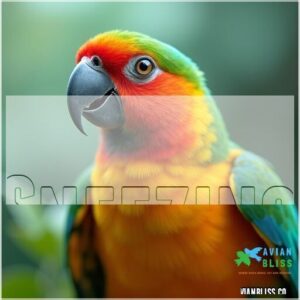
Beyond the surface of a simple sneeze lies a complex mechanism that reveals your bird’s respiratory health.
When irritants trigger nasal receptors, the sneezing reflex creates powerful expulsion force to clear airways, but persistent bird sneezing signals underlying problems requiring attention.
- Sneezing frequency increases with respiratory infections, allergies, or environmental irritants affecting your parrot’s comfort
- Reflex sensitivity varies among species – canary sneezing differs from macaw sneezing in intensity and sound patterns
- Nasal irritation from dust, pollen, or toxins triggers defensive sneezing mechanics to protect delicate respiratory tissues
- Cockatoo sneezing often accompanies head shaking, while other species may show different behavioral patterns during episodes
Coughing
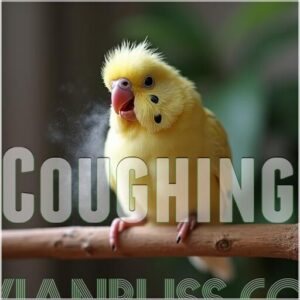
Unlike sneezing, coughing in birds signals deeper respiratory distress.
You’ll notice persistent hacking sounds as your bird’s body tries clearing mucus buildup from airways.
Bacterial, viral, or fungal infections commonly trigger these episodes, while dust and household fumes worsen symptoms.
| Coughing Causes | What You’ll Notice |
|---|---|
| Respiratory infections | Wet, persistent hacking sounds |
| Airway irritants | Dry, frequent coughing fits |
| Mucus accumulation | Difficulty vocalizing normally |
Species differences matter – cockatiels show more obvious distress than budgerigars.
Diagnosing cough requires veterinary examination since home remedies can’t address underlying infections.
Coughing treatment depends on the root cause, from antibiotics for bacterial issues to environmental changes for irritant exposure.
Heavy Breathing
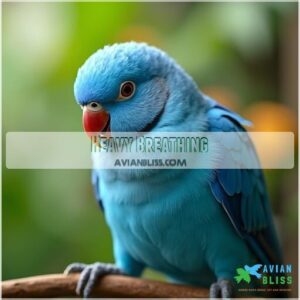
Spotting this early makes all the difference: Heavy breathing in your bird is a clear distress signal.
When you see open-mouth breathing or exaggerated chest movements, your bird’s oxygen needs aren’t met—don’t wait. Act fast to resolve avian respiratory distress.
- Watch for labored movement of air sacs
- Seek veterinary intervention, not home remedies
- Heavy breathing is often linked to bird sneezing and respiratory problems
Discharge
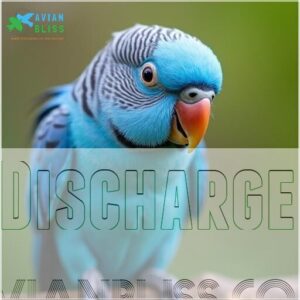
When discharge pops up in your bird’s daily routine, pay close attention.
Bird nasal discharge or bird eye discharge—whether clear, thick, or colored—offers clues about underlying issues.
Note the discharge color, discharge consistency, and discharge location.
Ocular discharge or nasal discharge, especially alongside bird sneezing, may signal a bird respiratory nasal discharge or bird respiratory eye discharge needing quick attention.
Species Specific Risks

Each bird species faces unique respiratory risks, so you’ll need to watch for problems that affect budgerigars, cockatiels, Amazon parrots, and finches in different ways.
Understanding these differences helps you spot issues early, ensuring your feathered companion gets the right care.
Budgerigars
A budgerigar’s sneeze can signal more than just a dusty afternoon. These birds are prone to respiratory infections—from Budgie Mycoplasma to Chlamydia Carriers—so watch for these signs:
- Frequent bird sneezing or nasal discharge
- Increased breathing effort
- Appetite changes
- Voice changes
- Unexplained lethargy
Regular Budgie Bronchoscopy, vitamin needs, and understanding genetic predisposition help keep your budgie breathing easy. Dirty feeders, for example, increase risk factors, are a key factor to consider for your bird’s health.
Cockatiels
Feather dust can turn your home into a sneezing contest for cockatiels.
Cockatiel sneezing causes often come from feather dander, allergens, and stress.
Watch for cockatiel respiratory signs like wheezing or discharge.
Early detection and prompt avian vet care help.
Tidy cages and proper cockatiel environmental needs lower bird sneezing.
Table:
| Cause | Symptom | Prevention |
|---|---|---|
| Feather dust | Sneezing | Clean cages, air filter |
| Allergens | Wheezing | Remove irritants |
| Poor diet | Weak immunity | Balanced nutrition |
| Stress | Lethargy | Calm, stable routine |
| Dry air | Discharge | Humidifier, water access |
Amazon Parrots
Switching from cockatiels to Amazon parrots, you’ll notice these birds are magnets for sinus infections, especially if they’re munching mainly on seed diets.
Older parrots often struggle with Vitamin A deficiency, making them more prone to bacterial infections.
So if you spot parrot sneezing, nasal discharge, or other bird respiratory symptoms, watch for bird respiratory infections and adjust their diet quickly.
Finches
Amazon Parrots face their share of breathing issues, but finches hold the top spot for mite susceptibility, with air sac mites causing fatal issues fast.
Finch ventilation is your first ally—keep air flowing and bedding clean.
To help your feathered friends stay ahead of bird sneezing and finch respiratory infection, consider the following steps:
- Schedule regular Finch vaccination
- Practice strict Finch quarantine
- Monitor Finch nutrition closely
Managing Respiratory Health
You can support your bird’s respiratory health by providing a well-balanced diet, regular veterinary check-ups, and consistent stress reduction.
Making small changes, like supplementing vitamins and maintaining a calm environment, helps prevent respiratory problems and keeps symptoms under control, which is crucial for overall health.
Dietary Changes
Giving your bird a nutrition boost starts with switching from an all-seed diet to something richer.
Add fresh veggies, leafy greens, and pellets—this helps prevent sneezing and supports immune health. Many birds on seed diets lack Vitamin A, so dietary supplementation and balanced nutrition are key.
Change up the bird diet gradually for the best results, ensuring a smooth transition to a richer diet that includes balanced nutrition.
Vitamin Supplementation
After making smart dietary changes, don’t overlook vitamin A supplementation—it’s the backbone of bird respiratory health.
Vitamin A supports immune function and reduces deficiency risks like sneezing or sluggishness.
Pick supplement types meant for your bird, follow dosage guidelines, and mix with moist foods for better absorption.
Good nutrition isn’t just food—it’s targeted immune support to ensure your bird’s overall health, making smart dietary changes essential for their well-being.
Regular Check Ups
Alongside a good diet, regular check-ups put you in the driver’s seat for bird respiratory health. Don’t wait for bird sneezing or other bird respiratory symptoms—use Early Detection as your shield.
Consistent Veterinary Exams help with:
- Health Monitoring for subtle changes
- Preventative Care against infections
- A Proactive Approach that flags trouble fast
Prioritizing veterinary attention boosts preventive measures for your flock. Recognizing symptoms like rapid breathing is essential for successful treatment.
Stress Reduction
After regular check-ups, focus on reducing stress to help prevent bird sneezing and respiratory problems.
Create a Calm Environment and keep Routine Consistency, since birds notice every small change.
Add Enrichment Activities and allow gentle Social Interaction to ease respiratory stress.
Minimize Changes in lighting, temperature, and cage setup, as even minor environmental factors can trigger a respiratory problem.
Frequently Asked Questions (FAQs)
Why do birds sneeze a lot?
Birds sneeze frequently due to respiratory infections, environmental irritants like dust or smoke, allergies, stress, or foreign particles in their nostrils.
You’ll notice this defense mechanism helps them clear airways and prevent infections, which is a crucial aspect of their overall health and wellness.
Why is my bird breathing so much?
Heavy breathing usually signals respiratory distress in your bird.
This can stem from infections, air sac problems, stress, or environmental irritants like smoke or dust.
Seek immediate veterinary care, as birds hide illness until critically ill.
What are the symptoms of respiratory infections in birds?
Your bird’s respiratory system sounds like it’s working overtime when infection strikes.
You’ll notice open-mouth breathing, tail bobbing, neck stretching, noisy breathing, nasal discharge, lethargy, fluffed feathers, and lost vocalizations indicating trouble.
What causes sneezing in budgies and finches?
Your budgie or finch sneezes due to respiratory infections, environmental irritants like dust or smoke, allergens, stress, foreign particles in nostrils, or underlying conditions.
Like air sac mites requiring veterinary attention.
Do birds have respiratory infections?
Yes, respiratory infections are common in birds. You’ll see bacterial, viral, and fungal infections affecting their airways, lungs, and air sacs, causing symptoms like sneezing, coughing, and breathing difficulties.
How do you know if a bird has a breathing problem?
Watch for open-mouth breathing, tail bobbing, neck stretching, noisy breathing sounds, nasal discharge, lethargy, fluffed feathers, and loss of vocalizations—these signs indicate your bird’s struggling to breathe properly.
How do you know if your bird has a respiratory infection?
Your feathered friend’s breathing becomes a dramatic battle when infection strikes! Watch for open-mouth breathing, tail bobbing, nasal discharge, lethargy, fluffed feathers, clicking sounds, and loss of normal vocalizations.
How do you treat a bird with respiratory problems?
You’ll need veterinary care immediately for proper diagnosis and treatment.
Vets typically prescribe antibiotics for bacterial infections, antifungals for aspergillosis, and provide supportive care like oxygen therapy, nebulization treatments, and nutritional support.
Can birds recover from aspergillosis?
Funny how life tosses curveballs—even at birds.
With prompt antifungal treatment and proper care, your bird has a real shot at recovery from aspergillosis, though the journey can be long and relapse isn’t uncommon.
What deficiency causes respiratory issues in birds?
A lack of vitamin A is the biggest dietary culprit behind respiratory troubles in birds; it weakens their airway linings, leaving them open to infection.
Swap out all-seed diets for fresh veggies and pellets to help.
Conclusion
In the case of a bird sneezing respiratory problem, even a tiny sniffle can feel like the end of the world.
By spotting signs early, acting fast, and keeping your bird’s environment clean and stress-free, you’re setting the stage for better health.
Understand the causes, know the treatments, and work closely with your vet—your bird’s breath depends on it.
Don’t wait for things to escalate, stay observant, and you’ll help keep your feathered friend breathing easy, which is crucial for their breathing easy.