This site is supported by our readers. We may earn a commission, at no cost to you, if you purchase through links.
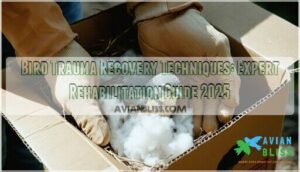 When you discover an injured bird, your quick assessment can mean the difference between life and death. Start by observing from a safe distance—look for drooping wings, visible bleeding, unusual posture, or labored breathing patterns.
These bird trauma recovery techniques begin with gentle capture using towels or gloves, followed by placing the bird in a dark, well-ventilated container to reduce stress. Control bleeding with gentle pressure using clean gauze, and stabilize any obvious fractures before transport.
Create a quiet, warm environment while you arrange professional care, as many birds die from shock rather than their initial injuries. The key lies in recognizing which cases need immediate veterinary intervention versus supportive home care.
Table Of Contents
Key Takeaways
- Start with a visual assessment from a distance – you’ll check for blood, abnormal posture, and breathing patterns before approaching to avoid stressing the injured bird further.
- Control bleeding immediately with gentle pressure – you’ll use clean gauze or cloth to stop active bleeding, which can kill faster than the original injury itself.
- Create a quiet, dark environment for recovery – you’ll reduce stress by placing the bird in a well-ventilated container away from noise, predators, and excessive handling.
- Know when to seek professional help – you’ll recognize warning signs like neurological symptoms, severe swelling, or shock that require immediate veterinary intervention beyond basic first aid.
Assessing Bird Injuries and Immediate Response
When you discover an injured bird, your first moments matter most—quick visual assessment can mean the difference between life and death. You’ll need to check for blood, abnormal posture, or visible wounds from a safe distance before determining whether the bird requires immediate emergency care or can be safely captured for transport to a rehabilitator.
Your bird’s life hangs in the balance—every second counts when assessing injuries
Visual Assessment Techniques
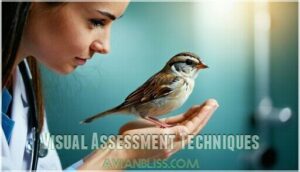
When you spot an injured bird, your quick visual assessment can mean the difference between life and death. Start by observing from a safe distance to avoid adding stress to an already traumatic situation. You may need to prepare a bird emergency kit depending on the injuries.
- Posture Observation – Look for hunched shoulders, drooping wings, or tilted head positioning that signals distress.
- Bleeding Indicators – Check for visible blood on feathers, around the beak, or pooling beneath the bird.
- Swelling Detection – Watch for unusual bumps, asymmetrical body parts, or enlarged joints that indicate trauma.
- Feather Analysis – Notice disheveled, missing, or blood-stained plumage that reveals injury location and severity.
- Behavioral Cues – Monitor the bird’s breathing patterns, vocalizations, and movement abilities for neurological symptoms.
Identifying Severity and Types of Injuries
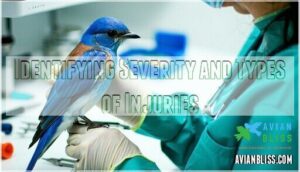
The telltale signs of injury severity become your roadmap to effective care. Blood loss indicates immediate danger, while subtle posture abnormalities might signal neurological damage from cat attack injuries. You’ll need to distinguish between surface wounds and internal bleeding that threatens life.
| Injury Type | Key Indicators |
|---|---|
| Fracture Types | Wing droop, inability to fly, visible bone |
| Internal Injuries | Labored breathing, weakness, pale gums |
| Feather Damage | Broken flight feathers, bare patches |
| Neurological Damage | Head tilt, circling, balance problems |
| Blood Loss | Active bleeding, shock signs, pale tissues |
Safe Capture and Handling Procedures
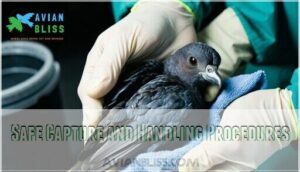
Once you’ve assessed the injury, capturing the bird requires a calm approach and proper technique. Your movements should be slow and deliberate to avoid startling the already stressed animal.
- Calm Approach – Move quietly and speak softly when approaching the bird
- Glove Usage – Always wear protective gloves and use towels for safe handling
- Wing Restraint – Gently secure the bird’s wings against its body to prevent further injury
- Dark Container – Place the bird in a well-ventilated, dark container for transport
Expert handling means controlling the situation while minimizing stress for both you and the bird.
Initial Stabilization and Stress Reduction
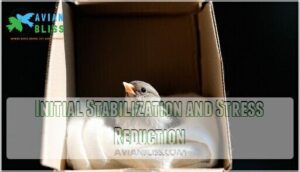
Once you’ve safely captured the injured bird, creating the right environment becomes your top priority. Providing a Warm and Quiet Environment through Secure Containment helps tremendously with stress reduction. Gentle Handling and efforts to Minimize Movement during initial care support recovery. Remember that assessing bird injuries helps determine the best course of action.
| Stress Reduction Method | Implementation |
|---|---|
| Quiet Environment | Remove from noise, crowds |
| Warmth Provision | Use heating pad, towels |
| Secure Containment | Dark, ventilated box |
| Minimize Movement | Limit handling, disturbances |
Providing Effective First Aid and Initial Care
Once you’ve safely secured an injured bird, your next priority shifts to providing immediate medical care that can mean the difference between life and death. The first few minutes of treatment are critical—proper wound care, bleeding control, and pain management will stabilize the bird and prepare it for professional rehabilitation.
Wound Care and Bleeding Control
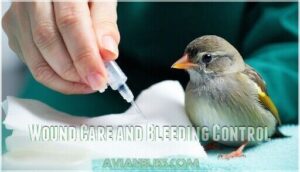
Control bleeding immediately by applying gentle pressure with a clean cloth or gauze. Clean wounds with sterile saline solution, avoiding harsh rubbing that damages delicate tissue. Apply hemostatic agents if bleeding persists, then secure with proper bandaging techniques. Bird wound care products can aid in the healing process.
Time is your injured bird’s most precious resource—every second counts when controlling bleeding and stabilizing trauma
Watch for infection signs like swelling or discharge during wound healing.
Immobilization and Fracture Management
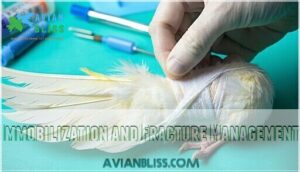
After addressing bleeding, you’ll need to handle broken bones with careful immobilization. Figure-of-eight bandages work well for wing fractures, while splinting techniques stabilize limb injuries. Proper bone alignment prevents complications during healing. Complex fractures may require surgical options like external fixators or intramedullary pins. Use soft cast material to avoid pressure sores.
Fracture stabilization sets the stage for successful bone remodeling over the coming weeks. Triage is essential to minimize stress during initial stabilization.
Managing Pain and Preventing Shock
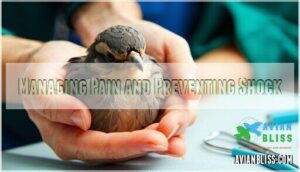
Pain relief becomes your next priority once bleeding stops. You’ll recognize shock through rapid breathing, weak pulse, and cold extremities. Analgesic protocols help minimize suffering while fluid resuscitation addresses hypovolemia treatment needs. However, sedation risks can complicate breathing, so monitor closely.
Stress mitigation through gentle handling prevents shock progression. Professional veterinary pain relief guarantees proper medication dosing for effective pain management. Creating a basic kit supports emergency bird care.
Creating a Safe Recovery Environment
After addressing immediate pain management, you’ll need to establish recovery spaces that promote healing. Create quiet zones away from household noise and foot traffic. Implement strict cleanliness protocols by disinfecting surfaces and changing bedding regularly.
Position the enclosure where predator avoidance is guaranteed—cats and dogs can’t access it. Add environmental enrichment like natural perches while maintaining stress reduction through dim lighting and minimal handling.
When to Seek Professional and Veterinary Help
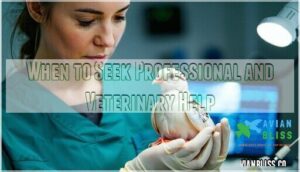
Even experienced bird rescuers can struggle to determine when a feathered patient needs professional intervention rather than home care. You’ll want to recognize the critical warning signs that demand immediate veterinary attention and understand how to choose qualified wildlife rehabilitators who can provide the specialized care that injured birds require.
Recognizing Signs of Serious Injury
After providing first aid, you’ll need to spot red flags that signal when professional help can’t wait. Some injuries look minor on the surface but hide serious damage underneath.
Here are three key warning signs that demand immediate veterinary attention:
- Blood Indicators and Internal Bleeding – Active bleeding that won’t stop with gentle pressure, blood in droppings, or pale gums suggest internal damage requiring emergency intervention.
- Neurological Symptoms and Posture Abnormalities – Head tilting, loss of balance, seizures, or inability to perch normally indicate potential brain trauma or spinal injuries.
- Swelling Assessment and Feather Damage – Severe swelling around joints, extensive feather loss, or visible bone deformities signal serious injuries beyond basic first aid capabilities.
Identifying signs of shock – like rapid breathing, weakness, or cold extremities – means you’re racing against time for professional care. Note any difficulty with perching, as this can indicate a leg injury.
Choosing a Licensed Wildlife Rehabilitator
Three key factors matter when choosing a licensed wildlife rehabilitator: verify their rehabilitator credentials through state wildlife departments, check facility reputation and species expertise for your bird type, and confirm their ethical practices prioritize release success. Professional rehabilitation centers with proper licensing offer the best outcomes for injured wildlife.
In the District, only licensed individuals can perform wildlife rehabilitation.
Avian Veterinary Care and Emergency Treatments
Once you’ve connected with a licensed wildlife rehabilitator, specialized avian veterinary care becomes your injured bird’s lifeline. Professional treatment protocols follow specific medical guidelines:
- Fluid Therapy – Subcutaneous or intravenous fluids at 50-100 mL/kg daily combat dehydration
- Emergency Sedation – Midazolam helps reduce stress during medical assessment and procedures
- Pain Management – Higher meloxicam doses than mammals require, plus opioids for severe cases
- Blood Transfusions – Critical for severe hemorrhage using colloid solutions like hetastarch
Your avian vet will prioritize stabilization over immediate wound closure, ensuring your feathered patient survives the trauma.
Legal and Ethical Considerations in Rescue
Before diving into rescue efforts, you’ll need to navigate the legal maze surrounding bird rehabilitation. Rescue legality varies by location, and most wild birds fall under strict wildlife protection laws, including the Migratory Bird Treaty Act.
| Legal Aspect | Key Requirement |
|---|---|
| Permit requirements | Federal/state licenses for rehabilitation |
| Ethical obligations | Prioritize bird welfare over convenience |
| Public perception | Maintain professional standards |
| Euthanasia decisions | Follow ethical care guidelines |
Understanding these legal considerations protects both you and the birds you’re trying to help.
Rehabilitation and Recovery Techniques
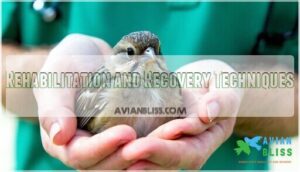
Once you’ve stabilized an injured bird, the real work begins with creating a thorough recovery plan that addresses both physical healing and behavioral needs. You’ll need to balance proper nutrition, gradual exercise, and stress reduction while carefully monitoring progress to guarantee your feathered patient regains full flight capability.
Nutrition and Hydration Support
Once professional care begins, proper nutrition and hydration become your bird’s fuel for healing. Injured birds can’t always eat normally, making nutritional care your top priority for recovery success.
Supporting your feathered patient through nutrition:
- Monitor fluid intake carefully – Dehydration kills faster than starvation, so you’ll need to track every drop using proper hydration methods and electrolyte balance solutions.
- Prepare species-appropriate food formulas – Each bird species needs different nutrients, requiring careful formula preparation and dietary supplements suited to their natural diet.
- Consider tube feeding when necessary – Sometimes injured birds can’t eat independently, making tube feeding a lifesaving technique that delivers balanced nutrition directly.
Flight Conditioning and Physical Therapy
Once your bird maintains proper nutrition and hydration, you’ll need to rebuild their flight capabilities through targeted exercises. Start with passive range of motion, gently extending wing joints for one-minute intervals to restore flexibility and prevent stiffness.
| Exercise Type | Frequency | Duration | Purpose |
|---|---|---|---|
| Passive Range of Motion | Daily | 1 minute holds | Wing Strengthening, flexibility |
| Active Assisted Flapping | 3x weekly | 5-10 repetitions | Balance Training, coordination |
| Creance Flight Training | 4x weekly | 60-meter flights | Endurance Building, muscle development |
| Flight Cage Exercise | Daily | 2-3 hours | Pre-Release Exercise, natural movement |
Progress from assisted wing movements to creance flying, where you’ll tether the bird for controlled flight distances. This systematic approach to physical therapy guarantees complete muscle rehabilitation before release, helping birds regain function safely while building the strength needed for survival.
Monitoring Healing and Adjusting Care Plans
Throughout recovery, you’ll need to track your bird’s Progress Assessment daily to guarantee proper healing. Treatment Adaptation becomes essential when wound healing stalls or Behavioral Changes indicate complications. Watch for signs that require Complication Management and Long-term Support adjustments.
- Monitor wound healing progress through daily visual inspections for infection signs.
- Document behavioral changes like appetite, activity levels, and response to handling.
- Adjust treatment protocols when injury recovery plateaus or complications arise.
- Coordinate with veterinary care providers for medication dosage modifications.
- Track flight ability improvements and physical strength gains during bird recovery.
Stress Management and Environmental Enrichment
While proper healing remains your priority, managing stress becomes equally important for successful recovery. You’ll need to balance environmental modifications with enrichment strategies to create the perfect stress-free sanctuary that promotes healing.
| Stress Reduction Techniques | Environmental Enrichment |
|---|---|
| Dim lighting during recovery | Natural perching options |
| Consistent daily routines | Habitat complexity with branches |
| Minimal handling sessions | Sensory stimulation through sounds |
| Quiet recovery environment | Social interaction when appropriate |
Your bird’s recovery environment should mirror natural habitats while reducing anxiety through thoughtful environmental modifications.
Preparing for Release and Preventing Future Injuries
You’ve successfully helped an injured bird recover, but the final steps require careful planning to guarantee long-term survival. Proper release preparation and injury prevention strategies protect both individual birds and entire populations from future harm.
Assessing Readiness for Release
Once your feathered patient shows signs of healing, you’ll need to evaluate their readiness carefully. Release considerations go beyond visible recovery—you’re looking for complete restoration of natural behaviors and physical capabilities.
Key readiness indicators include:
- Flight conditioning demonstrates strong, sustained flight patterns without fatigue.
- Predator avoidance behaviors show appropriate fear responses to threats.
- Habitat suitability assessment confirms the bird can navigate their natural environment.
- Release timing aligns with ideal weather and seasonal conditions for survival success.
Evaluating their flight and foraging abilities confirms release readiness.
Predator Avoidance and Habitat Selection
Several key factors determine where you’ll release your recovering bird, with habitat suitability being paramount for survival. Dense shrub habitats reduce predation risk by fifty percent compared to open areas, while proximity to water increases fledgling survival rates substantially.
Choose release sites with natural camouflage techniques like multi-layered vegetation and bird-friendly features that support territory defense, nesting strategies, and urban adaptation needs.
Post-Release Monitoring Strategies
Once you’ve successfully released your rehabilitated bird, tracking methods become your window into their survival story. You’ll monitor behavioral analysis through binoculars, documenting feeding patterns and territorial establishment to assess habitat suitability.
Survival rates improve when postrelease monitoring reveals how birds adapt to release sites, providing valuable data for refining future release strategies.
Injury Prevention and Community Conservation Efforts
Beyond individual bird recovery, you’ll make a lasting impact through community conservation efforts. Preventing future injuries requires collective action that transforms neighborhoods into wildlife havens.
- Habitat Preservation: Plant native species and remove toxic plants from yards
- Window Collisions: Install screens, decals, or UV-reflective tape on glass surfaces
- Responsible Pet Ownership: Keep cats indoors and supervise outdoor activities
- Conservation Education: Share injury prevention knowledge with neighbors and schools
- Community Involvement: Support local wildlife rehabilitation centers through volunteering
Frequently Asked Questions (FAQs)
How do wild birds survive winter injuries?
Wild birds rely on natural adaptations like dense winter plumage, increased fat reserves, and behavioral changes to survive cold-weather injuries.
You’ll find they seek sheltered roosts, conserve energy through reduced activity, and prioritize healing over normal foraging patterns.
What causes most bird collision accidents?
Windows and glass surfaces cause most bird collisions, especially during migration when you’ll see confused birds striking reflective surfaces. Poor visibility from weather, artificial lighting at night, and building placement create deadly obstacles for flying birds.
Can injured birds recognize their rescuers?
Actions speak louder than words in the context of bird recognition. Injured birds can learn you’re safe through consistent, gentle care rather than forming emotional bonds. You won’t become their best friend, but they’ll associate your presence with safety.
Do birds feel pain like mammals?
Yes, birds absolutely feel pain similar to mammals. They possess specialized nerve receptors and brain structures that process pain signals, making proper pain management essential during their rehabilitation and recovery from injuries.
Which bird species recover fastest from trauma?
Like phoenixes rising from ashes, smaller songbirds typically bounce back faster than larger raptors. You’ll find that sparrows, finches, and robins recover quicker due to their faster metabolisms and simpler wing structures compared to hawks or owls.
Conclusion
Wouldn’t it feel rewarding to know you’ve given an injured bird its best chance at survival? Mastering these bird trauma recovery techniques equips you with life-saving skills that make a real difference.
You’ll recognize critical injuries, provide proper first aid, and create supportive environments that promote healing. Remember, your quick assessment and gentle care often determine whether a bird recovers completely or suffers permanent damage.
By combining immediate stabilization with professional veterinary support, you’re becoming part of a conservation network that protects our feathered friends for future generations.
- https://www.vetmed.auburn.edu/wp-content/uploads/2019/10/4_Stabilizing-the-Avian-Trauma-Patient_GRAHAM.pdf
- https://www.greencrossvets.com.au/found-an-injured-bird-here-is-what-to-do/
- http://www.exoticpetvet.com/instructions-for-physical-therapy-in-birds.html
- https://www.threeringranch.org/articles/steroid.pdf
- https://emeraid.com/vet/critical-care-nutrition/optimizing-medical-recovery-and-post-surgical-outcome-appropriate-nutritional-and-fluid-support/