This site is supported by our readers. We may earn a commission, at no cost to you, if you purchase through links.
Your senior parrot’s once-glossy feathers now look dull and brittle. Her energy has dropped, and those occasional wheezy breaths worry you more each week. While you might chalk these changes up to normal aging, they often signal something more correctable: vitamin deficiencies that silently rob older birds of their vitality.
Senior parrots face a nutritional paradox—they need fewer calories as their metabolism slows, yet they require higher concentrations of specific nutrients to maintain immune function, bone density, and cellular health. The right bird vitamins for seniors can bridge this gap, but exploring the supplement aisle reveals a confusing array of drops, powders, and formulations with wildly different nutrient profiles. Choosing poorly means either wasting money on redundant supplements or worse, missing critical deficiencies until they manifest as serious health crises.
Table Of Contents
Key Takeaways
- Senior parrots need higher concentrations of vitamins A, D3, and E despite lower caloric needs, because aging reduces nutrient absorption while increasing demands for immune function, bone density, and cellular protection against oxidative stress.
- Vitamin deficiencies in older birds manifest as dull feathers, flaky skin, respiratory issues, and behavioral changes—signs that warrant immediate veterinary blood work rather than guesswork supplementation, since oversupplementing fat-soluble vitamins can damage liver and kidneys.
- Liquid supplements work best for picky eaters while powdered forms maintain better stability for fat-soluble nutrients, but both require daily fresh mixing and should never be stacked on top of fortified pellet diets without veterinary guidance.
- Effective senior bird nutrition combines 60-70% quality pellets as the foundation, limits seeds to under 10% to prevent fatty liver disease, and fills the remaining 20-30% with fresh vegetables and fruits that provide antioxidants pellets can’t deliver alone.
Essential Vitamins for Senior Birds
As your parrot enters their golden years, their nutritional needs shift in ways that aren’t always obvious. Three vitamins stand out as essential for maintaining vitality, protecting against age-related decline, and keeping your senior bird thriving.
Many of these critical nutrients are naturally found in safe seeds for parrots, which can supplement a balanced senior diet when offered appropriately.
Let’s look at what each one does and why it matters for your feathered companion.
If you’re unsure which vitamins your bird actually needs, this guide to essential bird vitamin supplements breaks down the key nutrients and their specific benefits.
Vitamin a for Immune and Skin Health
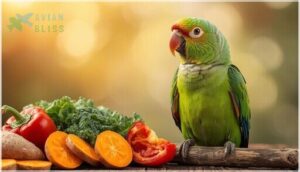
Vitamin A stands as your senior parrot’s first line of defense against infection. It keeps the moist linings in your bird’s mouth, sinuses, and airways healthy so bacteria can’t break through damaged tissue.
Without enough of this nutrient, your parrot becomes vulnerable to common vitamin deficiency symptoms that weaken their natural defenses.
When levels drop, you’ll notice brittle feathers, flaky skin, and white plaques inside the beak—classic red flags that warrant a call to your avian vet. For more insight on preventing issues like vitamin A deficiency in birds, consult expert veterinary resources.
Vitamin D3 for Bone Strength
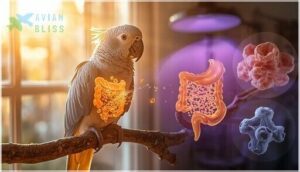
Strong bones don’t come from calcium alone—your senior parrot needs vitamin D3 to actually absorb that mineral from the gut. Without enough D3, older birds can eat normal calcium levels yet still end up deficient because their intestines just won’t move the mineral into the bloodstream. If your parrot lives indoors full-time, glass blocks the UVB rays needed to make D3 naturally, so you’ll need to provide it through diet or safe UVB lamps. A 100-gram bird eating 20 grams daily needs about 20 IU of D3 for basic bone health. Your avian vet can check whether your current pellets supply enough, since commercial diets usually include around 1,000 IU per kilogram of food. Watch for weakness, tremors, or sudden falls—those are hypocalcemia red flags that mean bone strength is slipping. Learn more about the role of in your bird’s bone and cellular health.
Vitamin E as an Antioxidant
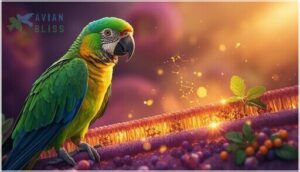
While bone strength depends on D3, your senior parrot’s cells face daily oxidative stress that vitamin E can help buffer. This fat-soluble antioxidant anchors in cell membranes and stops free radicals from damaging unsaturated fats, which protects three critical areas:
- Cell membranes stay flexible and functional longer
- Mitochondrial health aids muscle endurance and recovery
- Tissue defense shields immune cells and vascular linings
Most pellets deliver 15–20 IU per kilogram, meeting baseline needs. Oversupplementing at 100 times that level triggers anemia and growth issues, so stick with balanced formulas rather than heavy standalone doses. Your older bird’s antioxidant network—including selenium and glutathione systems—works best when vitamin E intake stays steady and moderate.
Pairing moderate vitamin E with nutritious seeds for parrots ensures your bird gets natural antioxidants without tipping into harmful excess.
Recognizing and Addressing Deficiencies
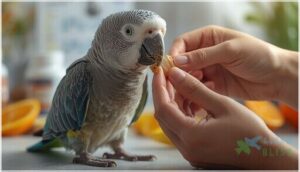
Even with your best effort, deficiencies can creep in. Watch for flaky skin on feet and face, dull feathers, crusty nostrils, or white plaques in the mouth—classic vitamin A deficit signs in senior parrot nutrition. Sneezing, nasal discharge, and labored breathing often follow as respiratory tissues weaken.
Nutritional supplements and dietary adjustments guided by blood work help restore avian wellness, while regular checkups catch nutrient absorption issues before they escalate into serious avian vitamin supplement needs.
Dietary Needs of Aging Parrots
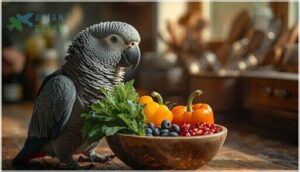
Your parrot’s nutritional needs shift as they age, much like ours do. Senior birds often require adjustments in their diet to maintain healthy weight, support organ function, and keep their immune systems strong.
Let’s look at how age changes what your parrot needs on their plate and how you can adapt their meals to support them through their golden years.
Changes in Nutritional Requirements With Age
As your parrot gets older, think of their body like a car that shifts gears—suddenly they need less fuel but higher-grade oil. Senior parrot nutrition changes in several key ways:
Their changing metabolism also means choosing the right vitamins becomes even more important to support joint health, immunity, and organ function.
- Lower calories needed because aging birds move less and sleep more
- Higher-quality protein to support muscle and feather health despite slower digestion
- More antioxidants like vitamins A and E to protect weakening immune defenses
- Better mineral balance with increased calcium but reduced phosphorus for aging kidneys
These dietary needs for parrots aren’t optional—they’re essential for healthy aging.
Role of Pellets, Seeds, and Fresh Foods
Your senior parrot thrives when pellets form the dietary foundation. Aim for 60 to 70 percent of daily intake because pelleted diet formulas deliver complete avian nutrition in every bite.
Seeds stay under 10 percent to avoid fatty liver disease. Fresh veggies and fruits fill 20 to 30 percent, supplying fiber and antioxidants that pellets alone can’t provide.
This dietary balance fosters parrot health without relying heavily on nutrient supplements.
Importance of Balanced Supplementation
You’ll notice aging parrots absorb nutrients less efficiently than younger birds, making balanced vitamin supplements for birds essential.
Supplement safety matters because fat-soluble vitamins at just four times the needed dose can harm your senior’s liver and kidneys.
Focus on avian health through complete formulas that address vitamin deficiency without overshooting—targeted senior nutrition bolsters immune function and nutrient absorption without toxic buildup.
Top 5 Bird Vitamins for Seniors
Now that you understand what your senior bird needs, let’s look at five reliable vitamin supplements that veterinarians regularly recommend.
Each option offers distinct benefits depending on your parrot’s diet, health status, and how easily you can administer it.
I’ve selected these based on nutritional scope, quality ingredients, and real-world ease of use.
1. Vitofarma Bird Vitamin Supplement
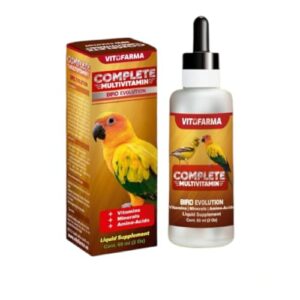
You want B vitamins, biotin, and iron all working together? VITOFARMA MultiVitamin For Birds delivers exactly that in a 2-ounce liquid format designed for canaries, finches, and parrots.
This avian vitamin supplement aids aging parrots and health through targeted immune stimulation and plumage restoration. For senior care, add 30 drops per 8 ounces of water for large birds or 3–4 drops directly for smaller species.
Liquid vitamins maintain vitamin stability when mixed fresh, making this formula particularly effective for bird health and nutrition during recovery from illness or age-related decline.
| Best For | Bird owners caring for senior parrots, canaries, or finches experiencing age-related weakness, dull feathers, or recovering from illness who need a complete liquid multivitamin that’s easy to administer. |
|---|---|
| Form | Liquid |
| Target Species | All small breed birds |
| Vitamin Content | Complete vitamins and minerals |
| Administration Method | Added to water |
| Life Stage | Young and adult birds |
| Made In | Not specified |
| Additional Features |
|
- Contains B-complex vitamins, biotin, and iron in one formula to support immune function, energy metabolism, and healthy feather growth in aging birds.
- Flexible dosing options work for both large parrots (30 drops in water) and small birds (3-4 drops directly or mixed in food), making it practical across species.
- Helps restore appetite and plumage quality in senior birds dealing with chronic conditions or post-illness recovery.
- Requires fresh mixing each time to maintain vitamin stability, which means more frequent water changes compared to dry supplements.
- Results vary by individual bird health status, and some owners may not see improvement in cases of severe age-related decline.
- Dosage instructions require careful measurement, and overdosing or underdosing could affect effectiveness or safety without veterinary guidance.
2. Oasis Vita Drops Multivitamin for Small Birds
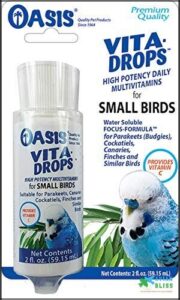
Your budgie’s water bottle can become a pharmacy when you add Oasis Vita Drops Multivitamin for Small Birds. This liquid supplement delivers 2,960 IU of vitamin A and extra vitamin C in every fluid ounce, supporting aging parrots and health through improved immunity and feather quality.
You’ll use just one drop per ounce of water for parakeets and cockatiels, making small bird care simple. The water-based formula ensures vitamin stability when changed every two days, helping liquid supplements maintain their potency for maximum bird nutrition.
| Best For | Bird owners with parakeets, canaries, finches, or cockatiels who feed primarily seed-based diets and want an easy way to boost their pet’s vitamin intake through drinking water. |
|---|---|
| Form | Liquid |
| Target Species | Parakeets, canaries, finches, cockatiels |
| Vitamin Content | Multivitamin with extra C |
| Administration Method | Added to food or water |
| Life Stage | All life stages |
| Made In | USA |
| Additional Features |
|
- High potency formula with 2,960 IU vitamin A and 740 mg vitamin C per fluid ounce supports immune health and vibrant feather color
- Simple dosing at just one drop per ounce of water for small hookbills means a 2-ounce bottle lasts months
- Water-based formula dissolves completely in drinking water so birds get vitamins with every sip without needing to change their routine
- Exact ingredient concentrations are withheld as trade secrets, making it hard to compare potency with other supplements
- Fortified water must be changed every 1-3 days to prevent bacterial growth and vitamin degradation, adding to daily maintenance
- Not a replacement for a balanced diet, so birds still need proper food variety and veterinary care for complete nutrition
3. Lafeber Avi Era Bird Vitamin Powder
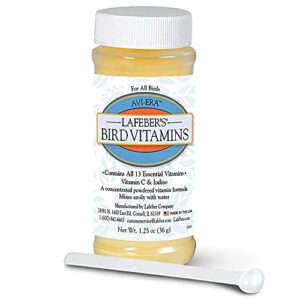
Extensive vitamin powder benefits make Lafeber’s Avi-Era Powdered Vitamin a standout choice for senior parrot care. This formula packs all 13 essential vitamins plus iodine—delivering 1,000,000 IU vitamin A and 125,000 IU vitamin D3 per kilogram to address vitamin deficiency prevention in aging birds.
You’ll mix two small scoops per ounce of water, though it dissolves slowly without vigorous stirring.
The powder excels in bird nutrition needs for seed-based diets, filling gaps that pellets alone can’t always cover in avian health supplements.
| Best For | Bird owners with parrots on seed-based diets who need a comprehensive vitamin supplement to fill nutritional gaps, especially for aging, stressed, or recovering birds. |
|---|---|
| Form | Powder |
| Target Species | All cage birds |
| Vitamin Content | 13 essential vitamins |
| Administration Method | Mixes with water or food |
| Life Stage | All ages |
| Made In | Not specified |
| Additional Features |
|
- Delivers all 13 essential vitamins plus iodine with high concentrations of vitamins A and D3, which are typically deficient in seed diets
- Formulated by avian veterinarians and nutritionists with no artificial colors or flavors, making it a trusted choice for long-term bird health
- Flexible dosing options allow mixing with either water or soft food, with adjustable amounts for stress or illness periods
- The powder dissolves slowly in water without vigorous mixing, which can be inconvenient for daily preparation
- Some packages arrive without the dosing scoop, making accurate measurement difficult
- Effectiveness decreases after 6 months of opening, and California Prop 65 warnings appear on some listings regarding potential health risks
4. Nekton Multi Vitamin for Birds
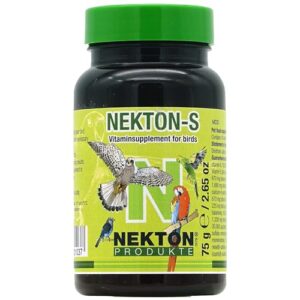
Nekton-S Multi-Vitamin for Birds stands out in avian vitamin supplements with its broad nutrient profile—13 vitamins, 18 amino acids, and trace elements supporting bird health through every stage of pet bird care. The powder’s wide-ranging approach tackles bird nutrition gaps in seed-heavy diets while supporting immune function and feather quality.
You’ll find 1 gram dissolves easily in 250 ml of water, though vitamin stability demands fresh mixing daily.
Just remember supplement safety rules: don’t exceed recommended doses, as concentrated vitamin D3 can strain aging livers, making nekton benefits strongest when paired with veterinary guidance for proper avian wellness management.
| Best For | Bird owners looking for a comprehensive daily vitamin supplement to fill nutritional gaps in seed-based diets and support overall health in parrots, finches, canaries, and other cage birds. |
|---|---|
| Form | Powder |
| Target Species | All cage birds |
| Vitamin Content | 13 vitamins |
| Administration Method | Mixed with food or water |
| Life Stage | All life stages |
| Made In | Not specified |
| Additional Features |
|
- Contains 13 vitamins and 18 amino acids in a complete formula that addresses common deficiencies in captive bird diets
- Water-soluble powder mixes easily into drinking water or soft food, making daily supplementation simple and convenient
- Suitable for all life stages and bird sizes, from small budgies to large parrots, with flexible dosing during stressful periods like molting
- Requires daily preparation of fresh vitamin water since the nutrients lose potency quickly once mixed
- Risk of over-supplementation if dosing guidelines aren’t followed carefully, especially with concentrated vitamin D3
- Powder can turn water slightly yellow and needs careful storage away from moisture to maintain effectiveness
5. Hari Hagen Parrot Vitamin Supplement
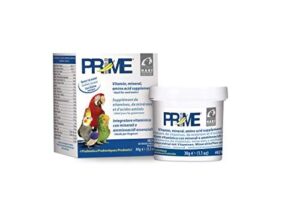
Hari Hagen Prime Parrot Vitamin rounds out our senior health lineup with 14 vitamins, 9 minerals, plus digestive enzymes and probiotics that support aging guts struggling with nutrient absorption. The added lysine and methionine help your parrot maintain muscle mass when metabolism slows, while antioxidant vitamins C and E protect cells from oxidative stress that accumulates over long lifespans.
This ultra-fine powder clings beautifully to moist greens and fruits—just don’t sprinkle it on dry seed where it’ll settle uselessly at the dish bottom.
| Best For | Senior parrots on seed-based diets who need targeted micronutrient support without switching to pellets, especially older birds showing signs of muscle loss, dull feathers, or digestive slowdown. |
|---|---|
| Form | Powder |
| Target Species | Parrots, cockatiels |
| Vitamin Content | 14 vitamins |
| Administration Method | Added to food or water |
| Life Stage | All life stages |
| Made In | Not specified |
| Additional Features |
|
- Full spectrum formula addresses common gaps in seed diets with 14 vitamins, 9 minerals, lysine, methionine, and probiotics that specifically support aging metabolism and gut health
- Ultra-fine powder adheres well to moist foods for consistent dosing, plus the fruit flavoring and quick-dissolving formula encourage acceptance from picky eaters
- Extra antioxidants (vitamins C and E) and digestive enzymes target the exact challenges senior parrots face—oxidative stress and declining nutrient absorption
- Strong medicinal smell bothers some owners during daily feeding routines
- Small 1.1-1.4 oz container runs out quickly with daily use, requiring frequent reorders that add up in cost
- Only works when mixed with moist foods like greens or fruits, so it’s useless for birds who refuse anything but dry seed
Safe Administration and Monitoring Tips
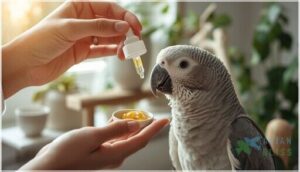
Giving your senior bird vitamins is only half the battle—knowing how to administer them safely makes all the difference. The wrong form or dosage can do more harm than good, especially in aging birds with sensitive systems.
Here’s what you need to know to supplement smartly and keep your feathered friend thriving.
Choosing The Right Supplement Form
Your senior bird’s lifestyle determines which supplement form works best. Liquid vitamins excel for fussy eaters who refuse powders, while powdered supplements deliver better vitamin stability for fat-soluble nutrients like vitamin A.
Choose liquid vitamins for fussy senior birds and powdered supplements for better stability of fat-soluble nutrients like vitamin A
Consider these practical factors when selecting avian supplements and vitamins:
- Water solubles degrade quickly in bowls, limiting potency
- Fortified foods reduce the need for extra dietary supplements
- Powders cling to moist vegetables, ensuring consistent intake
- Liquids require refrigeration after opening
- Neutral powders suit birds that reject flavored bird vitamins
Proper Dosing and Mixing Methods
Accurate vitamin mixing starts with reading labels twice. Most powders dose at one cubic centimeter per 88 milliliters of water, while liquid supplements usually follow 5 milliliters per 250 milliliters.
Mix NektonS MultiVitamin For Birds or Hari Hagen Prime Parrot Vitamin into fresh water daily, discarding leftovers after 24 hours.
For better absorption, sprinkle powders on moist vegetables rather than dry seed—this ensures your senior companion actually ingests vitamin A and vitamin D3.
Monitoring Health and Avoiding Oversupplementation
Weekly weight checks with a gram scale catch supplement troubles early—sudden drops of 5 to 10 percent flag vitamin toxicity or dietary imbalance.
Watch droppings for color shifts and increased urine, classic signs your senior companion is overloaded with Vitamin A or D3.
Balance matters more than more: birds on fortified pellets rarely need extra multivitamins, so skip stacking products to protect liver and kidney health.
When to Consult an Avian Veterinarian
When should you pick up the phone for veterinary guidance for birds? Call immediately if you spot emergency signs—labored breathing, behavior changes like sudden silence, refusal to eat, or droppings that shift color.
Schedule senior wellness visits every six months so your avian vet tracks weight, feather quality, and lab values before problems escalate. Nutrition counseling and timely parrot health and wellness checks protect your companion’s golden years.
Frequently Asked Questions (FAQs)
What vitamins to take for seniors?
Your feathered companion’s golden years call for vitamins A, E, D3, and B-complex to support immunity, vision, and bone health.
Older birds need targeted supplementation—not blanket high doses—customized to their changing metabolism.
How do I know if my bird has a vitamin deficiency?
Watch for flaky skin, dull feathers, respiratory issues, or lethargy. Behavioral changes and poor appetite signal hypovitaminosis.
Schedule health exams with nutrient tests and feather analysis to confirm pet vitamin deficiency before starting supplements.
Can senior birds eat the same diet as younger birds?
Old dogs need new tricks—senior birds need adjusted menus. They can’t thrive on youth diets. Lower calories, controlled fat, and balanced pellets suit their slower metabolism while maintaining essential vitamin levels for healthy aging.
How often should senior parrots receive veterinary checkups?
Most senior parrots thrive with checkups every six months, though some need visits every 6–9 months depending on their health history.
Any sudden changes in behavior or droppings warrant immediate veterinary attention.
Are there specific fruits toxic to aging parrots?
An ounce of prevention is worth a pound of cure” rings especially true here. Avocado tops the deadly list—persin causes heart and lung failure.
Remove apple seeds and stone pits; they release cyanide when chewed.
Conclusion
You might worry that adding bird vitamins for seniors complicates your routine, but most supplements dissolve directly into drinking water—taking less than thirty seconds daily.
That small investment pays enormous dividends when you watch your aging companion regain her vibrancy, preen with renewed interest, and greet mornings with familiar enthusiasm.
The right nutritional support doesn’t just extend lifespan; it restores the quality of life your feathered friend deserves throughout her golden years.
- https://www.revivalanimal.com/learning-center/important-vitamins-and-minerals-for-pet-birds
- https://roudybush.myshopify.com/products/senior-diet
- https://www.petmd.com/bird/conditions/digestive/c_bd_Vitamin_A_Deficiency
- https://zupreem.com/caring-for-older-birds/
- https://morningbirdproducts.com/products/morning-bird-hearty-bird-avian-vitamin-mineral-formula