This site is supported by our readers. We may earn a commission, at no cost to you, if you purchase through links.
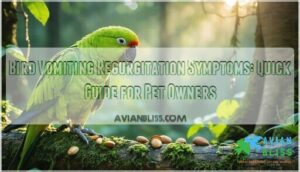 When you notice bird vomiting regurgitation symptoms, you’ll see key differences that matter.
Vomiting involves forceful expulsion with partially digested food, bile, and signs of illness like lethargy.
Regurgitation is gentler—birds bob their heads and bring up undigested food, often as affection or during breeding season.
Watch for frequency and your bird’s overall energy levels.
If your feathered friend seems sick, acts lethargic, or vomits repeatedly, it’s veterinary emergency time.
However, occasional regurgitation paired with normal behavior usually isn’t concerning.
Understanding these critical differences helps you know whether you’re dealing with normal bird communication or something requiring immediate professional attention.
Table Of Contents
- Key Takeaways
- Bird Vomiting Signs
- Regurgitation Symptoms
- Distinguishing Vomiting
- Causes of Vomiting
- Diagnosing Vomiting
- Treating Bird Vomiting
- Frequently Asked Questions (FAQs)
- How to tell if a bird is vomiting or regurgitating?
- What does it mean if a bird vomits a lot?
- What causes vomiting and regurgitation in birds?
- How do you know if a bird is regurgitated?
- How do I know if my bird is sick?
- What happens if a bird is regurgitating?
- How do you treat regurgitation in birds?
- How to tell the difference between vomiting and regurgitation in birds?
- What kind of bird throws up its stomach?
- Why is my bird vomiting undigested food?
- Conclusion
Key Takeaways
- Watch the expulsion method: If your bird forcefully shakes its head and projects partially digested, acidic food around the cage, it’s vomiting and needs immediate vet care.
- Check your bird’s energy levels: Vomiting comes with lethargy, loss of appetite, and overall sickness, while normal regurgitation happens when your bird acts healthy and alert.
- Look at the food itself: Regurgitated food appears whole and undigested (often re-eaten), but vomited material is partially broken down and bile-stained.
- Notice the head movements: Gentle, rhythmic head-bobbing signals normal regurgitation behavior, while violent head-shaking with distress indicates serious vomiting requiring emergency veterinary attention.
Bird Vomiting Signs
When your bird forcefully expels food with head-shaking motions, you’re likely witnessing true vomiting rather than normal regurgitation.
Forceful head-shaking and projectile food expulsion signals serious vomiting requiring immediate veterinary attention.
You’ll notice the expelled material appears partially digested, acidic, and often splatters around the cage, signaling a potential health concern** that requires immediate attention.
Forceful Expulsion of Food
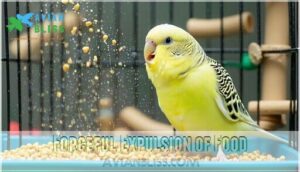
Unlike regurgitation’s gentle release, bird vomiting involves forceful expulsion through abdominal contractions that’ll send partially digested food flying across your bird’s cage.
You’ll notice projectile vomiting creates quite a mess, with your feathered friend shaking their head violently during episodes.
This aggressive action increases aspiration risk and dehydration concerns, making avian vomiting a serious medical emergency requiring immediate attention.
Partially Digested Food
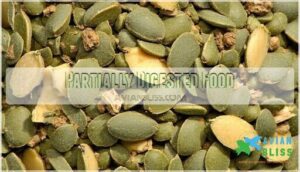
When you spot vomiting in your bird, you’ll notice the expelled material looks quite different from normal regurgitation.
The stomach contents appear acidic and partially broken down, showing clear signs of the digestion process at work.
This acidic vomitus differs dramatically from undigested food seen in regurgitation symptoms, as proventricular function has already begun nutrient absorption before expulsion occurs.
Bile-Stained Fluid

When your bird’s vomit contains yellow-green bile-stained fluid, you’re witnessing serious digestive complications that demand immediate attention.
This acidic vomit acidity indicates liver involvement or pancreatic issues affecting your bird’s internal systems. The fluid color reveals underlying problems an avian vet must address promptly.
Birds refusing food for an extended period is one of the critical bird health warning signs.
Warning signs that’ll make your heart skip:
- Bright yellow-green liquid splattered around the cage like toxic paint
- Acidic smell that burns your nostrils and signals internal damage
- Foamy consistency mixed with partially digested food particles
- Repeated episodes showing your bird’s system is failing fast
- Sticky residue coating feathers around the beak area permanently
Lethargy and Loss of Appetite
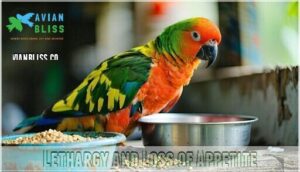
When your bird shows lethargy and loss of appetite alongside vomiting, it’s like watching a normally chatty friend suddenly go quiet.
These sick bird symptoms signal serious illness requiring immediate attention.
| Energy Level | Eating Habits | Activity Decline |
|---|---|---|
| Sleeps constantly | Refuses favorite foods | Won’t leave perch |
| Minimal movement | Picks at food listlessly | Stops singing/talking |
| Fluffed feathers | Weight changes visible | Poor feather condition |
Regurgitation Symptoms
Regurgitation looks different from vomiting because it’s a gentle, controlled process where your bird voluntarily brings up undigested food through rhythmic head-bobbing motions.
You’ll notice the food comes up whole and unprocessed, often as part of normal feeding or bonding behavior rather than a sign of illness, which can be a gentle process.
Passive Release of Food
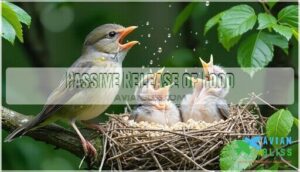
When your bird brings up food without force or drama, you’re witnessing regurgitation in action. This gentle process involves rhythmic head bobbing as undigested food travels back up from the crop. Unlike the violent heaving of vomiting, regurgitation appears calm and controlled, often resembling a bird’s natural feeding routine.
- Social Regurgitation occurs when birds share food with cage mates or favorite humans as bonding behavior
- Courtship Behavior includes regurgitation as males demonstrate their ability to provide nourishment during breeding season
- Parent Feeding involves adults regurgitating partially processed food to feed their chicks in the nest
- Crop Function allows birds to store and soften food before gradually releasing it through regurgitation
- Re-Ingestion Habits mean birds often swallow regurgitated food again, unlike bird vomiting where material gets expelled permanently
Undigested Food

When you examine regurgitated material, you’ll notice crop content remains completely undigested – whole seeds, pellets, or food pieces that look exactly as they went in.
This makes seed identification easy and helps with dietary analysis.
| Regurgitated Food | Vomited Food |
|---|---|
| Whole seeds visible | Partially digested mush |
| Original food shape | Acidic, broken down |
| Normal nutritional value | Reduced nutrients |
| Often shows food re-ingestion | Rarely re-consumed |
Bird regurgitation produces intact materials that maintain their nutritional value, unlike bird throwing up where vomiting causes break down the contents.
This distinction helps identify whether your sick bird needs immediate attention or if you’re witnessing normal behavior.
Head Bobbing
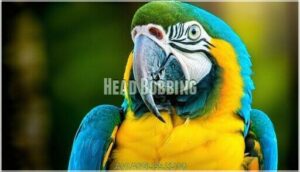
Rhythmic motion is the telltale sign of healthy regurgitation in your feathered friend.
When birds regurgitate, they perform a distinctive neck pumping action that’s quite different from violent vomiting motions.
Here’s what to watch for during normal bird regurgitation:
- Smooth head bobbing – gentle, controlled movements without distress
- Neck pumping – rhythmic contractions moving food upward
- Courtship display behavior directed at favorite people or toys
- Feeding young instincts triggered by bonding with owners
- Affection sign – calm, deliberate motions showing trust and attachment
This bird behavior is natural and shouldn’t cause alarm when you see these bird symptoms.
Conures often bob their heads to show affection, but environmental factors matter.
Voluntary Ejection
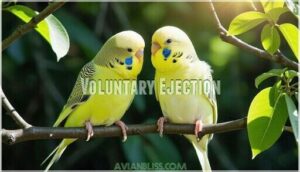
Unlike the rhythmic head bobbing you just observed, voluntary ejection happens when your bird deliberately chooses to bring up food.
This controlled action differs completely from parrot vomiting or canary vomiting, which occurs involuntarily.
During Social Regurgitation, Courtship Feeding, or Parental Behavior, birds consciously release undigested food as an Affection Display.
These Bonding Rituals are normal—budgie regurgitation often signals contentment, not illness like vomiting vs regurgitation scenarios.
Distinguishing Vomiting
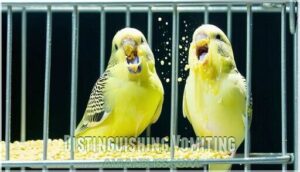
You’ll need to watch your bird’s body language and actions to tell vomiting from normal regurgitation.
Key differences include forceful head movements versus gentle bobbing, the bird’s overall energy level, and whether the expelled food is digested or whole.
Observing Bird Behavior
When your bird shows unusual behaviors, you’ll need to watch carefully to distinguish between normal regurgitation and concerning vomiting.
Look for these key behavioral changes that signal trouble:
- Aggressive head shaking during parrot vomiting versus gentle head bobbing in budgie regurgitation
- Droopy wings and hunched posture indicating illness versus normal, alert activity levels
- Withdrawn social interactions and reduced vocalizations compared to healthy feather condition and normal sleeping habits
Frequency of Regurgitation
Healthy birds typically regurgitate food only occasionally during courtship or social bonding.
When you notice your feathered friend bringing up food more than a few times daily, it’s red flag time.
Normal regurgitation patterns change with age correlation and seasonal variation—young birds may regurgitate more frequently.
Excessive regurgitation paired with other bird illness signs warrants immediate attention, as frequent vomiting differs markedly from typical regurgitation patterns, indicating a potential health issue.
Bird Demeanor
Your bird’s overall demeanor reveals critical clues about its health status.
Healthy birds maintain normal Activity Levels, engaging in Social Interaction and displaying bright Feather Condition.
Watch for changes in Vocalizations and Posture Changes.
When bird illness strikes, you’ll notice decreased bird energy level, bird appetite loss, and significant bird behavior changes that signal trouble ahead.
Physical Signs
Visual cues tell the real story when distinguishing bird vomiting symptoms from normal regurgitation.
Look for feather staining around your bird’s head and neck, indicating forceful expulsion.
Crop swelling signals potential blockages, while abnormal droppings reveal digestive distress.
Weight loss, balance loss, drooling, and foaming accompany true vomiting episodes, demanding immediate veterinary attention.
Causes of Vomiting
Understanding what causes your bird to vomit helps you respond quickly when health issues arise. Several factors can trigger this concerning behavior, from infections to dietary problems.
Infections and Toxins
Infectious agents and environmental toxins represent major threats to your bird’s digestive health.
Bacterial infections like Salmonella affect over 15% of bird populations, while viral illnesses and fungal infections create serious complications.
Toxic exposure from contaminated food or household items triggers immediate vomiting responses.
- Bacterial Infections: Salmonella and E. coli cause severe digestive upset, particularly dangerous for young chicks under four weeks old
- Heavy Metals: Lead poisoning from household sources affects 27% of exposed parrots, causing neurological signs alongside vomiting
- Toxic Plants: Common houseplants and pesticide-treated foods create immediate poisoning reactions requiring emergency veterinary intervention
Dietary Changes
Rapid changes to your bird’s menu can shock their digestive system, triggering vomiting episodes. New Food Introduction should happen slowly over weeks, not days.
Nutritional Deficiencies from poor-quality seeds or contaminated food create additional stress on their system, while Food Allergies to specific ingredients can cause immediate reactions.
| Change Type | Safe Timeline | Warning Signs |
|---|---|---|
| New Food Introduction | 7-10 days mixing | Immediate rejection, vomiting |
| Seed to Pellet | 2-3 weeks gradual | Weight loss, reduced eating |
| Diet Brand Switch | 5-7 days blending | Digestive upset, lethargy |
| Fresh Foods | 1-2 items weekly | Loose droppings, refusal |
| Treat Additions | Small amounts first | Behavioral changes, vomiting |
Gradual Diet Shift prevents shock to their system. A Balanced Diet with consistent quality prevents most dietary-related vomiting. Monitor your bird’s response to any changes carefully.
Stress and Anxiety
When environmental factors shift unexpectedly, your feathered friend might experience stress that triggers vomiting episodes.
Bird stress manifests through various handling practices and environmental changes that disrupt their comfort zone.
Common stress triggers include:
- Environmental Factors – sudden temperature changes or lighting shifts
- Social Isolation – separation from flock mates or human companions
- Handling Practices – rough or frequent handling sessions
- Noise Sensitivity – loud sounds or unfamiliar household activities
- Cage Enrichment – lack of toys or overcrowded spaces
These bird regurgitation causes and bird vomiting causes stem from your pet’s heightened anxiety levels, making stress management essential for their digestive health.
Foreign Objects
When birds swallow inappropriate items, your feathered friend faces serious health risks.
Foreign objects pose immediate choking and toxicity dangers to your beloved bird.
Object size and material type determine impaction location – small toys lodge in crops, while metallic pieces cause toxicity**.
Bird regurgitation symptoms include persistent head bobbing and undigested food expulsion. Psittacosis can trigger tremors and digestive upset.
Foreign objects trigger avian disease complications requiring immediate surgical removal. Implement preventative measures by removing hazardous materials and monitoring bird health closely.
Diagnosing Vomiting
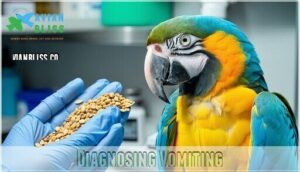
When your bird shows concerning symptoms, you’ll need professional help to determine if it’s vomiting or normal regurgitation.
A veterinarian can perform the necessary tests and physical examination to identify the underlying cause and recommend proper treatment.
Veterinary Consultation
When your bird shows persistent vomiting symptoms, schedule veterinary care immediately with an avian disease specialist.
Your bird specialist will conduct diagnostic tests including blood work and imaging to identify underlying causes.
They’ll discuss medication options, follow-up care schedules, and preventative measures, which can substantially improve treatment outcomes and prevent serious complications from developing in your feathered companion, highlighting the importance of early professional intervention.
Observation of Symptoms
Carefully monitor each episode’s frequency, triggers, and expelled contents.
Droppings analysis reveals digestive health—watery green indicates illness.
Watch for feather staining around the head, weight changes, and appetite changes.
Behavioral cues like lethargy signal serious bird vomiting signs.
Note swallowing difficulty or crop issues.
Document finch regurgitation patterns versus forceful expulsion.
These bird vomiting observations help distinguish normal behavior from medical emergencies requiring immediate attention.
Observing lesions can also be important, as wart-like growths may indicate other underlying issues, including serious bird vomiting signs and the need for immediate attention.
Medical History
During your vet visit, you’ll need to share your bird’s complete medical backstory.
Think of it like detective work—every clue matters when solving the mystery of what’s making your feathered friend sick.
Your vet will ask about:
- Past illnesses and previous episodes of vomiting or crop issues
- Medication history and recent diet changes you’ve made
- Toxin exposure from household cleaners or plants.
This information helps identify underlying medical issues and determines which diagnostic tests are needed.
Physical Examination
Your avian veterinarian conducts a thorough physical examination to identify dehydration, crop palpation abnormalities, and weight evaluation changes.
They’ll assess feather condition, perform auscultation findings on heart and lungs, plus hydration assessment through skin tenting.
This hands-on approach reveals vital bird illness signs that blood work might miss, ensuring proper bird medical care for your pet birds’ bird health examination needs.
Treating Bird Vomiting
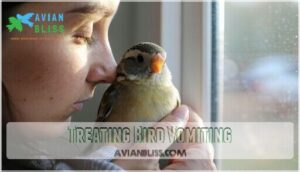
When your bird vomits, immediate treatment focuses on addressing the underlying cause and preventing dehydration.
You’ll need to provide supportive care while seeking professional veterinary guidance to identify whether it’s true vomiting or normal regurgitation behavior, which involves understanding regurgitation.
Providing Balanced Diet
Once proper diagnosis confirms vomiting, focus on your bird’s nutritional requirements through a well-planned approach.
Offer varied fresh produce like leafy greens, carrots, and berries alongside high-quality pellets.
Supplementing with essential bird pellets can further enhance their diet.
This food variety supports digestive health while avoiding deficiencies that trigger vomiting episodes.
Consider supplementation only under veterinary guidance to maintain ideal bird nutrition.
Ensuring Proper Hydration
After addressing nutrition, bird hydration becomes your next priority when treating vomiting episodes. Dehydration can worsen your bird’s condition quickly, so monitoring their fluid intake helps prevent complications.
Here’s how to maintain proper hydration:
- Fresh Water Access – Replace water daily and clean bowls thoroughly to prevent bacterial growth
- Electrolyte Solutions – Offer veterinarian-approved electrolyte supplements if your bird shows dehydration symptoms like sunken eyes
- Hydration Monitoring – Watch for signs like sticky saliva or reduced droppings that indicate insufficient bird water intake
Supportive care through proper fluids can make the difference between recovery and deterioration. You can find a bird electrolyte solution online. Some birds enjoy shallow bathing dishes, which provide bathing benefits while encouraging natural drinking behaviors.
Keep water bowls away from perches to prevent contamination from droppings.
Reducing Stress
Create a calming environment for your stressed bird by establishing routine stability and consistent cage enrichment.
Minimize handling during episodes of bird vomiting, as excessive interaction can worsen anxiety. Reduce noise levels around the cage and maintain predictable feeding schedules.
Social interaction should be gentle and brief. Understanding bird behavior tips helps identify stress triggers in your bird’s environment for effective stress management.
Many owners find specialized calming solutions helpful.
Seeking Emergency Care
When bird vomiting becomes severe or persistent, immediate action can save your feathered friend’s life.
Critical symptoms like blood in vomit, labored breathing, or collapse require emergency veterinary access within hours.
Transport your bird in a warm, secure carrier to after-hours care facilities.
Avian specialists provide life-saving treatments that general vets might miss, substantially improving survival rates for serious bird illness requiring urgent medical attention.
Frequently Asked Questions (FAQs)
How to tell if a bird is vomiting or regurgitating?
Distinguishing differences demands detailed observation: watch your bird’s behavior carefully.
Vomiting involves forceful head movements with partially digested, acidic material splattering around the cage.
Regurgitation shows rhythmic head-bobbing, releasing whole, undigested food that’s often re-eaten or shared, which can be a key indicator of the bird’s behavior.
What does it mean if a bird vomits a lot?
Frequent vomiting in birds signals serious illness requiring immediate veterinary attention. You’ll notice forceful head movements, splattered partially-digested food, and lethargy accompanying the episodes.
What causes vomiting and regurgitation in birds?
Nearly 40% of pet birds experience digestive issues annually.
You’ll find vomiting stems from infections, toxins, stress, or foreign objects, while regurgitation often indicates normal social behavior, crop problems, or dietary issues requiring veterinary attention.
How do you know if a bird is regurgitated?
You’ll recognize regurgitation when your bird rhythmically bobs its head and calmly brings up whole, undigested food without forceful gagging motions or distress signs.
How do I know if my bird is sick?
Ironically, healthy birds work hard to hide illness until they’re quite sick.
Watch for fluffed feathers, lethargy, appetite changes, altered droppings, breathing difficulties, or sleeping on cage bottoms—these signal trouble.
What happens if a bird is regurgitating?
When your bird regurgitates, it’s usually normal behavior – they’re either showing affection, feeding young, or engaging in courtship. Watch for accompanying illness signs like lethargy or appetite loss.
How do you treat regurgitation in birds?
Studies show that 80% of bird regurgitation cases stem from behavioral rather than medical causes.
You’ll need to identify the root cause first. If it’s behavioral bonding, redirect attention to toys.
For medical issues like crop stasis or infections, consult an avian vet immediately.
How to tell the difference between vomiting and regurgitation in birds?
You’ll notice vomiting involves forceful head shaking with partially digested, acidic material splattering around the cage, while regurgitation shows gentle head bobbing with whole, undigested food.
What kind of bird throws up its stomach?
Here’s something surprising: no bird actually throws up its stomach.
You might be thinking of vultures, which regurgitate partially digested food as a defense mechanism, but their stomach stays put inside their body.
Why is my bird vomiting undigested food?
Your bird’s likely regurgitating, not vomiting.
Regurgitation involves gentle head-bobbing and undigested food, often showing affection or bonding behavior.
True vomiting includes forceful ejection with lethargy—that needs vet attention immediately.
Conclusion
Remember when your childhood pet seemed "off" but you couldn’t pinpoint why? That same intuition applies to recognizing bird vomiting regurgitation symptoms.
You’ve now learned the key differences between concerning vomiting and natural regurgitation behaviors. Trust your observations—forceful expulsion with bile signals trouble, while gentle head-bobbing with undigested food typically indicates normal behavior.
When you spot lethargy, repeated vomiting, or unusual demeanor changes, don’t hesitate to contact your avian veterinarian immediately. Your quick recognition of these symptoms can make all the difference.