This site is supported by our readers. We may earn a commission, at no cost to you, if you purchase through links.
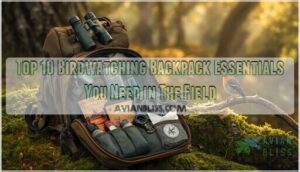
Imagine this: you’ve hiked two miles into prime warbler territory, binoculars finally trained on a stunning Blackburnian, and your backpack decides that’s the perfect moment to dump your field guide into a creek. Rookie mistake—but not an uncommon one.
Birdwatching might look like gentle hobbyist stuff from the outside, but serious birders know the field punishes disorganization fast. The wrong gear setup means missed sightings, soaked equipment, and a long walk back in soggy socks.
Getting your birdwatching backpack essentials dialed in changes everything—turning a frustrating scramble into the kind of smooth, focused outing where the birds actually cooperate.
Table Of Contents
- Key Takeaways
- Key Factors in Choosing a Birdwatching Backpack
- Essential Features for Birdwatching Backpacks
- Must-Have Birdwatching Gear and Accessories
- Safety, Navigation, and Emergency Essentials
- Top 10 Birdwatching Backpack Essentials to Buy
- 1. Hydro Flask Insulated Water Bottle
- 2. Larabar Peanut Butter Chocolate Bars
- 3. Garmin Gpsmap Handheld Navigator
- 4. Nitecore Rechargeable Headlamp Flashlight
- 5. Garmin Inreach Mini Satellite Communicator
- 6. Zeiss Lens Cleaning Wipes
- 7. Rite In The Rain Weatherproof Pen
- 8. Rite In The Rain Weatherproof Notebook
- 9. Frogg Toggs Ultra Lite Poncho
- 10. Wacool Snake Hook Tool
- Frequently Asked Questions (FAQs)
- What is a code 5 in birding?
- What does every birder need?
- How do I clean muddy hiking boots after birding?
- Whats the best backpack capacity for day trips?
- Can I bring my dog on birding expeditions?
- How do I prevent fogging on my binoculars?
- Whats the ideal departure time for morning birding?
- How do I clean and maintain my birdwatching backpack?
- Can children use adult birdwatching backpacks comfortably?
- Which backpack colors are best for wildlife observation?
- Conclusion
Key Takeaways
- Match your pack size to your trip length — a 20–25L pack handles most half-day outings, but going longer means going bigger, or paying for it with your shoulders.
- Waterproofing isn’t a bonus feature; rain-resistant fabric, seam sealing, and a solid rain cover are the difference between functioning optics and a soggy mess.
- Your pack’s fit matters more than its features — a proper hip belt and torso-length match shift up to 80% of the load off your shoulders, which is the only reason you’ll still be smiling at mile four.
- Safety gear like a GPS device, first aid kit, and satellite communicator aren’t overkill — they’re what keeps a missed trail marker from turning into a full-blown emergency.
Key Factors in Choosing a Birdwatching Backpack

Not every backpack deserves a spot on your back — especially when you’re hauling optics through the woods at 6am.
A pack with adjustable straps and load-balancing support makes those early morning treks through the woods a lot easier on your shoulders.
The right one depends on a handful of factors that can make or break your time in the field.
Here’s what to think about before you buy.
Distance and Duration Considerations
Three miles. That’s often all it takes before an overloaded birding backpack turns a joyful morning into a grudge match with your own shoulders. Smart trail planning means matching your daypack to your actual pace — birders usually cover half the miles of regular hikers due to frequent stops.
Plan accordingly:
- Short outings (1–3 hrs): Lightweight daypack, minimal gear
- Half-day trips (4–6 hrs): Mid-sized birding backpacks with hydration
- Multiday expedition backpacks: Full load, shorter daily distance targets
You’ll find many valuable tips on combining hiking with birding in this guide to.
Capacity and Gear Requirements
Once you’ve nailed your distance, backpack capacity becomes the next puzzle. Your bird watching backpack needs to handle binocular compartments, optics protection, food storage, and clothing space without turning into a brick.
Most birding equipment fits in 20–25L for half-day trips.
| Trip Type | Backpack Capacity |
|---|---|
| Half-day | 20–25L |
| Full-day | 25–35L |
Camera fit and optics volume eat space fast. For those seeking sophisticated features like scope carrying systems, check out this excellent example of an air ventilation system in birding backpacks https://www.10000birds.com/a-perfect-birding-rucksack-swarovski-bp-backpack-30.htm.
Comfort, Weight, and Fit
Capacity sorted? Now let’s talk about how the pack actually feels on your body — because a badly fitted backpack is basically a punishment for loving birds.
Torso length matters more than most people realize. Get that wrong, and no amount of ergonomic design saves you. A proper hip belt fit and ergonomic strap system shift weight distribution off your shoulders, making comfort and back support actually achievable for all-day outings.
Durability and Water Resistance
Your pack’s fit is sorted — but none of that matters if your gear drowns on a rainy morning marsh walk. Water resistance and durability are non-negotiable.
Look for ripstop nylon or Cordura fabric — both handle brush and rocky trails without shredding. Waterproof materials with seam reinforcement and weather shields keep your optics dry.
Rain protection isn’t optional; it’s your insurance policy.
Organizational Compartments and Accessibility
A chaotic pack kills momentum fast. Smart compartment layout means your binoculars ride in padded binocular compartments for real optics protection, while dedicated pockets handle lens cleaning access without the panic-fumble.
Look for flexible pocket design, solid gear organization, and accessory mounts that clip extras externally. Good storage solutions — including shoulder-strap pouches — keep everything within reach so you never miss the shot.
Security and Anti-theft Features
Traveling to remote birding sites means your backpack faces more than just mud and rain — thieves target distracted birders in crowded transit hubs.
Look for lockable zippers, slash resistance in shoulder straps and panels, and hidden pockets for passports or cash. RFID blocking keeps contactless cards safe.
Anti-theft materials and concealed anchor points turn your camera bag into a proper security vault.
Essential Features for Birdwatching Backpacks
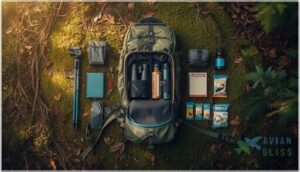
Not all backpacks are built the same, and in the field, the wrong one will remind you of that fast.
The features you choose can mean the difference between a smooth morning out and a soggy, disorganized mess.
Here’s what to look for before you buy.
Multiple Compartments and Padded Inserts
Think of your bird watching backpack as a mobile command center. Padded compartments keep your optics scratch-free, while modular inserts and customizable dividers let you reshape the layout as your kit evolves.
Organizer panels corral lens cloths and permits so nothing vanishes into the abyss. For serious backpack selection, a camera backpack with removable camera bag inserts and accessory pockets is a true birdwatching essential.
Water Bottle and Hydration Sleeves
Staying hydrated on a long birding session isn’t optional — it’s survival. Your backpack’s hydration system can make or break a full-day outing.
Here’s what actually matters in outdoor gear:
- Sleeve placement keeps water weight against your spine for better balance on uneven trails.
- Bottle safety — choose stainless steel or BPA-free Tritan for clean, worry-free sipping.
- Insulation technology in double-wall bottles keeps drinks cold for hours under direct sun.
Rain Covers and Weather Protection
A sudden downpour doesn’t care about your rare warbler sighting. That’s why rain cover design and waterproof materials aren’t bonus features — they’re your first line of defense.
| Feature | What It Does | Why It Matters |
|---|---|---|
| Storm Protection Cover | Wraps entire pack | Shields camera gear instantly |
| Seam Sealing | Blocks needle-hole leaks | Keeps notebooks bone-dry |
| Breathable Fabrics | Ventilation channels release heat | Prevents condensation on lenses |
Ergonomic Straps and Hip Belts
Your shoulders will thank you after hour five. A well-built bird watching backpack lives or dies on its ergonomic design — specifically how load distribution splits weight between your shoulders and hips.
Padded hip belts transfer up to 80% of the load to your pelvis, while S-curved shoulder straps and strap adjustment options keep everything locked in. Good ergonomics and comfort aren’t luxury — they’re survival.
Binocular and Optics Protection
Your ergonomics are locked in — now protect what you’re actually out there to use. A solid bird watching backpack should cradle your binoculars in padded cases or divider inserts, shielding optics from trail bumps.
Look for fogproof coatings, waterproof seals, and IPX7-rated binoculars that laugh at sudden downpours. Lens protection, spotting scope compatibility, and camera protection aren’t extras — they’re non-negotiables.
Must-Have Birdwatching Gear and Accessories
Your backpack is only as good as what’s inside it. The right gear can mean the difference between a forgettable morning walk and a full-on birding discovery.
Here’s what you actually need to bring along.
Binoculars and Spotting Scopes
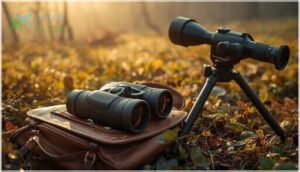
Binoculars are the heartbeat of birdwatching — no other birding essential comes close. For most outings, an 8×42 gives you steadier field views and a brighter image than 10×42 in low light.
Binoculars are the heartbeat of birdwatching, and no other gear comes close
Need spotting scope compatibility? Match your scope sizes to your trail length: 60mm for long hikes, 80mm for car-side sessions. Keep lens caps on for optical equipment protection and optics quality that actually lasts.
Field Guides and Bird ID Apps
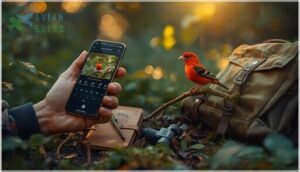
Once you’ve got your optics sorted, the next call is knowing what you’re looking at. Digital Guides like Merlin and Audubon handle Bird ID without adding an ounce to your pack. Merlin’s Sound ID even IDs birds by ear — live, in real time.
Your Field Apps toolkit:
- Offline Access via downloadable regional packs
- Species Tracking and personal life lists
- Photo and sound Bird Identification tools
- Sibley for deep Field Research dives
- Audubon for habitat-based Birding Essentials
Pure Birdwatching freedom, right in your pocket.
Notebooks and Recording Tools

Apps got your IDs covered — but nothing beats scribbling a quick note when something rare lands right in front of you. Field Notebooks like Rite in the Rain handle downpours without smearing.
Recording Devices such as the Birdweather Puc capture Bird Song automatically. Your Wildlife Observation toolkit:
| Tool | Best For |
|---|---|
| Weatherproof Notebook | Field Research notes |
| Birdweather Puc | Audio Equipment & Detection |
| Digital Logs App | Species Tracking |
| Waterproof Pen | Birdwatching in the rain |
Camera Gear and Tripods
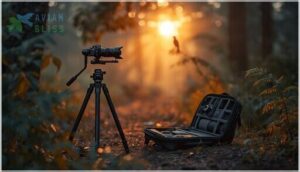
Your photography equipment can make or break a birding trip. Mirrorless camera bodies with bird-detection autofocus are game-changers, and telephoto lenses in the 100–500mm range let you fill the frame without spooking your subject.
Pair them with a carbon fiber tripod and gimbal head for buttery-smooth tracking. Good lens stabilization takes care of the rest. Your camera backpack should protect all that optical equipment religiously.
Clothing, Footwear, and Sun Protection
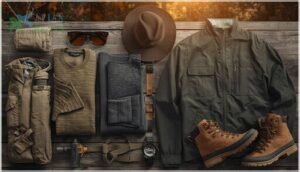
Your layering strategy can make or break a full day out. Here’s how to dress smart:
- Base layer — moisture-wicking merino or synthetic fabric
- Mid layer — lightweight fleece for cool mornings
- Outer shell — breathable fabrics with wind and water resistance
- Sun protective gear — UPF 30+ shirts, wide-brim hat, polarized sunglasses
Good footwear selection and insect repellent clothing round out your comfort and durability game.
Snacks and Hydration Solutions

Fuel is everything on a long birdwatching haul. Toss calorie-dense trail food like mixed nuts or energy bars into your backpack — they hit around 160 to 200 calories per handful without weighing you down.
Sip steadily for electrolyte balance, and use a hydration system with a bladder so you never miss a bird fumbling for a bottle. Pack water purification tablets for longer outdoor adventure routes. Keep snack packaging quiet — crinkly bags spook birds fast.
Safety, Navigation, and Emergency Essentials

Knowing your birds is one thing — knowing how to get home safely is another.
The field can throw all kinds of surprises at you, from sudden storms to sketchy terrain, and being prepared isn’t paranoia, it’s just smart birding.
Here’s what you’ll want packed before you head out.
GPS Devices and Backup Navigation
Getting lost mid-birdwatching session is a special kind of awful. That’s why your backpack needs solid navigation gear.
A handheld GPS like the Garmin GPSMAP facilitates satellite communication even under heavy tree cover. Pair it with smartphone navigation apps like Gaia GPS for offline topo maps.
And honestly? Never skip basic map compass skills — dead batteries don’t care about your outdoor adventure.
First Aid Kits and Wildlife Deterrents
Your bird watching backpack isn’t complete without a compact first aid kit — think 200 to 400 grams, bandages, antiseptic wipes, and blister pads.
Birding accessories like tick tweezers and a compression bandage are smart wildlife safety additions in snake or tick country. Bear spray in a hip holster is non-negotiable outdoor gear for serious outdoor protection and emergency response.
Headlamps and Flashlights
Predawn starts mean one thing: you need light before dawn. A solid headlamp with red light modes protects your night vision while keeping nocturnal wildlife calm — no blown pupils, no spooked owls.
Look for 300–600 lumens, multiple light modes, USB-C charging for real battery life, and at least IPX4 weather resistance. Essential hiking gear for any serious bird watching backpack.
Weatherproof Notebooks and Pens
Your headlamp keeps things visible — but what about your notes when the sky opens up?
Waterproof paper doesn’t turn to mush when rain hits, making it non-negotiable birding and hiking gear. Notebook design matters more than you’d think.
Look for these field portability wins:
- Rite in the Rain’s durable covers survive backpack abuse
- Pen performance stays solid with ballpoints on wet pages
- Pocket-sized (3.5″ x 5.5″) fits any bird watching backpack
- Outdoor gear shouldn’t quit mid-rainstorm — neither should your notes
- Birding essentials include nature photography sketches and species checklists
Rain Gear and Protective Clothing
Your notes stay dry — now make sure the rest of you does too. Good rain gear isn’t optional birding essentials; it’s your whole day.
Waterproof materials with breathable fabrics like Gore-Tex keep you dry without cooking you alive. Rain pants pull on fast over boots. Insulated gloves let you work focus rings in a downpour.
Camouflage clothing quiets your silhouette. Smart outdoor equipment choices.
Top 10 Birdwatching Backpack Essentials to Buy
Alright, let’s get to the good stuff — the actual gear you should throw in your pack before heading out.
These ten picks cover everything from staying hydrated to not getting lost (or bitten). Here’s what’s worth your money.
1. Hydro Flask Insulated Water Bottle
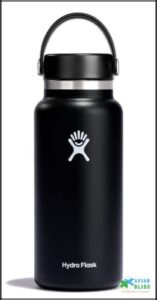
Staying hydrated isn’t optional when you’re hiking three miles into marshland before sunrise.
The Hydro Flask 32 oz Wide Mouth bottle keeps cold drinks icy for up to 24 hours and hot drinks warm for 12 — real numbers, not marketing fluff. It’s BPA-free, built from tough 18/8 stainless steel, and won’t sweat all over your field guide.
At just 1.28 ounces empty, it won’t wreck your back either. Basically, it’s the water bottle that actually shows up for you.
| Best For | Outdoor enthusiasts, commuters, and anyone serious about staying hydrated who wants a durable, no-fuss bottle that actually keeps drinks at the right temperature all day. |
|---|---|
| Weight | 1.28 oz |
| Material | Stainless Steel/Plastic |
| Color | Black |
| Outdoor Use | Yes |
| Portable Design | Yes |
| Weather Resistant | Insulated |
| Additional Features |
|
- Keeps drinks cold for 24 hours and hot for 12 — that’s genuinely impressive real-world performance.
- Built from tough 18/8 stainless steel, so it handles bumps, drops, and rough conditions without complaint.
- BPA-free, dishwasher safe, and easy to clean — low maintenance all around.
- The wide mouth design means it won’t slide into every cup holder, which can be annoying on road trips.
- Heavier than a plastic bottle, so ultralight packers might think twice.
- Some users find the lid less secure than expected — worth double-checking before tossing it in a bag.
2. Larabar Peanut Butter Chocolate Bars

Hydration handled — now let’s talk fuel.
When you’re three miles deep and a Black-throated Blue Warbler shows up unexpectedly, you don’t want to be digging around for a snack. Larabar Peanut Butter Chocolate Chip bars are four ingredients, zero nonsense — dates, peanuts, chocolate chips, sea salt. That’s it.
Each bar packs around 220 calories, holds together beautifully in your hip belt pocket, and tastes like dessert earned. Gluten-free, vegan, and individually wrapped. Trail-ready without the ingredient list that needs a chemistry degree.
| Best For | Hikers, travelers, and anyone on a vegan or gluten-free diet who wants a clean, simple snack that actually tastes good. |
|---|---|
| Weight | 28.8 oz (18 bars) |
| Material | Dates/Peanuts/Chocolate |
| Color | Brown/Tan |
| Outdoor Use | Yes |
| Portable Design | Yes |
| Weather Resistant | Sealed packaging |
| Additional Features |
|
- Only four real ingredients — no fillers, no weird additives, just dates, peanuts, chocolate chips, and sea salt
- Checks a lot of dietary boxes: vegan, gluten-free, kosher, Non-GMO, and Fair Trade certified
- Easy to toss in a bag and forget about until you need them
- They’re pricey, and that cost adds up fast if you’re snacking on them regularly
- Not exactly a nutritional powerhouse — more of a quick energy hit than a well-rounded snack
- Fair warning: they’re pretty addictive, so that 18-bar box might not last as long as you’d planned
3. Garmin Gpsmap Handheld Navigator
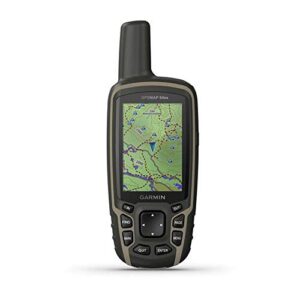
Cell service drops fast once you leave the trailhead — and that’s exactly when you need the Garmin GPSMAP Handheld Navigator most. This rugged little unit runs up to 16 hours in GPS mode, meets IPX7 waterproofing standards, and comes preloaded with TopoActive maps so you’re never squinting at a blank screen.
Multi-GNSS support keeps your position locked even under dense canopy. Mark a sighting, retrace your route, check the barometric pressure. It’s your trail brain when your phone taps out.
| Best For | Hikers, cyclists, and climbers who venture off the grid and need reliable navigation where cell service doesn’t exist. |
|---|---|
| Weight | 8 oz |
| Material | Plastic/Rubber |
| Color | Black/Tan |
| Outdoor Use | Yes |
| Portable Design | Yes |
| Weather Resistant | Water-resistant |
| Additional Features |
|
- Rugged and waterproof build that can handle real outdoor conditions without babying it
- Preloaded TopoActive maps and multi-GNSS support keep you oriented even under heavy tree cover
- Long 16-hour battery life means it lasts through a full day of serious adventure
- The 2.6-inch screen is functional but can feel cramped, especially when studying detailed terrain
- 3D terrain views and Birdseye imagery require a paid subscription on top of the purchase price
- The PC software has a learning curve that can feel frustrating when you just want to get out the door
4. Nitecore Rechargeable Headlamp Flashlight
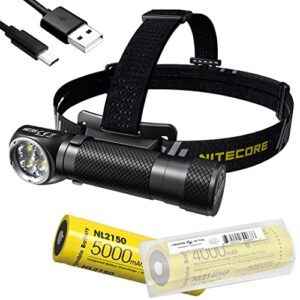
Pre-dawn birding is its own kind of magic — until you’re fumbling around a dark trail at 4 AM with your phone flashlight. The Nitecore Rechargeable Headlamp fixes that fast.
It pumps out 2,700 lumens, detaches for handheld use, and charges via USB so your power bank does double duty. The red LED mode keeps your night vision intact while you check your field guide.
At just under 15 ounces, it won’t weigh your setup down either.
| Best For | Birders, hikers, and outdoor enthusiasts who need reliable, hands-free lighting for early morning or nighttime adventures. |
|---|---|
| Weight | 14.9 oz |
| Material | Anodized Aluminium |
| Color | Black |
| Outdoor Use | Yes |
| Portable Design | Yes |
| Weather Resistant | Not specified |
| Additional Features |
|
- Pumps out an impressive 2,700 lumens — plenty of light for any trail or task
- Detaches from the headband so you can use it as a regular flashlight when needed
- USB rechargeable, meaning one power bank keeps both your phone and your headlamp going
- Runs hot on the highest setting, so you’ll want to dial it back during long use
- The magnetic tailcap isn’t the strongest, so don’t count on it holding heavy gear
- The headband fit can feel awkward, especially on longer outings
5. Garmin Inreach Mini Satellite Communicator
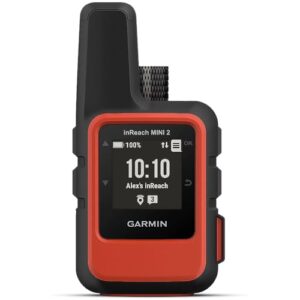
Deep in a remote marsh at dawn, your cell signal vanished three miles back. That’s exactly where the Garmin inReach Mini 2 earns its spot in your pack.
At just 3.5 ounces and smaller than a deck of cards, it disappears into any pocket. But it’s quietly doing serious work — two-way satellite messaging, a 24/7 SOS button, and up to 14 days of battery life. It even pulls weather forecasts via satellite. Peace of mind, packed light.
| Best For | Hikers, campers, and sailors who venture into areas with zero cell coverage and need a reliable way to communicate or call for help. |
|---|---|
| Weight | 3.49 oz |
| Material | Plastic |
| Color | Orange |
| Outdoor Use | Yes |
| Portable Design | Yes |
| Weather Resistant | Water-resistant |
| Additional Features |
|
- Two-way messaging and a 24/7 interactive SOS that works anywhere on the planet — no cell tower needed.
- Tiny and light at under 3.5 ounces, so it fits in any pack without adding noticeable weight.
- Up to 14 days of battery life in tracking mode, which covers most extended trips without needing a recharge.
- The satellite subscription is required for most features, and the plans can get pricey fast.
- Messages can be slow to send and receive, so it’s not great if you need quick back-and-forth communication.
- Some setup has to be done through the InReach web portal on a computer, which isn’t the most convenient experience.
6. Zeiss Lens Cleaning Wipes
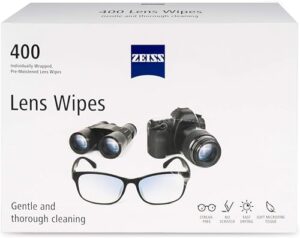
Blurry binoculars are basically useless binoculars. One smudged eyepiece and you’ve missed the bird entirely. That’s where Zeiss Lens Cleaning quietly save the day.
Each individually wrapped wipe is pre-moistened with a fast-drying, alcohol-based solution that cuts through fingerprints, grease, and grime in seconds — no streaks, no lint, no drama. They’re safe on anti-reflective coatings, weigh almost nothing, and a single wipe cleans your bins, camera lens, and glasses. Toss a handful in your pack. You’ll thank yourself later.
| Best For | Anyone who wears glasses or uses optical gear regularly and wants a quick, reliable way to clean lenses on the go. |
|---|---|
| Weight | 1.06 oz |
| Material | Non-woven fabric |
| Color | White |
| Outdoor Use | Yes |
| Portable Design | Yes |
| Weather Resistant | Moisture-resistant |
| Additional Features |
|
- Pre-moistened and ready to use right out of the wrapper — no bottles, no cloths needed
- Safe on anti-reflective coatings and prescription lenses, so you’re not risking a scratch
- Individually wrapped, which makes them easy to toss in a bag, pocket, or car
- Wipes can dry out if the seal isn’t great or they sit unused for a while
- Some users noticed lint or streaks left behind, which kind of defeats the purpose
- A few people found them less effective than expected on heavier smudges or grease
7. Rite In The Rain Weatherproof Pen
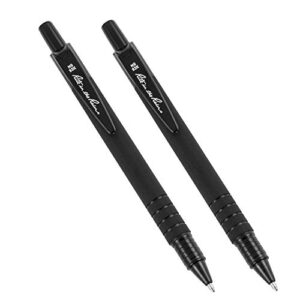
Rain doesn’t care about your field notes — but this pen does. The Rite in the Rain Weatherproof Pen (Model 93K-2) writes through wet paper, mud, grease, and even underwater up to 35 feet.
Its pressurized Fisher Space Pen cartridge works upside down and copes with temperatures from -30°F to 250°F. The rubberized grip keeps things steady when your hands are soaked. At under half an ounce, it disappears in your pack — until you desperately need it mid-downpour.
| Best For | Outdoor workers, hikers, and anyone who needs to write reliably in rain, mud, or extreme temperatures. |
|---|---|
| Weight | 0.48 oz |
| Material | Plastic |
| Color | Black |
| Outdoor Use | Yes |
| Portable Design | Yes |
| Weather Resistant | Writes in rain |
| Additional Features |
|
- Writes through water, grease, and mud without skipping or smearing
- Pressurized cartridge handles wild temperature swings and works upside down
- Lightweight rubberized grip stays secure even with wet hands
- Clicker mechanism can come apart if you press too hard
- A few users have noted the ink skips or leaks on occasion
- Pricey for a plastic pen, and the black ink has a slightly different tone than standard ballpoints
8. Rite In The Rain Weatherproof Notebook
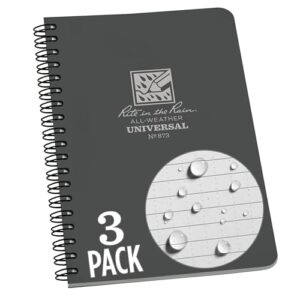
That pen needs a worthy partner, and the Rite in the Rain Weatherproof Notebook (Model 873L3) is exactly that. Its Polydura cover shrugs off rain, sweat, and field grime without flinching.
The weatherproof pages won’t dissolve mid-downpour, and the non-glare gray paper actually reads well in bright sunlight — a small detail that matters a lot when you’re squinting at your notes between tree canopies. At 64 pages and under 10 ounces, it’s light enough to forget you’re carrying it, until you really need it.
| Best For | Outdoor professionals and adventurers — hikers, surveyors, construction workers, and field researchers — who need reliable note-taking in rain, heat, and rough conditions. |
|---|---|
| Weight | 9.6 oz |
| Material | Polydura/Paper |
| Color | Gray |
| Outdoor Use | Yes |
| Portable Design | Yes |
| Weather Resistant | Weatherproof paper |
| Additional Features |
|
- Paper holds up in wet, sweaty, or greasy conditions without falling apart
- Non-glare gray paper is easy to read in direct sunlight
- Lightweight at under 10 ounces with a tough Polydura cover that can take a beating
- Gel pens won’t work, and pencil marks can smudge or be tough to erase
- Pens may clog when used in truly wet conditions
- The rugged paper texture makes it less pleasant for everyday writing
9. Frogg Toggs Ultra Lite Poncho
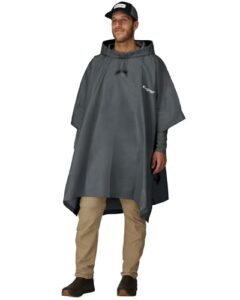
Your notebook’s got the notes covered — now let’s keep you dry. The Frogg Toggs Ultra Lite Poncho weighs just 8 ounces and packs into a stuff sack small enough to hide in a side pocket.
It’s waterproof, breathable, and generous enough to drape over both you and your backpack — yes, your optics stay dry too. Side snaps, a cinch-cord hood, and PFAS-free materials make it a smart carry.
Surprise showers won’t end your session anymore.
| Best For | Hikers, anglers, and anyone who spends time outdoors and wants a no-fuss rain layer that disappears into a bag until you need it. |
|---|---|
| Weight | 8 oz |
| Material | Polypropylene |
| Color | Yellow |
| Outdoor Use | Yes |
| Portable Design | Yes |
| Weather Resistant | 100% waterproof |
| Additional Features |
|
- Weighs just 8 ounces and stuffs into a compact sack — easy to toss in any pack or emergency kit
- Fully waterproof and breathable with PFAS-free materials, so you stay dry without the guilt
- Generous fit drapes over you and your gear, and the adjustable hood actually stays put
- The one-size design runs big and voluminous, so it won’t feel tailored or sleek
- Heavy-duty material traps heat fast — not ideal for warm summer days
- The packaging can be tricky to open without tearing into the poncho itself
10. Wacool Snake Hook Tool
You’ve handled the rain — now let’s talk about the other surprise hiding on the trail.
Snakes happen.
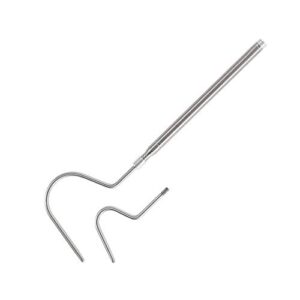
The WACOOL Snake Hook Tool collapses down to about 8 inches, weighs just 4.2 ounces, and extends to 27.5 inches when you need it.
Two swappable hooks handle everything from a garter snake to something beefier.
Rated for snakes up to 5.5 pounds, it lets you gently guide wildlife off your path without skipping a beat on your bird count.
| Best For | Hikers, birders, and outdoor enthusiasts who occasionally encounter snakes on the trail and want a lightweight, packable way to safely move them along. |
|---|---|
| Weight | 4.2 oz |
| Material | Stainless Steel |
| Color | Silver |
| Outdoor Use | Yes |
| Portable Design | Yes |
| Weather Resistant | Rust-resistant steel |
| Additional Features |
|
- Collapses to 8 inches and weighs just 4.2 oz — easy to toss in any pack and forget about until you need it
- Two swappable hooks mean you’re covered for small garter snakes or something a bit chunkier, up to 5.5 lbs
- Extends to nearly 28 inches, so you keep a safe, comfortable distance while guiding wildlife off your path
- The extender can spin or fail to lock, which gets dicey if you’re dealing with a feisty snake
- Not built for heavier snakes — anything over 5.5 lbs and you’ll want something more heavy-duty
- Swapping hooks in the field adds a step when you might want to act fast
Frequently Asked Questions (FAQs)
What is a code 5 in birding?
In North American birding, a code 5 species is the rarest you can still find alive — recorded five or fewer times in the ABA Area ever. Basically, a unicorn with wings.
What does every birder need?
Every birder needs binoculars, a field guide or ID app, a notebook, weather-appropriate layers, water, snacks, sunscreen, and insect repellent.
Simple kit, big results — these basics cover most days in the field.
How do I clean muddy hiking boots after birding?
Knock your boots together outside to shake off the big chunks, then scrub with a stiff brush and mild soap. Air dry at room temp — never near a heater.
Whats the best backpack capacity for day trips?
For most day trips, 20 to 25 liters hits the sweet spot.
It’s enough room for water, snacks, optics, and a light layer — without feeling like you’re hauling a small apartment on your back.
Can I bring my dog on birding expeditions?
Think of your dog as a jazz drummer at a library — well-meaning, but chaos.
Most birding spots ban dogs since they flush birds. Leave your pup home for sensitive refuges and nesting areas.
How do I prevent fogging on my binoculars?
Fog sneaks up on your lenses fast — especially in cold, humid conditions.
Carry binoculars under your jacket to stabilize their temperature, and keep a microfiber cloth handy for quick wipes between sightings.
Whats the ideal departure time for morning birding?
Aim to leave about 45–60 minutes before sunrise. That puts you on site right as the dawn chorus builds — prime time when birds are singing loudest and most actively moving around.
How do I clean and maintain my birdwatching backpack?
After every trip, shake out debris and wipe the inside with a damp sponge, and spot-clean mud with mild soap and cool water.
Air-dry completely in the shade — never use a dryer.
Can children use adult birdwatching backpacks comfortably?
Most adult birdwatching backpacks don’t fit kids well.
The torso panels run too long, straps sit awkwardly, and even an empty 2-pound pack can hit a small child’s safe carry limit fast.
Which backpack colors are best for wildlife observation?
Stick to earth tones — olive, tan, khaki, or soft gray. These colors blend into most habitats without spooking birds. Bright reds or neon anything? Leave those at home.
Conclusion
Think of your pack like a pit crew at a race—when every tool has its place, you spend less time fumbling and more time watching. Nailing your birdwatching backpack essentials isn’t about obsessing over gear; it’s about building a setup that disappears into the background so the birds take center stage.
Pack smart, stay light, stay dry, and the field rewards you. The Blackburnian won’t wait—but a well-organized backpack means you won’t miss it.
- https://www.audubon.org/magazine/seven-sturdy-backpacks-birders-and-bird-photographers
- https://betterwithbirds.com/blogs/birding-gear/birding-bag
- https://www.cliftoncameras.co.uk/Blog/best-backpack-for-spotting-scopes-vanguard-veo-active-birder
- https://www.bluettipower.com/blogs/articles/bird-watching-guide-top-20-gear-essentials-for-beginners
- https://www.10000birds.com/necessities-aside-what-do-you-carry-with-you-on-a-field-trip.htm