This site is supported by our readers. We may earn a commission, at no cost to you, if you purchase through links.
Your canary stops singing, and suddenly the house feels too quiet. That shift in behavior—one many bird owners brush off as a mood—often marks the first sign of illness in these small, sensitive birds. Canaries mask their symptoms as a survival instinct, making early detection challenging but critical.
A fluffed appearance, changes in droppings, or labored breathing can escalate quickly without intervention. Understanding canary health problems means learning to read subtle cues before they become emergencies.
This guide breaks down the warning signs, common diseases, and preventive measures that keep your bird thriving. Recognizing these patterns early gives you the best chance to act when it matters most.
Table Of Contents
Key Takeaways
- Canaries mask illness as a survival instinct, making early detection critical—watch for fluffed feathers, behavioral changes like reduced singing, and respiratory symptoms before they escalate into emergencies.
- Common diseases range from gastrointestinal infections and respiratory illnesses (including canary pox with 65% mortality rates) to neurological disorders, with many conditions requiring immediate veterinary intervention to prevent permanent damage.
- Prevention centers on three pillars: proper nutrition (75-80% pellets with protein adjusted by life stage), strict cage hygiene with weekly deep cleaning, and 45-60 day quarantine periods for new birds to reduce disease transmission by over 60%.
- Recovery monitoring requires tracking weekly weight gain, scheduling follow-up checks every week for six weeks post-illness, and maintaining environmental controls that reduce future illness risk by 40-50% when combined with preventive care.
Recognizing Signs of Illness in Canaries
Spotting illness in your canary early can mean the difference between a quick recovery and a serious health crisis. Your bird won’t tell you when something’s wrong, so you’ll need to become fluent in reading the subtle signs that signal trouble.
Early detection of illness in canaries can mean the difference between quick recovery and serious health crisis
Let’s look at the key differences between a healthy canary and one that needs your attention.
Healthy Vs. Sick Canary Appearance

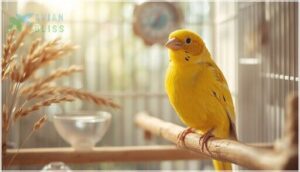
A healthy canary displays smooth, shiny plumage that clings to its body, bright eyes, and an upright posture.
You’ll notice sick birds show fluffed-up feathers in 80% of cases, dull coloration, and hunched stances. Feather loss, patchy plumage, and visible weight loss exceeding 10% signal underlying canary health issues.
Eye symptoms like discharge or crusty eyelids, along with beak abnormalities, indicate illness requiring prompt attention.
Regular checks for canary health can help identify these issues early on.
Common Behavioral Changes

Beyond appearance, your canary’s behavior tells a story. Vocalization changes affect up to 50% of sick birds—listen for decreased singing or odd sounds. Activity levels drop sharply, with lethargy appearing in 45-60% of cases before other symptoms surface. A sudden poor physical appearance can also be a key indicator.
Watch for these behavioral changes:
- Feather plucking or poor grooming (30% of affected canaries)
- Posture abnormalities like difficulty perching
- Social withdrawal or unexplained aggression
Stress often triggers anorexia and weaving movements.
Key Symptoms to Watch For

Certain symptoms demand immediate attention. Watch for open-mouth breathing or audible wheezing—these breathing signals appear in over 70% of birds with air sac mites.
Droppings changes, like loose or discolored feces, affect up to 60% of canaries with gastrointestinal disorders. Weight loss, plumage abnormalities, and activity changes often signal systemic illness.
Recognizing canary illness early makes all the difference.
Common Diseases Affecting Canaries
Canaries can develop a wide range of health problems, from digestive troubles to respiratory infections. Understanding these common diseases helps you spot warning signs early and seek treatment before conditions worsen.
Here’s what you need to watch for in your canary’s health.
Gastrointestinal Diseases and Symptoms
Gastrointestinal diseases in canaries often sneak up on you, starting with diarrhea and undigested seed excretion. Bacterial infections cause these avian gastrointestinal issues, while parasites like Isospora infection and Avian Gastric yeast lead to weight loss and lethargy.
You’ll notice stained feathers around the vent or Proventricular Dilatation in severe cases. Fecal analysis helps identify the culprit, whether it’s megabacteriosis or other gastrointestinal issues in canaries.
Respiratory Infections and Canary Pox
When respiratory infections strike your canary, you’re facing one of the most serious threats to their life. Canary pox, a deadly viral infection with transmission vectors including infected mites, can devastate flocks with mortality rates exceeding 65%. Fungal coinfections, particularly Aspergillus fumigatus, complicate these avian respiratory diseases considerably.
Watch for these critical symptoms:
- Gasping and open-mouth breathing
- Thickened eyelids with scab-like nodules
- Tracheal exudate and severe respiratory distress
- Ruffled feathers with pronounced lethargy
Diagnostic methods like PCR testing and histopathology confirm infections, but the economic impact of delayed diagnosis can be devastating for breeding operations.
Neurological and Eye Disorders
Among neurological diseases in canaries, Bornavirus stands out—detected in nearly 20% of clinically tested birds with an 8.4-fold increased risk of neurological symptoms. You’ll notice tremors, paralysis, or unusual behavior stemming from bacterial, parasitic, or fungal infections.
Eye diseases in canaries, including cataracts and conjunctivitis, often result from genetic predispositions, toxin exposure, or nutritional deficiencies. Vision loss can progress to blindness without prompt veterinary intervention.
Dermatologic and Skin Problems
You’ll detect dermatologic diseases when your canary displays ruffled feathers, beak deformities, or scaly legs. Feather loss affects up to 20% of captive birds annually, often signaling nutritional deficiencies or mite infestations—which peak during warmer months and affect 70% of canaries seasonally.
Skin infections from bacteria or fungi cause visible lesions, while parasites create irritation and discomfort requiring prompt veterinary attention.
Foot Problems and Injuries
Your canary’s feet tell you more than you’d think—up to 12% of captive birds develop pododermatitis annually from rough perches or poor hygiene.
Bumblefoot causes painful swelling, while scaly leg mites create crusty yellow projections that lead to lameness. Foot lesions progress quickly, and foot injuries from sharp surfaces demand immediate attention.
Proper perch materials and cage cleanliness prevent most foot problems before they start.
Causes and Risk Factors for Canary Health Issues

Understanding what puts your canary at risk is the first step in keeping them healthy. Many health problems don’t just appear out of nowhere—they’re triggered by specific causes that you can often control or avoid.
Let’s look at the three main categories of risk factors that affect canary health most often.
Parasites, Fungi, and Bacterial Infections
Invisible threats lurk in even the cleanest cages. Helminth parasites can affect up to 77% of birds in certain environments, while fungal infections like Aspergillus fumigatus strike about 4% of caged canaries.
Bacterial resistance complicates treatment, especially with pathogens like Klebsiella pneumoniae causing up to 30% mortality during outbreaks. Mite infestations and avian pox add further challenges, making infection prevention essential for your bird’s survival.
Environmental Stressors and Toxins
Your canary’s lungs weren’t designed for our modern world. Air pollution from particulate matter and gaseous emissions can spike during dust events—PM10 levels jump from 20 µg/m³ to over 360 µg/m³.
Toxic chemicals in cleaning products, heavy metals from urban runoff, and ammonia from waste all create environmental factors that increase stress levels.
Creating a safe environment means understanding these toxic substances and practicing effective stress management.
Nutritional Deficiencies and Imbalances
Beyond the hazards lurking in your canary’s environment lies another threat—what’s missing from their bowl. Seed-only diets create protein deficiency in 54% of birds fed monotypic seeds, while vitamin imbalance affects two-thirds of those without supplementation. Mineral deficiencies strike 27% of canaries on mixed seeds.
Inadequate fatty acids, energy intake, and calcium levels trigger malnutrition that weakens bones, damages feathers, and compromises immunity—problems a balanced diet prevents.
Preventing Diseases in Canaries

Keeping your canary healthy starts long before symptoms appear. Prevention isn’t just about reacting to problems—it’s about building a daily routine that keeps disease at bay.
Let’s look at the practical steps you can take to protect your bird’s health and give it the best chance at a long, vibrant life.
Proper Nutrition and Dietary Needs
A balanced diet is your canary’s first line of defense against disease. Protein requirements shift with life stage—adults need around 16-18%, while growing chicks require 22% to thrive. Pellets should make up 75-80% of daily intake, with just 1-2 teaspoons of seed. Vitamin supplementation, especially vitamin A for recessive white varieties, prevents malnutrition and keeps immunity strong year-round.
- Seed-only diets lack calcium, vitamin D, and essential amino acids—setting the stage for illness
- Dietary deficiencies show up as poor feathering, weakened immunity, and breeding failure
- Seasonal adjustments in protein support molting, egg production, and chick survival
Dietary deficiencies and their consequences highlight the importance of a well-rounded diet for your canary’s health and vitality.
Cage Hygiene and Environmental Safety
While nutrition sets the foundation, hygiene determines whether your canary stays healthy long-term. Weekly deep cleaning with bird-safe disinfectants and daily spot removal of droppings prevent bacterial buildup that fuels disease.
Proper ventilation keeps air quality high, reducing respiratory risks by up to 40%.
Pest control matters—rodents and flies carry Salmonella and other pathogens straight into your bird’s space.
Vaccination and Quarantine Practices
Even the cleanest cage won’t stop disease from entering through a new bird. Quarantine new canaries for 45–60 days in a separate room—this cuts transmission reduction by over 60% before introduction. Vaccination protocols matter too, especially for canary pox:
- High-dose vaccines show 89% efficacy against lethal infections
- Flock immunity requires targeting 100% coverage in aviaries
- Protection develops within 10–14 days post-vaccination
- Annual boosters maintain immunity during high-risk seasons
- Protocol adherence prevents outbreaks before they start
Combined strategies reduce flock disease by 75%.
Reducing Stress and Preventing Trauma
Protecting your canary from stress and trauma means managing your bird’s environment thoughtfully. Noise reduction, gradual changes to cages, and safe handling reduce stress markers by over 40%.
Daily social interaction strengthens resilience, while routine grooming minimizes restraint trauma.
Combine these preventive measures with proper hygiene, and you’ll see fewer stress-induced illnesses and faster recovery when disease does strike.
Caring for a Sick Canary

When your canary shows signs of illness, quick action can make the difference between recovery and complications. You’ll need to know when professional help is necessary and what supportive measures you can provide at home.
The following sections cover essential steps for managing your bird’s care during illness, from recognizing emergencies to supporting long-term recovery.
When to Seek Veterinary Care
You should schedule yearly checkups with an avian veterinarian to catch health problems early. Emergency symptoms like severe respiratory distress, bleeding, or inability to walk require immediate care.
Watch for symptoms of canary illness such as eye discharge, nasal drainage, lethargy, or abnormal droppings. Bring documentation of your canary’s diet and habitat to aid diagnostic procedures.
Proper transport cages minimize stress when seeking veterinary care for canaries.
Home Support and First Aid Measures
Emergency care at home can stabilize your canary until you reach professional help. Keep the bird warm between 75°F and 90°F using gentle heat sources, and offer fluids like electrolyte solutions through a small dropper to combat dehydration.
- Clean minor wounds with diluted disinfectant and apply cornflour to stop bleeding
- Provide soft, favorite foods within easy reach to encourage nutritional aid
- Monitor breathing and activity daily, maintaining strict cage hygiene during recovery
Supportive care bridges the gap between first aid and treatment options your veterinarian will provide.
Isolating and Treating Contagious Diseases
Contagious diseases like avian pox and psittacosis spread quickly through direct contact and contaminated surfaces, so immediate isolation is your first defense. Quarantine protocols require separating infected birds for at least 30 days to protect your flock and reduce disease transmission by over 70%.
Biosecurity measures—like using personal protective equipment and disinfecting all surfaces—cut cross-contamination risk by 80%. Blood tests verify infection status in carriers, helping you tailor prevention of canary diseases through targeted vaccination and strict hygiene practices that safeguard avian health.
| Disease | Treatment Options | Vaccine Efficacy |
|---|---|---|
| Avian Pox | Topical antibiotic ointments | 80% reduction in infection rates |
| Psittacosis | Ciprofloxacin, enrofloxacin antibiotics | Not available |
| Klebsiella Infections | Antimicrobial susceptibility testing | Not available |
| External Parasites | Disinfection, isolation protocols | Not applicable |
| Viral Diseases | Recombinant vaccines (canarypox-based) | Immunity lasts 1+ year |
Monitoring Recovery and Ongoing Health
Recovery is like watching a sunrise—it happens gradually, then all at once. Track recovery metrics like weight gain (2-5% weekly) and improved activity levels within seven days.
Schedule health checks every week for six weeks post-illness, adjust nutrition plans with soft, vitamin-rich foods, and maintain ideal environmental factors.
Regular veterinary follow-up, preventive measures, and strict hygiene protocols reduce future illness risk by 40-50%.
Frequently Asked Questions (FAQs)
What is the average lifespan of a healthy canary?
A healthy canary generally lives 10 to 15 years in captivity, though maximum longevity can reach 24 years under ideal conditions—considerably longer than their wild counterparts, where mortality comes sooner.
How often should canaries have veterinary check-ups?
Annual examinations work well for adult canaries, while juvenile screenings should happen soon after adoption.
Senior check-ups every 6–12 months address age-related risk factors, emphasizing wellness importance and prevention strategies with your avian veterinarian.
Can canaries recover from neurological diseases completely?
Complete recovery from neurological diseases in canaries depends on disease severity and underlying causes.
Treatment efficacy varies—some birds regain full function with prompt care, while others face long-term effects or permanent brain damage despite intervention.
What percentage of protein do breeding canaries need?
During chick growth, protein requirements jump to 22% to prevent nutritional disorders and breeding failures.
Adult breeding canaries need 16–18%, supported by quality protein sources like eggs, which provide essential amino acids for peak energy balance.
Are there genetic health issues common in canaries?
Yes, canaries face several genetic health issues. Hereditary diseases include cataracts, feather cysts, and male pattern baldness.
Bird genetics also influence susceptibility to viral infections like canary bornavirus and respiratory conditions caused by air sac mites.
Conclusion
When your canary’s spark fades, the window for intervention narrows fast. Canary health problems don’t announce themselves with fanfare—they whisper through fluffed feathers and silence. You’ve learned to read those whispers now.
Keep their environment clean, their diet balanced, and your observations sharp. The difference between catching a symptom early and facing an emergency often comes down to noticing what changed yesterday. Your vigilance gives them their best shot at a long, vibrant life.
- https://www.pets4homes.co.uk/pet-advice/common-illnesses-in-canaries.html
- https://www.kellyvillepets.com.au/blogs/bird-breed-fact-sheets/canary-care-guide-with-fun-facts-and-commonly-asked-questions-1
- https://pmc.ncbi.nlm.nih.gov/articles/PMC9607494/
- https://www.statista.com/statistics/970890/number-of-deaths-due-to-infectious-and-parasitic-diseases-in-the-canary-islands/
- https://www.scielo.br/j/rbca/a/F3FGk533YLxdsbF4XyB4TzD/?format=pdf&lang=en