This site is supported by our readers. We may earn a commission, at no cost to you, if you purchase through links.
A backyard feeder can become a breeding ground for disease within days. Birds that gather to eat also share pathogens—bacteria cling to perches, viruses spread through droppings, and fungi multiply in damp seed.
The causes of bird illness range from invisible microbes to sweeping environmental shifts, and each factor can tip a healthy flock toward an outbreak. Infections don’t respect species boundaries; avian influenza, salmonella, and aspergillosis strike wild songbirds and domestic poultry alike.
When you understand what makes birds sick—and how quickly conditions can deteriorate—you gain the tools to protect the species that rely on your space.
Table Of Contents
- Key Takeaways
- What Causes Bird Illness?
- Common Infectious Diseases in Birds
- How Diseases Spread Among Birds
- Environmental Factors Influencing Bird Illness
- Human Activities Linked to Bird Disease
- Nutritional Deficiencies and Bird Health
- Signs and Symptoms of Sick Birds
- Zoonotic Risks: Diseases Transmissible to Humans
- Prevention and Control of Bird Illness
- Monitoring and Responding to Bird Outbreaks
- Frequently Asked Questions (FAQs)
- Conclusion
Key Takeaways
- Infectious diseases like avian influenza, salmonella, and aspergillosis spread rapidly at bird feeders through direct contact, contaminated surfaces, and shared food sources, making regular cleaning every two weeks essential to prevent outbreaks that can kill entire flocks.
- Environmental stressors including climate change, habitat loss, and pollution weaken bird immunity dramatically—tropical species show 63% lower survival with just one degree of warming, while pesticides kill 67 million birds yearly and heavy metals reduce hatching success by up to 40%.
- Human activities from backyard feeding to poultry farming create disease transmission pathways, with poorly maintained feeders harboring salmonella and mycotoxins while commercial operations face interconnected risks from concentrated populations and global trade networks.
- Zoonotic diseases like H5N1 avian influenza (with over 50% human mortality rate) and salmonella can jump from birds to humans through direct contact with infected birds or contaminated equipment, requiring protective gear and thorough hand washing when handling sick birds or cleaning feeders.
What Causes Bird Illness?
Bird illness doesn’t come from just one place—it’s a mix of threats that can strike from inside and outside a bird’s body. Infections from bacteria, viruses, and fungi are common culprits, but parasites and environmental pressures also play major roles.
Understanding these three main causes will help you recognize what puts birds at risk and how you can protect the ones in your care.
Infectious Agents (Bacteria, Viruses, Fungi)
Bacterial resistance, viral mutations, and fungal toxins drive most infectious bird deaths. You’ll encounter avian pathogens like Salmonella, avian influenza, West Nile virus, avian pox, and aspergillosis throughout wild and captive populations.
Bacteria account for 16% of diagnosed mortalities—more than viruses or fungi—while highly pathogenic avian influenza can wipe out entire flocks.
Microbial ecology shapes which birds succumb and when outbreaks strike. Understanding the main avian mortality causes is vital for effective prevention and management.
Parasitic Infestations
Parasitic Infestations strike one in five wild birds, with intestinal worms, feather lice, and bird mites forming a hidden threat to avian health. Gapeworm, Isospora, and Capillaria dominate parasite life cycles, especially in juveniles with 22.4% prevalence.
Bird mite infestation and feather mites worsen during winter—when parasite load management matters most. Coinfections with mites and lice increase mortality, making parasitic diseases in birds a year-round concern.
Understanding avian parasite epidemiology is vital for effective conservation and management of wild bird populations.
Environmental Stressors
Climate change and air pollution create invisible threats that can overwhelm your backyard birds. A single degree of warming slashes survival by 63% in tropical species, while chemical contaminants like lead and cadmium accumulate in kidneys and livers.
Thermal stress during heat waves and humidity-related problems compound these environmental factors, weakening immunity and respiratory function.
Habitat destruction amplifies every stressor, leaving birds fewer safe refuges when ecology shifts around them.
Common Infectious Diseases in Birds
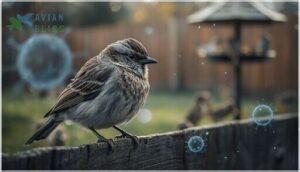
Birds face a range of infectious diseases that can spread quickly through populations, especially where they gather to feed or roost.
These illnesses are caused by bacteria, viruses, and fungi, each producing distinct symptoms that help you identify what’s going on.
Let’s look at some of the most common infectious diseases you’re likely to encounter in wild and backyard birds.
Avian Influenza
Avian Influenza—commonly called Bird Flu—spreads rapidly through wild birds and poultry, with over 890 human cases reported since 2003. This virus mutates constantly, challenging Vaccine Development and Global Surveillance efforts.
Disease transmission occurs during Bird Migration, affecting species across continents. West Nile Virus follows similar patterns.
Avian Medicine focuses on monitoring Virus Mutation, as mortality rates in infected poultry can reach 50%.
Salmonella Infections
When birds gather at feeders, Bird Salmonella spreads quickly through Fecal Transmission. Studies show 22.5% of migratory birds carry this bacteria, and Bacterial Shedding persists in droppings for years.
The 2020–2021 California outbreak killed hundreds of songbirds and caused 30 human cases across 12 states. Environmental Persistence makes Avian Outbreaks particularly dangerous at feeding stations, where Salmonellosis thrives in contaminated seed and water.
Conjunctivitis (Finch Eye Disease)
Red, swollen eyes signal trouble when Mycoplasma gallisepticum strikes your feeder birds. This bacterial infection causes Finch Eye Disease, one of the most visible bird health risks at feeding stations. Watch for these Conjunctivitis Symptoms:
- Crusty, runny eye discharge
- Complete eyelid closure
- Difficulty finding food
- Bilateral eye involvement within weeks
- Increased vulnerability to predators
House finches carry this Avian Pathogen in 11% of surveyed populations, making Disease Transmission and Prevention vital for bird diseases and health management through Avian Medicine and Research protocols.
Avian Pox
Wart-like growths on unfeathered skin reveal Avian Pox, a viral threat affecting over 200 bird species worldwide. Mosquitoes and direct contact enable Pox Virus Transmission, with infected surfaces remaining contagious for months.
You’ll notice lesions on beaks, legs, and eyelids that compromise feeding and vision. While Avian Pox Vaccines protect domestic flocks, Bird Lesion Treatment in wild populations relies on Disease Transmission and Prevention through feeder hygiene and reduced mosquito habitat.
Aspergillosis
Inhaling invisible fungal spores from Aspergillus fumigatus triggers deadly respiratory infections, especially in young chicks—mortality can reach 90% during outbreaks. Contaminated bedding harboring millions of spores per gram creates the perfect storm for Bird Aspergillosis.
Your prevention toolkit includes:
- Maintain dry, well-ventilated housing to suppress fungal growth
- Replace damp litter promptly, especially near feeders
- Monitor stressed or immunocompromised birds closely—they’re most vulnerable
How Diseases Spread Among Birds

Understanding how diseases spread among birds helps you protect both wild and domestic populations. Birds can transmit illnesses through several distinct pathways, each presenting unique risks and requiring different prevention strategies.
Let’s examine the three main routes of disease transmission in bird communities.
Direct Bird-to-Bird Contact
When members of a flock touch during preening, feeding, or roosting, they create highways for germs to travel. Contact transmission moves avian influenza, conjunctivitis, and trichomoniasis quickly through dense groups.
Your birds face higher risk where flock dynamics bring them nose-to-nose—sharing feeders, rubbing against perches, or grooming each other. Ectoparasite spread and direct infection routes thrive on bird sociality, making close quarters a breeding ground for avian pox and similar diseases.
Indirect Transmission via Surfaces
Even when your birds never touch, fomite transmission through shared surfaces spreads avian pathogens like wildfire. Feeders, birdbaths, and perches harbor infectious diseases in birds—from salmonella to avian influenza—for days or weeks depending on environmental persistence.
Surface contamination creates indirect infection highways. Cleaning these contact points disrupts disease transmission, safeguarding both avian and zoonotic disease transmission risks while supporting bird feeding and disease prevention efforts.
Vector-Borne Transmission (Insects)
Mosquitoes and ticks don’t just bite—they ferry pathogens like West Nile virus straight into your birds’ bloodstreams. These insect vectors turn a simple feeding session into disease transmission, with mosquito control and tick diseases shaping avian influenza and avian pox outbreaks.
Vector ecology timing matters: when mosquito peaks align with breeding season, transmission spikes.
Bird parasites create zoonotic disease transmission risks, linking wildlife health to your own safety through shared vectors.
Environmental Factors Influencing Bird Illness

Birds don’t get sick in a vacuum. The world around them—from shrinking forests to shifting weather patterns—plays a huge role in whether they stay healthy or fall ill.
Let’s look at three major environmental pressures that make birds more vulnerable to disease.
Habitat Loss and Urbanization
When you reshape landscapes for buildings and roads, you don’t just alter scenery—you fragment the ecosystems birds depend on. Urban planning often overlooks wildlife conservation, forcing bird migration through narrower corridors and exposing flocks to concentrated disease risks.
Studies in ornithology show habitat fragmentation increases infection rates: birds crowd remaining green spaces, making pathogen transmission easier and weakening their defenses against illness.
Climate Change Impacts
Climate change creates cascading health threats you can’t ignore. Heatwaves cause lethal heat stress—tropical birds declined 38% since 1950 from extreme temperatures alone.
Climate change has driven a 38% decline in tropical birds since 1950, with heatwaves delivering lethal stress you can’t ignore
Migration patterns shift as warming disrupts timing, triggering disease outbreaks like H5N1 across 12 states.
Ecosystem disruption leads to food mismatches: 9,000 Alaskan seabirds starved when prey vanished. These climate shifts push avian extinction risks higher, with 600–900 species projected lost by 2100.
Pollution and Chemical Exposure
Beyond climate, Toxic Waste and Chemical Runoff directly harm wildlife health. Pesticide Use kills 67 million birds yearly—70% from insecticides. Air Pollution damages lungs, reducing immunity and fertility. Oil Spills drown waterproofing, causing hypothermia and organ failure in seabirds.
Environmental Factors and Bird Health intersect everywhere:
- Heavy metals reduce hatching success 10–40%
- Rodenticides drove red kite populations down 31–43%
- Contaminated prey transfers toxins through Ecosystem Balance
- Chronic exposure weakens disease resistance
- Chemical residues accumulate in tissues over time
These ecology threats demand conservation biology action now.
Human Activities Linked to Bird Disease
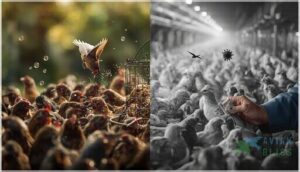
People don’t always realize that our everyday actions can put birds at risk for disease. From backyard feeders to large-scale farming, human activity facilitates the spread of illness among bird populations.
Let’s look at three common ways our habits influence avian health.
Bird Feeding Practices
You might mean well by offering backyard bird feeding, but poorly maintained stations can actually harm the very birds you’re trying to help. When feeders aren’t cleaned regularly—ideally every two weeks—bacteria like Salmonella accumulate on surfaces.
Bird seed quality matters too, since contaminated food can contain mycotoxins that suppress immunity.
Thoughtful feeding station design, proper water source management, and supplemental feeding strategies that prioritize nutrition and bird health protect wild birds from disease transmission at communal gathering sites.
Poultry Farming and Trade
Large-scale poultry production intensifies avian disease risks through concentrated populations and global trade networks. Over the past month, H5N1 avian influenza struck 83 Indiana flocks, affecting 1.82 million birds. You’ll find that commercial operations face interconnected challenges:
- Viral diseases cause 24.5% of flock mortality in low- and middle-income countries
- Nine U.S. states reported new bird flu cases in November 2025
- Salmonella prevalence reaches 28% in Southern African poultry farms
- Poor biosecurity practices accelerate pathogen spread between facilities
Movement of Contaminated Materials
When you move equipment, vehicles, or organic materials between bird locations, you’re often carrying hidden hitchhikers. Fomite transmission plays a surprisingly large role in virus spread—contaminated feed, infected manure, and dirty equipment can harbor avian influenza for days.
Here’s what poses the greatest risk:
| Material Type | Transmission Risk |
|---|---|
| Contaminated environments (feeders, cages) | High—pathogens persist on surfaces |
| Animal byproducts (manure, litter) | Very high—harbors virus for extended periods |
| Transport vehicles & shared tools | Moderate to high—spreads pathogens farm-to-farm |
Understanding bird flu transmission pathways helps you implement effective avian influenza prevention strategies.
Nutritional Deficiencies and Bird Health

Your bird’s diet plays a bigger role in disease resistance than you might think. When nutritional needs aren’t met, the immune system weakens, leaving birds vulnerable to infections they’d normally fight off.
Three major nutritional factors can compromise bird health and open the door to illness.
Poor Diet and Immunity
Your bird’s diet shapes its immune defenses more than you might expect. Malnutrition effects include weakened resistance to infections, while vitamin deficiencies directly compromise white blood cell function. High-lipid diets paired with mineral imbalance increase disease susceptibility compared to protein-rich nutrition.
Birds on poor diets show greater infection rates and more severe symptoms. Vitamin A-deficient birds, for instance, shed more parasites and recover slower from viral challenges.
Contaminated or Spoiled Food
Spoiled feeders become silent threats when moisture turns seed into moldy clumps or when rancid fats smear onto feathers. Mycotoxin poisoning from contaminated corn-based mixes has been detected in 17% of wild bird products, while bacterial contamination—especially salmonellosis—spreads when droppings contact food surfaces.
You’re not just feeding birds; you’re managing an environment where spoiled nutrition can trigger backyard bird diseases faster than you’d imagine.
Water Quality Issues
When zinc concentrations climb above 16 mg/kg, you’re looking at potential lethality in half your flock within weeks. Chemical contamination from industrial runoff introduces toxic metals like chromium and mercury into wetlands, reducing hatching success and disrupting immune function.
Elevated sodium levels trigger excessive water consumption and diarrhea, while bacterial loads spread salmonellosis rapidly. Poor wetland management amplifies these avian health risks exponentially.
Signs and Symptoms of Sick Birds
Knowing what to watch for can make all the difference when a bird’s health starts to decline. Sick birds often send clear signals through their appearance and behavior long before the situation becomes critical.
You’ll want to recognize three main warning signs: changes in their physical condition, shifts in how they act, and problems with breathing or digestion.
Physical Changes (Eyes, Feathers, Growths)
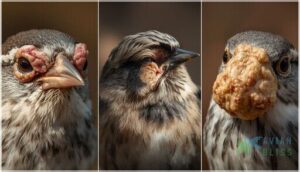
When you spot a sick bird, physical changes often tell the story first. Watch for these telltale signs:
- Eye infections like Conjunctivitis or Finch Eye Disease cause swollen, crusty eyelids that may seal shut completely
- Feather loss from Psittacine Beak and Feather Disease or ectoparasites leaves patchy, ruffled plumage
- Skin lesions such as wart-like growths from Avian Pox, Trichomoniasis nodules, or Beak Deformity signal viral or nutritional problems
Plumage damage reveals underlying illness you can’t ignore.
Behavioral Changes (Lethargy, Disorientation)
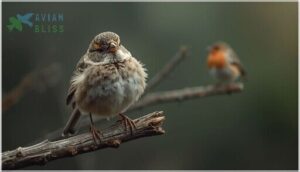
While physical symptoms catch your eye, behavioral shifts often reveal deeper trouble. Lethargy—when birds sit motionless, fluffed up, or ignore food—signals infections like Salmonella or bird flu. Disorientation from neurological signs appears as circling, head tilts, or tremors, pointing to West Nile Virus, Avian Trauma, Toxic Exposures, or Nutrient Deficiencies. Environmental Stressors, Avian Pox, Aspergillosis, and Trichomoniasis also drain energy, compromising Bird Health and Wellness before other symptoms emerge.
| Behavioral Sign | Possible Causes | What to Watch For |
|---|---|---|
| Lethargy, weakness | Salmonella, avian influenza, septicemia | Fluffed feathers, closed eyes, reluctance to fly |
| Disorientation, tremors | West Nile Virus, toxins, vitamin E deficiency | Circling, loss of balance, head tilt |
| Reduced activity | Aspergillosis, Trichomoniasis, metabolic disorders | Sitting alone, ignoring feeders, labored movement |
Respiratory and Digestive Symptoms

Beyond behavioral red flags, respiratory and digestive symptoms demand urgent attention. Open-mouth breathing, tail bobbing, and labored chest movement signal Respiratory Failure, Avian Pneumonia, or Aspergillosis. Watch for:
- Coughing, sneezing, and nasal discharge spreading via Respiratory Droplets
- Distended, fluid-filled crop indicating Crop Infection
- Vomiting or watery droppings from Digestive Issues
- Wart-like growths from Avian Pox
- Mouth lesions from Trichomoniasis
These signs warrant immediate intervention to prevent Bird Asphyxia.
Zoonotic Risks: Diseases Transmissible to Humans
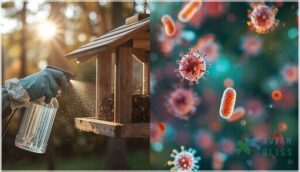
Not every bird disease stays in the bird world. Some infections can jump from birds to humans, especially when you’re handling feeders, cleaning up after sick birds, or working closely with poultry.
Understanding which diseases pose the biggest risks and how to protect yourself makes all the difference in staying safe while caring for our feathered friends.
Avian Influenza Transmission
You’re most at risk for avian influenza through direct contact with infected birds or contaminated environments. Since 2003, over 890 human cases of H5N1 have been reported globally, with a mortality rate exceeding 50%. In the U.S., recent cases link primarily to poultry farms and dairy cattle.
While airborne transmission remains rare, global surveillance tracks virus mutation patterns as wild bird carriers follow migratory patterns, helping public health systems monitor infectious diseases spread.
Salmonella Risks for Humans
Through handling contaminated feeders or sick birds, you can contract Salmonella, experiencing fever, diarrhea, and abdominal cramps. Children under 5 and immunocompromised individuals face heightened Human Infection Risk from this Zoonotic Disease.
Salmonella Transmission occurs when bird droppings contaminate surfaces you touch, while pets may carry bacteria indoors.
Practicing Environmental Hygiene and Bird Feeder Safety protects against Salmonellosis during Human-Bird Interactions, reducing exposure to this common avian pathogen.
Safety Precautions for Bird Handlers
When working closely with birds, you’re protecting yourself from potential zoonotic threats. Personal Protective Equipment like N95 respirators and gloves reduces Occupational Risks markedly during Human-Bird Interactions and Safety-focused tasks.
- Wash your hands with soap for at least 15 seconds after every bird contact
- Wear appropriate Personal Protective gear matching your specific duties
- Disinfect equipment and surfaces promptly using approved Decontamination Methods
- Limit direct handling to necessary tasks only
Hand Hygiene remains your most effective defense against Avian Disease Prevention failures, especially when combined with Safe Handling protocols that minimize exposure to contaminated materials and surfaces.
Prevention and Control of Bird Illness
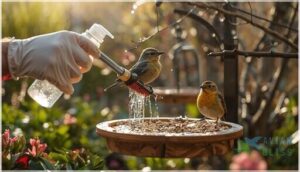
Keeping birds healthy isn’t complicated, but it does require some consistent habits on your part. A few simple steps can make a real difference in preventing disease spread at feeders, protecting yourself when handling birds, and supporting their overall well-being.
Let’s look at the practical measures you can take to reduce illness risks in your backyard and beyond.
Cleaning Feeders and Birdbaths
Think of your bird feeders as a neighborhood café—without regular cleaning, they can become a hotspot for spreading illness. You should clean your feeders and birdbaths at least every two weeks using soap and a 10% bleach solution. This routine reduces bacterial loads and prevents diseases like salmonellosis and conjunctivitis from circulating among your backyard visitors.
| Cleaning Task | Frequency | Method |
|---|---|---|
| Feeder Sanitation | Every 2 weeks | Dismantle, scrub with soap, soak 10 minutes in diluted bleach, rinse, air-dry completely |
| Birdbath Maintenance | Weekly | Empty, scrub debris and algae, apply non-toxic disinfectant, rinse, air-dry before refilling |
| Seed Replacement | After each cleaning | Discard old or moldy seed, clean feeding area, refill with fresh seed |
| Location Rotation | Monthly | Move birdbaths periodically to prevent pathogen buildup beneath the bath |
Following these hygiene practices greatly lowers disease transmission risks. Always wear gloves during cleaning to protect yourself from zoonotic pathogens, and wash your hands thoroughly afterward. Complete drying before reinstallation eliminates bleach residue and maximizes disinfection effectiveness—keeping both birds and you safer.
Safe Handling of Sick or Dead Birds
When you encounter a sick or dead bird, your personal protection comes first. Wear impermeable disposable gloves, an N95 respirator, and eye protection before touching any bird carcass—avian influenza and other zoonotic diseases can spread through direct contact.
Use tools like tongs or shovels for handling, then triple-bag carcasses for safe disposal. Wash your hands thoroughly with soap afterward, following strict biosecurity measures to prevent wildlife disease transmission during human-bird interactions.
Proper Nutrition and Habitat Management
Your backyard can become a wellness center for birds when you prioritize dietary diversity and habitat restoration. High-quality birdseed combined with clean water purification systems bolsters bird nutrition and immune function—studies show proper bird feeding and nutrition greatly reduces backyard bird diseases.
- Offer varied seeds and natural food sources to match species-specific needs
- Maintain wetlands and native plantings to support ecosystem balance
- Replace spoiled food immediately to prevent wildlife disease ecology issues affecting bird health
Monitoring and Responding to Bird Outbreaks

When bird deaths spike in your area, quick action can mean the difference between a contained problem and a full-blown outbreak. You don’t need to be an expert to help—just knowing what to watch for and who to contact makes you part of the solution.
Here’s how you can play a role in protecting bird populations through careful monitoring and timely reporting.
Recognizing Unusual Mortality Events
You can spot Unusual Mortality Events when you see sharp spikes above normal death patterns—like finding multiple dead birds in a short window, especially if they show similar symptoms such as neurologic signs or eye discharge.
Disease surveillance systems use statistical thresholds (mean plus two standard deviations) to flag anomalies.
Clusters of sick backyard birds, especially corvids or finches with respiratory distress, warrant immediate attention and professional wildlife alerts.
Reporting to Wildlife Authorities
Once you recognize an unusual pattern, swift mortality reporting protects both wildlife health and public safety. Contact your state wildlife agency through dedicated wildlife hotlines—many use online forms for disease surveillance.
When you report:
- Note the species, location, and number of affected birds for avian testing priorities
- Describe visible symptoms like eye discharge or neurologic signs
- Follow guidance from agencies like the National Wildlife Health Center
Your public alerts help wildlife management and policy teams track avian disease transmission patterns and coordinate conservation responses.
Community Science and Disease Tracking
Beyond reporting individual incidents, you contribute to something much bigger through citizen science. Platforms like eBird transform your backyard observations into powerful disease surveillance data. Volunteers have logged over 100 million bird sightings, tracking avian influenza patterns and population health across 418 species.
| Community Engagement Activity | Disease Prevention Impact |
|---|---|
| Mobile app bird monitoring | Real-time disease surveillance tracking |
| Reporting sick bird observations | Early outbreak detection systems |
| Recording mortality events | Data analytics for epidemiology studies |
| Documenting species distributions | Mapping avian influenza risk zones |
Your data helps scientists predict outbreaks and protect bird health through coordinated wildlife disease response efforts.
Frequently Asked Questions (FAQs)
Can stress alone cause illness in birds?
Yes, stress can trigger illness in birds. Elevated corticosterone suppresses immune function, making birds vulnerable to infections they’d normally resist.
Chronic stressors—crowding, pollution, habitat loss—transform harmless pathogen exposures into clinical disease.
Do wild birds need vitamin supplements?
Most wild birds thrive on their natural diet of insects and seeds—vitamin supplements usually aren’t necessary and can even backfire.
Vitamin deficiency does occur in specific regions, but supplementation risks include metabolic disorders and overgrowth abnormalities affecting avian health benefits.
How do pesticides affect bird immune systems?
Pesticide toxicity weakens bird immune systems through immune suppression, reducing their ability to fight infections.
Environmental risks from these chemicals increase bird mortality rates and disease susceptibility, creating significant ecological impacts on wildlife populations.
Can birds recover from diseases without treatment?
Many birds naturally clear mild infections through their immune response, achieving disease clearance without veterinary care. However, survival rates depend heavily on infection severity, environmental stressors, and individual health.
Professional bird rehabilitation often improves outcomes markedly.
Are baby birds more vulnerable to infections?
Baby birds face heightened infection risk because their immune systems develop slowly after hatching.
Nestlings show weaker antibody responses than adults, making them especially vulnerable to bacterial, viral, and fungal diseases during early life.
Conclusion
Protecting poultry and perching birds begins with understanding the causes of bird illness—from pathogens that colonize feeders to environmental pressures that weaken immunity. Each action you take, whether scrubbing a water dish or reporting unusual mortality, interrupts transmission chains and preserves flock health.
Disease doesn’t pause for convenience, but prevention doesn’t demand flawlessness. Consistent hygiene, informed observation, and prompt response turn your backyard into a refuge rather than a reservoir. Vigilance protects more than individuals—it safeguards entire communities of birds.
- https://www.cdc.gov/bird-flu/situation-summary/data-map-commercial.html
- https://feederwatch.org/learn/sick-birds-and-bird-diseases/
- https://www.sciencedirect.com/science/article/pii/S2666634024004471
- https://www.aphis.usda.gov/livestock-poultry-disease/avian/avian-influenza/hpai-detections/wild-birds
- https://pmc.ncbi.nlm.nih.gov/articles/PMC2981064/