This site is supported by our readers. We may earn a commission, at no cost to you, if you purchase through links.
 When your feathered friend struggles to breathe, you’re facing serious causes of respiratory distress birds can’t shake off easily.
Bacterial, viral, and fungal infections top the list, often triggered by poor air quality or stress. Environmental toxins like aerosols, candles, or Teflon fumes act like silent assassins to their delicate respiratory systems.
Parasites, nutritional deficiencies, and inhaled foreign objects also spell trouble. You’ll notice open-mouth breathing, tail bobbing, or nasal discharge when something’s wrong.
Think of their respiratory system as a finely tuned instrument that doesn’t forgive easily. Recognizing the warning signs early makes all the difference in treatment success.
Table Of Contents
- Key Takeaways
- Respiratory Disease Causes
- Respiratory Distress Signs
- Breathing Problem Causes
- Respiratory Infection Types
- Respiratory Disease Diagnosis
- Emergency Care Tips
- Treatment Options
- Preventing Respiratory Infections
- Complications and Risks
- Managing Respiratory Health
- Frequently Asked Questions (FAQs)
- What causes respiratory disease in birds?
- What is respiratory distress in birds?
- What are some causes of respiratory distress?
- How do you help a bird with respiratory problems?
- Can respiratory distress be genetic in birds?
- How long does respiratory recovery typically take?
- Are certain bird ages more susceptible?
- Can respiratory problems spread between cage mates?
- Whats the survival rate for severe cases?
- Conclusion
Key Takeaways
- You’ll face four main threats to your bird’s breathing: bacterial infections, like Chlamydia, viral pathogens, such as avian influenza, fungal organisms, like Aspergillus, and parasitic invaders, including air sac mites, that can quickly become life-threatening without proper treatment.
- Environmental toxins act as silent killers in your home: overheated Teflon cookware releases deadly PTFE fumes that can kill birds within minutes, while cigarette smoke, aerosol sprays, and cleaning chemicals wreak havoc on their delicate respiratory systems.
- You can’t miss these emergency warning signs: open-mouth breathing, tail bobbing with each breath, nasal discharge, and persistent coughing indicate serious respiratory distress that demands immediate veterinary attention to prevent organ damage or death.
- Prevention starts with your daily choices: maintain excellent cage hygiene, provide balanced nutrition rich in vitamin A, instead of all-seed diets, eliminate household toxins, and schedule regular veterinary checkups to catch problems before they become emergencies.
Respiratory Disease Causes
Your bird’s respiratory distress can stem from several distinct causes, including bacterial infections like Chlamydia, viral pathogens such as avian influenza, fungal organisms like Aspergillus, and parasitic invaders such as air sac mites.
Your feathered friend’s breathing troubles demand immediate attention—every minute counts when respiratory distress strikes.
Understanding these four main categories helps you recognize why your feathered companion might struggle with breathing problems, from simple sinus infections to life-threatening conditions that require immediate veterinary attention.
Your ability to identify these causes is crucial for providing appropriate care, and recognizing the signs of respiratory distress can be vital in saving your bird’s life.
Bacterial Infections
Several bacterial culprits can trigger respiratory infections in your bird, with Gram-negatives like E. coli leading the charge.
Chlamydia psittaci causes psittacosis, while Mycoplasma gallisepticum creates chronic breathing issues.
These bacterial infections often develop into bacterial pneumonia, requiring immediate antibiotic treatment. However, antibiotic resistance makes proper diagnosis essential before starting treatment protocols.
Viral Infections
When viral infections strike your bird’s respiratory system, they’re like unwelcome guests that overstay their welcome.
Avian Influenza and Newcastle Disease top the list of serious threats, while Poxvirus Infections and Herpesvirus Impact can compromise your pet’s breathing for life.
These pathogens create lasting Immunity Challenges that weaken your bird’s defenses.
Key viral respiratory threats include:
- Avian Influenza – Highly contagious with severe respiratory symptoms
- Newcastle Disease – Creates chronic carriers with intermittent viral shedding
- Herpesvirus – Causes Pacheco’s Disease with rapid, deadly outbreaks
Fungal Infections
Your bird’s respiratory system faces a deadly Aspergillus threat from moldy environments and poor hygiene.
Spore inhalation causes aspergillosis in birds, particularly affecting African greys and Amazons.
Early detection is essential since this fungal infection progresses rapidly, and antifungal treatment with itraconazole or voriconazole shows effectiveness when started promptly.
Maintain hygiene importance through proper ventilation and clean feeding areas.
Parasitic Infections
When air sac mites and gapeworms invade your bird’s respiratory system, they’re like unwelcome houseguests who refuse to leave.
Sternostoma tracheacolum and Knemidocoptes pilae create breathing difficulties, while sarcocystosis affects lung tissue.
These respiratory parasites present treatment challenges because they’re microscopic troublemakers.
Parasitic infections require immediate veterinary intervention, as gapeworm infection can quickly become life-threatening without proper antiparasitic medications.
Respiratory Distress Signs
You’ll notice your bird’s breathing problems through several key warning signs that require immediate attention from an avian veterinarian.
Watch for open-mouth breathing, tail bobbing with each breath, nasal discharge, and persistent coughing, as these symptoms indicate your feathered friend’s respiratory system is struggling to function properly.
The symptoms you observe, including nasal discharge and persistent coughing, are critical indicators that your bird needs medical care.
Labored Breathing
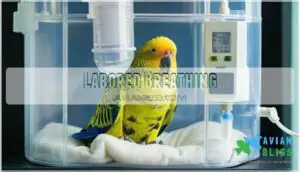
When your bird’s breathing becomes visibly difficult, you’re witnessing avian respiratory distress. Watch for tail bobbing with each breath, neck extension while gasping, and abnormal breathing patterns.
These signs indicate serious bird breathing problems requiring immediate attention.
Cyanosis around the beak signals oxygen deprivation.
Labored breathing causes of dyspnea include infections, toxins, or airway obstructions demanding emergency veterinary care.
Open Mouth Breathing
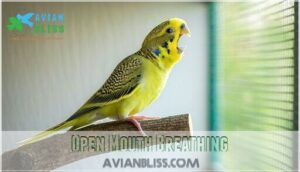
When your bird gasps with its beak wide open, it’s fighting for every breath—a critical sign of avian respiratory distress that demands immediate attention.
This openmouth breathing indicates severe airway restriction and represents one of the most serious bird breathing problems requiring emergency veterinary diagnosis and treatment.
- Neck stretched forward – Your bird extends its head and neck to maximize airflow
- Visible chest movements – You’ll notice exaggerated rising and falling with each labored breath
- Silent gasping – Unlike normal breathing, this desperate attempt produces little to no sound
Nasal Discharge

Nasal discharge in birds signals upper respiratory tract problems that demand immediate attention.
You’ll notice clear, cloudy, or colored mucus from one or both nostrils.
Bilateral discharge often indicates systemic infection, while unilateral discharge suggests localized issues.
The consistency ranges from watery to thick, and any foul odor points to bacterial infection requiring urgent avian diagnostics.
| Discharge Type | Possible Cause |
|---|---|
| Clear, watery | Viral infection or irritation |
| Yellow/green, thick | Bacterial infection |
| Bloody or brown | Trauma or severe infection |
Coughing
When your feathered friend starts making unusual coughing sounds, it’s often their body’s way of clearing mucus buildup from irritated airways.
You’ll notice distinctive neck extension as they attempt to expel irritants, whether from dust, strong scents, or infections.
Heavy breathing typically accompanies these episodes, signaling potential bird respiratory infections requiring immediate attention from an avian veterinarian.
Breathing Problem Causes
You’ll find that breathing problems in birds stem from four main categories that can quickly turn life-threatening if you don’t recognize them early.
Environmental toxins like overheated cookware fumes, poor nutrition causing vitamin deficiencies, inhaled foreign objects blocking airways, and physical trauma to the chest can all compromise your bird’s respiratory system within minutes.
Environmental Toxins

While respiratory distress has many causes, environmental toxins pose the greatest immediate threat to your bird’s breathing.
Your home harbors invisible dangers that can kill within minutes. PTFE poisoning from overheated Teflon cookware releases toxic fumes birds can’t survive. Smoke inhalation and cleaning chemicals create a deadly cocktail in your bird’s delicate respiratory system.
- PTFE poisoning – Overheated non-stick cookware releases fatal gases that kill birds in minutes
- Smoke inhalation birds suffer from – Cigarette, marijuana, and cooking smoke cause chronic respiratory damage
- Aerosol dangers lurk everywhere – Hair sprays, air fresheners, and cleaning products irritate airways
- Cleaning chemicals create toxic fumes – Ammonia, bleach, and disinfectants suppress immune function
- Air quality matters most – Poor ventilation traps pollutants that overwhelm your bird’s sensitive lungs
Poor Nutrition

Beyond toxic fumes, your bird’s diet plays a starring role in respiratory health.
All-seed diets create vitamin A deficiency, weakening respiratory tract lining and inviting infections. Malnutrition compromises your bird’s immune system, making them sitting ducks for bacterial and fungal invaders.
| Nutritional Issue | Respiratory Impact | Solution |
|---|---|---|
| Vitamin A deficiency | Abnormal epithelium, infections | Pellet-based diet |
| All-seed diets | Tracheal obstructions, sinusitis | Balanced nutrition |
| Immune compromise | Increased infection risk | Dietary correction |
| Obesity | Restricted breathing function | Weight management |
Inhaled Foreign Objects

Small objects like seeds, toy pieces, or bedding can become lodged in your bird’s trachea, causing immediate respiratory distress.
Foreign body aspiration leads to tracheal obstruction and potential aspiration pneumonia.
You’ll notice choking sounds, gasping, or open-mouth breathing.
Granuloma formation may develop around inhaled objects.
Foreign body removal requires emergency veterinary intervention.
Practice preventative measures by monitoring your bird’s environment carefully.
Trauma

Physical injuries can trigger severe respiratory distress in birds through chest trauma or neck trauma that damages delicate breathing structures.
Blunt force impacts cause devastating complications requiring immediate avian veterinary care and specialized stabilization methods.
- Fracture repair becomes critical when broken ribs puncture air sacs
- Air sac rupture creates life-threatening breathing emergencies
- Internal bleeding and spinal injuries compound respiratory failure
Respiratory Infection Types

Birds face several respiratory infection types that can quickly become life-threatening.
Bacterial pneumonia and air sacculitis affect the lungs and air sacs, while mycoplasma birds infections target the respiratory tract.
Viral threats include avian influenza, Newcastle disease, and infectious bronchitis, which spread rapidly through flocks.
Chlamydiosis birds infections cause severe respiratory distress and can transmit to humans.
Fungal aspergillosis attacks immunocompromised birds, creating dangerous spore buildups in airways.
Each infection type requires specific treatment approaches for effective recovery.
Respiratory Disease Diagnosis
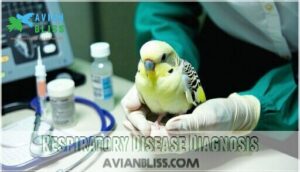
When you suspect your bird has respiratory problems, your veterinarian will use several diagnostic tools to identify the exact cause and determine the best treatment approach.
These diagnostic methods include a thorough physical examination, blood tests to check for infections, X-rays to view the lungs and air sacs, and sometimes sinus aspirates to collect samples for laboratory analysis.
Physical Examination
Your veterinarian will conduct a thorough hands-on assessment to identify avian respiratory disease causes and evaluate your bird’s overall health status.
This thorough examination reveals critical information about avian diseases through systematic evaluation.
- Auscultation Findings – Listening to heart and lung sounds using a stethoscope
- Palpation Techniques – Gently feeling the crop, abdomen, and chest areas
- Respiratory Rate – Counting breaths per minute while observing breathing patterns
- Mucous Membranes – Checking color and moisture of mouth and eye tissues
Blood Tests
Once your avian vet completes the physical exam, blood tests become the next diagnostic step.
These blood cell count analyses reveal infection markers like elevated white blood cells, detect anemia through red cell levels, and assess organ function.
Your avian veterinarian will interpret results to identify specific avian diseases, making blood test types invaluable diagnostic tests for respiratory conditions.
Radiographs
X-rays reveal what your eyes can’t see in birds suffering respiratory distress.
Radiographs help veterinarians spot pneumonia, air sac infections, and foreign bodies lodged in tiny airways.
These images show lesion detection patterns that confirm avian respiratory disease diagnosis.
Your vet will examine lung density, air sac clarity, and breathing passages to pinpoint exactly what’s causing your bird’s breathing troubles, using tools like radiographs to help with lesion detection.
Sinus Aspirates
Beyond radiographs, your avian vet might recommend sinus aspirates for respiratory infections.
This diagnostic procedure involves flushing warmed saline through your bird’s nasal passages to collect samples for analysis.
The aspirate procedure helps identify specific bacteria or fungi causing infection, ensuring diagnostic accuracy for proper treatment guidance.
- Sample collection: Vet restrains your bird and slowly infuses 1-2ml saline per 100g bodyweight
- Infection identification: Fluid samples reveal bacterial, fungal, or parasitic causes of respiratory distress
- Treatment guidance: Results determine whether antibiotics, antifungals, or other medications are needed
- Diagnostic accuracy: Direct sampling provides more precise identification than visual examination alone
Emergency Care Tips

When your bird shows signs of respiratory distress, you’ll need to act quickly to stabilize their condition while preparing for emergency veterinary care.
Your immediate actions can make the difference between life and death, so focus on creating a warm, calm environment and monitoring their breathing patterns closely.
Keeping Bird Warm
Once diagnosis confirms bird respiratory distress, temperature control becomes your first line of defense. Your feathered friend needs warmth to combat illness effectively.
Set up a brooder or heating pad maintaining an ideal temperature between 80-85°F. You can find a specialized bird product to help maintain consistent warmth.
Monitor methods include digital thermometers placed near your pet birds.
| Heat Sources | Temperature Range | Safety Tips |
|---|---|---|
| Heating Pad | 80-85°F | Place under half the cage |
| Ceramic Heater | 78-82°F | Keep 12 inches away |
| Brooder Lamp | 85-90°F | Use red bulb, avoid overheating |
To ensure the best care for your bird, it is crucial to follow these guidelines carefully and maintain a safe and healthy environment, which is your key responsibility as a pet owner.
Minimizing Stress
Creating a quiet environment becomes your bird’s sanctuary during respiratory distress.
Gentle handling prevents additional panic while familiar routines provide comfort.
You’ll want to secure perches at lower heights and reduce changes in their surroundings.
This stress reduction approach supports bird respiratory health by allowing their body to focus on healing rather than fighting anxiety-induced complications, which is crucial for maintaining overall respiratory health.
Monitoring Breathing
Once your bird’s settled, watch their breathing like a hawk.
Count their breathing rate – normal birds breathe 15-45 times per minute.
Look for tail bobbing with each breath, a red flag indicating serious distress.
Listen for wheezing or clicking breathing sounds.
Check for cyanosis signs like blue-tinged beaks or feet.
Any bird open mouth breathing needs immediate veterinary attention.
Humidifier Use
Adding moisture to your bird’s environment can provide significant respiratory relief during distress episodes.
A humidifier creates proper humidity levels that help thin mucus secretions and reduce airborne irritants.
Consider buying a humidifier designed for pets.
Clean humidifier types include cool-mist units, which won’t promote aspergillosis or other fungal infections.
Maintain cleaning frequency of every few days, ensuring good ventilation prevents excessive moisture buildup.
Treatment Options
Once you’ve identified the cause of your bird’s respiratory distress, targeted treatment becomes essential for recovery.
Your veterinarian will prescribe specific medications like antibiotics for bacterial infections, antifungals for conditions like aspergillosis, antiparasitics for air sac mites.
Or recommend dietary changes to correct nutritional deficiencies that compromise your bird’s respiratory health.
Antibiotics
Your avian vet will prescribe antibiotics when bacterial infections cause your bird’s respiratory distress.
These medications target specific bacteria affecting the respiratory tract, but they won’t help with viral or fungal causes.
Proper dosage calculations prevent antibiotic resistance while minimizing side-effects.
- Broad-spectrum antibiotics like enrofloxacin treat multiple bacterial types
- Narrow-spectrum options target specific organisms more precisely
- Nebulization delivery gets medication directly into airways
- Oral administration through water or direct dosing
- Treatment duration typically spans several weeks for complete recovery
Antifungals
When battling fungal infections like Aspergillosis, your vet will prescribe systemic antifungals such as itraconazole or topical treatments through nebulization.
These antifungal drugs target Aspergillus and other harmful fungi effectively. However, antifungal resistance can develop, making early treatment essential.
Prophylactic use isn’t recommended unless your bird faces high-risk exposure to prevent unnecessary medication complications, which underscores the importance of early treatment.
Antiparasitics
When respiratory parasites like air sac mites invade your bird’s system, antiparasitic medication becomes your frontline defense.
Ivermectin and moxidectin effectively target these microscopic troublemakers, but dosage accuracy is vital—too little won’t work, too much can harm.
Resistance issues may require switching medication types, and treating gapeworms and other parasitic infections demands precision timing and proper veterinary guidance for effective results.
Dietary Correction
Your bird’s nutrition plays a vital role in respiratory health recovery.
Switching from all-seed diets to balanced nutrition helps rebuild compromised respiratory tract epithelium.
Vitamin A supplementation corrects deficiencies that weaken immune function, while probiotics restore gut health after antibiotic treatment.
Proper bird nutrition prevents malnutrition-related respiratory distress and supports your feathered friend’s healing process. You can find options for optimal bird nutrition online.
Preventing Respiratory Infections
You can prevent most respiratory infections in your bird by maintaining excellent cage hygiene, providing a balanced diet rich in vitamin A, and eliminating household toxins like cigarette smoke and overheated non-stick cookware from their environment.
Regular veterinary checkups, combined with proper ventilation and stress reduction, create the foundation for healthy respiratory function and help you catch potential problems before they become life-threatening emergencies, which is crucial for healthy respiratory function.
Good Hygiene
Clean cages weekly with bird-safe disinfectants, replacing food and water daily to prevent bacterial growth.
Proper hand washing before handling your bird reduces disease transmission substantially.
Make certain adequate ventilation without drafts, and use air purification systems to remove airborne pathogens.
Fresh water quality matters—change it whenever you notice cloudiness or debris accumulating in bowls, ensuring proper hygiene and clean environment.
Proper Nutrition
Since all-seed diets lack essential nutrients, your bird’s immune system weakens dramatically.
Vitamin A deficiency from poor nutrition compromises respiratory tract health, making infections more likely.
A balanced diet strengthens your bird’s natural defenses against respiratory disease.
Essential nutrition requirements include:
- Pellets as base diet – provides complete nutrition versus seed-only diets
- Fresh vegetables daily – especially orange and dark leafy greens for Vitamin A
- Limited seed portions – treats only, not primary food source
- Veterinary-approved supplementation – addresses specific nutritional deficiencies when needed
Avoiding Toxins
Your home can become a toxic minefield for your feathered friend.
Overheated Teflon cookware releases deadly PTFE fumes that kill birds within minutes.
Cigarette smoke, aerosol sprays, and cleaning chemicals wreak havoc on their sensitive respiratory systems.
Even scented candles and air fresheners pose serious threats.
Keep your bird’s environment toxin-free by avoiding these common household hazards that compromise air quality to ensure your bird stays safe from deadly PTFE fumes.
Regular Veterinary Care
Prevention truly is the best medicine in regard to avian health.
Schedule these essential appointments with your avian vet:
- Annual checkups for early detection of respiratory issues
- Preventative care consultations for expert advice on diet and environment
- Emergency contact establishment for building trust with your veterinary team
Regular avian veterinary medicine guarantees your pet bird health stays at its best through professional monitoring.
Complications and Risks

When you ignore respiratory distress in your bird, you’re risking serious complications that can escalate from manageable infections to life-threatening organ damage within hours.
Your bird’s breathing crisis won’t wait—every minute of delay brings them closer to irreversible damage.
Without prompt treatment, secondary bacterial infections can overwhelm your bird’s already compromised immune system, leading to respiratory failure and potentially fatal outcomes that could have been prevented with early intervention, resulting in life-threatening consequences due to organ damage.
Secondary Infections
Your bird’s compromised immune system opens the door for opportunistic pathogens to take hold.
When primary avian respiratory infections weaken defenses, bacterial, viral, and fungal invaders like aspergillosis often strike simultaneously, creating polymicrobial infections.
These secondary complications increase treatment challenges substantially, requiring complex antibiotic combinations while immune suppression persists, directly impacting your pet’s prognosis and recovery timeline.
Organ Damage
Prolonged respiratory infections can wreak havoc beyond your bird’s breathing system.
Tumor Compression from enlarged organs restricts blood flow, while Infection Impact spreads toxins throughout the body.
The Lungs, Liver, Kidneys, Brain, and Eye suffer from Chronic Damage as oxygen levels drop.
Tissue Necrosis develops when cells die from lack of proper circulation, creating irreversible Enlargement Effects.
Respiratory Failure
When organ damage becomes severe, respiratory failure represents the final stage before complete system shutdown.
Your bird’s body can’t deliver enough oxygen to essential organs, creating a cascade of hypoxia effects.
Watch for cyanosis signs like blue-tinged beaks or feet, indicating dangerous asphyxia risks.
Treatment failure at this point often means emergency intervention is your bird’s only hope for survival.
Death
When respiratory failure advances beyond treatment, mortality factors become unavoidable.
Sudden death often occurs within hours as your bird’s systems shut down.
You’ll face difficult euthanasia debate decisions about quality of life versus prolonging suffering, and emergency veterinary consultation helps navigate these heartbreaking choices.
Severe lethargy, collapse, and unconsciousness signal the final stages, and grief support resources can help you heal afterward.
Managing Respiratory Health

You’ll become your bird’s first line of defense against respiratory problems by learning to spot early warning signs like tail bobbing, open-mouth breathing, and changes in voice quality.
Effective respiratory health management combines quick recognition of symptoms with immediate veterinary care, proper environmental controls, and consistent preventive measures.
These measures can mean the difference between a minor health scare and a life-threatening emergency.
Recognizing Signs
Watching your feathered friend’s daily habits helps you spot trouble before it becomes serious.
Early symptoms like tail bobbing, open-mouth breathing, and unusual breathing patterns signal respiratory distress.
Listen for audible sounds like wheezing or clicking.
Notice behavioral changes—decreased activity, ruffled feather appearance, and difficulty perching.
These bird respiratory distress symptoms demand immediate attention because they can indicate serious underlying issues, such as respiratory distress.
Seeking Veterinary Care
Time’s ticking when emergency signs appear in your feathered friend. Avian vets possess specialist knowledge that’s literally life-saving for respiratory distress in birds.
Don’t play guessing games with your pet’s breathing problems.
Here’s what proper veterinary care involves:
- Immediate triage assessment of avian respiratory distress symptoms
- Advanced diagnostic tools like radiographs and blood work
- Species-specific treatment protocols customized to your bird
- Emergency oxygen therapy when breathing becomes labored
- Treatment adherence monitoring ensuring medication effectiveness
Diagnostic importance can’t be overstated here.
Providing Supportive Care
While your vet develops the treatment plan, you’ll need to create supportive care at home.
Set up a warm environment around 80-85°F and establish a quiet space away from household chaos.
Practice gentle handling to minimize stress, avoid all toxins like cooking fumes, and monitor changes in breathing patterns.
Consider oxygen therapy or nebulization if recommended for severe respiratory distress.
Preventing Future Infections
Five key strategies will safeguard your bird’s respiratory health long-term.
Strong quarantine protocols and vaccination strategies form your first defense against infections, while stress reduction techniques boost the avian immune system naturally.
- Monitor air quality with HEPA filters and proper ventilation
- Provide balanced bird diet and nutrition with vitamin A supplements
- Implement probiotics benefits for digestive and respiratory wellness
- Schedule regular veterinary checkups for early detection to ensure complete concepts of health are covered, focusing on respiratory health.
Frequently Asked Questions (FAQs)
What causes respiratory disease in birds?
Like smoke choking a candle’s flame, respiratory disease suffocates your bird’s delicate airways.
Poor nutrition, bacterial infections, fungal spores, toxic fumes from cookware, cigarette smoke, and environmental toxins create a perfect storm for breathing troubles, including respiratory disease that can lead to serious health issues.
What is respiratory distress in birds?
Respiratory distress occurs when your bird can’t breathe normally, showing signs like open-mouth breathing, tail bobbing, wheezing, or gasping.
It’s a serious emergency requiring immediate veterinary attention to prevent life-threatening complications.
What are some causes of respiratory distress?
Think of your bird’s respiratory system as a delicate glass house.
Toxins like cigarette smoke, overheated Teflon cookware, bacterial infections, fungal spores, vitamin A deficiency, and inhaled foreign objects can shatter this fragile sanctuary, highlighting the importance of a fragile environment.
How do you help a bird with respiratory problems?
Keep your bird warm, quiet, and stress-free while seeking immediate veterinary care.
Provide gentle humidification, wipe nasal discharge carefully, and avoid handling.
Emergency oxygen therapy may be needed for severe cases.
Can respiratory distress be genetic in birds?
Some birds inherit genetic predispositions to respiratory weakness, but most distress stems from infections, toxins, or poor nutrition.
You won’t see purely genetic respiratory diseases—environmental factors typically trigger problems in susceptible birds.
How long does respiratory recovery typically take?
Recovery time varies substantially based on the underlying cause and severity.
You’ll typically see improvement within days to weeks with proper treatment, though fungal infections may require months of antifungal therapy.
Are certain bird ages more susceptible?
Like delicate flowers in harsh weather, young birds and seniors face greater respiratory risks.
Your baby birds have immature immune systems, while older birds often carry vitamin deficiencies that weaken their respiratory defenses substantially, making them more vulnerable to respiratory issues due to their immature immune systems.
Can respiratory problems spread between cage mates?
Yes, respiratory infections easily spread between cage mates through airborne droplets, shared food, and water sources.
You’ll need to separate sick birds immediately and disinfect cages, perches, and feeding equipment thoroughly.
Whats the survival rate for severe cases?
Time matters, treatment matters, action matters—your bird’s survival hinges on swift veterinary care.
Severe respiratory distress carries poor prognosis without immediate intervention, but early treatment dramatically improves outcomes and gives hope, with early treatment being crucial for better outcomes.
Conclusion
Like a guardian watching over a delicate flame, you now hold the knowledge to protect your bird’s respiratory health.
Understanding the causes of respiratory distress birds experience—from infections to environmental toxins—empowers you to act swiftly when symptoms appear.
Remember that early recognition of breathing difficulties, combined with immediate veterinary care, dramatically improves outcomes.
Your vigilance in maintaining clean environments, proper nutrition, and toxin-free spaces creates the foundation for your feathered companion’s long-term respiratory wellness and overall health.