This site is supported by our readers. We may earn a commission, at no cost to you, if you purchase through links.
Walk outside on a crisp morning, and you’ll notice something worth paying attention to: the feeders with black oil sunflower seeds are mobbed, while the ones filled with cheap mixed seed sit nearly untouched.
Birds, it turns out, are pickier than most people expect—and for good reason. Their survival depends on every calorie.
Choosing the right birdseed for your backyard isn’t about grabbing the biggest bag on sale; it’s about understanding which species live near you, what nutrients they actually need, and how seed quality directly shapes feeder activity.
Get that right, and your yard transforms into something genuinely alive.
Table Of Contents
- Key Takeaways
- How to Choose The Right Birdseed
- Birdseed Types and Their Benefits
- Matching Seed to Feeder Types
- Bird Health, Safety, and Seed Storage
- Top 10 Birdseed Products for Your Backyard
- 1. Black Oil Sunflower Bird Seed
- 2. C&S Orange Delight Suet Cake
- 3. Nyjer Seed Wild Bird Food
- 4. Wingfield Farm Virginia In Shell Peanuts
- 5. Kaytee Wild Bird Black Oil Sunflower
- 6. Kaytee Nyjer Wild Bird Food Seed
- 7. Wild Bird Ground Feeding Seed Mix
- 8. Safflower Seed Wild Bird Food
- 9. Kaytee Nut and Fruit Wild Bird
- 10. C and H Pure Cane Sugar
- Frequently Asked Questions (FAQs)
- What bird seeds are not to buy?
- Why should you sprinkle coffee grounds around your bird feeder?
- How often should I refill my bird feeders?
- Can birdseed attract unwanted wildlife to my yard?
- Whats the shelf life of unopened birdseed packages?
- Do birds prefer mixed seed or single varieties?
- Should I stop feeding birds during breeding season?
- Can birds eat fruit scraps from my kitchen?
- How do I attract hummingbirds to my yard?
- Which seeds work best in cold, snowy climates?
- Conclusion
Key Takeaways
- Black oil sunflower seeds are the single best all-around choice because their thin shells and high fat content make them accessible and energy-rich for the widest range of backyard species.
- Mixed seed blends packed with red milo, wheat, and flax are mostly wasted money—birds toss the fillers aside, tripling your real cost per pound.
- Seed type to feeder style matters: nyjer belongs in tube feeders, sunflower flows best through hoppers, and millet should go on open platforms where ground‑feeding birds like juncos and doves can reach it naturally.
- Seed freshness and feeder hygiene are not optional—mold can form within 48 hours in humid conditions, and dirty feeders quietly harm the birds you’re trying to help.
How to Choose The Right Birdseed
Picking the right birdseed can feel a bit overwhelming with all the choices out there.
Thankfully, a guide to premium birdseed options for parrots can help you cut through the noise and find what your bird actually needs.
It helps to know what matters most and how each option fits your backyard visitors. Let’s walk through the key things to think about before you fill your feeder.
Factors Influencing Birdseed Selection
Choosing the right birdseed isn’t complicated once you know what actually drives a bird’s decision to visit your feeder. Think of it like stocking a pantry — birds know what they need, and they’ll go where the good stuff is. Several factors quietly shape that decision every single day.
Here’s what matters most when selecting seed types:
- Nutrient density — fat and protein content fuel flight and warmth
- Seed quality and freshness — clean, dry seed beats dusty filler every time
- Shell thickness — thinner hulls help smaller birds feed efficiently
- Cost considerations — bulk buys during low-price seasons stretch your budget
- Local climate and predator pressure — both influence feeder placement and shelf life
Choosing locally sourced seed helps support the local economy and ensures freshness.
Matching Seed Types to Local Bird Species
Once you’ve weighed the basics, it’s time to match seed types to your Local Avian Community.
Urban birds like house sparrows thrive on millet and cracked corn, while rural feeders often see more cardinals and woodpeckers drawn to black oil sunflower.
For habitat‑specific seeds, white proso millet helps ground feeders, and safflower appeals to cardinals without tempting squirrels.
Migratory bird needs shift—Nyjer is a rare species attractor for finches.
Bird Nutrition and Health improve when you tailor offerings to Bird Species and Their Preferences.
black sunflower seeds attract blue jays and goldfinches.
Seasonal Considerations for Seed Choice
Now that you’ve matched seed types to your backyard birds, timing is the next piece of the puzzle. Birds’ needs change with the seasons—what fuels a cardinal in winter won’t suit a goldfinch in summer.
For instance, black oil sunflower and suet support winter fat needs, while peanuts and sunflower offer fall migration fuel. Summer spoilage prevention means lighter seed and careful feeder placement. Spring breeding boost calls for protein‑rich mixes. Keep these seasonal shifts in mind:
- Winter fat needs
- Summer spoilage prevention
- Spring breeding boost
- Fall migration fuel
Avoiding Fillers and Low-quality Mixes
Seasonal timing matters, but so does what’s actually inside the bag. Many discount mixes quietly pack in red millet, wheat, flax, and milo — fillers birds simply toss aside. That waste adds up fast, tripling your real cost per pound. Label reading is your best defense here.
When choosing the right bird seed, look for black oil sunflower, safflower, or white proso millet listed first. Premium brands like Wild Birds Unlimited skip the fillers entirely, giving your backyard visitors pure, nutrient-dense seed worth every penny.
Birdseed Types and Their Benefits
Not all birdseed is created equal, and the type you choose makes a real difference in which birds show up.
Each seed has its own strengths, from the birds it attracts to the nutrition it delivers.
Here’s a closer look at the most popular options and what makes each one worth offering.
Black Oil Sunflower Seed Advantages
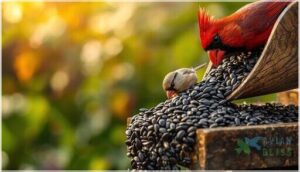
Ever wonder why Black Oil Sunflower Seed is the benchmark for backyard birds? Its high energy content gives a winter survival boost, while easy shell cracking means even tiny birds can feast. You’ll notice it attracts diverse species, from cardinals to nuthatches, making your feeding stations lively. Plus, it’s cost-effective nutrition—rich in minerals for bird health and feather quality. For best results, choose fresh, high seed quality to support strong bird nutrition at your backyard feeders.
- High Energy Content
- Easy Shell Cracking
- Attracts Diverse Species
Safflower, Nyjer, and Millet Preferences
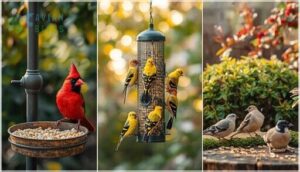
If you’re hoping for Cardinal attraction, safflower seeds are your secret weapon—high oil content and a bitter edge make them a natural squirrel deterrent.
For a Finch favorite, nyjer seeds shine, especially in colder months, thanks to their concentrated oils.
Ground feeder appeal belongs to millet, which draws doves and juncos reliably.
Choosing quality seeds like these ensures strong bird nutrition and keeps your backyard vibrant, no matter which species drop by.
Nutritional Value for Backyard Birds
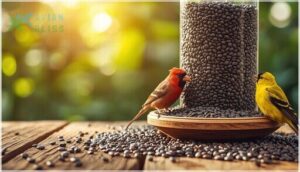
Every seed you offer tells a story about bird nutrition. Here’s what’s actually fueling your backyard visitors:
- Protein Levels — Black oil sunflower seeds deliver roughly 14% protein, supporting muscle and feather growth.
- Fat Energy Content — With nearly 27–29% fat, they’re calorie-dense winter fuel.
- Fiber Digestibility — Around 24–26% crude fiber keeps digestion running smoothly.
- Mineral Balance and Vitamin A Benefits — Calcium, iron, and key vitamins strengthen bones and immunity.
Seed quality truly matters for bird health.
Comparing Ground Feeding Vs. Feeder Birds

Not all backyard birds eat the same way. Sparrows, doves, and juncos are ground foragers by nature — their habitat preferences keep them low, scratching through scattered millet or cracked corn.
Feeder birds like finches and chickadees prefer elevated feeding stations with black oil sunflower or nyjer.
Managing seed spillover reduces predator risk and competition dynamics, keeping your bird feeding setup safe and welcoming for everyone.
Matching Seed to Feeder Types
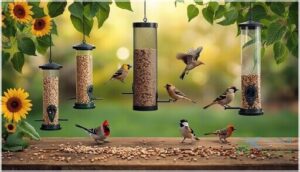
Choosing the right feeder makes all the difference when you want birds to stick around. Each feeder style works best with certain seeds and attracts different visitors.
Let’s walk through the main options so you can match your seed to the perfect setup.
Tray, Tube, Hopper, and Platform Feeder Pairings
Think of your feeder as a welcome mat—what you offer shapes who shows up.
Ground feeder placement draws sparrows and doves with millet or cracked corn, while small‑bird tube pairing lets finches and chickadees enjoy sunflower or nyjer seeds.
Medium‑bird hopper selection suits cardinals and jays, providing greater capacity for safflower or mixed seed.
Platform seed spread invites variety, especially with predator‑deterrent design.
Smart Seed Selection and Feeder Maintenance keep your backyard birds safe and satisfied.
Choosing Feeders for Specific Seeds
Your feeder is really just a delivery system — and the wrong one wastes seed fast.
Port Size Matching matters more than most people realize: nyjer needs tube feeders with tiny ports to keep finches happy while larger birds move on. Black oil sunflower flows best through hopper feeders, while white millet belongs on an open platform where sparrows and juncos can feed naturally. Squirrel‑Proof Designs and Weather‑Resistant Feeders protect your investment season‑round.
- Tube feeders + nyjer = finch paradise with minimal spillage
- Hopper feeders + sunflower = cardinals, chickadees, and jays arriving daily
- Platform feeders + millet = ground‑feeding birds like sparrows thriving below
Feeder Placement and Minimizing Mess
Once you’ve matched feeders to seeds, placement is your secret weapon against mess. Set up a clear radius zone—about 3 to 6 feet—around feeding stations, and use spill guard designs to catch stray seeds.
A ground mulch area absorbs debris, while seasonal feeder height keeps Backyard Birds safe. Don’t forget a water source nearby for hydration and easy Feeder Maintenance.
Reducing Waste and Unwanted Pests
Once you’ve sorted out Feeder Placement, waste management steps in. Opt for no-waste mixes with minimal fillers—hulled sunflower hearts are a smart choice.
A Clean Tray Routine catches hulls, while Pest‑Proof Baffles keep rodents at bay. Airtight Storage preserves Seed Quality. Stick to Bird Feeding Tips and Bird Feeder Maintenance to keep your setup healthy, tidy, and pest‑free.
Bird Health, Safety, and Seed Storage
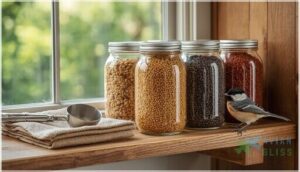
Getting the right seed is only half the job — keeping it safe is just as important.
Moldy seed, dirty feeders, and poor storage can quietly harm the birds you’re trying to help. Here’s what you need to know to keep your backyard setup healthy from the ground up.
Preventing Mold, Disease, and Spoilage
Protecting your backyard birds starts with vigilance — because spoiled seed is more dangerous than most people realize. Moisture control and ventilation strategies matter more than you’d think, since mold can take hold within 24 to 48 hours in humid conditions. Good birdseed selection means nothing if poor seed quality undoes it at the feeder.
Spoiled seed can harm backyard birds faster than you think, with mold forming in just 48 hours
- Smell before you serve — fresh seed smells nutty; musty or sour odors mean discard it immediately.
- Clean feeders every two to four weeks using a 1:9 bleach solution to meet basic sanitization protocols.
- Remove hulls and droppings weekly, especially during wet seasons, to cut infection risk substantially.
- Practice pest exclusion — inspect feeders after rain, since mold and rodents follow moisture fast.
Safe Storage Practices for Birdseed
Good storage is really just the other half of good feeder maintenance. Once your seed leaves the bag, container material choice matters a lot — metal bins with locking lids beat thin plastic every time, blocking rodents that can chew through a bag overnight.
Store your supply in a cool, dry location, like a basement or insulated garage, away from heat sources that degrade those precious seed oils. Pest-proof sealing keeps insects and moisture out between fills.
A simple stock rotation system — writing the purchase date on each container — ensures older seed gets used first.
Birdseed selection and storage go hand in hand for healthy bird feeding.
Identifying and Avoiding Harmful Ingredients
Reading labels is your first line of defense in birdseed selection.
Skip blends hiding vague fillers, artificial dyes, or pesticide residues — these pose real risks to songbirds even at trace levels.
For mold detection, trust your nose: musty or sour smells mean toss it.
Choosing the right bird seed means prioritizing pure, named seeds with clear shelf‑life monitoring and zero chemical coatings.
Cleanliness and Predator Management
Keeping your feeders clean is one of the simplest bird feeding strategies you’ll ever commit to. Weekly feeder maintenance with warm, soapy water cuts disease risk dramatically, while daily seed spill cleanup removes the scent trails that lure ground-level predators.
Mount feeders at least four feet high with pole baffles as ground-level predator barriers, and consider predator deterrent devices like motion-activated lights for extra protection. Bird health really starts with your habits.
Top 10 Birdseed Products for Your Backyard
Now that you know what to look for, let’s put that knowledge to work.
These ten products cover a solid range of seeds, suet, and specialty foods that real backyard birders rely on. Here’s what’s worth adding to your feeding setup.
1. Black Oil Sunflower Bird Seed
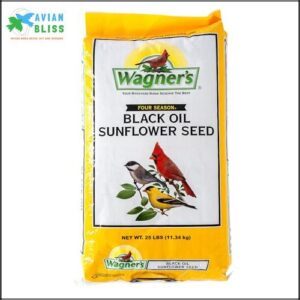
Think of black oil sunflower seed as the universal language of backyard bird feeding.
Wagner’s 76027 blend ($40.84 for a generous bag) speaks to an impressive crowd — cardinals, chickadees, nuthatches, finches, and woodpeckers all show up reliably. That’s no accident.
These seeds pack roughly 40–50% fat and 15–20% protein into a thin shell, so small beaks can crack without struggling. Your birds get dense, efficient energy, especially during cold snaps and migration season when calories really count.
The seeds flow smoothly through tube and hopper feeders alike, so you won’t encounter clogging.
Made in the USA from high-quality grain, it’s a dependable, adaptable starting point for any backyard setup.
| Best For | Backyard bird lovers who want to attract a wide variety of wild birds with a high-energy, easy-to-eat seed. |
|---|---|
| Primary Use | Wild bird feeding |
| Target Species | Cardinals, finches, woodpeckers |
| Protein Content | 15–20% |
| Fat Content | 40–50% |
| Feeder Compatibility | Tube, hopper |
| Storage Requirement | Cool, dry spot |
| Additional Features |
|
- Attracts many types of birds, including cardinals, finches, and woodpeckers
- Thin shells make it easy for small-beaked birds to eat
- High energy content helps birds stay healthy year-round
- Some may find the price a bit high for a 25 lb bag
- Occasional reports of non-seed material like wood chips in past batches
- No velcro closure on the bag, so spills can happen easily
2. C&S Orange Delight Suet Cake
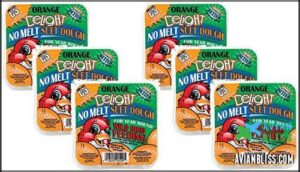
Ever wondered what draws woodpeckers and orioles to your yard like bees to honey?
C&S Orange Delight Suet Cake is your answer—a soft, doughy treat packed with rendered beef suet, roasted peanuts, papaya, and a hint of orange.
This cake doesn’t melt until temperatures soar above 100°F, so you can offer it year‑round without worrying about mess or spoilage.
At around $2.99 per cake, it’s a smart investment for attracting fruit and insect‑loving birds.
The blend provides both fat and protein, fueling active birds through migration and nesting.
Just remember, some birds may skip suet, but those that love it will keep coming back.
| Best For | People who want to attract woodpeckers, orioles, and other fruit or insect-loving birds to their yard year-round. |
|---|---|
| Primary Use | Wild bird feeding |
| Target Species | Woodpeckers, orioles, wrens |
| Protein Content | Not specified |
| Fat Content | High (suet-based) |
| Feeder Compatibility | Suet cage |
| Storage Requirement | Cool conditions |
| Additional Features |
|
- Attracts a wide variety of birds, including woodpeckers and wrens
- Holds up well in most weather and doesn’t melt unless it’s extremely hot
- Offers a balanced mix of fat and protein for active birds
- Can get soft and break apart in extreme heat
- Not all birds are interested in suet cakes
- Needs careful packaging to avoid crumbling
3. Nyjer Seed Wild Bird Food
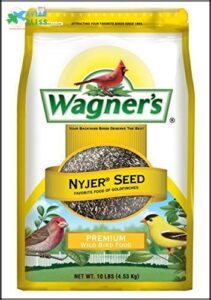
Goldfinches don’t just visit yards that offer Nyjer seed — they practically move in. Wagner’s Nyjer Seed Wild Bird Food packs roughly 150,000 seeds per pound, each one rich in natural oils and amino acids that fuel feather growth and winter survival. That’s serious nutrition in a tiny package.
You’ll want a tube feeder or mesh sock to match the seed’s size and keep waste low, since these little seeds slip right through standard feeder ports.
Store your bag in a cool, dry spot and use it up quickly — Nyjer loses its oils faster than other seeds, and birds will quietly stop visiting a stale feeder.
| Best For | Backyard bird lovers who want to attract finches and other small songbirds with high-energy food. |
|---|---|
| Primary Use | Wild bird feeding |
| Target Species | Goldfinches, finches |
| Protein Content | High (amino acids) |
| Fat Content | High (natural oils) |
| Feeder Compatibility | Tube, mesh sock |
| Storage Requirement | Cool, dry spot |
| Additional Features |
|
- Attracts goldfinches and other finches reliably
- Packed with nutrition for healthy, active birds
- Clean seed and convenient velcro packaging
- Shells can create a mess under feeders
- May draw unwanted animals if not secured
- Packaging sometimes leaks or spills
4. Wingfield Farm Virginia In Shell Peanuts
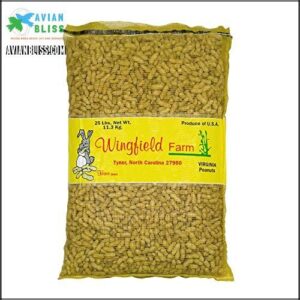
Few backyard offerings stop a blue jay mid-flight quite like a whole peanut. Wingfield Farm’s Virginia in-shell peanuts are raw, unsalted, and packed with natural fats and protein — exactly what blue jays, woodpeckers, nuthatches, and chickadees are wired to seek out. Each kernel delivers dense, sustained energy, which matters most during cold snaps when birds are burning calories just to stay warm.
You’ll also notice something fun: these birds don’t always eat on the spot. Many cache whole peanuts nearby for later, which means more repeat visits to your yard. Store the bag somewhere cool and dry to keep mold from ruining a perfectly good wildlife magnet.
| Best For | Backyard bird and wildlife enthusiasts who want to attract blue jays, woodpeckers, squirrels, and deer with a natural, high-protein snack. |
|---|---|
| Primary Use | Wild bird feeding |
| Target Species | Blue jays, woodpeckers, nuthatches |
| Protein Content | High (natural) |
| Fat Content | High (natural fats) |
| Feeder Compatibility | Platform, ground |
| Storage Requirement | Cool, dry spot |
| Additional Features |
|
- Raw and unsalted, so wildlife gets pure, natural nutrition without any additives
- Works year-round and pulls in a wide variety of birds and critters
- Whole in-shell peanuts encourage repeat visits since many birds cache them nearby
- Not for human consumption, so the whole 25-pound bag is strictly for your backyard guests
- Takes up a decent chunk of storage space and needs a cool, dry spot to stay fresh
- The price point might feel steep if you’re feeding a large area or go through bags quickly
5. Kaytee Wild Bird Black Oil Sunflower

Peanuts are hard to beat for jays and woodpeckers, but if you want to pull in a wider crowd, Kaytee Wild Bird Black Oil Sunflower is your go-to bag.
Cardinals, chickadees, finches, and nuthatches all recognize these seeds on sight — and for good reason.
With roughly 30% crude fat and 15.5% protein, each seed packs serious energy, especially during winter when birds need every calorie they can get.
The thinner hulls make cracking easy, so even smaller songbirds don’t struggle.
These seeds work beautifully in tube, hopper, or platform feeders.
Just store them sealed in a cool, dry spot to keep them fresh and mold‑free.
| Best For | Anyone who wants to attract a wide mix of backyard birds — especially smaller songbirds like cardinals, chickadees, and finches. |
|---|---|
| Primary Use | Wild bird feeding |
| Target Species | Cardinals, chickadees, finches |
| Protein Content | 15.5% |
| Fat Content | 30% |
| Feeder Compatibility | Tube, hopper, platform |
| Storage Requirement | Sealed, cool, dry |
| Additional Features |
|
- Thin hulls make it easy for small birds to crack open, so more species can actually enjoy it
- High oil content means serious energy per seed — great for keeping winter birds fed and happy
- Triple cleaned, so you’re not dumping a bunch of debris into your feeder
- It’s a single-seed mix, so picky species or specialty feeders may need something extra
- Some buyers felt the 5-pound bag ran out faster than expected
- Freshness can vary depending on how it was stored before it reached you
6. Kaytee Nyjer Wild Bird Food Seed
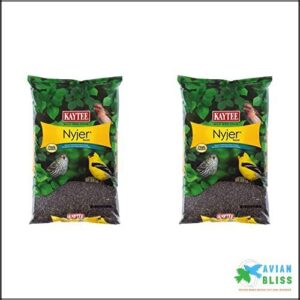
If black oil sunflower seeds draw the crowd, Kaytee Nyjer Wild Bird Food Seed brings the stars of the show — goldfinches, pine siskins, and buntings.
Every hull‑free kernel, so birds get 100% edible seed with no waste piling up beneath your feeder. That matters more than you’d think. With 35% crude fat and 18% protein, each tiny seed punches well above its weight, giving small songbirds the fuel they need during migration and breeding season.
Use a tube or mesh sock feeder to control spillage, buy in smaller bags since Nyjer loses its oils quickly, and refresh seed regularly.
| Best For | Bird enthusiasts who want to attract finches, pine siskins, and doves without dealing with messy hulls or sprouting seeds under their feeders. |
|---|---|
| Primary Use | Wild bird feeding |
| Target Species | Goldfinches, siskins, buntings |
| Protein Content | 18% |
| Fat Content | 35% |
| Feeder Compatibility | Tube, mesh sock |
| Storage Requirement | Small bags, refresh often |
| Additional Features |
|
- 100% edible, hull-free kernels mean zero waste and no cleanup under your feeder
- High oil content (35% fat, 18% protein) gives small songbirds serious nutritional value
- Concentrated formula means you’re refilling less often
- May contain twigs that clog feeders, and quality can be inconsistent
- Nyjer loses its oils over time, so bulk buying isn’t ideal
- Not a great fit if you’re trying to attract a wide variety of bird species
7. Wild Bird Ground Feeding Seed Mix
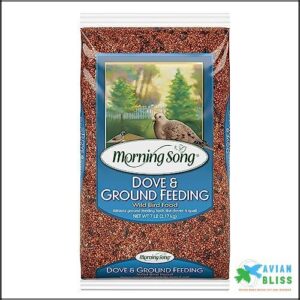
Not every bird wants to visit a hanging feeder. Mourning doves (Zenaida macroura), dark-eyed juncos (Junco hyemalis), and white-throated sparrows (Zonotrichia albicollis) are natural ground foragers — that’s just how they’re built.
That’s where a quality ground feeding seed mix earns its keep. This blend combines white proso millet, black oil sunflower, and grain products, giving ground‑feeding birds exactly the fat, protein, and carbohydrates they need. Doves, quail, and even wild turkeys tend to show up reliably when you scatter it across a clean platform or open patch of ground.
Watch the ingredient list, though. Mixes heavy on fillers attract fewer desirable species. Choose blends where millet and sunflower lead, portion carefully in warm weather to prevent spoilage, and rake the feeding area regularly.
| Best For | Backyard birders who want to attract ground-feeding birds like mourning doves, quail, and sparrows without fussing over complicated setups. |
|---|---|
| Primary Use | Wild bird feeding |
| Target Species | Doves, quail, sparrows |
| Protein Content | Not specified |
| Fat Content | Not specified |
| Feeder Compatibility | Platform, ground |
| Storage Requirement | Cool weather portioning |
| Additional Features |
|
- Solid ingredient lineup — white proso millet and black oil sunflower are exactly what ground feeders want, no cheap filler crowding them out.
- Versatile feeding options — works on a platform, tray, or just scattered on the ground, so it fits whatever setup you’ve got.
- Draws a real variety of birds, including doves, quail, and even turkeys if you’re lucky enough to have them nearby.
- May contain common allergens like peanuts, soy, or wheat — worth knowing if that’s a concern around your household.
- At nearly 8 pounds, the bag is a bit bulky, which can make storage tricky if you’re short on space.
- It runs a little pricier than basic seed mixes, so it might not be the go-to if you’re watching your budget closely.
8. Safflower Seed Wild Bird Food
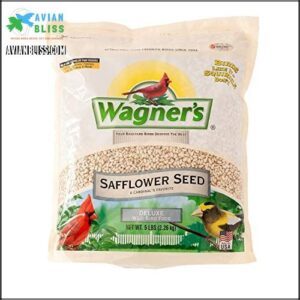
If ground-feeding mixes brought the sparrows and doves, safflower seed is what keeps the cardinals coming back — without the squirrel circus.
Wagner’s safflower (model 57075) is made in the USA and packs around 49 grams of fat per 100 grams, which translates to serious winter fuel for birds like cardinals (Cardinalis cardinalis), chickadees, and grosbeaks. The hard hulls? Squirrels find them unappealing, and grackles tend to pass entirely. That’s a quieter, friendlier feeder almost immediately.
Tray or tube feeders work great here. Just store your bag in a sealed container somewhere cool — safflower’s oils degrade faster than you’d expect once exposed to heat and moisture.
| Best For | Bird lovers who want to attract cardinals and other songbirds without dealing with squirrels or bully birds taking over the feeder. |
|---|---|
| Primary Use | Wild bird feeding |
| Target Species | Cardinals, chickadees, grosbeaks |
| Protein Content | 14% |
| Fat Content | 49g per 100g |
| Feeder Compatibility | Tray, tube |
| Storage Requirement | Sealed container, cool |
| Additional Features |
|
- Cardinals, chickadees, and grosbeaks love it — you’ll see more of the birds you actually want
- Squirrels and grackles tend to leave it alone, so less competition at the feeder
- Made in the USA with high-quality grains, so you’re not guessing about what’s in the bag
- It costs more than your standard mixed seed, so it adds up over time
- The husks are thick and can pile up under your feeder, which means more cleanup
- Not a great fit if you’re trying to attract birds that prefer millet, sunflower, or other seed types
9. Kaytee Nut and Fruit Wild Bird
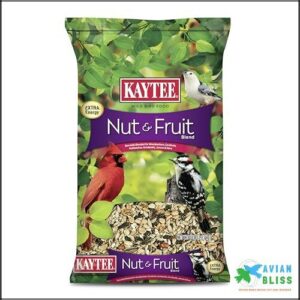
Think of Kaytee’s Nut and Fruit Wild Bird blend as a backyard buffet — sunflower seeds, peanuts, raisins, and dried cherries all in one bag. That combination drives the nutritional profile up to around 30.5% fat and 14% protein, which is exactly what cardinals (Cardinalis cardinalis), woodpeckers, and nuthatches need to stay fueled through tough seasons.
No corn filler means birds actually eat what you put out, so waste stays low.
The 5‑pound bag is priced at a premium compared to basic mixes, but you’re paying for quality and variety.
Store it sealed and cool, and your feeders will stay busy.
| Best For | Backyard bird enthusiasts who want to attract a wide variety of colorful songbirds like cardinals, woodpeckers, and nuthatches with a high-quality, nutrient-rich blend. |
|---|---|
| Primary Use | Wild bird feeding |
| Target Species | Cardinals, woodpeckers, nuthatches |
| Protein Content | 14% |
| Fat Content | 30.5% |
| Feeder Compatibility | Standard feeders |
| Storage Requirement | Sealed, cool |
| Additional Features |
|
- Packed with sunflower seeds, peanuts, raisins, and dried cherries — a real mixed bag that brings in more bird species than plain seed mixes
- No corn filler, so birds eat what’s there and waste stays minimal
- High fat and protein content keeps birds fueled year-round, especially through cold seasons
- Pricier than basic blends, so it can add up if you’re refilling feeders often
- May draw unwanted guests like squirrels or raccoons to your yard
- Some birds skip certain ingredients like peanuts, so not every bird will love every bite
10. C and H Pure Cane Sugar
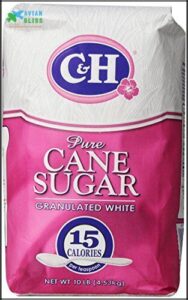
Hummingbirds aren’t seed eaters — and that’s exactly where C&H Pure Cane Sugar earns its spot on this list. If you want to attract ruby-throated hummingbirds (Archilochus colubris) or Anna’s hummingbirds (Calypte anna) to your backyard, homemade nectar is the way to go. Mix one part C&H with four parts water, and you’ve got a solution that closely matches the sucrose concentration in natural flower nectar.
What makes this sugar worth choosing? It’s 100% pure cane sugar — no additives, no beet sugar, no fillers.
That purity matters, because anything extra can harm tiny birds with fast metabolisms. Keep a fresh batch ready during migration season, and your feeders won’t stay empty for long.
| Best For | Backyard birders who want to make safe, natural hummingbird nectar at home without worrying about additives or fillers. |
|---|---|
| Primary Use | Human consumption |
| Target Species | N/A |
| Protein Content | 0% |
| Fat Content | 0% |
| Feeder Compatibility | N/A |
| Storage Requirement | Standard pantry |
| Additional Features |
|
- 100% pure cane sugar — no beet sugar, no additives, just clean sucrose that’s safe for hummingbirds
- Works perfectly in the classic 1:4 nectar ratio, mimicking real flower nectar
- Versatile enough for baking and everyday kitchen use too
- The paper bag packaging is prone to leaking, which can get messy fast
- Nothing flashy here — it’s just sugar, so don’t expect anything beyond the basics
- At 10 pounds, the bag size might be more than casual users need before it starts spilling
Frequently Asked Questions (FAQs)
What bird seeds are not to buy?
Skip red milo, canary seed, and cheap mixed blends packed with fillers — they’re basically empty calories for your backyard visitors. Most birds won’t touch them, and you’ll just be feeding the mess.
Why should you sprinkle coffee grounds around your bird feeder?
Sprinkling coffee grounds around your feeder helps absorb excess moisture, reduces surface mud from spilled seeds, and can attract earthworms that enrich the nearby soil.
Keep layers thin to prevent mold buildup.
How often should I refill my bird feeders?
Don’t let your feeders fall flat — refill every one to three days in winter or migration peaks, and every two to five days when activity slows.
Always check before seed sits too long.
Can birdseed attract unwanted wildlife to my yard?
Spilled seed draws mice and rats fast, squirrels raid feeders daily, and in bear country, even a hanging feeder becomes a real hazard worth taking seriously.
Whats the shelf life of unopened birdseed packages?
fresh for six to twelve months — but heat, humidity, and flimsy packaging can shorten that window fast.
Always check for musty odors or clumping before filling your feeders.
Do birds prefer mixed seed or single varieties?
Most backyard birds actually lean toward single seed varieties — black oil sunflower being the crowd favorite.
Mixed blends attract more species, but they often produce more waste as birds toss aside seeds they don’t want.
Should I stop feeding birds during breeding season?
You don’t need to stop completely, but scaling back during breeding season makes sense. Birds rely more on insects to feed their chicks, and heavy feeders can attract predators too close to active nests.
Can birds eat fruit scraps from my kitchen?
Absolutely — your kitchen scraps can moonlight as a bird buffet. Fresh fruit like apples, berries, and bananas works great. Just skip avocado, remove pits, and toss anything moldy or fermented.
How do I attract hummingbirds to my yard?
Hang a red feeder with fresh sugar-water nectar (4 parts water, 1 part white sugar) in morning sun near tubular flowers. Replace it every 2–4 days, and they’ll find you fast.
Which seeds work best in cold, snowy climates?
Winter birds are burning calories like tiny furnaces. Black oil sunflower seeds and nyjer deliver the dense fat they need most when temperatures drop and snow piles up.
Conclusion
Seriously, the birds in your backyard are counting on you. Choosing the right birdseed for your backyard isn’t a one-time decision—it’s an ongoing conversation between you and the species that call your yard home.
Match the seed to the bird, keep feeders clean, and skip the cheap filler mixes that waste money and attract pests. Do that consistently, and you won’t just feed birds. You’ll earn their trust, one calorie at a time.