This site is supported by our readers. We may earn a commission, at no cost to you, if you purchase through links.
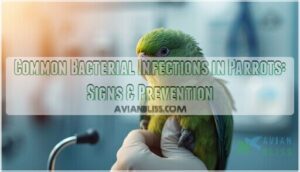
Your parrot sneezes twice during breakfast, and you brush it off as nothing. Three days later, she’s sitting fluffed at the bottom of her cage, breathing with her beak open.
Bacterial infections don’t announce themselves with dramatic symptoms—they creep in quietly, often mistaken for minor issues until your bird’s health takes a sharp downturn. Chlamydiosis, mycobacteriosis, and infections from pathogens like Klebsiella can progress rapidly once clinical signs appear, making early recognition the difference between a straightforward treatment and a life-threatening crisis.
Understanding what these infections look like, how they spread, and when your bird needs immediate veterinary attention protects both your parrot’s health and your own.
Table Of Contents
- Key Takeaways
- Common Bacterial Infections in Parrots
- Causes and Risk Factors for Infection
- Symptoms of Bacterial Infections in Parrots
- Diagnosis and Treatment Approaches
- Prevention and Zoonotic Risks
- Frequently Asked Questions (FAQs)
- What are some bacterial diseases of birds?
- What bacteria do parrots carry?
- What are 5 examples of bacterial disease?
- Can bacterial infections spread through shared food bowls?
- How long does antibiotic treatment typically last?
- Are certain parrot species more susceptible to infections?
- What diet changes support recovery from infections?
- Can vaccinations prevent any bacterial infections in parrots?
- Conclusion
Key Takeaways
- Bacterial infections like chlamydiosis, mycobacteriosis, and gram-negative pathogens (Klebsiella, Pseudomonas) often present subtle early symptoms before rapidly progressing to life-threatening illness, making immediate veterinary attention critical when you notice respiratory distress, abnormal droppings, or behavioral changes.
- Prevention depends on daily hygiene practices, including twice-daily water changes, weekly cage disinfection, proper ventilation at 40-60% humidity, and stress reduction through consistent routines and 10-12 hours of uninterrupted sleep to support immune function.
- Early detection within 24-48 hours allows for 7-14 day antibiotic courses with full recovery, while delays beyond 10 days result in 30+ day treatment protocols with significantly reduced survival rates and chronic complications.
- Zoonotic transmission of Chlamydia psittaci to humans requires strict safety protocols, including gloves and masks during cage cleaning, thorough handwashing after bird contact, and surface disinfection to protect immunocompromised household members from psittacosis.
Common Bacterial Infections in Parrots
Bacterial infections pose a serious threat to your parrot’s health, but knowing which pathogens to watch for gives you a fighting chance at early intervention.
Recognizing signs of bacterial infections in birds early can mean the difference between a quick recovery and a life-threatening situation.
While dozens of bacteria can affect pet birds, a handful of infections show up most frequently in veterinary practice. Understanding these common culprits—chlamydiosis, mycobacteriosis, and several opportunistic pathogens—helps you recognize warning signs before they escalate into life-threatening illness.
Avian Chlamydiosis (Psittacosis)
Avian chlamydiosis, caused by the bacterium Chlamydia psittaci, ranks among the most serious bird health risks facing parrot owners. This zoonotic disease control challenge affects psittacines through transmission via contaminated droppings and respiratory secretions.
Psittacosis symptoms include lethargy, nasal discharge, yellow-green diarrhea, and conjunctivitis. Your bird may shed the organism intermittently, especially under stress, making avian disease management particularly complex even during asymptomatic periods.
For more detailed information about chlamydial infections and transmission, consult expert resources.
Avian Mycobacteriosis
While chlamydiosis spreads rapidly through flocks, avian mycobacteriosis presents a slower, more insidious threat. This chronic granulomatous infection, caused primarily by Mycobacterium avium complex, targets your parrot’s liver and gastrointestinal tract over weeks to months.
Watch for these avian mycobacteriosis symptoms:
- Progressive weight loss despite normal eating
- Bright yellow urates in droppings
- Excessive water consumption
- Gradual emaciation and weakness
Mycobacterium infections resist standard treatments, making infection control challenging. It’s important to be aware of the zoonotic importance and human impact of avian mycobacteriosis, as immunocompromised individuals can be at heightened risk.
Other Frequent Bacterial Pathogens (Klebsiella, Pseudomonas, Staphylococcus)
Beyond the better-known infections, gram-negative bacteria like Klebsiella and Pseudomonas, plus Staphylococcus aureus, frequently cause avian bacterial infections in parrots. These bacterial strains thrive where bird hygiene falters—contaminated water bowls, dirty cages, and stagnant feeders become hotspots for pathogen transmission.
| Pathogen | Common Signs | Key Challenge |
|---|---|---|
| Klebsiella | Mucoid diarrhea, nasal discharge | Antibiotic resistance |
| Pseudomonas | Green nasal discharge, weight loss | Intrinsic drug resistance |
| Staphylococcus aureus | Pododermatitis, beak lesions | Biofilm formation |
Infection control demands culture-guided treatment because antibiotic resistance limits your options.
Causes and Risk Factors for Infection
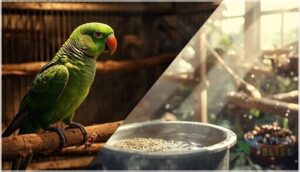
Bacterial infections in parrots don’t happen in a vacuum. Your bird’s environment, stress levels, and overall health create conditions where harmful bacteria can take hold and multiply.
When respiratory issues go untreated, they can spiral into serious secondary infections like pneumonia in parrots, making recovery even harder for your bird.
Understanding these risk factors helps you protect your parrot from infections before they start.
Environmental and Husbandry Issues
Your bird’s environment is the foundation of health or disease. Daily cage cleaning removes up to 90 percent of bacterial growth, while weekly disinfection of perches and accessories minimizes transmission.
Change water dishes twice daily and maintain 40 to 60 percent humidity for ideal respiratory function. Proper ventilation, dust-free substrate, and dedicated quarantine spaces are essential components of effective avian health management.
Stress and Immune Suppression
Chronic stress directly weakens your parrot’s immune defenses against bacterial pathogens. Cortisol elevation from ongoing stressors reduces antibody production and shifts immune cells away from protective responses, making infection more likely.
Sleep disruption compounds this vulnerability by lowering natural killer cell activity up to 30 percent. Poor nutrition, especially deficiencies in vitamin D and zinc, further impairs immune response and increases susceptibility to avian bacterial infections.
Transmission Between Birds
Direct contact between parrots allows rapid spread of bacterial infections through saliva and mucous secretions during social behavior like mutual preening. Airborne transmission occurs when aerosolized particles from coughing carry pathogens across short distances within flocks.
Fecal contamination of shared perches, water bowls, and feeding dishes creates persistent transmission routes of bird diseases. Environmental factors like humidity and cage substrates harbor bacteria for days, increasing infection risk during routine bird contact routes.
Underlying Health Conditions
Your parrot’s immune system depends on internal health factors that directly influence resistance to bacterial infections like avian chlamydiosis and psittacosis. When underlying conditions weaken defenses, pathogens find easier entry.
- Nutritional deficiencies compromise body weight and feather quality, creating vulnerability to avian tuberculosis and parrot fever
- Metabolic disorders affecting liver or kidney function impair antibacterial responses and overall disease resistance
- Genetic predisposition and chronic stress accelerate age-related immune decline in susceptible birds
Symptoms of Bacterial Infections in Parrots
Spotting a bacterial infection early can mean the difference between a quick recovery and a serious health crisis for your parrot. The signs aren’t always obvious at first, but certain patterns of symptoms can help you identify when something’s wrong.
Early detection of bacterial infections can save your parrot’s life, but the warning signs aren’t always obvious
Let’s look at the key warning signs that fall into three main categories: respiratory issues, digestive problems, and changes in behavior or appearance.
Respiratory Symptoms (nasal/eye Discharge, Labored Breathing)
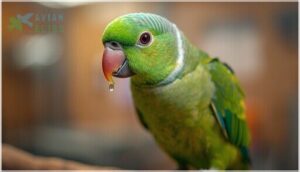
When you spot nasal discharge or discharge coming from its eyes, your parrot’s respiratory system may be battling gram-negative bacteria or other pathogens.
Eye infections often appear as watery to purulent fluid with reddened conjunctiva. Labored breathing shows up as open mouth breathing, tail bobbing, and audible wheezes that signal respiratory distress.
Airway obstruction can escalate quickly, risking respiratory failure without prompt veterinary intervention.
Digestive Symptoms (diarrhea, Abnormal Droppings)
Abnormal droppings often signal bacterial infections before other symptoms appear. You might notice loose or watery stools, sometimes with yellow or greenish diarrhea that points to digestive distress.
Stool quality changes quickly—within 24 hours your bird’s normal pellets can turn mushy or unformed. Bile staining, oily texture, or increased frequency all indicate gut flora disruption requiring fecal testing and immediate veterinary attention.
Behavioral and Physical Changes (lethargy, Weight Loss, Ruffled Feathers)
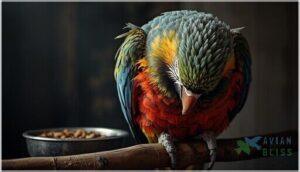
When your bird sits quietly with drooped wings and tucked head for hours, lethargy signals trouble.
Ruffled feathers that stay puffed beyond normal temperature changes combine with weight loss—often 5 to 10 percent over several days—to reveal infection.
You’ll notice reduced vocalization, loss of appetite, and less interest in favorite foods.
Weak and unstable posture warrants immediate veterinary examination.
Diagnosis and Treatment Approaches
When you suspect your parrot has a bacterial infection, getting an accurate diagnosis is the first step toward recovery.
A veterinarian experienced with exotic birds will perform clinical examinations and collect samples to identify the specific pathogen causing your bird’s symptoms. From there, treatment options depend on lab results, the severity of infection, and your parrot’s overall health status.
Veterinary Examination and Laboratory Testing
When you suspect infection, your avian vet starts with a thorough physical exam—checking body condition, feather quality, respiratory sounds, and discharge. Lab testing follows, including complete blood counts and biochemistry panels to assess organ function.
Sample collection procedures involve fecal samples, cloacal swabs, or blood draws. Diagnostic imaging like radiographs may reveal internal complications. Accurate medical records guarantee proper follow-up veterinary care.
Antibiotic Therapies and Medication Options
Once lab results confirm the pathogen, your vet prescribes targeted antibiotic therapy. Doxycycline, a tetracycline antibiotic, treats chlamydiosis effectively.
For gram-negative infections, antimicrobial therapy may include:
- Fluoroquinolones for DNA replication interference
- Amoxicillin for respiratory and GI pathogens
- Combination protocols addressing antibiotic resistance
- Weight-based dosage guidelines ensuring medication safety
- Extended courses preventing relapse
Drug interactions with supplements require careful monitoring for ideal treatment outcomes.
Importance of Early Detection and Follow-up Care
Once your vet starts antibiotic therapy, you’ll play a key role in recovery planning. Early intervention—spotting symptoms of illness within 24 to 48 hours—improves survival and shortens treatment. Regular health monitoring tracks weight, droppings, and appetite, catching relapse quickly.
Follow-up visits confirm the infection is resolving and adjust care strategies as needed. Timely care means less invasive treatment and stronger bird wellness.
| Detection Stage | Treatment Duration | Recovery Outcome |
|---|---|---|
| Within 24–48 hours | 7–14 days | Full recovery, minimal complications |
| 3–5 days delay | 14–21 days | Moderate recovery, possible weight loss |
| 6–10 days delay | 21–30+ days | Prolonged recovery, risk of secondary issues |
| Over 10 days | 30+ days, multiple antibiotics | Reduced survival, chronic symptoms |
| No intervention | N/A | Severe illness or death |
Managing Antibiotic Resistance in Parrots
As your parrot completes therapy, resistance monitoring becomes the next line of defense. Multidrug resistance to beta-lactams, tetracyclines, and fluoroquinolones can emerge when bacteria survive treatment.
Antimicrobial stewardship plans—guided by culture and susceptibility testing—help guarantee you’re using narrow-spectrum antibiotics at the right dose and duration.
- Complete prescribed courses even if symptoms improve to prevent relapse
- Isolate sick birds and disinfect cages to reduce resistance transfer
- Work with your vet on culture results to avoid unnecessary antibiotic exposure
Prevention and Zoonotic Risks
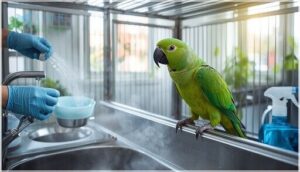
Preventing bacterial infections in your parrot starts with good daily habits and an understanding of the risks these infections pose to you and your family. Simple changes in how you clean your bird’s environment and manage stress can dramatically reduce infection rates.
Let’s look at the practical steps you can take to protect both your parrot and yourself from bacterial illness.
Hygiene and Sanitation Best Practices
Proper avian hygiene practices form your first line of defense against bacterial infections. Following structured handwashing protocols and cage disinfection routines reduces pathogen exposure dramatically. Food safety measures and dedicated bird laundry systems prevent cross-contamination between you and your parrot.
These parrot health management strategies support maintaining bird immune system health while reducing antibiotic use and resistance in birds.
| Task | Frequency | Key Action |
|---|---|---|
| Handwashing Protocols | Before/after bird contact | Wash 20 seconds with soap and water |
| Cage Disinfection | Daily cleaning, weekly deep clean | Use bird-safe disinfectants, rinse thoroughly |
| Food Safety | Daily water changes, proper storage | Rinse produce, seal containers, remove waste promptly |
| Bird Laundry | Weekly washing at high temps | Separate cycle from human laundry, sanitize equipment |
Reducing Stress and Supporting Immune Health
Chronic stress weakens your parrot’s immune system, making bacterial infections more likely. Environmental enrichment and social interaction become critical components of parrot health management. You can strengthen your bird’s natural defenses through targeted stress management and immune boosters that support avian health.
- Provide at least 10-12 hours of uninterrupted sleep in a quiet, darkened area to regulate immune responses
- Offer foraging toys and puzzle feeders that stimulate natural behaviors and reduce boredom-related stress
- Maintain consistent daily routines for feeding, playtime, and cage cleaning to minimize anxiety
- Include nutrition therapy with fresh vegetables, fruits, and quality pellets containing essential vitamins and minerals
- Schedule regular out-of-cage time for exercise and bonding, supporting both physical and psychological well-being
Zoonotic Risks to Humans and Safety Precautions
Bacterial infections in parrots pose real Human Infection Risks, especially Chlamydia psittaci, which causes psittacosis in people. You can prevent zoonotic disease transmission through consistent Bird Handler Safety practices: wear gloves and masks during cage cleaning, wash hands thoroughly after contact, and maintain proper ventilation.
Environmental Controls like disinfecting surfaces reduce Zoonotic Disease Risk substantially, protecting both you and your household from parrot bacterial infections.
Regular Veterinary Check-ups and Owner Education
You can’t catch what you don’t look for. Annual veterinary care establishes baseline health records and allows early avian disease diagnosis through blood work and fecal testing.
Your veterinarian provides education resources on bird monitoring techniques and signs requiring urgent attention. Owner awareness improves when you track weight changes and droppings between visits, supporting better bird health and wellness outcomes through proactive avian veterinary medicine.
Frequently Asked Questions (FAQs)
What are some bacterial diseases of birds?
Your parrot faces serious threats from avian bacterial infections like Psittacosis caused by Chlamydia psittaci and mycobacteriosis.
Common bacterial pathogens including Klebsiella, Pseudomonas, and Staphylococcus compromise bird health and cause respiratory issues.
What bacteria do parrots carry?
Your bird may harbor E coli, Pseudomonas aeruginosa, Chlamydia psittaci, or Mycobacterium avium.
These avian pathogens can affect respiratory bacteria levels, feather health, and even cause beak infections if left unmonitored.
What are 5 examples of bacterial disease?
Your feathered companion can develop five common infections: Chlamydia psittaci (psittacosis), Mycobacterium avium complex, Escherichia coli, Pseudomonas aeruginosa, and Salmonella bacteria—each requiring specific chlamydiosis treatment or targeted antibiotic therapy.
Can bacterial infections spread through shared food bowls?
Ever wonder how quickly a feeding station turns into a germ hub? Yes, bacterial infections spread through shared food bowls when multiple birds introduce pathogens and debris.
Regular dish hygiene with hot water prevents cross contamination effectively.
How long does antibiotic treatment typically last?
Antibiotic therapy usually runs seven to fourteen days depending on the infection’s severity and your bird’s response.
Doxycycline courses for psittacosis may last ten days, while mycobacteriosis demands weeks or months of combination treatment.
Are certain parrot species more susceptible to infections?
Amazon parrots often carry more Klebsiella in captivity, while cockatiels and budgies harbor Staphylococcus naturally.
Species susceptibility varies based on genetic predispositions and environmental influences affecting bird immune systems and infection risk factors.
What diet changes support recovery from infections?
Boost protein intake to 2–5 grams per kilogram daily with lean meats and legumes. Maintain hydration with 2–3 liters of fluids. Add probiotics like yogurt to restore gut health after antibiotics.
Can vaccinations prevent any bacterial infections in parrots?
Vaccines for bacterial infections aren’t routinely available for pet parrots. Infection control relies on hygiene, quarantine, and targeted antibiotics. Good biosecurity and regular veterinary care remain your primary prevention tools.
Conclusion
Can you really afford to wait until subtle symptoms become a crisis? Common bacterial infections in parrots don’t improve on their own—they escalate.
Early recognition of respiratory distress, abnormal droppings, or behavioral changes allows for targeted treatment before organ damage occurs. Maintain rigorous cage hygiene, minimize stress, and schedule regular veterinary exams.
Your vigilance determines whether an infection remains manageable or becomes life-threatening. When you notice changes, act immediately—delayed intervention rarely ends well.