This site is supported by our readers. We may earn a commission, at no cost to you, if you purchase through links.
That cheerful cardinal at your feeder might be hosting an invisible entourage of unwelcome guests. Common parasites affecting wild birds range from microscopic protozoa burrowing through intestinal walls to blood-sucking ticks clinging between feather shafts.
These organisms don’t just irritate their hosts—they drain energy reserves, compromise immune function, and during peak breeding season, can devastate entire local populations. Understanding which parasites threaten the birds in your backyard, how to recognize the warning signs, and what preventive measures actually work transforms casual bird watching into informed stewardship that protects the species you’ve grown to love.
Table Of Contents
- Key Takeaways
- What Are Parasites in Wild Birds?
- Common External Parasites Affecting Wild Birds
- Common Internal Parasites in Wild Birds
- Signs and Symptoms of Parasitic Infections
- How Parasites Spread Among Wild Birds
- Diagnosing Parasites in Wild Birds
- Prevention and Management Strategies
- Frequently Asked Questions (FAQs)
- What is the most common parasite in birds?
- How can you tell if your bird has parasites?
- What are the 5 common parasites?
- What bird disease is going around right now?
- Can parasites transfer from wild birds to pets?
- Do parasites affect bird migration patterns and timing?
- Which parasites cause the highest wild bird mortality?
- Are certain bird species more vulnerable to parasites?
- How do parasites impact wild bird reproduction rates?
- Conclusion
Key Takeaways
- Parasites—ranging from external blood-feeders like ticks and lice to internal organisms such as gastrointestinal worms and avian malaria—can reduce wild bird flight efficiency by up to 20% and significantly compromise reproduction rates by cutting clutch sizes 20-30%.
- Common warning signs include patchy feather loss outside normal molt patterns, persistent lethargy with reduced foraging activity, respiratory distress with open-mouth breathing, and progressive weight loss exceeding 5% of body weight despite available food.
- Transmission occurs through multiple pathways including contaminated feeding stations and bird baths, direct contact during social behaviors like allopreening, and climate-driven seasonal factors that accelerate parasite life cycles during warmer, humid months.
- Effective prevention requires cleaning bird feeders every two weeks with warm soapy water, refreshing bird bath water every two days, and monitoring local populations weekly to detect infection outbreaks before they escalate into conservation threats.
What Are Parasites in Wild Birds?
When you watch birds at your feeder or hiking through the woods, you’re observing creatures that share their bodies with dozens of unseen organisms.
These microbes can influence everything from digestion to behavior, and understanding when birds are most active—like comparing morning versus evening feeding patterns—helps you see how their routines align with these hidden partnerships.
These parasites—ranging from microscopic protozoa to visible insects—live on or inside wild birds, extracting nutrients and shelter at their host’s expense.
Understanding what parasites are, how they complete their life cycles, and the real-world impact they’ve on bird populations helps you recognize when the birds around you might need help.
Definition and Life Cycle of Bird Parasites
Bird parasites are organisms that live on or inside birds, drawing nutrition and completing their life cycles at the host’s expense. These avian parasites—ranging from external parasites like lice to internal parasites such as gut worms—demonstrate outstanding host adaptation and parasite diversity.
Their life cycle stages usually involve environmental phases, infectious forms, and reproduction within the bird, creating significant ecological impact on wild populations. Access to detailed research on host-parasite evolution principles can further augment understanding of these complex relationships.
Internal Vs. External Parasites
Understanding the distinction between internal and external parasites helps you recognize infection patterns and transmission routes in wild birds.
External parasites—mites, lice, ticks, and fleas—attach to feathers or skin, feeding on blood and debris. Internal parasites, including gastrointestinal worms and protozoa, inhabit digestive tracts or tissues.
Each type follows distinct parasite life cycles, influences host-parasite dynamics differently, and requires specific parasite control approaches to protect bird immunity. Factors such as ecosystem stability and dynamics also play a vital role in how parasite populations impact the health of wild birds.
How Parasites Affect Wild Bird Populations
Parasites don’t just harm individual birds—they reshape entire population dynamics. Heavy parasite load slows annual growth by reducing fledging success, keeping colonies smaller than they’d otherwise reach.
Parasites reshape entire bird populations by slowing colony growth and reducing breeding success through their cumulative burden on hosts
Infected birds show impaired flight during migration, face higher predation risk, and provide less parental care. These cascading effects influence ecosystem impact, making parasite management essential for conservation efforts and protecting wild bird health across landscapes.
Common External Parasites Affecting Wild Birds
External parasites live on the surface of wild birds, where they feed on blood loss, feathers, or skin debris.
These ectoparasites can weaken your backyard visitors through constant irritation, feather damage, and blood loss.
Understanding the most common external parasites helps you recognize warning signs and take appropriate action when needed.
Lice Infestations in Wild Birds
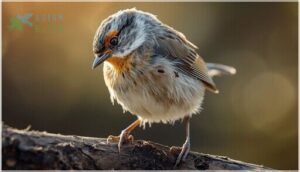
You’ve likely noticed wild birds preening constantly—they’re battling tiny wingless insects called lice that cling to feathers and skin.
Over four thousand louse species exploit bird parasites worldwide, feeding on feather oils and debris throughout their lice life cycle.
These external parasites cause feather damage and force birds to spend extra energy on bird hygiene, reducing flight efficiency and leaving them vulnerable to predators.
Mites and Their Impact on Feathers

Feather mites—microscopic external parasites living on plumage surfaces—create a complex relationship with your backyard visitors. These bird mites feed on feather oils and debris, sometimes helping maintain cleanliness but often causing feather damage assessment challenges when populations explode.
Heavy mite infestation triggers excessive preening, subtle wing wear, and reduced flight performance. Understanding feather mite biology and mite feather interactions helps you recognize when parasite control becomes essential for bird health.
Ticks as Blood-Feeding Parasites
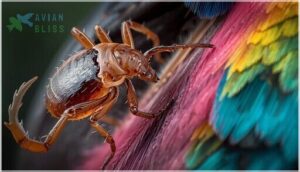
Ticks anchor themselves to bird skin using barbed mouthparts, feeding for days as they engorge many times their body weight on blood. Tick saliva contains anticoagulants that prevent clotting while suppressing your host immune response to detection.
This prolonged blood feeding facilitates parasite transmission of serious pathogens. Hard ticks representing persistent ectoparasites pose particular concern during migration when tick infestation vulnerability increases substantially.
Fleas in Wild Bird Habitats
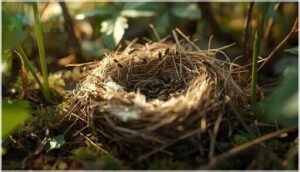
Nests built in dense foliage or near ground level create ideal conditions for flea infestations, where eggs hatch in 2 to 12 days depending on humidity and warmth. Understanding parasite ecology helps you recognize these external parasites in wild bird habitats.
- Flea life cycle persists in nest materials for weeks, fueling recurrent infestations each breeding season
- Colony-nesting species face higher ectoparasite transmission rates due to close contact
- Flea-borne diseases spread through bites, causing anemia and reduced feeding efficiency in nestlings
Effective parasite control requires monitoring bird nesting sites and maintaining distance from domestic animals.
Common Internal Parasites in Wild Birds
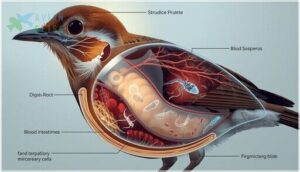
While external parasites are visible threats, internal parasites often work silently within a bird’s body, causing damage you can’t see from the outside.
These organisms target different systems—digestive tracts, blood cells, and respiratory passages—each presenting unique challenges to wild bird health. Understanding the four major categories of internal parasites will help you recognize when a bird might be struggling with an unseen infection.
Gastrointestinal Worms and Nematodes
Roundworms—called nematodes in parasitology—inhabit your wild birds’ digestive tracts, latching onto intestinal walls and stealing essential nutrients. These internal parasites follow complex worm life cycles: eggs pass through droppings, mature in soil or water, then infect new hosts through contaminated food.
Nematode infections cause intestinal damage, weight loss, and poor feather condition. Parasite transmission accelerates near feeders, making parasite control essential for bird health.
Protozoan Parasites Like Coccidia
Coccidia are microscopic protozoa that invade your wild birds’ intestinal cells, triggering diarrhea and dehydration.
The coccidia life cycle revolves around oocysts—resilient eggs shed in feces that sporulate in moist soil before infecting new hosts. Host specificity means most avian parasites target particular species, but oocyst survival for months in contaminated water makes parasite identification essential for bird health protection.
Blood Parasites and Avian Malaria
Blood parasites like Plasmodium invade your birds’ red blood cells, causing anemia and lethargy through complex transmission dynamics. Mosquitoes and biting flies inject these protozoa during blood meals, linking vector ecology directly to avian malaria outbreaks.
Warmer temperatures accelerate parasite life cycles in insects, while infected birds become silent carriers—sustaining blood infections that spread across migration routes and vulnerable populations.
Respiratory Parasites
While blood parasites target circulation, your birds face equally serious threats from respiratory parasites that colonize airways and lungs. Tracheal nematodes like Oslerus osleri form nodules blocking air passages, reaching 1.5 to 3 centimeters in larger species.
Nasal tremat and lung protozoa compromise breathing through:
- Granulomatous lesions impairing gas exchange
- Coughing and nasal discharge from larval migration
- Secondary bacterial infections worsening avian diseases
- Reduced flight endurance affecting survival
These parasites spread through contaminated roosting areas.
Signs and Symptoms of Parasitic Infections

Spotting a parasitic infection early can make all the difference for a wild bird’s survival. You’ll notice changes that range from obvious physical damage to subtle shifts in behavior that signal something’s wrong.
Here’s what to watch for when you’re observing wild birds in your area.
Feather Loss and Damage
One sign you can’t overlook is patchy feather loss—you’ll notice it doesn’t follow normal molt patterns. External parasites like lice infestation drive compulsive feather plucking as irritation builds.
Damaged feathers fray at the barbs, weakening flight impairment risks. Poor preening habits worsen feather breakage, leaving gaps that compromise bird health and expose vulnerable skin to further parasitic threats.
Behavioral Changes and Lethargy
When bird parasites take hold, activity patterns shift dramatically—your wild visitor perches longer and moves less.
Social withdrawal becomes obvious as infected individuals skip flock interactions and rest more during daylight hours.
Feather maintenance drops off, leaving preening incomplete and debris clinging to plumage.
These lethargy signs—reduced foraging, quieter vocalizations, and slower startle responses—signal that avian health is compromised and parasite infestation may be advancing.
Weight Loss and Digestive Problems
Internal parasites disrupt gut health and digestive enzymes, triggering malabsorption issues that prevent your wild birds from extracting essential nutrients. You’ll notice progressive weight loss—often exceeding 5% of body weight—alongside pale, greasy droppings that signal fat isn’t being absorbed.
Nutrient deficiencies follow, weakening muscles and dulling plumage. These digestive problems drain energy reserves quickly, leaving infected individuals visibly emaciated despite available food sources.
Respiratory Distress and Difficulty Breathing
Parasites invading airways or air sacs can leave your birds gasping—a life-threatening crisis requiring urgent attention. You’ll spot open-mouth breathing, labored chest movement, or bluish discoloration around the beak signaling respiratory failure. Tracheal irritation from internal parasites causes wheezing sounds, while avian pneumonia develops from compromised immunity.
- Airway obstruction blocks oxygen flow to essential organs
- Breathing difficulty appears as rapid panting or tail bobbing
- Parasite management prevents chronic respiratory damage
- Bird health declines rapidly without avian disease prevention measures
How Parasites Spread Among Wild Birds

Understanding how parasites move between wild birds helps you protect the species you observe and care about.
Transmission happens through multiple pathways, some obvious and others surprisingly subtle. Let’s examine the four primary routes parasites use to spread through bird populations.
Environmental Contamination and Transmission
Think of your backyard as a highway for parasites—airborne pathogens drift on dust, water pollution carries protozoa from farm runoff, and soil contamination harbors worm eggs that birds ingest while foraging.
External parasites like mites thrive in damp nesting sites, while internal parasites enter through contaminated food sources. Climate impact intensifies this cycle, with wet seasons flushing microbes into puddles where you’ll see birds drinking daily.
Direct Contact Between Birds
During allopreening rituals and courtship displays, you’re watching parasites hitchhike between hosts through feather contact and beak transfer.
Flock dynamics at roosting sites accelerate transmission—lice and mites spread when birds huddle close, while mating transmission moves skin parasites between partners.
Social grooming, though essential for bird health, creates pathways for both external parasites and internal parasites to exploit crowded conditions.
Contaminated Food and Water Sources
When you fill feeders or set out bird baths, you’re also creating potential hotspots for bacterial infections and waterborne pathogens if maintenance lapses.
- Food pollution from spilled seed breeds Salmonella and E. coli that trigger digestive illness
- Toxic algae and fecal contamination transform stagnant water into vectors for protozoa
- Agricultural runoff introduces pesticides and heavy metals through drinking sources
Clean stations regularly to break these transmission cycles and protect bird health from both external parasites and internal parasites.
Climate and Seasonal Factors
Temperature fluctuations drive parasite life cycles—warmer months accelerate external parasites like mites, while cold snaps limit their survival. Seasonal migration exposes birds to new parasite populations at stopover sites.
Humidity effects matter too; moist conditions help flea larvae thrive in nests. Climate change is shifting weather patterns, extending transmission windows and altering bird parasite awareness needs. You’ll see higher loads during breeding season.
Diagnosing Parasites in Wild Birds

Identifying parasites in wild birds requires careful observation and diagnostic precision. You can spot some parasites through direct visual inspection, while others need laboratory analysis to confirm their presence.
The following methods will help you recognize and diagnose parasitic infections in the field and clinical settings.
Visual Inspection and Field Observation
You can spot bird parasites without lab equipment if you know what to look for. Visual inspection and field observation form the foundation of parasite identification in wild birds.
Here’s what you should watch for:
- Feather condition – Look for irregular gaps, missing barbs, or fraying that signal mites or lice.
- Plumage analysis – Check for small white-to-brown specks near feather bases indicating louse eggs.
- Bird behavior – Excessive preening or scratching suggests external parasites causing irritation.
- Physical signs – Note weight loss, dull plumage, or distended abdomens.
- Movement patterns – Lethargy and reduced flight performance often reflect systemic infection.
Bright, diffuse lighting helps reveal damage that shadows can hide.
Fecal Examination Methods
Laboratory tests offer precision testing that field observation can’t match. Fecal flotation uses high-density solutions to separate parasite eggs from debris, making them easier to spot under a microscope.
Sedimentation techniques capture heavier stages like fluke eggs. Microscopic analysis reveals egg morphology for parasite identification, while egg counting methods quantify infection intensity. You’ll get reliable data on bird parasites and improve parasite control through systematic avian parasitology techniques.
Skin Scraping Analysis
Beyond fecal tests, skin sampling targets ectoparasites hiding on feathers and skin. You’ll use a scalpel blade to gently scrape affected areas, collecting material for microscopic techniques.
Diagnostic methods reveal Demodex mites, Sarcoptes, or fungal elements under magnification. These scraping procedures enable precise parasite identification and diagnosis, guiding effective bird parasite treatment.
Proper parasite detection through skin analysis complements other parasite identification and treatment strategies.
Prevention and Management Strategies
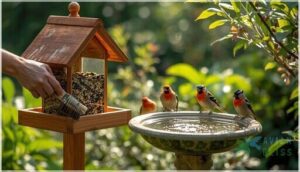
You can’t eliminate parasites from wild bird habitats entirely, but you can reduce transmission risks through thoughtful management practices.
Simple changes to how you maintain feeding stations and water sources make a significant difference in preventing outbreaks. Here’s what works in the field to keep wild bird populations healthier and safer from parasitic infections.
Maintaining Clean Bird Feeding Stations
Among the simplest defenses against parasites is consistent feeder sanitation. You should clean your bird feeders every two weeks, dismantling each component and washing with warm soapy water.
Store seed in sealed containers to prevent mold—a critical pest control measure. Proper seed storage and cleaning schedules directly support bird health, reducing parasite transmission and bolstering wildlife conservation efforts in your own backyard.
Proper Bird Bath Hygiene
Your bird bath needs fresh water every two days to prevent bacterial growth and protect plumage care. Scrub the basin with diluted vinegar using a soft brush, then rinse thoroughly—chemical residues harm feather cleaning and beak hygiene.
Keep water depth under two inches for safety, and place the bath near escape cover. This bath maintenance routine promotes bird health and wellness while reducing parasite transmission risks.
Monitoring Wild Bird Populations
Regularly tracking wild bird populations lets you spot troubling parasite control and management issues before they escalate. Wildlife health monitoring enhances conservation efforts and maintains species diversity across changing seasons.
- Count birds at feeding stations weekly to detect sudden population trends or signs of illness affecting habitat quality.
- Document unusual behaviors during bird migration periods, as lethargy often signals parasitic infections.
- Record feather condition and plumage to assess bird health and wellness in your local wildlife conservation and management area.
These simple practices strengthen avian parasitology research.
When to Contact Wildlife Rehabilitation Centers
Sometimes, you’ll encounter a bird in genuine distress that needs emergency contact with a wildlife rehabilitation center immediately.
Wildlife intake protocols and crisis intervention begin with bird rescue tips: call if you observe persistent respiratory distress, severe feather loss, or multiple sick birds—parasite control and management specialists provide guidance.
Rehab centers integrate wildlife disease management, avian parasitology expertise, and wildlife conservation and management strategies to address bird health and disease effectively.
Frequently Asked Questions (FAQs)
What is the most common parasite in birds?
Ectoparasites like lice show the highest infection rates across wild bird species.
These external parasites affect feather condition and overall bird health, though parasite prevalence varies by habitat and season requiring careful parasite identification.
How can you tell if your bird has parasites?
You’ll notice unusual scratching, frayed feathers, or diarrhea—key parasite infestation symptoms.
Conduct feather inspection and beak examination alongside dropping analysis for effective parasite detection and bird health checks before starting parasite identification and treatment.
What are the 5 common parasites?
Wild birds contend with five major parasites: feather mites causing plumage damage, lice removal challenges from persistent infestations, flea control needs at roosting sites, gastrointestinal worm infections, and protozoan endoparasites like coccidia.
What bird disease is going around right now?
Avian influenza H5N1 remains the most pressing bird disease circulating through 2026, affecting wild waterfowl and migratory species across continents while creating zoonotic risks through contaminated surfaces and infected birds.
Can parasites transfer from wild birds to pets?
Yes, parasites from wild birds can transfer to pets through contaminated environments, direct contact with infected birds, or shared food and water sources, creating cross species infection risks requiring parasite prevention strategies.
Do parasites affect bird migration patterns and timing?
Parasite load directly disrupts migration delays, flight patterns, and stopover behavior by reducing energy reserves.
Blood parasites slow departure timing, while gastrointestinal worms impair fuel accumulation, altering overall avian ecology and bird migration success.
Which parasites cause the highest wild bird mortality?
Blood parasites, especially avian malaria and related haemosporidians, drive the highest mortality rates in susceptible wild bird populations, particularly during stress periods or when naïve species encounter heavy parasite loads in warmer climates.
Are certain bird species more vulnerable to parasites?
Some warblers carry twice the parasite load of nearby finches, even in the same habitat.
Species susceptibility varies widely due to host immunity, genetic resistance, bird behavior, and parasite distribution patterns affecting both ectoparasites and endoparasites.
How do parasites impact wild bird reproduction rates?
Infections drain body reserves and disrupt breeding cycles, cutting clutch sizes by 20 to 30 percent.
Endoparasites lower hatchability, while ectoparasites cause nesting failure. Avian malaria reduces parental care, weakening maternal investment and breeding success.
Conclusion
Studies show that even low-grade parasitic infections can reduce a bird’s flight efficiency by up to 20%, dramatically impacting survival during migration.
Your vigilance at backyard stations directly influences whether local populations thrive or struggle. By recognizing common parasites affecting wild birds and maintaining clean feeding environments, you’re not just preventing disease—you’re actively participating in conservation. That cardinal’s health depends on choices you make every time you refill a feeder or refresh a birdbath.