This site is supported by our readers. We may earn a commission, at no cost to you, if you purchase through links.

Your cockatiel’s droppings tell a story about their health, and watery or discolored feces signal something’s wrong. Diarrhea in cockatiels isn’t just messy—it’s a warning sign that can escalate to life-threatening dehydration within hours if left untreated. Unlike mammals, birds mask illness until they’re critically sick, making early detection vital.
The challenge lies in distinguishing true diarrhea from normal variations in droppings, which change based on diet, hydration, and stress levels. Whether caused by sudden diet changes, bacterial infections, or environmental toxins, identifying the root cause determines whether your bird recovers quickly or faces serious complications.
Recognizing the warning signs and knowing when to act can make the difference between a minor health hiccup and an emergency veterinary visit.
Table Of Contents
- Key Takeaways
- Recognizing Diarrhea in Cockatiels
- Behavioral Signs of Illness
- Common Causes of Diarrhea
- Diagnosing The Underlying Issue
- Immediate Steps for Owners
- Veterinary Treatments and Medications
- Home Management and Support
- Preventing Diarrhea in Cockatiels
- When to Seek Emergency Veterinary Care
- Frequently Asked Questions (FAQs)
- How do you treat diarrhea in birds?
- What does unhealthy cockatiel poop look like?
- Why does my bird have liquid poop?
- What is coccidiosis in cockatiels?
- What does watery poop mean for a bird?
- What is the difference between diarrhea and polyuria in cockatiels?
- What does sick cockatiel poop look like?
- What are the initial steps to take if my cockatiel has diarrhea?
- How can I prevent diarrhea in my bird?
- What are the main causes of diarrhea in cockatiels?
- Conclusion
Key Takeaways
- Cockatiel diarrhea requires immediate attention because birds mask illness until critically sick, and dehydration can become life-threatening within 24-48 hours if you don’t act quickly.
- You can distinguish true diarrhea from normal variations by checking if the brown fecal portion is watery instead of firm, appears more than once per hour, or shows abnormal colors like bright red, yellow, or tarry black.
- Common triggers include sudden diet changes, bacterial or fungal infections, environmental stress, and toxin exposure—each requiring different treatments that only a veterinarian can properly diagnose through fecal analysis, blood work, or imaging.
- Prevention centers on gradual diet transitions over 7-10 days, weekly cage cleaning with bird-safe disinfectants, and 30-day quarantine periods for new birds to stop infections before they spread to your flock.
Recognizing Diarrhea in Cockatiels
Recognizing diarrhea in your cockatiel starts with understanding what’s normal and what’s not. Cockatiel droppings naturally contain both solid and liquid components, which can make it tricky to spot when something’s wrong.
If you’re unsure whether what you’re seeing is normal or a sign of avian diarrhea, watch for droppings that are consistently watery or lack the typical firm portion.
Let’s look at how to identify the difference between healthy droppings and true diarrhea.
Normal Vs. Abnormal Droppings
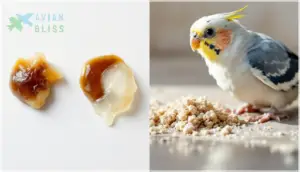
Your bird’s droppings are a window into their digestive health. Healthy cockatiel droppings have three distinct parts: brown solid feces, white urates, and clear liquid at the base.
Watch for these red flags:
- Watery or runny feces instead of firm portions
- Fecal color that’s bright red, yellow, or tarry black
- Droppings produced more than once per hour
- Sticky feces clinging to cage surfaces
- Markedly foul or sweet odor
Just as in birds, changes in color or consistency are discussed in the Bristol stool scale for gut health.
Differentiating Feces, Urates, and Urine
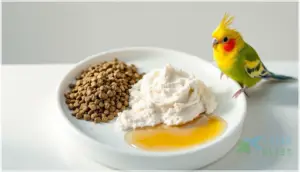
To properly assess your cockatiel’s digestive issues, you need to distinguish the three components. Feces appear as solid brown to green pellets formed from undigested fiber. Urates form a chalky white or cream layer—uric acid crystals from protein metabolism. Urine is the clear to amber liquid that pools separately.
Each component reflects different organ systems, so identifying which part looks abnormal helps pinpoint the problem.
Signs of Diarrhea in Droppings

Once you know what you’re looking at, watch for these red flags in your bird’s droppings:
- Watery, loose feces – The solid portion loses form and spreads across cage surfaces
- Yellow or greenish stool texture – Normal brown shifts to pale or bilious hues
- Increased urine consistency with diluted urates – The white portion appears washed out
- Undigested seeds or mucus – Food particles pass through too quickly
These droppings analysis markers signal compromised digestive health requiring veterinary attention.
Birds with diarrhea are also at risk for complications identified in acute and chronic diarrhea cases in other species.
Behavioral Signs of Illness
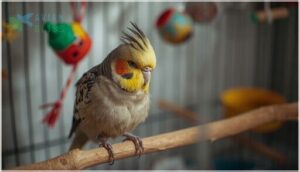
Your cockatiel won’t always show obvious signs of illness in their droppings alone. Birds are masters at hiding when they’re feeling unwell, but you can spot trouble by watching how they act throughout the day.
Birds hide illness instinctively, so watch their daily behavior closely for subtle signs of trouble
Pay attention to these behavioral changes that often signal your bird is dealing with diarrhea or another health issue.
Changes in Activity and Vocalization
Your cockatiel’s daily routine holds essential clues to its health status. When illness strikes, you’ll notice reduced flight activity and less exploration around the cage. Chirping typically decreases in frequency and may sound softer than normal. Social interactions drop, and your bird may avoid stepping up or engaging with you, retreating instead to lower perches.
| Activity Level Changes | Vocalization Changes |
|---|---|
| Reduced flight and aerial movement | Fewer, softer chirps than normal |
| Increased daytime napping and lethargy | Muted or absent contact calls |
| Slower locomotion and coordination | Reduced morning and evening chatter |
| Preference for lower cage locations | Possible respiratory sounds (wheezing) |
| Social withdrawal from handlers | Blunted alarm or distress calls |
Stress management and understanding bird behavior and psychology help you recognize these behavioral cues early, especially when cockatiel health issues arise unexpectedly.
Digestive issues like diarrhea can signal stress or illness, so knowing the common causes of diarrhea in birds helps you respond quickly.
Loss of Appetite and Preening
Appetite changes often go hand-in-hand with digestive issues like diarrhea in your cockatiel. You may notice your bird eating markedly less than normal or avoiding food altogether for over 24 hours.
Preening habits shift too—some birds stop grooming entirely, leaving feather condition disheveled, while others over-preen around the vent area.
These combined behavioral signals warrant immediate attention to prevent dehydration and complications affecting overall avian health and social interaction.
Hiding Symptoms of Sickness
Survival instinct drives your cockatiel to practice behavioral camouflage, concealing illness even when diarrhea weakens them. Bird deception complicates early detection of sick bird signals, making careful observation essential for avian health.
Watch for these hidden illness patterns:
- Increased singing to mask overall fatigue from bird diseases
- Continued grooming at reduced quality despite discomfort
- Strategic perch changes to hide droppings and symptom masking behavior
- Normal feeding routines maintained while appetite actually drops
- Quiet retreat to cage corners rather than usual open perches
Prompt veterinary care breaks through this deception.
Common Causes of Diarrhea

Diarrhea in cockatiels doesn’t happen without reason. Understanding what triggers this condition helps you respond quickly and prevent future episodes.
Several factors can disrupt your bird’s digestive system, ranging from simple diet issues to serious infections.
Dietary Changes and Food Quality
A sudden switch in your cockatiel’s dietary habits can tip the digestive balance like a house of cards. Abrupt diet changes, poor pellet quality, or nutrient balance issues disrupt digestive enzymes and fiber content.
Food allergies, though rare, can trigger diarrhea when new ingredients enter the cockatiel diet.
Gradual transitions over five to seven days allow avian nutrition and diet adaptations to proceed smoothly.
Stress and Environmental Factors
Stress in birds acts like a silent trigger, turning a healthy digestive system upside down. Noise pollution, heat stress, and environmental toxins disrupt gut function faster than you might expect.
Watch for these stress-inducing factors in your cockatiel’s environment:
- Temperature swings – Sudden heat or cold spikes stress hormones and alters dropping patterns.
- Loud household sounds – Door slams and nearby pets increase anxiety.
- Social isolation – Lack of interaction breeds withdrawal and digestive upset.
- Poor cage sanitation – Mold and fumes irritate airways and gut health.
- Inconsistent lighting – Disrupted sleep cycles weaken immune response.
Regular cage cleaning and stress reduction strategies stabilize bird behavior and body language, supporting normal digestive function.
Infectious Diseases (Bacterial, Viral, Fungal)
Infectious diseases are among the most serious triggers of diarrhea in cockatiels. Bacterial infections, such as salmonella, colonize the gut and produce watery droppings, while viral infections like avian polyomavirus strike suddenly with a high viral load. Fungal spores from Aspergillus or Candida weaken the immune response through disease transmission in contaminated environments. Each pathogen demands specific veterinary diagnosis and treatment.
| Infection Type | Common Pathogens |
|---|---|
| Bacterial | Salmonella, E. coli, Streptococcus |
| Viral | Polyomavirus, Newcastle disease |
| Fungal | Aspergillus, Candida albicans |
| Transmission Routes | Contaminated water, fecal-oral contact |
| Key Symptoms | Watery droppings, weight loss, lethargy |
Exposure to Toxins
Your cockatiel’s home may harbor hidden environmental hazards that trigger poisoning and digestive issues. Household chemicals like pesticides, airborne pollutants from cleaning fumes, and heavy metals in old cage materials can all cause diarrhea in cockatiels.
Toxic foods containing excess salt or mycotoxins inflame the gut. Toxicology shows that even small exposures demand immediate veterinary medicine intervention to prevent serious complications.
Diagnosing The Underlying Issue

When your cockatiel shows signs of diarrhea, you can’t diagnose the problem on your own. A veterinary examination is the only way to identify what’s causing the issue and determine the right treatment.
Your vet will use specific tests and observations to distinguish true diarrhea from similar conditions like polyuria.
Importance of Veterinary Examination
A thorough physical exam by an avian veterinarian forms the foundation of accurate diagnosis. Your vet will gather your bird’s medical history, assess droppings, and perform a hands-on evaluation of weight, body condition, heart, lungs, and feathers.
Diagnostic tests like blood work, X-rays, or microbial cultures identify hidden organ dysfunction, infections, or nutritional deficiencies causing diarrhea.
Veterinary care for birds ensures targeted, effective treatment.
Differentiating Diarrhea From Polyuria
Once your vet evaluates dropping consistency, they’ll determine whether your cockatiel has diarrhea or polyuria. Diarrhea produces watery feces with abnormal color and odor, while polyuria increases urine output with normal-looking fecal portions.
Fecal analysis and urine output assessment reveal the true issue. Recognizing this difference guides treatment—diarrhea signals gut health problems, whereas polyuria often points to fluid balance or kidney concerns.
Diagnostic Tests and Procedures
Your veterinarian will recommend several diagnostic approaches to pinpoint the cause. Fecal analysis checks for parasites and bacteria, while laboratory testing evaluates blood work and organ function. Imaging techniques like X-rays reveal blockages or swelling, and endoscopy procedures allow direct inspection of the digestive tract. Urine sampling helps assess kidney health and hydration status.
- Complete blood count reveals infection or inflammation levels
- Culture and sensitivity testing identifies specific bacterial pathogens and effective antibiotics
- Radiographs detect mineral blockages, fluid buildup, or intestinal abnormalities
- Cloacal swabs collect samples to diagnose fungal or bacterial infections at the vent
Immediate Steps for Owners
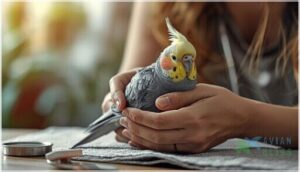
When you notice diarrhea in your cockatiel, quick action can prevent the situation from worsening. Your first priority is to provide immediate care while you arrange a veterinary visit.
Here are the essential steps you should take right away.
Isolating Affected Birds
When your cockatiel shows signs of diarrhea, immediate isolation becomes critical. Place the sick bird in a separate cage at least 3 meters away from healthy birds to prevent airborne transmission and droppings contamination.
Use dedicated feeding bowls and water dishes for the isolated bird. This emergency isolation technique creates a safe zone while you arrange veterinary care, protecting your entire flock from potential infection spread.
Withholding Certain Foods
During digestive upset, you’ll need to adjust your cockatiel’s diet immediately. Remove fresh produce, high-fat foods, and anything from the toxic food list—avocado, chocolate, garlic, and onions damage digestive health.
Stick to plain pellets and seeds temporarily. This dietary change protects nutrient balance while reducing stress on compromised systems.
Food allergies can worsen symptoms, so avoid new safe treats until your bird recovers.
Monitoring Droppings and Behavior
Check droppings every four to six hours, noting fecal consistency, urine clarity, and urate color. Track frequency—sudden surges or drops signal trouble.
Watch for behavioral cues like reduced activity, appetite loss, or withdrawal. Record changes in a simple log.
This health tracking gives your vet essential context and helps you catch worsening diarrhea before dehydration sets in.
Veterinary Treatments and Medications
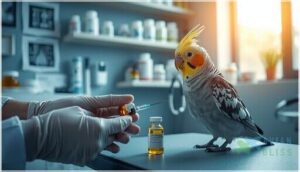
When your cockatiel’s diarrhea requires medical intervention, your veterinarian will determine the most effective treatment based on the underlying cause. Treatment plans usually include specific medications to address infections or imbalances, along with supportive care to stabilize your bird during recovery.
Here’s what you can expect from professional veterinary treatment.
Prescribed Medications for Diarrhea
Your avian veterinarian will customize medications to the specific cause of diarrhea in your cockatiel. Loperamide use may reduce stool frequency under strict veterinary guidance. Antibiotic therapy targets bacterial infections, while antifungal treatment handles fungal overgrowth. Probiotic supplements support gut health during recovery.
Always watch for medication side effects like lethargy or reduced appetite, and report any concerns immediately to guarantee safe, effective diarrhea treatment.
Supportive Care Measures
Your bird’s recovery depends on more than medication alone. Keep your cockatiel in a clean environment with 40 to 60 percent humidity control and stable warmth. Stress reduction and management through quiet surroundings support healing.
Offer easily digestible foods and electrolyte balance solutions under veterinary care for birds. Daily cage maintenance and cleaning prevents reinfection during diarrhea treatment in cockatiels.
Consider avian-specific probiotic supplement use as directed.
Treating Underlying Illnesses
Your vet will pinpoint the exact illness causing your bird’s symptoms through targeted testing. Disease management starts with antibiotics for bacterial infections or antifungals when fungi are confirmed. Gastrointestinal parasites require specific medication plans, while organ issues need customized therapy options.
Recovery strategies depend on your cockatiel’s response—veterinary care for birds includes regular monitoring to adjust treatment protocols and guarantee effective diarrhea treatment and prevention through avian disease management.
Home Management and Support

While your vet manages the medical side, you play a critical role in your cockatiel’s recovery at home.
Your bird needs specific supportive care to regain strength and fight off illness. Let’s look at three essential ways you can help your feathered friend heal.
Providing Warmth and Comfort
Warmth acts like a healing blanket when your cockatiel battles diarrhea. Set up cozy enclosures with soft bedding inside the bird’s cage, keeping room temperature steady between 75 and 80 degrees Fahrenheit. You can place a bird-safe heat lamp nearby for thermal support, but make sure your cockatiel can retreat from warmth if needed.
Create a quiet environment by dimming lights and minimizing noise—stressed birds don’t heal well. If unsure, consult your veterinarian immediately.
Hydration and Nutritional Support
Fresh water quality matters more than you might think—change it daily to prevent bacterial growth.
Monitor your cockatiel’s fluid balance by tracking weight and droppings consistency. Offer high-moisture vegetables and formulated pellets to support nutrient needs while maintaining digestive health.
If dehydration persists beyond 24 hours, contact your veterinarian about bird-safe electrolyte supplements. Proper hydration techniques can make all the difference in recovery.
Use of Probiotics and Glucose Solutions
Supportive nutrition can complement veterinary care during recovery. Probiotics containing Lactobacillus or Bifidobacterium strains restore gut health by rebalancing intestinal flora disrupted by diarrhea. Glucose therapy provides quick energy and aids hydration when your cockatiel shows fatigue.
Follow these supplement safety guidelines:
- Use avian-specific probiotics with labeled CFU counts
- Offer 5-10% glucose solution alongside fresh water
- Monitor droppings and behavior for 24-72 hours
Always consult your avian veterinary professional before starting any gastrointestinal treatment protocol.
Preventing Diarrhea in Cockatiels
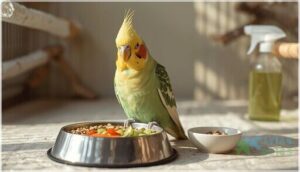
Prevention is always better than treatment regarding your cockatiel’s digestive health. A few simple practices can greatly reduce the risk of diarrhea and keep your bird thriving.
Let’s look at three key strategies that will help protect your cockatiel from digestive upset.
Gradual Diet Transitions
A smooth diet shift over seven to ten days protects your cockatiel’s digestive health and prevents diarrhea. Start by mixing 25 percent new food with 75 percent old, then increase the new portion to 50 percent after three to four days if droppings stay normal.
Introduce one item at a time, monitor stools daily, and slow down if loose droppings appear.
Cage Hygiene and Sanitation
Regular cage cleaning breaks the cycle that leads to diarrhea. Scrub perches, bowls, and waste trays weekly to remove droppings and prevent bacterial buildup. Disinfect cage surfaces every two weeks with bird-safe cleaners, rinse thoroughly, and dry completely. Replace soiled bedding every seven to fourteen days depending on feces volume.
Daily spot-cleaning of bird droppings keeps your cockatiel’s environment healthy and reduces infection risk.
Quarantine Practices for New Birds
Before introducing a new cockatiel to your flock, keep it isolated for thirty days in a separate room at least ten meters from existing birds. This quarantine period allows disease prevention through careful observation of droppings, appetite, and behavior.
Schedule an avian veterinarian visit within the first week for health screening. Proper bird isolation and new bird acclimation protect your entire collection from infectious illness.
When to Seek Emergency Veterinary Care
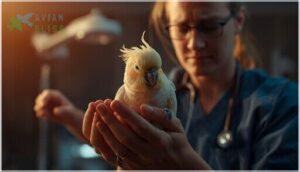
Diarrhea isn’t always an emergency, but certain warning signs mean your cockatiel needs immediate veterinary attention. Waiting too long can turn a treatable problem into a life-threatening crisis.
Watch for these red flags that indicate your bird’s condition has become urgent.
Warning Signs of Severe Illness
When your cockatiel shows severe symptoms like labored breathing with flaring nostrils, unresponsiveness to touch or sound, or persistent vomiting with blood or mucus in droppings, you’re facing critical conditions that demand emergency care.
Urgent interventions become necessary if your bird can’t perch, stops eating for over 12 hours, or displays gaping beak movements while struggling to breathe—these gastrointestinal disorders and respiratory distress require immediate veterinary care for birds.
Risks of Dehydration and Weight Loss
Diarrhea disrupts fluid balance quickly in cockatiels, and dehydration risks escalate when your bird loses water faster than it drinks. You’ll notice weight loss as electrolyte imbalance develops, impairing kidney function and organ perfusion.
Malnutrition effects compound these gastrointestinal disorders because dehydration slows digestion and nutrient absorption.
Without prompt veterinary care, cockatiel health deteriorates rapidly—organ failure becomes a real threat within days.
Potential Complications if Untreated
Left untreated, diarrhea triggers a cascade of life-threatening complications in your cockatiel. Dehydration risks multiply as electrolyte imbalance damages essential organs within 48 hours.
Malnutrition effects accelerate muscle wasting, while systemic infections can spread from gastrointestinal problems to liver and kidneys. Parasitic infections often worsen concurrently.
Organ failure becomes inevitable without veterinary medicine intervention—cockatiel health deteriorates faster than most owners expect.
Frequently Asked Questions (FAQs)
How do you treat diarrhea in birds?
An ounce of prevention is worth a pound of cure, but when diarrhea strikes, avian hydration and veterinary medicine are essential.
Emergency care tips include bird first aid, gut health supplements, and diarrhea remedies targeting gastrointestinal problems.
What does unhealthy cockatiel poop look like?
Unhealthy droppings show runny, watery feces rather than formed masses, abnormal urine clarity with excessive moisture, discolored or foul-smelling urates, or visible blood and mucus indicating digestive distress requiring immediate attention.
Why does my bird have liquid poop?
When your cockatiel’s droppings turn to liquid, something’s disrupting its gut health. Dietary shifts, stress, infections, or toxins can trigger watery fecal consistency—demanding careful dropping analysis and often veterinary medicine intervention.
What is coccidiosis in cockatiels?
Coccidiosis is a protozoal disease caused by intestinal parasites called Eimeria.
This parasitic infection damages your cockatiel’s gut lining, disrupting nutrient absorption and requiring fecal examination and veterinary medicine for proper diagnosis and treatment.
What does watery poop mean for a bird?
Watery poop in birds signals digestive issues, gut infections, or gastrointestinal parasites that disrupt normal fecal formation.
You’ll need fecal analysis and avian hydration support to address these bird health signs promptly.
What is the difference between diarrhea and polyuria in cockatiels?
The key difference lies in which dropping component changes: diarrhea creates liquid feces with normal urine output, while polyuria produces excess urine around solid feces, signaling different kidney function and digestive health issues.
What does sick cockatiel poop look like?
Sick droppings show abnormal fecal color like yellow, black, or red streaks. You’ll notice watery texture, poor urine clarity, and inconsistent feces consistency.
These poop abnormalities signal your pet bird needs veterinarian evaluation promptly.
What are the initial steps to take if my cockatiel has diarrhea?
Your bird won’t survive long without action. Move it to a warm, draft-free area, withhold fresh produce, offer clean water, and monitor droppings for 12-24 hours before seeking veterinary care.
How can I prevent diarrhea in my bird?
Prevent digestive upset through gradual diet transitions over seven to ten days, daily fresh water, weekly cage sanitation, and stress reduction with consistent routines—balanced nutrition and quarantine practices safeguard your cockatiel’s wellness.
What are the main causes of diarrhea in cockatiels?
Your cockatiel’s diarrhea usually stems from dietary factors, bacterial infections, environmental stress, toxin exposure, or gastrointestinal parasites. Nutrient imbalance and contaminated food can also trigger watery droppings requiring prompt attention.
Conclusion
You might think diarrhea in cockatiels always requires emergency intervention, but not every case demands panic—just informed action. The difference between a minor digestive upset and a critical health crisis lies in your ability to recognize warning signs early and respond appropriately.
By understanding what normal droppings look like, maintaining preventive care practices, and knowing when professional help becomes non-negotiable, you’ll protect your bird from preventable complications and give them the best chance at a full recovery.
- https://www.cdc.gov/pneumonia/atypical/psittacosis/about/causes.html
- https://www.ncbi.nlm.nih.gov/pmc/articles/PMC1774716/
- https://veterinarypartner.vin.com/default.aspx?pid=19239&catId=102911&id=10158446
- https://www.petmd.com/bird/conditions/digestive/c_bd_avian_gastric_yeast
- https://nilesanimalhospital.com/files/2012/05/The-Dropping-_-An-Indicator-of-Health.pdf