This site is supported by our readers. We may earn a commission, at no cost to you, if you purchase through links.
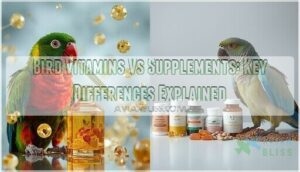
You peer into your bird’s cage and notice dull feathers, lethargy, or unusual behavior—signs that something’s off with their nutrition. At the pet store, you’re confronted with shelves of bottles labeled ‘vitamins’ and ‘supplements,’ each promising peak health, but the difference between bird vitamins and supplements isn’t always clear.
Vitamins are specific organic compounds like A, D3, and E that your bird’s body needs in precise amounts for vision, bone strength, and cellular protection. Supplements, however, cast a wider net—they include vitamins but also minerals, probiotics, enzymes, and fortified foods designed to address broader dietary gaps.
Understanding this distinction helps you make informed choices rather than guessing which product your feathered companion actually needs. The wrong approach can mean wasted money at best, dangerous nutrient imbalances at worst.
Table Of Contents
- Key Takeaways
- Defining Bird Vitamins and Supplements
- Core Differences Between Vitamins and Supplements
- When to Use Vitamins Versus Supplements
- Top Bird Vitamins and Supplement Products
- Frequently Asked Questions (FAQs)
- Can I give human multivitamins to birds?
- Is it better to eat vitamins or take supplements?
- Can birds overdose on specific vitamins alone?
- Do wild birds need vitamin supplementation too?
- How long do opened supplements stay effective?
- Are human vitamins ever safe for birds?
- What blood tests reveal nutritional deficiencies best?
- Conclusion
Key Takeaways
- Vitamins are specific organic compounds (A, D3, E) that target precise deficiencies like vision or bone strength, while supplements encompass a broader range including minerals, probiotics, enzymes, and fortified foods that address multiple dietary gaps simultaneously.
- Over-supplementation creates serious health risks through fat-soluble vitamin accumulation and mineral imbalances, making veterinary blood tests and physical exams essential before adding any products to your bird’s routine.
- Natural supplements derived from whole foods offer better bioavailability with built-in absorption regulators that reduce overdose risk, whereas synthetic vitamins provide standardized dosing but require careful monitoring to prevent toxicity in sensitive species.
- Life stage determines supplementation needs—growing chicks require elevated protein and calcium, breeding birds need additional D3 for eggshell quality, and senior birds benefit from antioxidants and digestive enzymes rather than one-size-fits-all formulas.
Defining Bird Vitamins and Supplements
Understanding what you’re actually giving your bird starts with knowing the difference between vitamins and supplements. These terms get tossed around interchangeably, but they serve distinct roles in your bird’s nutrition.
Choosing the right vitamins for pet bird health means understanding not just what your bird needs, but how different delivery methods impact absorption and daily care.
Let’s break down what each one is, how they work in your bird’s body, and why the distinction matters for proper avian care.
What Are Bird Vitamins?
Bird vitamins are dietary supplements that deliver essential micronutrients beyond what your bird’s regular diet provides. These concentrated formulations support vital avian health functions:
- Vitamin A maintains feather care, vision, and immune defense
- Vitamin D3 facilitates calcium absorption for strong bones and eggshells
- Vitamin E protects cells as an antioxidant
You’ll find them as powders, liquids, or pellets mixed into water or food for straightforward administration. Birds can also benefit from additional nutrients and minerals provided by.
What Are Bird Supplements?
Supplements encompass a broader range of products beyond vitamins, designed to complement your bird’s diet by addressing specific dietary needs. These products target gaps in avian nutrition that standard feed might miss, supporting feather care, immune function, and reproductive health across different life stages. You’ll find mineral additives like calcium blocks, probiotics for gut health, digestive enzymes, and fortified pellets. For more information on, consider how each type contributes to your bird’s overall well-being.
| Supplement Type | Primary Function | Common Forms |
|---|---|---|
| Mineral Additives | Bone and eggshell support | Blocks, powders, cuttlebones |
| Probiotics | Digestive and immune health | Water-soluble powders, pellets |
| Enzyme Blends | Nutrient breakdown assistance | Powders mixed with feed |
| Fortified Foods | Full dietary support | Egg food, enriched pellets |
Key Nutritional Roles in Avian Health
Understanding these products means recognizing how nutrients work together in avian nutrition and bird metabolism. Vitamin A maintains epithelial tissue integrity for respiratory defense and feather health, while vitamin D3 regulates calcium absorption needed for bone strength, beak care, and egg quality.
Bird vitamins act as metabolic catalysts, whereas minerals like calcium provide structural components. When you grasp these roles, you can tailor supplementation to your bird’s actual needs.
Core Differences Between Vitamins and Supplements
When you’re standing in the pet store aisle staring at rows of bottles, the labels can blur together fast. Vitamins and supplements aren’t interchangeable terms, and knowing what sets them apart protects your bird from both deficiencies and dangerous overdoses.
Let’s break down the core differences so you can make informed choices for your feathered companion.
Ingredients and Nutrient Composition

When you read a supplement label, you’re looking at fundamentally different nutrient ratios and bioavailability factors. Vitamins generally contain concentrated forms of specific compounds—Vitamin A as retinol, Vitamin D3 as cholecalciferol, and Vitamin E as tocopherols—often with precise mineral sources like calcium carbonate.
If you’re curious about how vitamin D supplement forms affect absorption, breaks down the options and their benefits.
Supplements, however, blend these vitamin profiles with amino acid complexes, antioxidants, and broader nutritional components that address multiple deficiencies simultaneously.
Purpose and Usage in Bird Care
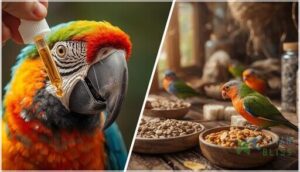
You reach for vitamins when you need to fill a specific gap—like vitamin A for immune support during illness or D3 to prevent rickets in growing chicks.
Dietary supplements serve broader goals: probiotics restore gut health after antibiotics, mineral blocks sustain eggshell quality during laying cycles, and egg food delivers high-energy nutrition for breeding seasons when your bird’s metabolic demands skyrocket.
Forms and Methods of Administration
Delivery methods shape how you provide vitamin supplements and dietary supplements to your bird. Oral administration dominates avian care because it’s practical and stress-free for most species:
- Water soluble multivitamins mix into drinking water for daily intake with built-in dosage control
- Powdered mineral supplements sprinkle onto soft foods or seed mixtures for effortless consumption
- Injectable forms require veterinary expertise for intramuscular delivery during critical deficiencies
Topical applications remain rare, reserved for feather conditioners rather than core supplementation strategies.
Natural Vs. Synthetic Options

You’ll find bird vitamins manufactured through two pathways: laboratory synthesis or whole food extraction. Synthetic risks center on overdose potential when concentrated nutrients bypass natural absorption regulators, while natural sources deliver vitamin bioavailability alongside cofactors that boost nutrient absorption. Your choice influences supplement efficacy and safety margins.
| Characteristic | Natural Supplements | Synthetic Vitamins |
|---|---|---|
| Source basis | Alfalfa, kelp, fermented components | Laboratory-manufactured isolates |
| Bioavailability | Enzymes aid uptake, variable potency | Rapid absorption, standardized dosing |
| Overdose risk | Lower due to modulating compounds | Higher with concentrated forms |
| Cost and storage | Premium pricing, shorter shelf life | Economical, stable for transport |
Natural supplements derived from whole foods carry trace phytochemicals that support avian nutrition, though batch consistency varies with harvest conditions. Synthetic vitamin supplements offer precise dosing to address vitamin deficiencies, but you’ll need veterinary guidance to prevent mineral imbalances or toxicity in sensitive species.
When to Use Vitamins Versus Supplements

Knowing when your bird needs vitamins versus broader supplements isn’t guesswork—it requires watching for specific signs, understanding their life stage, and avoiding the real dangers of overdoing it.
You’ll need to recognize deficiency symptoms, match products to your bird’s current needs, and know when supplementation crosses from helpful to harmful.
Let’s break down the four key situations that should guide your vitamin and supplement decisions.
Identifying Nutritional Deficiencies
Spotting nutritional deficiencies in birds requires a keen eye for subtle shifts in appearance and behavior. Feather health often acts as your first clue—dullness, breakage, or poor structure point to protein, biotin, or essential fatty acid gaps. Beak problems like powdery surfaces signal calcium and vitamin D shortfalls, while poor eggshell quality reveals dietary needs of birds that aren’t being met.
Watch for these common indicators of vitamin deficiencies and nutrient imbalance:
- Visual changes including flaky skin around the beak or legs, suggesting zinc or essential fatty acid deficiency
- Behavioral shifts such as lethargy, reduced vocalization, or feather pecking tied to mineral insufficiencies
- Reproductive issues like smaller clutches, soft eggshells, or egg binding reflecting calcium and vitamin D gaps
Digestive issues paired with inconsistent appetite often accompany micronutrient shortfalls. You’ll notice reduced activity, pale mucous membranes, or even neurological signs like seizures in severe cases. Blood-based indicators—low hematocrit, reduced albumin, or abnormal cholesterol—confirm what physical signs suggest. Don’t wait for crisis; early detection of nutritional deficiencies in birds prevents chronic illness and aids bird nutrition and health across all life stages.
Life Stages and Special Needs
Your bird’s nutritional needs shift dramatically across its lifetime, demanding customized dietary supplements and vitamins. Young chicks rely on elevated protein and calcium for bone formation and growth factors, while breeding nutrition requires additional vitamin D3 and minerals to support eggshell quality.
Senior care focuses on antioxidants and digestive enzymes, and molting support along with recovery diets address temporary stressors that trigger vitamin deficiencies and nutritional deficiencies in birds.
Risks of Over-Supplementation
More isn’t always better regarding bird vitamins and vitamin supplements. Over-supplementation creates toxicity risks through fat-soluble vitamin accumulation, while excessive minerals trigger nutrient imbalance and impair absorption.
Over-supplementing birds risks toxicity from fat-soluble vitamins and mineral imbalances that impair nutrient absorption
Overdose symptoms include gastrointestinal upset, and supplement interactions may alter medication effectiveness. These health consequences range from immediate distress to long-term organ damage, making precise dosing essential to avoid nutrient interactions.
Consulting Avian Veterinarians
Before adding any vitamins or supplements to your bird’s routine, schedule an avian health check with an experienced avian vet. Your vet consultation should include blood tests and physical exams to reveal actual deficiencies rather than guessing.
Veterinary guidance ensures proper dosing, prevents dangerous interactions, and delivers bird nutrition advice customized to your pet’s species, age, and health status—making veterinary advice for birds indispensable for safe avian medical care.
Top Bird Vitamins and Supplement Products
You’ll find dozens of bird vitamins and supplements on store shelves, but not all products deliver the same quality or value for your feathered companion. Understanding what sets these products apart can help you make informed decisions that align with your bird’s health requirements.
The following five products represent well-established options that avian veterinarians frequently encounter in practice, each addressing specific nutritional needs with different formulations and delivery methods.
1. Oasis Probiotic Bird Health Tablets
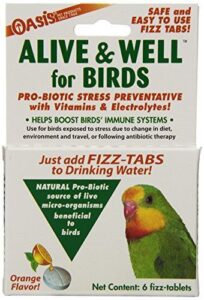
This daily-use fizz tab combines Enterococcus faecium and Lactobacillus acidophilus with a B-vitamin complex and electrolytes, targeting digestive balance in canaries, parakeets, and cockatiels.
Dissolve one tablet in your bird’s water to replenish gut microflora after antibiotic treatment or during stressful periods like transport or housing changes.
While the orange-flavored formula aims for easy administration, some users report difficulty with complete dissolution—you may need to crush tablets before adding them to water.
Don’t use this product as a substitute for veterinary care when your bird shows clinical signs of illness.
| Best For | Small bird owners looking for a preventative probiotic supplement to support digestive health during stress, illness recovery, or antibiotic treatment. |
|---|---|
| Form | Tablet |
| Target Species | Small birds |
| Life Stage | All stages |
| Primary Benefit | Immune support |
| Origin | United States |
| Weight | 0.634 ounces |
| Additional Features |
|
- Combines probiotics with B-vitamins and electrolytes to restore gut health after medication or stressful events
- Orange flavor encourages birds to drink treated water without resistance
- Easy tablet format designed for daily use in water bowls
- Tablets may not dissolve fully in water and often require crushing before use
- Results vary—some users report no noticeable improvement in their bird’s condition
- Not a replacement for veterinary treatment when birds show actual signs of illness
2. Vitofarma Bird Vitamin Supplement
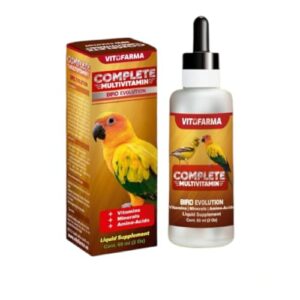
Vitofarma delivers a liquid multivitamin blend containing vitamins, minerals, and amino acids in a 2-ounce bottle designed for small-breed birds. You’ll add 3–4 drops directly into your parakeet’s or finch’s beak, or mix 30 drops per 8 ounces of drinking water for larger species.
This formula targets immune support, feather quality, and metabolic function during growth, illness recovery, or winter stress. While it fills common dietary gaps in seed-based diets, don’t rely on it alone—consult your avian vet to confirm your bird’s specific needs before starting supplementation.
| Best For | Bird owners with small-breed parakeets, finches, or canaries that need immune support, feather health improvement, or nutritional補充 during illness, growth stages, or winter months. |
|---|---|
| Form | Liquid |
| Target Species | Small breed birds |
| Life Stage | All stages |
| Primary Benefit | Immune stimulation |
| Origin | Not specified |
| Weight | 2.0 ounces |
| Additional Features |
|
- Flexible dosing lets you add drops directly to the beak or mix into drinking water depending on your bird’s size and preferences
- Comprehensive formula addresses multiple health areas at once—immune function, feather quality, and metabolic support
- Helpful for picky eaters or birds on seed-heavy diets that typically lack essential vitamins and amino acids
- Requires precise dosing (3–4 drops for small birds vs. 30 drops for large birds), which can be tricky to measure consistently
- Results depend heavily on your bird’s individual health status, so improvements aren’t guaranteed for every situation
- Not a standalone solution—you’ll still need vet guidance to confirm it’s appropriate for your bird’s specific species and condition
3. Hari Mineral Block For Birds

Hari Mineral Block offers calcium carbonate combined with oyster shell for breeding females, growing chicks, and birds prone to soft eggshells. With guaranteed calcium levels between 36 and 40 percent plus vitamins A and D3, this product complements formulated diets during laying cycles.
You’ll clip the 40-gram block to cage bars, where embedded dried vegetables—carrot, parsnip, and leek—encourage your parakeet or finch to scrape and chew, trimming its beak naturally.
Monitor consumption closely, provide fresh water alongside the block, and replace it when worn to maintain effective supplementation.
| Best For | Bird owners with breeding females, growing chicks, or birds that lay eggs and need extra calcium to prevent soft shells. |
|---|---|
| Form | Block |
| Target Species | Small birds |
| Life Stage | All stages |
| Primary Benefit | Bone health |
| Origin | Not specified |
| Weight | Not specified |
| Additional Features |
|
- High calcium content (36-40%) with vitamins A and D3 supports bone health and egg production
- Dried vegetables encourage natural beak trimming through scraping and chewing
- Easy clip attachment lets you secure it to cage bars without hassle
- May not fit flush against all cage bar designs
- Some customers received damaged blocks during shipping
- Unclear whether it’s suitable for larger birds or multi-bird setups
4. Vitakraft Egg Food Supplement for Birds
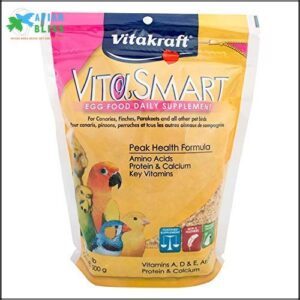
Vitakraft Egg Food delivers 17 to 18 percent crude protein from dried egg, wheat flour, and soybean meal to support feather quality during molting and nesting. Its soft texture mixes easily without clumping, making it a practical carrier for medications when needed.
You’ll sprinkle this crumbly supplement onto seed or pellet blends, where vitamins A, D3, and riboflavin fill dietary gaps in canaries, finches, parakeets, and cockatiels.
Use it year-round or increase portions during breeding cycles, but watch for packaging damage and consult your avian veterinarian before adjusting your bird’s nutritional regimen.
| Best For | Bird owners looking for a protein-rich supplement to support their parakeets, canaries, finches, cockatiels, or parrots during molting, breeding, or nesting periods. |
|---|---|
| Form | Seeds |
| Target Species | All bird species |
| Life Stage | All stages |
| Primary Benefit | Daily nutrition |
| Origin | Not specified |
| Weight | 1.1 pounds |
| Additional Features |
|
- Delivers 17-18% crude protein from real eggs and quality ingredients to boost feather health and vitality
- Crumbly texture blends smoothly into seed or pellet mixes without clumping, making daily feeding simple
- Fortified with vitamins A, D3, and riboflavin to fill nutritional gaps across all bird species and life stages
- Priced higher than basic seed supplements, which may add up for multi-bird households
- Packaging quality issues reported by some buyers, including torn or open bags upon delivery
- Requires veterinary consultation before use if your bird has specific dietary restrictions or allergies
5. Oasis Vita Drops Multivitamin for Small Birds
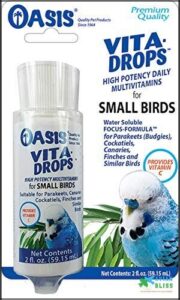
Oasis Vita Drops delivers water-soluble vitamins A, D3, E, C, and B-complex through a dropper-cap bottle suitable for parakeets, canaries, finches, cockatiels, and lovebirds.
Add one drop per ounce of drinking water—half that concentration for canaries and finches—and replace the solution every one to three days to preserve potency.
The amber liquid provides immune support and feather pigmentation. However, you must refrigerate the opened bottle and verify compatibility with your bird’s diet before adding this multivitamin to their routine.
| Best For | Bird owners with parakeets, canaries, finches, cockatiels, or lovebirds who want a simple liquid vitamin supplement to support immune health and feather quality. |
|---|---|
| Form | Liquid |
| Target Species | Small birds |
| Life Stage | All stages |
| Primary Benefit | Growth & development |
| Origin | United States |
| Weight | 2 ounces |
| Additional Features |
|
- Easy dosing with a dropper cap—just add one drop per ounce of water
- Supports immune function and vibrant feather color with water-soluble vitamins
- Made in the USA and suitable for birds at all life stages
- Requires refrigeration after opening and frequent water changes every 1-3 days
- Ingredient concentrations aren’t disclosed, making it hard to assess exact potency
- May not work for birds with specific dietary restrictions or those who don’t drink enough water
Frequently Asked Questions (FAQs)
Can I give human multivitamins to birds?
No, you shouldn’t give human multivitamins to birds. They contain unsafe iron levels, improper vitamin ratios, and potentially toxic fillers that aren’t formulated for avian metabolism or absorption rates.
Is it better to eat vitamins or take supplements?
Why settle for isolated compounds when whole foods offer complete nutrition? For your birds, a balanced diet always beats pills—whole foods provide vitamins bundled with enzymes and minerals that work together naturally.
Can birds overdose on specific vitamins alone?
Yes, birds can absolutely overdose on specific vitamins alone. Fat-soluble vitamins like A, D3, and E accumulate in tissues, causing toxic effects ranging from kidney damage to hemorrhagic events if overdosed.
Do wild birds need vitamin supplementation too?
Wild birds generally don’t need vitamin supplementation when natural food sources are available. Their diverse diet of insects, seeds, and fruits usually provides all necessary micronutrients without human intervention.
How long do opened supplements stay effective?
Think of opened supplements as fresh produce—most vitamins retain potency for 60 to 90 days when sealed tightly in cool, dark storage, while probiotics and liquids degrade faster, often within one to three months.
Are human vitamins ever safe for birds?
Human vitamins aren’t safe for birds. They contain iron and zinc levels that are toxic to avian systems, plus fat-soluble vitamins can reach dangerous concentrations due to differences in bird metabolism and storage.
What blood tests reveal nutritional deficiencies best?
Complete blood count, serum chemistry panels, and targeted vitamin assays detect deficiencies accurately.
Ferritin, calcium, vitamin D levels, and B12 measurements reveal iron stores, bone health status, and metabolic imbalances requiring supplementation intervention.
Conclusion
Why risk guessing when your bird’s health hangs in the balance? The difference between bird vitamins and supplements isn’t just semantic—it’s the gap between targeted nutrient correction and broad dietary support. Vitamins address specific deficiencies like calcium or D3, while supplements encompass minerals, probiotics, and fortified foods.
Your avian veterinarian remains your strongest ally in identifying what your feathered companion actually requires. Precision beats guesswork every time, especially when fragile metabolisms can’t afford mistakes.