This site is supported by our readers. We may earn a commission, at no cost to you, if you purchase through links.
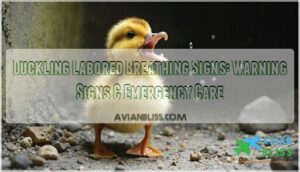 You’ll spot duckling labored breathing signs through rapid chest movements, open-beak panting, and wheezing sounds.
Watch for stretched necks, tail bobbing with each breath, and lethargy.
Temperature stress, respiratory infections, aspergillosis from moldy bedding, or aspiration pneumonia often trigger these symptoms.
Your duckling might also show blue-tinted bills or feet, indicating oxygen deprivation.
Environmental factors like poor ventilation, wrong temperatures, or dusty conditions worsen breathing issues.
Quick action matters—these tiny fluffballs can deteriorate rapidly when struggling for air, and understanding the subtle differences between normal panting and genuine distress could mean the difference between a healthy duckling and a veterinary emergency.
The ability to recognize these signs and act quickly is crucial, as it can be the difference between life and death, making quick action and understanding key to saving a duckling’s life.
Table Of Contents
- Key Takeaways
- Duckling Breathing Issues
- Duckling Health Checks
- Recognizing Labored Breathing
- Common Duckling Ailments
- Brooder Environment Impact
- Duckling Care Essentials
- Identifying Duckling Stress
- Managing Labored Breathing
- Preventing Respiratory Issues
- Monitoring Duckling Growth
- Frequently Asked Questions (FAQs)
- What does labored breathing look like in a bird?
- Why is my baby duck breathing so hard?
- Can antibiotics treat duckling respiratory infections effectively?
- When should I separate sick ducklings?
- How do respiratory issues affect egg production?
- What vaccination schedules prevent duckling breathing problems?
- Do certain breeds have higher respiratory risks?
- Conclusion
Key Takeaways
- Watch for visible respiratory distress signs – You’ll spot rapid chest movements exceeding 40 breaths per minute, open-beak panting, wheezing sounds, and flared nostrils that indicate your duckling needs immediate help.
- Check for oxygen deprivation symptoms – Look for blue-tinted bills or feet, stretched necks, tail bobbing with each breath, and lethargy, as these signal dangerous breathing difficulties requiring emergency care.
- Address environmental causes quickly – Poor ventilation, wrong temperatures, dusty conditions, moldy bedding, and ammonia buildup create respiratory problems that you can prevent with proper brooder maintenance.
- Act fast when breathing problems appear – Don’t wait, since ducklings deteriorate rapidly with respiratory distress; provide supportive heat, ensure fresh air circulation, and contact an avian veterinarian immediately for persistent labored breathing.
Duckling Breathing Issues
When you notice your duckling breathing heavily or struggling for air, you’re witnessing potential respiratory distress that demands immediate attention.
Heavy breathing in ducklings signals danger—act fast to save their lives.
These breathing problems can escalate quickly, so recognizing the early warning signs could save your duckling’s life, which is why immediate action is crucial in cases of potential distress.
Labored Breathing Signs
When dealing with duckling respiratory distress, you’ll notice these breathing difficulties aren’t subtle—they’re clear warning signs demanding immediate attention.
Recognizing labored breathing early can mean the difference between recovery and tragedy for your feathered friends.
Watch for these critical duckling breathing issues:
- Rapid breathing rates exceeding 40 breaths per minute
- Open beak breathing with visible effort to intake air
- Wheezing sounds indicating airway obstruction
- Flared nostrils showing increased respiratory work
These respiratory problems often stem from poor air quality or inadequate ventilation systems in your brooder setup.
Respiratory Distress Causes
Several factors trigger duckling respiratory distress, creating a perfect storm for breathing difficulties.
Airborne pathogens like bacteria and viruses infiltrate poorly ventilated brooders, while temperature extremes stress developing respiratory systems.
Inadequate humidity control dries delicate airways, and ventilation problems trap contaminated air.
These respiratory issues compound quickly, turning minor problems into serious breathing emergencies that demand immediate attention.
Environmental Factors
Poor Air Quality from dust, ammonia buildup, or inadequate Ventilation Systems creates immediate respiratory health issues.
Temperature Control fluctuations stress developing lungs, while improper Humidity Management dries airways or promotes bacterial growth.
Water Pollution from contaminated sources introduces pathogens causing breathing difficulty treatment needs, often triggering labored breathing causes before you’ll notice other respiratory distress signs in your ducklings, due to these environmental stressors that can lead to respiratory health issues.
Duckling Health Checks
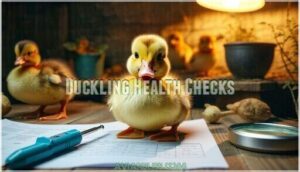
Through careful observation, you’ll catch duckling labored breathing signs before they escalate into emergencies.
Daily health checks should include monitoring respiratory rates, listening for unusual sounds, and watching feeding behavior.
Keep detailed Health Records tracking each duckling’s progress, noting any breathing trouble signs or changes.
Your Duckling First Aid kit needs a thermometer and magnifying glass for close inspection.
Document Feeding Tips and responses, as respiratory infection often affects appetite first.
Regular Brooder Maintenance prevents respiratory distress signs from developing.
Quick Emergency Response starts with recognizing breathing difficulty treatment needs early.
A well-planned vet visit checklist is essential for maintaining the health of your ducklings.
Recognizing Labored Breathing
You’ll recognize labored breathing in your ducklings by watching for three key warning signs that demand immediate attention.
These respiratory distress signals include rapid breathing rates, open-mouth breathing, and distinct wheezing sounds that indicate your duckling needs help fast, which are signs of respiratory distress.
Rapid Breathing Rates
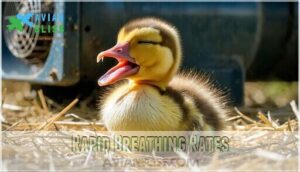
How quickly should your duckling breathe? Normal respiratory rates range from 30-60 breaths per minute, but rates above 70 indicate serious breathing trouble signs requiring immediate attention.
Poor air quality and inadequate ventilation systems often trigger rapid breathing patterns, compromising respiratory health.
Monitor oxygen levels carefully—elevated rates frequently signal respiratory infection or environmental stress affecting your duckling’s wellbeing.
Open Beak Breathing
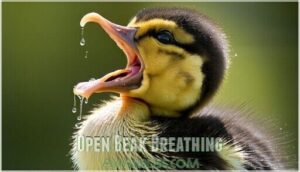
When you spot a duckling breathing with its beak wide open, that’s your red flag for serious respiratory distress.
This isn’t normal panting from heat – it’s mouth breathing that signals potential avian breathing issues or respiratory disease requiring immediate attention.
Key Open Beak Breathing Patterns:
- Beak Position – Mouth stays consistently open, not just occasional gaping
- Respiratory Rate – Faster than normal breathing with visible effort
- Gasping Signs – Head tilted back with neck extended during breathing
- Duration – Persistent mouth breathing lasting more than a few minutes
Wheezing Sounds
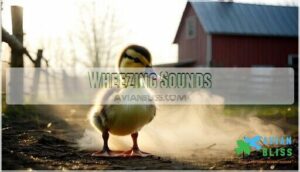
Wheezing sounds signal serious respiratory issues that you can’t ignore.
Listen for high-pitched whistling noises when your duckling breathes – these auditory signs indicate airway obstructions or respiratory disease.
Sound identification helps you catch breathing problems early, before they become life-threatening.
Duck health issues often start with subtle breathing patterns changes that become more obvious wheezing sounds requiring immediate attention.
Recognizing respiratory distress requires understanding of respiratory infection signs to provide proper care.
Common Duckling Ailments

When ducklings develop respiratory problems, you’ll typically encounter three main conditions that require immediate attention.
Respiratory infections, pneumonia, and aspiration pneumonia each present distinct challenges that can quickly become life-threatening without proper intervention.
Respiratory Infections
Respiratory infections rank as duckling health issues’ top culprit, with bacteria like E. coli wreaking havoc on tiny lungs.
You’ll spot infection control becoming essential when ducklings develop wheezing or labored breathing.
Poor air quality and inadequate ventilation systems create perfect breeding grounds for these respiratory care tips nightmares.
Disease prevention starts with maintaining proper brooder cleanliness and monitoring for early breathing problem solutions before requiring duckling emergency care or duckling first aid interventions, which can help prevent the need for duckling emergency care and ensure proper brooder conditions.
Pneumonia Symptoms
Bacterial pneumonia develops when harmful organisms infiltrate your duckling’s delicate lung tissue.
Watch for these telltale pneumonia causes and breathing difficulty patterns that signal lung infection:
- Labored chest movement – Notice exaggerated rising and falling motions
- Blue-tinged bill and feet – Indicates poor oxygen circulation from respiratory failure
- Thick nasal discharge – Yellow or green mucus signals bacterial infection
- Lethargy with head drooping – Energy conservation response to illness
- Loss of appetite – Body prioritizes healing over eating
These duckling health signs require immediate duckling emergency care and duckling first aid.
Early symptom diagnosis helps prevent complications, so monitor breathing problem solutions and implement respiratory care tips quickly.
Aspiration Pneumonia
Aspiration pneumonia develops when ducklings inhale food, water, or foreign materials into their lungs.
You’ll notice severe labored breathing, gurgling sounds, and foamy discharge from the beak.
This dangerous condition requires immediate duckling treatment and respiratory care.
Young birds often aspirate while learning to eat or drink, making proper feeding techniques essential for infection control and preventing these serious duckling health signs.
Brooder Environment Impact
Your brooder environment directly affects your ducklings’ respiratory health, with poor temperature control, humidity levels, and ventilation creating dangerous breathing conditions.
When these factors are off-balance, you’ll notice labored breathing, wheezing, and potential respiratory distress in your young birds.
Temperature Control
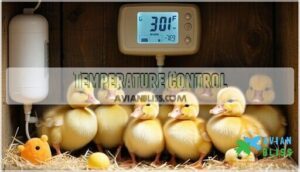
Your duckling’s health depends on precise brooder temperature control.
Start at 95°F for day-old ducklings, reducing by 5°F weekly.
Temperature monitoring prevents heat stress symptoms like panting and labored breathing.
Cold exposure below 85°F causes huddling and respiratory distress.
Install reliable thermostats and backup heating systems to maintain consistent thermal regulation for superior duckling care.
Humidity Levels

Managing humidity levels in your duckling brooder prevents respiratory complications that mimic labored breathing symptoms.
You’ll want to maintain 55-65% humidity during the first week, then gradually reduce it.
Excessive moisture creates breeding grounds for harmful bacteria, while insufficient humidity causes nasal irritation.
Monitor air quality with a hygrometer and adjust water management practices accordingly.
Proper humidity control supports healthy duckling development and breathing patterns.
Ventilation Systems

Air Quality becomes your lifeline when proper ventilation keeps harmful ammonia and carbon dioxide from building up.
Install Vent Fans to create steady airflow throughout your brooder space.
Quality Air Filters trap dust particles that trigger duckling breathing problems.
Well-designed Duct Systems distribute fresh air evenly while Exhaust Vents remove stale air.
Remember, good duckling ventilation prevents more respiratory issues than any medicine can cure, and it is crucial for maintaining good Air Quality and preventing respiratory issues.
Duckling Care Essentials

Your duckling’s health hinges on three critical care essentials that work together like a safety net.
Proper hydration, balanced nutrition, and spotless living conditions form the foundation that prevents respiratory distress before it starts, which is crucial for maintaining overall health.
Hydration Needs
Proper hydration forms the foundation of respiratory health in ducklings.
Water intake should equal roughly 10% of their body weight daily.
Dehydration signs include sunken eyes, sticky beaks, and lethargy.
Monitor drinking habits closely—healthy ducklings dip their bills frequently to clear nostrils.
Maintain fluid balance by providing fresh water constantly, as restricted access worsens breathing problems substantially.
Ensuring access to clean water bottles is essential for duckling care to prevent dehydration.
Nutritional Requirements
Beyond keeping them well-hydrated, you’ll need to focus on Protein Needs and Nutrient Balance for healthy respiratory function.
Start with 20-22% protein feeds for growing omnivores, then reduce to prevent angel wing.
Quality matters—choose unmedicated chick starter with niacin supplementation (1.5 tablespoons brewer’s yeast per cup).
These aquatic plants lovers also need proper Feed Quality and balanced Water Intake alongside meals for ideal duckling diet success.
Cleanliness Standards
Clean brooders prevent respiratory infections that trigger labored breathing in ducklings.
Daily sanitation protocols include removing soiled bedding, scrubbing water containers, and disinfecting surfaces with poultry-safe cleaners.
Essential cleanliness practices:
- Brooder cleaning twice daily prevents harmful bacteria buildup
- Water quality checks guarantee fresh, contamination-free drinking sources
- Ventilation systems remove ammonia fumes from accumulated waste
Ducklings create substantial mess through water consumption and waste production.
Maintaining sanitation protocols reduces disease transmission while supporting peak duckling health management and respiratory function.
Identifying Duckling Stress
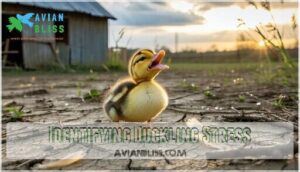
When you’re caring for ducklings, recognizing stress early can prevent serious breathing problems from developing.
Stress weakens their immune systems and makes respiratory issues much more likely, so you’ll want to watch for behavioral changes like excessive huddling, loss of appetite, or unusual lethargy.
Alongside physical symptoms such as labored breathing, open-mouth panting, or drooped wings, these changes can indicate that your ducklings are under stress.
Behavioral Changes
Three key behavioral signs reveal Duckling Stress in your flock.
Watch for decreased activity levels – stressed ducklings become lethargic and withdraw from normal exploration.
Social learning suffers as they separate from flock dynamics, huddling alone instead of mimicking healthy peers.
You’ll notice reduced vocalizations and reluctance to participate in typical duckling behaviors like preening or foraging together, which are clear indicators of their overall well-being and flock dynamics.
Physical Symptoms
When ducklings experience stress, you’ll notice distinct physical changes that signal distress.
Watch for altered breathing patterns—rapid, shallow breaths or gasping indicate respiratory problems. Check their feather condition; stressed ducklings often appear disheveled with ruffled plumage.
Monitor beak shape for discoloration or unusual positioning during breathing. Eye discharge, particularly yellow or green secretions, suggests infection. Skin lesions or unusual markings may develop under stress.
These duckling care tips help identify early warning signs before serious complications arise in your ducklings’ health. Recognizing stress signs is essential for providing proper care and intervention.
Environmental Stressors
Poor air quality from dusty bedding creates immediate duckling labored breathing signs.
Temperature control failures, humidity management issues, and noise reduction problems stress young waterfowl.
Water pollution from dirty containers compounds respiratory distress. Adverse weather conditions worsen environmental stressors affecting duckling care tips success.
Managing Labored Breathing

When a duckling shows labored breathing, you’re facing a critical situation that demands immediate action and professional veterinary care.
Quick recognition of respiratory distress symptoms can mean the difference between recovery and a tragic outcome for your feathered friend, and it is crucial for the duckling’s survival to act swiftly and seek professional veterinary care.
Emergency Care Procedures
When you spot respiratory distress signs, act fast.
Relocate your duckling to a warm, draft-free environment immediately—cold air worsens breathing difficulties. Check for visible obstructions in the beak or nostrils, gently clearing debris with a damp cotton swab.
Provide supportive heat using warm water bottles while monitoring closely. Document symptoms and onset time for veterinary consultation, as persistent labored breathing beyond ten minutes requires professional medical intervention.
It’s vital to recognize respiratory distress signs to provide appropriate emergency care for your duckling.
Oxygen Therapy
When breathing becomes difficult, you’ll need to enhance air quality monitoring around your duckling’s environment.
Position the bird near ventilation systems that provide fresh airflow without creating drafts.
Breathing aids like humidifiers can help, while respiratory support includes maintaining ideal oxygen levels.
Monitor duckling oxygen saturation carefully during treatment phases.
Proper duckling care demands attention to duckling health indicators, especially duckling respiratory distress signs requiring immediate duckling treatment intervention.
Ensuring adequate oxygen supply is essential, and using proper oxygen tank systems can be indispensable in managing labored breathing.
Veterinary Intervention
When oxygen therapy isn’t enough, professional medical intervention becomes your duckling’s lifeline.
Your veterinarian possesses specialized equipment and expertise you can’t replicate at home. Quick action saves lives when respiratory distress escalates.
Essential veterinary procedures include:
- Duckling Xrays – revealing internal blockages or fluid accumulation
- Medical Tests – identifying bacterial infections through blood work
- Surgery Options – removing foreign objects or draining fluid buildup
Vet Visits shouldn’t wait when Emergency Care becomes necessary. Professional duckling health monitoring beats guesswork every time.
Your veterinarian understands duckling mortality rate factors and implements targeted treatments. Trust their clinical judgment – they’ve seen respiratory crises before and know effective interventions.
Preventing Respiratory Issues
Prevention starts with creating the right environment and feeding program from day one.
You’ll reduce respiratory risks by maintaining proper biosecurity, following vaccination schedules, and providing balanced nutrition that supports strong immune systems.
Biosecurity Measures
Implementing strong biosecurity planning protects your entire flock from disease outbreaks.
Establish quarantine procedures for new ducklings, keeping them separate for 2-4 weeks before introducing them.
Daily sanitation protocols include disinfecting feeders, waterers, and brooder areas.
Restrict visitor access and use dedicated clothing for each area. These hygiene practices reduce pathogen transmission by up to 85%.
Vaccination Programs
Protecting your ducklings through strategic vaccination programs represents your best defense against respiratory infections.
You’ll want to establish a thorough immunization schedule targeting the most common threats to duckling survival rates.
Effective vaccination programs include:
- Duck viral hepatitis vaccine administered at 1-3 days old, providing up to 12 times greater protection than unvaccinated flocks
- Duck plague (enteritis) vaccine given at 7-10 days with a 30-day booster, achieving nearly 100% protection rates
- Avian influenza vaccines (H5N1/H7N9) for high-risk areas, often combined with other disease prevention protocols
- Bacterial serositis vaccines targeting Riemerella anatipestifer and E. coli in contaminated environments
- Maternal vaccination programs for breeding ducks to transfer protective antibodies to offspring through eggs
Work with your veterinarian to develop vaccination schedules customized to your local disease risks.
Proper vaccine storage between 35-45°F maintains potency, while avoiding antibiotics 3-5 days before and after vaccination guarantees maximal immune system response.
Remember, herbal alternatives can’t replace proven vaccine protection for serious respiratory diseases.
Understanding vaccination programs is vital for duck breeders to make informed decisions about their flock’s health.
Nutrition Planning
Proper duckling nutrition directly impacts respiratory health and immune system development.
You’ll want to provide high-quality Duck Feed with balanced Nutrient Balance, ensuring Protein Levels stay at 20-22% initially, then reducing to prevent angel wing.
Maintain excellent Water Quality and consider Dietary Supplements like brewer’s yeast for niacin.
Remember, duckling feeding schedules should include appropriate duckling grit needs for proper digestion and overall duckling diet success.
Monitoring Duckling Growth

Tracking your ducklings’ weight gain and hitting key developmental milestones helps you spot breathing problems before they become serious health crises.
Regular health monitoring creates a baseline that makes it easier to notice when something’s wrong with your feathered friends.
Weight Gain Tracking
Tracking your duckling’s weight reveals health patterns you can’t see otherwise.
Daily weigh-ins using a kitchen scale help spot problems early – healthy ducklings should gain 5-10 grams daily during their first week.
Growth charts and feeding schedules work together like a roadmap for development tracking.
Weight monitoring catches nutrition issues before they become serious problems, while proper duckling care includes consistent development tracking to guarantee your little ones thrive.
Developmental Milestones
Normal duckling development follows predictable Growth Stages that help you spot problems early.
Feather Development begins around week two, replacing fluffy down with juvenile plumage.
Most ducklings achieve Skeletal Maturity within three months, though Maturation Rates vary by breed.
Watch for Plumage Changes indicating healthy precocial development – these fast growth milestones signal your duckling’s on track.
Health Monitoring Schedule
Regular duckling checkups form the backbone of proper health maintenance.
You’ll want to establish a systematic approach that catches problems before they become emergencies.
Think of it as your duckling’s personal health insurance plan.
Here’s your essential health schedules framework:
- Daily observations for ducklings under 4 weeks – check breathing patterns, behavior, and appetite
- Weekly weight tracking using digital scales to monitor growth stages and nutritional needs
- Environmental monitoring 2-3 times daily for temperature and humidity levels
This routine duckling care approach helps you spot respiratory distress early and guarantees proper growth tracking throughout critical development phases.
Frequently Asked Questions (FAQs)
What does labored breathing look like in a bird?
Like a bellows struggling for air, labored breathing appears as visible chest movements, open-mouth breathing, and rapid or irregular breathing patterns.
You’ll notice your bird stretching its neck, tail bobbing with each breath, and possible wheezing sounds indicating respiratory distress.
Why is my baby duck breathing so hard?
Hard breathing in baby ducks signals respiratory distress that needs immediate attention.
Check for heat stress, respiratory infections, or blocked airways.
Make certain proper ventilation, temperature control, and contact an avian veterinarian promptly for evaluation.
Can antibiotics treat duckling respiratory infections effectively?
Yes, antibiotics can effectively treat bacterial duckling respiratory infections when prescribed by a veterinarian. However, they’re ineffective against viral infections, so proper diagnosis is essential for successful treatment.
When should I separate sick ducklings?
Separate sick ducklings immediately when you notice respiratory symptoms, lethargy, or loss of appetite. Isolate them in a warm, quiet space to prevent disease spread and monitor recovery closely.
How do respiratory issues affect egg production?
Respiratory issues reduce egg production by limiting oxygen intake, causing stress, and disrupting normal reproductive hormones.
Infected hens divert energy from laying to fighting illness, often stopping egg production entirely until recovered, which can be a significant consequence of respiratory issues, emphasizing the importance of recovered health.
What vaccination schedules prevent duckling breathing problems?
Like opening an umbrella before rain hits, vaccination against Riemerella anatipestifer provides essential respiratory protection for commercial ducklings. You’ll need veterinary guidance to establish proper timing and dosing schedules.
Do certain breeds have higher respiratory risks?
Some breeds face higher respiratory challenges.
Pekin ducklings, being larger and faster-growing, can develop breathing issues more readily than smaller breeds like Call ducks.
Heavy breeds stress their respiratory systems during rapid development phases, which can be a significant issue for breathing issues and overall health, particularly affecting respiratory systems.
Conclusion
Like a canary in a coal mine, your vigilant observation of duckling labored breathing signs serves as an early warning system for serious health complications.
Rapid chest movements, open-beak panting, and wheezing sounds aren’t just minor concerns—they’re your duckling’s distress signals demanding immediate attention.
By maintaining proper brooder conditions, monitoring breathing patterns daily, and recognizing when normal panting becomes genuine respiratory distress, you’ll protect these vulnerable babies from life-threatening emergencies.
Quick action saves lives.
- https://www.ducks.org/conservation/waterfowl-research-science/how-ducks-navigate
- https://birdwatchinghq.com/ducks-in-the-united-states/
- https://randomfunfactsonline.com/baby-ducks-breeds/
- https://www.hgtv.com/outdoors/gardens/animals-and-wildlife/duck-breeds-pictures
- https://pmc.ncbi.nlm.nih.gov/articles/PMC10540391/