This site is supported by our readers. We may earn a commission, at no cost to you, if you purchase through links.
 A seed-only diet might seem convenient for your feathered companion, but it’s roughly equivalent to you surviving on potato chips alone—technically possible, but devastating over time. Birds need a complex tapestry of nutrients to maintain vibrant plumage, strong bones, and energetic flight, yet many well-meaning owners unknowingly create deficiencies that compromise their pets’ health.
Understanding essential bird nutrition facts transforms how you approach feeding, shifting from guesswork to evidence-based care that bolsters every stage of your bird’s life. From the amino acids that construct each feather to the calcium that fortifies eggshells, proper nutrition isn’t optional—it’s the foundation of avian vitality and longevity.
Table Of Contents
- Key Takeaways
- Key Nutritional Needs for Birds
- Common Bird Food Ingredients Explained
- Best Food Combinations for Balanced Nutrition
- Special Nutritional Considerations for Birds
- Preventing Nutritional Deficiencies and Health Issues
- Frequently Asked Questions (FAQs)
- What is a bird Nutrition Food Guide?
- What nutrients do birds need?
- How do birds eat a healthy diet?
- How much protein does a bird need?
- Why do birds need nutrition?
- Do birds need a balanced diet?
- What foods are toxic or harmful to birds?
- How often should I change my birds water?
- Can birds eat human table scraps safely?
- How much should I feed my bird daily?
- Conclusion
Key Takeaways
- A seed-only diet creates severe nutritional deficiencies in birds—comparable to living on potato chips alone—leading to poor feather quality, weakened bones, compromised immunity, and lifespans shortened by up to 30%.
- Birds require balanced nutrition across six categories (proteins, fats, carbohydrates, vitamins, minerals, and water), with specific needs varying by life stage—growing chicks need 20-22% protein while laying hens require 3.0-3.5% calcium during egg production.
- Commercially formulated pellets combined with fresh vegetables (50-70% pellets, 25-40% produce) address common deficiencies and result in 32% better feather quality, 40-50% fewer malnutrition-related illnesses, and 15-20% longer lifespans compared to seed-only diets.
- Nutritional imbalances manifest through visible warning signs including dull or deformed feathers, behavioral changes like lethargy or aggression, and weight fluctuations—making regular veterinary health checks essential for early detection of subclinical disease present in up to 80% of parrots.
Key Nutritional Needs for Birds
Understanding your bird’s nutritional needs is like knowing the building blocks of their health—it’s what keeps them thriving. Birds need a careful balance of proteins, fats, carbohydrates, vitamins, minerals, and water to maintain strong bodies and vibrant plumage.
Let’s look at each essential nutrient and why it matters for your feathered companion.
Protein and Amino Acids
Protein fuels everything from feather growth to egg production in your birds, but you can’t just focus on quantity—amino acid ratios matter just as much. Growing chicks need 18–23% protein, while layers do fine with 16–18%. Watch for deficiency signs like poor feather quality or reduced egg output.
Lysine, methionine, and arginine are essential amino acids your birds can’t make themselves. Insect protein and animal-based sources offer better digestibility than plant proteins alone, especially for young birds.
Laying hens, for example, require significant protein intake to produce eggs.
Fats and Essential Fatty Acids
While protein builds structure, fats pack more than twice the energy punch—about 2.25 times per gram—and they’re key for absorbing vitamins and maintaining healthy feathers. You’ll want to aim for 5–10% dietary fat, depending on your bird’s life stage.
Linoleic and alpha-linolenic acids are essential nutrients for birds your flock can’t produce, so you’ll need omega-rich sources like flaxseed or fish oil. A balanced diet for birds maintains omega ratios between 1:4 and 1:6, supporting reproductive effects like better fertility and hatch rates while preventing health implications such as fatty liver disease.
Layer diets benefit from vitamin supplementation levels to assure peak egg production.
Carbohydrates for Energy
Your bird’s carbohydrates work like jet fuel for flight, powering everything from takeoff to hovering. Seeds and grains supply starch for sustained energy, while nectar metabolism in hummingbirds can fuel up to 95% of hovering energy needs. Glucose regulation maintains plasma levels around 10–15 mmol/L—nearly double mammalian levels—supporting the glycolysis pathway that drives those high-revving avian metabolisms.
Dietary fiber from plant material aids digestion, though birds can’t break down cellulose. Glucogenic amino acids provide backup energy when carbohydrate intake falls short of your bird’s energy needs.
Vitamins and Minerals
Beyond energy, your bird needs specific vitamins and minerals to stay healthy. Consider these critical nutrients:
- Vitamin A aids vision and immunity—yet 57.8% of pet birds don’t get enough, risking eye and skin problems.
- Vitamin D3 is severely deficient in 98.5% of captive birds, causing weak bones without UV exposure.
- Calcium deficiency affects over 95% of seed-fed birds, compromising skeletal strength and egg formation.
- B vitamins (thiamine, riboflavin, niacin) deplete quickly, causing neurological issues and stunted growth.
- Trace minerals like zinc act as cofactors in over 200 enzymes governing immunity and development.
Mineral bioavailability varies—organic forms of zinc, copper, and selenium absorb better than inorganic sources, improving health outcomes in aging birds.
Supplementation effects depend on proper dosing; excessive vitamins won’t boost absorption past your bird’s threshold, while vitamin deficiencies manifest within weeks for water-soluble nutrients and months for fat-soluble types.
Importance of Water
Water comprises 60-75% of your bird’s body mass, governing thermoregulation, digestion, and waste removal. Dehydration causes plasma osmolality spikes within 20 hours, elevating stress hormones and impairing nutrient metabolism. Birds lose up to 5% of body weight hourly during heat exposure, with 65-70% escaping through skin.
Water makes up 60-75% of a bird’s body mass, and dehydration can trigger harmful stress responses within just 20 hours
Climate impact intensifies as drought shrinks natural water sources, threatening migratory species.
Nutritional synergy suffers when hydration drops—feeding rates decline and avian nutrition fails without adequate water.
Common Bird Food Ingredients Explained
Understanding what’s in your bird’s food helps you make smart choices for their health. Each ingredient has a specific nutritional purpose, from building strong feathers to fueling daily activities.
Let’s look at the most common bird food ingredients and what they offer your feathered companion.
Seeds and Grains
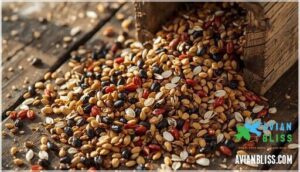
Think of seeds and grains as the cornerstone of many backyard feeders, but quality and variety matter more than you might expect. Each type delivers distinct nutritional profiles that affect your birds’ health in measurable ways.
- Black oil sunflower seeds pack 25–27% protein and 30–40% fat, offering superior energy density for active species
- Millet supplies 73% carbohydrates with just 11% protein, making it ideal for small finches and sparrows needing quick fuel
- Safflower seeds contain 38% fat and essential minerals like magnesium and calcium for bone strength
- Nyjer seed provides 35% fat and 18% protein, supporting finches during cold weather when caloric density becomes critical
- Grain benefits like oats (13% protein) and quinoa (a complete amino acid source) add digestive fiber and sustained energy
You’ll want to rotate seed blends rather than relying on a seed-only diet, which can lead to vitamin deficiencies in A, D3, and B12. Safe storage in cool, dry containers prevents mold and aflatoxin contamination that damages liver function.
Mealworms and Insects
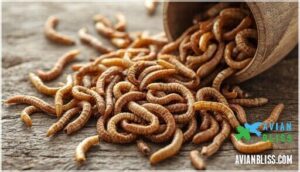
Insectivorous and omnivorous birds thrive when you offer live or dried mealworms, which contain 46–55% protein and essential amino acids like lysine and methionine for muscle and feather development. The fatty acid profile—dominated by oleic and linoleic acids—bolsters plumage health and reproduction, while B vitamins and minerals like zinc improve energy metabolism.
You’ll find digestibility exceeds 86%, making insect protein highly bioavailable for avian nutrition, especially during breeding seasons when bluebirds and wrens show strong feeding preferences for this calorie-dense option.
Suet and Fat Sources

Suet—rendered beef fat containing 80–90% lipids—delivers 850–900 kcal per 100 g, making it a cornerstone of wild bird diets during energy-intensive periods like winter and migration. Fats improve thermoregulation and reduce metabolic heat production by 15%, supporting over 30 species, including woodpeckers and nuthatches.
Commercial suet variants with mealworms or nuts boost protein to 12–18%, but unrefined suet spoils quickly above 25 °C. To minimize feeding risks, clean feeders every 1–2 weeks.
Fruits and Nectar
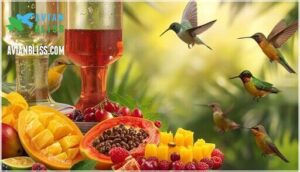
Fruits and nectar fuel species like hummingbirds and orioles with rapid-access energy. Nectar provides over 90% of daily calories in hummingbirds, while frugivorous birds derive 80% of intake from carbohydrate-rich pulp during migration.
You’ll want fresh, bright-colored fruits comprising 20–40% of captive diets to supply carotenoids and vitamin A, but avoid canned or cooked options that lose over 40% of vitamins.
Proper nectar preparation requires 20–30% sucrose concentrations with sodium supplementation to prevent electrolyte imbalances in birdsafe feeding programs.
Best Food Combinations for Balanced Nutrition
Finding the right food combination isn’t about picking one "perfect" option—it’s about understanding how different foods work together to meet your bird’s complete nutritional needs.
Each combination below offers a different approach to delivering balanced macronutrients, vitamins, and minerals that support everything from feather growth to immune function.
Let’s look at the most effective options you can use to create a well-rounded diet.
Seed Blends With Fruit and Nuts
You’ll see seed blends with fruit and nuts marketed as premium options, and they earn that title through excellent nutritional balance. These combinations generally deliver 10–14% protein from seeds alongside 8–12% fat from nuts like walnuts and peanuts, meeting the macronutrient requirements birds need year-round. Omega-3 and omega-6 fatty acids from nut inclusions improve feather condition and thermoregulation—critical for overwintering survival.
The dried fruit components—raisins, cranberries, papaya—retain roughly 75% of their antioxidant capacity, supporting immune function and reducing oxidative stress.
Species diversity at your feeder will increase noticeably; blends with nuts attract chickadees, nuthatches, woodpeckers, and cardinals, with visitation rates jumping 40% during colder months compared to seed-only offerings.
Commercial trends reflect growing demand for these nutritionally enriched products, now representing about 18% of premium bird food sales.
Suet/Mealworm Cakes
When you’re targeting woodpeckers, wrens, and other insect-eaters, suet/mealworm cakes deliver concentrated nutrition that’s hard to beat. These formulations generally contain 25–30% fat and 8–10% protein, with mealworm content averaging 2–5% to boost essential amino acids like lysine and methionine.
Energy yield exceeds 9 kcal/g—more than double what seed mixtures provide—making them ideal for winter survival when birds face daily energy deficits.
Commercially Formulated Diets
Commercially formulated diets—pelleted or extruded pellets like Harrison’s and Zupreem—address deficiencies common in seed-only diets by delivering balanced protein (12–20%), controlled fat, and essential vitamins A, D3, and calcium. Conversion success rates reach 96%, with over half of birds adapting within seven days.
Pellet diet benefits include improved feather quality, stronger bones, and reduced hepatic lipidosis risk, though diet palatability factors and cost analysis matter when selecting brands for your flock.
Mixing Fresh Foods and Pellets
While pellets provide consistent nutrition, combining them with fresh vegetables—a practice called "chop"—offers distinct nutritional advantages. Avian nutrition improves when you mix pelleted diets with fresh fruits and fresh vegetables to create a balanced avian diet.
Veterinarians recommend these dietary ratios:
- 50–70% pellets for stable vitamin intake
- 25–40% produce for hydration and calcium support
- 10–20% fruits and seeds as occasional treats
Food conversion takes weeks, but birds on this balanced regimen show improved plumage, kidney function, and reduced liver disease. Regular health outcomes assessments help you adjust safe foods portions for best avian nutrition.
Special Nutritional Considerations for Birds
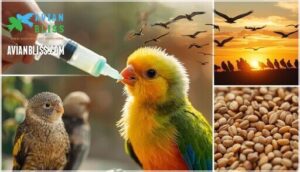
Your bird’s nutritional needs shift throughout its life, and understanding these changes helps you provide the right support at the right time.
Growing chicks, molting adults, and birds facing seasonal challenges each require specific dietary adjustments to thrive.
Let’s look at three key situations where individualized nutrition makes all the difference.
Growing Chicks and Breeding Birds
Growing chicks and breeding birds have very different nutritional demands than adults at rest. Young chicks need 20-22% protein for rapid growth, while breeding birds require elevated calcium (3.0-3.5% during egg production) for strong eggshells and healthy nestlings.
You’ll want to boost amino acids like lysine and arginine to support egg quality and embryo development.
Water intake becomes critical too—birds drink about twice as much water as feed, and even brief deprivation can compromise chick growth and egg production in breeding birds.
Molting and Feather Growth
When birds molt, their resting metabolic rate can jump by 82% or more, demanding extra protein—especially sulfur-rich amino acids like methionine and cystine—to build strong keratin in new feathers.
You’ll also need to increase zinc, biotin, and vitamin A to prevent dull or brittle plumage, while antioxidants like vitamin E and selenium combat oxidative stress during feather growth.
Don’t forget hydration—molting birds drink considerably more water to support efficient feather regeneration and overall health.
Seasonal Dietary Adjustments
Because wild birds shift their nutritional demands with the changing seasons, you’ll need to adjust your feeding strategy throughout the year. During the Spring breeding season, ramp up protein-rich mealworms and calcium sources to support egg production and chick growth. In Summer, continue high-protein offerings through molting needs. As Fall arrives, increase fat-heavy foods like sunflower seeds and suet to build migration fuel reserves. Winter survival depends on calorie-dense options—peanuts and suet provide essential thermoregulation when temperatures drop.
- Spring: Boost calcium intake five-fold for eggshell formation during breeding season
- Summer: Maintain elevated protein for molting needs and feather regeneration
- Fall: Introduce fat-rich seeds as migration fuel, helping birds double body weight
- Winter: Prioritize suet and high-calorie foods for survival in freezing conditions
Seasonal feeding adjustments can improve reproductive success and reduce migration mortality by up to 15%.
Preventing Nutritional Deficiencies and Health Issues

Even the best-intentioned bird owners can unknowingly create serious health problems through poor nutrition. Malnutrition remains one of the leading causes of illness in pet birds, but you can prevent these issues with awareness and proactive care.
Let’s look at the key risks, warning signs, and practical steps you can take to keep your feathered friend healthy.
Risks of Seed-Only Diets
You might think seeds alone can sustain your bird, but a seed-only diet acts like fast food for humans—filling yet dangerously incomplete.
Seed-only diets cause vitamin deficiencies, particularly vitamin A, leading to respiratory infections and poor feather quality. Mineral imbalances disrupt bone strength, while excessive fat triggers liver disorders and cardiovascular effects in parrots.
These nutritional deficiencies also produce behavioral impacts, including lethargy and feather picking, ultimately shortening your bird’s lifespan by up to 30%.
Signs of Nutritional Imbalance
Your bird’s body sends warning signals when its diet falls short, much like a check engine light on your dashboard.
Watch for these indicators of nutritional imbalance:
- Feather abnormalities including dull plumage, poor feather quality, or cup-shaped deformities from amino acid deficiencies
- Behavioral changes such as lethargy, sudden aggression, or feather picking linked to vitamin A deficiency
- Weight fluctuations with obesity from carbohydrate-rich diets or emaciation from protein deficiency
Appetite changes, nasal discharge, and metabolic disorders signal that your bird’s nutritional needs aren’t being met, requiring immediate dietary adjustment.
Transitioning to a Healthier Diet
Successful conversion strategies transform your bird’s health trajectory, but patience and precision make the difference. You’ll need to choose between three proven methods: "Slow and Steady" (mixing 25% new diet every 1-2 weeks), "Tough Love" (complete shift in 7 days), or "Birdie’s Choice" (rewarding exploration of new foods).
Behavioral adaptations like hiding pellets in foraging toys reduce refusal by 40%, while morning feeding leverages peak hunger. Monitoring health through daily weighing prevents dangerous weight loss beyond 1-2% weekly, and consistent droppings confirm adequate intake.
| Method | Timeline | Success Rate |
|---|---|---|
| Slow and Steady | 4-8 weeks | 96% within 30 days |
| Tough Love | 7 days median | 96% within 30 days |
| Birdie’s Choice | 14 days median | 96% within 30 days |
| Group Housing Boost | Varies | 1.8x faster conversion |
Long-term outcomes include 32% better feather quality, 40-50% fewer malnutrition-related illnesses, and 15-20% longer lifespans when you successfully shift from seed-only diet dangers to balanced nutrition that meets your bird’s nutritional needs.
Role of Regular Health Checks
Think of regular health checks as your bird’s early warning system. Preventative care with a veterinary healthcare team twice yearly catches hidden problems before they escalate—up to 80% of parrots show subclinical disease at first visits.
These exams include nutritional assessment through bloodwork and body condition scoring, diagnostic monitoring for deficiencies like calcium or vitamin A, and early disease detection of infections.
This proactive approach reduces treatment costs by 30% and promotes longer lifespans by addressing your bird’s nutritional requirements before imbalances affect their welfare.
Frequently Asked Questions (FAQs)
What is a bird Nutrition Food Guide?
Strange as it sounds, feeding birds properly means knowing when less is more. A bird nutrition guide provides species-specific dietary recommendations, outlining essential nutrients, balanced food combinations, and feeding schedules to prevent deficiencies.
These guides detail protein requirements, vitamin sources, and safe ingredients while helping you customize meals based on age, breeding status, and seasonal needs.
Regular guide updates reflect current veterinary research, ensuring your feathered companions receive best nutrition throughout their lives.
What nutrients do birds need?
Your feathered friends need a balanced mix of protein for muscle and feather health, fats for energy and insulation, carbohydrates for fuel, plus essential vitamins and minerals. Protein sources include insects and seeds, while fat benefits come from oil-rich seeds and suet. Carbohydrate types vary from fruits to grains.
Vitamin importance can’t be overstated for immune function, and mineral functions support bone health.
These nutritional needs of birds guarantee proper growth, reproduction, and longevity when provided consistently.
How do birds eat a healthy diet?
Wild diets and foraging behavior shape how birds meet their nutritional requirements naturally. Food preferences vary by species, while digestive systems determine eating frequency.
Providing balanced bird nutrition aids avian health when you understand these patterns.
How much protein does a bird need?
Adult birds generally need 10-15% protein for maintenance, while growing chicks require 18-23%, and laying hens need 16-18%. Species variation matters—finches need higher levels than budgerigars.
Protein deficiency causes feather problems and weakness, while excess protein strains kidneys and may trigger gout.
Why do birds need nutrition?
Nutrition fuels every aspect of avian biology, from the cellular processes that generate energy to the complex systems that enable flight, reproduction, and immune defense.
Without adequate intake of proteins, fats, carbohydrates, vitamins, and minerals, your bird can’t maintain muscle mass, grow feathers, produce eggs, or fight off disease—ultimately compromising survival and overall health.
Do birds need a balanced diet?
Yes, birds absolutely need a balanced diet. Without proper dietary variety and essential nutrients, they face serious health consequences including immune suppression, developmental delays, and increased disease susceptibility—whether wild or captive, across all life stages and seasonal needs.
What foods are toxic or harmful to birds?
Ever wonder what seemingly harmless foods could endanger your feathered companions? Avocado, onions, garlic, and rhubarb contain compounds that damage red blood cells, cardiac function, or kidneys.
Toxic plants, pesticide exposure, heavy metals, and mycotoxin risks in contaminated feed threaten bird health, making safe alternatives essential.
How often should I change my birds water?
You should change your bird’s water daily to prevent bacterial growth and maintain freshness.
If your bird is messy or the dispenser shows contamination, refresh it twice daily to protect against waterborne pathogens and support peak hydration.
Can birds eat human table scraps safely?
As the saying goes, "the road to harm is paved with good intentions."
Human table scraps aren’t safe for birds due to nutrient deficiencies, toxic foods like avocado and chocolate, disease transmission risks, choking hazards, and dependency issues that compromise avian health long-term.
How much should I feed my bird daily?
Most birds eat 10-20% of their body weight daily, though this varies with activity levels and reproductive status.
Weigh food before and after feeding using a gram scale for accurate measuring intake, ensuring proper feeding management and a balanced diet aligned with nutritional requirements.
Conclusion
Your bird won’t send a telegram complaining about poor nutrition, but its body will broadcast distress signals through dull feathers, lethargy, and compromised immunity. Mastering essential bird nutrition facts helps you to decode these warnings before they escalate into irreversible conditions.
Moving from convenience feeding to balanced meals demands patience, but the reward—a vibrant, energetic companion thriving well into its natural lifespan—validates every careful choice you make at the food dish.
- https://www.merckvetmanual.com/bird-owners/disorders-and-diseases-of-birds/nutritional-disorders-of-pet-birds
- https://www.harrisonsbirdfoods.com/wp-content/uploads/2024/03/63-95-Ch3-Nutrition.pdf
- https://www.catandbirds.com/nutritional-diseases-in-birds
- https://pmc.ncbi.nlm.nih.gov/articles/PMC6879461/
- http://lafeber.com/