This site is supported by our readers. We may earn a commission, at no cost to you, if you purchase through links.

Your bird’s labored breathing doesn’t always mean a rushed trip to the emergency vet. Respiratory distress in pet birds often responds well to supportive care you can provide at home, buying critical time while you arrange professional evaluation.
When a feathered companion starts tail bobbing with each breath or extending its neck to pull in air, immediate environmental adjustments can ease the struggle. Humidity therapy, gentle warmth, and stress reduction create conditions that support your bird’s natural healing mechanisms.
These interventions work alongside—never replace—veterinary diagnosis, especially since bacterial and fungal infections require prescription antimicrobials that home remedies can’t provide.
Table Of Contents
- Key Takeaways
- Common Causes of Bird Respiratory Problems
- Recognizing Respiratory Distress in Birds
- Safe Home Remedies for Respiratory Relief
- Environmental Adjustments for Faster Recovery
- When to Seek Veterinary Care
- Frequently Asked Questions (FAQs)
- What to do when your bird is struggling to breathe?
- What does baking soda do to birds?
- Can essential oils help bird respiratory issues?
- How long does respiratory recovery typically take?
- Are there safe supplements to boost immunity?
- What foods should I avoid during illness?
- Can other birds catch respiratory infections easily?
- Conclusion
Key Takeaways
- Respiratory distress in birds often responds to supportive home care like humidity therapy (40-60%), gentle warmth (72-78°F), and stress reduction, which buy critical time while arranging veterinary evaluation.
- Watch for tail bobbing, open-mouth breathing, nasal discharge, and behavioral changes like appetite loss or lethargy—these symptoms signal respiratory compromise requiring immediate environmental adjustments and professional assessment.
- Home remedies support healing but can’t replace veterinary diagnosis since bacterial and fungal infections require prescription antimicrobials that only professional testing can identify and treat effectively.
- Nearly 80% of avian respiratory cases improve within 48 hours when owners combine humidity therapy with veterinary treatment, but worsening distress despite environmental changes demands emergency evaluation.
Common Causes of Bird Respiratory Problems
Respiratory problems in birds don’t appear out of nowhere. They develop from specific respiratory triggers that compromise your bird’s delicate respiratory system.
Understanding signs of bird respiratory infection early helps you catch problems before they become serious health emergencies.
Understanding these causes helps you protect your feathered companion and respond quickly when symptoms arise.
Bacterial, Viral, and Fungal Infections
Respiratory infections in your bird stem from three primary microbial categories.
Bacterial pathogens like Mycoplasma invade tissue rapidly, triggering immune response and inflammation. Viral agents hijack cellular machinery, causing tissue damage that requires supportive respiratory therapy.
Fungal organisms such as Aspergillus thrive in compromised airways.
Each pathogen demands specific treatment: antibiotics for bacteria, antifungals for fungi, and supportive care for most viral infections, with nebulization delivering medications directly to affected tissues. Understanding the different types of infections can help guide appropriate care and prevention strategies.
Environmental Stressors and Poor Diet
Beyond microbial threats, your bird’s respiratory health depends heavily on stress management and nutrition. Loud noises and relocation trigger cortisol surges that suppress immune defenses.
Nutrient deficiency, particularly omega-3 fatty acids and vitamin A, impairs mucous membrane integrity and inflammatory responses. Dietary imbalance from processed foods compounds environmental management challenges, while inadequate humidity control and air pollution from aerosols further compromise respiratory health in birds.
Cage Hygiene and Air Quality
Cage hygiene and air quality management directly influence respiratory health. Poor ventilation allows carbon dioxide to exceed 1000 ppm, while unfiltered tops increase airborne allergens fifty fold.
Dust reduction through proper bedding depth and filter maintenance cuts particulates by 30 percent. Clean your bird’s cage weekly, maintain humidity control below 60 percent, and guarantee air purification through ventilated exhaust ports for ideal sanitation and hygiene.
Effective bird care also involves understanding the benefits of ventilation strategies for poultry.
Recognizing Respiratory Distress in Birds
Birds hide illness symptoms until they become severe, so catching respiratory distress early can save your bird’s life.
Birds conceal illness until it’s critical, making early detection of respiratory distress essential to saving their lives
You need to watch for subtle changes in breathing, physical signs around the face and airways, and shifts in your bird’s normal behavior. Here’s what to monitor closely in your feathered companion.
Proper hydration from resources like heated bird baths helps keep airways moist and respiratory function optimal during colder months.
Breathing Difficulties and Noisy Respiration
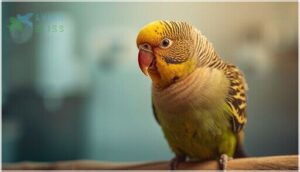
When your bird’s chest heaves with each breath, you’re witnessing labored breathing that signals trouble. Watch closely for these critical respiratory sounds and breathing patterns:
- Open-mouth breathing at rest indicates severe airway obstruction and potential respiratory failure
- Tail bobbing with every breath reveals increased work of breathing
- Audible wheezing or clicking sounds during noisy inhalation point to respiratory infections
- Neck extension while breathing suggests dangerous airway constriction
- Exaggerated chest movements accompany breathing trouble in distressed birds
Nasal Discharge, Sneezing, and Coughing

Upper airway symptoms demand your careful attention as an early warning system. Nasal discharge—whether clear or colored—points to infection or nasal irritation requiring assessment by an avian veterinarian. Frequent sneezing fits indicate environmental irritants compromising respiratory health, while coughing sounds, though less common in birds, suggest significant airway inflammation needing airway clearance support.
| Symptom | What It Indicates |
|---|---|
| Nasal discharge (clear or colored) | Upper airway infection or irritation |
| Frequent sneezing episodes | Environmental irritants or allergic-type reactions |
| Coughing sounds | Airway inflammation from respiratory infections |
| Flared nostrils during breathing | Airflow resistance and respiratory distress |
Behavioral Changes and Appetite Loss

Respiratory stress manifests through subtle shifts in your bird’s daily patterns that you can’t afford to ignore. Loss of appetite often signals the body diverting energy to fight respiratory infections, while bird lethargy and social withdrawal replace normal activity levels.
- Reduced vocalization or altered voice quality reflects airway pain
- Feather plucking may emerge as birds struggle with breathing discomfort
- Refusal to perch normally indicates generalized distress requiring stress reduction
Safe Home Remedies for Respiratory Relief

When your bird shows signs of respiratory distress, you can take several supportive steps at home while arranging veterinary care.
These remedies won’t replace professional treatment, but they can ease your bird’s breathing and keep it comfortable. The following approaches focus on humidity, warmth, hydration, and nutrition—all essential for supporting your bird’s recovery.
Using Humidity and Steam for Airway Comfort
When your bird struggles to breathe, raising humidity levels between 40 and 60 percent can provide airway clearance and breathing ease.
Position a cool mist humidifier away from the cage to promote respiratory health without risking burns from direct steam therapy.
While nebulization remains a veterinary procedure, proper environmental management for birds helps reduce nasal irritation and aids overall bird respiratory health during recovery from respiratory problems.
Warmth and Hydration Support
Maintaining thermal comfort and hydration is critical when your bird battles respiratory problems. Sick birds lose body heat rapidly, so gentle warmth therapy aids recovery without wasting energy on temperature regulation.
Follow these hydration tips and warmth strategies for respiratory relief:
- Place a shallow warm water bottle under the cage floor for indirect heat.
- Keep room temperature steady between 72 and 78 Fahrenheit.
- Offer fresh water in a shallow, wide dish within easy reach.
- Use electrolyte-enhanced water if your veterinarian recommends it.
Monitor your bird’s posture; reduced feather puffing signals comfortable warmth. Check for dehydration signs like sunken eyes, and adjust humidification methods promptly to maintain bird respiratory health.
Gentle Dietary Adjustments for Sick Birds
Proper nutrition fuels your bird’s immune system during respiratory distress. Soft foods like mashed plain oatmeal or wet vegetable mash facilitate easy digestion while supporting bird recovery diet needs.
Offer water-rich treats such as cucumber to boost hydration tips compliance. Balance calcium with leafy greens for nutrient balance, and serve calming treats frequently in small portions to maintain steady energy without digestive strain.
Environmental Adjustments for Faster Recovery

Your bird’s surroundings can either support healing or make respiratory problems worse. Small changes to air quality, temperature, and stress levels create conditions that let your bird’s immune system work more effectively.
These three adjustments form the foundation of a recovery-focused environment.
Maintaining Clean, Fresh Air and Proper Ventilation
Think of your bird’s lungs as sensitive filters that catch every airborne particle in their environment. Respiratory health in birds is founded on clean air and proper ventilation systems.
Here’s how to improve air quality management:
- Exchange stale indoor air several times per hour to dilute pollutants
- Position cages away from heating vents and direct drafts
- Use air purification filters rated for capturing dust and pollen
- Maintain humidity control between 40 and 60 percent
- Eliminate scented products and chemical cleaners near your bird’s area
Monitor fresh air exchange by watching for lingering odors or rising humidity.
Reducing Stress and Limiting Handling
Once your bird breathes clean air, stress reduction becomes equally important for recovery. Gentle handling during illness can make or break your bird’s healing process.
Limit contact to essential feeding and cage checks only. Schedule daily observation windows of 5 to 10 minutes. Create quiet time with dim lighting during rest periods. Use slow movements and soft voices to maintain calm environments, helping your bird conserve energy for fighting infection.
Cage Placement Away From Drafts and Irritants
After reducing stress, your bird’s cage location directly impacts respiratory healing through air quality control and draft free zones. Position the cage at least 3 feet from windows and doors.
Keep it two steps back from vents to prevent irritant removal challenges. Maintain 65 to 80 degrees Fahrenheit with 40 to 60 percent humidity management for ideal respiratory health in birds and faster recovery.
When to Seek Veterinary Care

Home remedies can help your bird feel more comfortable, but they’re never a substitute for professional veterinary care. Respiratory problems in birds can deteriorate quickly, and what seems like a minor issue may signal serious infection or organ damage.
Knowing when to call your avian vet—and what to watch for—can make the difference between recovery and crisis.
Signs That Require Immediate Medical Attention
Respiratory failure can escalate quickly in birds, turning minor breathing trouble into life-threatening medical emergencies. You’ll need an avian veterinarian immediately if your bird shows severe infection symptoms like gasping, blue-tinged beak coloring, or collapse.
Recognizing signs of illness in birds early—labored breathing exceeding 60 breaths per minute, blood-tinged discharge, seizures, or sudden inability to perch—makes the difference between recovery and critical care situations.
Risks of Home Remedies Without Expert Guidance
Treating respiratory infections without expert guidance carries serious health risks for your bird. Toxicity from herbs or essential oils, delayed intervention that allows disease progression, and contamination from unsterile home remedies all threaten recovery.
Home remedies can fail in four critical ways:
- Undiagnosed bacterial or fungal infections worsen without prescription antimicrobials
- Herbal supplements contain varying doses that risk organ toxicity
- DIY mixtures introduce pathogens through improper preparation
- Misinterpreted symptoms receive ineffective treatment while the underlying condition advances
Supporting Veterinary Treatment With Home Care
Once your veterinarian prescribes treatment, you’ll provide medication management at home using clear written instructions for accurate dosing.
Home monitoring with daily weight checks and symptom logs tracks recovery progress. Environmental adjustments like good hygiene and a stress-free environment support healing.
Nutritional support through easy-to-digest foods aids recovery. Always follow veterinary guidance when caring for sick birds at home.
Frequently Asked Questions (FAQs)
What to do when your bird is struggling to breathe?
Move your bird to a calm space away from drafts. Gently increase humidity using a shallow warm water tray.
Monitor breathing patterns closely and seek veterinary care immediately if distress worsens.
What does baking soda do to birds?
A common kitchen staple can harm the very creatures you’re trying to protect.
Baking soda irritates your bird’s respiratory tract, disrupts electrolyte balance, and causes digestive issues—never a safe home remedy for respiratory infections.
Can essential oils help bird respiratory issues?
Essential oils aren’t safe for birds with respiratory issues. Birds have extreme scent sensitivity to aromatic compounds, and even diluted oils can irritate airways, worsen breathing problems, and interact dangerously with respiratory medications.
How long does respiratory recovery typically take?
Recovery timeframes vary widely based on infection severity and type. Mild bacterial infections often improve within 3 to 7 days with antibiotics, while fungal infections may require 2 to 4 weeks or longer.
Are there safe supplements to boost immunity?
Your bird’s immunity thrives on targeted nutritional therapy.
Vitamin C benefits include respiratory tract protection, while probiotic supplements balance gut health.
Zinc and selenium deliver antioxidant effects, supporting avian health and wellness during infections.
What foods should I avoid during illness?
Skip greasy fried foods, high-lactose dairy, caffeinated drinks, acidic citrus juices, and sugary snacks—they worsen inflammation, dehydration, and digestive upset during illness, complicating recovery in pet bird nutrition and hydration needs.
Can other birds catch respiratory infections easily?
Yes, respiratory contagion spreads rapidly among birds. Airborne transmission, shared dishes, and flock dynamics all accelerate infectious diseases.
Avian epidemiology shows close contact allows pathogens to move quickly, making bird socialization a significant risk factor.
Conclusion
Nearly 80% of avian respiratory cases show improvement within 48 hours when owners combine humidity therapy with veterinary treatment. Your quick response to tail bobbing and labored breathing directly influences recovery speed.
Home remedies for bird respiratory problems provide essential supportive care, but they can’t replace diagnostic testing for infections requiring antimicrobials. Monitor your bird’s breathing pattern hourly during the first day. If distress worsens despite environmental adjustments, seek emergency veterinary evaluation immediately.