This site is supported by our readers. We may earn a commission, at no cost to you, if you purchase through links.
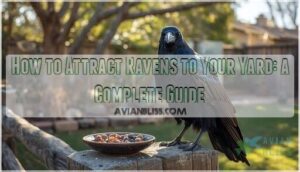
Ravens don’t just show up by accident. These highly intelligent birds scope out neighborhoods for weeks, memorizing which yards offer reliable food and which ones pose threats. If you’ve spotted a raven nearby but can’t get it to stick around, you’re likely missing one of three things: the right food, consistent availability, or a sense of safety.
Unlike smaller songbirds that flock to any feeder, ravens are cautious and calculating. They won’t commit to a location until they trust it. The good news? Once you understand what ravens need and how they think, attracting them becomes straightforward—and the relationship you build can last for years.
Table Of Contents
- Key Takeaways
- What Attracts Ravens to Your Yard?
- Which Foods Are Best for Attracting Ravens?
- How to Set Up a Raven-Friendly Feeding Area
- How to Create a Safe Habitat for Ravens
- Should You Use Shiny Objects or Decoys?
- How to Provide Water for Visiting Ravens
- Are Ravens Attracted to Urban Areas?
- How Long Does It Take to Attract Ravens?
- What Legal and Ethical Issues Should You Consider?
- Can You Befriend and Observe Ravens Safely?
- Frequently Asked Questions (FAQs)
- How to attract and befriend ravens?
- How do you attract common Ravens?
- What is a ravens Favourite food?
- How can you attract crows to your yard?
- Do ravens remember human faces?
- What time of day are ravens most active?
- How long do ravens live in captivity?
- Can ravens be trained to perform tricks?
- Do ravens have any natural predators?
- Do ravens mate for life or change partners?
- Conclusion
Key Takeaways
- Ravens are highly intelligent, cautious birds that require consistent feeding schedules, reliable food sources (like meat scraps, unsalted nuts, and eggs), and safe, quiet environments before they’ll trust your yard enough to return regularly.
- Creating a raven-friendly habitat means providing fresh water in large birdbaths, elevated perching areas with clear sightlines, and minimizing disturbances from pets and noise—these birds remember threatening encounters for years.
- Building trust with ravens takes weeks to months of patience and consistency, but once established, these birds can recognize your face, return daily, and form bonds that last for years.
- Federal laws like the Migratory Bird Treaty Act protect ravens from harm or harassment, so responsible feeding practices that avoid dependency and support their natural foraging behaviors are both legally required and ethically essential.
What Attracts Ravens to Your Yard?
Ravens won’t just show up because you want them to—they need a reason. These intelligent birds seek out places that meet their basic needs: food, water, and safety.
Understanding what draws them in is the first step to turning your yard into a raven-friendly space.
Preferred Foods and Diet
Ravens are opportunistic feeders with an omnivorous diet that changes based on what’s available. Understanding their favorite foods helps you provide what they naturally seek.
Ravens enjoy these types of food:
- Animal-based foods like carrion, eggs, insects, and small mammals
- Plant-based foods including unsalted nuts, corn, and fruits
- Meat scraps and high-protein pet food
- Seeds and grains such as wheat and oats
- Human food scraps from accessible sources
As intelligent birds, they sometimes work together to flush out prey.
Water Sources and Birdbaths
Beyond food, fresh water is just as powerful for attracting these clever birds. You’ll want a birdbath large enough to handle their 45- to 50-inch wingspan—add rocks for varied depths. Clean water sources matter; stagnant water deters ravens and breeds bacteria.
Feature placement near cover with good visibility encourages bathing behavior, which helps them maintain healthy feathers and directly impacts local population survival rates. For best results, make sure your birdbath has shallow, gently sloping edges.
Safe and Quiet Environments
Once you’ve provided water, focus on creating a tranquil environment where ravens feel secure. Choose a quiet spot away from pets, traffic, and sudden disturbances—ravens remember threatening encounters for years. Noise reduction matters; even wind chimes can send them elsewhere.
Predator avoidance drives their site selection, so shelter design near feeding areas offers predator protection. Consistent behavior on your part builds trust over time, making them more likely to return.
Which Foods Are Best for Attracting Ravens?

Ravens aren’t picky eaters, but they definitely have their favorites. Knowing what to put out can make the difference between an empty yard and regular visits from these intelligent birds.
Let’s look at the top food options that’ll catch their attention.
Meat Scraps and Eggs
If you want to attract ravens reliably, meat scraps and eggs are your best bet. These protein-rich foods mirror what ravens scavenge naturally—think chicken leftovers or scrambled eggs placed directly on the ground. Skip the salt and oil when preparing them, and keep your feeding schedule consistent.
Ravens remember where the good stuff is, so your yard could become their regular stop once they trust you’re the real deal.
Unsalted Nuts and Peanuts
For a crowd-pleaser that ravens can’t resist, unsalted peanuts and nuts deliver serious nutritional benefits—roughly 25% protein and 50% fat. These favorite foods support their energy needs, especially during seasonal feeding in colder months. Safe nuts like walnuts and almonds work too, but peanuts win for consistency. Watch their feeding behavior: ravens crack shells with their beaks and often display caching behavior, hiding extras for later.
- Offer unshelled unsalted peanuts on flat surfaces
- Skip salted or flavored varieties to avoid health risks
- Pair nuts with fresh water sources nearby
- Feed consistently so ravens learn your schedule
- Expect competition from squirrels—plan accordingly
Fruits, Seeds, and Grains
When animal protein runs low, ravens shift their feeding strategies to fruits, seeds, and grains as an essential food source. Seasonal diet changes drive this behavior—apples, berries, and sunflower seeds offer the seed energy content they need, especially in fall and winter.
Fruit nutritional value aids immune health, while grain consumption patterns vary by regional food preferences. Expect heavier plant-based foraging during colder months.
Using Pet Food as Bait
If you’re attracting ravens with cat food or dog pellets, you’re tapping into their natural scavenging instincts. This bait effectiveness comes from high protein content that ravens crave. However, watch for non-target species like raccoons, and practice smart management practices:
- Place small portions in open, visible spots
- Keep feeding patterns consistent
- Clean up leftovers to prevent nutrient pollution
- Monitor what shows up at your feeding station
How to Set Up a Raven-Friendly Feeding Area
Setting up a feeding area that actually works for ravens takes more than just tossing food in your backyard. These intelligent birds need the right setup to feel comfortable enough to visit regularly.
Let’s look at three key factors that’ll make your feeding station irresistible to ravens.
Choosing The Right Bird Feeder

Not all bird feeders work for ravens. You’ll need platform feeders with a sturdy, open design—think hardwood or aluminum construction that can handle their weight and size.
Look for large feeding stations with wide perches and flat trays where these hefty birds can land comfortably.
Choose feeder material built for weather protection and easy cleaning to keep food fresh year-round.
Placement for Maximum Visibility
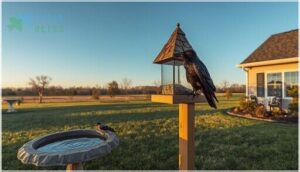
Elevated feeders in open areas give ravens the best sightlines—they need clear sky above and around 10 feet from trees for perching sites between visits.
Place your setup near water proximity features like birdbaths to create an irresistible habitat.
Position feeders where you can watch from windows for human observation while ensuring predator avoidance by keeping distance from dense bushes where cats hide.
Consistent Feeding Schedules

Think of feeding time regularity like setting up a coffee date—ravens learn your schedule and show up when you’re consistent. Feeding at the same time daily, usually morning and late afternoon, dramatically boosts visitation frequency.
Research shows stable dominance hierarchies form when providing food for ravens follows predictable patterns. Seasonal schedule changes may be needed, but consistency builds trust and increases the behavioral impact of your feeding strategies.
How to Create a Safe Habitat for Ravens

Getting ravens to visit your yard is one thing, but keeping them around takes more than just food. These intelligent birds won’t stick around if they feel unsafe or constantly disturbed.
Let’s look at three key ways to make your space feel secure enough for ravens to return again and again.
Minimizing Pet and Human Disturbance
To create a quiet spot where ravens feel comfortable, you’ll need to manage disturbance carefully. Pet supervision during dawn and dusk reduces stress on visiting birds, while barrier installation using fencing keeps predators at bay. Noise reduction matters too—limit sudden sounds and activity near feeding areas.
- Keep yards petfree during peak raven activity hours
- Use motion-activated deterrents to control pet access
- Establish consistent feeding schedules in low-traffic zones
- Install physical barriers between pets and raven feeding sites
- Modify habitat by reducing clutter and creating covered escape routes
Providing Roosting and Perching Areas
Once disturbances are under control, focus on creating spots where ravens can rest and observe. Ravens prefer tall trees, sturdy branches, and elevated structures that offer clear sightlines. You can install simple wooden platforms or maintain existing tall vegetation to replicate natural roosting conditions.
Environmental influences like wind protection and minimal disturbance improve roost site selection, while artificial roosts placed near food and water increase your chances of attracting ravens.
| Roost Type | Placement | Why Ravens Prefer It |
|---|---|---|
| Tall trees | Near feeding areas | Strong branches support weight, provide visibility |
| Wooden platforms | High, open locations | Mimics natural perching spots, encourages social roosting |
| Existing structures | Power lines, fences | Easy access, allows predator awareness |
Offering Shelter and Cover
Beyond perches, ravens need natural cover for true predator protection and weather protection. Dense thickets, brush piles, and dead wood offer refuge when threats arise. In urban shelters, they’ll use billboards and bridges for nesting sites.
You can improve your yard by leaving brush where it falls or planting evergreens—these roosting structures support attracting ravens while creating a raven-friendly habitat with proper shelter and nesting areas.
Should You Use Shiny Objects or Decoys?

You’ve probably heard that ravens love shiny objects, or maybe you’ve thought about using decoys to draw them in. While these tactics sound appealing, they don’t always work the way you’d expect.
Let’s look at what actually helps and what might just clutter your yard without results.
Placing Shiny Items Near Food
You’ve probably heard that ravens love shiny objects, but does it actually help with attracting ravens? Field observations show mixed results—shiny object appeal varies by individual bird and behavioral development stage. While placing reflective items near food might catch their eye, the feeding influence is secondary to actual food sources.
- Juvenile ravens show more curiosity toward novel shiny items than adults
- Reflective surfaces can serve as visual beacons in open areas
- Shiny objects alone won’t sustain visits without reliable food
- Risks and limitations include potentially frightening birds or creating litter
Creating raven habitat means understanding that while shiny objects might spark initial interest, consistent food offerings remain your best bet to attract ravens.
Using Raven Decoys and Calls
Decoy effectiveness depends on how well you mimic real raven behavior. Plastic decoy ravens in visible spots signal safety to passing birds, while calling for ravens using food or curiosity calls can draw them in. One farm saw predation drop from 4 kills to zero using decoys, though results vary by location.
| Strategy | Best Use |
|---|---|
| Decoy placement | Open areas, elevated perches |
| Call types | Food calls (“haa”), curiosity signals |
| Behavioral responses | Approach behavior, vocal replies |
Combine decoys with varied call timing for attracting ravens successfully. Move decoys periodically—ravens notice patterns and may ignore stationary setups.
Avoiding Litter and Unwanted Attention
When you’re working to attract ravens, preventing mess keeps both neighbors and wildlife happy. Follow these steps to maintain a tidy feeding area:
- Secure trash containers with tight lids to prevent scattered garbage
- Reduce spillage by using feeders designed to minimize waste
- Control pests with hot pepper-treated suet and baffles on poles
- Yard hygiene matters—clean feeding spots daily and keep pets away from feeding areas
Managing noise and disturbance from predators helps too, especially in urban areas.
How to Provide Water for Visiting Ravens

Ravens need fresh water just as much as they need food. A reliable water source can be the deciding factor that brings these intelligent birds to your yard regularly.
Let’s look at the key ways you can provide water that ravens will actually use.
Installing Birdbaths
Installing a birdbath is one of the smartest moves for attracting ravens to your yard. Choose a bath that’s wide and deep—around 10 to 15 cm works well—with stable construction to support these larger birds.
Place it in an open area at least 10 feet from feeders, giving ravens clear sightlines while they drink and bathe. In winter, consider heated options to prevent freezing.
Maintaining Clean Water Sources
Clean water isn’t just nice to have—it’s essential for raven health and survival. Change your birdbath water daily to prevent bacterial buildup and waterborne illnesses that can harm visiting ravens. Weekly scrubbing with a mild vinegar solution keeps algae at bay and maintains habitat quality.
- Daily water changes stop Salmonella and harmful bacteria from spreading
- Chemical contamination from pesticides threatens raven behavior and health
- Fresh water directly improves cleaning frequency and bird visitation rates
- Consistent maintenance protects ravens from respiratory infections and disease
Location of Water Features
Think of your water feature as a raven oasis—location makes all the difference. Place birdbaths in shaded areas with natural cover nearby, giving ravens quick escape routes within 10-20 feet of shrubs. Ground-level accessibility works best, mimicking natural puddles they’d find in the wild.
Weather impact matters too—morning sun warms fresh water in winter, while afternoon shade prevents overheating during summer months.
Are Ravens Attracted to Urban Areas?

Ravens don’t just stick to wild forests and open fields—they’ve become surprisingly comfortable in cities and towns. Urban areas offer easy access to food, water, and shelter, which makes them attractive to these adaptable birds.
If you live in a city or suburb, you’ll need to adjust your approach to work with the unique challenges and opportunities that come with attracting ravens to an urban setting.
Adapting Strategies for City Settings
Attracting ravens to urban areas requires adapting to the realities of city life. Urban food sources like pet food and unsalted nuts work well when placed in quieter spots away from heavy disturbance.
Ravens show considerable behavioral flexibility in cities, using man-made structures for roosting adaptations. Focus on creating a raven-friendly environment with accessible water and consistent feeding stations that minimize exposure to urban hazards.
Securing Trash and Waste
Ravens spend about 75% of their foraging time near accessible trash and exposed waste sites. Securing your garbage directly affects whether you’re unintentionally attracting these intelligent birds through urban scavenging.
Effective waste containment strategies include:
- Use tight-sealing lids – Raven-proof containers with latches prevent scavenging incidents
- Cover compost and green waste – Exposed organic material draws ravens from kilometers away
- Support landfill management improvements – Burying or baling waste reduces accessible food by over 50%
- Advocate for policy reforms – European waste management changes successfully decreased corvid populations through strict containment
Dealing With Potential Urban Hazards
Beyond waste management, urban ravens face serious survival threats you need to understand. Traffic collisions kill birds foraging near roadways, while pollution exposure and pesticides accumulate in their systems. Nesting limitations force them onto unstable structures. Disease risks increase at crowded feeding sites. Human conflict escalates through aggressive behavior during breeding season, and constant disturbances from pets and predators add stress. Your yard setup should minimize these urban hazards.
How Long Does It Take to Attract Ravens?

Attracting ravens to your yard isn’t an overnight process. These intelligent birds need time to discover your offerings, assess the safety of the area, and decide whether it’s worth making regular visits.
Understanding what to expect and how to stay consistent will help you succeed in drawing these striking birds to your space.
Importance of Patience and Consistency
Success hinges on patience and consistent presence. Ravens demonstrate delayed gratification, tolerating waits beyond five minutes for better rewards.
You’ll need to establish a routine—feeding at the same time daily—since studies show a 58% higher return rate with consistent schedules.
Observing activity patterns helps, but expect several weeks before behavioral changes emerge. Long-term loyalty develops only through unwavering commitment to your feeding schedule.
Monitoring and Adjusting Your Approach
Once ravens start showing up, track their visits carefully. Note which food types they prefer and adjust accordingly. If visits drop, modify your environment—move feeders, add roosting spots, or try decoys.
Monitor behaviors like approach distance and vocalizations. Observing activity patterns lets you fine-tune your feeding schedule.
This ongoing process, combined with patience, ensures you maintain their interest over time.
What Legal and Ethical Issues Should You Consider?

Before you start tossing out food to attract ravens, you need to know the rules that protect these intelligent birds. Federal and state laws regulate how you can interact with ravens, and responsible feeding practices matter for their health and survival.
Let’s look at the key legal protections, ethical feeding guidelines, and how you can support broader conservation efforts.
Laws Protecting Ravens
Before you start attracting ravens, you need to understand the legal landscape. In the United States, the Migratory Bird Treaty Act protects ravens from harm, capture, or harassment without permits. Here’s what this means for you:
- Federal wildlife laws prohibit unauthorized disturbance or lethal control
- State regulations often add additional protection requirements
- International treaties guarantee conservation across borders
MBTA enforcement can result in fines up to $15,000 per violation. Permit exceptions exist for conflict management, but require substantial justification and approval from the U.S. Fish and Wildlife Service.
These legal and ethical considerations guarantee wildlife conservation while allowing you to observe ravens responsibly.
Responsible Feeding Practices
When feeding ravens, your approach matters as much as the food itself. Choose safe food choices like unsalted nuts and lean meats while avoiding processed items.
Maintain feeding site hygiene by removing leftovers daily. Feed sparingly to prevent habituation—you want ravens visiting, not dependent.
Monitor their behavior for signs of aggression or overdependence, adjusting your feeding techniques accordingly to support their natural foraging instincts.
Supporting Conservation Efforts
You can support raven conservation by contributing to habitat restoration projects and funding research on local ecosystem health.
Participate in community programs that educate others about legal protections and the ecological role of ravens in pest control.
Help reduce subsidies like unsecured garbage that disrupt ecosystem balance. These efforts protect native species while honoring ravens’ important place in nature.
Can You Befriend and Observe Ravens Safely?

Yes, you can form a bond with ravens, but it takes time and the right approach. These intelligent birds remember faces and can learn to trust you if you’re patient and respectful.
Here’s how to build that connection safely while appreciating their wild nature.
Building Trust With Ravens
Trust emerges when you consistently offer food and water at the same time each day, creating a safe haven where ravens feel secure. These intelligent birds remember human interaction through long-term memory spanning years. Building Human-Raven bonds requires patience and understanding reciprocity dynamics.
Building trust with ravens requires consistent daily offerings and patience, as these intelligent birds remember human faces for years
To cultivate trust through consistent interaction:
- Maintain predictable feeding schedules so ravens anticipate your presence
- Move slowly and avoid direct eye contact during your safe approach
- Speak softly to familiarize them with your voice over time
- Reward their visits with high-value treats like unsalted peanuts
- Allow ravens to initiate closer contact at their comfort level
Observing Behavior Respectfully
Watching ravens without causing stress requires you to follow Distance Guidelines that keep you at least 50 meters away from their natural activities. Ethical Compliance means Noise Minimization and reducing Visual Disruption to protect their behavior.
These ethical considerations create successful, respectful human interaction while minimizing disturbances to ravens you’re learning to trust.
| Observing Practice | Why It Matters |
|---|---|
| Use binoculars or scopes | Prevents flight responses and stress |
| Stay quiet and still | Maintains natural foraging patterns |
| Avoid direct eye contact | Reduces territorial alarm reactions |
| Observe from concealed spots | Allows natural caching behavior |
| Follow Monitoring Protocols | Ensures responsible human interaction with wildlife |
Recognizing and Avoiding Aggression
Ravens signal aggressive behavior through raised feathers, loud scolding calls, and lunging motions—warning signs you shouldn’t ignore. Males higher in the social hierarchy initiate most conflicts, especially during breeding season or at feeding sites.
To avoid disturbances and maintain ecosystem balance, step back when you notice these raven body language cues, use conflict resolution through distance, and never approach nesting areas where predators are perceived threats.
Frequently Asked Questions (FAQs)
How to attract and befriend ravens?
You attract ravens by offering meat scraps, unsalted nuts, and eggs consistently in quiet, open spaces.
Building raven trust takes patience—provide reliable food sources while minimizing disturbance, creating a raven-friendly environment that encourages safe interactions and long-term bonding.
How do you attract common Ravens?
If you want to “raven” about success, focus on creating a raven-friendly environment with platform feeders full of meat scraps, eggs, and unsalted nuts—while providing food for ravens consistently to encourage raven caching behavior.
What is a ravens Favourite food?
Protein-rich foods like carrion, eggs, and unsalted nuts top the list. Ravens also enjoy meat scraps, grains, and fruits. Their omnivorous diet reflects intelligent foraging behavior and high energy needs.
How can you attract crows to your yard?
You can use unsalted peanuts, meat scraps, and fresh water in quiet areas with perching spots.
Consistent feeding schedules during morning hours help establish trust and encourage regular visits to your attracting ravens habitat.
Do ravens remember human faces?
Think of it like this—ravens are walking memory banks. They recognize individual human faces for years, using threat recognition and social learning to remember who’s kind and who’s not.
What time of day are ravens most active?
Ravens are most active during morning foraging hours, usually between 7:00 and 11:30 AM. Midday peaks occur around noon through 2:30 PM, while evening decline begins after 3:00 PM as they prepare for roosting.
How long do ravens live in captivity?
In captivity, ravens live considerably longer than their wild counterparts. Average captive age reaches 30 years, while maximum recorded age hits 69 years—far exceeding wild lifespans of 10-15 years.
Can ravens be trained to perform tricks?
Yes, ravens can learn tricks through positive reinforcement training methods. Their intelligence tests show cognitive abilities rivaling great apes, enabling them to fetch objects, mimic sounds, solve puzzles, and respond to verbal cues consistently.
Do ravens have any natural predators?
Large owls, golden eagles, and hawks pose raptor threats to young ravens, while mammalian predators like coyotes and martens target eggs.
Nest predation is common, but adults face fewer raven threats and dangers.
Do ravens mate for life or change partners?
In the wild theater of devotion, these intelligent birds generally form lifelong pair bonds, remaining faithful through decades of shared territory and cooperative behaviors.
Divorce is exceptionally rare; infidelity instances occur but don’t disrupt social structures.
Conclusion
Patience is a virtue, especially when you’re learning how to attract ravens. These striking birds won’t appear overnight, but your consistent effort will pay off.
Keep food available, water fresh, and your yard calm. Watch for patterns in their visits, and adjust as needed.
Once ravens trust your space, they’ll return regularly—bringing their intelligence, curiosity, and presence into your life. The wait is always worth the reward.
- https://www.allaboutbirds.org/guide/Common_Raven/overview
- https://www.nationalgeographic.com/animals/article/ravens-memory-unfair-trade
- https://www.technologyreview.com/2022/10/31/1062370/how-to-befriend-a-crow-crowtok-tiktok/
- https://original.newsbreak.com/-1602313/3089764317667-beyond-the-splash-surprising-things-you-don-t-know-about-birdbaths
- https://www.sciencedirect.com/science/article/pii/S0003347214004011