This site is supported by our readers. We may earn a commission, at no cost to you, if you purchase through links.

Most birders remember their first lifer—that electric moment when a species new to your list appears in the binoculars. But without a solid system behind those sightings, even the richest field experience starts bleeding details within days.
Species names blur, locations merge, dates disappear. Knowing how to organize a bird watching checklist transforms scattered memories into a record that actually grows more valuable over time.
The difference between a casual observer and a serious birder often comes down to what happens after the binoculars drop.
Table Of Contents
- Key Takeaways
- Key Elements of a Bird Watching Checklist
- Step-by-Step Guide to Organizing Your Checklist
- Top 5 Products for Bird Watching Checklists
- Tips for Maximizing Your Bird Watching Records
- Frequently Asked Questions (FAQs)
- What are the 5 S’s of bird watching?
- How to make a birding life list?
- What are some common birdwatching mistakes?
- How do I recover lost or damaged checklist records?
- Can children maintain their own bird watching checklists?
- How often should I review old sighting entries?
- Are there multilingual checklist options for international birders?
- How do I handle unidentified or uncertain species sightings?
- Conclusion
Key Takeaways
- Logging species, date, location, weather, and behavior right after each outing keeps your records sharp and accurate and prevents memory from filling in the gaps.
- Choosing the right format—paper for sketching in the field, apps like eBird for automatic sorting—means your system actually fits how you bird.
- Every sighting you submit to eBird feeds into real conservation science, turning your personal list into data that protects habitat worldwide.
- Reviewing your checklist for migration timing, first-arrival dates, and habitat patterns transforms raw notes into a field report you can learn from year after year.
Key Elements of a Bird Watching Checklist
A good checklist is only as useful as the information you put into it. Knowing which fields actually matter will save you time in the field and make your records far more valuable over time.
Here are the key elements every solid bird watching checklist should include.
From binoculars to field guides, pairing your checklist with the right essential birding gear and gift ideas makes every outing more rewarding.
Essential Fields—Species, Date, and Location
Every solid bird watching checklist starts with three non-negotiable fields: species, date, and location. These aren’t just boxes to fill — they’re what transform scattered notes into real data.
- Species Tracking captures both common and scientific names for accurate bird identification
- Date Recording ties each bird species to a specific day, revealing migration patterns
- Location Mapping links your interactive checklist to precise spots, powering bird checklist science
For more ideas on organizing by location and format, check out these bird list organization strategies.
Adding Weather and Habitat Details
Once you’ve locked in species, date, and location, weather and habitat details take your bird watching checklist to the next level.
Log temperature, cloud cover, and wind using standardized weather codes — even Beaufort scale ratings help with checklist analysis and data filtering later.
Add broad habitat types like wetland or forest, then note microhabitat features for sharper bird identification patterns.
To further refine your observations, be sure to consult a comprehensive bird watching checklist for recommended equipment and field tips.
Behavior, Vocalization, and Activity Notes
Weather tells you the stage, but behavior steals the show. On your bird watching checklist, reserve dedicated lines for foraging habits — note whether a bird is gleaning insects from canopy branches or probing mud flats.
Capture vocalization patterns with plain words like “clear two-note whistle.” Track social interactions and activity timing, since these behavior and bird identification techniques transform raw sightings into meaningful data.
Incorporating Photos and Sketches
Beyond behavior notes, photos and sketches lock your sightings into the record permanently. Strong photo documentation means showing at least one clear feature — a wing pattern, tail shape, or head marking — for confident bird identification.
Build your digital workflow around these four media integration priorities:
- Shoot JPGs at 3000+ pixels for verification
- Sketch posture and “jizz” quickly in the field
- Add habitat and field context captions noting time and weather
- Upload everything to checklist resources like eBird instantly
Step-by-Step Guide to Organizing Your Checklist
Getting your checklist organized doesn’t have to be complicated — it just takes a few smart decisions up front.
A quick look at this bird identification book comparison guide can help you match the right field guide to your style before you even hit the trail.
From the format you choose to how you sort and track your sightings, each step builds a system that actually works for you.
Here’s how to set it all up.
Choosing a Format—Paper, Digital, or Apps

Your bird watching checklist is only as useful as the format you trust in the field. Paper notebooks never lose battery and let you sketch freely alongside your species notes.
Digital spreadsheets make data management and sorting simple at home. Bird watching apps like eBird combine app features, bird identification tools, and citizen science—putting powerful checklist resources right in your pocket.
Sorting Species—Alphabetical Vs. Phylogenetic Order

Two taxonomy systems shape every bird checklist you’ll ever build: alphabetical and phylogenetic order.
- Alphabetical makes species identification faster for beginners scanning long lists
- Phylogenetic mirrors field guides, grouping related bird species by evolutionary family
- eBird lets you toggle between both checklist formats instantly
Choose phylogenetic for data organization that deepens your bird classification knowledge over time.
Recording and Updating Sightings

Every strong bird watching checklist lives or dies by how consistently you record and update it. Log your sighting verification details right after each outing — species, count, and behavior while memory is fresh.
For bird checklist management and data cleaning, apps like eBird make editing misidentifications simple, keeping your bird life list accurate and your record keeping genuinely trustworthy over time.
Using Checklists for Local, State, or Life Lists

One checklist can power multiple goals at once. Your bird watching checklist automatically feeds your local patch, state, and bird life list when you assign precise locations to each entry — no double data entry needed. Tools like eBird handle the data organization behind the scenes, filtering your species identification records into separate lists instantly.
- Track local bird species without leaving your neighborhood
- Build state-level bird tracking toward concrete milestones
- Maintain life list accuracy through consistent checklist analysis
- Use list management tools to target missing species by region
Top 5 Products for Bird Watching Checklists
The right tools make all the difference when you’re building a serious birdwatching practice.
From life list diaries to bird baths that keep your backyard active year-round, a few key products can sharpen your records and your sightings.
Here are five worth keeping on your radar.
1. Sibley Birder Life List Diary
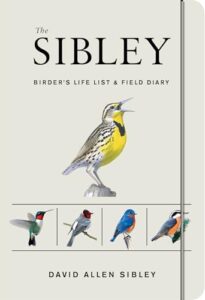
The Sibley Birder Life List and Field Diary is built to go where you go. It covers 923 species across the U.S. and Canada, giving you space to record dates, locations, and personal notes for each sighting.
Three distinct sections handle checklists, detailed diary entries, and your life list, so you can log a quick tick or write a full field account. At around $22 and flexibound for durability, it fits neatly in your daypack and holds up in the field.
| Best For | Birders of all skill levels who want one organized place to log sightings, build a life list, and jot down field notes across the U.S. and Canada. |
|---|---|
| Primary Use | Bird tracking checklist |
| Material | Paper/book |
| Durability | Permanent record |
| Mounting Options | Portable/handheld |
| Maintenance | Minimal |
| Season Use | Year-round |
| Additional Features |
|
- Covers 923 species with room to record dates, locations, and personal memories for each one
- Three separate sections keep quick checklists, detailed entries, and your life list from getting tangled together
- Flexibound and compact enough to toss in a daypack without a second thought
- Hawaii birds are left out entirely, which is a real gap for anyone birding there
- Some users have run into index errors or missing species, so double-checking entries isn’t unusual
- The index print runs small, and bouncing between sections to cross-reference can get a little tedious
2. Api Heated Bird Bath With Stand

Want birds visiting your yard all winter long? The Api Heated Bird Bath with Stand makes that possible. Its 150-watt thermostatically controlled heater keeps water between 40 and 50°F even when temperatures drop below freezing, so birds always have a reliable source.
The 20-inch basin sits about 30 inches off the ground, giving you clear sightlines for observation and logging new species. The textured, sloped basin accommodates small songbirds safely, and the stand disassembles quickly for easy repositioning.
| Best For | Backyard bird enthusiasts who want to keep birds visiting year-round, especially during cold winters when natural water sources freeze over. |
|---|---|
| Primary Use | Heated birdbath |
| Material | Plastic |
| Durability | Weather-resistant |
| Mounting Options | Deck rail or pedestal |
| Maintenance | Frequent cleaning needed |
| Season Use | Winter focused |
| Additional Features |
|
- Keeps water ice-free all winter without any manual effort — the built-in heater self-regulates so you’re not wasting energy when temps are above freezing
- Easy to set up and move around, with a stand that comes apart quickly and mounting options for deck rails if you prefer that over a pedestal
- The 20-inch basin is roomy enough for multiple birds at once, making it great for watching and logging different species
- Lightweight plastic means it can tip over easily — you’ll want to add sand or rocks to the base to keep it stable
- Needs fairly regular cleaning to keep the water fresh, which can feel like a hassle in cold weather
- Plastic won’t hold up as well as metal or stone over time, especially in really harsh or extreme conditions
3. Heated Bird Bath For Outdoor Use

If the stand-mounted bath feels like more than you need, the Heated Bird Bath for Outdoor Use keeps things simple without sacrificing performance.
Its 70-watt thermostatically controlled heater runs only when temperatures actually call for it, saving energy while keeping water liquid through the cold months. The sand-coated plastic basin blends naturally into your yard, and the hidden electrical connection makes installation clean and weatherproof.
It’s a solid, low-profile option for birders who want reliable winter water access without a lot of fuss.
| Best For | Backyard birders who want a simple, no-fuss way to keep water available for birds during winter without dealing with a full stand-mounted setup. |
|---|---|
| Primary Use | Heated birdbath |
| Material | Plastic with sand coating |
| Durability | Weather-resistant |
| Mounting Options | Ground or pedestal |
| Maintenance | Frequent cleaning needed |
| Season Use | Year-round |
| Additional Features |
|
- The thermostatically controlled 70-watt heater only kicks on when it needs to, so you’re not burning energy around the clock.
- The sand-coated basin looks natural in a garden setting, and the hidden electrical connection keeps things tidy and weatherproof.
- It works across seasons and is easy enough to set up that you’re not spending an afternoon figuring it out.
- Some users have reported leaks and cracks in the basin, which raises questions about how long it actually holds up.
- The sand coating can wear off over time, especially if you’re scrubbing it down regularly.
- The textured surface makes cleaning a bit of a chore, and you may find yourself refilling it more often than expected due to evaporation.
4. Api Heated Bird Bath

If you’re ready to step up from low-profile options, the API Heated Bird Bath delivers serious winter performance in a clean, backyard-friendly package. Its 150-watt enclosed heating element keeps water reliably ice-free, while the thermostat kicks in automatically when temperatures drop—so you’re never manually managing it.
The textured basin floor gives birds a secure grip, and the shallow 2-inch depth feels natural to songbirds. Choose between a deck-mount clamp or a 30-inch metal stand to fit your setup perfectly.
| Best For | Backyard bird enthusiasts who want a reliable, set-it-and-forget-it heated bath that works through the harshest winter months. |
|---|---|
| Primary Use | Heated birdbath |
| Material | Plastic |
| Durability | Weather-resistant |
| Mounting Options | Deck or stand |
| Maintenance | Easy to clean |
| Season Use | Winter focused |
| Additional Features |
|
- The 150-watt enclosed heating element keeps water ice-free automatically, no babysitting required
- Comes with your choice of deck mount or 30-inch metal stand, so it fits most yard setups
- CSA & UL Listed with a protected heating element—safe, weatherproof, and built to last
- The clamp mechanism has a reputation for being a bit fragile, so handle it with care
- You’ll need to buy a waterproof connecting cord separately, which feels like an oversight
- Assembly can be a headache, especially aligning the stand without clear instructions
5. Heated Outdoor Bird Bath Tray

For a low-profile option that keeps things simple, the Heated Outdoor Bird Bath Tray fits right into your winter birding setup. Its thermostatically controlled 120W heater activates only when temperatures drop near freezing, keeping water accessible without wasting energy.
The shallow basin works well for small songbirds, and the deck-mount design installs with a simple twist. Check water levels daily—evaporation runs high when the heater’s active, and a dry element won’t last long.
| Best For | Bird lovers who want a simple, low-maintenance way to keep water available for small songbirds during cold winter months. |
|---|---|
| Primary Use | Heated birdbath |
| Material | Compression molded plastic |
| Durability | Weather-resistant |
| Mounting Options | Deck mount |
| Maintenance | Easy to clean |
| Season Use | Year-round |
| Additional Features |
|
- Thermostatically controlled, so it only runs when needed and won’t rack up your electricity bill
- Twist-on deck mount makes setup and removal genuinely easy
- Shallow basin and stone-like design look natural and work well for smaller bird species
- Evaporation is real—you’ll need to top it off daily when the heater kicks on
- Some users have seen the heating element give out after just a season or two
- Birds can be finicky and may avoid it when the water’s warm
Tips for Maximizing Your Bird Watching Records

Your checklist is only as good as the habits behind it. A few smart practices can turn scattered notes into a record you’ll actually learn from and love returning to.
Here’s what makes the biggest difference.
Staying Consistent With Data Entry
Consistency is the backbone of any reliable bird watching checklist. Set firm entry standards from day one — same species name source, actual counts instead of “X,” and one location per checklist.
Good checklist management means checking entries right after each outing for errors. These consistency tools and simple data validation habits keep your bird life list accurate and your bird identification records trustworthy long-term.
Leveraging EBird and Citizen Science Platforms
Beyond your personal records, eBird tools transform your bird checklist into fuel for real bird conservation. Every sighting you submit joins hundreds of millions of observations powering global data analysis and community engagement.
Citizen science platforms like eBird connect your bird watching directly to conservation efforts, helping land trusts protect habitat and giving researchers the species data they need most.
Analyzing Sightings for Patterns and Trends
Your bird checklist becomes genuinely powerful once you start reading it like a field report. Tracking Migration Patterns, Seasonal Fluctuations, and Species Distribution across your Bird Sightings reveals stories you’d never notice otherwise.
Your bird checklist transforms into a field report when migration patterns and seasonal shifts reveal stories hidden in plain sight
Watch for these trends in your
- Behavioral Trends: Note singing, feeding, or flocking shifts by season
- Habitat Analysis: Compare which Bird Species cluster in forests versus wetlands
- Peak Windows: Pinpoint peak migration using weekly eBird totals
- Species Identification patterns: Track first-arrival dates across multiple years.
Sharing and Preserving Your Checklist Data
Your hard-won bird watching checklist deserves serious protection. eBird makes data sharing simple — tap the share icon to send checklists directly to trip partners.
For long term preservation, download your full MyEBirdData.csv backup regularly.
| Method | Purpose | Best For |
|---|---|---|
| eBird Export | Digital storage | Species identification records |
| Cloud Backup | Checklist backup | Bird life list security |
| CSV Archive | Data sharing | Long term preservation |
Frequently Asked Questions (FAQs)
What are the 5 S’s of bird watching?
The 5 S’s of bird watching are Shape Observation, Size Estimation, Shade, Sound Recognition, and Space Habitat.
Together, they sharpen your Bird Identification skills and make every Bird Watching outing more productive.
How to make a birding life list?
Start your bird life list by recording each new species with its name, date, and location.
Use eBird for automatic life list management and easy bird species tracking across every sighting you log.
What are some common birdwatching mistakes?
Even seasoned birders stumble—think of it as finding your way without a compass.
Common mistakes include identification errors, disturbing habitat, timing mistakes, poor fieldcraft, and recording mistakes that quietly undermine your entire bird watching experience.
How do I recover lost or damaged checklist records?
Act fast if you lose records. Rewrite from memory immediately, check eBird for filtered submissions, and restore from CSV backups.
Photos and audio recordings make record reconstruction and digital restoration surprisingly reliable.
Can children maintain their own bird watching checklists?
Yes, children absolutely can maintain their own bird watching checklists. Simple tools like nature journaling, eBird apps, and homemade charts make checklist management and citizen science accessible, building lifelong birding skills from day one.
How often should I review old sighting entries?
Review entries weekly for short-term patterns, each new season for migration shifts, and once yearly for annual trends.
After unusual sightings, check old notes immediately to confirm whether that bird species appeared before.
Are there multilingual checklist options for international birders?
Absolutely — eBird and Merlin offer multilingual apps with language support in 41+ languages, giving international birding enthusiasts access to global checklists, bird ID tools, and bird life list tracking in their preferred language.
How do I handle unidentified or uncertain species sightings?
When you spot an uncertain species, log it as “hawk sp” or use a slash like “Sharp-shinned/Cooper’s Hawk.”
Honest entries keep your bird sightings trustworthy without losing valuable field data.
Conclusion
Birds vanish in seconds, but a well-kept record lasts a lifetime. Every sighting you document builds something a fleeting glance never can—a living archive of your time in the field.
Learning how to organize a bird watching checklist transforms raw experience into real knowledge you can study, share, and build upon for years. The binoculars show you the bird. Your checklist proves you were there, paying attention, and that nothing worth seeing was ever forgotten.
- https://www.allaboutbirds.org/news/take-note-tips-for-keeping-a-field-notebook/
- https://carnegiemnh.org/getting-ready-for-the-great-backyard-bird-count/
- https://support.ebird.org/en/support/solutions/articles/48000795623-ebird-rules-and-best-practices
- https://mdbirds.org/go-birdwatching/birding-checklists/
- https://www.scribd.com/document/682376540/Bird-Watching-Log-Book