This site is supported by our readers. We may earn a commission, at no cost to you, if you purchase through links.
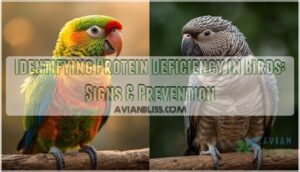
A bird’s feathers tell stories long before its body fails. When protein deficiency takes hold, those glossy plumage patterns fade to dull, brittle fragments that snap under preening pressure, molt cycles stall mid-process, and muscle tissue quietly wastes beneath the wings. You might notice your parrot’s breast bone suddenly prominent or watch your canary struggle to perch with its usual grace, yet these warning signs often go unrecognized until immune function crashes and infections take hold.
Identifying protein deficiency in birds requires attention to subtle shifts in feather quality, growth patterns, and physical stamina—changes that signal amino acid imbalances disrupting cellular repair and antibody production. Early recognition means the difference between a simple dietary correction and prolonged recovery from compromised tissue integrity, making it essential to understand what normal protein metabolism looks like in your specific species.
Table Of Contents
- Key Takeaways
- Importance of Protein in Bird Diets
- Causes of Protein Deficiency in Birds
- Early Signs of Protein Deficiency
- Advanced Symptoms and Clinical Indicators
- Diagnostic Methods for Protein Deficiency
- Preventing Protein Deficiency in Birds
- Managing and Correcting Protein Deficiency
- Frequently Asked Questions (FAQs)
- Conclusion
Key Takeaways
- Protein deficiency reveals itself through dull, brittle feathers, prolonged molting cycles, prominent keel bones from muscle wasting, and weakened immune function—catching these early signs prevents months of recovery from compromised tissue integrity.
- Your bird’s protein needs shift dramatically by species and life stage, ranging from 12-20% for maintenance to 22-28% during growth phases, with breeding, molting, and juvenile development creating temporary windows of increased vulnerability to amino acid imbalances.
- Veterinarians confirm protein deficiency through physical examination findings like pale mucous membranes and muscle atrophy, combined with blood panels measuring serum protein levels, hemoglobin concentrations, and hematocrit values against species-specific reference ranges.
- Prevention centers on balanced diets using high-quality pellets, cooked legumes, and safe protein sources while monitoring body weight weekly and documenting feeding patterns to detect the 5-10% weight loss that signals nutritional trouble before clinical symptoms emerge.
Importance of Protein in Bird Diets
Protein functions as the foundation of your bird’s physical structure, supporting everything from muscle development to feather integrity. Without adequate protein intake, birds experience compromised growth, weakened immune function, and impaired tissue repair.
If your bird’s diet falls short, check out common nutrient gaps in pet birds to identify what might be missing.
Protein forms the foundation of your bird’s body, driving muscle growth, feather health, immune strength, and tissue repair
Understanding protein’s specific roles, the varying requirements across species, and reliable dietary sources will help you prevent deficiencies before they develop.
A comprehensive bird food guide breaks down protein percentages needed during breeding, molting, and maintenance phases to keep your flock thriving year-round.
Role of Protein in Avian Health
Protein metabolism drives your bird’s fundamental health processes, from feather growth to muscle health. You need to provide adequate amino acids to support keratin formation in feathers, maintain muscle mass, and sustain immune function.
Poor diet can compromise keratin production, leaving feathers brittle and prone to damage from environmental factors affecting feather quality.
Protein deficiency or amino acid imbalance disrupts molt cycles, impairs antibody production, and weakens physical performance. Without proper amino acid balance, nutritional deficiencies compromise your bird’s overall vitality and disease resistance.
Protein Requirements by Bird Species
Your bird’s dietary protein needs vary dramatically by species and life stage. Galliformes like chickens demand 20–24% crude protein during growth, while passerines such as finches need balanced amino acid profiles during molt or breeding.
Psittacine species—parrots, macaws, cockatoos—require substantial protein for feather growth factors and development, though adult maintenance needs drop.
Waterfowl and raptors prioritize highly digestible animal-based proteins aligned to their unique protein metabolism.
Sources of Dietary Protein for Birds
You can meet your bird’s dietary requirements through multiple protein sources. Commercial pellet formulas deliver 12–22% crude protein with balanced amino acids, while cooked legume sources like lentils and chickpeas provide 20–25% protein when properly prepared.
Insect foods—mealworms, crickets—offer complete essential amino acids. Seed options such as sunflower contribute 15–25% protein, though protein supplements may correct existing protein deficiency in malnourished individuals requiring targeted bird nutrition interventions.
Causes of Protein Deficiency in Birds
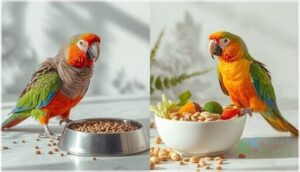
Protein deficiency doesn’t happen by accident—it stems from specific, preventable gaps in your bird’s nutrition. Understanding what causes these deficiencies helps you recognize and correct them before serious health problems develop.
Three primary factors contribute to inadequate protein intake in captive birds, each affecting different species and life stages in distinct ways.
Inadequate Diet Formulation
Even well-meaning owners often create protein deficiency through diet errors that miss dietary requirements entirely. These nutrient gaps stem from inaccurate species-specific protein estimates, unbalanced amino acid profiles—especially methionine and lysine—and seed-only diets lacking essential amino acid diversity.
Poor nutrition not only weakens protein synthesis but also contributes to structural beak problems that require targeted intervention.
Common formulation mistakes include:
- Underestimating protein needs during breeding or growth stages
- Failing to provide adequate high-quality protein sources
- Ignoring amino acid balance despite adequate crude protein levels
- Using poor feed quality with degraded or unevenly distributed protein
- Skipping life-stage adjustments in homemade balanced diet recipes
Poor Quality or Limited Protein Sources
Ingredient quality matters more than quantity when addressing protein imbalance. Degraded or variable feed formulation can reduce essential amino acids despite normal protein levels, while anti-nutritional factors in legume-based diets impair protein digestion and nutrient absorption.
Seeds alone create amino acid deficiency, lacking the amino acid balance your bird needs, often necessitating dietary supplements to prevent severe nutrient deficiency and restore ideal protein levels.
Understanding the effects of mineral deficiency in birds helps you recognize early warning signs before amino acid imbalances cause serious health complications.
Life Stage and Increased Protein Needs
Throughout your bird’s life, protein requirements shift dramatically with physiological demands. Growth phases, molt cycles, and reproduction create temporary nutrient deficiency risks when diets remain static, while essential amino acids like lysine and methionine become limiting factors during critical development windows.
- Growing birds require 20–30% higher daily protein intake during peak growth phases
- Molting birds show a 10–20% increase in protein requirements for feather synthesis
- Reproductive females need elevated protein to support egg production and yolk formation
- Juvenile birds reach maximum protein efficiency when amino acid balance aligns with species-specific patterns
- Weaning transitions require temporary increases in high-quality protein for immune system maturation
Finite development windows in parrots and passerines show peak demand within the first 6–8 weeks post-hatch, then decline as skeletal maturity approaches. Amino acid balance throughout life stages influences nitrogen retention, feather quality, and tissue repair, making nutrient timing essential to prevent protein imbalance during vulnerable periods.
Early Signs of Protein Deficiency
Catching protein deficiency early can make all the difference in your bird’s recovery and long-term health.
The initial signs often show up in visible physical changes before the problem becomes severe.
You’ll want to watch for three key warning signs that indicate your bird isn’t getting enough protein.
Poor Feather Quality and Molting Issues
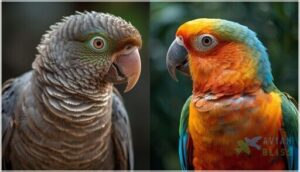
When your bird’s feathers look dull, frayed, or won’t grow back after molting, it’s often one of the first visible warnings that their diet lacks sufficient protein. This condition can be related to poor nutrition issues, which affect the overall health of the bird. Amino acid deficiency directly compromises feather health and development, causing brittle shafts, stress bars, and irregular molting patterns that don’t follow seasonal expectations.
| Clinical Sign | Protein-Deficient Birds | Healthy Birds |
|---|---|---|
| Feather condition | Dull, frayed, broken barbs | Smooth, vibrant, intact |
| Molting patterns | Prolonged, incomplete cycles | Predictable, seasonal replacement |
| Beak health | Soft, flaky keratin layers | Firm, well-formed structure |
You’ll notice skin problems developing alongside poor plumage care, as protein imbalance affects all keratinized tissues, including the beak and skin beneath the feathers.
Stunted Growth in Young Birds

Young birds struggling with amino acid deficiency show measurably reduced body weight gain and skeletal development issues within the first five weeks of life, marking one of the most critical developmental issues in avian medicine.
You’ll observe growth rates declining sharply when dietary protein falls below species-specific requirements, directly affecting nutrient absorption and overall health outcomes.
Protein imbalance during these early weeks compromises feather development, immune function, and future resilience, making proper feeding strategies essential for preventing nutritional deficiencies and supporting normal bird nutrition.
Weakness and Muscle Wasting
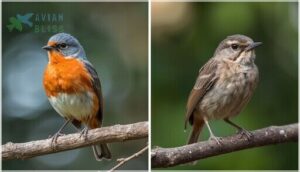
As dietary protein drops below critical thresholds, muscle atrophy becomes visible in your bird’s pectoral muscle mass, reducing flight strength and overall mobility. Protein imbalance compromises muscle fiber development, particularly in growing birds, creating measurable reductions compared with healthy controls.
Amino acid deficiency weakens locomotor performance, requiring protein supplements and controlled avian rehabilitation to restore function, though recovery depends on addressing underlying nutrient deficits through improved bird nutrition.
Advanced Symptoms and Clinical Indicators
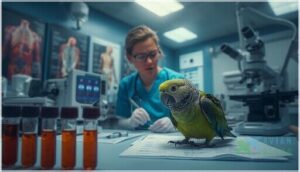
When protein deficiency progresses beyond the early warning signs, your bird’s body begins to show more severe clinical manifestations that veterinarians can measure and document.
These late-stage symptoms often involve blood chemistry changes, systemic weakness, and compromised immune function that require laboratory testing to confirm.
Understanding these clinical indicators helps you recognize when your bird needs immediate veterinary intervention rather than simple dietary adjustment.
Anemia and Blood Abnormalities
Protein imbalance triggers serious blood disorders in your bird, signaling severe nutritional deficiencies. You’ll recognize these critical hematology changes through:
- Decreased packed cell volume, indicating anemia symptoms from amino acid deficiency
- Reduced hemoglobin concentration visible in blood testing results
- Pale mucous membranes you can observe during routine checks
- Impaired albumin production affecting blood chemistry
- Microcytosis or hypochromasia on blood smears, suggesting iron deficiency complications
Lethargy and Behavioral Changes
Beyond the blood abnormalities, you’ll notice distinct behavioral signals that reveal your bird’s declining condition. Lethargy causes reduced hopping frequency, slower stimulus responses, and extended rest periods—early indicators of amino acid deficiency affecting avian health issues. Social withdrawal often accompanies these activity level changes, while appetite alterations may occur despite proper housing.
| Behavioral Signal | Normal Bird | Protein-Deficient Bird |
|---|---|---|
| Activity Levels | Frequent hopping, active exploration | Reduced movement, slower responses |
| Social Interaction | Engages with flock, vocalizes regularly | Withdraws, increased isolation |
| Rest Patterns | Normal sleep-wake cycles | Extended resting, sleep disruption |
| Feeding Motivation | Keen appetite, consistent intake | Decreased interest, altered consumption |
| Feather Condition | Preening regularly, alert posture | Neglected grooming, listless appearance |
These nutritional deficiencies from protein imbalance precede overt physical deterioration, making sustained observation your most valuable diagnostic tool.
Delayed Healing and Immune Problems
When your bird suffers a minor injury, watch for prolonged recovery times—wounds that don’t close properly signal immune suppression from nutrient deficits.
Protein imbalance weakens disease resistance, increasing infection risk after injuries or respiratory challenges.
Amino acid deficiency reduces antibody production and impairs lymphoid tissue function, compromising your bird’s immune system and disease defense mechanisms, making even routine recovery strategies ineffective without addressing underlying nutritional deficiencies affecting avian health issues.
Diagnostic Methods for Protein Deficiency
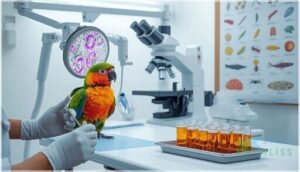
If you suspect your bird isn’t getting enough protein, your veterinarian can confirm the deficiency through several diagnostic approaches. A thorough examination combines physical assessment, laboratory analysis, and a detailed review of what your bird actually eats.
These methods work together to paint a complete picture of your bird’s nutritional status and guide appropriate treatment.
Physical Examination Findings
During your bird’s physical examination, you’ll observe several telltale signs of protein imbalance and amino acid deficiency. Watch for poor feather condition, muscle atrophy around the keel, and pale mucous membranes indicating anemia.
Your veterinarian will check for beak deformity, skin lesions, and eye problems while evaluating delayed molt patterns.
These nutritional deficiencies directly impact bird nutrition and health, affecting feather and beak health throughout development.
Laboratory Blood Tests and Reference Values
Your veterinarian will confirm what physical signs suggest by running blood panels that measure specific protein markers and related nutritional indicators. This process involves analyzing various parameters, including those related to avian biochemistry to determine the bird’s overall health.
Blood analysis reveals protein imbalance through serum protein measurements, hemoglobin concentrations, and hematocrit values compared against established reference intervals for your bird’s species.
- Total serum protein levels below reference ranges indicate amino acid deficiency and protein undernutrition
- Decreased erythrocyte counts and hemoglobin suggest anemia associated with inadequate essential amino acids
- Lowered hematocrit values reflect compromised oxygen-carrying capacity from chronic protein deficiency
- Diagnostic markers include albumin-to-globulin ratios that detect protein metabolism abnormalities
- Avian hematology panels enable amino acid deficiency prevention through early detection and intervention
Dietary History and Assessment
A detailed food diary documenting what your bird has eaten over the past one to two weeks provides essential data for protein imbalance diagnosis. Your veterinarian will review feeding schedules, portion sizes, product labels, and any supplements to identify amino acid deficiency risks.
This diet analysis correlates nutritional deficiencies in birds with observed symptoms, enabling targeted dietary requirements adjustments and nutrient tracking.
Preventing Protein Deficiency in Birds
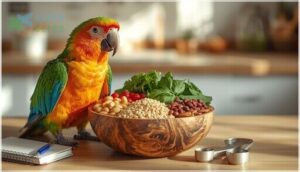
Preventing protein deficiency starts with understanding what your bird needs and providing the right foods consistently. You’ll want to focus on creating a balanced diet, selecting safe protein sources, and staying alert to changes in your bird’s condition or behavior.
These three strategies form the foundation of long-term nutritional health and help you avoid the complications we’ve discussed throughout this article.
Balanced Diet Recommendations
Preventing protein imbalance starts with meeting your bird’s dietary requirements through careful meal planning and food quality control. A balanced diet must provide adequate amino acids while addressing nutritional deficiencies common in captive avians.
Here’s what you need to implement:
- Formulate diets with 12–20% crude protein for maintenance, increasing to 22–28% during growth phases
- Guarantee nutrient ratios include complementary plant proteins paired with grains for complete amino acid profiles
- Incorporate dietary variety using high-quality pellets, fresh vegetables, and limited seeds
- Shift protein levels gradually over 1–2 weeks to prevent digestive upset
- Review supplement options with your veterinarian for species-specific needs
Safe Protein-Rich Foods and Supplements
Selecting appropriate protein sources for your avian companion requires understanding which foods deliver essential amino acids without introducing toxicity risks or nutrient imbalances. Safe dietary protein can be found in cooked eggs, legumes, and specific seed alternatives that complement high-quality pellets with nutrient fortification.
Protein supplements containing essential amino acids can correct protein imbalance when veterinarian-approved, though whole food sources typically offer better bioavailability and minimize metabolic complications associated with synthetic formulations.
Monitoring and Adjusting Bird Diets
Regular monitoring of body weight and dietary intake forms the cornerstone of preventing protein imbalance and maintaining ideal bird nutrition. Tracking essential amino acids through dietary planning helps you meet species-specific dietary requirements for birds:
- Weigh your bird weekly on a gram scale to detect 5 to 10 percent weight loss
- Score body condition by palpating pectoral muscles along the keel bone
- Record daily food consumption by weighing offered and remaining portions
- Document feeding patterns and behavior changes in a logbook
- Schedule veterinary nutrition counseling for health monitoring and feeding strategies adjustments
Gradual diet transitions prevent renal stress while supporting weight management goals.
Managing and Correcting Protein Deficiency
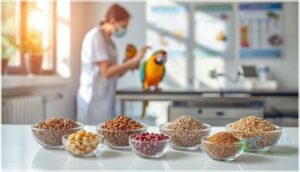
Once you’ve identified protein deficiency in your bird, prompt veterinary intervention is essential to prevent further complications and restore ideal health. Treatment usually involves both immediate supportive care to address acute symptoms and long-term dietary modifications to correct the underlying nutritional imbalance.
The following sections outline the key approaches your veterinarian will use to manage protein deficiency and establish a sustainable recovery plan.
Veterinary Care and Supportive Treatments
When protein imbalance threatens your bird’s survival, emergency care at an avian vet becomes critical. Bird hospitalization often includes warmed oxygen support, fluid therapy at 50 to 100 milliliters per kilogram daily, and controlled temperatures between 29 to 32 degrees Celsius.
Avian therapy corrects amino acid deficiency through assisted feeding with recovery formulas, while nutrient supplements like vitamin B complex support rehabilitation techniques that restore your pet bird’s nutrition.
Long-Term Nutrition Strategies for Recovery
Your bird’s recovery hinges on a gradual dietary shift from seeds to formulated pellets over weeks to months, targeting 60 to 70 percent complete diets to restore nutrient balance.
Recovery diets provide 12 to 18 percent crude protein with balanced amino acids, while protein supplements correct nutritional deficiencies.
Nutrition planning includes regular weight checks and body condition scoring to verify sustained improvement in avian nutrition.
Frequently Asked Questions (FAQs)
How quickly can protein deficiency develop in birds?
Within days to weeks, inadequate dietary crude protein disrupts amino acids critical for avian health, triggering poor bird development and protein metabolism issues.
These issues accelerate nutrient absorption problems and dietary imbalance consequences.
Are certain bird breeds more prone to deficiency?
Yes, certain species face greater vulnerability to protein deficiency. Cockatiels, macaws, and rapidly growing juveniles show heightened sensitivity to amino acid imbalances, while athletic birds and those with specialized dietary needs require closer nutritional monitoring.
Can overfeeding protein cause health issues in birds?
Like a tightrope walker balancing extremes, you’ll need to watch protein balance carefully—excess strains your bird’s kidneys and liver, elevates uric acid, disrupts nutrient interactions, and can mask true amino acid deficiency.
Does stress increase a birds protein requirements significantly?
Chronic stress elevates catabolic hormones like corticosterone, modestly increasing amino acid turnover and protein metabolism in your bird.
During growth or reproduction, stress response can exacerbate protein requirements, making dietary adaptation and amino acid deficiency prevention essential for bird wellness.
Conclusion
Your bird’s feathers can shift from vibrant to brittle in weeks, yet identifying protein deficiency in birds early prevents months of recovery. Watch for subtle changes—dull plumage, prominent keel bones, delayed molts—before immune compromise sets in.
A balanced diet customized to your species’ life stage, combined with regular physical assessments and bloodwork when symptoms emerge, safeguards tissue integrity and metabolic function. Protein deficiency remains preventable when you recognize the warning signs hiding beneath those wings.
- https://researcherslinks.com/current-issues/Physiological-and-Histological-Consequences/33/1/10371/html
- https://www.msdvetmanual.com/multimedia/table/serum-biochemical-analysis-reference-ranges
- https://arkansasresearch.uark.edu/study-finds-high-protein-diet-improves-birds-ability-to-tolerate-infection/
- https://pubmed.ncbi.nlm.nih.gov/14708987/
- https://www.vet.cornell.edu/animal-health-diagnostic-center/laboratories/clinical-pathology/reference-intervals/immunology