This site is supported by our readers. We may earn a commission, at no cost to you, if you purchase through links.
 You’ll notice macaw wasting disease signs when your bird starts refusing favorite foods, loses weight despite eating, and regurgitates undigested seeds. Early symptoms include subtle appetite changes, increased lethargy, and occasional vomiting episodes.
The neurological damage gets worse over time, bringing head tremors, seizures, and balance issues.
PDD (Proventricular Dilatation Disease) damages the nerves that control digestion, so your bird can’t break down food like it should.
Weight loss becomes the telltale red flag that something’s seriously wrong. Understanding these critical warning signs can mean the difference between early intervention and watching your feathered friend fade away.
Table Of Contents
Key Takeaways
- You’ll spot early PDD signs through subtle appetite changes, increased lethargy, and regurgitation episodes that many owners initially dismiss as normal behavior. Watch for the telltale progression of chronic weight loss despite normal eating, undigested seeds in droppings, and neurological symptoms like head tremors or seizures. There’s no cure for PDD, but you can manage your macaw’s symptoms through supportive care, anti-inflammatory medications, and assisted feeding under veterinary guidance. * You can’t prevent transmission once infected, but strict quarantine protocols for new birds, regular environmental cleaning, and purchasing from reputable breeders who test for Avian Bornavirus significantly reduce your flock’s risk.
What is Macaw Wasting Disease?
If your macaw starts losing weight unexpectedly, it might be dealing with Proventricular Dilatation Disease (PDD) – what vets used to call Macaw Wasting Disease.
This tricky condition messes with both your bird’s gut and nervous system, making it hard for them to digest food properly.
This disease, first identified in the 1970s, impacts over 50 parrot species including macaws, African Greys, and conures, causing symptoms like weight loss and regurgitation.
Brief History and Origin
Macaw wasting disease first surfaced in the late 1970s when veterinarians noticed a mysterious wasting syndrome in young macaws imported from Bolivia’s Santa Cruz region. This bird disease earned its name because affected macaws literally wasted away despite normal appetites.
PDD discovery marked a turning point in veterinary history and avian research. Early diagnosis remained challenging for decades until researchers linked proventricular dilatation disease to avian bornavirus in 2008.
- Initial reports emerged simultaneously in the U.S. and Europe during the late 1970s
- Dr. Hannis L. Stoddard first officially recognized and described the condition in 1978
- The term "Proventricular Dilatation Disease" was coined in a 1983 report
- ABV was successfully cultured from affected birds’ brains, providing scientific proof.
Researchers are studying virus transmission methods to better understand the disease.
Bird Species Commonly Affected
While macaws originally gave this disease its name, over 50 parrot species face vulnerability to macaw wasting syndrome. This widespread avian disease doesn’t discriminate based on size or geographic origin among susceptible parrot species.
Your African grey parrots, Amazon parrots, cockatoos, and conures share similar species vulnerability patterns. Senegal parrots also develop this condition, making flock management critical for bird health.
How PDD Got Its Name
The term "macaw wasting disease" emerged from veterinary discoveries in the 1970s when researchers first documented this mysterious condition in macaws. Originally called "macaw wasting disease" due to the characteristic chronic weight loss, the condition was later renamed proventricular dilatation disease (PDD) as avian research revealed it affects over 50 parrot species, not just macaws.
How Avian Bornavirus Causes PDD
Avian bornavirus (ABV) attacks your macaw’s nervous system, going straight for the nerves that control digestion.
This virus targets your bird’s nervous system, specifically damaging the nerves that control digestion, which leads to the characteristic symptoms you’ll observe in affected birds.
Role of Avian Bornavirus (ABV)
Proventricular dilatation disease starts with Avian Bornavirus—a neurotropic virus that zeros in on your macaw’s nervous system.
This single-strand RNA virus goes after the terminal ganglia of the vagus nerve, which sets off chronic inflammation all through the digestive tract.
The result? Poor nutrient absorption and progressive wasting that defines this devastating avian disease. Understanding the virus transmission methods is vital for preventing the spread of Avian Bornavirus.
Transmission Methods
Knowing how macaw wasting disease spreads is key to keeping your birds safe. The main culprit is fecal-oral contamination—birds pick up the virus when they eat or drink something that’s been contaminated.
But that’s not the only way it spreads. In enclosed spaces, infected birds can release the virus through respiratory droplets that hang in the air. Direct contact between sick and healthy birds also allows the virus to jump from one to another, which is why you need solid quarantine protocols and tight biosecurity to keep contaminated areas away from your flock.
Risk Factors for Infection
Your bird’s risk increases markedly with crowded housing conditions and high stress levels. Fecal transmission thrives in dense aviaries where birds share airspace and contaminated surfaces.
Direct contact with infected birds spreads avian bornavirus rapidly, while environmental risk factors like poor biosecurity measures heighten viral load exposure.
Bird stressors during breeding season make macaws more vulnerable to proventricular dilatation disease through compromised immunity and increased fecal-oral contamination opportunities.
Early Signs of Macaw Wasting Disease
The first signs of macaw wasting disease show up long before any visible physical symptoms appear, which is why catching it early makes such a difference in how you can manage it.
The initial symptoms include subtle appetite changes, behavioral shifts like increased lethargy or irritability, and occasional regurgitation episodes that many owners mistakenly attribute to normal bird behavior.
Appetite Changes
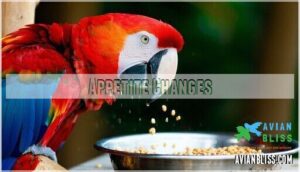
One telltale sign you’ll notice first is your macaw’s changing food intake patterns. Birds with PDD often show decreased appetite despite their nutritional needs remaining high. You might see your bird picking at food without actually eating, leading to gradual weight loss.
These eating habits changes signal underlying digestive issues that affect how your macaw processes nutrients, making feeding strategies vital for early intervention.
Behavioral and Mood Shifts

Beyond appetite loss, you’ll notice your macaw’s personality changing in ways that signal proventricular dilatation disease. Social withdrawal becomes apparent as your once-interactive bird avoids contact and loses interest in activities.
Depression signs emerge through lethargy and reduced vocalizations, while anxiety issues manifest as restlessness or feather plucking.
These mood changes often precede neurological symptoms like ataxia.
Regurgitation and Vomiting

When your macaw regurgitates, it’s like their digestive system sending an early warning signal. Regurgitation comes from the crop and oozes out, while vomiting triggers a more forceful expulsion from the proventriculus.
These feeding problems signal avian gastric diseases, particularly proventricular dilatation disease (PDD). Regurgitation of a mucous-like fluid is one of the classic signs of stomach disorders you can’t ignore.
Advanced Symptoms to Watch For
When the disease gets worse, you’ll see more serious symptoms that need a vet right away.
These late-stage signs include chronic weight loss despite normal eating, undigested seeds in droppings, and neurological symptoms like head tremors or seizures.
Chronic Weight Loss

Despite your macaw’s ravenous appetite, they’re dropping weight like a stone. Chronic weight loss often follows an initial increase in appetite in Proventricular Dilatation Disease, making Weight Management vital.
This paradox signals serious Digestive Issues where gastrointestinal disorders prevent proper nutrition absorption. Effective Nutrition Therapy and specialized Feeding Strategies become essential to combat Malnutrition Risks associated with this devastating avian disease.
Passing Undigested Seeds
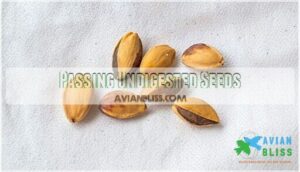
While weight loss progresses, you’ll notice another alarming sign in your macaw’s droppings. Undigested seeds appearing whole in feces indicate severe digestive issues within the gastrointestinal tract.
This seed passage symptom occurs when the proventriculus can’t properly break down food, compromising nutrient absorption and gut health.
Fecal analysis revealing whole seeds signals late-stage macaw wasting syndrome requiring immediate veterinary attention.
Neurological Symptoms (Tremors, Seizures, Ataxia)
When nerve damage spreads beyond your bird’s stomach, neurological signs appear. Head tremors, ataxia, seizures, and paralysis signal severe neurologic disease.
Your macaw might lose balance, struggle to perch, or show weakness that progresses rapidly.
These neuropathic gastric dilatation symptoms indicate serious nerve damage requiring immediate seizure management and ataxia treatment protocols.
Diagnosing PDD in Macaws

Think your macaw might have PDD? Getting the right veterinary tests is crucial because PDD symptoms often look like other bird diseases.
Your vet will use clinical exams, blood tests, specialized imaging like barium studies, and PCR tests to confirm the diagnosis accurately.
Clinical Examination
Once you’ve spotted severe symptoms of PDD, your veterinarian will start with a thorough Physical Assessment, documenting your bird’s Medical History and current Clinical Signs.
This complete Veterinary Evaluation includes examining neurological signs and using systematic Diagnostic Methods to confirm Proventricular Dilatation Disease symptoms.
Diagnostic Imaging (Radiographs, Barium Studies)
Your vet will rely on X-rays and barium studies as primary diagnostic imaging techniques for PDD. Radiographic findings reveal proventricular enlargement in most affected macaws, though this isn’t definitive alone.
Barium studies track digestive transit times—healthy birds process barium within 90 minutes to three hours, while PDD-affected birds show delayed movement through their gastrointestinal tract.
Biopsy Considerations
Diagnosis through tissue biopsy poses unique challenges when confirming PDD cases. While histopathology remains the diagnostic benchmark, biopsy results can be misleading due to patchy nerve damage.
- Tissue Sampling requires specialized techniques for crop, proventriculus, or intestinal walls
- Histopathology reveals lymphocytic ganglioneuritis, but lesions distribute unevenly throughout tissues
- Laboratory Testing combines biopsy with PCR testing to detect Avian Bornavirus
- Sampling Methods include endoscopic biopsy or full necropsy for thorough evaluation
Can Macaw Wasting Disease Be Treated?

PDD has no cure, but vets can ease your bird’s symptoms with supportive care and targeted medications.
Treatment centers on keeping your macaw comfortable through anti-inflammatory drugs, assisted feeding, and careful monitoring to help slow how quickly the disease progresses.
Treatment focuses on maintaining your macaw’s quality of life, using anti-inflammatory drugs, assisted feeding, and close monitoring to slow the disease’s progression.
Supportive and Symptomatic Care
When your macaw receives a PDD diagnosis, veterinary guidance becomes your anchor in managing this challenging condition. Supportive care focuses on palliative care strategies that address symptoms of PDD directly. You’ll work with your vet to develop symptom management plans targeting regurgitation, weight loss, and undigested food passage. Quality life improvements through dietary adjustments help maintain your bird’s comfort and dignity throughout treatment.
| Care Type | Focus Areas |
|---|---|
| Physical Assistance | Managing regurgitation, preventing dehydration |
| Nutritional Care | Addressing weight loss, improving food digestion |
| Comfort Measures | Pain management, environmental modifications |
Medications and Assisted Feeding
When your macaw needs medical assistance, your veterinarian will prescribe medications to manage symptoms and offer feeding techniques for nutritional assistance.
Treatment options commonly include:
- NSAIDs like meloxicam to reduce inflammation and pain
- Appetite stimulants such as mirtazapine to encourage eating
- Prokinetic drugs including cisapride or metoclopramide for regurgitation management
Assistance often requires assisted feeding with liquid diets when birds can’t maintain proper nutrition independently.
Long-Term Outlook for Affected Birds
Your bird’s future with PDD remains challenging despite medical advances. Currently, no effective cure exists, making supportive care and symptom management your primary treatment options. Quality of life becomes the central focus as you navigate dietary adjustments and environmental enrichment. Ongoing research offers hope, but prognosis varies greatly between birds.
| Factor | Reality Check | Your Response |
|---|---|---|
| Survival | Months to 2 years max | Cherish every moment |
| Daily care | Constant monitoring needed | Create loving routine |
| Treatment options | Supportive care only | Focus on comfort |
When weight loss accelerates despite your best efforts, discussing euthanasia with your vet becomes a compassionate consideration.
Preventing and Managing PDD in Macaws
The best defense against PDD starts with being picky about where you get your birds. Find breeders who actually test for Avian Bornavirus instead of just saying they do.
When you bring any new bird home, keep them completely separate from your current flock for at least 30 days. And don’t slack on cleaning—use proper disinfectants regularly, not just when you remember.
If your bird already has PDD, you’ll need to isolate them from healthy birds, monitor their weight and appetite daily, and work closely with an avian veterinarian to manage symptoms and prevent secondary infections.
Quarantine and Biosecurity Measures
Protecting your flock starts with a strict quarantine duration—30 days minimum for new psittacine birds. Testing frequency should include PCR and serological screening before integration.
Breeder sourcing matters; choose facilities with proven biosecurity records. Disinfection protocols must target ABV specifically, using heat-based methods.
Hygiene standards require separate equipment for quarantined birds. Preventative measures work when consistently applied across your entire flock management system.
Environmental Hygiene and Flock Management
Beyond quarantine protocols, your flock management and disinfection strategies determine disease prevention success. Regular biosecurity audits help identify weak points in your preventative measures, while proper flock density reduces stress and limits fecal-oral contact opportunities.
- Clean cages daily – Remove droppings immediately to prevent viral buildup
- Disinfect food/water stations – Use ABV-effective cleaners between birds
- Maintain suitable flock density – Overcrowding increases transmission risks
- Implement stress reduction – Calm birds have stronger immune systems
- Schedule monthly biosecurity audits – Review protocols with your veterinarian
When to Seek Emergency Veterinary Care
If your macaw won’t stop regurgitating severely, has sudden seizures or loses coordination, or collapses with breathing trouble, get to an emergency vet right away.
Don’t wait if your macaw shows neurologic signs like uncontrolled tremors or difficulty breathing. Emergency veterinary care for birds can mean the difference between life and death when PDD symptoms escalate rapidly.
Frequently Asked Questions (FAQs)
How long do infected macaws typically survive?
Survival time varies widely, but many infected macaws can live several years with proper veterinary care and supportive treatment, though the disease ultimately carries a poor prognosis.
Can PDD spread to humans or other pets?
You can’t catch PDD from your bird, and it won’t spread to dogs, cats, or other non-bird pets. This virus only affects birds, so your other animals stay safe.
Whats the cost of PDD testing and treatment?
PDD testing costs usually range from $50-200 for PCR blood tests, plus veterinary consultation fees.
Treatment involves supportive care like assisted feeding and anti-inflammatory medications, with ongoing costs varying by symptom severity.
Are there any natural remedies for PDD?
There’s no natural cure for PDD, plain and simple. Supportive care can help birds feel more comfortable, but no herbs or supplements have been proven to treat avian bornavirus effectively. Your best bet is still working with a qualified avian vet.
Can recovered birds still transmit the virus?
Yes, recovered birds can still carry and transmit the virus. Even birds that appear clinically healthy may intermittently shed avian bornavirus in their feces, saliva, and nasal secretions throughout their lives.
Conclusion
Like a lighthouse warning ships of treacherous waters ahead, recognizing macaw wasting disease signs acts as your bird’s beacon of hope. You’ve learned the critical symptoms—from appetite changes to neurological distress—that signal PDD’s presence.
Recognizing macaw wasting disease signs early acts as your bird’s beacon of hope against this devastating condition
Early detection remains your strongest ally in this battle. While there’s no cure, you can provide supportive care and maintain your macaw’s quality of life.
Watch vigilantly, act quickly when symptoms appear, and partner with an avian veterinarian for the best outcomes possible.
- https://www.morrisanimalfoundation.org/article/macaw-wasting-disease-can-be-diagnosed-earlier-combined-testing-approach
- https://www.petmd.com/bird/conditions/digestive/c_bd_Proventricular_Dilatation_Disease
- https://en.wikipedia.org/wiki/Proventricular_dilatation_disease
- https://pmc.ncbi.nlm.nih.gov/articles/PMC2903261/
- https://www.mspca.org/angell_services/avian-bornavirus-in-clinical-practice/