This site is supported by our readers. We may earn a commission, at no cost to you, if you purchase through links.
 Your bird’s beak isn’t just a tool for cracking seeds—it’s a living structure that reveals the quality of their diet with striking precision. A vibrant, smooth beak signals that your bird is getting the nutrients they need, while subtle changes in texture or color often appear long before other health issues become obvious.
The difference between a strong, properly shaped beak and one that’s brittle or overgrown usually comes down to a handful of key vitamins and minerals that many bird owners unknowingly overlook. Understanding nutrition for healthy beaks means recognizing that what goes into your bird’s food dish directly shapes the strength and integrity of this essential structure, affecting everything from their ability to groom themselves to how comfortably they can eat.
Table Of Contents
Key Takeaways
- A bird’s beak condition directly reflects dietary quality, with vibrant texture and proper shape signaling adequate vitamin A, D3, E, calcium, phosphorus, and zinc intake, while brittleness or overgrowth indicates nutritional gaps.
- Pelleted diets provide balanced nutrition that prevents deficiencies, but must be supplemented with hard foods like unshelled nuts and crunchy vegetables to encourage natural beak wear and prevent overgrowth.
- Environmental enrichment through textured perches, safe chew toys, and foraging activities maintains beak strength through natural abrasion while supporting both physical and cognitive health.
- Monthly beak inspections catch early signs of problems like cracks, overgrowth, or shape changes before they become serious, though any significant abnormality requires professional avian veterinary assessment rather than home treatment.
The Importance of Beak Health
A bird’s beak is more than just a tool—it’s a window into its health and daily life. When nutrition and care fall short, beak problems often follow.
Here’s what you need to know about why beak health matters.
Functions of a Healthy Beak
A bird’s beak is more than just a tool—think of it as a Swiss Army knife for daily life. You rely on beak anatomy for foraging techniques, beak hygiene, social interactions, and nesting behaviors. With good beak health, supported by a balanced, nutritious diet and regular beak exercise, your bird can:
- Crack seeds efficiently
- Groom feathers
- Build nests
- Communicate
- Defend itself.
Understanding the role of beak shape functions is key for maintaining overall beak health.
How Beak Health Reflects Overall Well-being
Just as a mirror reflects your bird’s health, a smooth, vibrant beak signals a balanced diet and strong immune competence. Changes in beak texture, color, or shape often point to nutritional deficiencies or systemic diseases.
Early diagnosis starts with observation—behavioral markers like reduced grooming or abnormal chewing can reveal issues before other signs of poor overall bird health appear. Providing chew toys is essential, as they help maintain proper beak trimming.
Consequences of Poor Beak Nutrition
When you notice changes in grooming or chewing, poor nutrition may be at play. An imbalanced diet often leads to beak abnormalities, feeding impairment, and higher mortality rates. Nutritional deficiencies—especially low vitamin A or lack of a calcium-rich diet—raise disease susceptibility and drive population decline. Economic impact is real, too, with increased costs and decreased flock productivity.
- Increased risk of infections
- Difficulty eating and drinking
- Higher management costs
- Long-term population loss
Essential Nutrients for Beak Strength
Strong beaks start with the right nutrients in your bird’s daily meals. Certain vitamins and minerals play a key role in keeping beaks healthy and resilient.
Here’s what you’ll want to look for in your bird’s diet.
Vitamins Vital for Beak Integrity (A, D3, E)
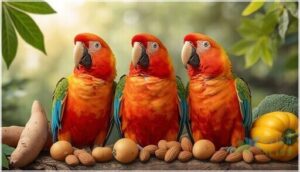
Think of Vitamin A, Vitamin D3, and Vitamin E as the cornerstones of avian beak health. Without them, nutritional deficiencies in parrots can lead to brittle, pale, or overgrown beaks.
Supplement strategies—like spirulina for vitamin A or specific vitamin D3 doses—help prevent common deficiency syndromes. A balanced diet is your best defense against these subtle, but serious, problems.
Minerals for Beak Growth (Calcium, Phosphorus, Zinc)
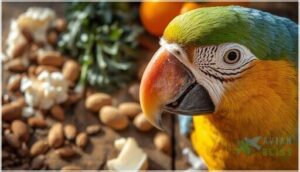
Minerals shape the backbone of beak composition and strength. Calcium-rich foods and mineral supplements support growth, but without balanced phosphorus ratios, you risk soft or malformed beaks. Zinc supplementation improves mineral absorption and keratin formation. For African Greys and growing chicks, pay close attention—calcium deficiency and low zinc can quickly undermine healthy beak development.
- Calcium Deficiency impacts beak strength
- Phosphorus Ratios affect mineral absorption
- Zinc Supplementation boosts keratin formation
- Proper mineral supplements support beak composition
Risks of Nutritional Deficiencies
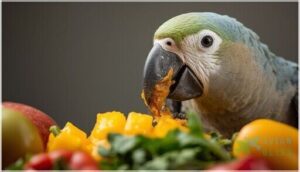
When nutritional deficiencies in parrots go unchecked, you’ll see beak deformities, poor keratin formation, and even systemic disease. Vitamin deficiencies, especially A and D3, can trigger soft, malformed beaks and raise mortality rates.
Without a balanced diet or calcium-rich foods, feeding becomes a daily struggle. That’s why the role of diet in beak health can’t be overstated.
Dietary Strategies for Healthy Beaks
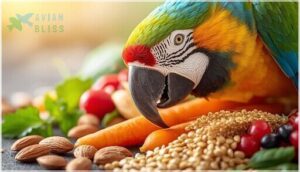
Feeding your bird well is key to keeping its beak strong and healthy. There are a few simple ways you can support beak care through daily diet choices.
Let’s look at what works best for your bird’s beak.
Fresh Foods and Their Benefits
Did you know fresh fruits and vegetables do more than add color to your bird’s bowl? Crunchy food texture encourages natural beak wear and foraging behavior. These calcium-rich foods and fruits packed with vitamin C boost immune support and digestive support. For safe handling, always wash produce and serve in bite-sized pieces. Here’s what to prioritize:
- Crunchy textures for beak exercise
- Hydrating, nutrient-rich produce
- Immune-boosting vitamins
- Safe, clean handling
Role of Pellets in a Balanced Diet
Imagine your bird’s diet as the foundation of a sturdy house—pelleted food is the cornerstone. Pellet Nutrient Composition ensures a balanced diet, delivering every essential vitamin and mineral in each bite.
Pellet Health Outcomes show fewer beak problems and steadier growth. Feed Efficiency rises, and consistent Pellet Consumption makes preventing problems much easier.
That’s the real Importance of a balanced diet.
Hard Foods and Natural Beak Wear
Ever wondered why wild birds rarely need beak trims? Hard food types—like unshelled nuts and coarse grains—drive natural beak wear mechanisms, shaping and strengthening beaks. For your bird, these foods support overgrowth prevention and better behavioral outcomes. Add variety to their balanced diet for:
Hard foods like unshelled nuts naturally wear down beaks, preventing overgrowth just as they do for wild birds
- Stronger beak shape
- Less trimming
- Healthier keratin
- More foraging
- Reduced stress
Safe Chewable Items and Cuttlebones
Cuttlebones are essential for birds, providing more than just calcium. They help file beaks and support overall strength.
Safe chewable items, such as untreated wood and vegetable-tanned leather, are crucial for healthy gnawing. Avoid unsafe chewables; painted or treated materials can cause beak deformities.
Veterinary recommendations emphasize natural, toxin-free chew toys and calcium-rich foods. Regular access to these items prevents issues and keeps your bird thriving.
Environmental Enrichment and Beak Maintenance

Creating the right environment is just as important as nutrition for beak health. Your bird’s enclosure should offer chances for natural wear, exercise, and stimulation.
Here are some practical options to help support healthy beak maintenance.
Textured Perches and Natural Wood Options
Perch material matters more than you might think for natural beak maintenance. Choosing textured perches, especially wooden perches made from hard woods, encourages healthy beak wear and reduces the risk of overgrowth. For best results, focus on:
- Natural wood perches for effective abrasion
- Varied Wood Hardness for durability
- Regular Perch Hygiene checks
- Smart Perch Selection to support behavioral outcomes
Chew Toys for Beak Exercise
Just as textured perches encourage abrasion, chew toys play a key role in beak exercise and overgrowth prevention. Safe chewable toys made from untreated wood or plant fibers reduce abnormal behaviors and keep oral muscles active.
Aim for daily usage frequency and regular chew toy rotation—this keeps birds engaged, supports Toy Material Safety, and improves overall beak health.
Foraging Activities to Promote Beak Health
Building on the value of chew toys, foraging activities offer even greater benefits for beak exercise and natural abrasion. When you provide puzzle feeders, hidden treats, or whole nuts, your bird engages in problem-solving and active chewing.
This varied implementation aids cognitive enrichment and environmental enrichment for birds, while naturally maintaining beak strength—an important complement to providing a balanced diet and safe chewable items.
Impact of Environmental Conditions
While foraging keeps your bird’s mind and beak active, environmental factors play a quieter but powerful role. Light exposure boosts vitamin D3, supporting beak strength.
Humidity levels and air quality affect keratin growth—too dry, and you risk dehydration; too damp, and beak shape may suffer.
Urban noise and crowded housing systems can also impact beak health in ways you mightn’t expect.
Preventing and Addressing Beak Problems
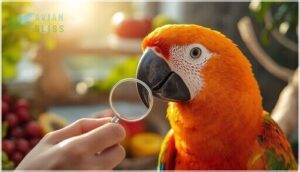
Caring for your bird’s beak means staying alert to early warning signs and knowing what steps to take. A few simple habits can help you prevent most common problems before they start.
Here’s what you should watch for and how to keep your bird’s beak in top shape.
Routine Beak Inspections and Early Signs
Did you know monthly routine beak inspections catch subtle signs of illness before trouble starts? A quick visual assessment can spot overgrowth, cracks, or food buildup—early intervention here means better outcomes.
Use these diagnostic tools in your regular inspections:
- Clinical examination
- High-resolution photography
- Sensitivity testing
Spotting beak abnormalities early lowers permanent deformity risk dramatically.
Preventing Overgrowth and Abnormalities
Through a blend of dietary balance and smart enrichment, you can prevent beak overgrowth and abnormalities. Think of a calcium-rich diet and fresh foods as your bird’s natural toolkit. Early detection and professional grooming matter, but don’t overlook environmental factors or genetic predisposition. Here’s a quick guide:
| Dietary Balance | Environmental Factors | Early Detection |
|---|---|---|
| Calcium-rich diet | Textured perches | Monthly inspections |
| Nutritious diet | Chew toys | Watch eating habits |
| Preventing overgrowth | Foraging activities | Spot shape changes |
| Avoid vitamin deficiency | Sunlight access | Note behavioral shifts |
| Address deficiencies | Cage setup | Seek professional help |
When to Seek Avian Veterinary Care
How do you know it’s time for an avian veterinarian? When beak problems go beyond routine care, professional help is essential. Watch for signs like cracks, severe overgrowth, or eating changes—these can point to an underlying health issue. Diagnostic tests and expert assessment protect avian health. Don’t wait if you notice:
- Beak injury signs
- Overgrowth severity
- Eating changes
- Behavioral changes
Safe Beak Trimming Practices
Did you know improper beak trimming can cause lasting pain or infection? Always trust qualified personnel—never attempt beak trimming procedures at home.
Use specialized trimming tools, secure gentle restraint, and apply styptic powder for infection control. Regulatory trends now favor infrared methods for safety.
For budgie beak trimming techniques, a professional groomer follows strict dos and don’ts to safeguard your bird’s health.
Frequently Asked Questions (FAQs)
How does water quality affect beak health?
Clean fresh water isn’t just for hydration—it safeguards beak health. Water contaminants like heavy metals, fluoride toxicity, and bacterial infections trigger mineral imbalances and beak deformities, undermining your bird’s nutritious diet and overall well-being.
Can stress or anxiety impact beak condition?
Yes, stress and anxiety directly impact beak condition. Elevated stress hormones impair keratin synthesis, causing deformities, overgrowth, and brittleness.
Environmental stressors, poor nutrition absorption, and behavioral signs like excessive grinding worsen beak health problems markedly.
What role does sleep play in beak maintenance?
Sleep is absolutely critical—it’s when your bird’s body orchestrates cellular repair and hormonal balance. Sleep deprivation disrupts calcium metabolism and melatonin effects, weakening beak regeneration.
Healthy sleep patterns guarantee proper beak maintenance through enhanced keratin production and immune function.
Are certain bird species more prone to beak issues?
Genetic factors and dietary influences make parrot species particularly vulnerable to beak deformities. Poor calcium ratios, vitamin deficiencies, and environmental risks compound species vulnerability, with prevalence reaching over 6% in affected populations experiencing nutritional challenges.
How often should I rotate my birds toys?
Rotate your bird’s toys weekly or biweekly to maintain mental stimulation and prevent boredom.
More intelligent species like parrots benefit from frequent changes—sometimes every few days—to encourage natural behaviors and reduce stress-related issues.
Conclusion
Think of your bird’s beak as a mirror reflecting everything you feed them—from vitamin-rich greens to calcium-dense cuttlebone. When you prioritize nutrition for healthy beaks through balanced pellets, fresh foods, and natural wear opportunities, you’re building a foundation that sustains every peck, climb, and grooming session.
Regular inspections catch subtle changes early, but prevention starts in the food dish. A well-nourished beak isn’t just healthy—it’s a reflection of attentive care.
- https://www.msdvetmanual.com/exotic-and-laboratory-animals/pet-birds/nutritional-diseases-of-pet-birds
- https://www.merckvetmanual.com/poultry/nutrition-and-management-poultry/mineral-deficiencies-in-poultry
- https://pmc.ncbi.nlm.nih.gov/articles/PMC6003155/
- https://pubmed.ncbi.nlm.nih.gov/22740534/
- https://www.revivalanimal.com/learning-center/bird-beak-problems