This site is supported by our readers. We may earn a commission, at no cost to you, if you purchase through links.
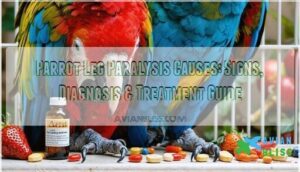 Parrot leg paralysis causes range from infectious diseases to environmental toxins.
Aspergillosis, a fungal infection, commonly affects your bird’s nervous system.
Vitamin deficiencies, particularly B-complex vitamins, can damage nerve function.
Marek’s disease and Newcastle disease both target the neurological system, while lead poisoning from cage materials or toys creates toxic buildup.
Poor hygiene breeds bacterial infections that spread to leg muscles and nerves.
Avian bornavirus attacks the brain and spinal cord, causing progressive weakness.
Heavy metal exposure from galvanized wire or contaminated water sources also triggers paralysis.
Biotoxins from moldy food compound these risks substantially.
Early detection proves vital since some conditions respond well to treatment while others cause permanent damage – but recognizing the subtle warning signs can make all the difference, as it allows for timely intervention to prevent toxic buildup and neurological damage.
Table Of Contents
- Key Takeaways
- Parrot Leg Paralysis
- Bird Disease Causes
- Environmental Factors
- Diagnosis and Treatment
- Frequently Asked Questions (FAQs)
- What causes paralysis in birds?
- What causes paralysis in Raptors?
- Why do parrots have weak legs?
- Why are my parrots legs limping?
- Why do birds die if they are paralyzed?
- Why are my parrots legs turning black & falling off?
- Can birds recover from leg paralysis?
- What is parrot paralysis syndrome?
- What can cause paralysis in birds?
- Why are my bird’s legs not working?
- Conclusion
Key Takeaways
- Prevent toxin exposure – Keep your parrot away from lead paint, galvanized wire, contaminated water, and moldy food since these cause rapid nervous system damage and paralysis.
- Maintain proper nutrition – Ensure your bird gets adequate B-complex vitamins, calcium, and vitamin D to prevent nerve damage and muscle weakness that leads to leg paralysis.
- Act fast when you notice symptoms – Get veterinary care within 24-48 hours of seeing leg weakness or coordination problems since early treatment dramatically improves recovery chances.
- Keep living conditions clean – Clean your parrot’s cage daily and provide fresh water to prevent bacterial infections that can spread to leg muscles and nerves.
Parrot Leg Paralysis
Parrot leg paralysis affects birds through various infectious diseases, nutritional deficiencies, and environmental toxins.
You’ll need prompt veterinary assessment to identify the specific cause and begin appropriate treatment before permanent damage occurs.
Aspergillosis Causes
Aspergillosis strikes when your parrot inhales fungal spores, launching respiratory issues that can escalate to central nervous system involvement and paralysis symptoms.
Fungal spores turn your parrot’s airways into a deadly battleground, threatening nervous system function.
This fungal infection represents a serious threat requiring immediate aspergillosis treatment.
Key aspergillosis causes in parrot leg paralysis cases:
- Environmental spore exposure – Mold in bedding, food, or damp cage areas
- Immunosuppression – Stress, illness, or vitamin A deficiency weakening defenses
- Poor ventilation – Stagnant air allowing spore accumulation and respiratory compromise
- Organic contamination – Accumulated droppings creating ideal fungal growth conditions
To prevent such conditions, maintaining a clean living environment is essential for the health of your parrot.
Vitamin Deficiencies
Nutritional gaps create significant paralysis risks in parrots through multiple pathways.
Vitamin D deficiency disrupts calcium absorption, causing hypocalcemic paralysis.
Thiamine lack produces neurological dysfunction and leg weakness.
Selenium deficiency combines with vitamin E deficiency to trigger white muscle disease and limb paralysis in young birds.
| Deficiency Type | Primary Symptoms | Affected Systems |
|---|---|---|
| Vitamin D | Soft bones, leg weakness | Musculoskeletal, nervous |
| Calcium Deficit | Seizures, sudden collapse | Nervous, muscular |
| Thiamine Lack | Coordination loss, paralysis | Nervous system |
| Vitamin E/Selenium | White muscle disease | Muscular, nervous |
| Multiple Nutrients | Combined neurological signs | All body systems |
Dietary supplements and balanced nutrition prevent these nutrient imbalances effectively.
Understanding bird nutrition needs is essential for maintaining healthy parrots and preventing nutritional diseases.
Toxin Exposure
From everyday household items to outdoor adventures, toxin exposure creates silent threats that can quickly overwhelm your parrot’s nervous system.
Hidden household hazards can trigger sudden paralysis in your unsuspecting parrot.
Nicotine poisoning from cigarettes causes rapid muscle weakness and paralysis, while heavy metals like lead trigger sudden leg dysfunction.
Pesticide exposure and chemical contamination produce similar avian paralysis symptoms, making immediate veterinary intervention critical for recovery, due to the potential for sudden leg dysfunction.
Bird Disease Causes
Several viral infections directly target your parrot’s nervous system, causing leg paralysis through different mechanisms.
Marek’s disease affects peripheral nerves in young birds, while Newcastle disease and avian bornavirus attack central nervous structures, leading to progressive weakness and complete limb paralysis, which can be described as complete limb paralysis.
Marek’s Disease
While viral infections commonly affect parrots, Marek’s Disease primarily targets chickens and rarely occurs in parrot species.
This herpesvirus spreads through feather dander and causes devastating nerve damage in young birds.
- Herpesvirus transmission: Spreads through contaminated feather dust and direct contact
- Nerve damage progression: Causes sciatic nerve inflammation leading to permanent leg paralysis
- Tumor growth patterns: Develops T-cell lymphomas in liver, spleen, and other organs
- Mareks symptoms timeline: Affects birds 6-20 weeks old with highest mortality rates
Newcastle Disease
When Newcastle Disease strikes your flock, respiratory distress often appears first, followed by devastating leg paralysis.
This viral infection targets the nervous system, causing twisted necks and immobilized limbs.
| Symptom | Progression |
|---|---|
| Respiratory distress | Initial onset |
| Leg paralysis | Secondary phase |
| Wing paralysis | Advanced stage |
| Twisted neck | Neurological damage |
| High mortality | Final outcome |
Newcastle Disease outbreaks spread rapidly through aviaries, with mortality rates reaching dangerous levels if left untreated.
Avian Bornavirus
Avian bornavirus represents one of the most complex viral infections affecting parrot neurological health.
This avian virus causes proventricular disease, attacking your bird’s digestive and nervous systems simultaneously.
Bornavirus symptoms include progressive leg weakness, tremors, and eventual parrot leg paralysis.
Unlike other viral infections, this neurologic condition develops slowly, making early detection challenging.
The virus targets nerve pathways, creating cascading neurological disorders that can leave your parrot unable to perch properly or maintain balance effectively.
Understanding the role of wild bird carriers is essential in the context of avian diseases and their potential impact on domestic birds.
Environmental Factors

Your bird’s environment contains hidden dangers that can cause sudden leg paralysis.
Lead poisoning from old paint, contaminated water, or household items poses the greatest threat, while biotoxins from moldy food and poor cage hygiene create additional paralysis risks.
The environment also includes risks from poor cage hygiene, which can exacerbate the dangers of lead poisoning and biotoxins.
Lead Poisoning
Lead poisoning represents a significant threat to parrot health, causing progressive leg weakness and paralysis.
Household items like paint, jewelry, and bird toys contain lead that parrots ingest due to curiosity.
Lead disrupts nerve transmission, producing ataxia, wing droop, and eventual paralysis.
Blood lead levels above 50 mcg/dL confirm diagnosis, requiring immediate chelation therapy. Effective treatment often involves lead poisoning treatment options to mitigate the damage.
Biotoxins Exposure
Biotoxins creep into your parrot’s environment through contaminated food, water, or air.
These naturally occurring toxins can trigger sudden paralysis episodes in otherwise healthy birds.
- Pesticide Effects: Agricultural chemicals cause neurological damage leading to leg weakness
- Toxic Plants: Household vegetation releases compounds affecting motor function
- Fungal Toxins: Moldy seeds or bedding produce mycotoxins causing paralysis
- Environmental Pollutants: Industrial chemicals accumulate in tissues, disrupting nerve signals
Poor Hygiene Conditions
Maintaining clean living conditions prevents bacterial infections that cause parrot leg paralysis. Dirty water becomes a breeding ground for harmful bacteria. Contaminated food and unsanitary perches expose your bird to pathogens.
| Hygiene Risk | Paralysis Impact |
|---|---|
| Filthy Enclosures | Bacterial infections affecting nerves |
| Fecal Matter Buildup | Toxin exposure causing leg weakness |
| Poor Diet Storage | Contaminated food leading to avian paralysis |
Clean cages daily and provide fresh water to prevent parrot leg weakness causes. Practicing good bird hygiene practices is essential for maintaining a healthy environment. You can find more information on this by visiting the bird hygiene practices website to learn about preventing parrot leg paralysis and the importance of clean living conditions.
Diagnosis and Treatment
When your parrot shows signs of leg paralysis, prompt veterinary examination becomes critical for accurate diagnosis and effective treatment planning.
Your vet will conduct thorough diagnostic tests including blood work, X-rays, and neurological assessments to identify the underlying cause and develop an appropriate treatment protocol, which is essential for effective treatment planning with accurate diagnosis.
Veterinary Examination
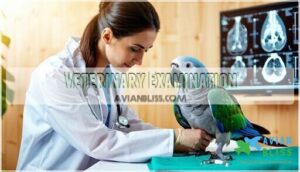
When your parrot shows leg paralysis, prompt veterinary examination becomes critical for accurate diagnosis.
The veterinarian reviews your bird’s medical history and conducts a thorough physical exam using specialized diagnostic tools.
This thorough assessment identifies potential avian paralysis causes, from neurological disorders to systemic conditions, and lab tests and radiology may follow to pinpoint the exact issue affecting your feathered friend’s mobility.
The goal is to provide a clear diagnosis and appropriate treatment plan, ensuring the best possible outcome for your parrot, through a comprehensive approach that includes accurate diagnosis.
Diagnostic Tests
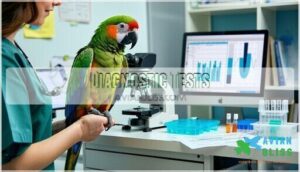
Your veterinarian will run thorough diagnostic tests following initial examination.
Blood work reveals infections, anemia, and calcium deficiencies.
Imaging tests detect fractures and nerve compression.
Toxicology screens identify heavy metal poisoning and environmental toxins affecting your bird’s nervous system.
An important step is to verify proper toxin identification.
Essential Diagnostic Tests for Parrot Leg Paralysis Diagnosis:
- Blood Work – Complete blood count and chemistry panels assess organ function, electrolyte balance, and detect infections causing avian paralysis diagnosis
- Imaging Tests – X-rays and MRI scans reveal bone fractures, tumors, or spinal cord compression in bird neurological disorders
- Toxicology Screen – Heavy metal testing identifies lead or zinc poisoning contributing to parrot neurological issues
- Neurological Exam – Reflex testing and nerve function assessment pinpoint specific areas of nervous system damage
- Biopsy Results – Tissue samples confirm viral infections like avian bornavirus linked to avian paralysis causes diagnosis
Treatment Options
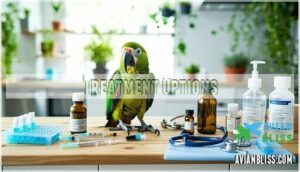
Treatment protocols vary based on underlying conditions.
Your veterinarian may prescribe corticosteroids for inflammation, fluid therapy for dehydration, or surgery for structural issues.
Pain management guarantees comfort during recovery.
| Treatment Category | Primary Options |
|---|---|
| Medications | Corticosteroids, antibiotics, vitamin supplements |
| Supportive Care | Fluid therapy, pain management protocols |
| Surgical | Tumor removal, fracture repair, nerve decompression |
Recovery prognosis depends on prompt intervention within 24-48 hours.
Physical Therapy
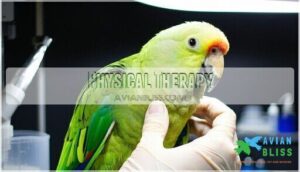
Physical therapy accelerates paralysis recovery through targeted exercise techniques and movement therapy.
Passive range-of-motion exercises prevent joint stiffness while gentle stretching maintains flexibility.
Weight-bearing activities on varied surfaces enhance proprioceptive input and neural pathway restoration.
Recovery strategies include assisted walking with harnesses and graduated perching exercises.
Therapy sessions combined with analgesics optimize rehabilitation outcomes and functional limb recovery.
The treatment plan often involves the use of specialized physical therapy equipment to support the recovery process and promote functional limb recovery.
Medication and Supplements
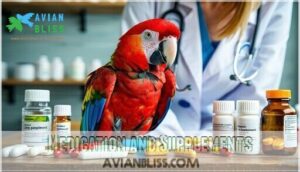
Medications complement rehabilitation efforts by targeting underlying neurological causes. Your vet may prescribe targeted treatments based on diagnostic findings.
Essential Medication Categories:
- Vitamin Therapy – B-complex injections restore nerve function
- Calcium Supplements – Prevent seizures in deficient birds
- Anti-Seizure Meds – Gabapentin controls neurological episodes
- Pain Management – Reduces inflammation affecting mobility
- Nutrient Boosters – Address parrot leg weakness causes systematically
Treatment protocols for parrot neurological disorders require precise dosing. Avian paralysis treatment options vary by species and severity. Bird paralysis symptoms treatment improves when medications target specific deficiencies or infections causing dysfunction.
Proper bird care involves understanding eye infection treatments to address related health issues.
Frequently Asked Questions (FAQs)
What causes paralysis in birds?
Like a thief in the night, various culprits can steal your bird’s mobility. Infections, toxins, nutritional deficiencies, injuries, and diseases cause paralysis through nerve damage or systemic illness.
What causes paralysis in Raptors?
Raptors face paralysis from West Nile virus, lead poisoning, trauma from collisions, pesticide exposure, and neurological infections.
You’ll see wing droop, inability to grasp prey, and loss of flight coordination as primary warning signs.
Why do parrots have weak legs?
Surprisingly, many parrot owners discover their bird’s leg weakness stems from calcium deficiency rather than injury.
You’ll find African Greys especially prone to seizures and sudden leg paralysis when calcium stores can’t be mobilized properly.
Why are my parrots legs limping?
Your parrot’s limping could stem from injuries like cuts, sprains, or broken bones, infections, nutritional deficiencies (especially calcium), toxin exposure, or underlying diseases affecting nerves and muscles.
Why do birds die if they are paralyzed?
Birds with paralysis face life-threatening challenges because they can’t feed themselves, maintain body temperature, escape predators, or reach water. Paralysis often affects breathing muscles, causing respiratory failure and death.
Why are my parrots legs turning black & falling off?
Your parrot’s legs turning black and falling off indicates severe necrosis, likely from tight bands, frostbite, infection, or circulatory problems.
This is a veterinary emergency requiring immediate professional treatment to prevent death.
Can birds recover from leg paralysis?
Like a phoenix rising from ashes, recovery often emerges from paralysis’s darkness.
You’ll find birds can bounce back from leg paralysis, especially when caught early.
Treatment success depends on the underlying cause and quick veterinary intervention.
What is parrot paralysis syndrome?
Several distinct conditions cause paralysis in parrots.
Lorikeet Paralysis Syndrome affects rainbow lorikeets in Australia, causing severe weakness and inability to fly or blink.
Other forms include viral infections, toxin exposure, and nutritional deficiencies targeting your bird’s nervous system.
What can cause paralysis in birds?
Infections, toxins, nutritional deficiencies, and injuries can all trigger paralysis in your feathered friend. Viral diseases like Marek’s or Newcastle, bacterial infections, lead poisoning, and calcium deficiency are common culprits.
Why are my bird’s legs not working?
Your bird’s legs may not work due to infections like Marek’s disease, toxin exposure, calcium deficiency, spinal injuries, or neurological conditions requiring immediate veterinary examination.
Conclusion
Research shows 80% of avian neurological cases stem from preventable environmental factors.
Understanding parrot leg paralysis causes helps you protect your bird’s mobility and quality of life.
Quick veterinary intervention proves essential when you notice weakness or coordination issues.
Many conditions respond well to treatment when caught early, but delayed care often results in permanent nerve damage.
Prevention through proper diet, clean environments, and safe cage materials remains your best defense against paralysis-causing toxins and infections.
- https://www.merckvetmanual.com/exotic-and-laboratory-animals/pet-birds/viral-diseases-of-pet-birds
- https://www.petmd.com/bird/conditions/neurological/c_bd_Polyomavirus
- https://www.uoguelph.ca/ahl/lameness-disorders-poultry
- https://www.greencrossvets.com.au/found-an-injured-bird-here-is-what-to-do/
- https://wildlifehealthaustralia.com.au/Portals/0/ResourceCentre/FactSheets/Avian/Lorikeet_Paralysis_Syndrome.pdf