This site is supported by our readers. We may earn a commission, at no cost to you, if you purchase through links.
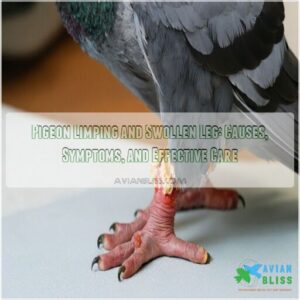 If your pigeon is limping and its leg looks swollen, it’s likely dealing with an issue you can’t ignore.
Common causes include injuries, infections like staphylococcic arthritis, or conditions such as stringfoot.
Examine the leg carefully—look for redness, wounds, or signs of string or debris cutting circulation.
Swelling combined with yellowish spots might suggest an infection, which may require antibiotics like enrofloxacin.
Mites or scaly leg disease can also make walking painful.
Clean the area gently and consult a vet quickly to avoid permanent damage.
With the right care, your pigeon can recover and get back to strutting happily.
Table Of Contents
- Key Takeaways
- Pigeon Leg Swelling Causes
- Diagnosing Pigeon Leg Issues
- Treating Pigeon Limping
- Stringfoot Pigeon Intervention
- Managing Mites and Scaly Legs
- Frequently Asked Questions (FAQs)
- What do you do if a pigeon is limping?
- How do you treat a pigeon’s swollen foot?
- How do you treat a pigeon leg injury?
- Why is my bird’s leg swollen?
- Can stress contribute to a pigeon’s leg swelling?
- How can diet affect leg health in pigeons?
- What are non-infectious causes of pigeon limping?
- Are certain pigeon breeds prone to leg issues?
- How to prevent recurring leg problems in pigeons?
- Conclusion
Key Takeaways
- Check your pigeon’s leg for swelling, redness, or entanglements like threads that could cut circulation.
- Clean the affected area gently with warm soapy water and monitor for signs of infection like yellowish spots or drainage.
- Consult a vet quickly for antibiotics like enrofloxacin or anti-inflammatory medications if swelling or limping persists.
- Keep your pigeon’s environment clean, provide a balanced diet, and regularly inspect for injuries to prevent recurring issues.
Pigeon Leg Swelling Causes
Swelling in a pigeon’s leg can result from infections, injuries, or external irritants like tightly wrapped threads or hair.
Swollen pigeon legs often signal infections, injuries, or threads cutting circulation—spot early to ensure prompt care and recovery.
Identifying the cause early helps you provide the right care and avoid further complications.
Staphylococcic Arthritis Symptoms
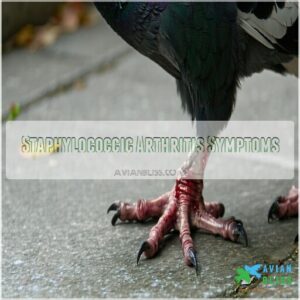
Staph bacteria signs like a swollen pigeon leg, joint warmth, or yellowish spots often point to staphylococcic arthritis.
Watch for drainage without sores, as these symptoms suggest infection.
Antibiotic resistance complicates pigeon leg injury care, making early intervention critical.
Proper limping pigeon treatment, such as targeted antibiotics, maximizes recovery chances and prevents severe damage.
Foreign Materials Causing Swelling
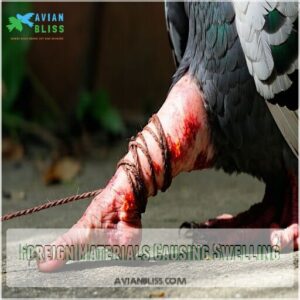
Foreign material wrapped around a pigeon’s leg can cause swelling and injuries.
Check carefully for threads, hair, or debris cutting into the skin. Prompt removal reduces harm—use tweezers and clean scissors for best results.
After removal, clean with warm soapy water, apply antibacterial cream, and monitor for complications.
Prevent re-injury by checking the pigeon’s environment regularly. Stay observant.
Pox Disease Similar Symptoms
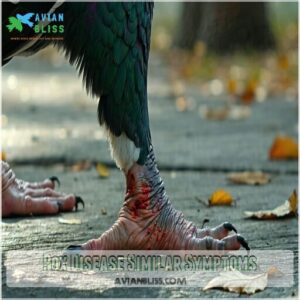
Sometimes, pigeon leg symptoms, like swelling and warmth, resemble pox disease signs.
Small scabs or slight sores on legs may signal mild pox. While it’s not a common pigeon leg disease, untreated pox can cause complications.
Pox prevention, including good hygiene and vaccination, is key. If you’re unsure, consult a vet for a differential diagnosis to confirm or rule out pox.
Importance of Professional Diagnosis
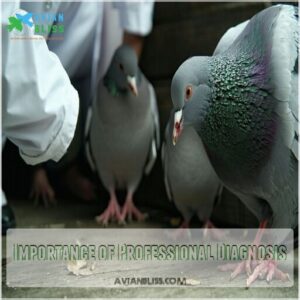
When you notice signs like swollen legs or limping in your pigeon, don’t guess.
An accurate assessment from a veterinarian guarantees effective treatment planning. Ruling out issues like infections or foreign objects helps.
Diagnostic tools, such as cultures, pinpoint the problem. A proper pigeon leg diagnosis prevents complications.
Trust a licensed professional to safeguard your pigeon’s health and avoid unnecessary risks.
Diagnosing Pigeon Leg Issues
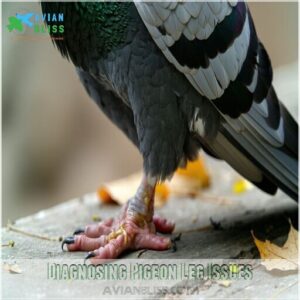
To diagnose pigeon leg issues, start by examining their legs and feet for swelling, injury, or foreign objects like threads.
Clean the area with warm soapy water, look for yellowish spots or drainage, and consult a veterinarian for accurate identification and treatment.
Examining Legs and Feet
How do you start identifying pigeon leg problems? Begin with a gentle foot examination to check for swelling, toe injuries, or leg deformities.
Look closely for mites or anything unusual causing pigeon foot problems. Examine for signs of pigeon foot injuries, like cuts or infection.
Early detection of pigeon leg swelling guarantees timely care and protects against worsening pigeon foot issues.
Prompt action and expert care for injuries are essential for recovery and should be taken to address pigeon foot problems.
Cleaning and Inspecting Affected Areas
To address pigeon leg problems, begin with a warm water wash. Gently clean the area to remove dirt or debris, then perform a close inspection for foreign material.
Look for tangled threads, hair, or signs of pigeon leg swelling. Use mild soap and pat dry.
Early detection of issues might require a specialized cleaning product. Spotting drainage early helps guide treatment.
Always prioritize careful, gentle cleaning to avoid harm.
Observing for Yellowish Spots or Drainage
After cleaning, focus on spotting yellowish marks or drainage—key infection indicators signaling staph-related pigeon leg issues.
Check for spot significance, like crusty areas or pus. Visual inspection helps with early detection of worsening conditions.
| Observation | Significance | Action |
|---|---|---|
| Yellowish spots | Possible staph bacteria | Seek pigeon leg injury help |
| Clear drainage | Mild injury | Monitor closely |
| Pus-like drainage | Serious infection signs | Consult for antibiotics |
The table provides a guide to understanding the significance of different observations and the corresponding actions to take, ensuring proper care for pigeon leg issues.
Consulting a Veterinarian
Choosing a vet skilled in pigeons is essential for accurate diagnosis.
A veterinarian, preferably an avian specialist, can perform a thorough examination, discuss treatment options, and recommend follow-up care.
Online veterinary services can assist if local options are limited.
Pigeon veterinary consultations may vary in cost, but addressing leg issues promptly improves recovery chances and prevents complications.
Treating Pigeon Limping
When treating a limping pigeon, you’ll need to focus on reducing pain and addressing potential infections.
Use antibiotics, anti-inflammatory medications, and follow your veterinarian’s instructions carefully to guarantee effective recovery.
Antibiotic Therapy for Staphylococcic Arthritis
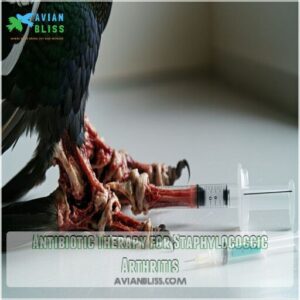
When dealing with joint infection caused by staph bacteria, antibiotic therapy is your pigeon’s best shot.
Early intervention matters, so visit a veterinarian. Culture testing helps identify antibiotic resistance, ensuring the right medicine.
Follow prescribed dosage duration carefully to manage pigeon leg swelling and support effective recovery. Proper pigeon leg treatment can eliminate infections and improve overall health.
Administering Enrofloxacin and Amoxicillin
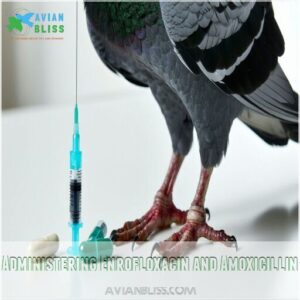
For pigeon leg swelling treatment, enrofloxacin and amoxicillin are effective pigeon antibiotics.
Administer enrofloxacin orally, 0.2 cc every 12 hours, and amoxicillin via water per label instructions.
Follow the treatment duration carefully, usually 5–7 days.
Avoid mixing medications in water.
Enrofloxacin products are available online for pigeon care.
Source supplies like jedds.com or foyspigeonsupplies.com.
Proper medication dosage guarantees successful antibiotic treatment and better leg recovery.
Using Anti-Inflammatory Medications
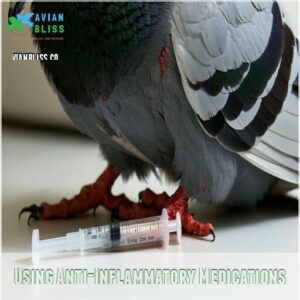
If your pigeon has leg swelling or inflammation, anti-inflammatory medications can help reduce pain and support healing.
Ibuprofen dosage must be precise—typically 0.35 cc orally every 12 hours. Meloxicam benefits, like long-lasting relief, may require a vet’s prescription.
Monitor for medication side effects like lethargy.
Consider these steps:
- Use approved pigeon anti-inflammatories.
- Avoid overdose.
- Provide hydration.
- Maintain treatment duration.
- Consult for anti-inflammatory alternatives.
Following Veterinarian Guidance
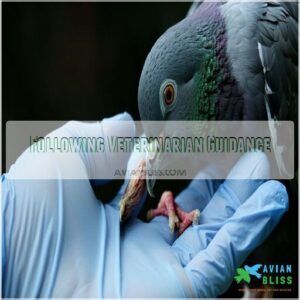
Accurate dosage and treatment duration are essential for tackling a pigeon leg infection.
Follow your veterinarian’s guidance diligently to guarantee the medication works effectively. Professional expertise supports avian health, so adhere to their advice on follow-up care.
Regular check-ups with an avian veterinarian are essential for early disease detection.
An avian veterinarian’s role ensures your bird care routine aligns with recovery, helping your pigeon get back on its feet, which is critical for its health and requires professional guidance.
Stringfoot Pigeon Intervention
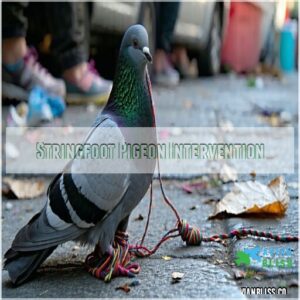
Stringfoot happens when a pigeon’s toes or feet get tangled in thread, hair, or debris, cutting off circulation and causing serious injury over time.
You’ll need to carefully assess the damage and prepare the right tools and supplies for safe intervention.
Identifying Stringfoot Causes and Symptoms
Stringfoot happens when tangle materials like string or hair wrap tightly around a pigeon’s leg, cutting circulation and causing swelling or infection.
Stringfoot occurs when tangled threads or hair cut circulation in a pigeon’s leg, leading to swelling, infection, and potential long-term damage.
Watch for limping or signs of distress.
String entanglement can lead to toe condition changes, affecting foraging ability.
If you notice pigeon leg swelling, assess for stringfoot early.
Rescue options often prevent further damage or pigeon leg infections.
Evaluating Toe Damage and Pigeon Health
Assess the toe’s viability by checking for blood flow and signs of infection.
Observe the pigeon’s behavior, foraging ability, and predator vulnerability.
A functional toe is key for proper balance. If damage looks severe, evaluate the bird’s overall health before considering pigeon foot care.
Swollen legs or limping require careful inspection to plan effective remedies. Early detection can help with bird injury recognition and treatment.
Considering Professional Rescue Assistance
Reaching out to a pigeon rescue organization provides expertise and guarantees proper care.
They understand pigeon injuries, from leg swelling to stringfoot, and can evaluate the timing of intervention.
Ethical considerations include long-term care and minimizing stress.
Professional rescues often partner with pigeon veterinary care, guaranteeing the best outcomes. Prioritize skilled help for compassionate, effective treatment.
Preparing for Safe Destringing and Treatment
After considering professional rescue assistance, it’s time to prepare for safe destringing and treatment.
Sterilize all tools to prevent infection. Restrain the pigeon gently, securing wings and legs.
Address wounds with proper care—disinfect thoroughly, remove debris, and monitor closely. Focus on post-op care to aid pigeon leg recovery and prevent further pigeon injuries.
A thoughtful release strategy promotes healing and safety, ensuring the pigeon can recover fully with proper care.
Managing Mites and Scaly Legs
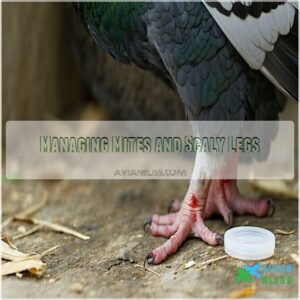
Mites can cause painful, scaly legs and serious discomfort for your pigeon if left untreated.
By using ivermectin, cleaning their environment, and ensuring proper care, you can effectively manage infestations and help your pigeon heal.
Recognizing Mite Infestation Symptoms
Mites can disrupt a pigeon’s life, causing discomfort and visible signs like pigeon leg swelling or scaly legs.
Look for these symptoms:
- Mite-related behaviors like scratching or foot-stomping.
- Raised, crusty skin lesions on legs or beaks.
- Damaged feather condition from irritation.
- Tiny red or black mite droppings near roosts.
- Night activity noticed during cage inspections.
Detecting mites early guarantees better care; often, these are caused by Knemidocoptes.
Using Ivermectin Treatment Options
Ivermectin is a reliable option for treating pigeon scaly leg and mites.
Use it in recommended forms: oral, spot-on, or injection. Follow proper Ivermectin dosage and treatment frequency, usually every 14 days.
Monitor for side effects or interactions. Consult a vet for safe pigeon treatment, ensuring it’s effective against pigeon mites while preventing overuse or complications.
You can find various Ivermectin products available for your pigeons.
Quarantining and Cleaning Infected Areas
Separate the pigeon from others immediately to prevent the spread of mites or diseases.
Implement strict quarantine protocols. Clean and disinfect the cage, nesting area, and perches thoroughly to guarantee effective mite elimination.
Use a safe disinfectant designed for pigeon cages. Repeat cleaning regularly to maintain hygiene and reduce reinfestation risks.
Prioritize quarantine and disinfection to safeguard pigeon health.
Providing a Healthy Diet and Fresh Water
Cleanliness matters for both food and water.
Make certain your pigeon’s hydration needs are met with fresh water daily.
A balanced pigeon diet, like grains and seeds, supports health.
Add dietary supplements to target nutritional needs.
Poor water quality can harm pigeon care efforts.
Proper food safety and hydration importance prevent illness, keeping pigeon health and care on track.
Frequently Asked Questions (FAQs)
What do you do if a pigeon is limping?
When a pigeon’s limping, it’s like a cry for help.
Gently examine its leg for swelling, wounds, or entanglements.
Clean with warm water, check for infections, and consult a vet for proper diagnosis and treatment.
How do you treat a pigeon’s swollen foot?
Check the foot for threads or debris cutting circulation.
Wash gently with warm soapy water to clean and inspect.
If swelling persists, consult a vet for antibiotics like enrofloxacin or amoxicillin to treat infection.
How do you treat a pigeon leg injury?
In the event of addressing a leg injury, act fast.
Gently examine for warmth, swelling, or trapped debris. Clean the area with warm soapy water.
Consult a vet for antibiotics or precise treatment guidance.
Why is my bird’s leg swollen?
A swollen bird leg could signal infection, injury, arthritis, or mites.
Inspect closely for cuts, threads, or swelling. Warmth or yellowish spots might mean bacterial infection.
Early care, like cleaning or consulting a vet, is key.
Can stress contribute to a pigeon’s leg swelling?
Sometimes, stress acts like an invisible weight on a pigeon’s health, weakening its immune system.
This makes infections or injuries worse, potentially causing leg swelling.
Reduce stress by ensuring a calm, clean environment and balanced diet.
How can diet affect leg health in pigeons?
A balanced diet rich in vitamins, calcium, and protein supports strong bones and tissue repair.
Poor nutrition weakens immunity and joints, making pigeons prone to swelling, infections, and slow recovery from leg injuries.
What are non-infectious causes of pigeon limping?
Non-infectious causes of pigeon limping include injuries like sprains or fractures, foreign objects like strings cutting circulation, or nutritional deficiencies, especially calcium.
Check for wounds, swelling, or tight banding on the leg and act quickly to address potential issues like foreign objects.
Are certain pigeon breeds prone to leg issues?
Like fragile glass, certain fancy breeds, like Pomeranian Pouters or Jacobins, are more prone to leg issues due to unique body structure or weight distribution.
Their ornate features can increase strain, making extra care essential.
How to prevent recurring leg problems in pigeons?
Keep your pigeons’ environment clean and free of debris.
Regularly check their legs for injuries, tangles, or swelling.
Provide a balanced diet and consult a vet at the first sign of recurring issues.
Conclusion
Sometimes, a pigeon limping and swollen leg is easier to resolve than it seems, but prompt action is key.
By identifying symptoms like swelling or redness and addressing potential causes such as stringfoot, infections, or mites, you can help your bird recover.
Clean the leg carefully, observe for signs of infection, and consult a vet for proper treatment like antibiotics or anti-inflammatory medications.
With timely care, your pigeon can regain comfort and mobility, ready to thrive again.