This site is supported by our readers. We may earn a commission, at no cost to you, if you purchase through links.
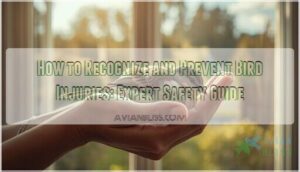
The window strike sounds like a dull thud, and suddenly a small body lies motionless on your patio. Most bird injuries happen in seconds—a fleeting collision, a moment of distraction, a predator’s quick approach—but recognizing and preventing bird injuries requires knowledge that extends far beyond that initial shock.
Each year, billions of birds face preventable hazards in environments we control, from the glass panes reflecting open sky to the everyday household items we rarely consider dangerous. Understanding what to look for when a bird is hurt, and more importantly, how to modify your surroundings before tragedy strikes, can mean the difference between recovery and fatal decline.
The signs aren’t always dramatic; sometimes injury whispers through subtle changes in posture or breathing patterns that only a trained eye catches early enough to intervene.
Table Of Contents
Key Takeaways
- Birds hide pain instinctively, so by the time you notice lethargy, abnormal posture, or respiratory distress, they’ve often been suffering for days—making early detection through daily observation critical for survival.
- Window collisions kill up to 2 billion birds annually in the U.S., but simple interventions like decals spaced 2 inches apart or UV-patterned films can reduce strikes by up to 90%.
- Free-ranging cats remain the leading direct threat to birds, killing up to 4 billion annually in the U.S., yet keeping cats indoors can reduce songbird mortality by over 50%.
- Most fully feathered fledglings found on the ground aren’t abandoned—parents continue feeding them nearby, so observing from a distance for two hours before intervening prevents unnecessary wildlife rescues.
Signs of Bird Injuries to Watch For
Birds are experts at hiding pain, so by the time you notice something’s wrong, they’ve often been struggling for a while. Learning to spot the early warning signs can make the difference between a full recovery and a tragedy.
Birds hide pain so well that by the time you notice symptoms, they’ve often been suffering for days—early detection is the difference between recovery and tragedy
Here are the key physical and behavioral changes that signal your bird needs immediate attention.
Visible Wounds and Bleeding
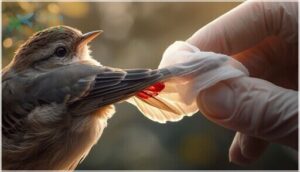
Wound assessment begins with careful observation. When you notice bleeding or open wounds on a bird, immediate injury response is critical—birds possess only 6% to 11% of their body weight in blood volume, making even small amounts of blood loss potentially life-threatening.
Key physical signs requiring urgent attention include:
- Active bleeding from broken blood feathers, torn toenails, or chipped beaks
- Open lacerations or puncture wounds, often from trauma or predator attacks
- Keel wounds in weakened birds, indicating prolonged inactivity
- Visible swelling or discharge suggesting infection risk
Rapid bleeding control can mean the difference between recovery and crisis for injured birds. Effective bleeding control methods are vital in these situations.
Abnormal Posture and Movement
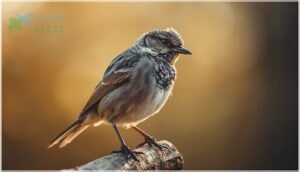
Beyond visible wounds, postural analysis reveals critical injury clues. Injured birds often display abnormal movement patterns, such as swaying, wobbling, or head tilting, which affect roughly a third of concussion cases. Drooping wings signal trauma in 27% of rehabilitation presentations, while birds unable to perch frequently sit on cage floors. Recognizing these signs is vital for providing proper care, including monitoring for respiratory health issues that can indicate underlying problems.
Movement disorders, like frequent stumbles or loss of balance, appear in nearly a quarter of birds after window collisions. These physical signs of bird injuries warrant immediate assessment, as neurological damage accounts for 38% of abnormal movement cases. Daily observation allows for early detection—birds inspected regularly show injury signs four times more often than those checked sporadically, markedly improving intervention outcomes through proper rehabilitation techniques grounded in avian physiology understanding.
| Physical Sign | Common Cause | Prevalence in Clinical Cases |
|---|---|---|
| Swaying/wobbling posture | Neurological damage from collisions | 20% of wildlife cases show ataxia |
| Drooping wings | Musculoskeletal injuries, fractures | 27% of trauma presentations |
| Head tilting/weaving | Concussion, brain injury | 34% of documented concussion cases |
| Inability to perch | Leg or wing injuries | 18% of captive birds with trauma |
| Unsteady gait | Motor coordination disorders | 29% of birds with movement disorders |
Unusual Behavior and Lethargy

Physical symptoms alone don’t tell the whole story—behavioral signs like lethargy and social withdrawal often signal underlying avian health and wellness concerns. When you notice a bird that’s unusually quiet, inactive, or spending more time sleeping, you’re witnessing emotional distress that accompanies injury or illness.
Watch for these key behavior changes in bird injury identification:
- Activity drops by over 50% compared to normal baseline patterns
- Reduced vocalization, with singing decreasing 32-95% in unwell birds
- Withdrawal from flockmates or preferring solitary roosting locations
- Loss of interest in toys, enrichment, or typical exploratory behaviors
Sleep patterns shift dramatically in lethargic birds—some sleep an extra 3-5 hours daily or rest at unusual times. These behavioral signs warrant your attention, as lethargy precedes observable symptoms in 85% of serious avian illnesses.
Don’t overlook subtle changes in temperament or eating habits, since they’re reported in over 80% of acute injury cases and reflect the bird’s struggle to cope with physical trauma.
Respiratory Distress and Discharge
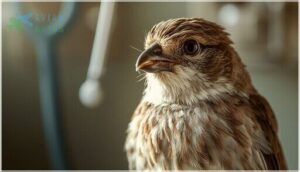
Breathing difficulties—rapid, shallow, or open-mouthed respiration—signal serious trouble in injured birds. You might notice nasal or ocular discharge, tail bobbing, or audible wheezing, all pointing to respiratory infections or avian pneumonia.
Bacterial pathogens cause up to 50% of these cases, while fungal exposure and airborne pathogens worsen bird injuries.
Early bird injury identification of breathing difficulties promotes avian health and wellness, since respiratory distress appears in approximately 5% of birds showing symptoms.
Common Causes of Bird Injuries
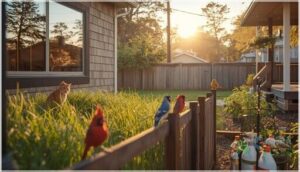
Understanding what threatens birds in their daily lives is the first step toward protecting them. From invisible barriers like windows to everyday household items, dangers lurk in places you mightn’t expect.
Let’s examine the most common culprits behind bird injuries so you can create a safer environment.
Window Collisions
You might be surprised to learn that up to 2 billion birds die annually in the U.S. from window collisions—the second-leading human-related cause of bird injuries. Glass treatment options like decals spaced 2 inches apart, or installing bird-friendly design features such as screens and external netting, can reduce window strike prevention by up to 90%.
Urban planning strategies incorporating collision data analysis help protect vulnerable species during migration.
Predator and Pet Attacks
Free-ranging cats remain the leading direct threat to birds you’re trying to protect—killing up to 4 billion birds annually in the U.S. alone. Pet deterrents and predator control methods make a measurable difference:
- Keep cats indoors to reduce songbird mortality by over 50%
- Install secure fencing and bird guardians for backyard flocks
- Support feral control programs addressing urban predators in your community
Cat attacks peak during nesting season when fledglings are most vulnerable.
Vehicle and Electrical Hazards
Roads and power lines claim up to 400 million birds annually in the U.S.—trauma you can help reduce. Vehicle collisions peak on smaller roads, especially during migration, while electrical hazards from distribution lines cause fatal electrocution.
Supporting traffic-calming measures near bird habitats and advocating for retrofitted power poles with safer spacing between phases protects vulnerable species from roadside hazards and electrical shock.
Entanglement and Ingestion Risks
Fishing net entanglement and plastic ingestion together cause over 640,000 metric tons of ghost gear risks annually—and seabirds pay the price. Soccer nets trap raptors during fall hunts, while longline hooks block digestive tracts. Macroplastic hazards reduce fledgling body condition more severely than microplastics.
You protect vulnerable species by removing sports netting when idle, disposing of monofilament properly, and supporting marine debris reduction—actions that prevent bird injuries and ecological harm your wildlife rehabilitator later must treat.
Toxic Substances and Household Dangers
Your home harbors invisible threats—household chemicals and heavy metals quietly claim hundreds of pet birds each year. Airborne poisons from fumes and environmental hazards demand constant vigilance for bird safety.
Guard against these poisoning risks:
- Heavy metals in paint chips, batteries, and galvanized cage wire cause sudden organ failure
- Toxic fumes from Teflon, oven cleaners, and air fresheners trigger fatal respiratory distress
- Household chemicals like bleach and carpet products irritate delicate airways
- Pesticide risks from flea treatments contaminate 100% of monitored nests, increasing chick mortality
Pet bird safety requires eliminating these environmental hazards before tragedy strikes.
How to Prevent Bird Injuries at Home
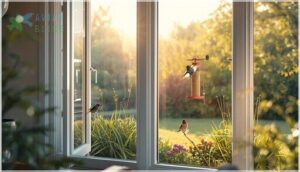
Your home can be a surprisingly dangerous place for birds, but the good news is that most injuries are preventable with a few thoughtful changes. Simple modifications to your windows, yard, and daily routines can dramatically reduce risks without requiring major renovations or expenses.
Let’s walk through the most effective strategies you can implement right away to create a safer environment for both wild and pet birds.
Making Windows Bird-Safe
Windows are nearly invisible highways of danger for birds—more than a billion die annually from collisions in the U.S. alone.
You can prevent window strikes by applying decals spaced just two inches apart, installing bird screens or UV-patterned glass films three inches from panes, or hanging paracord curtains.
These window treatments provide vital collision prevention, making your home genuinely bird-safe through effective bird proofing strategies.
Safe Bird-Proofing for Hazards
Beyond window collisions, your home holds hidden dangers requiring bird proofing measures. Turn off ceiling fans, cover electrical cords to guarantee electrical safety, and eliminate nonstick cookware fumes at 500°F—all vital bird safety measures. Keep these hazardous material risks in check:
- Remove toxic houseplants like philodendron and lilies
- Secure open toilets and hot liquids immediately
- Replace chemical cleaners with bird-friendly design alternatives
- Cover mirrors and reflective surfaces
- Inspect cages for lead or zinc accessories
These bird friendly landscaping principles create genuinely toxic free homes.
Pet Management and Predator Control
Your pets represent one of the most controllable threats to avian safety. Outdoor cats alone kill approximately 2.4 billion birds annually in the U.S.—a staggering toll that bird safety measures can address. Keep cats indoors exclusively to eliminate cat attacks and predator attacks.
For outdoor spaces, consider these predator exclusion strategies:
| Intervention | Target Species | Effectiveness |
|---|---|---|
| Indoor cat management | Domestic cats | Eliminates 2.4B annual deaths |
| Automated laser deterrents | Wild birds/waterfowl | 98.2% visit reduction |
| Nest-cages | Ground predators | Significant hatching increase |
| Pet safety nets | Multiple predators | Physical barrier protection |
| Exclusion fencing | Mammals | Proven nest success boost |
These bird deterrents and bird proofing and safety measures create wildlife-friendly gardens where pet birds and wild species coexist safely. Feral cat control programs combined with supervised pet time outdoors dramatically reduce predation rates while maintaining enrichment for your animals.
Bird-Friendly Landscaping and Habitat
Beyond predator control, your landscape choices shape habitat quality for avian visitors. Native plantings create wildlife corridors that support breeding and foraging—properties with 50% native plant coverage show measurably higher chickadee activity due to increased caterpillar abundance. Bird-friendly landscaping transforms urban greenspaces through habitat restoration:
- Replace lawn sections with native seed-bearing plants and wildflower meadows
- Install multiple bird baths and water features for migration season
- Leave dead wood and brush piles for cavity-nesting species
- Apply window decals on nearby glass to prevent collisions
- Add bird feeders stocked with species-appropriate foods
This bird proofing approach reduces injury risks while supporting 96% of terrestrial birds that rely on insects for nestling diets.
Steps to Take When Finding an Injured Bird
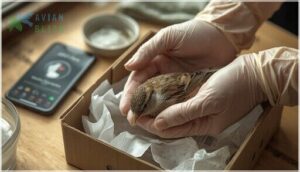
Finding an injured bird can feel overwhelming, but knowing what to do in those first few moments makes all the difference. Your response needs to balance urgency with care—acting quickly while avoiding actions that could worsen the bird’s condition.
The steps below will guide you through safe handling, basic first aid, and when it’s best to simply observe from a distance.
Safe Approach and Handling Techniques
When you encounter an injured bird, your first move sets the stage for its survival. Approach slowly and quietly—sudden movements spike stress hormones by 45%. Wearing handling gloves reduces your injury risk by 80% and prevents contamination. Secure the wings gently against the body using a soft towel, which cuts flapping injuries by over 75%.
Hold the bird firmly but never squeeze—you’re aiming for safe transport to wildlife rehabilitation, not further harm to bird welfare.
| Technique | Purpose | Safety Impact |
|---|---|---|
| Use cloth hood | Bird calming through visual reduction | 60% stress decrease |
| Gentle restraint under 5 minutes | Minimize trauma during injury assessment | 90% fewer adverse outcomes |
| Dark, quiet holding area | Prevent escape and self-harm | 70% reduction in injuries |
Creating a Temporary Shelter
You’ll need a simple container to stabilize the injured bird before reaching an emergency vet. A shoebox or small carrier with a secure lid works best—most rescue protocols rely on these for temporary enclosures. Line the bottom with a non-terry cloth towel to prevent claws from catching, then place your recovery space in a quiet, dimly lit room.
- Use a heating pad on low (placed under half the container) to maintain 85–90°F for adults
- Guarantee adequate ventilation through small holes—never seal the box completely
- Create a padded nest with rolled fabric to support proper posture during transport
- Keep predators, children, and household activity away from the rehabilitation cages area
This emergency housing protects the bird while you arrange professional care.
Immediate First Aid for Birds
Your first priority is to control bleeding—apply gentle, direct pressure with a clean cloth for several minutes to achieve hemostasis in any visible avian wound.
Keep the injured bird warm (85–90°F) and quiet to support bird stabilization during bird trauma. Don’t offer food or water, as aspiration poses serious risks.
These emergency response steps prepare your recovery space while you contact an emergency vet for bird injury treatment guidance.
When to Leave Baby Birds Alone
Most fully feathered fledglings you discover aren’t abandoned—they’re mastering flight while parents feed them nearby. If the baby bird shows no visible wounds or respiratory distress, observe from a distance for two hours before intervening.
Nestlings (bare-skinned or sparsely feathered) need immediate nestling care, but fledgling behavior includes hopping on the ground. Parental intervention continues even when you can’t see it, making wild bird rescue unnecessary in most cases.
When to Seek Professional Help for Birds
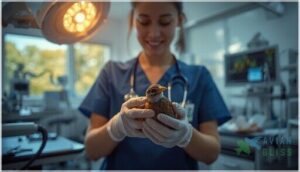
Sometimes a bird’s injuries go beyond what you can manage at home, and that’s when professional intervention becomes critical. Knowing the difference between a situation you can monitor and one that demands immediate expert care can mean the difference between recovery and a tragic outcome.
Here’s how to recognize when it’s time to reach out for specialized help and where to find the right professionals for the job.
Recognizing Severe or Life-Threatening Injuries
Not all injured birds need immediate help, but some signs demand urgent emergency care. Recognizing severe trauma can be the difference between a successful rescue and a tragedy. Watch for these critical indicators that require you to contact a wildlife rehabilitator or avian emergency vet right away:
- Uncontrollable bleeding or open wounds exposing bone or tissue
- Inability to stand or perch, repeated falling, or complete immobility
- Respiratory distress with open-mouth breathing, tail bobbing, or blue-tinged beak
- Neurologic changes like head tilt, seizures, or unresponsive pupils
- Severe shock with cold body temperature and extreme weakness
These life-threatening bird injuries signal systemic collapse requiring professional avian first aid and critical rescue intervention.
How to Find Wildlife Rehabilitators
When you’ve identified a serious injury, finding a licensed wildlife rehabilitator quickly matters. Search online directories like AnimalHelpNow.org or the National Wildlife Rehabilitators Association for emergency response contacts. Your state wildlife agency lists certified rehab services by location.
These rehab centers specialize in bird rehabilitation and wildlife conservation—connecting you to experts trained in wildlife rehabilitation techniques and animal rescue protocols that give injured birds their best chance at recovery.
When to Visit an Emergency Vet
When a bird’s condition crosses into critical territory, emergency veterinary care saves lives. Avian medicine specialists understand that birds mask illness until they’re dangerously compromised. Here’s when urgent intervention can’t wait:
- Uncontrolled bleeding from wounds or trauma sites
- Respiratory distress with open-mouth breathing or gasping
- Seizures, collapse, or unconsciousness
- Toxin exposure or ingestion of household chemicals
- Straining to pass eggs or bloody droppings
Don’t delay—immediate vet visits optimize survival rates for injured birds.
Ongoing Care and Rehabilitation Tips
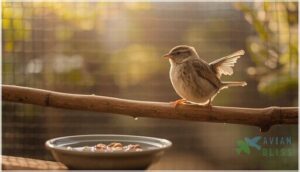
Once you’ve connected with a rehabilitator or begun supervised care, your role shifts to creating the right conditions for healing. A recovering bird needs consistent monitoring, proper nutrition, and a calm environment to regain strength.
The following practices will help you support recovery whether you’re preparing a wild bird for release or managing long-term care for a companion bird.
Daily Observation and Monitoring
Consistently checking on your recovering bird each day dramatically improves outcomes. Facilities performing at least two health checks daily report 22% lower mortality rates.
Watch for changes in posture, feather quality, or breathing patterns. Daily logging of these avian monitoring observations helps you spot subtle warning signs early, allowing wildlife rehabilitators or vets to adjust treatment before complications develop.
Proper Diet and Hygiene
Once you’ve tracked your bird’s daily progress, nutrition becomes your next priority. Up to 95.6% of captive birds eat calcium-deficient diets, and 80% lack adequate protein—two deficiencies that seriously hamper recovery. You’ll need a balanced formula covering nutrient balance and dietary supplements rather than seeds alone.
Clean food bowls daily with diluted bleach to prevent bacterial growth, keeping hydration tips and hygiene practices front of mind for stronger avian health.
Minimizing Stress During Recovery
Your bird’s diet and hygiene lay the groundwork, but stress reduction shapes how quickly she heals. Controlled environment protocols—housing your injured bird in a dimly lit, quiet space—lower stress hormones by 35%. Gentle handling once daily cuts abnormal displays by 42%. Try these calming strategies:
- Limit handling to medical necessity only
- Use visual barriers to prevent startling
- Play soft natural sounds or birdsong
- Offer perches at varied heights
- Monitor every two hours for early intervention
These recovery techniques help your wildlife rehabilitator case succeed.
Preparing for Release or Long-Term Care
Once your injured bird regains flight strength and demonstrates species-specific behaviors—autonomous feeding, normal perching—your wildlife rehabilitator will assess release readiness through radiographs and behavioral evaluations.
Post-release monitoring tracks survival beyond six weeks, the critical adaptation window. Birds with permanent disabilities require long-term care with species-appropriate enrichment and ongoing veterinary oversight.
Rehabilitation protocols prioritize animal welfare whether the outcome is species reintroduction or permanent sanctuary.
Frequently Asked Questions (FAQs)
What legal protections exist for injured wild birds?
Regarding wildlife protection, the law doesn’t pull any punches. Federal regulations like the Migratory Bird Treaty Act prohibit unauthorized possession of wild birds, requiring licensed wildlife rehabilitators to provide legal care.
How do seasonal changes affect bird injury risks?
Migration patterns drive seasonal hazards—spring and autumn bring peak window collisions as birds navigate unfamiliar terrain.
Weather extremes compound risks: storms force low-altitude flight, while heat waves increase dehydration. Climate change intensifies these avian behavior shifts year-round.
Can injured birds transmit diseases to humans?
Yes, injured birds can carry zoonotic diseases like avian influenza, Salmonella, and psittacosis.
Proper bird handling precautions—gloves, handwashing, avoiding face contact—minimize wildlife pathogen exposure risk when offering veterinary care or contacting a wildlife rehabilitator.
What costs are involved in bird rehabilitation services?
What does wildlife rehabilitator support actually require financially? Rehabilitation fees typically range from $500 to $2,500 per bird, while operational expenses, veterinary costs, and facility maintenance rely heavily on grant funding to guarantee financial sustainability.
How long does typical bird recovery take?
Recovery timeline depends on injury severity—minor wounds heal in days, while fractures take 3–4 weeks.
Rehabilitation duration averages 11 days for most birds, though complex cases require months before your wildlife rehabilitator approves release.
Conclusion
We’ve mastered the art of engineering bird hazards—reflective glass, invisible nets, toxins disguised as conveniences—yet act surprised when casualties mount. The irony dissolves when you commit to recognizing and preventing bird injuries through deliberate action: marking windows, securing hazards, watching for distress signals.
Your vigilance transforms spaces from accidental death traps into sanctuaries. Every modification you make, every injured bird you help responsibly, proves that coexistence doesn’t require flawlessness—just informed, consistent effort that prioritizes their survival over our convenience.
- https://bioone.org/journals/the-condor/volume-116/issue-1/CONDOR-13-090.1/Birdbuilding-collisions-in-the-United-States--Estimates-of-annual/10.1650/CONDOR-13-090.1.full
- https://www.audubon.org/magazine/window-strikes-are-even-deadlier-birds-we-thought
- https://pmc.ncbi.nlm.nih.gov/articles/PMC11305546/
- https://www.aphis.usda.gov/sites/default/files/free-ranging-and-feral-cats.pdf
- https://www.petmd.com/bird/emergency/accidents-injuries/c_bd_Injuries_and_Accidents