This site is supported by our readers. We may earn a commission, at no cost to you, if you purchase through links.
 When your feathered friend falls ill, choosing a safe antibiotic for birds becomes essential for their recovery.
Doxycycline stands as the gold standard – it’s effective against respiratory and systemic infections while being gentler on delicate avian systems.
Unlike human antibiotics that can prove toxic to birds, doxycycline offers a reliable treatment option when administered properly.
You’ll find it available in oral and injectable forms, plus specially formulated food and water additives for flock treatment.
However, dosage matters enormously since birds process medications differently than mammals.
Getting the right antibiotic isn’t just about picking any medication off the shelf – there are specific considerations that could mean the difference between healing and harm.
Table Of Contents
- Key Takeaways
- Bird Infection Types
- Common Bird Antibiotics
- Safe Human Antibiotics
- Antibiotic Side Effects
- Antibiotic Administration
- Proper Antibiotic Dosage
- Antibiotic Treatment Duration
- Avoiding Antibiotic Use
- Preventing Antibiotic Resistance
- Choosing Safe Antibiotics
- Frequently Asked Questions (FAQs)
- What antibiotics are safe for birds?
- What ointment is safe for birds?
- Are there different avian antibiotics for bacterial infections?
- Can bacterial infections in birds be treated with antibiotics?
- Are cockatiel antibiotics safe for birds?
- Can I use human antibiotics for birds?
- What is the best natural antibiotic for birds?
- What human medicine is safe for birds?
- Can birds share antibiotics with other pets?
- How long after antibiotics can birds eat?
- Conclusion
Key Takeaways
- You’ll need professional veterinary guidance – Don’t guess with antibiotics, since what’s safe for one bird species can be toxic to another, and proper dosing prevents dangerous side effects.
- Doxycycline is your safest bet – It’s the gold standard antibiotic that effectively treats respiratory and systemic infections while being gentler on delicate avian systems compared to other options.
- Complete the full treatment course – Even if your bird looks better after a few days, stopping antibiotics early creates dangerous resistance and allows infections to return stronger.
- Avoid toxic human antibiotics – Never give your bird erythromycin, clindamycin, or sulfonamides, as these can cause kidney failure, liver toxicity, and bone marrow suppression that’s often fatal.
Bird Infection Types
When your bird shows signs of illness, you’re dealing with one of several bacterial infection types that require different treatment approaches.
Understanding these infection categories helps you recognize symptoms early and choose the right antibiotic treatment for your feathered friend’s recovery.
Respiratory Infections
Your bird’s respiratory system can become a breeding ground for bacterial invaders when stress or poor hygiene weakens their defenses.
Pneumonia treatment and air sacculitis require immediate veterinary attention, as these infections spread rapidly through delicate air sacs.
Watch for nasal discharge, coughing birds, and wheezing causes that signal trouble brewing.
Safe antibiotics for birds like enrofloxacin effectively target respiratory pathogens when administered properly, and it is crucial to address these issues promptly to prevent further complications, ensuring the health and well-being of your bird by providing immediate veterinary attention.
Gastrointestinal Infections
How can you tell when your bird’s gut health is taking a turn for the worse?
Gastrointestinal infections often sneak up through subtle dropping changes and shifts in eating habits.
Clostridial enteritis and other bacterial culprits cause digestive upset, making parasite control essential.
Watch for loose stools, reduced appetite, or unusual behavior—these signal the need for targeted bird antibiotic treatment.
Proper antibiotic dosage for birds helps restore gut health when avian bacterial infections strike.
Wound Infections
Infected bite wounds from other birds or predators require immediate attention to prevent serious complications.
You’ll need to clean the wound thoroughly with saline solution before applying topical antibiotics like triple antibiotic ointment.
Abscess treatment often involves draining and flushing the infected area, and proper bandaging birds helps protect healing wounds from further contamination and reinjury.
Early detection is key, as wound color changes can indicate infection, and it’s crucial for preventing serious complications.
Reproductive Infections
When reproductive troubles strike your feathered friend, you’re facing serious challenges that demand swift action.
Egg binding occurs when eggs can’t pass naturally, while peritonitis and metritis create life-threatening inflammation.
Critical warning signs include:
- Straining without producing eggs – your bird’s in distress
- Swollen, tender abdomen – infection’s spreading fast
- Lethargy with fluffed feathers – she’s fighting for her life
Antibiotic options like enrofloxacin and doxycycline treat these infections effectively when prescribed properly.
Prevention strategies include providing calcium-rich diets and stress-free nesting environments for ideal reproductive health.
Common Bird Antibiotics
When selecting antibiotics for pet birds, you’ll encounter several proven options that veterinarians trust.
Enrofloxacin stands as the gold standard for avian vet antibiotics, targeting gram-negative bacteria with remarkable precision.
This broad antibiotic spectrum makes it your go-to for respiratory and systemic infections.
Doxycycline works wonders against Chlamydia psittaci and mycoplasma, while amoxicillin-clavulanic acid offers combination therapy benefits against mixed infections.
Trimethoprim-sulfamethoxazole tackles enteric bacteria effectively, though resistance development concerns are growing.
Generic options like these bird antibiotics often cost less than brand names without sacrificing quality.
However, don’t assume one size fits all—each medication targets specific bacterial types differently.
Many safe antibiotics require probiotics support afterward to restore healthy gut bacteria.
Your feathered friend’s digestive system needs this backup after treatment disrupts natural flora.
Remember, these types of bird antibiotics work best under professional guidance, ensuring proper dosing and monitoring for your pet’s safety.
Safe Human Antibiotics
You’ll find some human antibiotics can safely treat your bird’s bacterial infections, but others can be deadly.
Penicillins and cephalosporins are generally safe options, while certain antibiotics like erythromycin and clindamycin should never be given to birds, as they can be deadly.
Penicillins
Penicillins represent time-tested allies in bird antibiotic treatment, with amoxicillin leading the charge against gram-positive bacterial culprits.
These medications pack a punch against respiratory and skin infections while maintaining exceptional safety records in our feathered friends.
Here’s what makes penicillins shine for avian infection medication:
- Penicillin Spectrum – Targets gram-positive bacteria causing most respiratory infections
- Penicillin Dosage – Oral administration proves safest with less than 2% adverse reactions
- Penicillin Resistance – Amoxicillin-clavulanate combos tackle stubborn resistant strains effectively
- Penicillin Alternatives – Multiple options available when allergies surface in sensitive birds
While Penicillin Allergies remain rare in antibiotics for pet birds, veterinary oversight guarantees proper dosing prevents bird antibiotic side effects.
Cephalosporins
Cephalosporins offer a reliable safety net for bird antibiotic treatment, with first-generation options like cephalexin showing minimal gut disruption.
These poultry safe antibiotics target gram-positive bacteria effectively while maintaining exceptional tolerability—allergic reactions occur in less than 1% of cases.
When treating sick birds, cephalosporins provide broad spectrum coverage against common pathogens like E. coli and Staphylococcus.
Their avian specificity makes them ideal for wound and reproductive infections, though monitoring therapy remains essential to prevent resistance development through various administration routes.
A balanced diet can strengthen birds’ immune systems.
Toxic Antibiotics
Certain human antibiotics pose serious threats to your feathered friends, acting like poison rather than medicine.
Not all human medicines heal birds—some become their poison.
Erythromycin toxicity and clindamycin dangers can trigger bone marrow suppression, while sulfonamide risks include kidney failure and liver toxicity.
These toxic effects cause avian nephrotoxicity that’s often irreversible, making antibiotic side effects potentially fatal for birds.
Antibiotic Side Effects

While antibiotics can effectively treat bacterial infections in birds, you’ll need to watch for potential side effects that can affect your feathered friend’s health.
Common reactions include digestive upset, appetite changes, lethargy, and skin reactions that require careful monitoring during treatment.
Digestive Upset
Antibiotic side effects in birds often start with digestive upset, which disrupts your feathered friend’s normal flora.
You’ll notice loose droppings, reduced appetite, or stomach discomfort. This happens because antibiotics don’t just target harmful bacteria—they affect beneficial gut bacteria too.
Probiotics and diet changes can help restore balance. Monitor your bird closely, as digestive issues may signal the need for supportive care adjustments.
Changes in Appetite
Your bird’s appetite might take a nosedive when antibiotics disrupt their digestive balance.
Watch for these warning signs that signal Causes of Anorexia during treatment:
- Complete food refusal lasting more than 12 hours
- Picking at favorite treats but leaving meals untouched
- Dramatic weight loss within days of starting medication
- Increased water consumption with decreased solid food intake
Nutritional Support becomes critical when safe bird antibiotics affect eating patterns.
Your avian veterinarian might recommend Appetite Stimulation techniques or Dietary Changes to maintain strength during recovery.
Lethargy
During treatment, lethargy causes your bird to appear unusually tired and inactive.
Recognizing lethargy early helps determine if antibiotic dosage for birds needs adjustment. This lethargy severity varies—mild drowsiness differs from complete exhaustion requiring immediate avian veterinarian attention.
The lethargy impact affects daily activities like eating and socializing. Most birds experience lethargy recovery within days as avian bacterial infections clear with proper bird antibiotics.
Skin Reactions
Between topical antibiotics and injection sites, you’ll notice skin reactions like rashes or feather loss around treated areas.
Allergic reactions can appear as red, irritated patches that weren’t there before treatment started.
Watch for unusual swelling or bumps near injection sites, as these signal potential toxicity issues.
Identifying skin reactions early helps prevent serious side effects from avian antibiotics, so monitor your bird’s skin daily during antibiotic safety protocols.
Antibiotic Administration
Getting antibiotics into your bird can feel like wrestling with a feathered acrobat, but the right method makes all the difference.
You’ll need to choose between oral liquids mixed in water, direct syringing for precise dosing, or coated tablets that some birds will actually accept as treats.
Oral Administration
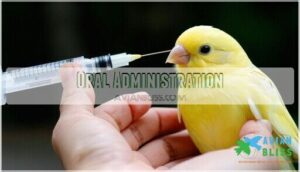
Giving oral medications to your feathered friend requires careful attention to liquid formulations and palatability concerns.
Most avian antibiotics for parrots, canaries, and finches come in liquid form that you can mix with water or deliver directly.
Hold your bird securely and use a small syringe to place drops along the side of the beak, watching for swallowing before giving more to prevent aspiration risks during oral administration.
Many owners find oral antibiotics for birds helpful in these situations, considering oral administration and the importance of palatability concerns.
Syringing
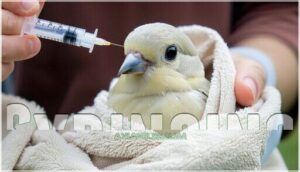
When using plastic or glass syringe types for bird antibiotics, master the correct technique by positioning the syringe alongside your bird’s beak, not directly inside.
This prevents aspiration—a dangerous situation where liquid enters the lungs.
Clean syringes thoroughly between doses to maintain antibiotic therapy effectiveness.
Consider bird syringe options for administering medication.
If your feathered friend resists handling, wrap gently in a towel.
Always follow veterinary guidance to prevent antibiotic resistance and guarantee proper dosing for successful treatment outcomes.
Coated Tablets

Coated tablets offer bird owners a practical alternative when liquid medications prove challenging.
The protective coating masks bitter tastes, improving tablet palatability for finicky birds.
You’ll find administration ease increases substantially compared to crushing pills or forcing liquids.
These formulations provide dosage accuracy since each tablet contains precise antibiotic amounts.
Storage stability remains excellent at room temperature.
Consider various product options for ease of use.
However, coating types vary, so consult avian vets before switching from prescribed liquid bird antibiotics to guarantee proper avian health outcomes and prevent antibiotic resistance.
Proper Antibiotic Dosage
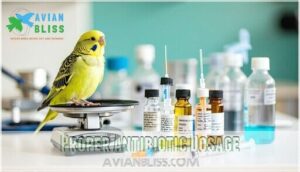
Getting the dosage right isn’t just important—it’s the difference between healing your bird and causing serious harm.
You’ll need to take into account your bird’s species, weight, and age because what works for a cockatiel can be dangerous for a finch, highlighting the importance of precise dosage.
Species-Specific Dosage
Determining proper antibiotic dosage for your feathered friend requires understanding that each avian species processes medications differently. What works for a canary won’t necessarily be safe for a macaw.
- Avian weight directly influences antibiotic dosage calculations using standard mg/kg formulations
- Metabolic rates vary substantially between species, affecting how quickly birds process medications
- Absorption rates differ among avian species, requiring dosage guidelines customized to individual patient needs
- Individual variation within the same species means some birds may need adjusted doses
- Genetic factors influence avian metabolism, making species-specific protocols essential for safety
Caregivers should understand medication dosing instructions to prevent errors.
Size and Age Considerations
Your bird’s size and weight matter more than you might think when calculating antibiotic dosage.
Chick dosage differs substantially from adult birds – young ones metabolize medications faster, while elderly birds process drugs slower.
Juvenile concerns include potential toxicity from normal doses.
Weight matters because avian metabolism varies dramatically between species.
Always factor your bird’s age into antibiotic administration decisions, considering how their size and weight, including metabolism, impact the dosage.
Avoiding Overdosing
When you’re walking the tightrope of antibiotic dosage, measuring doses precisely prevents dangerous overdosing that can kill your bird within hours.
Overdose symptoms include vomiting, tremors, and inability to perch.
Use safe syringes for accurate drug amount delivery, and maintain veterinary guidance throughout treatment.
Proper dosing means monitoring signs closely—underdosing creates resistance while overdosing causes toxicity.
Remember: dosage calculation errors aren’t forgivable mistakes.
Antibiotic Treatment Duration
You’ll need to complete the full course of antibiotics even if your bird appears better after just a few days.
Treatment duration typically ranges from 7-14 days depending on the infection type, your bird’s response to medication, and the specific antibiotic prescribed by your veterinarian.
Typical Treatment Length
When planning your bird’s recovery, understanding antibiotic treatment duration helps guarantee effective healing without unnecessary risks.
Most infections require a complete treatment period that varies based on several key factors.
Standard antibiotic treatment duration for birds typically follows these patterns:
- Respiratory infections – Usually need 7-10 days of consistent antibiotic treatment to clear completely
- Gastrointestinal issues – Often resolve with shorter 5-day courses using broad-spectrum medications
- Chronic infections – May require extended 21-day treatments for deep tissue involvement
Always follow vet instructions and complete the entire bird antibiotic treatment course, even when symptoms improve early.
Factors Affecting Treatment Duration
Your bird’s treatment duration isn’t one-size-fits-all.
Infection severity determines whether you’ll need five days or three weeks of antibiotics. Bird species matters too—smaller birds process medications faster than larger ones.
Your antibiotic choice affects timing, while your pet’s immune response and any concurrent illnesses can extend treatment.
Following veterinary guidance and dosage guidelines helps prevent antibiotic resistance in bacterial infections.
Avoiding Antibiotic Use
You don’t always need antibiotics to help your sick bird recover from minor health issues.
Prevention through proper nutrition, clean living conditions, and stress reduction can eliminate many infections before they require antibiotic treatment.
Alternative Treatments
Several natural approaches can support your bird’s health when antibiotics aren’t needed.
Probiotics restore beneficial gut bacteria, while herbal remedies like chamomile and turmeric offer gentle immune support. Apple cider vinegar in drinking water provides antimicrobial benefits.
Dietary changes including vitamin-rich foods strengthen the bird immune system naturally. These holistic care methods promote avian health through improved bird nutrition and hygiene practices, reducing dependency on pharmaceutical interventions.
Research into poultry antibiotic alternatives is essential for sustainable poultry production.
Preventing Infections
Prevention beats treatment every time. Smart bird hygiene practices create your first line of defense against infections that would otherwise require antibiotics.
Here’s your infection-prevention playbook:
- Hygiene Practices – Clean cages daily and disinfect equipment weekly to eliminate pathogens before they spread
- Balanced Diet – Provide nutrient-rich foods that boost natural immunity and support overall health
- Stress Reduction – Maintain calm environments with proper lighting, temperature, and minimal disturbances
- Quarantine Protocols – Isolate new birds for 30 days and separate sick individuals immediately
Regular veterinary checkups catch problems early, while probiotics use supports healthy gut bacteria that outcompete harmful organisms naturally. Rotating feeders can help with disease prevention strategies.
Preventing Antibiotic Resistance
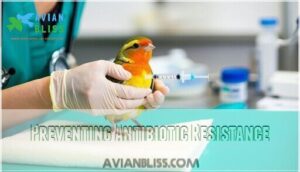
Preventing antibiotic resistance in birds requires careful stewardship and responsible use of these medications.
You can help by completing prescribed treatment courses fully, avoiding unnecessary antibiotic use.
Working with veterinarians who follow established resistance monitoring programs is also crucial.
Responsible Antibiotic Use
Smart antibiotic use protects your feathered friend’s future health. You’ll reduce antibiotic resistance by following veterinary guidance and avoiding prophylactic discouragement.
Judicious use means treating infections only when necessary, not "just in case." Fungal infections can also be a concern, especially with weakened immune systems.
| Practice | Action | Resistance Impact |
|---|---|---|
| Veterinary prescription | Always consult professionals | Minimizes inappropriate use |
| Complete courses | Finish full treatment | Prevents partial resistance |
| Resistance monitoring | Track effectiveness | Identifies emerging threats |
| Overuse consequences | Avoid unnecessary treatment | Reduces selection pressure |
This approach keeps antibiotics working when your bird truly needs them, ensuring a better outcome through judicious use and minimizing the risk of overuse consequences. By following these guidelines, you can help prevent resistance and keep your bird healthy.
Stewardship Programs
Through collaborative stewardship programs, you’ll find veterinarians and producers working together to combat antibiotic resistance.
These frameworks promote judicious use while building accountability across avian healthcare.
Education initiatives within programs reduce unnecessary treatments, helping prevent resistance emergence.
- Prudent Use protocols guide when antibiotics are truly necessary
- Resistance Monitoring tracks effectiveness of current treatments
- Alternative Therapies like vaccination reduce antibiotic dependence
- Policy Implementation guarantees consistent veterinary guidance across facilities
Monitoring Resistance Trends
Vigilance against resistance mechanisms starts with robust surveillance programs that track bacterial changes in your flock.
Regular bacterial culture and sensitivity testing reveals emerging patterns—up to 29% of E. coli isolates now show multidrug resistance.
These monitoring efforts guide alternative therapies and help develop novel antimicrobials, preventing global impact from antibiotic overuse and resistance emergence.
Choosing Safe Antibiotics
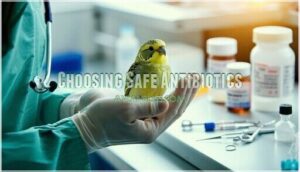
Selecting the right antibiotic for your feathered friend requires professional veterinary guidance to guarantee both safety and effectiveness.
You’ll need to follow FDA and EMA guidelines while considering local dosage recommendations that account for your bird’s specific species, size, and health condition.
Veterinary Guidance
Your bird’s health isn’t something to wing it on.
Always consult avian vets for professional diagnosis before starting any antibiotic treatment. Knowledgeable vets will recommend culture testing to identify specific bacteria, ensuring targeted therapy rather than guesswork.
They’ll provide proper prescription requirements and dosage recommendations based on your bird’s species and condition. Following veterinary oversight and established protocols leads to successful outcomes, which is the result of a professional diagnosis.
FDA/EMA Guidelines
Federal agencies establish strict protocols governing avian veterinary care through thorough Labeling Standards and Import Regulations.
These frameworks mandate Veterinary Oversight for safe bird medications while setting Residue Limits that protect both birds and food safety.
Dosage Compliance requirements guarantee proper antibiotic resistance prevention in veterinary medicine, making regulatory adherence essential for effective avian medicine practices with a focus on Residue Limits.
Local Dosage Recommendations
Beyond federal guidelines, you’ll discover that avian veterinary care varies substantially by region.
Your local veterinarian understands specific guidelines for your area’s common avian species and environmental factors.
Consider these regional variations in bird antibiotics dosage:
- Weight calculation methods – Some regions prefer body weight percentages while others use fixed dosing charts
- Dosage adjustments – Climate and altitude can affect how birds process safe bird medications
- Species-specific protocols – Local wildlife influences which avian antibiotic dosages work best
Remember, bird antibiotic dosing isn’t one-size-fits-all across different regions.
Frequently Asked Questions (FAQs)
What antibiotics are safe for birds?
Several antibiotics prove safe for birds when prescribed properly.
You’ll find amoxicillin, doxycycline, and enrofloxacin commonly recommended by vets.
Cephalexin and trimethoprim-sulfa also work well for most species, offering effective treatment without major risks, making them a commonly recommended option.
What ointment is safe for birds?
When your canary’s injured wing needs care, you’ll want triple antibiotic ointment without pain relievers.
Choose plain Neosporin or generic versions containing neomycin, polymyxin B, and bacitracin—skip anything with lidocaine or benzocaine, which can harm birds.
Are there different avian antibiotics for bacterial infections?
Yes, different avian antibiotics target specific bacterial infections.
Enrofloxacin treats respiratory issues, while amoxicillin handles general infections.
Doxycycline works for chlamydial diseases.
Your vet will choose based on the bacteria type and your bird’s condition.
Can bacterial infections in birds be treated with antibiotics?
Approximately 80% of avian bacterial infections respond well to appropriate antibiotic treatment when diagnosed early.
You’ll need veterinary-prescribed antibiotics like enrofloxacin or doxycycline, as these infections can quickly become life-threatening without proper intervention.
Are cockatiel antibiotics safe for birds?
Cockatiel-specific antibiotics aren’t inherently safer than general bird antibiotics. What matters is choosing the right antibiotic for your bird’s specific infection and following proper dosing guidelines from an avian veterinarian.
Can I use human antibiotics for birds?
Better safe than sorry" applies perfectly here.
You shouldn’t use human antibiotics for birds without veterinary guidance.
Some are safe like penicillins and cephalosporins, but others like erythromycin and clindamycin are toxic to birds.
What is the best natural antibiotic for birds?
Natural antibiotics aren’t reliable substitutes for prescribed medications when your bird’s battling serious bacterial infections.
Garlic, oregano oil, and echinacea may offer mild antimicrobial properties, but they can’t replace veterinary-prescribed antibiotics for effective treatment, as they are not a reliable substitute for prescribed medications, emphasizing the importance of effective treatment.
What human medicine is safe for birds?
Sure, you’re playing doctor with your feathered friend! Some human antibiotics like amoxicillin and penicillins can be safe for birds, but dosages differ drastically. Always consult your avian vet first.
Can birds share antibiotics with other pets?
No, birds shouldn’t share antibiotics with other pets.
Different species have varying metabolisms, dosing requirements, and toxicities.
What’s safe for dogs or cats can be deadly for birds.
Always get species-specific prescriptions from your vet.
How long after antibiotics can birds eat?
Like a gentle wave washing over shore, your feathered friend can typically eat immediately after receiving antibiotics.
There’s no waiting period needed.
However, watch for digestive upset and offer easily digestible foods first.
Conclusion
Exploring the field of avian medicine isn’t rocket science, but choosing the right safe antibiotic for birds requires careful consideration.
You’ve learned that doxycycline remains the gold standard, offering effective treatment with minimal toxicity risks.
Remember that proper dosage, administration method, and treatment duration are key factors that determine success.
Always consult your avian veterinarian before starting any antibiotic regimen, as they’ll provide species-specific guidance customized to your bird’s unique needs and health status.
- https://www.cdc.gov/mmwr/preview/mmwrhtml/00053909.htm
- https://pubmed.ncbi.nlm.nih.gov/35740148/
- https://pmc.ncbi.nlm.nih.gov/articles/PMC9219738/
- https://opensanctuary.org/calculating-medication-dose-a-how-to-guide-for-animal-caregivers/
- https://www.harrisonsbirdfoods.com/wp-content/uploads/2024/03/457-480-Ch18-Formulary.pdf