This site is supported by our readers. We may earn a commission, at no cost to you, if you purchase through links.
Most backyard bird feeders fail within the first season—not from weather damage or squirrel raids, but because well-meaning bird lovers unknowingly serve the wrong seeds. A cardinal won’t touch nyjer, and goldfinches will pass right by a feeder full of cracked corn.
Understanding which seeds attract which species transforms your yard from an ignored pit stop into a thriving avian hub. The right seed feeding guide for birds starts with matching seed types to your local species, then selecting feeders that protect both the food and your feathered visitors.
Once you grasp these fundamentals, you’ll notice more species, healthier birds, and feeders that actually get emptied instead of ignored.
Table Of Contents
- Key Takeaways
- Essential Seed Types for Backyard Birds
- Choosing The Right Bird Feeder
- When and How Often to Feed Birds
- Safe Bird Feeder Placement Tips
- Preventing Disease at Bird Feeders
- Attracting Specific Bird Species With Seeds
- Storing and Handling Bird Seed Properly
- Creating a Bird-Friendly Feeding Habitat
- Top 10 Seed Products for Wild Birds
- 1. Black Oil Sunflower Bird Seed
- 2. Wild Bird Sunflower Seed Mix
- 3. Kaytee Sunflower Seeds For Wild Birds
- 4. Wagner’s Nyjer Seed Bird Food
- 5. Safflower Seed Wild Bird Food
- 6. Wagners Cracked Corn Wild Bird Food
- 7. Lyric Peanut Wild Bird Seed
- 8. Wild Bird Food Variety Blend
- 9. Wagner’s Supreme Wild Bird Food Blend
- 10. Droll Yankees Finch Bird Feeder
- Frequently Asked Questions (FAQs)
- Conclusion
Key Takeaways
- Black-oil sunflower seeds attract the widest variety of songbirds due to their thin shells and 40-50% fat content, making them the most efficient single-seed choice for year-round feeding.
- Matching seed types to feeder designs prevents waste and improves bird safety—tube feeders work best for nyjer and small seeds, while platform feeders suit ground-feeding species like sparrows and doves.
- Cleaning feeders every two weeks with a 1:9 bleach-to-water solution and storing seed in airtight containers prevents the mold and disease that kill more backyard birds than predators.
- Strategic feeder placement within 3 feet or beyond 30 feet of windows, combined with 10+ feet of distance from dense cover, protects birds from both collisions and predator ambushes.
Essential Seed Types for Backyard Birds
Choosing the right seed can make all the difference in the birds you attract to your backyard. Different species have distinct preferences based on their beak size, feeding behavior, and nutritional needs.
Here are the essential seed types that will bring a diverse range of birds to your feeders throughout the year.
Black-Oil Sunflower Seeds
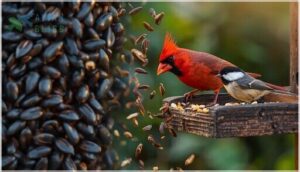
Black-oil sunflower seeds are the benchmark in bird seed selection, offering 50–60% oil content that fuels your feathered visitors through cold snaps and migrations. Cardinals, chickadees, and nuthatches crack the thin shells easily, making these seeds a smart choice for bird nutrition and attraction. You’ll find fewer husks scattered below your feeder compared to other sunflower seed types, simplifying feeder maintenance while supporting diverse backyard species.
For maintaining a healthy ecosystem, understanding scientific study methods is essential for informed decisions.
White Proso Millet
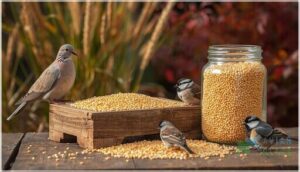
While sunflower seeds serve larger songbirds beautifully, white proso millet delivers high-calorie carbohydrates for ground-feeding species like sparrows, doves, and juncos. You’ll want to offer millet in platform feeders or scattered below other seed types, where ground-foragers naturally search for food.
Store your millet in airtight containers to prevent moisture and pests from compromising its nutritional benefits for your backyard visitors.
Nyjer (Thistle) Seeds
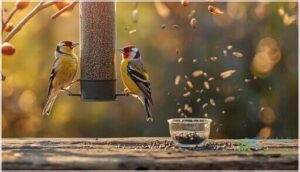
If you’re hoping to welcome American goldfinches and purple finches to your yard, nyjer seed is your answer. These tiny, protein-rich seeds require specialized tube feeders with small ports to minimize waste, since their lightweight shells scatter easily in wind.
Store nyjer in airtight containers in a cool, dry spot to prevent mold and preserve freshness for your feathered guests.
Safflower Seeds
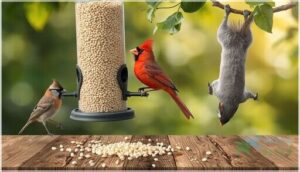
Cardinals, grosbeaks, and chickadees appreciate safflower seeds for their high fat and protein content—about 35-40% fat and 15-25% protein. The thick shell discourages squirrels and grackles, offering natural pest control at your feeder.
Safflower’s higher oleic acid content means longer shelf life when you store it in airtight containers. These seeds provide reliable energy for adult birds and growing nestlings throughout the season.
Cracked Corn
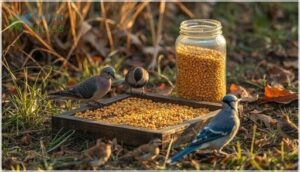
Ground-feeding birds like doves, jays, and larger sparrows will visit your feeder for cracked corn, though it’s not a nutritional powerhouse. This supplement offers energy from starch but limited protein compared to other seed selections.
Use it sparingly in your wild bird food mix and store it in airtight containers to prevent mold. Proper feeder hygiene protects wild bird health when offering corn. For squirrel-resistant dispensing and easy cleaning, consider a cardinal-friendly feeder with adjustable perches that accommodates their larger size.
Peanuts and Suet
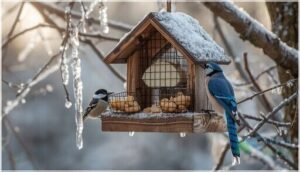
Peanuts deliver fats and proteins that woodpeckers, jays, and chickadees need, especially when you offer shelled varieties or peanut butter blends. Cardinals often prefer these high-energy options too, especially when you explore what types of food attract cardinals beyond standard birdseed mixes.
Suet cakes provide concentrated energy from rendered animal fat during winter feeding, attracting nuthatches and other insectivorous species. Pairing suet with high-fat seed options like black oil sunflower creates a complete winter feeding station that supports both insect-eaters and seed-loving finches.
Keep your bird feeder clean and replace spoiled wild bird food promptly—moldy peanuts or rancid suet compromise feeder safety and bird attraction. Regular cleaning prevents disease spread among visiting birds—explore more bird feeding and food safety tips to keep your backyard flock healthy year-round.
Choosing The Right Bird Feeder
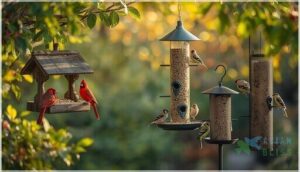
The right feeder can make all the difference in which birds visit your yard and how successfully they access the food you provide. Different feeder designs cater to specific feeding behaviors, seed types, and bird sizes.
Let’s look at the main feeder styles and how each one benefits your backyard visitors.
Tube Feeders for Small Seeds
Tube feeders offer a smart solution for hosting small birds like finches and siskins while keeping larger species at bay. Their cage-style ports and narrow perches let you deliver nyjer seed and other small seeds with minimal waste. Proper tube maintenance and seed storage in airtight containers guarantee fresh offerings year-round.
- Position your tube feeder 5 to 6 feet high to balance accessibility with predator protection
- Choose models with drainage holes to prevent moisture buildup and seed spoilage
- Clean feeders every two weeks using a 9:1 water-to-bleach solution
- Select weight-activated mechanisms to control seed flow and reduce spillage
Platform Feeders for Ground Feeders
Platform feeders bring the buffet closer to ground feeders like juncos and sparrows without exposing your bird seed to dampness and spoilage. These shallow dishes suit wild bird food varieties, from cracked corn to mixed blends.
Their raised design improves bird safety and simplifies feeder maintenance. Choose models with drainage holes and low sides to minimize seed spillage yet still welcome ground-loving species.
Hopper Feeders for Mixed Seeds
Hopper feeders work like a reliable pantry for your backyard visitors, dispensing black-oil sunflower seed and mixed blends through gravity-fed chambers that protect against moisture. Their transparent housing lets you monitor seed levels, and many models hold between two and ten pounds of feed.
Proper feeder placement at least ten feet from windows reduces collision risk, while routine feeder maintenance with mild soap prevents mold and keeps birds healthy.
Specialized Feeders for Nyjer and Peanuts
Finches crowd around Nyjer seed feeders with fine-mesh ports that prevent wasteful spillage, while cardinals and jays prefer sturdy peanut tube feeders positioned near protective shrubs. Squirrelproof designs with weighted perches maintain seed selection integrity and improve pest control.
For ideal bird attraction and feeder maintenance:
- Install Nyjer feeders five to six feet above ground to deter pests
- Use UV-stabilized plastics resistant to outdoor weathering
- Inspect weekly for clogged ports and replace stale seed promptly
When and How Often to Feed Birds
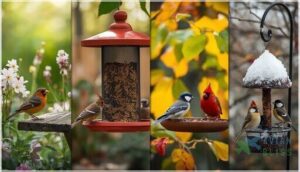
You don’t need to keep your feeders stocked year-round to support the birds in your yard. Timing matters more than you might think, and understanding when birds need extra help can make your feeding efforts more effective.
The guidelines below will help you decide when to offer seed and how often to refill your feeders based on season, migration patterns, and where you live.
Seasonal Feeding Guidelines
You’ll notice seasonal changes in bird seed preferences as migration patterns and local species shift throughout the year. Regional migration calendars and climate adaptation guide your seed rotation, ensuring your bird habitat meets wild bird food needs when natural sources run low.
In spring, offer varied seed mixes to support breeding energy, while fall and winter call for high-fat options like black-oil sunflower to help birds maintain body temperature.
Feeding During Migration and Winter
When temperatures drop and migration begins, your consistent supply of energy-dense foods becomes a lifeline for visiting and overwintering species. Cold weather strategies center on high-fat options that support thermoregulation and long-distance travel demands.
Focus on these winter bird nutrition essentials:
- Black-oil sunflower seed – preferred by chickadees, nuthatches, and cardinals for its outstanding fat content
- Nyjer seed – attracts finches and pine siskins in winter flocks
- Suet cakes – provide concentrated energy during extreme cold
Supplemental watering helps too, since natural sources often freeze.
Adjusting Feeding Frequency by Region
Regional climate shapes feeding patterns more than most backyard bird feeding strategies acknowledge. In colder areas, your wild bird food will disappear faster as birds meet higher energy demands, while milder zones see more irregular visits.
Geographic variations also matter—coastal, inland, and high-altitude habitats each bring seasonal shifts in bird migration and feeding behavior, so adjust your bird seed supply based on local conditions and temperature swings.
Safe Bird Feeder Placement Tips
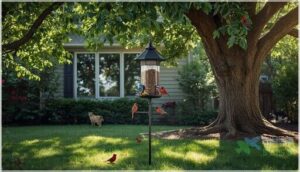
Where you place your feeder can mean the difference between a thriving feeding station and an empty one. The right spot keeps birds safe from window strikes and predators while giving them quick access to shelter when they need it.
Let’s look at three key placement factors that will help you create a safer feeding environment for your backyard visitors.
Distance From Windows and Predators
Keeping your feeder at the right distance from windows protects birds from deadly collisions while deterring predators who lurk near cover. Position feeders either more than 30 feet from windows or closer than 3 feet to reduce reflection management issues. Strategic feeder placement helps with both window safety and predator control.
- Place feeders at least 10 feet from dense brush where predators hide
- Use window decals or screens to break up glass reflections
- Mount feeders on poles with baffles for effective squirrel deterrence
- Keep feeders 12 feet from evergreen trees that provide escape routes
- Avoid positioning feeders under tree canopies where predators drop down
Height and Accessibility Considerations
Height matters just as much as distance when positioning your bird feeder. Platform feeders work best elevated 3 to 4 feet above ground to deter raccoons and ground predators, while tube feeders mounted 5 to 6 feet high reduce squirrel access. During winter months, you might lower feeders temporarily so smaller birds can reach food safely through icy conditions.
Higher placement prevents predator deterrence issues but increases cleaning difficulty. Consider seasonal adjustments when snow accumulates, as accessibility for aging birds during migration peaks requires flexibility. Proper feeder placement with pole-mounted baffles above 4 feet minimizes raccoon reach while preserving bird safety.
| Feeder Type | Recommended Height | Primary Benefit |
|---|---|---|
| Platform Feeders | 3-4 feet | Ground predator deterrence |
| Tube Feeders | 5-6 feet | Squirrel deterrence |
| Window-Mounted | Within 3 feet | Reduced window collisions |
| Ground Feeders | At-grade level | Natural access for doves |
Protecting Birds From Squirrels and Pests
Squirrel-proof feeders with weight-activated mechanisms reduce seed loss by 50-70%, closing access ports when larger animals land. Metal components resist chewing better than plastic, offering lasting feeder security.
Baffle systems work best when you position feeders 5 feet above ground and 4 feet from trees.
Clean spilled bird seed promptly to prevent attracting unwanted pests that compromise bird health and feeder maintenance routines.
Preventing Disease at Bird Feeders

Keeping your feeders clean isn’t just about tidiness—it’s about protecting the birds you care for from harmful diseases that spread quickly in feeding areas.
Regular maintenance and proper seed management create a safe environment where birds can thrive without risk of infection.
Here’s what you need to know to keep your backyard feeding station healthy and disease-free.
Cleaning Frequency and Best Practices
Maintaining clean bird feeders keeps your backyard visitors healthy and reduces the risk of spreading disease. You’ll want to establish a regular cleaning routine that includes these essential steps:
- Clean all bird feeders at least once every two weeks during peak feeding season, increasing frequency when you notice mold, droppings, or moisture
- Remove old seed remnants and scrub feeders with hot, soapy water using dedicated brushes
- Rinse thoroughly to eliminate soap residue before refilling
- Allow feeders to dry completely before adding fresh seed to prevent mold growth
Safe Disinfectant Methods
After washing your feeders with hot water and dish soap, you’ll need proper disinfecting to eliminate harmful pathogens. Mix one part household bleach with nine parts water to create an effective sanitizing solution for bird feeder maintenance.
Soak feeders for two to three minutes, then rinse thoroughly with clean water. Allow them to air dry completely before refilling, ensuring excellent bird health and safety through these simple cleaning methods.
Managing Seed Spoilage and Mold
Mold thrives when bird seed moisture exceeds 12–14% or humidity climbs above 60%. Store wild bird food in airtight, pest-proof containers and keep them in cool, dry locations to prevent spoilage control issues.
Rotate your stock using first-in, first-out seed rotation practices, and buy only what birds will consume within two to four weeks. Remove any moldy seed immediately to protect flock health.
Attracting Specific Bird Species With Seeds
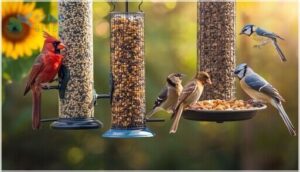
Different bird species have distinct feeding preferences, and choosing the right seed can make all the difference in who visits your feeders. You’ll attract a more diverse range of birds when you match seeds to their natural dietary needs and beak structures.
Here’s how to use specific seed types to welcome your favorite backyard species.
Sunflower Seeds for Cardinals and Chickadees
Black oil sunflower seed stands out as the top choice for attracting cardinals and chickadees to your bird feeder. This seed selection delivers high fat content that aids both species during bird migration and winter months.
Cardinals show a strong preference for platform or hopper feeders at chest height, while chickadees adapt to varied feeder placement. The thick shells align perfectly with cardinal diet requirements and chickadee behavior patterns.
Nyjer for Finches and Pine Siskins
Nyjer seed draws American Goldfinches and Pine Siskins in impressive numbers during finch migration and winter foraging periods. The high oil content in nyjer seeds bolsters bird nutrition when natural sources run low.
You’ll see the best results using tube feeders with small ports that accommodate their delicate bills while excluding larger birds. Consistent daily replenishment during peak seasons keeps these colorful visitors returning to your yard.
Millet for Sparrows and Doves
White proso millet ranks among the top wild bird food choices for attracting ground-feeding sparrows and Mourning Doves to your feeding area. These species readily visit platform or ground bird feeders where you’ve scattered millet, especially when natural seed sources diminish during dove migration periods.
- Mix millet with cracked corn to broaden bird diversity while maintaining sparrow focus
- Balance feeding frequency to prevent over-dependence and seed spoilage
- Watch for increased activity during seasonal shifts when bird feeding tips matter most
Safflower for Northern Cardinals and Grosbeaks
Northern cardinals and grosbeaks prefer safflower seeds due to their thick hulls and substantial white interiors, which align with cardinal diet requirements. You’ll notice cardinals visit safflower bird feeders more frequently than mixed seed offerings, especially during late fall and winter when natural seed preferences shift.
Safflower benefits include reduced squirrel interference, ensuring consistent bird activity. A dedicated feeder increases cardinal-focused feeding while supporting grosbeak habitat needs during bird migration periods.
Storing and Handling Bird Seed Properly
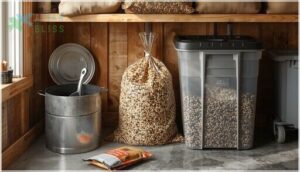
Proper storage keeps your bird seed fresh and prevents waste from moisture, mold, or unwanted pests. When you store seed correctly, you’re protecting both your investment and the health of the birds that visit your feeders.
Let’s look at three essential practices that will help you maintain seed quality from purchase to feeding.
Choosing Airtight, Pest-Proof Containers
Think of your storage container as a fortress for your bird seed. You’ll want airtight lids with gasket or silicone seals that truly lock out moisture and pests—studies show proper containers reduce seed spoilage by up to 60 percent.
Choose food-grade plastic or metal with BPA-free linings to avoid contamination. Clear, stackable options let you monitor seed quality at a glance, and don’t forget to label each container with the purchase date.
Protecting Seed From Moisture
Moisture is seed’s biggest enemy—it breeds mold and fungal growth that can harm birds. Store your bird seed in airtight containers with tight-fitting lids, and keep them in a cool, dry space away from humidity spikes.
You’ll want to place feeders under eaves or add baffles to shield contents from rain and snow. Check for condensation weekly, especially during wet seasons, and replace damp seed immediately to maintain safe feeding conditions.
Checking and Disposing of Expired Seed
Seed expiration threatens bird safety more than most backyard enthusiasts realize. You’ll need to inspect your bird seed regularly and watch for these warning signs:
- Off-odors or musty smells indicating mold prevention has failed
- Visible discoloration or moisture in your bird feeder
- Clumped or sprouting seeds showing compromised seed storage
- Any fungal growth on wild bird food
Discard expired seed in sealed bags following local waste management rules, then clean storage containers thoroughly to protect your feathered visitors.
Creating a Bird-Friendly Feeding Habitat
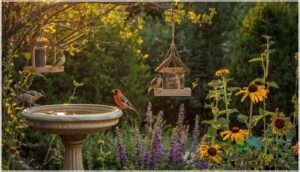
Feeding birds is only part of creating a space where they’ll truly thrive. Your yard becomes more than a refueling station when you add the right plants, water, and shelter that birds need year-round.
These three elements work together to transform your feeding area into a habitat that sustains birds through every season.
Incorporating Native Plants and Shrubs
You can transform your yard into a bird-friendly habitat by planting native trees and shrubs that produce natural seed crops aligned with migration patterns. Native plant selection also reduces maintenance while attracting beneficial insects birds need during breeding season.
Local ecosystem support comes from choosing diverse, drought-tolerant species that sustain pollinators and seed-producing plants year-round. Your bird habitat design should include seed crop management through staggered plantings, creating wildlife conservation benefits alongside traditional feeders.
Providing Water Sources
Water quality matters as much as food when you’re building a bird-friendly habitat. Place shallow bird baths near your bird feeder, refilling them daily during hot weather to support bird hydration.
Fresh sources prevent disease and attract diverse species year-round. Keep water stations clean with weekly washing, and consider heated options for winter to maintain seasonal availability in your wild bird care routine.
Offering Shelter and Nesting Sites
Natural cavities and hollow branches work like rental properties for chickadees and nuthatches—when these aren’t available, you’ll need to step in. Position birdhouses 1–2 meters above ground, sheltered from wind and direct sun, to support successful nesting and bird habitat creation.
- Mount nesting boxes away from prevailing winds to reduce thermal stress
- Maintain dead snags at safe heights as critical nesting substrates
- Plant dense shrub layers near feeders to increase fledgling survival
- Incorporate native perennials for birdfriendly habitat and wildlife conservation
- Clean temporary nest boxes after breeding seasons to prevent disease transfer
Top 10 Seed Products for Wild Birds
Finding the right seed products can make all the difference in attracting healthy, thriving birds to your backyard. You’ll want options that meet different species’ nutritional needs while staying fresh and accessible throughout the season.
Here are ten reliable seed products and feeders that consistently deliver results for backyard bird enthusiasts.
1. Black Oil Sunflower Bird Seed
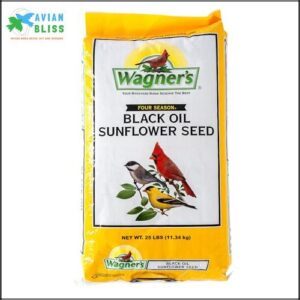
You’ll find black-oil sunflower seed stands out as the benchmark in wild bird food, attracting cardinals, chickadees, finches, and woodpeckers to your backyard. These thin-shelled seeds pack 40-50% fat content, delivering the high-calorie bird nutrition your feathered visitors need during winter months.
For best results with sunflower seeds, store them in airtight metal containers to prevent moisture damage and pest invasion. Wagner’s 25-pound bag offers quality USA-made seed, though you’ll want to check occasionally for debris before filling your feeders.
| Best For | Bird enthusiasts looking for a cost-effective, high-energy seed that attracts a wide variety of species including cardinals, chickadees, finches, and woodpeckers. |
|---|---|
| Weight | 25 lbs |
| Brand | Wagner’s |
| Form | Seed |
| Made in USA | Yes |
| Bird Attraction | Wide variety |
| Primary Ingredient | Black oil sunflower |
| Additional Features |
|
- Thin shells make it easy for small-beaked birds to crack open, and the 40-50% fat content provides excellent energy during winter months
- Compatible with most feeder types including tube, hopper, and platform feeders, giving you flexibility in how you set up your yard
- Made in the USA from high-quality grains, with a 25-pound bag offering good value for regular bird feeders
- Some customers report finding debris like wood chips and twigs mixed in with the seeds, indicating inconsistent quality control
- The large 25-pound bag lacks a velcro or resealable closure, which can lead to spills and makes storage less convenient
- May attract squirrels and other unwanted wildlife to your feeding area, requiring additional management strategies
2. Wild Bird Sunflower Seed Mix
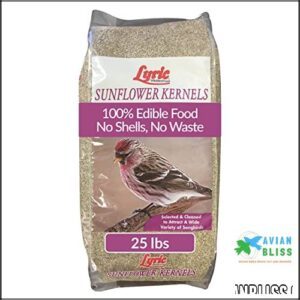
While single-seed offerings work well, wild bird sunflower seed mixes broaden your backyard’s appeal by combining blackoil sunflower seed with white proso millet, nyjer seed, and sometimes safflower or cracked corn. This seed composition attracts cardinals alongside sparrows and finches in one feeder.
You’ll notice cleaner results with no-waste blends like Lyric’s sunflower kernels, which eliminate shells entirely. These mixes suit hopper and platform feeder types, though you should store them in sealed containers to preserve nutrition value and prevent spoilage between refills.
| Best For | Backyard birders who want to attract a variety of songbirds without dealing with messy seed shells under their feeders. |
|---|---|
| Weight | 25 lbs |
| Brand | Lyric |
| Form | Kernels |
| Made in USA | Yes |
| Bird Attraction | Finches and songbirds |
| Primary Ingredient | Sunflower kernels |
| Additional Features |
|
- Attracts multiple species including cardinals, finches, and sparrows with a versatile seed blend
- No-waste kernels eliminate shell mess and cleanup under feeding areas
- High-quality sunflower kernels provide excellent fat and energy content for wild birds
- Price can be higher than standard seed mixes, especially during crop shortages
- Requires proper airtight storage to prevent spoilage and maintain freshness
- Packaging may arrive damaged during shipping due to the 25-pound weight
3. Kaytee Sunflower Seeds For Wild Birds
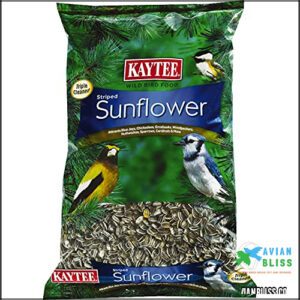
Kaytee’s striped sunflower seeds offer a reliable wild bird food choice for attracting blue jays, cardinals, and woodpeckers to your feeders. The chunky seed format suits hopper and platform bird feeders, though you’ll want to inspect for seed quality issues like weevils before filling.
Store this black oil sunflower alternative in airtight metal containers to protect bird nutrition value from moisture and pests.
Proper feeder placement—at least ten feet from trees—helps larger species access the seeds while keeping squirrels at bay and maintaining bird attraction throughout the season.
| Best For | Backyard birders who want to attract larger species like blue jays, cardinals, and woodpeckers with a high-energy seed option. |
|---|---|
| Weight | 5 lbs |
| Brand | Kaytee |
| Form | Chunk |
| Made in USA | N/A |
| Bird Attraction | Larger birds |
| Primary Ingredient | Striped sunflower |
| Additional Features |
|
- High oil content provides excellent energy for wild birds, especially during winter months
- Attracts a diverse range of desirable species including chickadees, nuthatches, and woodpeckers
- Trusted brand with over 150 years of expertise in bird nutrition
- Some customers have reported finding bugs or weevils in the seed
- Can create mess around feeders as birds crack open the shells
- May attract unwanted species like house sparrows along with target birds
4. Wagner’s Nyjer Seed Bird Food
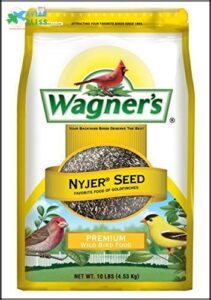
Wagner’s Nyjer Seed Bird Food delivers high-energy nutrition that American goldfinches and other finches can’t resist. These tiny, oil-rich seeds contain roughly 150,000 per pound and work best in specialized tube feeders with small feeding ports.
You’ll need to monitor for seed spoilage prevention—nyjer’s high fat content means it can mold quickly in damp conditions. Store your bird seed in secure metal containers to protect wild bird nutrition value from moisture, and fill feeders with small amounts you can refresh weekly for best finch feeding results.
| Best For | Birdwatchers who want to attract American goldfinches and other small finches to their backyard with a high-energy, specialized seed option. |
|---|---|
| Weight | 10 lbs |
| Brand | Wagner’s |
| Form | Seeds |
| Made in USA | N/A |
| Bird Attraction | Finches |
| Primary Ingredient | Nyjer seed |
| Additional Features |
|
- Contains 150,000 tiny, oil-rich seeds per pound that finches love, with high fat and protein content for energy
- Extra clean seed with convenient velcro press-lok closure for easy storage
- Works perfectly in specialized finch feeders with small holes and perches
- Can spoil quickly due to high fat content if exposed to moisture, requiring frequent refills
- Some customers report issues with seeds spilling from the bag and inconsistent seed quality
- Shells create mess below feeders, and the seed may not attract larger bird species
5. Safflower Seed Wild Bird Food
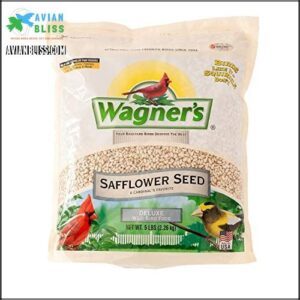
Cardinals, chickadees, and grosbeaks favor safflower seeds for their high fat content—roughly 30–33%—which delivers energy-dense calories your backyard visitors need. This bird seed’s thick shell discourages squirrels and larger pest birds, making it ideal for tray or tube bird feeders placed 10–12 feet from windows.
Store wild bird food in airtight containers to prevent mold, since safflower’s nutritional value depends on staying dry. You’ll notice some species take time adjusting to this seed, so mix it gradually with sunflower for smoother feeder placement transitions.
| Best For | Backyard birders who want to attract cardinals, chickadees, and grosbeaks while keeping squirrels and pest birds like grackles away from their feeders. |
|---|---|
| Weight | 5 lbs |
| Brand | Wagner’s |
| Form | Seed |
| Made in USA | Yes |
| Bird Attraction | Cardinals and songbirds |
| Primary Ingredient | Safflower seed |
| Additional Features |
|
- High fat content (30–33%) provides energy-dense nutrition that songbirds need, especially during winter months
- Thick shell naturally discourages squirrels and larger unwanted birds, reducing seed theft and waste
- Stores well for several months when kept dry in airtight containers, maintaining freshness longer than some other seed types
- Some bird species may not eat it right away or at all, requiring a gradual transition period mixed with sunflower seeds
- Thicker hull makes it harder for smaller birds to crack open compared to black-oil sunflower seeds
- Customer reports indicate occasional packaging issues like torn bags, and effectiveness varies by region and local bird populations
6. Wagners Cracked Corn Wild Bird Food
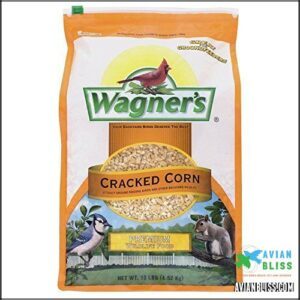
Ground-feeding birds like Blue Jays, doves, and cardinals flock to cracked corn for its protein-rich calories and easy digestibility. This wild bird food doubles as a squirrel diversion when scattered 15–20 feet from sunflower seed or Nyjer seed feeders, protecting your main bird feeder from constant raids.
Wagner’s 10-pound bag works best in platform feeders or spread directly on the ground near brush piles.
Store cracked corn in metal containers to block moisture and pests, since damp kernels spoil quickly and lose nutritional value for your backyard visitors.
| Best For | Backyard birders who want to attract ground-feeding species like Blue Jays, cardinals, and doves while keeping squirrels away from premium seed feeders. |
|---|---|
| Weight | 10 lbs |
| Brand | Wagner’s |
| Form | Seed |
| Made in USA | N/A |
| Bird Attraction | Ground feeding birds |
| Primary Ingredient | Cracked corn |
| Additional Features |
|
- Attracts a wide variety of ground-feeding birds and can double as a squirrel diversion strategy
- High in protein and calories, providing essential energy for birds during winter months
- Versatile feeding options—works in platform feeders, scattered on the ground, or for feeding wild waterfowl
- Bag doesn’t reseal, making proper storage in airtight containers necessary to prevent spoilage
- Attracts squirrels, chipmunks, and other small animals, which may not be ideal for all users
- Higher price point compared to the quantity provided, and some bird species may struggle with the kernel size
7. Lyric Peanut Wild Bird Seed
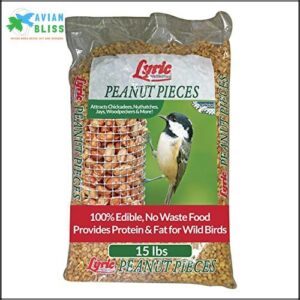
High-protein peanuts deliver the energy wild birds need during cold snaps and nesting season. Lyric’s 15-pound peanut seed attracts woodpeckers, chickadees, and bluebirds to tube feeders or platform-style bird feeders without leaving messy hulls behind.
You’ll want to check this wild bird food every three days for mold, especially after rain, since damp peanuts spoil faster than sunflower varieties.
Store opened bags in metal containers with tight lids to block moisture and rodents—proper seed storage tips protect both bird nutrition and your investment.
| Best For | Backyard birders who want to attract woodpeckers, chickadees, and bluebirds with a high-energy, no-mess food option during cold weather and nesting season. |
|---|---|
| Weight | 15 lbs |
| Brand | Lyric |
| Form | Pellet |
| Made in USA | N/A |
| Bird Attraction | Various songbirds |
| Primary Ingredient | Peanuts |
| Additional Features |
|
- High-protein and high-fat content gives birds the energy they need during cold snaps and breeding season
- 100% edible with zero waste since there are no messy hulls to clean up underneath feeders
- Attracts a wide variety of colorful songbirds including woodpeckers, bluebirds, and chickadees
- Requires checking every three days for mold since damp peanuts spoil faster than sunflower seeds, especially after rain
- May attract unwanted visitors like raccoons, opossums, and squirrels looking for an easy meal
- Not compatible with all feeder types, and some birds may struggle with larger peanut pieces
8. Wild Bird Food Variety Blend
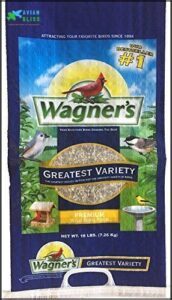
Variety blends combine black-oil sunflower seeds, nyjer seeds, millet, and safflower seeds in one bag, giving you an efficient way to attract cardinals, finches, and sparrows without buying separate products. Bird seed selection matters—check ingredient lists for high sunflower content and minimal filler grains that birds discard.
Feeder maintenance becomes simpler when you rotate seed composition seasonally, and proper seed storage in airtight containers prevents mold that compromises bird attraction. Wildlife management starts with monitoring what lands at your feeder, then adjusting your blend accordingly.
| Best For | Backyard bird enthusiasts who want to attract multiple songbird species like cardinals, finches, and sparrows with a single convenient seed blend. |
|---|---|
| Weight | 16 lbs |
| Brand | Wagner’s |
| Form | Seed |
| Made in USA | Yes |
| Bird Attraction | Colorful songbirds |
| Primary Ingredient | Sunflower blend |
| Additional Features |
|
- High sunflower content (40%) provides energy-rich food that appeals to a wide variety of colorful songbirds
- Versatile feeding options—works in tube, hopper, or platform feeders so you can use whatever setup you already have
- 11-ingredient gourmet blend offers good variety to attract different species without buying multiple separate seed bags
- Non-resealable 16-pound bag can lead to freshness and mold issues if not transferred to airtight storage
- Some customers reported quality control problems including bugs, mold, and inconsistent seed quality
- High sunflower content may attract squirrels and other wildlife you don’t want at your feeders
9. Wagner’s Supreme Wild Bird Food Blend
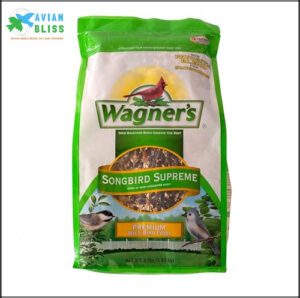
Wagner’s 50% sunflower formula delivers supplemental nutrition through black-oil sunflower, white proso millet, and safflower seeds—a blend that attracts chickadees, cardinals, and sparrows.
This 8-pound package works in tube, hopper, or platform feeders, though you’ll want to replace contents every 1–2 weeks during warm months as part of standard feeder maintenance.
Store bird seed in airtight containers to maintain seed quality, and monitor visiting species to adjust your wild bird food selection for effective bird watching sessions.
| Best For | Backyard birders who want to attract a diverse mix of songbirds like cardinals, chickadees, and finches with a high-sunflower blend. |
|---|---|
| Weight | 8 lbs |
| Brand | Wagner’s |
| Form | Seeds |
| Made in USA | Yes |
| Bird Attraction | Backyard songbirds |
| Primary Ingredient | Sunflower blend |
| Additional Features |
|
- 50% sunflower content brings in a wide variety of songbirds including cardinals, chickadees, and grosbeaks
- Works in multiple feeder types—tube, hopper, or platform—so you can use what you already have
- Made in the USA with a resealable slider for easier storage between refills
- Higher price point leaves some buyers questioning the value compared to other blends
- High sunflower ratio can attract squirrels and larger birds like grackles that dominate feeders
- Creates noticeable mess under feeders from hulls and uneaten seeds that may sprout weeds
10. Droll Yankees Finch Bird Feeder
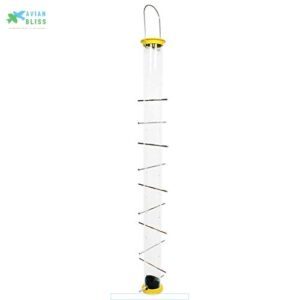
Finches prefer Nyjer seed delivered through small feeding ports, and this 40-inch tube feeder holds 3.5 pounds while accommodating multiple birds at 20 perches. Goldfinches and pine siskins usually discover tube feeders within days when placed near native shrubs that offer shelter for backyard birds.
Position your feeder 5–6 feet above ground and 10 feet from trees to balance finch attraction with bird safety measures.
Clean every two weeks using a 1:9 bleach solution to maintain feeder maintenance standards, and store bird seed in sealed metal containers to protect Nyjer freshness.
| Best For | Backyard bird watchers who want to attract goldfinches and other small finches with a high-capacity feeder that lets multiple birds feed at once. |
|---|---|
| Weight | 2 lbs |
| Brand | N/A |
| Form | Feeder |
| Made in USA | N/A |
| Bird Attraction | Goldfinches |
| Primary Ingredient | N/A |
| Additional Features |
|
- Holds 3.5 pounds of Nyjer seed with 20 feeding ports so several finches can eat at the same time
- Internal baffle ensures seeds empty completely, and the clear polycarbonate tube makes it easy to see when you need a refill
- Durable metal base and cap with UV-stabilized construction that holds up to weather and regular use
- At 40 inches long, it takes up quite a bit of vertical space and might not work in smaller yards
- Birds sometimes take a few days or longer to find and start using the feeder regularly
- Needs cleaning every two weeks to prevent mold, which adds to maintenance time
Frequently Asked Questions (FAQs)
Can birdseed attract unwanted wildlife like rodents?
Yes, birdseed can attract rodents when spilled seed accumulates near feeders or storage isn’t secure.
Proper seed storage in airtight containers, regular cleanup, and strategic feeder design help with pest management and rodent control.
How long does birdseed typically stay fresh?
Stored properly in cool, dry conditions, your bird seed stays at peak quality for one to three months.
Sunflower seeds and Nyjer seeds maintain freshness for four to six weeks once opened.
Should I feed birds during summer months?
You can continue offering bird seed during summer, but reduce amounts to prevent seed spoilage in heat.
Clean feeders every two weeks, provide fresh water daily, and monitor for heat stress in backyard birds.
What seeds should I avoid offering birds?
Skip treated or salted seeds, which cause dehydration and bird health risks. Avoid moldy seed contamination and bread—both lead to malnutrition.
Don’t overdo cracked corn; it attracts pests and offers poor bird nutrition compared to sunflower seeds.
Do birds become dependent on backyard feeders?
Most backyard birds don’t develop feeder addiction or seed dependency. Wild habitat and natural feeding patterns remain primary, with birds flexibly switching between feeders and foraging based on seasonal availability and energy demands.
Conclusion
Like Noah stocking the ark, you’re building a sanctuary—one seed at a time. The species that visit your feeders depend on the choices you make: fresh seed in clean feeders, strategic placement, and year-round commitment.
This seed feeding guide for birds gives you the blueprint, but the results unfold in your yard. Fill those feeders, watch the arrivals multiply, and discover how small daily acts create something far larger than yourself.
- http://feederwatch.org/learn/common-feeder-birds/
- https://x.com/godofprompt/status/1990526288063324577
- https://www.linkedin.com/posts/bohdanlukianets_tasks-study-research-activity-7373377539521667072-UTEi
- https://www.sciencedirect.com/science/article/pii/S0749208123000268
- https://arxiv.org/html/2507.17948v2