This site is supported by our readers. We may earn a commission, at no cost to you, if you purchase through links.
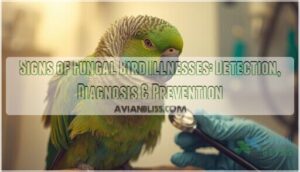
Your parrot stops singing. Then she starts puffing up her feathers between naps that seem to stretch longer each day. Most bird owners chalk it up to a bad mood or the weather, but these subtle shifts often signal something far more serious: a fungal infection quietly taking hold in your bird’s respiratory system or digestive tract.
Fungal illnesses in birds don’t announce themselves with dramatic symptoms—they creep in slowly, disguising themselves as tiredness or a temporary appetite dip. By the time labored breathing or weight loss becomes obvious, the infection has already gained a foothold.
Recognizing the early signs of fungal bird illnesses means you can act before your feathered companion faces a life-threatening crisis, and understanding what to watch for transforms you from a worried owner into your bird’s first line of defense.
Table Of Contents
Key Takeaways
- Fungal infections in birds often start with subtle signs like fluffed feathers, longer naps, and decreased appetite—symptoms you might dismiss as a bad mood but actually signal serious respiratory or digestive infections like aspergillosis or candidiasis.
- Aspergillosis, the most common fungal threat, attacks your bird’s air sacs and lungs when they inhale spores from moldy bedding or poor ventilation, with African Greys, Amazons, and young birds facing the highest risk.
- Early respiratory warning signs include tail bobbing with each breath, labored breathing, nasal discharge, and persistent coughing—all indicators that fungal infection has already taken hold and needs immediate veterinary attention.
- Prevention hinges on controlling what you can: replace bedding daily, maintain 40-60% humidity, ensure proper ventilation with 6-12 air changes per hour, and act within 24-72 hours of noticing symptoms to stop permanent lung damage.
Common Types of Fungal Bird Illnesses
Not all fungal infections in birds are the same. Some attack the respiratory system, while others target the digestive tract or skin.
Respiratory fungal infections are especially concerning because they can develop silently—watch for early warning signs of avian breathing problems like tail bobbing or labored breathing.
Let’s look at the most common fungal threats your bird might face and which species are most vulnerable.
Aspergillosis in Birds
Aspergillosis is the most common respiratory disease in pet birds, caused when your bird inhales fungal spores from moldy environments. This infection usually begins in the air sacs and can spread to the lungs.
- A. fumigatus and A. flavus are the usual culprits behind avian aspergillosis
- Young birds face higher mortality during outbreaks
- Poor ventilation and damp bedding increase fungal spore exposure markedly
Bird owners should be aware that can greatly contribute to the likelihood of infection.
Candidiasis and Digestive Fungal Infections
While respiratory threats often steal the spotlight, candidiasis targets your bird’s digestive tract when Candida species multiply out of control. This fungal overgrowth disrupts gut health, causing vomiting, crop slowdown, and whitish mouth patches.
Young birds on antibiotics face the highest risk of this bird fungal infection. Your vet will prescribe antifungal meds like fluconazole to restore balance and resolve digestive issues before complications develop.
Cryptococcosis and Other Less Common Fungi
Beyond the common infections, cryptococcosis poses a rare but serious threat when your bird inhales spores from contaminated droppings or decaying matter. Cryptococcus neoformans and C. gattii can reach the lungs and brain, causing neurological signs like disorientation or weakness.
Birds with weakened immune systems face the highest risk from these environmental fungi. Antifungal therapies require extended courses, so early detection protects avian health.
Researchers now have access to a dedicated resource for exploring cryptococcal gene and protein expression through the CRYPTOMICSDB molecular database.
Species Most at Risk
African Greys, Amazons, and other parrots with naturally compromised immune systems face higher fungal infection risk than most species. Captive raptors and waterfowl also show increased vulnerability to avian aspergillosis due to stress and enclosed environments.
Bird conservation efforts now track these patterns through species research, helping veterinarians identify risk factors before respiratory disease takes hold in susceptible populations.
Early Signs of Fungal Infections in Birds
Catching a fungal infection early can save your bird’s life. The tricky part is that early symptoms don’t always scream “emergency”—they’re subtle shifts you might miss if you’re not paying close attention.
One early warning sign to watch for is tail bobbing while breathing, which often signals your bird is struggling to get enough air.
Early fungal infections in birds are life-threatening but easy to miss because symptoms start as subtle shifts, not obvious emergencies
Here are the three earliest warning signs that something’s wrong.
Weight Loss and Dropping Changes
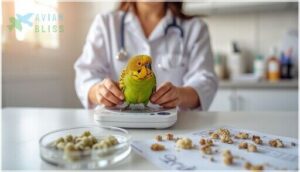
You might notice your bird dropping a few grams before other symptoms appear. Fungal weight loss often starts subtly—check droppings for color or consistency shifts that signal metabolic changes.
A bird fungal infection like avian aspergillosis disrupts digestion and nutrient absorption, so monitor body condition weekly. Early health monitoring and proper avian nutrition can prevent rapid decline before antifungal meds become necessary.
Fluffed Feathers and Lethargy
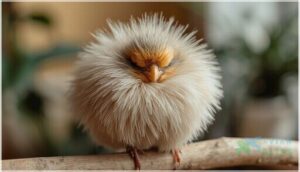
When your bird sits hunched with feathers puffed out like a tiny ball, it’s often conserving heat because fungal infection has sapped its energy. Lethargy Indicators and Plumage Changes go hand in hand—healthy birds rarely fluff constantly in warm rooms.
Feather Puffing Causes range from respiratory disease to systemic fungal diseases like avian aspergillosis. Watch for Bird Stress Signals that persist beyond quick temperature adjustments.
Decreased Appetite and Activity
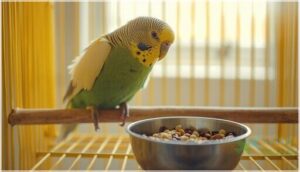
Often, your bird refuses its favorite seeds or pellets days before more obvious signs of fungal infection appear. Appetite loss and activity decline are early red flags you shouldn’t ignore.
- Reduced foraging or picking at food signals digestive upset or respiratory disease
- Weight loss accelerates as fungal infection progresses untreated
- Lethargy means your bird perches quietly instead of playing
- Antifungal meds and feeding strategies restore bird nutrition during recovery
Respiratory Symptoms of Fungal Bird Illnesses
Your bird’s breathing tells you a lot about what’s happening inside their body. Fungal infections often attack the respiratory system first, causing visible changes in how your bird breathes and sounds.
Let’s look at the specific respiratory symptoms that signal a fungal infection may be developing.
Labored or Difficulty Breathing
When your bird starts working hard to breathe, the respiratory system is fighting back against fungal infection. You’ll notice labored breathing with tail movements during each inhale—that’s chest expansion struggling against airway obstruction.
Aspergillosis and other avian respiratory diseases can cause lung infection that makes every breath an effort. Listen for wheezing or watch for open-mouth breathing, clear signs of respiratory failure brewing.
Tail Bobbing and Coughing
Tail bobbing happens when your bird’s chest and abdomen contract forcefully with every breath—a red flag for airway obstruction or fungal infection like aspergillosis.
Watch for these respiratory signs:
- Rapid, synchronized tail movement with each inhale
- Sudden, forceful exhalation during coughing signals
- Chest muscle engagement during airway clearance
- Open-mouth breathing alongside tail bobbing
- Worsening breathing patterns during activity
Labored breathing paired with persistent coughing demands immediate veterinary attention.
Nasal Discharge and Sneezing
Sneezing in bursts or sticky nasal discharge signals fungal spores irritating your bird’s nasal passages—often aspergillosis at work. Dust and mold trigger nasal irritation, leading to watery or thick creamy discharge around the nares.
Frequent sneezing paired with colored mucus means respiratory issues are progressing. Early nasal symptoms reflect how avian respiratory diseases begin in the delicate upper airways.
Upper Vs. Lower Respiratory Signs
Understanding where fungal infection strikes your bird’s respiratory system helps you act faster. Upper signs—nasal irritation, sneezing, head shaking—stay above the chest, while lower respiratory distress brings labored breathing, tail bobbing, and chest effort.
Aspergillosis often starts in upper airways before spreading deeper, causing airway obstruction. Watch breathing patterns closely; combined signs lasting over a week demand veterinary attention to prevent tracheal infection complications.
Diagnosing Fungal Infections in Birds

Spotting symptoms is only half the battle—getting a definitive diagnosis requires your vet’s expertise and the right diagnostic tools. Fungal infections don’t always show up clearly at first, so your avian veterinarian will use a combination of hands-on examination and specialized testing.
Here’s what to expect during the diagnostic process.
Physical and Behavioral Examination
Your vet’s hands-on exam reveals clues invisible to most bird owners. During a physical and behavioral examination, the vet carefully checks for signs of fungal infection that demand immediate attention:
- Posture analysis and feather condition—fluffed plumage often signals respiratory system stress
- Respiratory effort assessment—labored breathing patterns indicate possible infection
- Behavioral responses and body temperature monitoring—lethargy paired with fever strengthens infection diagnosis
Imaging Tests (X-rays, CT Scans)
X-rays reveal hidden threats your bird can’t tell you about. Radiographic imaging detects fungal lesions, air sac infections, and aspergillosis early—before symptoms worsen. CT scan techniques provide three-dimensional views of respiratory health that standard veterinary X-rays miss.
Diagnostic imaging shows nodules, thickened airways, and fluid buildup with striking clarity.
Avian radiology requires brief sedation, but the insights into avian respiratory diseases make it worthwhile for accurate fungal infection diagnosis.
Laboratory Tests (Bloodwork, Cultures, DNA)
Imaging reveals damage, but bloodwork and cultures confirm the enemy. A complete blood count may flag infection early, while blood culture methods isolate the exact fungus attacking your bird. DNA tests detect fungal diseases even when cultures fail, and serology tests check immune response. Antifungal susceptibility testing ensures you’re using the right medication—not guessing.
- Complete blood counts detect white cell changes signaling infection
- Fungal cultures grow organisms for precise species identification
- Fungal DNA testing and molecular analysis offer rapid, accurate results
- Serology checks antibody levels but can miss early infections
- Susceptibility panels guide targeted antifungal therapy choices
Tissue Sampling and Microscopy
When cultures aren’t enough, your vet will take tissue samples—biopsy punches or surgical specimens—to nail down the fungal infection.
Tissues are fixed in neutral formalin, then paraffin-embedded and sliced into four-to-five-micrometer sections for microscopy techniques. Hematoxylin and eosin staining reveals tissue architecture, while special stains highlight fungal elements.
Histopathology analysis confirms fungal identification and guides treatment—sample preparation quality determines diagnostic accuracy.
Preventing and Managing Fungal Bird Illnesses
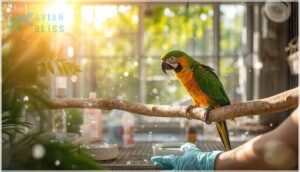
The best defense against fungal infections is stopping them before they start. You can’t control every spore in the air, but you can control your bird’s environment and how quickly you respond to warning signs.
Here’s what works to keep your bird healthy and catch problems early.
Cage Hygiene and Ventilation
Good cage hygiene and maintenance is your first line of defense against bird fungal infection. You can’t see fungal spores, but they thrive in damp, dirty environments—so smart cleaning schedules and airflow matter more than you think.
- Replace bedding daily to eliminate moisture that fuels fungal diseases and aspergillosis sp growth.
- Maintain proper air exchange with 6–12 changes per hour to dilute airborne spores.
- Monitor humidity with a hygrometer, keeping levels between 40–60 percent year-round.
- Choose non-porous cage materials that resist mold buildup and simplify disinfection routines.
Stress Reduction and Immune Support
Chronic stress quietly undermines your bird’s immune system, making it vulnerable to fungal invaders. Support immune system function with mindful breathing exercises around the cage—your calm presence reduces their anxiety.
Pair stress reduction and management with an immune diet rich in fresh vegetables and nutrient supplements like vitamin D.
Prioritize sleep hygiene by maintaining consistent light cycles, because proper rest directly strengthens the immune system and bird health defenses against infection.
Early Veterinary Intervention
When you spot labored breathing or fluffed feathers, don’t wait—early veterinary care plans can stop a fungal infection before it causes permanent lung damage.
Quick veterinary care within 24 to 72 hours facilitates fungal testing through cytology and culture, confirming the infection diagnosis your bird needs.
Timely medical guidance improves bird recovery rates and helps you adjust treatments safely for better fungal infection diagnosis and treatment outcomes.
Safe Handling and Quarantine Practices
Quarantine protocols act like a firewall between sick and healthy birds. When you bring home a new parrot or notice respiratory signs, move that bird into a separate room with dedicated feeding tools and personal protective equipment.
Daily cleaning with antifungal disinfectants, hand hygiene practices after handling, and proper isolation techniques stop fungal infection spread before it reaches your entire flock.
Frequently Asked Questions (FAQs)
What is the most common fungal infection in birds?
Among fungal infections in birds, aspergillosis takes the crown. Caused by Aspergillus species, it targets the air sacs and lungs, triggering respiratory distress in many pet birds.
How long does fungal treatment typically take?
Fungal therapy duration depends on infection severity and type. Mild cases may improve within 1-2 weeks with antifungal medications, while severe aspergillosis often requires 6-12 weeks or longer for complete recovery.
Can fungal infections spread to other pets?
Yes, certain fungal infections can spread to other pets through direct contact or shared environments. Ringworm and some yeasts pose inter-species infection risks, requiring pet isolation methods and household decontamination to prevent fungal cross-transmission.
Are there natural antifungal remedies for birds?
Can home remedies really replace medical care for bird fungal infections like aspergillosis and candidiasis? While aloe vera gel, coconut oil benefits, and probiotic supplements may support recovery, they should complement—never substitute—veterinary antifungal treatment for safe, effective healing.
What humidity levels prevent fungal growth best?
Keep your bird’s environment between 30 and 50 percent relative humidity to prevent fungal infections like Aspergillosis and Candidiasis. Good air quality and moisture management through dehumidification strategies protect respiratory health.
Do recovered birds develop immunity to reinfection?
Recovery time influences antibody response, but immunity duration varies by species and pathogen.
Your bird’s immune system may resist reinfection temporarily, though avian medicine shows reinfection risk remains—especially under stress or with different fungal strains.
Conclusion
Imagine your bird’s health as a garden: vibrant, but vulnerable to hidden weeds. Spotting the earliest signs of fungal bird illnesses is like catching those weeds before they choke the roots.
Your vigilance—watching for fluffed feathers, odd droppings, or labored breathing—protects the life beneath the surface. With timely action, you become both gardener and guardian, ensuring your bird’s world stays bright and thriving.
In this quiet partnership, prevention truly grows into the strongest form of care.