This site is supported by our readers. We may earn a commission, at no cost to you, if you purchase through links.
Your bird’s sudden reluctance to perch, the unusual puffiness in its feathers, or that barely noticeable tail bob with each breath—these subtle shifts aren’t personality quirks. They’re your first warning that a viral pathogen may already be replicating through your bird’s system.
Unlike bacterial infections that often respond to antibiotics, viral bird diseases follow their own unpredictable trajectory, and the window between early symptoms and critical illness can close in hours, not days. Recognizing these signs of viral bird diseases demands more than casual observation; it requires understanding which clinical presentations indicate manageable illness versus those signaling life-threatening conditions like avian influenza or Newcastle disease.
The challenge isn’t just identifying that something’s wrong—it’s distinguishing between viral syndromes that require immediate intervention and those you can monitor with strategic supportive care.
Table Of Contents
- Key Takeaways
- What Are Viral Bird Diseases?
- General Signs of Viral Infection in Birds
- Respiratory Symptoms of Viral Bird Diseases
- Digestive and Gastrointestinal Signs
- Neurological and Behavioral Indicators
- Skin, Beak, and Feather Abnormalities
- Severe and Sudden-Onset Symptoms
- When to Seek Veterinary Care
- Frequently Asked Questions (FAQs)
- What are the first signs of avian flu?
- What are signs of disease in birds?
- What are the five viral diseases of poultry?
- What bird virus is going around?
- Can viral bird diseases spread to humans?
- How long do birds shed virus after infection?
- Are there vaccines for other viral bird diseases?
- What disinfectants effectively kill avian viruses?
- Can recovered birds become lifelong virus carriers?
- Conclusion
Key Takeaways
- Viral bird diseases progress rapidly—respiratory distress symptoms such as respiratory clicks, tail bobbing, and subtle discharge aren’t symptoms to monitor but clinical emergencies requiring immediate veterinary intervention before irreversible damage occurs.
- Unlike bacterial infections that respond to antibiotics, viral pathogens like avian influenza, Newcastle disease, and psittacine beak and feather disease follow unpredictable trajectories where the window between early symptoms and critical illness closes within hours.
- Transmission happens through five primary routes—direct contact, contaminated water, airborne particles, vertical parent-to-egg infection, and fomite spread via feeders and cages—making strict biosecurity and immediate isolation essential when symptoms appear.
- Early diagnosis through rapid testing methods like real-time RT-PCR enables targeted treatment before organ failure, while delayed recognition often results in sudden death within 24-72 hours in peracute infections like highly pathogenic avian influenza.
What Are Viral Bird Diseases?
Viral bird diseases aren’t just one thing—they’re a whole category of infections caused by different viruses that attack your bird’s body in distinct ways. Some viruses target the respiratory system, others damage feathers and skin, while certain strains can cause sudden liver failure or immune system collapse.
If you notice your cockatiel breathing heavy or showing labored respiration, it could signal a viral respiratory infection that needs immediate attention.
Understanding which viruses pose the greatest threat, how your bird might catch them, and which species are most vulnerable helps you recognize the warning signs before it’s too late.
Just as you’d monitor parasites like fleas in pet birds, staying alert to viral symptoms and transmission routes is essential for keeping your avian companion healthy.
Common Types of Avian Viruses
You’ll encounter several major viral threats in avian populations. Avian Influenza strains like H5N1 devastate respiratory and digestive tracts.
If you’re concerned about disease transmission from wild birds, safely relocating a robin’s nest requires proper protective measures to minimize contamination risks.
Avian Polyomavirus causes sudden death in young parrots, while Psittacine Beak and Feather Disease attacks feather follicles and immunity.
If your parrot shows signs of anorexia or unusual lethargy alongside feather abnormalities, understanding why parrots stop eating and sleep excessively can help you recognize when immediate veterinary care is critical.
Newcastle disease triggers neurological symptoms, and Avian Pox creates distinctive skin lesions. Each psittacine virus presents unique diagnostic challenges requiring specialized recognition. It’s also vital to recognize symptoms of Newcastle Disease, which can include respiratory difficulty and nervous disorders in backyard chickens.
How Birds Contract Viral Infections
Your bird picks up viral infections through five main routes:
Direct Contact during preening or fighting passes viruses like Avian Influenza through saliva and droppings.
Contaminated Water harbors pathogens for weeks.
Airborne Transmission spreads respiratory viruses when infected birds cough or sneeze.
Vertical Infection moves from parent to egg in certain Viral diseases in pet birds.
Fomite Spread occurs when feeders and cages carry infectious particles between healthy individuals.
Monitoring for highly pathogenic avian influenza risks is an important strategy in protecting both pet and wild birds.
Species Most at Risk
Not all species face equal danger from viral infections. Waterfowl diseases like avian influenza circulate most heavily in ducks and geese, while psittacine beak and feather disease targets parrots.
Raptors’ vulnerability increases when they consume infected prey, and corvid health suffers during urban outbreaks. Island bird threats and shorebird risks intensify where populations lack prior viral exposure, making avian pox and avian polyomavirus particularly devastating.
General Signs of Viral Infection in Birds
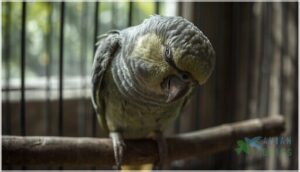
Viral infections in birds often begin with subtle changes that are easy to miss if you’re not watching closely. Before respiratory distress or obvious physical symptoms appear, your bird’s overall condition and behavior will usually shift first.
Three general signs deserve your attention right from the start: lethargy and weakness, changes in appetite or weight, and alterations in feather condition and appearance.
Lethargy and Weakness
One of the earliest red flags you’ll notice is a bird that sits fluffed and motionless for hours—a dramatic departure from its usual active, vocal self. Fatigue factors in viral infections like avian influenza or avian polyomavirus stem from the body’s energy loss fighting infectious diseases in birds, often progressing to what resembles bird depression.
- Weakness signs include stumbling on perches or difficulty maintaining balance
- Reduced preening and vocalization signal declining respiratory health in birds
- Prolonged sleeping during daylight hours indicates systemic illness requiring urgent attention
Changes in Appetite or Weight
Your bird’s eating habits offer critical insight into viral progression. Appetite changes manifest early—parrots refusing favorite treats, finches leaving seed untouched—while weight loss factors compound rapidly as infectious diseases in birds drain metabolic reserves.
Avian influenza and similar pathogens trigger food avoidance alongside malnutrition effects you’ll feel when the keel bone sharpens beneath thinning breast muscle, signaling urgent intervention before respiratory health in birds deteriorates further.
Feather Condition and Appearance
Plumage quality deteriorates visibly when viral pathogens infiltrate your bird’s system. Psittacine Beak and Feather Disease produces symmetrical feather loss alongside twisted shafts, while Avian Polyomavirus triggers feather dystrophy in surviving budgerigars—hallmarks of Budgerigar Fledgling Disease.
Watch for:
- Brittle, misshapen growth replacing healthy plumage
- Abnormal molting patterns with pin feathers failing to open
- Beak deformity complicating preening and feeding
- Wart-like nodules from Avian Pox on unfeathered zones
Respiratory Symptoms of Viral Bird Diseases
When a viral infection hits your bird’s respiratory system, you’ll notice it quickly. The lungs and airways can’t hide distress the way other organs might.
Watch for these telltale signs that something’s compromising your bird’s ability to breathe normally.
Coughing and Sneezing
When you notice your bird coughing or experiencing sneezing fits, you’re witnessing respiratory issues that often signal tracheal infection from viruses like avian influenza or infectious bronchitis.
These respiratory symptoms emerge as the viral tract inflames, particularly when your bird faces stress or cold conditions. Persistent avian cough paired with lethargy demands immediate attention—it’s your bird’s respiratory health in birds crying out for help before the infection progresses further.
Labored or Open-Mouth Breathing
When your bird’s chest heaves with visible effort or its beak stays open while breathing, you’re seeing airway obstruction from viral tracheal infection affecting lung tissue. This respiratory distress signals severe avian influenza or infectious bronchitis impacting avian respiratory function.
Breathing difficulty with gasping episodes indicates progressing respiratory issues requiring urgent evaluation—your bird’s respiratory health in birds depends on immediate action before systemic infection advances.
Nasal and Ocular Discharge
Clear nasal discharge signals early viral upper respiratory involvement—you’re witnessing avian influenza or avian polyomavirus attacking your bird’s airways. Mucopurulent discharge indicates bacterial co-infection complicating respiratory symptoms, while ocular infection with watery eyes points to avian conjunctivitis from tract-wide viral spread.
Swelling around the nares accompanies tracheal irritation in psittacine beak and feather disease, avian pox, and West Nile virus cases requiring immediate veterinary evaluation.
Noisy Breathing (Wheezing, Gurgling)
Wheezing sounds arise from narrowed airways during viral tracheitis, while gurgling noises indicate fluid accumulation from avian influenza or avian polyomavirus infections causing respiratory distress.
You’ll hear these breathing difficulty patterns when airway obstruction develops in psittacine beak and feather disease or avian pox cases—audible signs demanding urgent attention to protect bird health before progression to complete respiratory failure.
Digestive and Gastrointestinal Signs
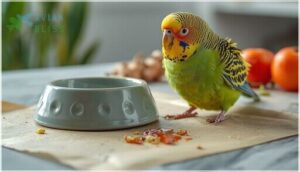
Your bird’s digestive system can reveal critical clues about viral infections, often before respiratory signs even appear. When viruses disrupt normal gut function, you’ll notice changes in droppings, feeding behavior, and crop activity that shouldn’t be ignored.
Let’s look at the three most important gastrointestinal warning signs that demand your attention.
Diarrhea or Changes in Droppings
One of your first real clues to viral trouble often shows up in the droppings—loose, watery stools replacing the normal coil signal intestinal health problems and potential viral shedding. Digestive changes deserve immediate fecal analysis, especially when you see multiple birds affected, since conditions like avian influenza spread rapidly through contaminated environments.
- Dropping color shifts to bright green or yellow indicate bile dysregulation from liver-targeted viruses
- Watery consistency with mucus strands reflects viral damage to the intestinal lining
- Increased frequency and volume suggest impaired absorption during active infection
- Contaminated perches and dishes become viral reservoirs requiring strict avian hygiene protocols
Infectious diseases often announce themselves through these digestive changes before respiratory signs appear, making bird disease diagnosis and treatment time-sensitive. Ongoing avian virus research confirms that early recognition of abnormal droppings can prevent flock-wide outbreaks when you act quickly.
Vomiting or Regurgitation
While loose droppings signal intestinal distress, forceful expulsion of food demands your immediate attention—vomiting sprays material across the cage and mats head feathers, unlike courtship regurgitation where your bird gently deposits softened food. This distinction matters for bird disease diagnosis and treatment, since vomiting often contains mucus or bile indicating viral damage.
| Normal Regurgitation | Viral-Linked Vomiting |
|---|---|
| Rhythmic neck pumping | Forceful, involuntary spray |
| Food neatly deposited | Material flung widely |
| Directed at mate or toy | Random, repeated episodes |
| Clean head feathers | Wet, crusted plumage |
| Healthy weight maintained | Progressive weight loss |
Avian bornavirus and pigeon paramyxovirus commonly trigger vomiting alongside neurological signs, creating urgent scenarios requiring veterinary care for birds. Regurgitated material from infected birds becomes a viral transmission highway—beak and feather disease virus spreads when healthy flock mates contact contaminated surfaces or inhale virus-laden particles. Parent birds with certain infectious diseases expose chicks during normal feeding, passing virus through crop contents.
You’ll notice sick birds vomiting between meals rather than only during social interactions, often with lethargy, fluffed feathers, and green droppings forming a diagnostic cluster. Avian virus research confirms that vomitus and regurgitation can contain high viral loads, contaminating dishes, perches, and your hands if you’re not following strict hygiene protocols. Shared feeding stations increase risk exponentially.
Any sudden onset of repeated vomiting constitutes emergency care territory—dehydration strikes small species within hours, and the underlying cause often involves serious systemic illness. Avian virology studies show that digestive issues like persistent abnormal regurgitation combined with weight loss signal possible proventricular dilatation disease or other viral syndromes. Isolate affected birds immediately to prevent flock-wide outbreaks, then seek professional evaluation for focused history, physical exam, and targeted viral testing so treatment can begin without delay.
Crop Stasis and Swelling
When your bird’s crop stasis stays full long after morning should arrive empty, suspect viral causes driving gut stasis—avian bornavirus and polyomavirus both impair nerve signals so food sits instead of moving down.
You’ll see a pendulous sac swinging low on the neck, often with a sour odor signaling fermenting contents and secondary crop infection, making avian therapy urgent before aspiration or overwhelming infectious disease management challenges arise.
Neurological and Behavioral Indicators
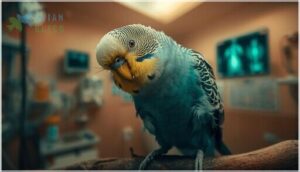
When a viral infection affects your bird’s nervous system, the signs can be subtle at first or alarmingly sudden.
You might notice your bird holding its head at an odd angle, experiencing tremors, or acting completely out of character. These neurological and behavioral changes often signal serious disease and demand immediate attention.
Head Tilt or Twisted Neck (Torticollis)
When your bird’s head twists to one side and won’t straighten—a condition called torticollis—it’s often a red flag for serious viral causes like Newcastle disease or highly pathogenic avian influenza affecting neurological signs. This abnormal bird posture disrupts beak alignment, making eating nearly impossible and signaling urgent need for infectious disease management.
- Sudden onset over hours suggests avian viruses rather than gradual neck injury
- Fixed or intermittent twisting worsens with stress or movement
- Whole-body compensation creates off-balance appearance
Torticollis treatment requires immediate veterinary assessment to rule out reportable diseases and provide supportive care before starvation sets in.
Seizures or Tremors
Trembling that won’t stop—whether fine head shakes or violent whole-body convulsions—signals neurologic damage from avian viruses like highly pathogenic avian influenza, avian encephalomyelitis, or Newcastle disease. These neurological signs demand emergency response because seizure triggers include brain inflammation and spinal cord invasion by infectious diseases.
| Tremor Pattern | What It Suggests |
|---|---|
| Fine head/neck shaking | Epidemic tremor in young birds |
| Whole-body quivering | Severe viral infections spreading |
| Seizures with paddling | H5N1 or virulent Newcastle urgency |
Recognizing these avian medicine emergencies saves lives.
Sudden Behavioral Changes
Aggression signs—lunging, biting, or chasing cage mates—reveal viral infections disrupting temperament in previously gentle birds.
You’ll notice vocal changes, social withdrawal from favorite perches, or disorientation symptoms like aimless pacing and wall-bumping that warn of neurologic damage from infectious diseases including avian influenza.
Activity changes matter: sudden loss of interest in toys, bathing, or foraging signals serious illness threatening bird health and wellness, sometimes preceding sudden death within hours.
Skin, Beak, and Feather Abnormalities
Your bird’s outer appearance often tells the story before other symptoms even surface. Viral diseases frequently leave visible marks on feathers, beaks, and skin that you can spot during routine observation.
Here’s what to watch for when examining your bird’s external condition.
Feather Loss or Dystrophy
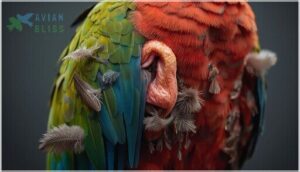
Feather Abnormalities often signal serious viral trouble, especially in parrots facing Psittacine Beak and Feather Disease caused by Avian Circovirus. You’ll notice twisted, clubbed feathers that break easily, progressive Feather Loss across wings and tail, or short deformed plumage lacking normal color.
Feather Dystrophy worsens with each molt, sometimes leaving large bare patches where follicles fail completely—a hallmark of chronic Psittacine Disease threatening your Bird Health.
Beak Lesions or Deformities
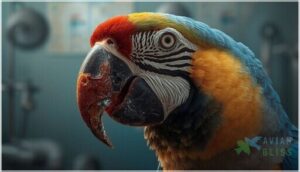
Spotting a brittle beak or deep grooves? You’re likely facing Beak Malformation—classic in Psittacine Beak and Feather Disease, where Keratin Disorders and Feather Dystrophy often go hand-in-hand.
Avian Pox may add crusts or plaques, while Beak Fractures complicate eating. These lesions, sometimes seen in Pachecos Disease or Chlamydophila Psittaci, demand prompt, specialized care.
Wart-Like Growths and Swelling

When thick, warty bumps appear on your bird’s legs, feet, or face, you’re witnessing Cutaneous Lesions from Avian Pox—a hallmark of Poxvirus Infections.
Facial Swelling and Limb Nodules can hinder perching and vision, while Cloacal Papillomas signal deeper trouble in psittacines.
These growths compromise Bird Health and demand immediate veterinary assessment to protect Avian Health and medicine outcomes.
Severe and Sudden-Onset Symptoms
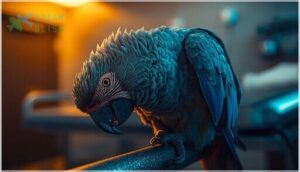
Some viral infections don’t give you much warning—they hit fast and hard, leaving little time to react. When a bird crashes suddenly or develops life-threatening complications within hours, you’re likely dealing with a peracute viral disease that demands immediate recognition.
These symptoms represent true emergencies where understanding what you’re seeing can mean the difference between saving your bird and losing it before help arrives.
Rapid Decline or Sudden Death
When a bird that seemed fine hours ago suddenly dies, you’re likely facing a peracute viral infection—highly pathogenic avian influenza or velogenic Newcastle disease can kill within 24 to 72 hours of the first subtle signs.
A bird dying within hours likely signals a peracute viral infection like highly pathogenic avian influenza or velogenic Newcastle disease
Fatal infections move with terrifying speed; sudden mortality in multiple birds demands emergency response. Rapid onset means immediate isolation, no movement of carcasses, and urgent contact with animal health authorities to contain these zoonotic disease threats.
Hemorrhages and Coagulopathies
When you see tiny red petechiae or purple ecchymoses spreading across unfeathered legs, feet, or skin, you’re witnessing viral hemorrhage from damaged blood vessels—polyomavirus and viscerotropic velogenic Newcastle disease frequently trigger avian coagulopathy.
Internal hemorrhages appear on organs during necropsy; feather bleeding darkens growing shafts in psittacine beak and feather disease.
Disseminated intravascular coagulation depletes clotting factors, causing spontaneous bleeding from multiple sites—mouth, nostrils, vent—signaling critical systemic viral infection requiring immediate isolation for zoonotic disease prevention and urgent avian health intervention.
Swelling Around Eyes, Head, or Neck
Puffy eyelids, bulging sinuses below the eyes, and swollen necks signal viral sinusitis or avian influenza—you’ll notice facial distortion that isn’t head trauma.
Avian metapneumovirus causes infraorbital sinus swelling and narrowed eye openings, while West Nile virus triggers periorbital inflammation.
Eye swelling with respiratory distress demands urgent avian health and medicine intervention to prevent exotic bird diseases spreading through your flock.
When to Seek Veterinary Care

Knowing when to call your vet can make the difference between recovery and tragedy.
Some symptoms demand immediate attention, while others give you a narrow window to act before things spiral. Here’s what should send you straight to the phone.
Recognizing Emergency Signs
Immediate action becomes critical when your bird can’t perch, lies on the cage floor, or shows open-mouth breathing at rest—these are life-threatening respiratory failure signs.
Continuous seizures, sudden collapse, bleeding from any opening, or rapid decline within hours all signal emergency alerts demanding same-day veterinary care for birds.
In highly pathogenic avian influenza symptoms or similar viral outbreaks, sudden death can occur within 24–48 hours, making quick recognition essential for critical care and disease prevention and treatment.
Importance of Early Diagnosis
Once you recognize emergency signs, getting a fast diagnosis can mean the difference between recovery and rapid decline. Early intervention through rapid testing methods like real-time RT-PCR facilitates virus identification within hours, allowing timely treatment before organs fail.
Proactive care improves outcomes across avian health and medicine. The benefits include:
- Birds diagnosed early recover fully because supportive treatment starts before major damage occurs
- Veterinarians select targeted medications instead of guessing, making disease prevention and treatment more effective
- Quick identification of avian influenza symptoms lets you isolate sick birds, cutting flock losses dramatically
- Early detection reduces long-term costs and protects future bird health through customized veterinary medicine plans
Preventing Disease Spread to Other Birds
Once your vet confirms viral illness, you’ll need quarantine methods and bird isolation to protect the rest of your flock. Effective disease prevention means housing the sick bird in a separate room with dedicated tools, then washing hands between birds.
Biosecurity measures stop avian influenza outbreaks before they start—even during bird flu prevention, sanitation protocols and disease surveillance matter more than any medicine.
| Hygiene Practices | Action Required |
|---|---|
| Hand washing | 15 seconds after bird contact |
| Cleaning tools | Disinfect before reuse |
| Footwear hygiene | Boot covers or footbaths |
| Clothing changes | Dedicated smock per room |
Frequently Asked Questions (FAQs)
What are the first signs of avian flu?
The earliest avian flu symptoms include sudden lethargy, reduced activity, and social withdrawal from flocks.
You’ll notice decreased appetite, fewer vocalizations, and watery droppings, often appearing before obvious respiratory distress develops.
What are signs of disease in birds?
A healthy bird is alert and active, preening constantly.
When disease strikes, you’ll notice dramatic shifts: lethargy, fluffed feathers, respiratory issues, appetite changes, abnormal droppings, eye problems, and beak symptoms signal trouble.
What are the five viral diseases of poultry?
Your flock faces five major viral threats: Marek Disease, Lymphoid Leukosis, Avian Influenza (including HPAI and LPAI bird flu), Infectious Bronchitis, and Newcastle Disease—each capable of devastating poultry operations.
What bird virus is going around?
Over 180 million poultry have been infected since this H5N1 Bird Flu wave began.
Highly pathogenic avian influenza H5N1 is currently the dominant virus affecting wild bird populations and domestic flocks globally.
Can viral bird diseases spread to humans?
Yes—zoonotic diseases like avian influenza spread through direct contact with infected birds, droppings, or contaminated environments.
Bird flu risks remain low for most people, but viral mutation raises pandemic prevention concerns among exposed workers.
How long do birds shed virus after infection?
Shedding periods vary dramatically by virus and species—chickens with avian influenza usually shed for 5 to 14 days, while parrots harboring Newcastle disease can transmit virus for months, demanding extended quarantine protocols.
Are there vaccines for other viral bird diseases?
Commercial poultry vaccines protect against Newcastle disease, infectious bronchitis, Marek disease, and avian influenza, supporting flock protection through strategic avian immunology.
However, most pet birds rely on biosecurity since virus mutation challenges vaccine development for species-specific bird health programs.
What disinfectants effectively kill avian viruses?
You don’t need expensive proprietary disinfectant formulas. Chlorine disinfectants, oxidizing agents like Virkon S, quaternary compounds, and alcohol disinfectants achieve reliable virus inactivation when you follow contact times—critical for biosecurity protocols against HPAI and viscerotropic velogenic Newcastle disease.
Can recovered birds become lifelong virus carriers?
Absolutely. Some birds develop chronic carrier states after infection, shedding virus intermittently for months or years through latent infections in tissues.
This environmental risk makes testing vital before introducing recovered birds into your flock.
Conclusion
Missing a single symptom could mean the difference between recovery and disaster. Signs of viral bird diseases don’t wait for convenient timing—they escalate while you’re deciding whether to call your veterinarian.
That respiratory click, the subtle tail bob, the barely-there discharge: these aren’t symptoms to monitor over the weekend. They’re clinical emergencies demanding immediate professional intervention.
Your bird’s survival hinges on recognizing viral pathology before it becomes irreversible. Act now, not later.
- https://extension.psu.edu/newcastle-disease-avian-paramyxovirus-1/
- https://www.merckvetmanual.com/poultry/newcastle-disease-and-other-paramyxovirus-infections/newcastle-disease-in-poultry
- https://vcahospitals.com/know-your-pet/common-viral-diseases-of-pet-and-backyard-chickens
- http://www.agritech.tnau.ac.in/expert_system/poultry/Disease%20Control%20And%20Management.html
- https://www.nadis.org.uk/disease-a-z/game-birds/avian-influenza/