This site is supported by our readers. We may earn a commission, at no cost to you, if you purchase through links.
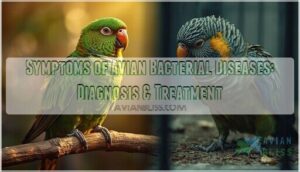
Your bird’s subtle shift from its usual perch to the cage floor isn’t just a change in habit—it’s often the first visible warning sign of a bacterial infection that’s already compromising essential systems.
Symptoms of avian bacterial diseases don’t announce themselves with dramatic flair; instead, they whisper through lethargy, ruffled feathers, labored breathing, and droppings that suddenly look wrong in color, consistency, or smell.
Within 24 to 48 hours, what appears as mild weakness can escalate to sepsis, organ failure, or death if you miss the clinical markers. Recognizing respiratory distress, digestive upset, behavioral withdrawal, and physical changes early determines whether your intervention saves a life or arrives too late.
Table Of Contents
- Key Takeaways
- Common Symptoms of Avian Bacterial Diseases
- Behavioral Changes Indicating Infection
- Risk Factors for Bacterial Infections in Birds
- Diagnostic Methods and Treatment Options
- Complications and Zoonotic Risks
- Frequently Asked Questions (FAQs)
- How do I know if my bird has a bacterial infection?
- What are the symptoms of bacterial disease in poultry?
- What are the early symptoms of psittacosis?
- Can bacterial infections spread between different bird species?
- How long does antibiotic treatment typically last?
- Are there vaccines available for avian bacterial diseases?
- What quarantine procedures should be followed for infected birds?
- Can birds become carriers without showing any symptoms?
- Conclusion
Key Takeaways
- Bacterial infections in birds progress from subtle behavioral changes like lethargy and floor-sitting to life-threatening sepsis within 24-48 hours, making early recognition of respiratory distress, abnormal droppings, and appetite loss critical for survival.
- Physical symptoms rarely appear in isolation—watch for constellation patterns combining ruffled feathers, labored breathing, watery diarrhea, nasal discharge, and postural changes that signal systemic infection requiring immediate veterinary intervention.
- Risk factors including poor cage hygiene, overcrowding, nutritional deficiencies, and environmental stressors create bacterial breeding grounds that compromise your bird’s immune defenses and dramatically increase infection susceptibility.
- Certain avian bacterial diseases like psittacosis and mycobacteriosis pose zoonotic transmission risks to humans through contaminated droppings and respiratory secretions, demanding strict personal protective measures and immediate quarantine protocols.
Common Symptoms of Avian Bacterial Diseases
Bacterial infections don’t announce themselves with a single red flag—they reveal themselves through a constellation of physical symptoms that, when recognized early, can mean the difference between recovery and life-threatening complications.
Understanding how to distinguish normal healing from infection in wounds helps you respond quickly when bacterial complications first emerge.
Bacterial infections reveal themselves through multiple physical symptoms that, when caught early, can mean the difference between recovery and death
Your bird’s body will communicate distress through observable changes in energy, breathing, eating habits, and waste, each serving as a critical diagnostic clue.
Here are the five primary symptoms you need to monitor closely in your avian companion.
Lethargy and Weakness
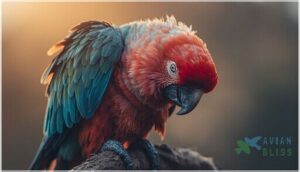
Fatigue factors compound rapidly when bacterial infections take hold. You’ll notice your bird sleeping far more than usual, with reduced movement and reluctance to perch or climb. Muscle weakness becomes evident—wings droop, activity levels plummet, especially mornings.
Feather condition deteriorates as puffed plumage persists for hours, signaling discomfort. Bird posture shifts dramatically; healthy perching gives way to low, hunched stances.
Don’t wait—contact an avian veterinarian immediately, as antibiotic treatment proves most effective when started early in avian health crises. Awareness of is vital for timely and effective intervention.
Loss of Appetite and Thirst
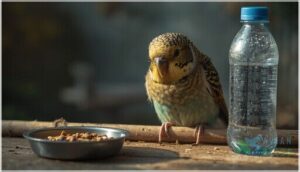
When your bird stops eating or drinking, bacterial infections may already be progressing. Food refusal paired with decreased water intake leads rapidly to dehydration signs—sunken eyes, dry mucous membranes, skin that doesn’t spring back when gently pinched. Malnutrition effects compound quickly in sick birds.
For a broader overview of what to look for and prevention steps, see this resource on symptoms of common bird diseases.
- Monitor daily food consumption by weighing or measuring portions
- Track water levels in bottles or bowls every 12 hours
- Appetite stimulants rarely work without treating underlying infection
Respiratory Distress and Nasal Discharge
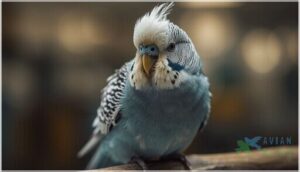
Labored breathing signals life-threatening respiratory distress in your bird—watch for open-mouth breathing, tail bobbing with each breath, or audible wheezing. Nasal discharge ranging from clear to purulent indicates tracheal infection, potentially progressing to avian pneumonia or air sac disease.
Respiratory failure develops rapidly without antibiotic treatment, making these symptoms critical indicators of avian bacterial diseases demanding immediate veterinary intervention for respiratory health in birds.
Digestive Issues (Diarrhea, Vomiting)

Gastrointestinal health deteriorates rapidly when bacterial enteritis strikes your bird’s digestive system. Watch for these critical gut infections indicators:
- Loose, watery diarrhea with mucus coating the droppings
- Vomiting or regurgitation immediately after feeding attempts
- Abdominal bloating indicating compromised digestive enzymes
- Foul-smelling stools signaling bacterial infections
Avian diarrhea demands immediate antibiotic treatment—delaying avian disease diagnosis worsens dehydration, potentially leading to fatal organ shutdown within 24-48 hours.
Watch for sudden vocal changes or silence in your sick bird, as these warning signs in bird vocalizations often indicate the condition is rapidly deteriorating.
Changes in Droppings

Your bird’s droppings reveal critical diagnostic clues about bacterial infections, digestive health, and avian diarrhea progression. Normal droppings color shifts dramatically—green, yellow, or blood-tinged stools indicate severe digestive issues requiring immediate fecal analysis.
Poop consistency changes from formed to watery, mucoid, or foamy textures signal bird diseases demanding urgent veterinary intervention before systemic infection overwhelms avian health defenses completely.
Behavioral Changes Indicating Infection
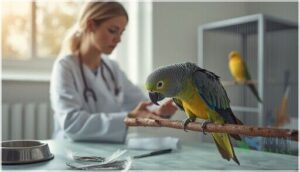
Your bird’s behavior often speaks louder than physical symptoms when bacterial infection takes hold. Subtle shifts in daily routines, posture, and communication patterns can signal critical illness hours or even days before respiratory or digestive symptoms appear.
Watch for these four behavioral red flags that demand immediate veterinary attention.
Withdrawn or Quiet Behavior
When your bird stops greeting you at the cage door or retreats into silence, you’re witnessing a critical red flag for bacterial infections. Quiet Posturing and Bird Social Isolation signal immune compromise. Watch for these markers of Lethargic Behavior:
- Vocal activity drops sharply—fewer chirps compared to normal repertoire.
- Your bird avoids center perches, choosing secluded corners instead.
- Reduced curiosity toward toys or enrichment objects appears suddenly.
- Feeding sessions become shorter, indicating declining voluntary intake.
- Eye focus diminishes, with sluggish scanning of environmental stimuli.
Reduced Vocalization combined with withdrawal demands immediate veterinary assessment for avian health preservation.
Sitting on Cage Bottom
When your bird abandons its perch and settles low, this Cage Bottom Behavior often signals bacterial infections affecting avian health. Bottom Sitting Posture reveals compromised Bird Comfort Levels, potentially from respiratory distress or digestive issues impacting balance and strength.
Evaluate Cage Environment Factors—poor cage hygiene, temperature extremes, or substrate irritation—while recognizing these Bird Stress Signals demand urgent veterinary assessment for life-threatening systemic infections.
Changes in Vocalization
You’ll notice Vocalization Patterns shifting when bacterial infections disrupt avian health—parrots and canaries show the most dramatic Tone Alterations, raising pitch during distress while reducing Call Frequency from exhaustion.
Listen for breathy, wheezy qualities indicating respiratory compromise, shortened Syllable Structure with irregular timing, and flattened Harmonic Changes from nasal obstruction.
These parrot behavior and health markers demand immediate symptom recognition for effective avian medicine intervention.
Head Tilting and Loss of Balance
Ever seen a parrot stumble like it’s lost its compass? Head tilting isn’t just quirky—it’s a red flag for Vestibular Issues and Inner Ear Infections, often linked to bacterial infections. You’ll spot shaky Balance Control, awkward Neurological Coordination, and sudden falls. These symptoms demand swift action from an avian veterinarian to safeguard avian health.
- Persistent head tilt
- Unsteady perching
- Stumbling gait
- Loss of balance
- Sudden falls
Risk Factors for Bacterial Infections in Birds

Understanding what puts your bird at risk isn’t just helpful—it’s critical for prevention. Bacterial infections don’t appear out of nowhere; they thrive when specific conditions weaken your bird’s natural defenses or create environments where pathogens multiply unchecked.
Let’s examine the key risk factors that can turn a healthy cage into a breeding ground for disease.
Poor Hygiene and Cage Maintenance
Your bird’s cage can become a bacterial breeding ground faster than you’d think. Poor cage cleaning allows fecal matter and food debris to accumulate, harboring pathogens that multiply rapidly. Dirty water bowls develop biofilms—invisible bacterial films that persist despite surface rinsing.
Implement weekly sanitation methods using bird-safe disinfection protocols to reduce infection risk by over 60 percent. Effective cage hygiene and fecal management are non-negotiable cornerstones of avian health and infection control.
Overcrowding and Stress
Even spotless cages can’t protect your bird if overcrowding compromises avian welfare. High bird density in cramped spaces triggers territorial disputes, elevates cortisol, and suppresses immune function by measurable margins. Stress management through adequate cage size directly impacts infection control and flock dynamics.
Critical stress reduction measures include:
- Allocate sufficient space per bird to prevent territorial aggression and skin injuries that invite bacterial entry.
- Establish predictable routines and quiet periods to lower cortisol levels and support immune defenses.
- Promote positive bird socialization without overcrowding to reduce transmission of respiratory and enteric bacteria.
Proper spacing reduces stress-related illness risk by approximately 30 percent.
Nutritional Deficiencies
While proper housing reduces stress, inadequate avian nutrition and diet equally undermines your bird’s defenses. Vitamin deficits, particularly vitamins A and C, weaken mucosal barriers and invite bacterial invasion. Mineral imbalance involving zinc and selenium correlates with infection susceptibility.
Malnutrition effects compound digestive issues by disrupting nutrient absorption and gut flora.
Fresh greens, species-appropriate pellets, and targeted dietary supplements restore immune competence and lower bacterial overgrowth risk.
Susceptibility in Young or Certain Breeds
Genetics and age dramatically shape bacterial infection risk in your flock. Juvenile birds carry immature immune systems, rendering them vulnerable to respiratory distress and enteric pathogens that adults resist.
Certain parrot breeds display heightened species susceptibility to bacterial sinusitis, requiring vigilant monitoring by your avian veterinarian.
Hatchlings with underdeveloped barriers need frequent health checks, early antibiotic treatment when indicated, and customized husbandry that bolsters immune health through critical growth phases.
Environmental Conditions (Temperature, Humidity)
Beyond genetics, your bird’s physical environment powerfully influences bacterial infection risk. Temperatures outside species-specific comfort ranges impair immune defense, while high humidity levels promote bacterial proliferation in bedding and compromise air quality monitoring.
Proper ventilation systems prevent ammonia buildup that triggers respiratory distress, making temperature control and cage hygiene and maintenance your frontline infection control tools under guidance from your avian veterinarian.
Diagnostic Methods and Treatment Options

When you suspect your bird has a bacterial infection, getting a proper diagnosis isn’t guesswork—it requires a veterinarian experienced with avian species. Your vet will combine several diagnostic approaches, from hands-on examination to laboratory confirmation, then create a targeted treatment plan based on what they find.
Here’s what you can expect during the diagnostic process and the treatment options that follow.
Physical Examination and Medical History
Your avian veterinarian begins with a clinical assessment that combines direct observation and hands-on inspection. The physical exam evaluates breathing patterns, feather condition, posture, and signs of respiratory distress—essential for symptom recognition.
Simultaneously, a detailed medical history captures onset, duration, environmental changes, and diet. These diagnostic techniques together reveal infection markers that guide antibiotic treatment decisions before laboratory confirmation.
Laboratory Tests (Blood, Fecal Analysis)
Laboratory diagnostics confirm bacterial infections through targeted testing. Blood sampling from your bird’s jugular or brachial vein reveals white cell counts, heterophilia, and chemistry panels that assess liver, kidney, and metabolic function.
Fecal analysis detects parasites, blood, and pathogenic bacteria through culture and sensitivity testing. Urine testing and microbiome assessment provide additional infection markers, guiding precise antimicrobial therapy and lab result interpretation for effective avian health management.
Antibiotic Therapy and Supportive Care
Once your veterinarian confirms bacterial infections through lab work, antibiotic therapy begins immediately—usually narrow-spectrum agents matched to resistance patterns in your area. You’ll administer oral medication via syringe or medicated feed, ensuring treatment outcomes depend on medication compliance; missing doses risks antibiotic resistance.
Supportive care includes fluids to prevent dehydration, balanced bird nutrition with easily digestible feeds, and temperature-controlled housing to improve your bird’s recovery under avian veterinary care supervision.
Monitoring and Follow-up Care
Treatment doesn’t stop when symptoms fade—you’ll schedule follow-up appointments every 7 to 14 days initially, then every 2 to 4 weeks during recovery. Your veterinarian performs clinical monitoring at each visit, measuring temperature, weight, and respiratory function while conducting a medication review to adjust antibiotic treatment based on your bird’s response.
Diagnostic reassessment with repeat lab tests confirms infection clearance before long-term surveillance begins.
Complications and Zoonotic Risks
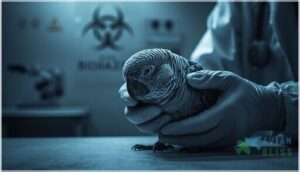
Bacterial infections don’t just threaten your bird’s immediate health—they can spiral into life-threatening complications if left unchecked. Understanding these potential outcomes, from systemic organ failure to zoonotic infection, helps you recognize when urgent intervention becomes critical.
Beyond the risks to your feathered companion, certain avian bacterial diseases pose real dangers to you and your family through direct transmission.
Sepsis and Organ Failure
When bacterial infections spiral out of control, sepsis becomes your bird’s most dangerous adversary. Septicemia spreads bacterial toxins through the bloodstream, triggering a systemic infection that overwhelms multiple organs simultaneously. This leads to catastrophic organ dysfunction, and without aggressive sepsis management, including targeted antibiotic treatment, rapid avian mortality ensues.
Critical organ failures you’ll observe:
- Kidney shutdown – decreased urine output, rising waste products, fluid imbalances requiring immediate intervention
- Respiratory collapse – severe respiratory distress, labored breathing, oxygen deprivation despite supplemental support
- Liver failure – impaired toxin clearance, disrupted metabolism, yellowing of tissues
- Cardiac compromise – weakened circulation, tissue hypoxia, cardiovascular instability threatening survival
Long-Term Health Consequences
Even when you’ve defeated the initial bacterial infections, organ damage and chronic inflammation often linger, reshaping your bird’s health for years. Respiratory distress may persist as scarred air sacs limit lung efficiency, while cardiovascular risks escalate from prolonged systemic strain.
Neurological effects—balance issues, altered behavior—can emerge months later.
In young birds, growth impacts from avian chlamydiosis or avian mycobacteriosis may stunt development permanently, reducing both vitality and lifespan despite successful initial treatment.
Zoonotic Transmission to Humans
Your bird’s infection doesn’t stop at its cage. Chlamydia and mycobacterial infections cross to humans through direct contact with droppings, feather dust, or respiratory secretions—zoonotic disease transmission that threatens immunocompromised household members most.
Bird handler safety demands awareness: inhaling aerosolized particles during cage cleaning, touching contaminated surfaces, then your face, or handling sick birds without gloves creates bacterial exposure routes.
Public health implications extend beyond your home when zoonotic diseases in pet birds spread unrecognized.
Prevention of Human Exposure
Protect yourself through consistent personal hygiene—wash hands thoroughly for at least 20 seconds after every bird contact, even with gloves on.
Safe handling requires NIOSH-approved N95 respirators when feather dust becomes airborne, waterproof protective gear during cage cleaning, and immediate bird quarantine separating sick from healthy flocks.
Environmental sanitation with bird-safe disinfectants daily prevents psittacosis and other zoonotic disease transmission, safeguarding public health beyond your household.
Frequently Asked Questions (FAQs)
How do I know if my bird has a bacterial infection?
Your feathered companion’s sudden silence speaks volumes. Watch for lethargy, appetite loss, respiratory distress, abnormal droppings, or withdrawn behavior—these infection warning signs demand immediate bird health checks and avian bacteria tests for accurate diagnosis.
What are the symptoms of bacterial disease in poultry?
You’ll notice respiratory distress with labored breathing, nasal discharge, lethargy, loss of appetite, watery diarrhea, and abnormal droppings. Greenish or bloody feces signal bacterial infection requiring immediate veterinary diagnosis and treatment for ideal poultry health.
What are the early symptoms of psittacosis?
Psittacosis usually announces itself with sudden fever patterns, chills, and headache within 5 to 14 days post-exposure—often mimicking flu symptoms before respiratory issues like dry cough and shortness of breath emerge.
Can bacterial infections spread between different bird species?
Yes, bacterial infections readily cross species boundaries when birds share feeders, water sources, or cage environments—Salmonella, E. coli, and Campylobacter colonize multiple hosts, creating zoonotic risks and multispecies outbreaks.
How long does antibiotic treatment typically last?
Antibiotic duration varies widely based on infection severity. Simple bacterial infections require five to fourteen days of medication, while systemic diseases like mycobacteriosis demand six to twelve months of continuous treatment to prevent bacterial resistance.
Are there vaccines available for avian bacterial diseases?
Bacterial vaccines targeting Escherichia coli, Pasteurella multocida, and Clostridium perfringens protect commercial poultry flocks through immunization methods including inactivated and live formulations.
Though vaccine development for companion birds remains limited compared to disease prevention strategies.
What quarantine procedures should be followed for infected birds?
You must implement strict isolation procedures immediately, housing infected birds in a separate quarantine facility with dedicated equipment, controlled airflow, personal protective gear, and daily monitoring to prevent disease transmission.
Can birds become carriers without showing any symptoms?
Absolutely—carrier status represents one of avian medicine’s most dangerous realities. Birds harbor latent infections, shedding bacteria through feces and secretions while appearing perfectly healthy, spreading subclinical disease and zoonotic pathogens undetected.
Conclusion
The smallest symptoms of avian bacterial diseases often signal the gravest danger—what seems like minor fatigue can mask advancing sepsis within hours. Veterinary intervention transforms outcomes when initiated early, but delay converts treatable infections into irreversible organ damage.
Your bird can’t articulate pain, so you must translate every ruffled feather, altered dropping, and behavioral shift into decisive action. Trust your observations, act on subtle changes, and understand that vigilance isn’t paranoia—it’s the difference between recovery and loss.
- https://www.sciencedirect.com/topics/agricultural-and-biological-sciences/newcastle-disease-virus
- https://birdantibiotic.com/blogs/news/bird-antibiotics-101-what-every-bird-owner-should-know
- https://veteriankey.com/birds-3/
- https://www.msdvetmanual.com/exotic-and-laboratory-animals/pet-birds/bacterial-diseases-of-pet-birds
- https://www.merckvetmanual.com/multimedia/table/antimicrobials-used-in-pet-birds