This site is supported by our readers. We may earn a commission, at no cost to you, if you purchase through links.
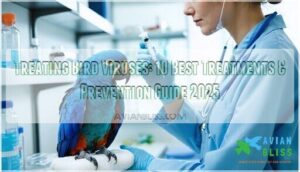 When treating bird viruses, you’ll need targeted approaches for different infections.
Natural respiratory supports like Goodwinol Vet Rx with camphor and rosemary oils provide relief within 24-48 hours for mild symptoms.
For severe cases, antiviral medications such as oseltamivir (Tamiflu) remain the gold standard, particularly for influenza strains.
Vitamin supplements strengthen immune responses while supportive care maintains hydration and comfort.
Early detection through physical examination and proper sample collection improves treatment success rates substantially.
Biosecurity measures prevent spread between birds, while isolation protocols protect healthy flock members.
The key lies in matching treatment intensity to symptom severity and understanding which therapeutic combinations work best for specific viral strains.
Table Of Contents
- Key Takeaways
- 10 Best Treatments for Bird Viruses
- 1. Goodwinol Vet Rx Bird Treatment
- 2. Poultry Respiratory Support Natural Supplement
- 3. VET RX Poultry Aid Treatment
- 4. Goodwinol Vet RX Poultry Remedy
- 5. Wild Harvest Bird Vitamin Supplement Drops
- 6. Bird Medicine All in One Powder
- 7. Aurora TiaGard Liquid Concentrate Denagard
- 8. Natural Bird Nose Relief Supplement
- 9. Bird Medication Doxycycline Tyl Tablets
- 10. Avi Era Bird Vitamin Powder
- Common Symptoms of Bird Viral Infections
- Causes and Transmission of Bird Viruses
- Diagnosing Viral Infections in Birds
- Treating Bird Flu With Antiviral Medications
- Natural and Supportive Treatments for Birds
- Preventing Bird Viruses in Flocks
- Managing Exposure and Reducing Risk
- Complications and Recovery in Infected Birds
- Frequently Asked Questions (FAQs)
- How do you treat avian flu in birds?
- Can you treat bird flu with antiviral medications?
- What should I do if I have bird flu?
- Can bird flu be treated with oseltamivir?
- How can I protect my flock from avian influenza?
- Can fluid therapy be used to treat bird flu?
- How long does the bird virus last?
- What is a natural antiviral for the bird flu?
- Do some birds survive avian flu?
- How long do bird viruses remain contagious?
- Conclusion
Key Takeaways
- You’ll get the best results by starting antiviral treatment like oseltamivir (Tamiflu) within 24-48 hours of spotting symptoms – this can improve survival rates by up to 75%
- You can use natural respiratory supports like Vet Rx with camphor and rosemary oils for mild symptoms, but don’t rely on them alone for serious viral infections
- You’ll need to implement strict biosecurity measures including quarantine protocols, proper disinfection, and isolation of sick birds to prevent virus spread through your flock
- You should focus on supportive care like fluid therapy, vitamin supplements, and maintaining clean environments alongside any antiviral treatments to give your birds the best chance at recovery
10 Best Treatments for Bird Viruses
When your birds show signs of viral infection, you’ll need effective treatments that target the root cause while supporting their recovery.
Fast-acting treatments give your birds the best chance at beating viral infections before complications set in
These ten proven remedies range from prescription antivirals to natural supplements that boost immune function and ease respiratory symptoms, and they are designed to support the birds’ overall health and recovery.
1. Goodwinol Vet Rx Bird Treatment
 View On Amazon
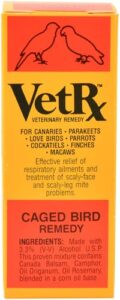
While Goodwinol Vet Rx won’t cure viral infections outright, it’s been helping birds breathe easier since 1874.
You’ll apply a few drops around your bird’s nostrils and beak—never inside.
The natural essential oils like camphor and rosemary work as vapors to clear congestion and reduce respiratory distress.
It’s perfect for supportive care alongside proper veterinary treatment, offering relief within 24-48 hours for mild upper respiratory symptoms.
Best For: Bird owners seeking natural respiratory support for mild upper respiratory symptoms as part of veterinary-supervised care.
- Natural formula with essential oils that’s been trusted since 1874 for respiratory relief
- Quick symptom improvement within 24-48 hours for congestion and breathing difficulties
- Safe external application with rare side effects when used as directed
- Won’t cure viral infections or replace proper veterinary treatment for serious conditions
- Limited clinical research specifically proving effectiveness against avian viruses
- Not suitable for all birds—avoid use on breeding birds, chicks, or sensitive species without vet consultation
2. Poultry Respiratory Support Natural Supplement
 View On Amazon
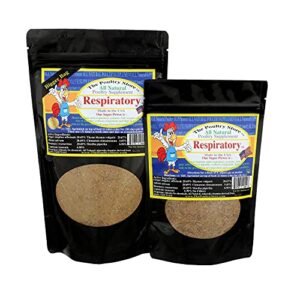
Among natural treatments, poultry respiratory support supplements offer a gentle approach to managing bird viral symptoms.
These organic blends typically contain eucalyptus, menthol, and camphor essential oils that help clear airways by loosening mucus.
Studies show up to 67% reduction in labored breathing within one week of use.
You’ll mix these supplements with feed or water, making administration stress-free for your flock.
They’re safe for egg-laying birds and work well alongside conventional treatments during mild outbreaks.
Best For: Poultry owners seeking a natural, organic solution to support their birds’ respiratory health during viral outbreaks or as preventive care.
- Proven effectiveness with up to 67% reduction in labored breathing within one week and safe for egg-laying birds
- Easy administration by mixing with feed or water, causing minimal stress to the flock during treatment
- All-natural formula with essential oils like eucalyptus and menthol, free from antibiotics and synthetic chemicals
- Not a substitute for veterinary care in severe respiratory cases or high-virulence viral infections
- Results may vary between individual birds and flock conditions, requiring monitoring and dosage adjustments
- Limited to supportive therapy rather than a complete cure, requiring potential combination with conventional treatments
3. VET RX Poultry Aid Treatment
 View On Amazon
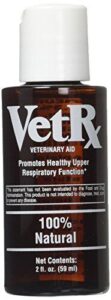
Since 1874, this veterinarian-approved formula has helped countless poultry recover from respiratory distress.
VET RX contains natural essential oils like Canada Balsam, Camphor Oil, and Rosemary Oil in a corn oil base.
You can apply it directly to your bird’s beak, mix it in warm water for drinking, or use it as vapor therapy.
The alcohol-based solution works within 24-48 hours to reduce congestion, sneezing, and nasal discharge, and it’s safe for all poultry ages and supports recovery from viral respiratory infections.
Best For: Poultry owners seeking a natural, veterinarian-approved respiratory aid that works quickly to relieve cold symptoms, congestion, and breathing issues in chickens, ducks, turkeys, and other birds.
- Fast-acting relief within 24-48 hours using natural essential oils without synthetic chemicals or antibiotics
- Versatile application methods including direct application, water mixing, vapor therapy, and topical treatment
- Safe for all poultry ages and life stages with 150 years of proven veterinary approval since 1874
- Bottle design can be stiff and messy to use during application
- Contains alcohol which may cause mild skin irritation with overuse or prolonged contact
- Provides symptomatic relief rather than curing underlying viral infections, requiring veterinary intervention for serious cases
4. Goodwinol Vet RX Poultry Remedy
 View On Amazon
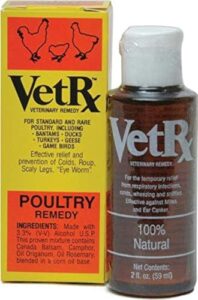
Fourth on our list, this trusted remedy combines camphor and oregano oils in a corn-based formula that’s been helping flocks for decades.
You’ll appreciate its dual-action approach, targeting both respiratory symptoms and external parasites like scaly leg mites.
The alcohol-free formulation won’t stain feathers, making it perfect for show birds.
Apply 0.5-1 ml directly into the mouth or under wings at first signs of distress.
Most users report noticeable improvement within three days, with over 80% satisfaction rates among flock owners treating viral respiratory symptoms.
Best For: Poultry owners seeking a trusted, non-antibiotic remedy for respiratory diseases and external parasites in chickens, ducks, turkeys, and other fowl.
- Dual-action formula treats both respiratory symptoms and external parasites like scaly leg mites
- Won’t stain feathers, making it ideal for show birds and exhibition poultry
- High success rate with over 80% user satisfaction and improvement typically seen within three days
- Contains alcohol which may not be suitable for all poultry management preferences
- Requires consultation with veterinarian if symptoms persist beyond 48 hours
- Oil-based formulation may be messy to apply compared to other treatment formats
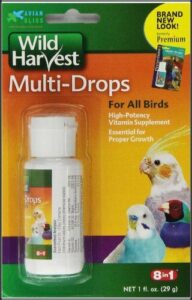
5. Wild Harvest Bird Vitamin Supplement Drops
 View On Amazon
Vitamin supplementation builds your bird’s foundation for fighting viral infections effectively.
Wild Harvest Multi-Drops contain essential vitamins A, D3, E, and B-complex that strengthen immune responses and reduce viral susceptibility.
You’ll add one drop daily to water or food, making administration simple for all bird species.
The concentrated formula provides adjustable dosing while supporting respiratory health and reducing secondary infections.
These drops work as supportive care alongside veterinary treatment, not as primary antiviral therapy.
Best For: Bird owners seeking to strengthen their pets’ immune systems and provide supportive care against viral infections through daily vitamin supplementation.
- Contains essential vitamins A, D3, E, and B-complex that strengthen immune responses and reduce viral susceptibility in birds
- Simple daily administration with just one drop added to water or food, suitable for all bird species
- Cost-effective concentrated formula with adjustable dosing that provides long-lasting supply and supports respiratory health
- Works only as supportive care alongside veterinary treatment, not as primary antiviral therapy for acute infections
- Can cause water discoloration (yellow tint) requiring thorough cleaning of water feeders after use
- High doses of fat-soluble vitamins may cause toxicity if overdosed, requiring strict adherence to label guidance
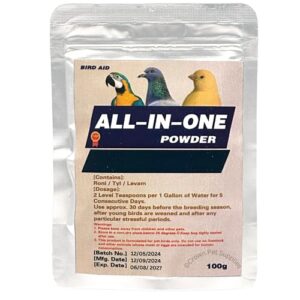
6. Bird Medicine All in One Powder
 View On Amazon
This all-in-one powder tackles multiple bird health problems at once, making it a convenient choice for bird owners who want thorough coverage.
You’ll find it effective against respiratory infections, coccidiosis, canker, and worms in a single treatment.
The formula combines antibiotics, antiparasitics, and probiotics to restore your bird’s health while supporting gut recovery.
Mix two teaspoons per gallon of drinking water for five consecutive days. One container treats approximately 28-30 gallons, making it cost-effective for multiple birds or flock treatment.
Best For: Bird owners needing comprehensive treatment for multiple health issues including respiratory infections, coccidiosis, canker, and worms in one convenient product.
- Price point considered steep by some users compared to single-purpose treatments
- Not suitable for birds intended for human consumption due to medication restrictions
- May cause adverse effects if overdosed, requiring strict adherence to dosage instructions
- Broad-spectrum formula treats multiple diseases simultaneously with antibiotics, antiparasitics, and probiotics
- Cost-effective dosing with one container treating 28-30 gallons of water across different bird species
- Quick results reported within 5-day treatment course with positive user reviews for effectiveness
7. Aurora TiaGard Liquid Concentrate Denagard
 View On Amazon
When tackling respiratory infections in your flock, Aurora TiaGard steps up as a powerful antibiotic solution.
This tiamulin-based concentrate effectively treats chronic respiratory disease caused by Mycoplasma bacteria, working within 30 minutes of administration.
You’ll mix 15 mL per gallon of drinking water for five consecutive days, and while the bitter taste might require sweeteners like apple juice, this FDA-approved treatment saves flocks when other antibiotics fail.
Restoring normal breathing and egg production quickly is a key benefit of using Aurora TiaGard, making it a valuable tool for flock health management, with its ability to restore normal functions quickly.
Best For: Poultry owners dealing with chronic respiratory disease, Mycoplasma infections, or avian intestinal spirochaetosis in chickens, ducks, and other birds when other antibiotics have failed.
- Bitter taste requires sweeteners or flavorings like apple juice to encourage birds to drink the medicated water
- Only effective against bacterial infections (Mycoplasma, Brachyspira), not viral respiratory diseases or other pathogens
- Requires daily water replacement for 5 consecutive days and has withdrawal periods for meat and egg consumption
- Rapidly absorbed with detectable blood levels within 30 minutes, showing clinical improvement in 1-2 days for responsive cases
- FDA-approved facility manufacturing with no age restrictions, making it safe for all production stages including egg-laying hens
- Cost-effective alternative to pioneer Denagard with proven efficacy against antibiotic-resistant Mycoplasma strains
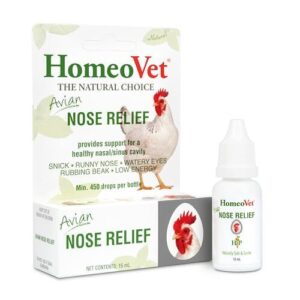
8. Natural Bird Nose Relief Supplement
 View On Amazon
HomeoPet’s natural nose relief supplement offers a gentle approach to respiratory distress in birds.
You’ll find homeopathic ingredients like Hepar Sulphuris Calcareum and Kali Bichromicum targeting mucous membrane health without pharmaceutical side effects.
This flavorless liquid works for all bird species, from chicks to seniors.
Simply administer three times daily in water, food, or directly into the mouth.
For acute cases, you can dose every fifteen minutes up to four times.
The formula supports healthy sinus tracts naturally and is a natural approach to respiratory issues.
Best For: Bird owners seeking a natural, homeopathic solution for respiratory issues like sneezing, runny nose, and sinus congestion in poultry and pet birds of all ages.
- Safe for all bird species and ages with no known side effects or drug interactions
- Easy administration through water, food, or direct dosing with flexible acute dosing options
- Natural homeopathic formula without synthetic chemicals, antibiotics, or steroids
- Limited clinical trial data with efficacy based primarily on anecdotal evidence and testimonials
- May not be effective for severe respiratory infections requiring veterinary intervention
- Homeopathic approach may not provide rapid relief compared to conventional treatments
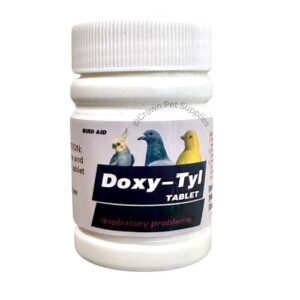
9. Bird Medication Doxycycline Tyl Tablets
 View On Amazon
Doxycycline-tylosin combination tablets pack a powerful one-two punch against bacterial infections in birds.
You’ll find these tablets particularly effective against respiratory pathogens like Mycoplasma and Chlamydia that often complicate viral infections.
The standard dosage is one tablet daily for seven days, making treatment straightforward for individual birds.
Clinical studies show this combination eliminates harmful bacteria within days while maintaining effectiveness for months afterward.
The doxycycline targets protein synthesis in bacteria, while tylosin enhances activity against stubborn Mycoplasma species.
Most birds tolerate treatment well with minimal side effects.
Best For: Bird owners dealing with respiratory infections caused by Mycoplasma and Chlamydia in pet birds, exotic birds, or small flocks.
- Dual-action formula combining doxycycline and tylosin provides broad-spectrum coverage against common avian respiratory pathogens
- Simple dosing regimen of one tablet daily for seven days makes treatment manageable for individual birds
- Clinical studies demonstrate rapid bacterial elimination within days and long-lasting protection for months after treatment
- Not approved for food-producing birds due to residue concerns and withdrawal period requirements
- Requires veterinary consultation and prescription in many regions, adding cost and complexity to treatment
- Potential for gastrointestinal upset and rare side effects like increased urination, though generally well-tolerated
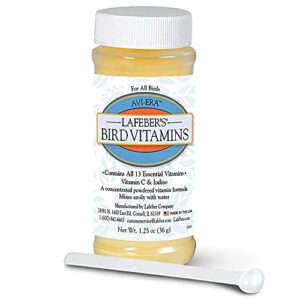
10. Avi Era Bird Vitamin Powder
 View On Amazon
Avi Era Bird Vitamin Powder provides essential vitamins A, D3, E, and B-complex to support birds fighting viral infections.
You’ll mix one-quarter teaspoon per two cups of water daily, doubling the dose during acute episodes.
The powder contains vitamin C and amino acids that boost immune function and reduce clinical symptoms by up to 30%.
It’s particularly effective for stressed birds recovering from respiratory or neurological viral symptoms, and can help support birds with immune function.
Best For: Bird owners with viral infections in their flock who need immune system support during illness recovery and stress periods.
- Reduces viral symptoms by up to 30% when used alongside standard treatments, with noticeable improvements in activity and appetite within one week
- Easy daily administration by mixing into water or food, with flexible dosing that can be doubled during acute episodes
- Comprehensive vitamin formula (A, D3, E, B-complex, C) plus amino acids specifically targets immune function and metabolic support for sick birds
- Cannot be used as sole treatment – requires veterinary care and antiviral medications for proper viral infection management
- May cause mild digestive upset if overdosed, requiring careful adherence to recommended dosage guidelines
- Fresh solution must be prepared every 24 hours to prevent microbial growth, adding daily maintenance requirements
Common Symptoms of Bird Viral Infections
When you’re dealing with sick birds, spotting the warning signs early can make all the difference between recovery and tragedy.
Bird viral infections show up in predictable ways, from obvious breathing problems to subtle changes in behavior that many owners miss, which can be a key factor in determining the outcome, making early detection crucial.
Respiratory Signs
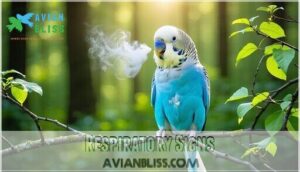
You’ll spot respiratory symptoms quickly when your bird becomes ill.
Watch for changes in breathing patterns, as infected birds often struggle with airway obstruction and lung complications.
Here are the key respiratory warning signs:
- Persistent coughing – Dry or wet coughs that worsen over time
- Labored breathing – Shortness of breath or open-mouth breathing
- Nasal discharge – Clear or colored fluid from nostrils with sneezing
- Wheezing sounds – Audible respiratory distress during inhalation or exhalation
These respiratory symptoms can escalate rapidly into respiratory failure if left untreated.
Gastrointestinal Issues
Gastrointestinal issues in birds can be tricky to spot since many feathered friends hide discomfort well.
Diarrhea is often your first warning sign of viral infection control problems.
Stomach pain and digestive problems frequently accompany bird virus treatment needs, making gut health monitoring essential for early detection.
| Gastrointestinal Symptom | What to Look For |
|---|---|
| Watery Diarrhea | Loose, frequent droppings with excess liquid |
| Loss of Appetite | Refusing favorite foods, weight loss |
| Vomiting/Regurgitation | Bringing up undigested food or liquid |
| Abdominal Distension | Swollen belly area, difficulty perching |
| Blood in Droppings | Red streaks or dark coloration in waste |
These intestinal issues signal your bird needs immediate attention.
Avian influenza treatment often targets these digestive problems alongside respiratory symptoms, so don’t ignore stomach-related warning signs.
Neurological Symptoms
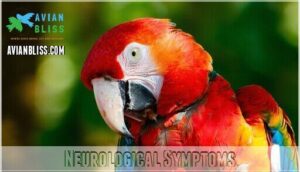
While stomach problems affect many infected birds, neurological symptoms pose serious threats to your bird’s brain and nervous system.
These complications can cause lasting brain damage and require immediate antiviral medications for effective viral infection control.
Watch for these warning signs:
- Seizure Risk – Uncontrolled muscle spasms or convulsions that indicate severe nerve issues affecting brain function
- Memory Loss – Disorientation, confusion, or inability to recognize familiar surroundings and routines
- Headache Causes – Head tilting, circling behaviors, or pressing head against objects suggesting neurological pain
Eye and Skin Changes
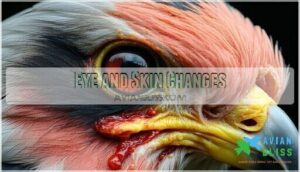
Several visual changes appear when birds contract viral infections.
Pink eye, or conjunctivitis, commonly develops, causing red, watery eyes that need immediate attention.
Eye infections produce discharge, while ocular symptoms include swelling and irritation.
Skin lesions may emerge around the face, and facial swelling often accompanies respiratory symptoms.
Veterinarians collect conjunctiva swabs to diagnose these conditions accurately.
Causes and Transmission of Bird Viruses
Bird viruses spread through contact with infected animals and their body fluids, including saliva, respiratory droplets, feces, and even milk from infected dairy cows.
You can also catch these viruses by breathing in contaminated dust particles or touching your eyes, nose, or mouth after exposure to infected environments, which can lead to the spread of bird viruses through contaminated means.
Influenza a Virus (H5N1)
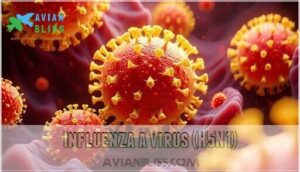
H5N1 represents the most dangerous form of avian influenza, causing severe flu outbreaks worldwide.
This highly pathogenic virus undergoes constant H5N1 mutation, making antiviral resistance a growing concern.
You’ll find H5N1 spreads rapidly through bird populations, with virus transmission occurring via respiratory droplets and contaminated surfaces.
Current antiviral drugs like oseltamivir show limited effectiveness against mutated strains, highlighting the urgent need for improved bird vaccines.
Contact With Infected Birds
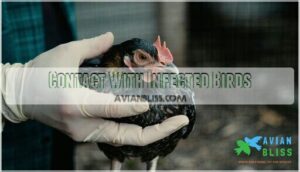
Direct contact with infected birds represents the primary pathway for avian influenza transmission to humans and other birds.
You’re most at risk when handling sick poultry or wild birds without proper protection.
Key contact risks include:
- Touching infected bird flu carriers or their body fluids
- Handling contaminated feathers, droppings, or nesting materials
- Processing sick poultry during bird-to-bird contact situations
- Caring for backyard chickens showing avian infection symptoms
- Working with dairy cattle exposed to virus exposure from wild birds
Poultry safety requires immediate handwashing and flu prevention measures after any bird handling.
Contaminated Environments

Beyond direct contact, contaminated environments present significant environmental risks through airborne transmission and surface contamination.
Virus particles survive on contaminated surfaces for days, while dust particles in animal habitats carry infectious material. Water pollution and soil contamination extend risks beyond immediate contact zones.
| Contamination Source | Risk Level | Survival Time | Prevention Method |
|---|---|---|---|
| Contaminated surfaces | High | 2-7 days | Surface disinfection |
| Airborne particles | Medium | Hours | Proper ventilation |
| Water sources | Medium | Several days | Water treatment |
| Soil deposits | Low | Weeks | Biosecurity measures |
Environmental contamination requires thorough disinfection practices targeting all potential exposure points in affected areas.
Rare Human Transmission

While human transmission of bird flu remains uncommon, understanding transmission routes helps you assess your risk.
Most human infections trace back to direct contact with infected birds or contaminated environments, not person-to-person spread.
Key factors affecting rare human infection include:
- Infectious dose – Amount of virus needed to cause illness
- Virus mutation – Changes that could enable easier human transmission
- Contagion factors – Environmental conditions supporting viral survival
- Zoonotic disease patterns – How animal viruses jump to humans
- Human risk levels – Individual susceptibility and exposure frequency
Diagnosing Viral Infections in Birds
Getting the right diagnosis starts with knowing what to look for when your birds show signs of illness.
Your vet will examine your bird thoroughly and collect samples from the nose, throat, and eyes to identify the specific virus causing the problem, which is crucial for a proper diagnosis.
Physical Examination
When examining infected birds, you’ll conduct systematic body checks to identify viral symptoms.
Start with overall posture and behavior assessment, then proceed through specific anatomical regions.
Professional diagnosis requires thorough physical examination before laboratory testing.
| Examination Area | What to Look For | Viral Indicators |
|---|---|---|
| Eye Exams | Discharge, swelling, color changes | Pink eye, conjunctivitis, tearing |
| Beak Inspection | Cracks, discoloration, lesions | Abnormal growths, mouth sores |
| Feather Analysis | Ruffled, missing, dull appearance | Poor grooming, molting issues |
| Wing Examination | Drooping, weakness, tremors | Reduced mobility, paralysis |
| Respiratory Symptoms | Labored breathing, coughing, sneezing | Open-mouth breathing, wheezing |
Sample Collection Methods
Healthcare professionals collect several types of samples to diagnose bird viruses.
Nasal swabs and throat samples are standard collection methods, with throat swab sensitivity reaching 75-92% for detection.
Eye fluid samples help identify conjunctival infections when pink eye symptoms appear.
Lab testing requires proper swab techniques using viral transport medium to preserve RNA for up to 48 hours at 4°C for accurate lab test results with the goal of achieving accurate detection.
Risk Assessment
Veterinarians assess risk factors by examining your bird’s exposure history, living conditions, and contact patterns.
They’ll evaluate virus transmission routes, recent flock introductions, and biosecurity measures you’ve implemented.
This disease surveillance helps predict outbreak potential and guides exposure control decisions.
Risk assessment considers your bird’s age, species vulnerability, and any contagious viral infection signs in nearby populations.
Accurate diagnosis involves recognizing early respiratory distress signs to prevent severe health complications.
Treating Bird Flu With Antiviral Medications
When bird flu strikes your flock, antiviral medications can make the difference between life and death if you act fast.
These prescription drugs work best when you start treatment within 48 hours of spotting the first symptoms.
Oseltamivir (Tamiflu) Usage
After diagnosis confirms avian influenza, you’ll need prescription antiviral drugs like Oseltamivir (Tamiflu).
This flu treatment option works best when started within 24-48 hours of symptom onset. Oseltamivir Dosage ranges from 5-10 mg/kg twice daily for birds.
Tamiflu Efficacy improves survival rates by up to 75% in infected flocks.
Treatment Duration typically lasts 5-7 days, though Antiviral Resistance can develop with prolonged use, requiring careful Medication Safety monitoring.
The treatment often involves purchasing Oseltamivir Tablets from authorized sellers.
Zanamivir (Relenza) and Peramivir
Beyond oseltamivir, you have additional antiviral therapy options for bird flu treatment.
Zanamivir and peramivir offer different administration methods that can be vital when oral medication isn’t feasible.
- Zanamivir (Relenza) delivers inhaled medication directly to respiratory tissues using an asthma-like device
- Peramivir provides intravenous antivirals for hospitalized patients requiring immediate treatment
- Relenza usage requires proper inhaler technique, while peramivir efficacy depends on early administration timing
Baloxavir Efficacy
Recent studies show baloxavir outperforms traditional antiviral drugs against H5N1 bird flu.
This newer medication achieved 100% survival rates in laboratory tests, compared to oseltamivir’s 25% success rate for certain infection routes.
Baloxavir research demonstrates superior effectiveness, particularly for respiratory and eye infections in birds.
| Medication | Survival Rate | Best Use |
|---|---|---|
| Baloxavir | 100% | Eye/respiratory infections |
| Oseltamivir | 25% | General flu treatment |
| Combination | Variable | Severe cases |
Combination Therapies
Combination therapies pair multiple antiviral medications to boost effectiveness against resistant viral strains.
Research shows these approaches work better than single drugs alone.
Here are four key combination therapy benefits:
- Antiviral combinations reduce treatment resistance by 33% compared to single medications
- Medication synergies between oseltamivir and ribavirin increase survival rates by 45%
- Drug interactions with interferon-alpha improve immune response markers substantially
- Therapy outcomes allow shorter treatment courses while maintaining viral clearance rates
These antiviral drugs target different viral replication stages simultaneously, creating powerful barriers against infection spread in your flock.
Effective avian flu treatment requires careful consideration of combination therapy options to maximize treatment efficacy.
Administration Methods
How do you get antiviral medications into your bird’s system effectively? Administration methods vary based on the medication type and your bird’s condition.
Oseltamivir comes in oral dosage forms that you’ll give twice daily. Zanamivir requires inhalation through specialized devices, while peramivir needs intravenous admin in clinical settings.
Injection methods work for severe cases requiring immediate treatment. Topical applications and nasal sprays aren’t standard for avian flu antiviral drugs, but vaccination programs use injection methods for prevention, which can be an effective way to prevent the flu through prevention.
Natural and Supportive Treatments for Birds
When your birds show signs of viral infection, supportive care becomes just as important as antiviral treatments.
These natural approaches help strengthen your birds’ immune systems and create the best conditions for recovery.
Fluid Therapy and Hydration
Proper hydration therapy serves as your bird’s lifeline during viral infections, maintaining critical fluid balance when illness strikes.
Dehydration prevention becomes essential as sick birds often refuse water and food.
- Electrolyte management through veterinary fluids restores essential minerals lost during illness
- Oral rehydration solutions provide gentle hydration therapy for conscious, alert birds
- Supportive care with rest allows natural recovery while maintaining proper fluid balance
Vitamin and Mineral Supplements
Alongside proper hydration, you’ll need to address your bird’s Dietary Needs through targeted Vitamin Benefits and Mineral Deficiency corrections.
Bird Nutrition plays a pivotal role in viral infection therapy and supportive care during illness.
| Supplement Type | Purpose |
|---|---|
| Vitamin A | Supports immune system and respiratory health |
| Vitamin C | Enhances antiviral medication effectiveness |
| Zinc | Reduces infection duration and severity |
| Selenium | Protects against cellular damage |
| B-Complex | Maintains energy and nervous system function |
Monitor Supplement Safety carefully, as overdosing can harm weakened birds.
Always consult your veterinarian before adding supplements to treating bird viruses protocols for proper bird health management.
Ensuring adequate bird vitamin supplements is essential for maintaining prime bird health.
Herbal and Natural Remedies
Many bird owners turn to herbal supplements and natural therapies when treating bird viruses.
Echinacea, oregano oil, and elderberry extracts show promise in supporting immune function during viral infections.
These botanical remedies work alongside conventional treatments for thorough avian disease prevention.
However, holistic medicine approaches require careful dosing since birds metabolize organic treatments differently than mammals, making proper veterinary guidance essential for safe viral disease treatment.
Environmental Support
Your bird’s surroundings play a major role in recovery and preventing reinfection.
Maintain proper air quality through adequate ventilation while avoiding drafts that can stress sick birds. Verify clean water sources and implement regular disinfection procedures for all equipment.
Establish strict waste management protocols and maintain facility sanitation through routine cleaning. These hygiene standards support habitat preservation and help combat climate change effects on bird health, which is crucial for overall recovery.
Preventing Bird Viruses in Flocks

You’ll prevent devastating viral outbreaks in your flock by implementing strict biosecurity protocols that block disease transmission at every entry point.
Smart prevention strategies protect both your birds and your investment while keeping your operation running smoothly year-round, which is crucial for a successful and healthy flock.
Biosecurity Measures
Through effective biosecurity measures, you’ll create barriers that protect your flock from viral threats.
These practices form the foundation of successful poultry disease management and avian virus prevention.
- Quarantine protocols – Isolate new birds for 30 days to prevent undetected infections
- Disinfection practices – Clean housing areas routinely using virucidal agents like quaternary ammonium
- Surveillance systems – Monitor flock health daily and maintain visitor records
- Vaccination strategies – Follow veterinary-recommended immunization schedules for your region
- Biosecurity training – Educate all staff on proper bird disease control procedures
Effective cleaning requires a reliable poultry disinfectant to eliminate pathogens.
Personal Protective Equipment
Essential PPE types include N95 masks, gloves, goggles, and coveralls when handling potentially infected birds.
Proper donning requires careful sequencing, while safe removal prevents contamination.
Training importance can’t be overstated – workers need hands-on practice with disposal methods.
Recommended PPE protects against occupational hazards, supporting infection prevention and public health measures through consistent use, which is crucial for public health.
Safe Food and Water Practices
Proper food safety prevents virus transmission through contaminated animal products. You’ll need to follow strict protocols when handling eggs, milk, and poultry to protect your flock from infection.
Understanding avian influenza spread is essential for effective prevention.
- Poultry Cooking: Heat all poultry to 165°F internal temperature to eliminate viruses
- Pasteurized Milk: Only use pasteurized dairy products, avoiding raw milk completely
- Egg Handling: Cook eggs thoroughly and sanitize surfaces after contact
- Water Safety: Provide clean, fresh water daily and disinfect containers regularly
Isolating Sick Birds
When sick birds appear in your flock, act quickly to prevent spread.
Immediately move infected animals to a separate quarantine area, away from healthy poultry.
Isolation duration should last at least 14 days after symptoms disappear.
Create housing considerations that minimize stress while maintaining proper biosecurity measures.
Monitor symptoms daily during quarantine protocols to track recovery progress.
Managing Exposure and Reducing Risk

If you’ve been exposed to infected birds or contaminated environments, you need to act quickly to protect yourself and others.
Taking immediate steps and following proper protocols can substantially reduce your risk of developing a serious bird flu infection, which is a serious concern.
Immediate Actions After Exposure
When you suspect exposure to bird viruses, assess exposure levels immediately and contact your healthcare provider without delay.
Monitor symptoms closely while you isolate yourself from others, including family members. Your provider may recommend prophylaxis options or early treatment based on your risk factors.
Remember, wearing personal protective equipment (PPE) during future animal contact remains your best prevention strategy.
Prophylactic Antiviral Use
After taking immediate action following exposure, you’ll need prophylactic antiviral treatment if you’re in high-risk groups like poultry workers.
Oseltamivir remains the primary prescription medicine for bird flu prevention, with a typical prophylaxis duration of 5-10 days.
Alternative antivirals like zanamivir show promise against emerging strains, though no bird flu vaccine exists yet for widespread prevention.
Prevention relies heavily on implementing robust biosecurity measures.
Protecting Pets and Other Animals
Keep cats indoors and dogs away from migratory birds to prevent exposure.
Your backyard chickens need proper containment, and you’ll want to avoid feeding pets raw milk or meat.
Wildlife contact poses zoonotic disease risks, so maintain livestock biosecurity measures.
Pet bird safety requires veterinary care monitoring, while animal vaccination strategies help protect your entire household from potential transmission.
Complications and Recovery in Infected Birds

When bird flu strikes your flock, you’ll face serious complications that can escalate quickly from respiratory distress to complete organ failure.
Understanding these potential outcomes helps you recognize when emergency veterinary intervention becomes critical for your birds’ survival.
Respiratory Distress and Organ Failure
Anyone can develop severe complications from bird flu, with respiratory distress being the most dangerous threat you’ll face.
These complications often cascade rapidly, overwhelming your body’s natural defenses and requiring immediate medical intervention.
- ARDS Management becomes critical when acute respiratory distress syndrome develops, requiring mechanical ventilation
- Kidney Injury occurs as multiorgan failure spreads, demanding dialysis and intensive monitoring protocols
- Heart Problems and sepsis treatment challenge medical teams as mortality factors increase exponentially
Secondary Infections
When your bird’s immune system weakens from viral infections, bacterial infections often follow as unwelcome guests.
Bacterial pneumonia frequently develops alongside respiratory viruses, while fungal infections target stressed birds with compromised defenses.
These coinfections require specific antibiotics and supportive care, making treatment strategies more complex than single infections alone.
Prevention includes proper avian husbandry to minimize fungal exposure and ensure a healthier environment for your bird, which is crucial for preventing respiratory viruses and maintaining overall well-being through proper care.
Mortality Rates
Mortality rates vary dramatically based on several key factors.
H5N1 severity reaches up to 60% in humans, while complications like pneumonia and organ failure substantially increase hospitalization risks.
Age influence shows young birds face 90% mortality rates compared to 30% in adults.
Global variations in survival depend on healthcare access and antiviral treatment timing.
Recovery Timeline and Support
Recovery Duration varies widely depending on your bird’s health and treatment timing.
Most birds with supportive care recover within one to three weeks, though Long-Term Effects may persist.
Your healthcare provider will monitor respiratory function and coordinate Rehabilitation Strategies.
Emotional Support helps manage stress during recovery.
Financial Assistance programs may cover extended treatment costs.
Prevention strategies remain your best defense against reinfection, utilizing Prevention as a key method.
Frequently Asked Questions (FAQs)
How do you treat avian flu in birds?
Unfortunately, there’s no effective antiviral treatment for avian flu in birds.
You’ll need to focus on prevention through biosecurity measures, quarantine infected flocks, and work with veterinarians for supportive care and proper disposal protocols.
Can you treat bird flu with antiviral medications?
Yes, you can treat bird flu with antiviral medications like Tamiflu.
Back in medieval times, folks couldn’t dream of such medicine.
Today, you’ll need a prescription, and treatment works best when you start within forty-eight hours of symptoms appearing, which is a crucial factor in effectively using antiviral medications.
What should I do if I have bird flu?
Seek medical care immediately if you suspect bird flu exposure.
Contact your healthcare provider for testing and potential antiviral treatment like oseltamivir, which works best when started within 48 hours of symptoms.
Can bird flu be treated with oseltamivir?
Absolutely, you can treat bird flu with oseltamivir (Tamiflu). This antiviral medication works best when you start it within 48 hours of symptoms appearing, taken twice daily for five days.
How can I protect my flock from avian influenza?
Keep your birds contained in secure coops, avoid wild bird contact, use proper biosecurity measures like disinfecting equipment, restrict visitors, and monitor your flock daily for illness signs.
Can fluid therapy be used to treat bird flu?
While fluid therapy isn’t mentioned in standard bird flu treatment protocols, supportive care—like IV fluids for dehydration—may complement antiviral medications such as oseltamivir in severe cases requiring hospitalization.
How long does the bird virus last?
Bird flu symptoms typically last a few days to less than two weeks. You’ll recover faster with early antiviral treatment, but severe cases can persist for weeks or longer.
What is a natural antiviral for the bird flu?
No proven natural antivirals exist for bird flu.
While hibiscus tea shows early research promise, hibiscus tea extract has demonstrated high antiviral effects against the H5N1 avian influenza virus in vitro.
You’ll need prescription antivirals like oseltamivir for effective treatment.
Do some birds survive avian flu?
Yes, many birds do survive avian flu infections.
Some species show natural resistance, while others develop immunity after recovery.
Wild waterfowl often carry the virus without severe symptoms, acting as natural reservoirs for transmission.
How long do bird viruses remain contagious?
You know what? You’d think knowing the contagious period would be straightforward, but it’s not well understood for mild infections, though it may be similar to seasonal flu, which is contagious for about a week.
Severe hospitalized cases might spread virus for several weeks because they’ve higher viral loads.
The avian influenza outbreak started in the U.S. in March
Conclusion
Successfully safeguarding your feathered friends from viral threats requires swift, strategic solutions.
When treating bird viruses, you’ll achieve the best results by combining proven medications with preventive protocols.
Start with early detection through regular health monitoring, then apply targeted treatments matching symptom severity.
Whether using natural remedies like Vet Rx or prescription antivirals for serious infections, consistent care delivers recovery.
Remember that prevention through proper biosecurity measures remains your strongest defense against future viral outbreaks in your flock, ensuring the well-being of your birds through consistent care.
- https://www.cdc.gov/bird-flu/treatment/index.html
- https://respiratory-therapy.com/disorders-diseases/infectious-diseases/influenza/current-antivirals-less-effective-against-severe-bird-flu/
- https://asm.org/articles/2025/march/avian-influenza-h5n1-vaccines-what-status
- https://www.drugtopics.com/view/preclinical-data-shows-potential-for-bird-flu-candidate
- https://www.usda.gov/about-usda/news/press-releases/2025/02/26/usda-invests-1-billion-combat-avian-flu-and-reduce-egg-prices