This site is supported by our readers. We may earn a commission, at no cost to you, if you purchase through links.
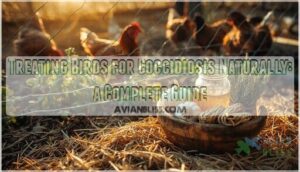
Your flock’s behavior tells a story long before the telltale bloody droppings appear, but by then, coccidiosis has already gained a foothold in your birds’ intestinal tracts. This parasitic infection strikes backyard flocks with surprising frequency, particularly during warm, wet conditions when oocysts thrive in damp bedding and soil.
The good news is that treating birds for coccidiosis naturally doesn’t require harsh chemicals or veterinary intervention in many cases, though you’ll need to act quickly and strategically. Through targeted dietary support, herbal remedies, and environmental management, you can help your birds rebuild their gut health while limiting the parasite’s ability to spread throughout your flock.
Table Of Contents
- Key Takeaways
- Recognizing Coccidiosis in Birds
- Natural Dietary Strategies for Coccidiosis
- Herbal and Homeopathic Remedies
- Environmental and Stress Management
- Monitoring and Preventing Recurrence
- Frequently Asked Questions (FAQs)
- What is the best natural remedy for coccidiosis?
- What is the best treatment for coccidiosis in birds?
- Can apple cider vinegar treat coccidiosis?
- Does diatomaceous earth treat coccidia?
- Can humans get coccidiosis from infected birds?
- How long does coccidiosis treatment typically last?
- Are all bird species susceptible to coccidiosis?
- Can coccidiosis be transmitted through egg consumption?
- Is coccidiosis common in wild bird populations?
- Can coccidiosis affect other backyard poultry species?
- Conclusion
Key Takeaways
- Coccidiosis spreads rapidly through fecal contamination in warm, wet conditions, making daily litter management and proper ventilation your most effective defense against parasite buildup in the coop.
- Natural dietary support—including probiotics at 1×10^6 to 1×10^9 CFU daily, vitamin E, selenium, and zinc—strengthens gut integrity and immune function, though herbal remedies like garlic and oregano oil require careful dosing to avoid toxicity.
- Early detection through weekly health checks and fecal testing catches infections before severe intestinal damage occurs, since young birds progress rapidly from initial symptoms to life-threatening dehydration.
- While natural approaches support recovery, veterinary-prescribed anticoccidial medications remain the most reliable treatment for active infections, especially when combined with stress reduction and quarantine protocols to prevent reinfection.
Recognizing Coccidiosis in Birds
Catching coccidiosis early can make all the difference in protecting your flock, but you need to know what you’re looking for in the first place. The parasite doesn’t announce itself with fanfare, so understanding the warning signs, how it moves through your birds, and which ones are most vulnerable becomes your first line of defense.
Let’s walk through the key indicators that should put you on alert.
Common Signs and Symptoms
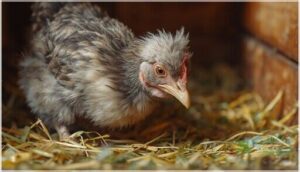
When coccidiosis strikes your flock, you’ll notice diarrhea with bloody or watery droppings, often greenish or pale in color. Infected birds show lethargy, ruffled feathers, and weight loss despite eating normally. Watch for pale combs, sunken eyes indicating dehydration, and a swollen vent area.
Young chicks progress rapidly to severe intestinal damage, making early detection through careful observation of bird behavior and dropping color essential for effective intervention. The importance of early detection and treatment is highlighted by the need for scientific study audits to verify the accuracy of research findings.
How Coccidiosis Spreads in Flocks
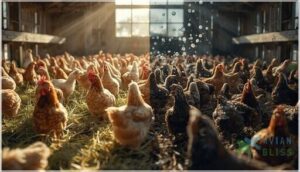
Once clinical signs appear, the parasite spreads quickly through fecal transmission—infected birds shed oocysts in droppings that contaminate bedding, feed, and waterers. Damp, overcrowded conditions support oocyst survival and sporulation, creating environmental contamination that healthy birds ingest. Understanding flock dynamics helps you interrupt this cycle:
Spotting early signs of worm infestation in your flock lets you act before parasites gain a foothold in the coop environment.
- Bird stressors like temperature swings lower immunity
- New arrivals can introduce virulent strains
- Contaminated soil remains infectious for months
- Subclinical carriers silently maintain transmission
To better comprehend the complex terminology involved, researchers often consult language reference tools.
Identifying At-Risk Birds
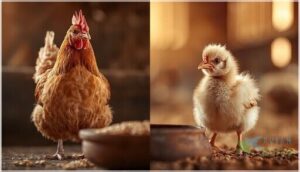
Not every bird faces equal risk—age and developmental stage matter most, since young birds and recent fledglings carry immature immune systems that struggle against coccidial infection. Species susceptibility varies, with certain Eimeria strains hitting poultry harder than others.
Nutritional status plays a key role: underweight or malnourished individuals show weakened gut integrity, making them prime targets in flock dynamics where parasite control depends on recognizing vulnerable members early.
Natural Dietary Strategies for Coccidiosis
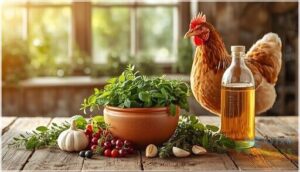
When your bird is battling coccidiosis, what you put into their system can make all the difference in their recovery. A thoughtfully chosen diet doesn’t just fill their crop—it actively bolsters their gut’s ability to fight back against these parasites.
Early detection through regular fecal checks and symptom monitoring allows you to adjust their diet before the infection takes a serious toll.
When your bird battles coccidiosis, a thoughtfully chosen diet actively bolsters their gut’s ability to fight back against parasites
Let’s walk through some of the most effective dietary strategies you can implement right away to strengthen your bird’s natural defenses.
One of the easiest ways to support gut health and immunity is through probiotics that help restore balance after stress or illness.
Probiotics and Gut Health Support
Your bird’s intestinal tract is home to a delicate microbial balance that, when disrupted, leaves the door open for parasites like coccidia. Probiotic benefits include improved gut health and immunity, which is why supplementing with Lactobacillus or Bacillus species—at doses around 1×10^6 to 1×10^9 CFU daily—can help restore the gut microbiome.
Synbiotic therapy, combining probiotics with prebiotic supplements, offers even stronger support for natural coccidiosis treatment and long-term microbiome balance.
Pairing these supplements with bird food for optimal digestive health creates a complete nutritional foundation that strengthens immunity and supports recovery.
Herbal Additions: Garlic, Ginger, Turmeric
You’ve likely heard that garlic benefits, turmeric effects, and ginger properties can support your flock, and there’s some truth to it—these natural supplements show promise for gut health and inflammation. However, phytotherapy isn’t a silver bullet; garlic overdoses can harm your birds’ livers, and turmeric’s bioavailability is low without proper formulation.
Use herbal remedies cautiously, alongside proven treatments, and always monitor dosing to avoid herbal interactions and toxicity.
Using Apple Cider Vinegar Safely
Despite the buzz around ACV benefits for avian coccidiosis prevention, safe administration matters more than enthusiasm. When considering natural remedies for coccidiosis, apple cider vinegar requires careful vinegar dosage to avoid harming your flock:
- Always dilute ACV before adding it to water systems
- Use only intermittent amounts, not continuous daily dosing
- Monitor birds closely for reduced water intake or irritation
- Consult veterinary guidance before relying on natural treatments alone
Nutritional Supplements for Immunity
Strengthening your flock’s defenses against coccidiosis hinges on targeted vitamin therapy and mineral boosters, particularly vitamin E, selenium, and zinc, which protect immune cells from oxidative stress and boost antimicrobial responses. Probiotic supplements containing Lactobacillus or Bacillus subtilis improve gut health through competitive exclusion, while prebiotics promote beneficial microbiota. Nutrient optimization with vitamin A bolsters mucosal integrity, creating resilient birds less vulnerable to parasite invasion.
Early detection through routine health monitoring also helps catch respiratory complications that can weaken immunity, making birds more susceptible to parasitic infections like avian respiratory diseases.
| Supplement Type | Key Nutrient/Agent | Immune Benefit |
|---|---|---|
| Vitamin Therapy | Vitamin E, Vitamin A | Antioxidant protection, mucosal defense |
| Mineral Boosters | Selenium, Zinc | Enhanced antibody production, macrophage activity |
| Probiotic Supplements | Lactobacillus, Bacillus subtilis | Competitive exclusion, gut barrier function |
| Prebiotics | Inulin, Oligosaccharides | Beneficial microbiota growth, immune modulation |
| Immune Enhancers | Vitamin D, Amino Acids | Antimicrobial peptide expression, lymphocyte support |
Herbal and Homeopathic Remedies
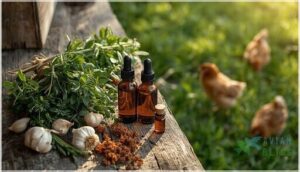
Beyond dietary support, several herbal and homeopathic options have shown promise in supporting birds during coccidiosis, though their use requires careful consideration and appropriate dosing.
These natural remedies can complement your overall treatment approach, working alongside good nutrition and environmental management to help your flock recover.
Let’s look at some of the most commonly used options, their applications, and what you need to know before adding them to your care routine.
Oregano Oil and Grapefruit Seed Extract
Many backyard keepers explore oregano oil benefits and grapefruit seed extract as natural antimicrobials, hoping these essential oils and herbal supplements will curb coccidiosis. While some small studies hint at improved gut health, evidence for reliable anticoccidial action remains thin.
High concentrations can irritate your birds’ intestinal lining, so if you’re considering these natural approaches, start with conservative doses, monitor closely, and prioritize proven sanitation alongside any herbal treatments for avian coccidiosis.
Diatomaceous Earth Applications
Food-grade diatomaceous earth appears in many integrative approaches to parasite control, valued as a natural desiccant you can add to litter or feed. While some keepers swear by its moisture-reducing properties, scientific evidence for reliable anticoccidial effects remains weak.
If you choose DE as part of broader parasite control strategies, guarantee proper ventilation to avoid respiratory irritation and remember it’s no substitute for solid biosecurity.
Other Effective Herbal Treatments
Beyond the usual suspects, you can explore botanical oils like thymol-rich blends or cinnamon extracts, which show modest activity against coccidia in lab studies.
Herbal medicine also includes clove oil, pepper extracts, and echinacea preparations, all marketed as natural antiparasites for phytotherapy benefits.
Remember, evidence for these plant remedies varies widely, so pair any herbal extracts with proven biosecurity and veterinary guidance for best results.
Homeopathic Approaches and Considerations
Some poultry keepers turn to homeopathic options like Sulphuric acidum or Silica, hoping for integrative healing through alternative medicine. However, homeopathy risks delaying proven treatments, since scientific support remains limited and regulatory bodies don’t endorse these alternative therapies as primary care.
If you’re exploring integrative medicine or other integrative approaches, use homeopathic remedies only as adjuncts alongside natural supplements and veterinary oversight, never as standalone natural treatments.
Environmental and Stress Management
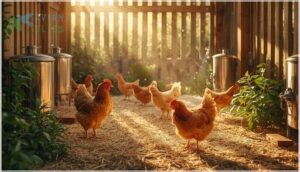
Beyond treatments and supplements, the environment your birds live in plays a powerful role in preventing and recovering from coccidiosis. A clean, low-stress setup gives their immune systems the breathing room they need to fight off parasites naturally.
In this section, you’ll find practical ways to create a healthier space that fosters healing and keeps future outbreaks at bay.
Maintaining Clean and Dry Living Conditions
In every coop, moisture invites trouble. You’ll want to remove manure and damp litter daily—that’s your first line of defense in Clean Coop Management and Poultry Health Management.
Proper Ventilation Systems keep humidity low without chilling your birds, while Dry Bedding Strategies and elevated roosts minimize contact with parasites.
Regular Sanitation Protocols using bird-safe disinfectants complete these Environmental Modifications, supporting Sustainable Agriculture Practices and effective Flock Management through proactive Environmental Health and Sanitation measures.
Reducing Stress to Boost Immunity
Once your coop is clean and dry, Stress Management becomes your next Immune Booster. Chronic tension undermines your birds’ Immune System and disrupts Gut Health, opening the door to parasites.
These Natural Therapies support Stress Reduction and Environmental Enrichment:
- Maintain consistent daily routines to minimize cortisol spikes
- Provide perches, dust baths, and calm lighting schedules
- Handle gently and infrequently to lower anxiety
These Integrated Approaches and Bird Calming strategies strengthen Natural Treatments against coccidiosis.
Proper Quarantine and Flock Separation
When stress management is in place, Quarantine Protocols and Flock Isolation become your front-line Biosecurity Measures. Separating new or sick birds for at least two to four weeks prevents Coccidiosis from spreading through your flock.
Effective Bird Segregation requires dedicated equipment, separate housing, and daily health checks. This Disease Prevention strategy bolsters Poultry Health by limiting parasite transmission during vulnerable periods.
| Quarantine Action | Purpose |
|---|---|
| Isolate new arrivals 30 days | Observe for parasites before Flock Management integration |
| Use dedicated feeders | Prevent cross-contamination between groups |
| Monitor droppings daily | Detect early Coccidiosis signs during Flock Separation |
| Disinfect boots and tools | Block environmental transfer of oocysts |
| Document health records | Track patterns and treatment responses |
Enhancing Outdoor Access for Recovery
After your birds start recovering, introducing Outdoor Access through Gradual Exposure aids healing by encouraging natural behaviors in Secure Enclosures. Fresh Air Exchange reduces humidity that favors parasites, while Outdoor Hygiene practices—like prompt fecal removal and rotational grazing—limit oocyst buildup.
These Environmental Modifications work alongside Natural Treatments and Organic and Natural Supplements to promote Stress Reduction and sustainable flock health.
Monitoring and Preventing Recurrence
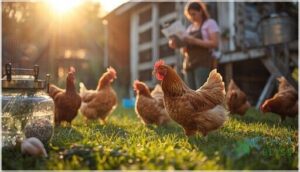
Once your birds show signs of recovery, your work isn’t quite finished—keeping coccidiosis from coming back requires consistent attention and a few smart adjustments to your daily routine.
The good news is that prevention doesn’t have to be complicated, and most strategies fit naturally into the care you’re already providing.
Here’s what you need to focus on to protect your flock long-term and catch any problems before they become serious.
Routine Health Checks and Early Detection
Catching avian coccidiosis early can make all the difference in your flock’s recovery. Schedule weekly health screenings during high-risk periods, focusing on bird monitoring for lethargy, bloody droppings, and weight loss.
Fecal testing reveals oocyst levels before clinical signs escalate, enabling early intervention.
Regular disease surveillance bolsters gut health and your immune system’s natural defenses, reducing reliance on aggressive treatments while keeping natural treatments effective.
Sanitation Practices to Limit Parasite Spread
Beyond early detection, environmental hygiene forms your strongest defense against coccidiosis. Daily litter management and thorough coop cleaning slash oocyst loads by up to 70%, limiting parasite control challenges.
Implement biosecurity measures like footbaths, fresh bedding, and proper ventilation to support natural prevention. These sanitation and environmental modifications reduce stress while breaking the parasite’s lifecycle, protecting your flock without harsh chemicals.
Adjusting Flock Management for Prevention
Think of your flock management strategies as a protective shield, where every adjustment strengthens natural prevention. Quarantine protocols for new birds, reduced stocking density to minimize stress, and regular litter management form your core biosecurity measures.
Rotate housing areas when possible, keep feeders and waterers spotless, and maintain ideal space per bird—these parasite management strategies and flock sanitation practices directly support avian health while advancing coccidiosis control methods.
When to Seek Veterinary Guidance
Even with diligent home care, some situations demand professional veterinary diagnosis and emergency care right away. If your bird shows sudden severe diarrhea, blood in droppings, or dehydration that won’t resolve in 24–48 hours, seek veterinary medicine and professional advice immediately.
Young or elderly birds warrant prompt veterinary care at the first sign of illness, ensuring effective coccidiosis treatment and prevention through crisis management and expert bird health assessment.
Frequently Asked Questions (FAQs)
What is the best natural remedy for coccidiosis?
An ounce of prevention is worth a pound of cure. Oregano essential oil stands out as the most effective natural remedy, reducing oocyst counts and lesion scores while supporting gut health and immunity when combined with probiotics and antiparasitic herbs like garlic.
What is the best treatment for coccidiosis in birds?
The best treatment combines veterinary-prescribed anticoccidial medications like amprolium or toltrazuril with supportive care—probiotics, electrolytes, and clean housing.
Natural remedies like garlic may complement, but shouldn’t replace, proven pharmaceutical interventions for effective recovery.
Can apple cider vinegar treat coccidiosis?
Like a Band-Aid on a broken bone, apple cider vinegar can’t cure coccidiosis—science hasn’t proven its effectiveness against Eimeria parasites.
While ACV benefits gut health as a preventive measure, coccidiosis requires proper anticoccidial medication for treatment.
Does diatomaceous earth treat coccidia?
Diatomaceous earth lacks credible evidence for treating coccidia in birds. Laboratory studies show limited antiparasitic activity against Eimeria species, so you shouldn’t rely on it as a proven coccidiosis remedy.
Can humans get coccidiosis from infected birds?
You won’t catch avian coccidiosis from your birds—the Eimeria parasites infecting poultry can’t colonize human intestinal tracts, making zoonotic transmission virtually impossible despite common public health concerns about parasitic infection and immune system vulnerabilities.
How long does coccidiosis treatment typically last?
Treatment duration for coccidiosis usually spans five to seven days with commercial anticoccidials, though natural remedies may extend to two weeks.
Recovery time often lags behind symptom improvement, requiring careful follow-up care for relapse prevention.
Are all bird species susceptible to coccidiosis?
Not every bird species faces equal coccidiosis risk, though susceptibility spans the avian family.
Domesticated poultry, including chickens and turkeys, experience higher infection rates due to host-specific Eimeria parasites and intensive housing conditions.
Can coccidiosis be transmitted through egg consumption?
You won’t contract coccidiosis from properly cooked eggs. Eimeria oocysts may contaminate shells in unsanitary housing, but standard washing and cooking eliminate foodborne risks, making human exposure through egg consumption highly unlikely.
Is coccidiosis common in wild bird populations?
Wild bird prevalence of Eimeria species varies by habitat and population dynamics, with field surveys detecting oocysts in many species.
However, infections usually remain subclinical unless environmental factors like crowding or stress trigger outbreaks.
Can coccidiosis affect other backyard poultry species?
Yes, coccidiosis affects chickens, turkeys, quail, pigeons, and ducks through species-specific Eimeria strains. Cross transmission happens when birds share contaminated litter or water, making interspecies biosecurity essential for protecting your entire flock from avian coccidiosis.
Conclusion
The next time you notice a bird hunched in the corner with ruffled feathers, you’ll know the clock is already ticking. Treating birds for coccidiosis naturally demands vigilance, consistency, and a willingness to address both the parasite and the environment that sustains it.
Your flock’s resilience hinges on clean coops, strategic herbal support, and early intervention before bloody droppings become widespread.
Act swiftly, monitor closely, and remember that prevention always outpaces treatment in protecting your birds’ long-term health.