This site is supported by our readers. We may earn a commission, at no cost to you, if you purchase through links.
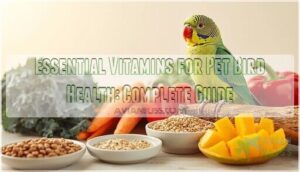
Your parakeet’s feather plucking might not be boredom—it could be a cry for vitamin E. Birds hide nutritional deficiencies remarkably well, often until symptoms become severe enough to affect their daily behavior and physical appearance.
A small finch with softened bones or a cockatiel developing white plaques around its nostrils isn’t facing mysterious ailments; these are telltale signs of specific vitamin gaps that proper supplementation can address.
Understanding which vitamins your bird needs, how deficiencies manifest, and what supplements match your feathered companion’s species and life stage transforms you from a concerned owner into an effective advocate for their long-term health.
Table Of Contents
Key Takeaways
- Vitamin deficiencies in birds manifest through specific physical symptoms like feather plucking (vitamin E), white nasal plaques (vitamin A), and bone softening (vitamin D3), with seed-based diets leaving 80% of birds vulnerable to nutritional gaps that quality pellets and targeted supplementation can prevent.
- Choosing the right supplement requires matching formulation to your bird’s species, size, and life stage—small seed-eaters need different vitamin A levels than large parrots, while chicks demand higher concentrations than seniors, making species-specific dosing critical to avoid both deficiency and toxicity.
- Fat-soluble vitamins (A, D3, E, K) accumulate in tissues and pose real overdose risks when combined with fortified pellets, so you’ll need to scale back or stop supplementation entirely if your bird already consumes over 50% pelleted food to prevent hypercalcemia and organ damage.
- Quality supplements display certifications like NASC seals and GMP standards that guarantee independent testing and purity, while liquid forms offer precise dosing control and powders work better than seed coatings that birds hull and discard—but all require proper storage away from heat and light to maintain potency.
Essential Vitamins and Nutrients for Pet Birds
Your bird’s health depends on more than just seeds and fresh water—it requires a carefully balanced mix of vitamins and minerals that work together like instruments in an orchestra. When even one nutrient falls short, you’ll notice the effects in everything from feather quality to energy levels.
Your bird’s health demands a balanced orchestra of vitamins and minerals—when one falls short, feathers and energy suffer
Let’s walk through the essential vitamins your bird needs, the role calcium plays in their daily health, what deficiency warning signs look like, and how nutritional requirements shift as your feathered companion grows and ages.
Roles of Vitamin A, D3, E, and B-Complex

Your bird’s body relies on four vitamin groups working in concert to maintain avian health. Vitamin A protects respiratory tract linings and boosts immunity—seed-fed parrots often need 2,000–4,000 IU daily. Vitamin D3 facilitates calcium absorption for strong bones and feather growth, while vitamin E safeguards cells as an antioxidant. B-complex vitamins power energy metabolism and nervous system function, preventing neurological issues in companion birds.
A balanced diet that includes essential fatty acids is vital for maintaining overall health and well-being in birds.
Importance of Calcium and Mineral Supplements
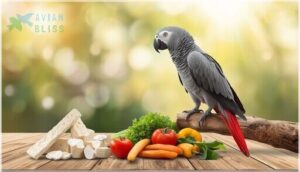
Calcium is essential for skeletal strength in birds, with 99% stored in bones as hydroxyapatite. Mineral supplements are crucial for seed-fed parrots, as all-seed diets often lead to chronic calcium deficiency, causing leg deformities in young birds. Layers require 3–4% dietary calcium to produce strong eggshells.
African Grey parrots are particularly at risk, so pairing calcium with vitamin D3 and balanced phosphorus is vital for optimal bone health and eggshell quality. Providing a calcium supplement is essential for maintaining strong bones and overall health in birds.
Signs and Risks of Vitamin Deficiencies
When nutritional needs go unmet, your bird’s body sends clear warning signals you shouldn’t ignore. Watch for these red flags of vitamin deficiencies:
- White plaques and nasal discharge — vitamin A shortage affects 80% of seed-fed birds
- Curled toe paralysis — riboflavin B2 deficiency in young chicks
- Bone softening and beak deformities — vitamin D3 deficiency strikes 60% of indoor birds
- Muscle weakness and poor feather quality — vitamin E and thiamine B1 shortfalls
Bird malnutrition progresses quickly, so early recognition protects your companion’s health.
Nutritional Needs Across Bird Life Stages
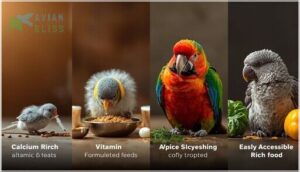
Just as your own nutritional needs evolved from childhood through your golden years, avian life stages demand distinct dietary adjustments to support bird nutrition and health. Understanding these shifts helps prevent nutritional deficiencies in birds while optimizing growth and longevity.
| Life Stage | Key Dietary Needs | Critical Focus |
|---|---|---|
| Hatchlings (0-3 weeks) | 18-20% protein, vitamins A, D3, E, K | Bird growth rates reach peak; calcium builds skeleton |
| Juveniles (weaning to maturity) | Shift to 100% pellets over 7-14 days | Reduce calories; maintain bone-building minerals |
| Adults (maintenance) | 60-80% formulated pellets, 5,000-8,000 IU/kg vitamin A | Energy needs average 16.7 kcal/day; balanced mineral intake |
| Seniors (geriatric) | Nutrient-dense, easily accessible foods | Combat muscle loss; monitor nutrient absorption efficiency |
Young chicks consume roughly 10% of their body weight per feeding—three times daily—fueling explosive development. Male chicks often outpace females, eating 1.43 times their maintenance needs during peak growth windows. That’s why vitamin supplements customized to each stage fill gaps seed-based or shifting diets can’t close.
As birds age, their bodies absorb nutrients less efficiently. Senior bird care requires softer, mineral-rich foods that accommodate decreased appetite and physical ability. Watch for weight loss or dull feathers signaling absorption issues—signs your geriatric companion needs dietary adjustments to maintain muscle mass and vitality.
Factors to Consider When Choosing Bird Vitamins
Choosing the right vitamin supplement for your bird isn’t about grabbing the first bottle off the shelf. You need to think about your bird’s species, age, and current diet to avoid giving too much or too little of what they actually need.
Let’s walk through the key factors that’ll help you make a safe, informed choice.
Suitability for Bird Species and Size
Every species carries unique dietary blueprints—what fuels a canary won’t always support a macaw. You’ll need to match vitamin formulas to your bird’s size and natural diet, because a finch on 90% seeds faces different risks than a pellet-fed parrot.
- Small seed-eaters like budgies risk vitamin A deficiency when seeds dominate their meals
- Large parrots such as African greys demand extra calcium to prevent bone disease
- Nectarivorous species need specialized formulas—not generic seed-focused supplements
- Dosage scales with body mass: small birds need roughly 0.5 mL daily, large parrots 1.5 mL
Age Compatibility and Dosage Guidelines
Matching vitamin supplements to your bird’s age prevents both deficiency and toxicity. Chicks demand higher vitamin A for rapid growth, while older birds on balanced diets risk nutrient overload from unnecessary supplementation. Dosage errors account for most supplement interactions you’ll encounter, so follow these life stage considerations:
| Life Stage | Vitamin D3 Range | Vitamin A Needs | Dosing Frequency | Special Concerns |
|---|---|---|---|---|
| Neonates (0–3 weeks) | 10,000–20,000 IU/kg feed | Very high for immune development | With each formula feeding | Avoid exceeding 3× maintenance levels |
| Juveniles (weaning) | ~1,000 IU/kg diet | Elevated during feather growth | Daily during stress periods | Monitor overlap with fortified base diets |
| Adults (maintenance) | ~1 IU/g food | Moderate, species-dependent | 1–5 drops daily by size | Scale dose with body mass |
| Seniors | Maintenance or lower | Moderate, diet-focused | As needed, not routine | Reduced kidney function increases toxicity risk |
| Chronic conditions | Veterinary guidance only | Therapeutic dosing if deficient | Under professional supervision | Parenteral administration may replace oral supplements |
Commercial bird health supplements typically provide 1–2 drops for finches, 3 drops for cockatiels, and 5 drops for macaws. However, you’ll need to cut back or stop entirely if your bird already eats over 50% pelleted food.
Life stage considerations matter most when shifting from hand-feeding formulas to adult diets. Juveniles consuming 20% of their body weight daily concentrate vitamins far more than mature birds. Supplementation guidelines warn against combining multiple products. Fat-soluble vitamins A and D accumulate in tissues, and chronic excess triggers hypercalcemia and organ damage across all ages.
Water-soluble B-complex vitamins carry wider safety margins since birds excrete surplus amounts, but daily replenishment is necessary as they don’t store well. Check labels for age compatibility certifications. Senior birds with compromised kidneys face heightened sensitivity to vitamin buildup. When using water additives, replace drinking solutions every 12 hours to maintain potency and prevent bacterial growth.
Key Nutrients to Look For
A balanced vitamin supplement for birds should deliver vitamin A at 5,000–8,000 IU/kg to support immune function, vitamin D3 for nutrient absorption and bone strength, vitamin E paired with selenium as antioxidants, and a full B-complex for energy metabolism.
Look for mineral supplements that include calcium, phosphorus, iodine, and zinc—these essential vitamins and minerals work together to maintain feather health and beak nutrition.
Administration Methods (Liquid, Powder, Tablets)
The form you choose—liquid supplements, powdered vitamin, or tablet forms—affects how reliably your bird receives essential nutrients and how easily you can provide them.
- Liquid multivitamin mixes into drinking water at roughly 1 g per liter for 4–5 days, though individual water consumption varies, affecting nutrient absorption
- Direct oral drops let you dose precisely by body weight, ideal for single birds
- Powdered vitamin sprinkled on soft foods works better than seed coatings, which birds often hull and discard
- Tablet forms and mineral blocks provide controlled amounts but require monitoring to prevent overconsumption
- Administration tips: Match bird health supplements to your bird’s baseline diet—seed-eaters benefit more than pellet-fed birds, who risk oversupplementation
Storage and Shelf Life Considerations
Vitamin stability drops fast when supplements sit in warm, humid cabinets—vitamin A loses more than 30% potency after 90 days above 39 °C.
Store powders and tablets at 15–25 °C in sealed containers away from light and moisture; refrigerate opened liquids to slow oxidation.
Always check expiration dates, because nutrient levels decline over time, leaving your bird vulnerable to deficiency despite regular supplementation.
Top 5 Vitamin and Mineral Supplements for Pet Birds
Now that you know what to look for in a bird vitamin, it’s time to explore some proven options that meet those standards.
The following five supplements have earned trust among bird owners and veterinarians for their quality ingredients, appropriate formulations, and ease of use.
Each one meets specific nutritional needs, so you can find the right fit for your feathered companion.
1. Probiotic Bird Health Supplement Tablets
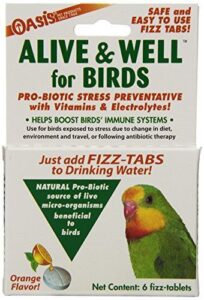
When stress or illness throws your bird’s digestive system off balance, probiotic supplements can help restore gut health and strengthen immune system support. Research in avian nutrition shows probiotics improve digestion and nutrient absorption while supporting bird health maintenance.
These tablets deliver beneficial bacteria alongside vitamins and electrolytes to reestablish normal intestinal flora—especially valuable after antibiotic therapy or during times of travel and environmental changes.
Choose formulations designed specifically for bird supplements to guarantee species-appropriate bacterial strains, and always crush tablets before adding them to drinking water for proper dissolution and effectiveness.
Best For: Bird owners looking to support their pet’s digestive health and immune function during stressful periods like illness, travel, or diet changes.
- Contains beneficial probiotics plus vitamins and electrolytes that work together to restore healthy gut bacteria and support the immune system
- Easy to dose with pre-measured tablets that dissolve in drinking water, making daily administration simple for busy bird owners
- Formulated specifically for avian use with orange flavor that most birds find appealing
- Tablets need to be crushed before adding to water or they won’t dissolve properly, adding an extra step
- Some birds refuse to drink water with the supplement mixed in, making administration difficult
- Product quality can vary with probiotics in general—studies show about a third of animal probiotic brands contain contamination risks
2. Bird Multi Vitamin Supplement Liquid
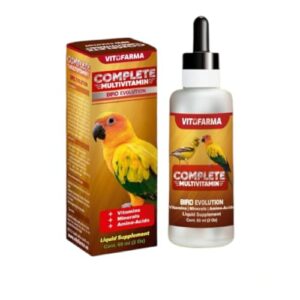
Liquid multivitamin supplements deliver a convenient way to address avian nutrition needs when your bird’s diet falls short. These formulations generally contain 10 to 13 vitamins—including A, D3, E, and B-complex—and can be mixed into drinking water at recommended concentrations, such as 1 mL per 50 mL for small cage birds.
Multi vitamin benefits include supporting immune function, plumage quality, and growth, especially during breeding or illness.
Follow vitamin dosage guidelines carefully, as individual water intake varies and overdosing fat-soluble vitamins poses real risks to bird health.
Best For: Bird owners with pets on seed-heavy diets or birds experiencing stress, illness, or developmental stages who need targeted nutritional support beyond their base feed.
- Covers 10–13 essential vitamins (A, D3, E, B-complex) in one liquid formula, making it easier to address multiple deficiencies without juggling separate supplements.
- Flexible administration—add to drinking water, mix with feed, or give directly by beak—so you can adapt to your bird’s preferences and health needs.
- Supports immune function, plumage quality, and growth during high-demand periods like breeding, molting, or recovery from illness.
- Dosing can be inconsistent when added to water, since individual birds drink different amounts and dominant birds in shared cages may consume disproportionately more.
- Fat-soluble vitamins (A, D, E, K) accumulate in tissues, so chronic overuse or incorrect dosing increases the risk of hypervitaminosis and toxicity.
- Quality control issues reported by some users, including product color variations and mold around caps, raising concerns about storage stability and manufacturing consistency.
3. Natural Calcium Bird Mineral Block

Cuttlebone and natural calcium bird mineral blocks offer both a concentrated calcium source—roughly 85% calcium carbonate by weight—and a tool for beak health. When you clip one to the cage bars, your bird can scrape and peck to maintain a well-shaped beak while accessing essential minerals for strong bones and quality eggshells.
Seed-heavy diets often fall short on calcium, so blocks like Hari’s dried-vegetable flavor provide a safety margin.
Monitor intake carefully; birds on balanced pellets already receiving 0.6–0.9% dietary calcium won’t need unrestricted access.
Best For: Birds on seed-heavy diets or layers needing extra calcium, plus any owner looking to support natural beak conditioning and add enrichment to the cage.
- Supplies concentrated calcium (about 85% calcium carbonate) to strengthen bones and improve eggshell quality, especially for birds eating low-calcium seed mixes.
- Encourages beak trimming and mental stimulation through natural pecking and scraping behavior, reducing boredom.
- Easy to attach with the included clip and suitable for multiple species like cockatiels, parakeets, and finches.
- Some birds show little interest in the block, and the product can be smaller or less durable than expected.
- Birds already eating balanced pellets (0.6–0.9% calcium) may not need unrestricted access, risking excessive intake if overused.
- Quality control issues—such as broken blocks on arrival—have been reported by some buyers.
4. Vitakraft Bird Egg Food Supplement
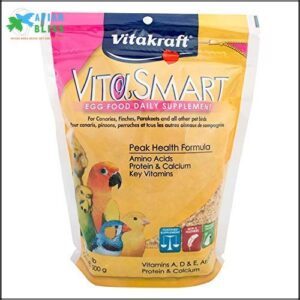
Where mineral blocks target calcium alone, Vitakraft VitaSmart Egg Food Supplement broadens support with 17.5% crude protein, 49,940 IU vitamin A per kilogram, and 4,400 IU vitamin D3—valuable during molting, breeding, or stress.
You’ll find egg-derived amino acids paired with millet and soy for digestible nutrition beyond seed-only diets. Feeding guidelines suggest two tablespoons daily, either dry-sprinkled or moistened with water.
The honey-sweetened formula boosts palatability for finches, canaries, and parrots, though some owners note packaging inconsistencies. Monitor intake to prevent over-supplementation alongside pelleted feeds.
Best For: Bird owners looking to boost protein, vitamins, and amino acids during molting, breeding, or stressful periods—especially if their birds eat mostly seeds.
- Delivers 17.5% protein plus vitamin A, D3, and E to fill gaps that seed-only diets miss
- Honey-sweetened formula increases palatability across finches, canaries, parakeets, and parrots
- Flexible feeding options—sprinkle dry over food or moisten with water for picky eaters
- Some customers report inconsistent packaging or arrival condition
- Mixed feedback on smell—not everyone finds it pleasant
- Can be pricey compared to basic seed mixes, and overuse alongside pellets may lead to excess supplementation
5. Small Bird Vitamin Drops Supplement
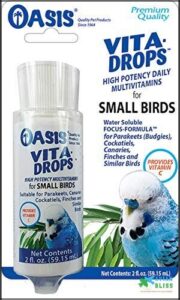
When egg-based supplements don’t suit your bird’s preferences, Oasis Vita-Drops offers a concentrated liquid multivitamin customized for parakeets, canaries, finches, and lovebirds. Each 2-ounce bottle delivers 2,960 IU vitamin A, 1,480 IU vitamin D3, and generous vitamin C—nutrients proven to address vitamin deficiency in birds fed seed-heavy diets.
You’ll add drops directly to drinking water or food, following species-specific vitamin dosage guidelines: one to two drops daily for finches, three for parakeets. This liquid multivitamin aids avian health through antioxidant protection and immune function, especially during molting or stress, ensuring essential vitamins reach birds reluctant to accept tablets or powders.
Always check supplement safety by storing the bottle in cool, dark conditions and monitoring expiration dates to preserve potency in your bird nutrition regimen.
Best For: Bird owners with small species like canaries, finches, and parakeets who need a simple way to add vitamins to water or food, especially if their birds eat mostly seeds.
- Liquid format makes it super easy to dose—just add drops to water or mix into soft food, no wrestling with pills
- Packs in solid vitamin levels (nearly 3,000 IU vitamin A, extra vitamin C) to fill gaps in seed-based diets
- Works across multiple small bird species, so one bottle covers your whole flock if you keep different types
- Requires consistent dosing and fresh water changes daily, which adds a routine step to your care schedule
- Vitamins in liquid can degrade faster than powders if the bottle isn’t stored properly or sits open too long
- Some birds might taste the difference in their water and drink less, making it tough to know if they’re actually getting the dose
Ensuring Safety and Quality in Bird Supplements
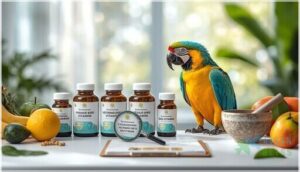
When you’re choosing vitamins for your bird, quality and safety should be at the top of your list. Not all supplements are created equal, and knowing what to look for can protect your feathered companion from unnecessary risks.
Let’s walk through the key factors that separate trustworthy products from those you should leave on the shelf.
Ingredient Safety Standards and Certifications
When you’re choosing vitamin supplements for birds, look for products backed by FDA Compliance and GMP Standards—these guarantee ingredients meet safety benchmarks. Third-Party Testing and Organic Certifications add another layer of trust, confirming purity and potency. Hazard Analysis protocols help manufacturers identify risks early, so bird health supplements and avian vitamin supplements you select truly support your feathered friend’s well-being.
Avoiding Harmful Additives and Toxins
Beyond checking labels for certifications, you need to watch for specific threats. Synthetic preservatives like BHA and BHT raise toxicity concerns when birds consume them long-term, while mycotoxin risks from moldy seed and heavy metal exposure from contaminated mineral supplements can quietly harm your companion.
Even environmental toxins—think overheated nonstick cookware—demand vigilance. Choose avian vitamin supplements and bird vitamins free of these hazards to truly safeguard health.
Importance of Manufacturer Reputation
A manufacturer’s track record speaks volumes when you’re selecting bird supplements and vitamins for your companion. Reputable firms maintain regulatory compliance through quality control systems—many follow GMP+ standards—and provide manufacturer transparency about supply chain sourcing.
Avian vets recognize that companies meeting certification standards consistently deliver safe bird vitamins. When you choose brands with documented accountability, you’re protecting your pet bird health with every dose.
Vet Recommendations and Quality Seals
When you’re evaluating bird vitamins, quality seals from organizations like the National Animal Supplement Council (NASC) offer measurable assurance. These certifications require manufacturer audits, third-party lab testing, and regulatory compliance with FDA guidance—benchmarks avian vets rely on when recommending vitamin and mineral supplements.
Look for products that display:
- NASC Quality Seal verifying independent audits every two years
- GMP certification confirming batch consistency and supplement safety
- Transparent labeling with dosing limits aligned with avian nutrition standards
Avian vet recommendations prioritize these markers because they reduce contamination risk and confirm potency.
Frequently Asked Questions (FAQs)
Can birds overdose on vitamin supplements?
Yes, birds can overdose on vitamin supplements—fat-soluble vitamins like A and D3 accumulate in tissues, causing toxicity even at modest excess.
Overdose risks increase when supplements are added to already-fortified diets.
How often should I give my bird vitamins?
Supplement frequency depends on your bird’s diet: daily for seed-based diets with deficiencies, but usually unnecessary for birds eating quality pellets.
Always follow label instructions and veterinary guidance to prevent vitamin toxicity and guarantee balanced nutrition.
Do all bird species need the same vitamins?
No—each species has unique nutrient requirements shaped by natural diet and metabolism. Parrots need different vitamin A and D3 levels than finches, while African greys require more calcium. Species variability demands customized supplementation to avoid deficiencies or toxicity.
Can vitamins replace a poor bird diet?
Unfortunately, relying on supplements won’t fix nutritional gaps—up to 80% of sick birds have diet-related issues.
Vitamin toxicity and malnutrition risks remain without proper dietary balance, despite mineral supplements addressing specific nutrient deficiencies.
What happens if I miss a vitamin dose?
If you miss a single vitamin dose, don’t panic—your bird’s body stores fat-soluble vitamins.
Simply resume the regular schedule without doubling up, as excess supplementation risks toxicity and nutrient accumulation problems.
Conclusion
A single overlooked vitamin deficiency can unravel months of careful care, turning a vibrant companion into a shadow of itself. You now hold the blueprint for preventing that outcome—understanding vitamins for pet bird health means recognizing subtle warnings before they escalate.
Your bird can’t voice nutritional needs, but armed with species-specific knowledge and quality supplements, you’ll translate their silence into thriving feathers, strong bones, and years of energetic companionship ahead.
- https://lafeber.com/vet/the-nutritional-content-of-pet-bird-diets/
- https://www.dvm360.com/view/how-i-diagnose-and-manage-nutritional-disease-birds-proceedings
- https://www.merckvetmanual.com/management-and-nutrition/nutrition-exotic-and-zoo-animals/nutrition-in-psittacines
- https://www.harrisonsbirdfoods.com/wp-content/uploads/2024/03/ae27.pdf
- https://pmc.ncbi.nlm.nih.gov/articles/PMC7587905/