This site is supported by our readers. We may earn a commission, at no cost to you, if you purchase through links.
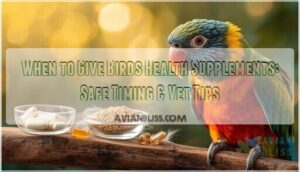
You notice your bird long before a lab report does. Maybe their once-glossy feathers look patchy, or they tire after a short flight. Those quiet changes often appear when the body is under extra strain from breeding, molting, illness, or chronic stress, and diet alone no longer keeps up.
That’s where well-timed support—calcium and vitamin D3 around egg-laying, added amino acids during heavy molt, targeted vitamins after disease—can steady the system instead of overwhelming it. Understanding when to give birds health supplements helps you protect their organs, avoid toxicity, and match the right nutrients to the right moment.
Table Of Contents
- Key Takeaways
- Key Times to Give Birds Health Supplements
- Signs Your Bird May Need Supplements
- Choosing Safe and Effective Bird Supplements
- How to Safely Introduce Supplements
- Risks of Over-Supplementation in Birds
- Frequently Asked Questions (FAQs)
- Should you give birds supplements?
- What is the 3 3 3 rule for parrots?
- What is the 60/40 rule for birds?
- What is a miracle meal for birds?
- Can supplements replace a balanced bird diet?
- How should supplements be stored for freshness?
- Are liquid or powder supplements better for birds?
- Do supplements differ for indoor and outdoor birds?
- What signs show a supplement is working properly?
- Conclusion
Key Takeaways
- Birds benefit most from supplements during high-demand periods like breeding, molting, illness recovery, or stress when diet alone can’t meet their needs.
- Accurate dosing under veterinary guidance prevents overdose and organ damage since birds are extremely sensitive to excess vitamins and minerals.
- Visible signs like dull feathers, weak bones, fatigue, or frequent illness often signal nutrient deficiencies that require targeted, short-term support.
- A balanced pellet-based diet is the foundation; supplements should only fill verified gaps, never replace proper nutrition or routine veterinary care.
Key Times to Give Birds Health Supplements
Birds don’t always need supplements every day, but there are certain times when they make a real difference. These key moments often relate to your bird’s health, stress level, or natural life cycle.
For example, this guide on giving birds vitamins safely explains how proper dosing keeps energy, feathers, and mood in great shape.
Here’s when extra nutrients can help most.
During Breeding or Egg-Laying
Breeding places heavy nutritional demands on your bird’s body, making supplements essential for maintaining reproductive health. Extra calcium and vitamin D3 improve eggshell strength and help prevent egg binding. Balanced protein, fatty acids, and trace nutrients support hormone balance, boost fertility, and strengthen chick vigor so each stage of egg-laying runs smoothly and safely.
For egg-laying species, maintaining is necessary to prevent skeletal weakness and fragile shells.
Molting and Feather Regrowth
After breeding, your bird’s body faces new nutritional demands during molting. Each Molting Stage draws heavily on protein and amino acids to rebuild feathers. Proper Feather Nutrients—like methionine, zinc, and biotin—speed the Regrowth Timeline and strengthen new plumage.
Regular bird nutritional supplementation during this Mol keeps feathers glossy, resilient, and fully restored before another cycle begins. During this period, targeted support from can further improve feather regrowth and overall health.
Recovery From Illness or Malnutrition
After heavy illness or long-term malnutrition, your bird needs Stabilization Care before you worry about extras. Vets often use Recovery Diets, targeted nutritional support, and Assisted Feeding to restore weight, muscle, and vitamins, then add Gut Restoration with probiotics to rebuild normal digestion and track progress over time.
You might see:
- Soft, easily digested foods.
- Extra calcium and vitamin D3.
- Carefully measured multivitamins.
- Reduced supplements as recovery stabilizes.
Periods of High Stress or Change
Just like recovery from illness, stressful periods put extra strain on your bird’s body and deplete reserves fast. Travel Stress, a New Home, sudden Noise Events, Cage Changes, and Bird Introductions all raise adrenaline, which diverts blood from the gut, slows digestion, and increases the need for electrolytes, vitamins, and amino acids.
During moves, molting, breeding, or after illness, targeted electrolyte powders, probiotics, and calming diets with L-tryptophan work well alongside veterinary recommendations to keep your bird stable and hydrated.
Diagnosed Nutritional Deficiencies
Confirmation matters when you’re dealing with true nutritional deficiencies, not just a hunch about diet. After your avian veterinarian runs blood panels and reviews diet history, they may diagnose Vitamin A Issues, Calcium Imbalance, Iodine Goiter, or low D3, then prescribe targeted dietary supplementation.
For a deeper look at how deficiencies affect different bird species, this guide on essential vitamins for backyard birds breaks down common signs and safe supplementation tips.
In those cases, you use supplements as a medical tool, not a daily “just in case” habit.
Signs Your Bird May Need Supplements

Sometimes, your bird’s behavior or appearance can hint that it’s missing key nutrients. These changes are often subtle at first but grow more noticeable over time.
Here are a few clear signs your bird may need extra nutritional support.
Poor Feather Quality or Molting Issues
When your bird’s once-bright feathers turn dull or brittle, that’s often a red flag for dietary deficiencies. Low amino acids or a vitamin A deficiency can slow proper molting and cause stubborn pinfeather issues.
Supporting feather health with a balanced diet—and targeted supplements when advised—helps restore vibrant color and texture during growth cycles.
Weak Bones or Soft Beak
Fragile structure is a classic clue that your bird’s bone health isn’t keeping up with its daily demands. When you notice bone fractures from minor bumps, a soft or rubbery beak, or poor shell quality in a laying hen, think calcium deficiency and D3 importance rather than just a lack of cuttlebone.
Young birds are especially vulnerable, so timely calcium and vitamin D3 support can prevent lifelong calcium deficiency problems.
Lethargy or Reduced Activity
Ever notice your “perch potato” days turning into your bird’s new normal? Persistent lethargy and clear Activity Decline are common signs of nutritional imbalance in birds, especially when B vitamins and other key nutrients are low.
These Energy Dips and subtle Behavioral Shifts often reflect a strong Nutrient Link to underlying illness or nutrient deficiencies. A prompt Vet Assessment or full avian veterinary consultation is essential before you adjust supplements.
Changes in Appetite or Weight
Changes in how much your bird eats or weighs can be an early warning sign of trouble. Loss of Appetite, Sudden Weight Loss, or even Obesity Risks often point to malnutrition or nutrient deficiencies.
These signs of nutritional imbalance in birds can quickly lead to illness or lethargy if left unchecked, so monitor carefully.
Frequent Illness or Infections
Frequent illness, repeat respiratory issues, or slow recovery after minor infections usually means your bird’s immune system is running on empty and needs support.
Immune System Support often includes vitamin A and antioxidant blends for better Pathogen Resistance, plus probiotics for Gut Health that back up the immune system.
Treat supplements as a preventative measure after veterinary consultation, not a replacement for diagnosis and treatment.
Choosing Safe and Effective Bird Supplements
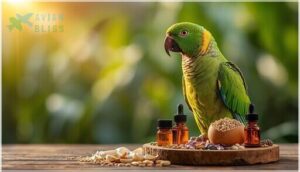
Choosing the right supplements can make a big difference in your bird’s health and long-term wellbeing. Not all products are created equal, and some can cause more harm than good if you’re not careful.
Here’s what to look for when picking safe, effective options for your bird’s needs.
Vet-Recommended Brands and Products
Reliable brands matter when supplementing your bird’s diet. Multivitamin Powders like NEKTON S or PRIME support seed eaters, while Pellet Diets such as ZuPreem Natural reduce the need for extras.
Breeder Formulas from Roudybush benefit hens, and Pro series Vetafarm Synbiotic aids digestion.
Add Morning Bird Calcium Plus, Spirulina, and Milk Thistle for balanced, vet‑recommended bird care.
Essential Nutrients to Look For
You’ve got the brands in place; now you want to be sure the actual nutrients match your bird’s needs. Look for vitamin A for skin, eyes, and immune defenses, vitamin D3 and calcium for bones and eggs, and vitamin E plus omega 3s for cell protection, brain function, and feather quality.
Probiotics and balanced amino acids round out gut health, growth, and molting support.
Avoiding Harmful or Unnecessary Additives
You’ve focused on vitamins and minerals; now you also want to Avoid Food Dyes, Shun Preservatives, and steer clear of hidden carriers. Skip supplements with Red 40, Yellow 5, or bright artificial coloring, since they add irritation and toxicity risks without benefit.
Watch for BHA, BHT, ethoxyquin, and glycol dangers like propylene glycol, especially in sprays, to support safe and effective supplementation practices and lower oversupplementation toward toxic levels.
How to Safely Introduce Supplements
Introducing supplements needs to be done carefully to keep your bird healthy and stress-free. It’s not just about what you give but how you start and monitor the process. Here’s what to focus on when adding new supplements to your bird’s routine.
Consulting an Avian Veterinarian

Think of a proper Vet Assessment as your bird’s safety net: an avian vet starts with a full history of diet, housing, and every current product you use, then does a hands-on exam and weight check to see if supplements are actually needed or if something more serious is hiding underneath. They use Diagnostic Testing when indicated—such as bloodwork or imaging—to confirm deficiencies, design specific Plans that avoid oversupplementation, and give clear Safety Guidance on which nutrients, doses, and forms are appropriate for your species.
This kind of veterinary advice for birds always includes Ongoing Monitoring through scheduled rechecks and record‑keeping, which is why the Importance of avian veterinary consultation sits at the core of Vet‑recommended bird care practices.
Starting With Small Doses

Occasionally, the safest way to use a new supplement is with a gradual introduction rather than jumping to the full recommended dose. You start below the label amount to protect gut health, then follow careful dose progression based on size considerations, diet alignment, and dosage accuracy, while spotting reactions early and preventing oversupplementation with veterinary advice guiding each adjustment.
Mixing With Food or Water
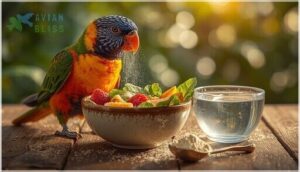
When you mix supplements into food or water, do it with precision. Moist foods help powders stick, while water mixtures must dissolve completely so your bird gets each dose evenly. Follow these basics:
- Mix fresh daily.
- Clean dishes often.
- Never top up old water.
- Use only bird-specific products.
Monitoring for Side Effects

Always begin with Baseline Health Checks so you recognize new Physical Changes or Behavioral Shifts early. Keep daily Record Keeping on droppings, appetite, and posture to spot subtle side effects or toxicity.
If you notice new lethargy, swelling, or poor coordination, stop the product and schedule a Vet Consultation to prevent risks of oversupplementation.
Risks of Over-Supplementation in Birds

Even the right supplement can cause harm when given too often or in the wrong amount. Birds are especially sensitive to excess vitamins and minerals, which can build up quickly in their bodies.
Here’s what to watch for and when to reach out to your vet.
Symptoms of Supplement Toxicity
Oversupplementation can hit your bird hard with toxicity side effects from nutrient imbalances. Watch for gut irritation like vomiting, diarrhea, or tarry droppings.
Neurologic changes include tremors, weakness, or seizures from excess calcium.
Organ damage brings liver issues, kidney thirst, or rapid breathing.
Skin and feather problems show flaky skin, dull plumage, or plucking—stop immediately and call your vet.
Importance of Accurate Dosing
Think of dosage accuracy as your bird’s safety net; a tiny error can tip them from help into harm through oversupplementation and toxicity. Because birds are dosed strictly by body weight, a small budgie getting the same volume as a heavier bird can receive several times the recommended dose.
Body Weight Impact and Measurement Precision directly affect Organ Protection, Consistent Intake, and how closely you follow the Vet Dose and veterinary guidance.
Preventing Nutrient Imbalances
You prevent nutrient imbalances less by “adding more” and more by shaping the whole, balanced diet and sticking to dosage accuracy. Focus on the nutritional needs of birds and the D3 Sunlight Link instead of chasing every new product, because Seed Diet Risks and common bird nutrient deficiencies often correct once you anchor their intake around Pellet Diet Benefits.
- Build the diet on pellets, with vegetables and limited seeds.
- Use separate calcium and D3 only when an avian vet recommends it.
- Avoid stacking multivitamins on top of fortified pellets.
- Recheck weight, feather quality, and behavior as you adjust.
When to Stop and Seek Veterinary Advice
Still, even with balance, things can turn quickly. If your bird grows quiet, fluffed up, or weak, stop every supplement and call your vet. New vomiting, diarrhea, or breathing changes are red flags too.
The same goes for sudden appetite loss or feather decline—those signs mean your bird needs medical attention, not more vitamins.
Frequently Asked Questions (FAQs)
Should you give birds supplements?
Picture your bird’s diet like a house: the balanced diet is the foundation, and bird supplements are the support beams you add only when there are cracks. You should focus first on Natural Nutrients from a varied, balanced diet, then use supplements with a Balanced Approach to fill true nutritional gaps.
In most healthy birds, the main Supplement Role is targeted, Preventative Use under veterinary guidance, especially for calcium, vitamin A, vitamin D3, and omega-3s when the regular diet can’t reliably supply them.
When you’re unsure, treat supplements as medical tools for avian health, not daily “boosters,” and let your avian vet decide where they fit in your bird’s Diet Foundation.
What is the 3 3 3 rule for parrots?
The 3-3-3 rule for parrots structures daily, weekly, and monthly supplement needs. It categorizes Daily Supplement Needs like calcium and probiotics, Weekly Supplement Focus such as vitamin A and iodine, and Monthly Supplement Benefits including vitamin C.
A smart Rotation Strategy prevents oversupplementation while ensuring parrots receive a balanced diet. This approach is crucial for Understanding parrot dietary needs and maintaining their overall health.
What is the 60/40 rule for birds?
Think of your bird’s meals like a balanced recipe—about 60% Pellet Base for reliable nutrition and 40% Fresh Food for enrichment.
This pelleted diet meets key nutritional needs, prevents deficiencies, and promotes healthy dietary management for birds.
What is a miracle meal for birds?
A “miracle meal” for birds is a soft food mix designed to fill nutritional gaps. It includes Core Ingredients, a balanced Nutritional Profile, Key Vitamins, and Feeding Methods that support Primary Benefits like recovery, breeding, and a more balanced diet of essential nutrients for birds.
Can supplements replace a balanced bird diet?
Supplements can’t replace a balanced diet because they only plug specific nutrient gaps and don’t fix seed diet limits or overall incomplete nutrition.
Your bird’s true dietary foundation should be a balanced diet of pellets and fresh foods that provides complete avian nutrition and prevents ongoing nutritional gaps and health problems.
How should supplements be stored for freshness?
You might feel storage is trivial, but it’s a big part of keeping supplements effective.
Store powders at normal room temperature in their original, tightly closed, opaque packaging, in a cool, dry, dark cupboard. Refrigerate opened oils or liquids, and keep any probiotic products exactly as the label directs, often chilled, never in heat or direct sun.
Always check dates, watch for off smells, clumping, or color changes, and discard anything that looks or smells wrong.
Are liquid or powder supplements better for birds?
Liquid and powder supplement formulations each have a role in supplement administration for birds, so you’ll usually choose based on your goal, not one “best” form. Liquids offer faster nutrient absorption, which helps sick birds or emergencies, but their Product Stability is poor and Bacterial Risk is higher because vitamins in water lose potency within 24 hours and encourage bacterial growth if you don’t refresh often.
Powders, especially multivitamin powders, give slower nutrient absorption but better long‑term Product Stability, more precise Dosing Accuracy with measured scoops, lower Bacterial Risk when mixed into moist food, and good Mixing Ease when blended thoroughly, which makes them the safer default for routine dosage instructions in most home settings.
Do supplements differ for indoor and outdoor birds?
Different housing means different supplementation for avian health. Indoor birds with limited UVB exposure often need Vitamin D3 and Calcium support, while outdoor birds with greater foraging needs, energy demands, environmental stressors, and species-specific needs require more targeted supplementation for avian health within a balanced avian nutrition plan.
What signs show a supplement is working properly?
You’ll know a supplement is working when feather condition and Feather Quality improve, Increased Activity returns, and your bird shows a Healthy Appetite.
Additionally, you’ll notice better digestive health, smoother recovery, and fewer infections.
Conclusion
Being cautious about supplements doesn’t mean doing nothing; it means acting on patterns, not panic. Now you know which life stages strain your bird’s system, what warning signs to watch, and how dosing mistakes cause real harm.
Use that map with your vet’s guidance to adjust support, not replace a balanced diet. When to give birds health supplements becomes a planned decision, not a guess, and your bird benefits from steady, sustainable care every day.
- https://petfoodpassion.co.uk/2025/02/12/when-and-how-to-use-supplements-for-cage-and-aviary-birds/
- https://todaysveterinarynurse.com/nutrition/avian-nutrition/
- https://www.furrycritter.com/pages/articles/birds/over_supplementing_risks.htm
- https://fidarfeed.com/additives/probiotics/probiotic-caged-birds-the-key-to-a-healthier-companion/
- https://www.revivalanimal.com/learning-center/important-vitamins-and-minerals-for-pet-birds