This site is supported by our readers. We may earn a commission, at no cost to you, if you purchase through links.
 Your parakeet’s rapid breathing can signal several things, including heat exhaustion, which is a common culprit – birds pant to cool down when temperatures spike above 80°F.
Stress and fear also trigger fast breathing, especially when something startles your feathered friend, and can lead to labored breathing.
However, respiratory infections, heart problems, or other illnesses can cause labored breathing too, and it is crucial to watch for additional warning signs like wheezing, open-mouthed breathing, or gasping.
If your bird seems distressed, create a calm environment, make certain proper ventilation, and remove any stressors, as quick temperature checks matter – overheated birds need immediate cooling.
While temporary stress-induced breathing often resolves quickly, persistent rapid breathing warrants immediate veterinary attention since birds naturally hide illness until conditions become serious.
Table Of Contents
- Key Takeaways
- Signs of Breathing Difficulties in Parakeets
- Causes of Fast Breathing in Parakeets
- Differentiating Between Sickness and Fear-Induced Fast Breathing
- Immediate Actions for a Parakeet With Fast Breathing
- When to Seek Veterinary Care for a Parakeet With Fast Breathing
- Preventive Measures for Maintaining Parakeet Health
- The Importance of Avian-Experienced Veterinary Care
- Frequently Asked Questions (FAQs)
- Why is my parakeet breathing so heavy?
- Why do parrots breathe hard and fast?
- Why does my parakeet cough a lot?
- Why is my bird breathing so heavy?
- How do you know if a parakeet is sick?
- Why is my Budgie breathing heavy?
- What does it mean if my parakeet is breathing fast?
- How can I treat my budgie respiratory infection at home?
- Why does it look like my parakeet is panting?
- What does it mean when my bird is breathing heavy?
- Conclusion
Key Takeaways
- Heat stress is a common cause – When temperatures exceed 80°F, your parakeet pants to cool down, so move them to a cooler area with better ventilation immediately.
- Stress and fear trigger rapid breathing – Sudden noises, cage changes, or unfamiliar visitors cause temporary fast breathing that will resolve once you remove the stressor.
- Persistent breathing issues need immediate vet care – If rapid breathing continues with tail bobbing, open-mouth breathing, or wheezing, do not wait, as respiratory problems can become fatal quickly.
- Create a calm environment first – Lower temperatures, reduce noise, provide fresh water, and maintain consistent routines to help your parakeet recover from stress-induced breathing episodes.
Signs of Breathing Difficulties in Parakeets
Recognizing breathing difficulties in your parakeet requires watching for specific warning signs that indicate respiratory distress.
These symptoms often appear together and can signal serious health issues that need immediate attention.
Rapid Breathing
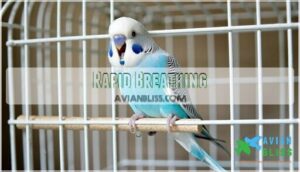
When your parakeet’s breathing rate increases noticeably, it’s often your first clue that something’s wrong.
This parakeet rapid breathing can signal respiratory distress or indicate reduced oxygen levels affecting their lung capacity. Unlike normal breathing, rapid breathing appears labored and may suggest disease progression or potential airway obstruction.
Watch for these warning signs:
- Chest movements: Visible effort with each breath
- Tail bobbing: Up-and-down movement with breathing rhythm
- Restlessness: Unable to settle comfortably
- Breathing difficulty: Struggling to maintain normal patterns
This parakeet respiratory distress requires immediate attention, as parakeet labored breathing can worsen quickly without proper intervention. One cause might be inhaled foreign objects, which can cause immediate distress.
Wheezing Sounds

When you hear wheezing sounds from your parakeet, it’s like hearing a whistle with every breath—a clear red flag for parakeet respiratory distress.
This parakeet noisy breathing often signals respiratory infection or airway obstruction.
Wheezing causes include bacterial infections, allergies, or environmental irritants.
Diagnosing wheezing requires immediate veterinary attention, as your bird’s respiratory system is delicate.
Treating wheezing involves addressing the underlying condition with prescribed medications.
The wheezing prognosis improves with prompt care.
Preventative measures include maintaining clean air quality and proper ventilation to prevent parakeet breathing fast episodes, which can be achieved through proper ventilation.
Open-Mouthed Breathing
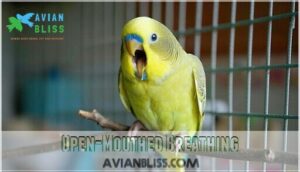
When your bird opens its beak to breathe, it’s signaling blocked nares or airway obstruction.
This parakeet breathing difficulty often indicates a respiratory infection that’s preventing normal breathing through the nostrils.
Open beak breathing creates a concerning picture—your parakeet is working harder to get oxygen.
Watch for cyanosis indicator around the beak area, which shows oxygen deprivation.
This respiratory distress requires immediate attention since infection signs can worsen quickly, making gasping urgency a real concern.
Gasping for Air

When you see your parakeet gasping for air, this represents a serious emergency requiring immediate veterinary attention.
Gasping indicates severe respiratory distress and potential oxygen deprivation, making every minute count for your bird’s survival.
Several factors can trigger this alarming behavior:
- Airway obstruction blocking normal breathing passages
- Parakeet respiratory infection causing inflammation and swelling
- Cyanosis signs appearing as bluish coloration around the beak
- Emergency treatment scenarios requiring urgent professional care.
Gasping for air differs from normal fast breathing because it’s accompanied by visible struggle and distress.
Your parakeet may stretch its neck, open its beak wide, and show clear signs of working hard to breathe.
This isn’t something that resolves on its own.
Don’t wait to see if symptoms improve.
Bird breathing difficulties can escalate rapidly, and parakeet breathing difficulty at this level indicates your pet needs professional emergency treatment immediately to address the underlying respiratory distress.
Coughing

When you notice unusual sounds coming from your parakeet’s throat or chest, coughing might be the culprit.
Coughing causes in parakeets typically stem from respiratory infections, allergies, or environmental irritants like dust or smoke.
These coughing sounds can range from soft, barely audible clicks to more pronounced hacking noises.
The coughing severity helps determine urgency—a productive cough with discharge signals serious concern.
Immediate coughing treatment requires removing irritants and consulting an avian vet promptly, as respiratory symptoms worsen quickly in birds.
Causes of Fast Breathing in Parakeets
When you notice your parakeet breathing fast, several common causes could be behind this concerning behavior.
Understanding whether it’s from overheating, stress, or fear helps you respond appropriately and keep your feathered friend comfortable.
Overheated or Heat Exhaustion
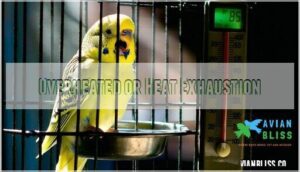
Heat exhaustion occurs when temperatures exceed 85°F or your parakeet lacks proper ventilation. Recognizing overheating early prevents serious health complications. Watch for parakeet panting, wing spreading, and lethargy alongside rapid breathing. Temperature regulation becomes challenging when humidity levels rise above normal ranges.
Here are immediate heat relief steps:
- Move to cooler location – Relocate cage away from direct sunlight and heat sources
- Improve airflow – Use fans or open windows for better ventilation around the cage
- Provide cooling techniques – Offer shallow water dishes or mist lightly for evaporation
- Ensure shade provision – Create covered areas using towels or cage covers
Hydration importance can’t be overstated during heat stress episodes.
Stress or Anxiety
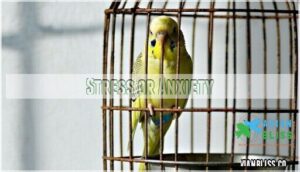
Beyond overheating, stress and anxiety are major culprits behind parakeet panting. When your bird feels overwhelmed, its breathing quickens as adrenaline floods its system. Environmental stressors like loud noises, cage changes, or unfamiliar visitors can trigger this bird fear response.
Recognizing anxiety symptoms helps you act fast. Watch for behavioral changes like excessive preening, pacing, or vocal distress calls alongside rapid breathing. These fear triggers activate your parakeet’s natural stress response, causing shallow, rapid breaths that differ from illness-related breathing issues.
| Environmental Stressors | Behavioral Changes |
|---|---|
| Loud noises or sudden sounds | Excessive preening or feather plucking |
| Cage location changes | Pacing or restlessness |
| Unfamiliar visitors or pets | Vocal distress calls |
| Inadequate cage size | Avoidance or hiding behavior |
| Poor lighting conditions | Changes in activity levels |
Implementing calming techniques creates a safe haven for your feathered friend. Maintain consistent routines, provide adequate cage space, and use soft lighting to reduce bird stress and bird anxiety naturally.
Fear or Fright

Fear triggers rapid breathing in parakeets through their natural fight-or-flight response.
When startled by sudden movements, loud noises, or unfamiliar objects, your bird’s breathing quickens dramatically. Behavioral signs include wide eyes, fluffed feathers, and frantic movements alongside fast breathing.
Unlike illness-related breathing problems, fear-induced rapid breathing stops once you remove the stressor.
Calming techniques like speaking softly and moving slowly help reduce anxiety. Environmental enrichment with familiar toys and consistent handling methods build trust over time, minimizing future fear responses in your parakeet.
Differentiating Between Sickness and Fear-Induced Fast Breathing

Fear panting signs include wide eyes, smooth feathers, and fear feces alongside rapid breathing that stops when stressors disappear.
Sickness breathing patterns persist regardless of environment changes. Try the stressor removal test—if fast breathing continues after eliminating triggers, illness is likely.
Behavioral observation clues matter: sick birds show reduced appetite and activity levels. Healthy parakeets resume normal bird breathing patterns once calm, while respiratory issues cause ongoing distress requiring veterinary attention.
Lethargy can be a sign of illness, so watch for decreased activity levels, as it may indicate a need for veterinary attention.
Immediate Actions for a Parakeet With Fast Breathing

When you notice your parakeet breathing rapidly, quick action can make a significant difference in their comfort and health.
The first step is creating a stress-free environment while addressing potential causes that might be contributing to their distress.
Providing a Calm and Soothing Environment
Your parakeet’s sanctuary begins with creating a calm environment that reduces stressors and promotes stress reduction.
A quiet environment becomes their safe space, minimizing fear responses through gentle handling and a predictable routine.
- Dimmed lighting creates a peaceful atmosphere for stress management
- Soft background sounds like gentle music mask startling noises
- Consistent daily schedule builds trust and security
- Slow, deliberate movements prevent triggering additional panic responses
Maintaining Appropriate Temperatures
When your parakeet shows fast breathing, temperature control becomes essential for their recovery.
Keep the cage between 75-80°F to prevent heat stress that worsens respiratory distress.
If you notice panting or open-mouth breathing, immediately lower the temperature using fans or moving the cage away from direct sunlight.
Maintain 40-60% humidity levels and avoid drafts that cause sudden temperature fluctuations, which can strain your bird’s already compromised respiratory system.
Identifying and Removing Fearful Triggers
Looking for fearful triggers requires careful observation of your parakeet’s surroundings. Sudden movements from people or pets can spike anxiety and cause fast breathing.
Loud noises like television, music, or household appliances often startle birds. Predator exposure through visible cats, dogs, or birds outside windows creates stress.
Poor cage placement near high-traffic areas increases anxiety. Routine changes in feeding times or daily activities disrupt comfort.
Using a cage cover provides security for your parakeet. Remove these fearful triggers by repositioning the cage away from windows, reducing noise levels, and maintaining consistent schedules to calm your parakeet and provide security.
Ensuring Access to Fresh Water
First, check your parakeet’s water availability daily. Fresh water supports respiratory function and helps combat dehydration-related breathing issues.
Clean the water dish thoroughly every 24 hours to prevent bacterial growth. Use filtered or bottled water if your tap water contains chemicals.
Monitor your bird’s drinking behavior closely—healthy parakeets drink regularly throughout the day. Signs of proper hydration include bright eyes and normal energy levels.
Tap water quality can impact parakeet health. Poor water cleanliness can worsen respiratory issues, making fast breathing more severe, and is a key factor in maintaining your parakeet’s overall health and preventing dehydration.
Encouraging Regular Exercise
Regular exercise works like a natural stress-buster for your parakeet experiencing fast breathing.
Create a consistent exercise schedule with at least two hours of flight space daily outside the cage.
Provide toy variety including climbing structures and foraging opportunities that encourage natural movement patterns.
Physical exertion helps reduce anxiety-induced rapid breathing, but monitor your bird to verify they don’t become overly winded.
Social interaction with other birds or supervised playtime promotes healthy activity levels and emotional well-being.
When to Seek Veterinary Care for a Parakeet With Fast Breathing

Certain breathing changes serve as red flags requiring immediate parakeet vet visit.
When your bird shows persistent fast breathing alongside emergency signs like tail bobbing, open-mouth breathing, or blue-tinged skin, don’t wait—contact an avian veterinarian immediately.
Respiratory distress can escalate rapidly, making untreated symptoms potentially fatal within hours.
Your vet will assess the situation’s severity and provide parakeet emergency care if needed.
Diagnostic options may include physical examinations, X-rays, or blood work to identify underlying causes.
Following treatment, your veterinarian will outline specific post-treatment care instructions to support your bird’s recovery and prevent future respiratory complications.
Preventive Measures for Maintaining Parakeet Health

Prevention is the best medicine for keeping your parakeet healthy and avoiding fast breathing episodes.
By establishing proper care routines, you can substantially reduce respiratory issues and other health problems before they start, which is a key part of complete concepts and proper care to ensure your parakeet’s health.
Proper Diet and Nutrition
A well-balanced diet serves as your parakeet’s first line of defense against respiratory problems and breathing difficulties.
Proper bird nutrition strengthens the immune system and supports healthy respiratory function, making your feathered friend less susceptible to infections that cause fast breathing.
Here’s how to provide maximal nutritional support:
- Create a balanced diet foundation: Offer high-quality pellets comprising 60-70% of daily intake, supplemented with fresh fruits and vegetables rich in essential vitamins and minerals.
- Combat vitamin A deficiency: Include dark leafy greens, orange vegetables, and species-specific nutritional support to maintain healthy respiratory tract membranes.
- Add omega fatty acids: Incorporate foods containing these essential nutrients to reduce inflammation and support overall respiratory health.
- Provide fresh water daily: Make certain continuous access to clean water and consider dietary supplements like cuttlebone for calcium balance.
Many owners choose to supplement their parakeet’s diet with quality food pellets.
Adequate Sleep and Rest
Sleep duration matters more than you might think for your parakeet’s breathing health. Birds need 10-12 hours of uninterrupted darkness each night to maintain proper stress levels and immune function, which directly impacts their respiratory system.
Create a restful environment by:
- Covering the cage with a breathable cloth to block nocturnal disturbances and light pollution
- Establishing consistent bedtime routines that signal sleep time to your bird
Poor sleep quality weakens your parakeet’s defenses against respiratory infections and increases stress-related rapid breathing. While daytime napping is normal, excessive sleepiness could indicate underlying health issues affecting their breathing patterns.
Clean and Suitable Cage Environment
A proper cage environment forms the foundation of respiratory health for your parakeet. Choose appropriate cage size with adequate space for movement and flight.
Select safe materials like stainless steel or powder-coated metal, avoiding zinc or lead components. Maintain excellent air quality through proper ventilation and strategic cage placement away from drafts, kitchens, and smoking areas.
Practice consistent cage hygiene by cleaning perches, food dishes, and cage bars weekly using bird-safe cleaner. Replace cage liners regularly to prevent bacterial buildup and maintain fresh air circulation throughout your bird’s living space.
Consider cage material options for ideal safety and to ensure your parakeet’s environment is as healthy as possible, supporting overall well-being and health, with a focus on creating a comfortable living space.
Multiple Feeding Stations
Setting up multiple feeding stations can substantially reduce food competition among your parakeets while supporting healthier eating habits.
Strategic station placement throughout the cage guarantees every bird has access to meals without stress, which can affect parakeet breathing patterns when birds feel anxious about resources.
Here are five key benefits of multiple feeding stations:
- Reduces food competition between cage mates, preventing aggressive behaviors
- Encourages natural foraging instincts through varied station placement
- Provides dietary variety by offering different foods at each location
- Improves social dynamics by eliminating resource guarding behaviors
- Allows better monitoring of individual bird breathing rate and eating patterns
Multiple feeding stations create a calmer environment where birds don’t rush their meals, reducing fast breathing caused by competition stress.
This simple change supports overall respiratory health while making mealtimes more enjoyable for your feathered friends.
The Importance of Avian-Experienced Veterinary Care

When your parakeet shows fast breathing or respiratory issues, avian-experienced veterinary care becomes essential.
These specialists possess specialized knowledge that general vets often lack, understanding unique bird anatomy and physiology.
Their diagnostic accuracy surpasses standard care, using bird-specific tools and techniques to identify problems quickly.
Treatment options designed for parakeets minimize risks and improve outcomes.
Preventative care through regular check-ups catches issues early, while building trust with an experienced avian vet guarantees your feathered friend receives appropriate, life-saving intervention when needed.
It’s vital to follow vet prescribed plans for rehabilitation and recovery.
Frequently Asked Questions (FAQs)
Why is my parakeet breathing so heavy?
Heavy breathing in your parakeet typically signals respiratory illness, stress, or overheating. Check for tail bobbing, open-mouth breathing, or lethargy—these require immediate veterinary attention for proper diagnosis.
Why do parrots breathe hard and fast?
Birds experience rapid breathing when their respiratory systems face stress – up to 80% of cases stem from infections or environmental toxins.
You’ll notice persistent fast breathing from illness, unlike temporary fear-induced panting that stops when stressors disappear, which can be caused by environmental toxins.
Why does my parakeet cough a lot?
Coughing in parakeets typically indicates respiratory infections from bacteria, viruses, or fungi. Environmental irritants like dust, smoke, or cleaning products can also trigger persistent coughing episodes.
Why is my bird breathing so heavy?
Fast, heavy breathing in your bird typically signals respiratory illness, heat stress, or environmental irritants.
Unlike fear-based panting, illness-related breathing difficulties persist continuously and require immediate veterinary attention for proper diagnosis.
How do you know if a parakeet is sick?
Like a canary in a coal mine, your parakeet’s body language reveals hidden dangers.
Watch for tail bobbing, open-mouth breathing, fluffed feathers, lethargy, loss of appetite, and voice changes—these signal illness requiring immediate veterinary attention.
Why is my Budgie breathing heavy?
Heavy breathing in budgerigars typically signals respiratory infection, stress, or overheating.
You’ll notice tail bobbing, open-mouth breathing, or wheezing alongside rapid breaths.
Check for environmental irritants and consult an avian vet immediately.
What does it mean if my parakeet is breathing fast?
Is your feathered friend showing signs of distress?
Fast breathing in parakeets typically indicates respiratory illness, stress, or overheating.
Watch for tail bobbing, open-mouth breathing, and lethargy—these require immediate veterinary attention.
How can I treat my budgie respiratory infection at home?
You can’t safely treat respiratory infections at home. Budgies hide illness well, and respiratory issues can quickly become fatal without proper veterinary antibiotics and professional care.
Why does it look like my parakeet is panting?
Your parakeet’s panting could signal serious trouble – overheating, respiratory infection, or stress.
Open-mouth breathing with tail bobbing indicates respiratory distress requiring immediate veterinary attention.
Fear-induced panting resolves quickly once stressors disappear.
What does it mean when my bird is breathing heavy?
When your bird breathes heavily, it’s usually signaling respiratory distress or illness. Watch for tail bobbing, open-mouth breathing, and wheezing – these require immediate veterinary attention for proper diagnosis.
Conclusion
Picture your parakeet perched quietly, chest rising and falling in a gentle rhythm – this peaceful scene can quickly change when breathing becomes rapid and labored.
Understanding why is my parakeet breathing fast empowers you to respond appropriately to your bird’s needs.
Whether caused by heat, stress, or underlying health issues, fast breathing requires immediate attention and careful observation.
Monitor your feathered companion closely, create a comfortable environment, and don’t hesitate to contact an avian veterinarian when breathing patterns seem concerning or persistent.