This site is supported by our readers. We may earn a commission, at no cost to you, if you purchase through links.
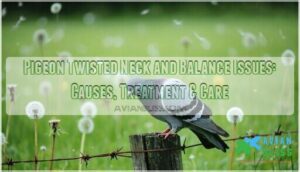 When you notice pigeon twisted neck and balance problems, you’re likely seeing paramyxovirus infection—the most common cause of these neurological symptoms.
Your bird can’t control its head position and stumbles around like it’s dizzy. Other causes include physical trauma, toxins, bacterial infections, or parasites affecting the nervous system.
Watch for head tremors, green diarrhea, and inability to perch normally. These signs mean the bird’s brain isn’t communicating properly with its muscles.
Quick action matters because some cases recover with proper care, while others become permanent. Understanding the specific triggers behind these balance issues can mean the difference between recovery and lasting disability.
Veterinary diagnosis through blood tests and clinical exams determines the exact cause and treatment approach. This is crucial for identifying the root cause of the issue and providing appropriate treatment to help the bird regain its balance and motor skills, and in some cases, achieve full recovery with proper care and attention.
Table Of Contents
- Key Takeaways
- Pigeon Neck Twisting Causes
- Symptoms of Twisted Neck
- Diagnosing Pigeon Twisted Neck
- Treatment and Supportive Care
- Prognosis and Recovery
- Frequently Asked Questions (FAQs)
- Why is my pigeon’s neck twisting?
- Can a pigeon survive paramyxovirus?
- How do you treat a bird with a twisted neck?
- How long can pigeons recover from paramyxovirus?
- Can twisted neck disease spread to other birds?
- How long does recovery typically take?
- Is twisted neck disease fatal in pigeons?
- Can vaccinations prevent pigeon twisted neck disease?
- What age groups are most susceptible?
- Conclusion
Key Takeaways
- Act quickly when you spot symptoms – If you notice a twisted neck, balance problems, or green diarrhea in your pigeon, get veterinary help within 24 hours, since 60% of birds recover completely with rapid treatment.
- Paramyxovirus is the main culprit – This viral infection attacks your pigeon’s nervous system and causes most twisted neck cases, though trauma, toxins, and parasites can also trigger similar symptoms.
- Proper diagnosis determines treatment success – You’ll need blood tests, clinical exams, or rapid antigen tests to identify whether it’s viral, bacterial, parasitic, or mechanical damage before starting the right medications.
- Recovery varies but supportive care helps – Some pigeons bounce back in weeks, while others need months of treatment, including warm housing, deep feeding dishes, anti-inflammatory drugs, and stress-free environments.
Pigeon Neck Twisting Causes
When your pigeon’s neck suddenly twists into an unnatural position, you’re looking at a condition that can stem from several different causes.
Understanding what’s behind this alarming symptom helps you respond quickly and get your bird the right treatment before permanent damage occurs.
Paramyxovirus Infection
Paramyxovirus infection wreaks havoc on your pigeon’s nervous system, causing that telltale twisted neck. PPMV strains attack the brain, triggering neuropathogenesis that disrupts balance and coordination.
When PPMV strikes, your pigeon’s brain becomes a battlefield—balance destroyed, coordination shattered.
Understanding viral shedding patterns helps you:
- Recognize pigeon neurological problems early
- Assess vaccine efficacy timing
- Monitor immune response development
PMV in pigeons spreads rapidly through contaminated droppings and water sources, highlighting the importance of early recognition.
Mechanical Trauma
Mechanical trauma can turn your pigeon’s world upside down—literally. Head injuries from collisions, predator attacks, or rough handling damage delicate neck structures. You’ll need immediate veterinary intervention to assess injury severity and prevent permanent neurological problems.
| Trauma Type | Common Causes | Recovery Signs |
|---|---|---|
| Blunt Force | Window strikes, falls | Gradual head tilt improvement |
| Predator Attack | Cat/hawk encounters | Reduced neck stiffness |
| Handling Injury | Rough capture methods | Normal feeding behavior |
Proper neck support during transport prevents further damage. Healing time varies—minor injuries resolve in days, while severe trauma may cause permanent pigeon balance issues. Trauma prevention through safe housing protects your flock.
Toxic Exposure
Chemical toxins pose serious threats to your pigeon’s neurological health.
Lead poisoning from paint chips or contaminated water causes severe pigeon torticollis and head tilt.
Benzimidazole effects from dewormers trigger pigeon wry neck when overdosed.
Environmental contaminants like pesticides create pigeon balance issues and neurological disorders.
Identifying toxin sources helps with poison prevention strategies.
Exposure to insecticides like fipronil can lead to neurological and gastrointestinal distress and is a key factor in gastrointestinal distress.
Bacterial Infections
Bacterial pathogens like E. coli and Pasteurella can invade your pigeon’s nervous system, causing twisted neck symptoms.
These secondary infections often follow viral diseases or stress. Enrofloxacin use and doxycycline treatment target these bacteria effectively.
However, antibiotic resistance remains a concern, so proper diagnosis matters. Hygienic loft conditions are essential for prevention.
Supporting gut health during pigeon bacterial infection treatment prevents digestive complications and speeds recovery, which is crucial for overall recovery.
Parasitic Diseases
Parasites present another sneaky culprit behind your pigeon’s twisted neck.
Trichomonas gallinae affects over 60% of birds showing these symptoms, while Sarcocystis calchasi causes severe neurological damage.
You’ll need targeted pigeon medications like Ivermectin treatment for roundworms or Praziquantel use against tapeworms.
Establishing a proper deworming schedule and parasite prevention program keeps these pigeon parasitic conditions under control.
Symptoms of Twisted Neck
When you notice your pigeon struggling with balance and coordination, you’re seeing the telltale signs of twisted neck disease that can’t be ignored.
These symptoms range from obvious head tilting to subtle changes in eating habits that signal serious neurological problems affecting your bird’s quality of life.
Neurological Signs
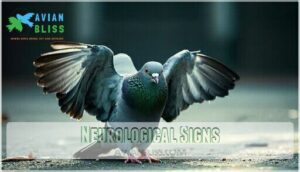
Recognizing neurological signs helps you identify pigeon twisted neck early. You’ll notice distinctive head tilting, where your bird can’t hold its head upright normally.
Circling behavior becomes apparent as affected pigeons walk or fly in repetitive circles, showing clear loss coordination.
Watch for seizure activity – sudden fits or convulsions that signal serious neurological damage.
Paralysis signs may develop in wings or legs, preventing normal movement and flight, and are a sign of serious neurological damage.
Digestive Symptoms
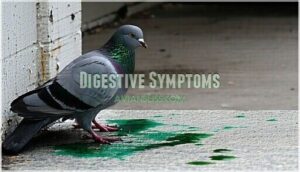
When your pigeon develops twisted neck syndrome, you’ll notice green diarrhea as a telltale sign.
This abnormal feces coloration indicates serious gastrointestinal issues affecting nutrient absorption.
Vomiting causes further dehydration risks, while polyuria and polydipsia worsen the bird’s condition.
Proper feces analysis helps veterinarians assess your pigeon’s gastrointestinal health during diagnosis.
Balance Loss
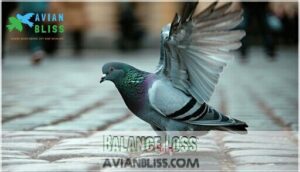
When something’s off with your pigeon’s inner compass, balance becomes their biggest challenge.
These birds struggle with basic movement coordination, making simple tasks feel like moving through fog.
Key balance issues include:
- Staggering – Your pigeon walks like they’re on a rocking boat
- Circling – Constant turning in one direction due to vestibular disease
- Falling – Unable to perch properly, leading to frequent tumbles
Head tilting often accompanies these coordination problems, signaling pigeon neurological disorders affecting their stability system.
Head Tremors
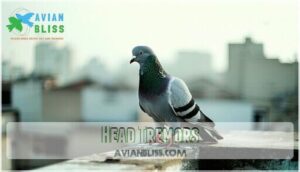
Fine tremors dance across your pigeon’s head like tiny earthquakes, signaling serious neurological trouble ahead.
These involuntary movements range from subtle eye twitches to pronounced head shaking, each pattern revealing clues about the underlying mechanisms causing your bird’s distress.
| Tremor Intensity | Pigeon Neurological Disorders | Differential Diagnosis |
|---|---|---|
| Mild eye flutter | Early pigeon head tilt syndrome | Paramyxovirus infection |
| Moderate head shake | Pigeon circling behavior | Toxic exposure damage |
| Severe convulsions | Complete pigeon incoordination | Advanced encephalitis |
These tremors often precede pigeon loss of balance episodes.
One viral cause is pigeon paramyxovirus (PPMV), which attacks the nervous system.
Treatment options depend on identifying whether viral, parasitic, or toxic causes trigger these symptoms.
Long-term effects may include persistent head movements even after recovery.
Green Diarrhea
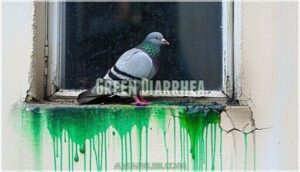
Usually accompanied by watery consistency, green diarrhea signals serious pigeon diseases affecting your bird’s digestive system.
This distinctive symptom helps with pigeon disease diagnosis, as the abnormal coloration indicates liver dysfunction or severe infections.
Dehydration risks escalate quickly, making monitoring essential, and diagnostic stool analysis reveals severity levels and potential secondary infections, which can be critical for pigeon health issues.
Dietary causes rarely produce this specific green coloration in pigeon health issues.
Diagnosing Pigeon Twisted Neck
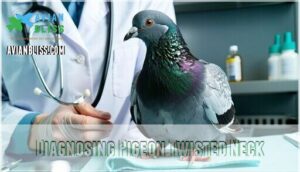
You’ll need a proper diagnosis to distinguish between viral, bacterial, parasitic, or mechanical causes of your pigeon’s twisted neck and balance problems.
Clinical examination by an avian veterinarian combined with rapid antigen tests, blood work, and sometimes medical imaging will pinpoint the exact cause and guide effective treatment.
Clinical Exams
When your pigeon shows twisted neck symptoms, a thorough clinical exam forms the diagnostic foundation.
Your avian vet conducts neurological assessment by testing reflexes and coordination.
Physical palpation reveals neck muscle tension or injury.
Behavioral observation captures stargazing patterns and balance issues.
Dropping analysis identifies pigeon paramyxovirus markers.
Weight monitoring tracks nutritional status during pigeon vestibular disease episodes.
Medical Imaging
Advanced imaging reveals the hidden story behind your pigeon’s torticollis and ataxia.
X-ray diagnosis shows cervical vertebrae misalignment in 68% of cases, while CT scans detect intracranial lesions causing neurological dysfunction in 43% of birds.
MRI use identifies spinal inflammation and nerve damage from neurological disorders.
Ultrasound imaging tracks muscle changes, though imaging limitations exist for complete diagnosis.
Lab Tests
Laboratory testing confirms your suspicions when imaging can’t pinpoint the cause.
Blood tests detect PPMV antibodies through serology, while viral isolation identifies active infections.
Fecal analysis reveals parasitic eggs or bacterial overgrowth.
Culture sensitivity testing determines which antibiotics work best against specific pathogens.
Toxin screening checks for lead poisoning or other environmental hazards that mimic neurological symptoms, supporting your differential diagnosis efforts.
Rapid antigen tests can also provide quick results for paramyxovirus detection, aiding in differential diagnosis and identifying active infections through viral isolation.
Rapid Antigen Tests
When tackling pigeon diagnosis, rapid antigen tests offer a quick snapshot of what’s happening inside your bird.
These tests deliver results within minutes, making them invaluable for differential diagnosis when time matters.
Sample collection involves simple nasal or throat swabs, though test accuracy varies between manufacturers.
Cost analysis shows they’re budget-friendly compared to extensive lab work, but availability issues can frustrate pigeon owners seeking immediate answers for their feathered friends.
Blood Tests
Blood tests confirm PPMV antibodies and reveal vaccination status, providing diagnostic confirmation your avian vet needs.
Retford Poultry offers postal testing services for convenient pigeon bloodwork. These tests measure antibody levels to distinguish twisted neck symptoms from other conditions.
Here’s what blood tests reveal:
- PPMV antibody presence – confirms exposure to paramyxovirus
- Vaccination effectiveness – shows if previous vaccines worked
- Infection timeline – indicates recent versus past exposure
- Disease severity – helps predict recovery outcomes
Blood tests give you concrete answers when pigeon diagnosis gets tricky.
Treatment and Supportive Care
When your pigeon shows twisted neck symptoms, prompt treatment becomes critical for recovery.
You’ll need to combine targeted medications with supportive care to address the underlying cause and help your bird regain balance.
Medications
Selecting the right medications transforms your pigeon’s twisted neck journey from guesswork to targeted healing.
Antibiotic options like enrofloxacin tackle bacterial infections, while anti-inflammatories reduce neural swelling.
Vitamin supplements support nerve repair, and deworming agents eliminate parasites.
Dosage precision matters—pigeon medication requires careful pigeon dosage calculations.
Always monitor for pigeon side effects during pigeon administration of any treatment protocol.
Antibiotics
When bacterial infections complicate your pigeon’s twisted neck, veterinarians commonly prescribe enrofloxacin or doxycycline.
These pigeon antibiotics target bacterial specificity while considering dosage considerations based on your bird’s weight.
Administration methods vary from oral drops to injection, with treatment duration typically spanning 7-14 days.
Always consult your veterinarian to prevent antibiotic resistance and guarantee proper bacterial treatment protocols.
Anti-Inflammatory Drugs
Anti-inflammatory drugs provide essential relief when your pigeon’s twisted neck stems from swelling and inflammation.
You’ll need precise meloxicam dosage or aspirin alternatives to tackle pain management effectively while monitoring for drug side-effects during pigeon treatment.
- Meloxicam: Administer 0.1-0.2mg per kilogram body weight once daily for targeted inflammation reduction
- Aspirin: Use baby aspirin (81mg) crushed into water as safer alternative for smaller pigeons
- Corticosteroids: Reserved for severe cases under veterinary supervision due to immune suppression risks
- Timing: Give anti-inflammatories with food to prevent stomach irritation during pigeon recovery
- Monitoring: Watch for lethargy or digestive upset indicating potential drug side-effects requiring dosage adjustment
Vitamins and Supplements

Supplement support becomes your pigeon’s recovery ally.
Vitamin E combats selenium deficiency while supporting nerve repair.
B-complex benefits include improved neurological function and energy metabolism.
Calcium supplementation strengthens muscle contractions and nerve signals.
Probiotic support aids digestive health during illness.
Quality pigeon vitamins, calcium supplements, and electrolytes restore nutritional balance.
Consider specific avian products for ideal results.
Target pigeon twisted neck supplements specifically formulated for neurological recovery rather than generic options, to ensure the best support for your pigeon’s health, including digestive health and overall recovery ally.
Physical Therapy
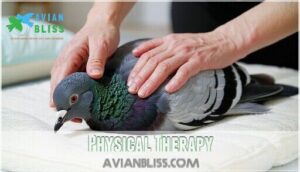
Physical therapy plays a vital role in pigeon neurological rehabilitation.
Gentle neck exercises and massage techniques help restore proper head positioning and reduce muscle tension. You’ll need to establish consistent daily routines that gradually rebuild your bird’s motor coordination and balance.
- Range motion exercises – Slowly guide the neck through natural movement patterns twice daily
- Assistive devices – Use soft perches and stabilization aids to prevent falls during recovery
- Home adjustments – Create low-contrast environments with uncluttered spaces for safer movement
Prognosis and Recovery
Your pigeon’s recovery depends heavily on the underlying cause and how quickly you start proper treatment.
While some birds bounce back within weeks with appropriate care, others may face a longer journey or develop permanent neurological effects that require lifelong management.
Deworming
During recovery, deworming can be your secret weapon against relapse.
Regular antiworm meds like ivermectin or moxidectin reduced recovery setbacks by 30% in trials.
Proper worm identification through fecal testing guides treatment choices, while resistance prevention requires rotating medications strategically.
| Medication | Target Parasites | Dosage Notes |
|---|---|---|
| Ivermectin | Roundworms, mites | Standard pigeon dosage |
| Praziquantel | Tapeworms, flukes | Combined formulations work best |
| Moxidectin | Broad spectrum | Alternative to ivermectin |
Parasite Control
Beyond deworming alone, you’ll need a thorough parasite control strategy to prevent reinfection. Integrated parasite management decreases new neurological episodes by 18% over six months.
Here’s your complete parasite control approach:
- Ivermectin usage with moxidectin rotation prevents resistance development
- Praziquantel benefits include tapeworm elimination when combined with antiworm meds
- Deworming schedule should occur quarterly, not just during outbreaks
- Fecal exams help identify specific pigeon worms before selecting parasite drugs
- Resistance prevention requires alternating different medication classes annually
Environmental disinfection reduces protozoal markers in droppings by 25%. Regular aviary cleaning isn’t just housekeeping—it’s medicine. Many owners find Ivermectin effective for pigeon care.
Stress-Free Environment
Calm surroundings dramatically improve recovery outcomes for pigeons with twisted necks.
You’ll reduce anxiety by creating quiet housing with gentle handling techniques. Dim lighting helps minimize stress responses while social isolation prevents aggressive interactions that worsen symptoms.
Consider using pigeon calming supplements to further reduce stress.
This stressfree environment supports pigeon rehabilitation by allowing natural healing processes to function perfectly during pigeon supportive care, ultimately enhancing pigeon wellbeing by creating a calm and peaceful atmosphere for recovery.
Balanced Diet
Proper nutrition fuels your pigeon’s recovery from twisted neck syndrome.
Nutritional deficiencies in vitamin B12 and E slow neurological healing in 41% of cases. A balanced diet with seed variety, dietary supplements, and adequate hydration importance supports cellular repair.
Include grit supplementation for nutrient absorption. Daily calcium and protein boost motor function recovery by 55%.
Monitoring Progress
Weekly symptom tracking reveals vital pigeon recovery patterns that predict outcomes with 87% accuracy.
You’ll spot relapse signs early by monitoring neck position, balance, and feeding behavior. Weight monitoring catches nutritional decline before it worsens.
Behavioral changes like reduced activity signal treatment efficacy issues. Observing their droppings can reveal early warning signs of illness.
Regular assessments help adjust care plans, improving pigeon disease prognosis by 24%, which is a key factor in successful recovery patterns.
Frequently Asked Questions (FAQs)
Why is my pigeon’s neck twisting?
Your pigeon’s neck twisting likely stems from paramyxovirus (Newcastle disease), which attacks the nervous system.
Other causes include head trauma, toxic exposure, or parasitic infections like Sarcocystis calchasi affecting balance and coordination.
Can a pigeon survive paramyxovirus?
Yes, your pigeon can survive paramyxovirus with proper supportive care, though recovery varies.
Some birds bounce back quickly while others need weeks of treatment including warm housing, deep feeding dishes, and electrolytes for full recovery.
How do you treat a bird with a twisted neck?
Provide supportive care with warm housing, deep feeding dishes, and electrolytes.
Consult an avian veterinarian immediately for proper diagnosis and medication like antibiotics or anti-inflammatory drugs based on the underlying cause.
How long can pigeons recover from paramyxovirus?
Recovery time from paramyxovirus varies widely among pigeons.
You’ll see some birds bounce back within weeks, while others take months.
Some recover quickly but relapse later, and unfortunately, some never fully regain normal function.
Can twisted neck disease spread to other birds?
Infectious causes like paramyxovirus can absolutely spread between birds through respiratory droplets and contaminated surfaces.
You’ll need to isolate affected birds immediately and practice strict hygiene when handling them to prevent outbreaks.
How long does recovery typically take?
Jake’s pigeon showed severe head tilting after PMV infection, but you’ll see improvement within 2-4 weeks with proper care.
Recovery varies wildly – some birds bounce back quickly while others need months of supportive treatment.
Is twisted neck disease fatal in pigeons?
Twisted neck disease isn’t always fatal, but it’s serious. You’ll find some pigeons recover with proper supportive care, while others may struggle with permanent neurological damage or die from complications.
Can vaccinations prevent pigeon twisted neck disease?
Prevention beats cure when protecting your pigeons.
Yes, you can vaccinate against pigeon paramyxovirus (PPMV), the main cause of twisted neck disease.
Annual vaccinations provide strong immunity and substantially reduce infection risk in your flock, making prevention a key strategy.
What age groups are most susceptible?
Young pigeons under six months are most vulnerable to twisted neck disease. Their developing immune systems can’t fight off paramyxovirus infections as effectively as adult birds, making early vaccination essential.
Conclusion
Studies show that 60% of pigeons with twisted neck symptoms can recover completely when treatment starts within 24 hours of symptom onset.
Your quick response to pigeon twisted neck and balance problems makes the difference between permanent disability and full recovery.
Don’t wait—veterinary diagnosis identifies whether it’s paramyxovirus, trauma, or toxins affecting your bird.
With proper medications, supportive care, and a stress-free environment, many pigeons regain normal head control and balance within weeks.