This site is supported by our readers. We may earn a commission, at no cost to you, if you purchase through links.
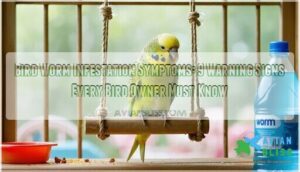 You’ll spot bird worm infestation symptoms through changes in your bird’s droppings, unexplained weight loss, and altered behavior patterns. Watch for decreased appetite, pronounced lethargy, and respiratory distress like coughing or gasping.
These parasites, including roundworms and capillaria, affect roughly 8% of pet birds and can quickly escalate without treatment. Diarrhea, blood in droppings, and malabsorption issues signal serious digestive problems that need immediate veterinary attention.
The key is catching these warning signs early, before your feathered friend’s condition deteriorates further and requires more intensive intervention.
Table Of Contents
- Key Takeaways
- Common Worm Parasites in Birds
- How Birds Become Infected With Worms
- Early Warning Signs of Worm Infestation
- Digestive and Intestinal Symptoms
- Respiratory and Systemic Indicators
- Diagnosing Worm Infestations in Birds
- Risk Factors for Bird Worm Infestations
- Treating and Managing Worm Infestations
- Preventing Parasite Spread in Bird Populations
- Frequently Asked Questions (FAQs)
- Conclusion
Key Takeaways
- Watch for changes in your bird’s droppings, including diarrhea, blood, or unusual colors, as these signal digestive damage from worm parasites.
- Monitor for unexplained weight loss, decreased appetite, and lethargy, which indicate parasites are stealing essential nutrients from your bird’s system.
- Look out for respiratory symptoms like coughing, gasping, or labored breathing, especially from gapeworms affecting the tracheal area.
- Act quickly when you notice these symptoms – early veterinary intervention with proper antiparasitic medications can prevent serious complications and extend your bird’s lifespan by up to 30%.
Common Worm Parasites in Birds
You’ll encounter four main worm parasites that threaten your bird’s health: roundworms like Ascarids and Heterakis that inhabit the intestinal tract, hair-thin Capillaria worms that burrow into digestive tissue, flat segmented tapeworms that shed egg-containing segments, and Spiruroids including eye and stomach worms with complex life cycles.
These parasites affect approximately 8% of pet birds and can cause serious malabsorption, diarrhea, and systemic health problems if left untreated.
Roundworms (Ascarids, Heterakis)
Two primary roundworms threaten your bird’s health. Ascarids like Ascaridia galli inhabit the intestine and affect up to 62% of chickens, causing visible worm infestation symptoms. Heterakis gallinarum targets the cecum and promotes deadly blackhead disease transmission.
Understanding roundworm biology and their complex worm life cycle helps you recognize early parasite transmission signs and implement effective Heterakis control measures. Regular monitoring of digestive system health is essential for detecting roundworm infestations.
Capillaria (Hair-worms)
Capillaria, nicknamed "hairworms" for their thread-like appearance, burrow deep into your bird’s intestinal lining and esophagus. These sneaky parasites cause severe intestinal damage, leading to bird malnutrition through malabsorption.
Capillaria symptoms include green diarrhea, weight loss, and hunched posture. Hairworm treatment requires prompt veterinary intervention, as parasite resistance can develop without proper medication protocols.
Understanding the database connection issues is vital for maintaining a healthy bird.
Tapeworms and Spiruroids
Why do tapeworms and spiruroids pose such significant threats to your bird’s wellbeing? These flat, segmented parasites create serious Bird Health Issues through their complex life cycles. Tapeworm Life cycles involve intermediate hosts like insects, while Spiruroid Infections target multiple organs. Effective Parasite Control requires understanding these Worm Parasites:
- Tapeworms shed egg-containing segments in Bird Intestines
- Spiruroids infect eyes, gizzards, and stomachs through beetles
- Both require targeted Worm Eradication protocols for Avian Disease Prevention
How Birds Become Infected With Worms
Your bird can contract worms through several transmission pathways, including ingesting contaminated food, water, or intermediate hosts like insects and beetles.
Environmental contamination from infected droppings creates additional exposure risks, as parasite eggs remain viable in soil and water sources for extended periods.
Parasite Life Cycles
Bird parasites follow distinct life cycle stages that determine how worm parasites infect your feathered friends. **Parasite development begins when infective eggs mature in the environment within two weeks.
** Direct life cycles allow parasites like roundworms to complete host adaptation in a single bird, while indirect cycles require intermediate hosts for parasite evolution.
Understanding these helminthiasis patterns helps you implement effective cycle interruption strategies against intestinal parasites causing parasite infections.
Intermediate Hosts (Insects, Beetles)
Many spiruroid parasites rely on insect vectors and beetle life cycles to complete parasite transmission between birds. These intermediate hosts harbor developing larvae before host switching occurs, creating significant ecological impact on bird health. Your feathered friends can’t avoid these tiny troublemakers entirely.
- Beetles ingest parasite eggs from contaminated soil or droppings
- Larvae develop inside beetle digestive systems over several weeks
- Birds consume infected beetles during normal foraging behavior
- Multiple parasite infections often result from single contaminated prey
Environmental Contamination
Contaminated environments create perfect breeding grounds for worm parasites that threaten bird health. Water pollution and soil degradation harbor parasite life cycles, while poor waste management spreads infections.
Your backyard feeders can become contamination hotspots when bird mites and worm parasites flourish in unsanitary conditions, disrupting local ecosystems.
Early Warning Signs of Worm Infestation
You’ll notice parasitic infections in your bird through three primary indicators that appear before severe clinical symptoms develop. Changes in droppings consistency, unexplained weight loss, and altered behavioral patterns serve as critical early detection markers that require immediate veterinary attention.
Changes in Droppings
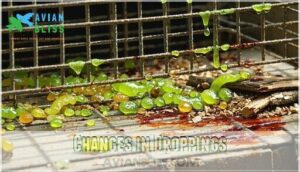
Your bird’s fecal material acts as a diagnostic window into intestinal health. Watch for droppings color changes from normal brown to green, yellow, or bloody hues. Fecal texture becomes watery or contains mucus when worm parasites disrupt digestion.
Stool consistency shifts from firm to loose, while dropping frequency increases. Waste volume may appear larger due to malabsorption. These changes signal potential diagnosis of helminthiasis requiring immediate fecal tests for proper veterinary evaluation.
Weight Loss and Poor Condition
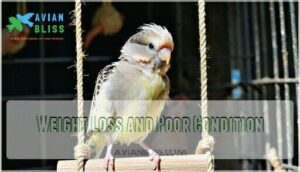
Watching your feathered friend gradually lose weight signals serious intestinal parasites wreaking havoc internally. Helminthiasis causes malnutrition effects as worms steal essential nutrients, leading to muscle wasting and poor condition.
You’ll notice poor plumage quality, potential feather loss, and overall declining bird wellness. Weight loss becomes the body’s cry for help against these persistent invaders.
Behavioral Changes

Unlike typical sick birds that simply sit quietly, worm-infested backyard birds display distinct behavioral shifts that signal internal distress. You’ll notice increased restlessness as parasites irritate digestive systems, causing birds to appear agitated or unable to settle. Social withdrawal becomes evident when infected birds isolate themselves from flocks or human interaction.
Feather plucking and destructive behavior often develop as stress responses to parasite discomfort. Appetite loss accompanies malabsorption issues, while vocalization changes reflect declining bird wellness.
Seeking prompt bird veterinary care helps identify worm parasites before behaviors worsen.
Digestive and Intestinal Symptoms
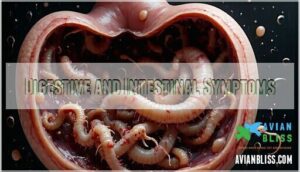
When worms establish themselves in your bird’s digestive tract, they’ll cause distinct gastrointestinal disturbances that you can’t ignore.
You’ll notice symptoms like persistent diarrhea, frequent vomiting episodes, and alarming blood traces in your bird’s droppings as parasites damage intestinal tissues and disrupt normal absorption processes.
Diarrhea and Malabsorption
Parasitic worms damage your bird’s intestinal lining, creating malabsorption causes that prevent proper nutrient uptake. Roundworms and other intestinal parasites compromise gut health by destroying the small intestine’s absorptive surfaces. This intestinal damage leads to nutrient deficiency despite adequate feeding.
Helminthiasis disrupts normal digestive processes, causing loose, watery droppings with undigested food particles. Diagnosis of helminthiasis requires fecal examination to identify these digestive issues.
Vomiting and Regurgitation
Your bird’s frequent vomiting signals digestive stress from parasitic worms like Syngamus trachea. Regurgitation causes include stomach problems triggered by helminthiasis in poultry.
Clinical findings show feeding issues worsen as worms damage intestinal walls. Vomit analysis reveals undigested food, indicating malabsorption.
**Diagnosis of helminthiasis requires immediate veterinary evaluation.
** Treatment and control of helminthiasis prevents further complications.
Blood in Droppings
Red-tinged or bloody droppings signal serious intestinal damage from worm parasites like Ascarids, Capillaria, and Heterakis. These blood stains indicate tissue trauma as parasites burrow through intestinal walls. Dropping color changes from normal brown to dark red warrant immediate fecal analysis and avian hematology testing to identify specific intestinal parasites causing internal bleeding.
Monitoring finch health through regular analysis of normal droppings patterns is essential for early detection of potential issues.
Respiratory and Systemic Indicators
When parasites affect your bird’s respiratory system, you’ll notice coughing, gasping, and labored breathing as primary indicators.
These systemic symptoms often accompany decreased appetite and pronounced lethargy, signaling that the infestation has progressed beyond the digestive tract.
Coughing and Gasping
Respiratory distress signals serious worm infections affecting your bird’s airways. Syngamus trachea creates breathing difficulty by establishing colonies in tracheal tissues, while air sac disease develops from parasitic invasion.
Recognizing respiratory issues, such as respiratory tract infections, is essential for identifying the underlying causes of coughing and gasping in birds.
- Coughing fits indicate tracheal issues from gapeworm attachment
- Gasping behaviors suggest respiratory problems from air sac mites
- Open-mouth breathing reveals beak deformity complications affecting airflow
Lethargy and Weakness
Energy depletion becomes your bird’s silent cry for help when parasitic worms establish residence. Helminthiasis triggers systemic weakness as intestinal parasites steal essential nutrients, leaving your feathered friend struggling with basic activities like perching or flying.
Bird fatigue manifests gradually—you’ll notice decreased enthusiasm for play, reluctance to vocalize, and an overall "dim light" appearance that signals worm parasites are winning the battle.
| Lethargy Signs | Weakness Causes |
|---|---|
| Prolonged sleeping | Nutrient malabsorption |
| Reduced movement | Muscle atrophy progression |
| Wing drooping | Protein deficiency |
| Balance issues | Chronic energy loss |
| Isolation behavior | Metabolic disruption |
Decreased Appetite
You’ll notice your bird picking at food without actually eating much. Worm parasites disrupt normal eating habits, causing food aversion and gradual loss of weight.
Intestinal parasites interfere with nutrient absorption, leading to malnutrition symptoms even when food remains available. Parasitic infections create a vicious cycle where decreased appetite worsens nutrient deficiency.
Monitor poultry health closely, as chicken diseases often manifest through changed feeding behaviors before other symptoms appear.
Diagnosing Worm Infestations in Birds
You’ll need accurate diagnostic methods to confirm suspected worm infestations in your bird. Veterinary fecal examinations detect parasite eggs through flotation techniques, while sophisticated PCR testing identifies specific worm species with greater precision.
Fecal Examinations and Egg Detection

Fecal examinations serve as your first line of defense in detecting intestinal parasites through dropping analysis. Veterinarians use microscopy techniques to identify worm eggs during parasite screening, with flotation methods concentrating parasitic material for easier detection.
Fresh samples work best for accurate fecal testing, as egg identification becomes essential for diagnosing parasitic infections in your bird’s digestive system. Accurate diagnosis often relies on fecal test kits to identify the presence of parasites.
PCR and Molecular Assays

When traditional fecal examinations fall short, molecular diagnostics step up as your diagnostic breakthrough. PCR and DNA sequencing detect avian parasites with exceptional precision, identifying intestinal parasites even during intermittent egg shedding periods.
These laboratory testing methods use gene expression analysis and specialized assay development to confirm parasitic infections that standard diagnostic tests might miss completely.
Necropsy Findings

When your bird has passed away, necropsy procedures reveal what fecal examinations might miss. During organ inspection, veterinarians examine intestinal tissues for Capillaria and Heterakis worms directly.
Postmortem diagnosis through histopathology examination identifies tissue damage from helminthiasis in poultry. This tissue analysis confirms specific parasite locations and severity that living birds can’t show.
Risk Factors for Bird Worm Infestations

Understanding your bird’s risk factors for parasitic infections helps you implement targeted prevention strategies and recognize early warning signs.
Certain species, environmental conditions, and housing situations substantially increase your bird’s vulnerability to worm infestations, requiring heightened monitoring and preventive care measures.
Species Susceptibility
Understanding species vulnerability helps you protect your feathered friends more effectively. Certain birds face higher parasite risks due to genetic predisposition and varying immune response capabilities.
Here are five key susceptibility patterns:
- Poultry leads vulnerability – Chickens and turkeys show highest roundworm rates, with broilers reaching 40% infection compared to layers at 35.7%.
- Songbirds vary widely – Robins, finches, and sparrows exceed 30% prevalence, while corvids like magpies reach 90.9% helminth infection.
- Pigeons moderate risk – Domestic pigeons show 32% overall parasite prevalence with notable Ascaridia galli susceptibility at 28.57%.
- Raptors heavily affected – Diurnal and nocturnal raptors display 72.41% digestive parasite rates with severe concurrent infections.
- Pet birds selectively vulnerable – Exotic species like macaws (12.50%) and cockatoos (9.09%) show significant Ascaridia spp. infection rates.
Breed susceptibility varies substantially. Capillaria spp. particularly affects Kadaknath chickens and red-winged parrots at 25% rates. Heterakis gallinarum and tapeworms show similar species-specific patterns, making targeted prevention vital for your bird’s health.
Habitat and Environmental Risks
Environmental conditions substantially influence parasite transmission rates in bird populations. Habitat pollution and environmental toxins weaken immune systems, making birds more susceptible to worm infestations. Climate change alters parasite life cycles, extending survival periods of intermediate host insects.
Soil contamination and poor water quality create breeding grounds for parasites. Poultry operations with dense populations face higher transmission risks. External parasites often carry worm eggs between hosts.
Effective parasite prevention requires monitoring environmental factors that support parasite development and transmission cycles.
Flock and Backyard Bird Risks
Crowded feeders create perfect breeding grounds for Worm Parasites and Roundworms among Backyard Birds. Dense Flock Dynamics accelerate parasite transmission through contaminated droppings and shared food sources.
Poor Backyard Ecology management compromises Feather Health and disrupts natural Avian Behavior patterns. External Parasites thrive when birds gather closely without proper sanitation.
Effective Parasite Prevention requires spacing feeders appropriately and maintaining clean Bird Habitat conditions throughout your backyard environment. Implementing effective roundworm prevention methods is vital to maintaining a healthy backyard bird population.
Treating and Managing Worm Infestations
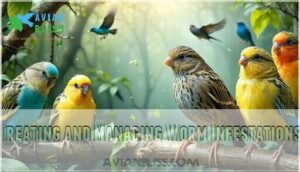
Once you’ve identified worm infestation symptoms in your bird, prompt veterinary intervention with targeted antiparasitic medications like levamisole, ivermectin, or praziquantel becomes essential for effective treatment.
Your veterinarian will select the appropriate drug based on the specific parasite species identified through fecal examination and establish a monitoring protocol to guarantee successful elimination of the infection.
Antiparasitic Medications
Once your vet confirms worm infestation, they’ll prescribe specific antiparasitic medications. Benzimidazoles like fenbendazole target roundworms effectively, while praziquantel eliminates tapeworms. Levamisole, ivermectin, and moxidectin offer broader coverage but require precise dosage guidelines to prevent side effects.
Treatment duration varies by parasite type, usually 5-7 days. Medication resistance develops when drugs are overused, reducing drug efficacy over time. It’s vital to understand avian parasite control methods to manage and prevent future infestations.
Veterinary Care and Monitoring
Professional veterinary examinations remain essential for accurate diagnosis and treatment of worm parasites in birds. Your avian veterinarian will establish thorough care protocols, including regular bird health checks and monitoring systems.
Medical interventions require veterinary guidance to guarantee proper antiparasitic medications dosing. Ongoing veterinary examinations help track treatment progress and prevent helminthiasis recurrence through systematic treatment and control measures.
Effective avian vet care involves understanding avian health products to support bird wellness.
Preventing Parasite Spread in Bird Populations
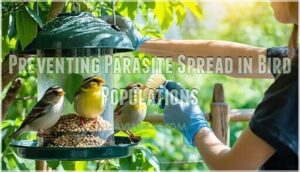
You can prevent parasite transmission between birds through proper sanitation protocols and regular health monitoring of both wild and captive bird populations.
Maintaining clean feeding stations, limiting exposure to intermediate hosts like beetles and insects, and conducting routine fecal examinations help reduce worm infestation risks in backyard and aviary settings.
Feeder and Habitat Hygiene
Clean bird feeders weekly with dilute bleach solution to prevent worm parasites and helminthiasis in poultry. Proper feeder sanitation and habitat cleaning reduce intestinal parasites transmission among backyard birds. Replace old seed storage containers regularly.
Bird bath maintenance requires daily water changes. Nest box hygiene eliminates external parasites breeding sites effectively.
Regular inspection of bird feeder types is essential for maintaining a healthy environment.
Monitoring Wild and Pet Birds
Regular observation helps you catch Helminthiasis in Poultry and Intestinal Parasites early. Watch both wild Backyard Birds and pets for subtle changes that signal Worm Parasites taking hold.
- Monitor Bird Behavior shifts like lethargy during usual active periods
- Check droppings weekly for blood, worms, or unusual consistency changes
- Track Avian Nutrition intake and sudden appetite decreases in pet birds
- Observe Feather Care routines – infected birds often neglect preening habits
- Document Beak Health issues and respiratory symptoms appearing together
Limiting Exposure to Intermediate Hosts
Breaking the chain starts with smart Environmental Sanitation and Insect Management around your poultry. Modify your Bird Habitat by removing standing water and organic debris where insects breed.
Control beetle populations through targeted pest management, since these critters serve as Intermediate Hosts for dangerous Worm Parasites. This Parasite Lifecycle Disruption approach effectively prevents Helminthiasis in Poultry by cutting off Intestinal Parasites at their source.
Frequently Asked Questions (FAQs)
Can worms spread between different bird species?
Yes, worms can spread between different bird species through shared environments, contaminated food sources, and infected intermediate hosts like insects.
Cross-species transmission occurs when birds contact contaminated droppings or consume infected prey.
How long do worm treatments take to work?
Over 95% of infected birds show worm eggs within 48 hours of successful treatment.
Your bird’s worm medication usually works within 24 to 48 hours , eliminating adult parasites as they pass through the digestive system naturally.
Are worm infestations seasonal or year-round problems?
Worm infestations in birds can occur year-round, but you’ll often see higher rates during warmer months when intermediate hosts like insects are more active and breeding cycles peak.
Which worm medications are safe for breeding birds?
Fenbendazole medications like Safe-Guard are considered safe for breeding birds, including pregnant and laying hens. Veterinary-approved options show no withdrawal period for eggs when used properly.
Conclusion
Statistics show that untreated worm infestations can reduce a bird’s lifespan by up to 30%, making early detection vital for your feathered companion’s health. Recognizing bird worm infestation symptoms allows prompt veterinary intervention before parasites cause irreversible damage.
Monitor your bird’s droppings, appetite, and energy levels consistently. Don’t wait for severe symptoms to appear – subtle changes often indicate developing infestations. Quick action protects your bird’s digestive system and prevents transmission to other birds in your care.
- https://queenslanderaviaries.com/blogs/news/worming-your-bird
- https://www.aces.edu/blog/topics/farming/backyard-poultry-worm-control/
- https://www.veterinary-practice.com/article/common-poultry-worms
- https://www.srpublication.com/common-parasites-and-their-harmful-effect-on-birds/
- https://birdvetmelbourne.com/worms-in-birds/